C-peptide is a secretion product of pancreatic β-cells, and it shares a common precursor with insulin—proinsulin. One molecule of proinsulin, under specific conditions, splits into one molecule of insulin and one molecule of C-peptide; therefore, theoretically, C-peptide and insulin are secreted in equal amounts. The physiological functions of free C-peptide in the blood are not yet clear, but C-peptide is not degraded by the liver, and its half-life is significantly longer than that of insulin. Thus, measuring C-peptide levels can better reflect the function of β-cells in synthesizing and releasing insulin.
For patients already treated with insulin, the insulin antibodies produced in the body can interfere with insulin measurement; moreover, the radioimmunoassay method for measuring insulin cannot distinguish the source of insulin, complicating the understanding of β-cell function. There is a relatively stable ratio relationship between C-peptide and insulin, and it is not affected by insulin antibodies. Exogenous insulin injections do not contain C-peptide, so measuring blood C-peptide levels can reflect endogenous insulin levels and provide insight into β-cell function.
Reference Range for C-Peptide
Fasting C-peptide: 1.10–4.40 ng/ml;
Peak at 30–60 minutes, reaching 5–6 times the baseline value;
Recovery time ≤ 180 minutes.
Clinical Significance of C-Peptide Release Test
The procedure and precautions for the C-peptide release test are the same as those for the insulin release test. Its clinical significance is:
● C-peptide measurement is commonly used for the classification of diabetes, and its significance is the same as that of insulin measurement. In type 1 diabetes, due to the extensive destruction of pancreatic β-cells, C-peptide levels are low, showing little response to blood glucose stimulation, and the entire curve is flat; in type 2 diabetes, C-peptide levels are normal or higher than normal, with a delayed peak after glucose intake or a hyper-responsive peak;
● Because C-peptide is not affected by insulin antibodies, for patients receiving insulin treatment, C-peptide concentration can be directly measured to determine the function of their β-cells. C-peptide measurement is also used to guide insulin therapy, helping to determine whether the patient should continue using insulin or switch to oral hypoglycemic agents or dietary treatment;

● C-peptide can be used for the diagnosis and differential diagnosis of hypoglycemia, especially hypoglycemia caused by iatrogenic insulin. If C-peptide levels are above normal, it can be considered due to excessive insulin secretion; if C-peptide is below normal, it is due to other reasons. For patients undergoing islet or pancreas transplantation, C-peptide measurement can provide information on whether the transplant is functioning and the function of β-cells. C-peptide measurement can also be used to diagnose recurrence after treatment for pancreatic tumors;
● C-peptide measurement aids in the diagnosis of insulinomas and assessing the surgical outcomes of insulinoma. Patients with insulinoma have elevated levels of C-peptide in the blood; if C-peptide levels remain high post-surgery, it indicates residual tumor tissue; if C-peptide levels continuously rise during follow-up, it suggests the possibility of tumor recurrence or metastasis;
● Simultaneous measurement of C-peptide and insulin can help understand liver changes, as insulin is degraded by the normal liver by half in each blood circulation, while C-peptide is rarely metabolized by the liver. Measuring the peripheral blood C-peptide/insulin ratio can estimate the liver’s ability to metabolize insulin.
The C-peptide release test and the insulin release test are conducted in the same manner; C-peptide can be measured while testing insulin, so I will not elaborate further. Below is a line graph based on the results of the C-peptide release test combined with the insulin release test (see Figure 1). Understanding the clinical significance represented by each line graph for diabetes patients.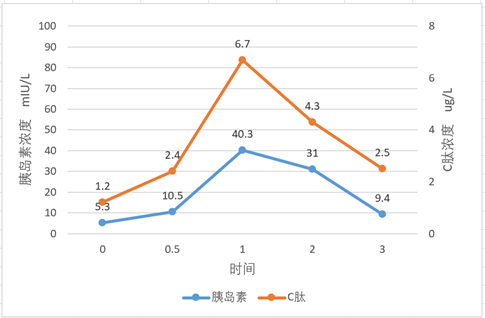 Figure 1 Normal Insulin and C-Peptide Line Graph
In Figure 1, it can be seen that CP and INS are normal when fasting, and at 1 hour, CP and INS rise to a peak, generally 5-10 times the fasting level, returning to normal after 3-4 hours, indicating normal secretion of pancreatic β-cells.
In normal individuals, after glucose intake, plasma insulin and C-peptide rise rapidly with the increase in blood sugar, generally peaking at 30-60 minutes, and are 5-10 times the fasting level, then gradually decrease, returning to fasting levels after 3 hours, indicating synchronous secretion, which shows that the reserve function of pancreatic B-cells is strong.
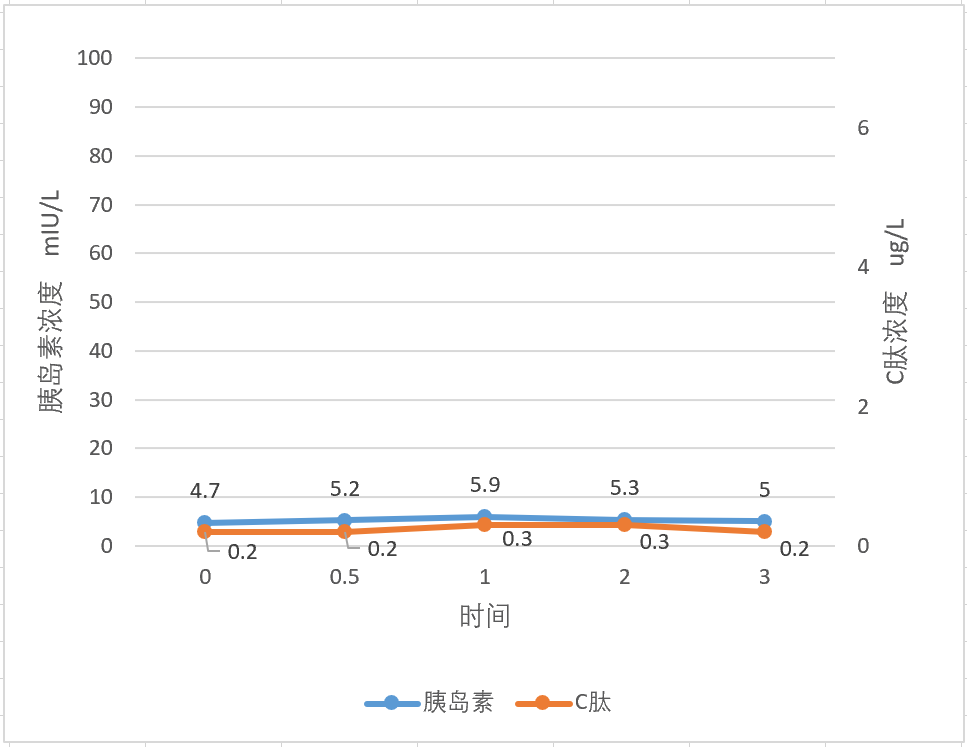 Figure 2 Type 1 Diabetes Insulin and C-Peptide Line Graph
In Figure 2, postprandial CP and INS show no significant difference compared to fasting levels, both remaining below normal ranges, with no significant peaks for CP and INS, indicating loss of pancreatic β-cell secretion function and lack of INS in the body, characteristic of type 1 diabetes. Therefore, treatment requires supplementation with exogenous insulin to improve the body’s glucose metabolism and lower blood sugar levels, using animal insulin, human insulin, or insulin analogs such as aspart insulin and glargine insulin. The HISCL series of chemiluminescence analyzers can measure insulin without being affected by aspart insulin and glargine insulin, allowing for appropriate dosing based on insulin and blood sugar monitoring.
Type 1 diabetes is characterized by severe destruction of pancreatic B-cells, with very low fasting plasma insulin and C-peptide levels, and no significant increase upon glucose stimulation, resulting in a flat curve that may not even be measurable;
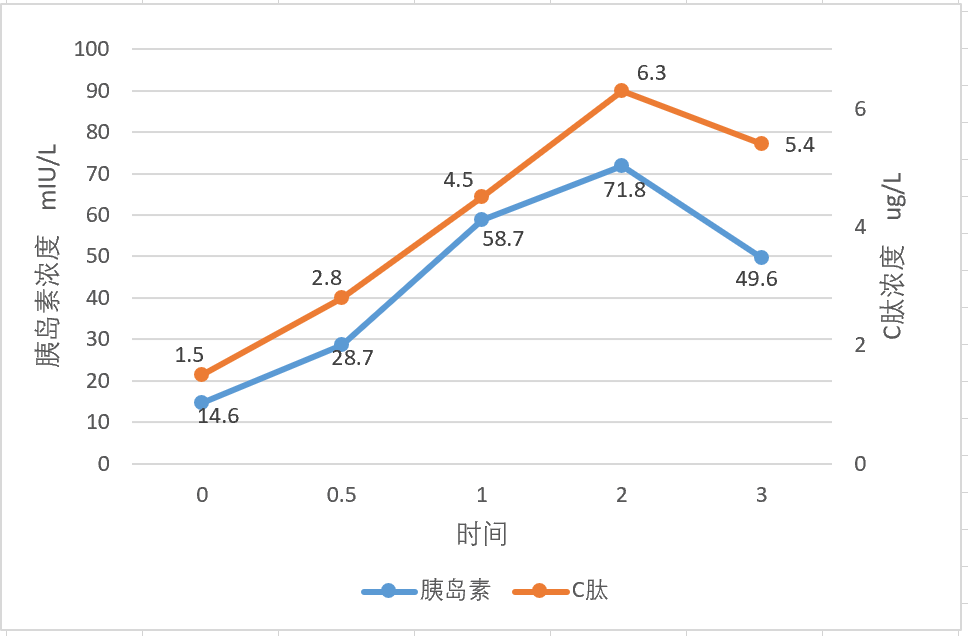 Figure 3 Type 2 Diabetes Insulin and C-Peptide Line Graph
In Figure 3, fasting CP and INS levels are generally normal, and postprandial peaks can reach expected values, but the peaks are delayed, indicating that the pancreatic β-cell function is generally intact. Therefore, lifestyle adjustments combined with oral hypoglycemic agents can be used for control, with options including metformin, alpha-glucosidase inhibitors, DDP-4, GLP-1, etc., such as metformin and acarbose tablets.
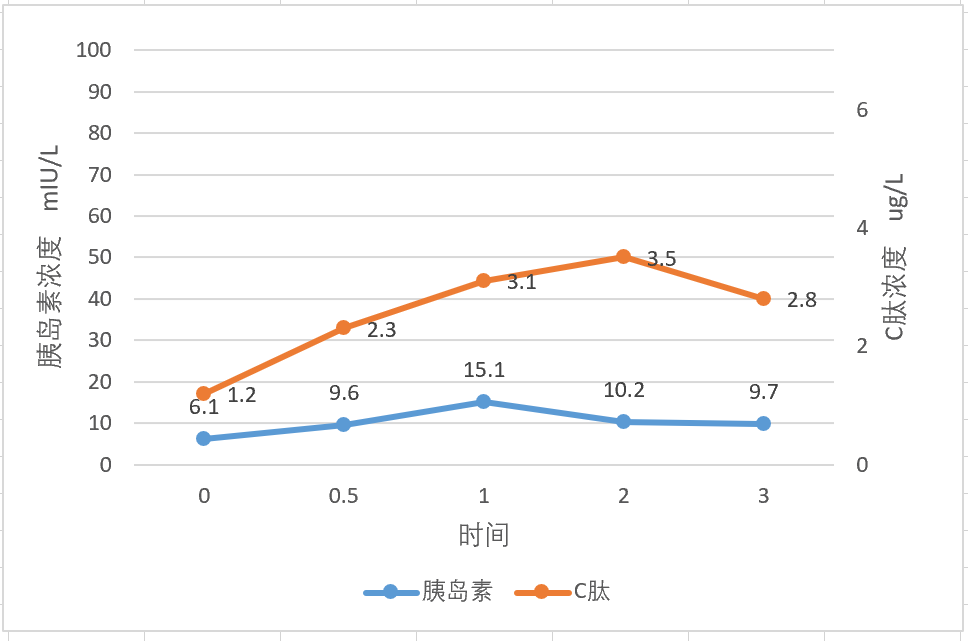 Figure 4 Type 2 Diabetes – Insufficient β-Cell Reserve Line Graph
In Figure 4, the patient has normal fasting CP and INS, but postprandial peaks are lower than expected (the expected value refers to 1 hour CP and INS rising to a peak, generally 5-10 times the fasting level, returning to normal after 3-4 hours), indicating insufficient pancreatic β-cell reserve. Timely insulin use is necessary to lower blood sugar, preventing further damage to healthy pancreatic cell function. Oral medications such as glinides can also be used to lower postprandial blood sugar.
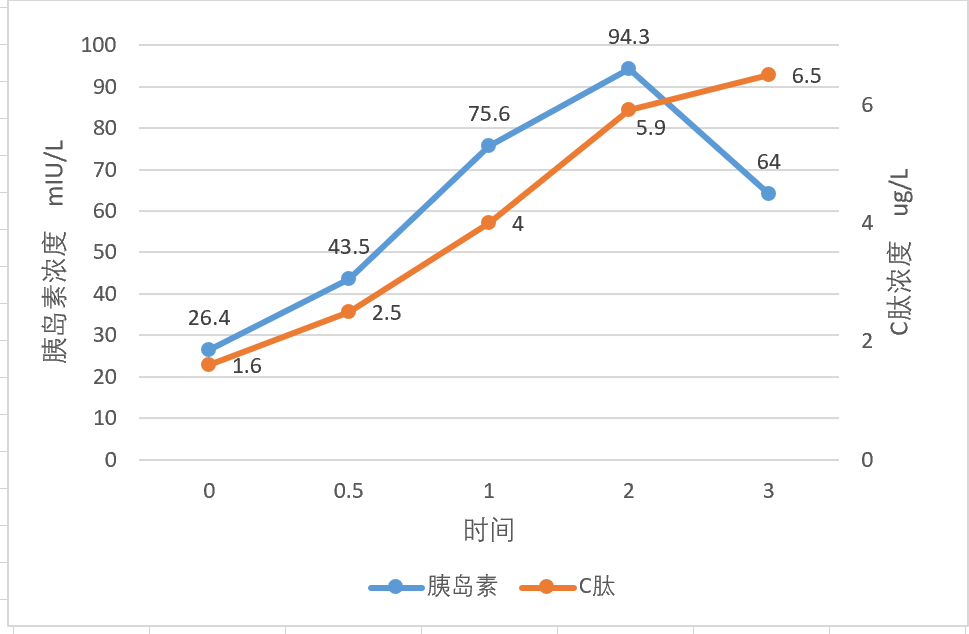 Figure 5 Type 2 Diabetes – Insulin Resistance Line Graph
In Figure 5, fasting CP levels are normal, while INS is elevated; both can reach peak values postprandially, indicating severe insulin resistance in the patient, along with a certain degree of metabolic disorder. Therefore, in addition to controlling diet and reducing weight, metformin or insulin sensitizers can be added.
In type 2 diabetes, fasting plasma insulin and C-peptide levels can be normal or slightly elevated, and after glucose stimulation, insulin and C-peptide can be secreted but exhibit delayed peaks. In overweight or obese type 2 diabetes patients, fasting plasma insulin and C-peptide levels are higher than those of normal-weight individuals, and postprandial secretion is also higher, sometimes exceeding normal values, but still lower than those of non-diabetic individuals with the same weight, hence termed relative insulin deficiency.
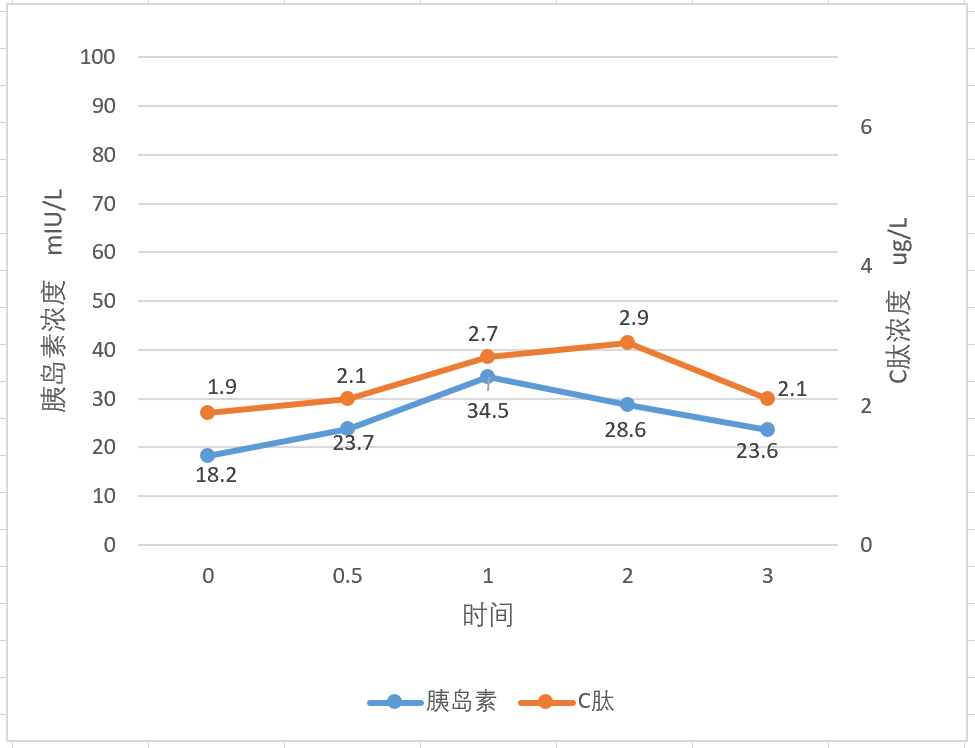 Figure 6 Type 2 Diabetes – Insulin Resistance and β-Cell Damage Line Graph
In Figure 6, fasting CP and INS are above normal ranges, while postprandial levels are below expected values, indicating that the patient has both insulin resistance and β-cell damage. There are multiple treatment options available, including short-acting and long-acting insulin intensification therapy, as well as premixed insulin therapy. Additionally, oral medications can be added on top of these treatments, or long-acting insulin can be combined with oral medications.
Type 2 diabetes is primarily caused by insulin resistance, which can also be accompanied by varying degrees of pancreatic function impairment. Measuring serum C-peptide (CP) and insulin (INS) levels can indirectly provide insight into the secretion state of pancreatic cells, thus enabling the formulation of targeted treatment plans to enhance clinical efficacy[3]. For patients receiving long-term insulin treatment, antibodies may develop, interfering with immunoassays of insulin levels. In such cases, even if insulin treatment is halted, it is impossible to accurately assess β-cell function. At this point, C-peptide measurement is considered a more reliable method than insulin measurement for reflecting insulin secretion levels, allowing for a more accurate assessment of the patient’s endogenous insulin secretion reserve[4]. C-peptide can also be used to differentiate the causes of hypoglycemia; if C-peptide exceeds normal values, it may indicate excessive insulin secretion; if C-peptide is lower than normal, it indicates other causes. C-peptide measurement aids in diagnosing pancreatic cell tumors and observing postoperative efficacy; elevated C-peptide levels in insulinoma serum indicate residual tumor tissue; if C-peptide levels continuously rise during follow-up, it suggests the possibility of tumor recurrence or metastasis. Thus, measuring C-peptide levels is significant for understanding β-cell function.
Note: Conducting the C-peptide release test in patients with a long-standing diagnosis of type 2 diabetes can determine the actual function of their pancreas. If pancreatic function is poor, medications that promote insulin secretion will be ineffective, which has significant implications for clinical treatment. However, misunderstandings about the C-peptide release test have led to some misconceptions. Some people believe that this test requires eating one and a half large buns for accurate blood sugar measurement, which is actually a special requirement of the test and has no relation to our daily diet; it is not true that only eating one and a half large buns will yield accurate blood sugar results!