👨🎓 Personal Homepage
💥💥💞💞 Welcome to this blog ❤️❤️💥💥
🏆 Blogger’s Advantages: 🌞🌞🌞 The blog content aims to be logically clear and coherent for the convenience of readers.
⛳️ Motto: A journey of a hundred miles begins with a single step.
💥1 Overview
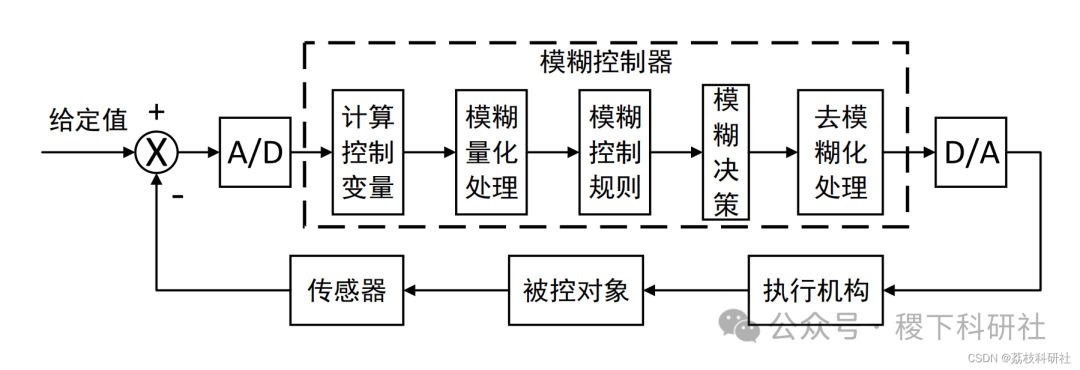
Fuzzy Control was first established in 1965 by Zadeh in the United States, who introduced fuzzy set theory and later proposed the concept of fuzzy logic controllers and related theorems. In 1974, the first fuzzy logic controller was composed and used in control systems for boilers and turbines. Fuzzy control is a modern intelligent control technology based on fuzzy set theory, fuzzy linguistic variables, and fuzzy logic reasoning. Fuzzy control is based on empirical fuzzy rules, fuzzifying real-time information received from sensors, and then performing fuzzy reasoning on the fuzzified information, which is then defuzzified and sent to actuators, completing the fuzzy control process. The basic principle diagram of fuzzy control is shown in the figure below:

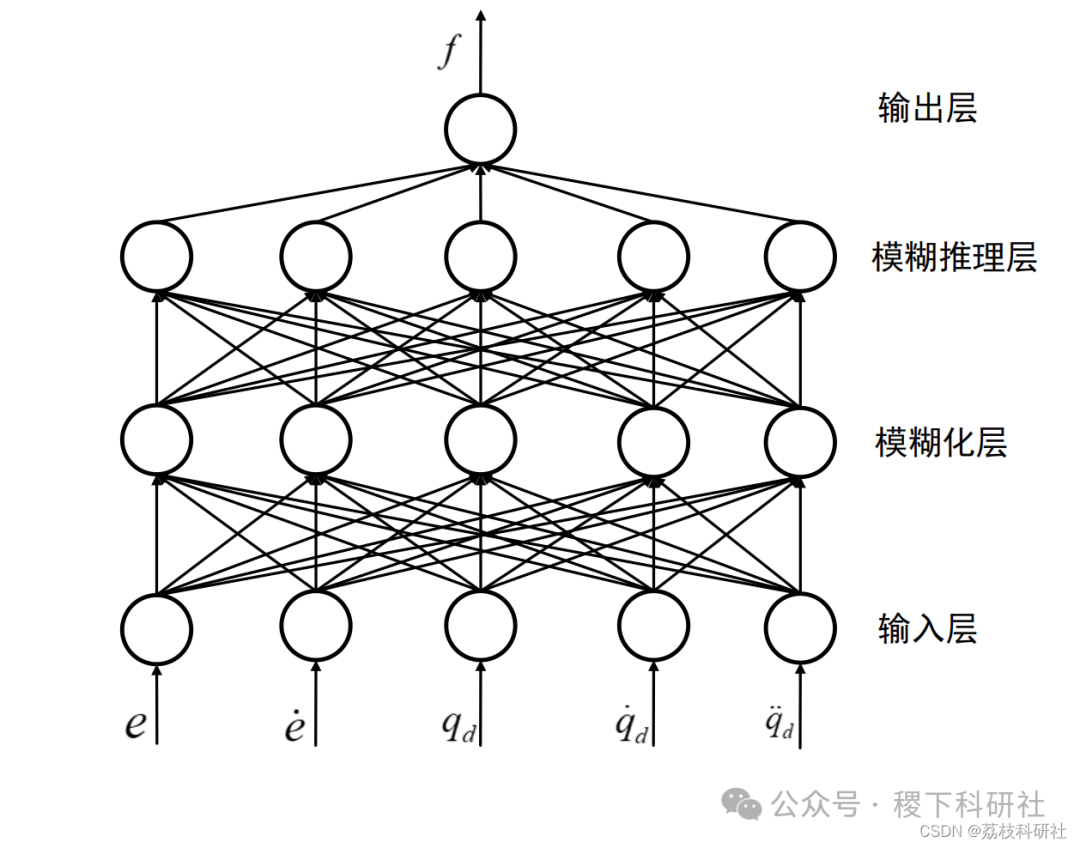
The fuzzy RBF neural network is a combination of fuzzy control systems and RBF neural networks. Due to the subjectivity in the design of fuzzy systems, fuzzy control design is based on the practical experience of professionals. Therefore, integrating the capabilities of neural networks into fuzzy systems, using distributed computing neural network expressions, achieves self-organization and self-learning effects in fuzzy control systems. In the fuzzy RBF neural network, the input and output layer nodes of the neural network express the input and output information of the fuzzy system, while the hidden layer nodes of the neural network express the membership functions and fuzzy rules.

1. Introduction
Trajectory tracking is one of the important tasks in the field of control, especially in areas such as robotic path planning, aircraft control, and industrial control. To achieve efficient and robust trajectory tracking control, this paper will study the trajectory tracking method based on fuzzy RBF neural networks. The fuzzy RBF neural network combines the advantages of fuzzy logic and RBF neural networks, enabling better handling of non-linear and uncertainty issues.
2. Basic Concepts
Fuzzy Logic System: A fuzzy logic system uses fuzzy rules and fuzzy sets for reasoning, capable of handling uncertainty and non-linear problems.
RBF Neural Network: The RBF neural network is a three-layer feedforward neural network consisting of an input layer, a hidden layer, and an output layer. The hidden layer uses radial basis functions (such as Gaussian functions) as activation functions.
Trajectory Tracking: The goal of trajectory tracking is to make the system output accurately follow a predetermined trajectory, which often requires handling system uncertainties and external disturbances.
3. Structure of Fuzzy RBF Neural Network
The fuzzy RBF neural network consists of an input layer, a fuzzification layer, a fuzzy inference layer, and an output layer.
Input Layer: The nodes in this layer are directly connected to the components of the input variables, transmitting the input to the next layer.
Fuzzification Layer: This layer uses Gaussian-type functions as membership functions to fuzzify the input variables, obtaining fuzzy membership degrees.
Fuzzy Inference Layer: This layer implements the premise reasoning of the rules, where each node corresponds to a rule. It matches fuzzy rules through connections with the fuzzification layer, performing fuzzy operations between nodes.
Output Layer: This layer implements the reasoning of the premises and conclusions of the rules, producing clear control signals.
4. Trajectory Tracking Method Based on Fuzzy RBF Neural Network
Determine the state variables and outputs of the system: Based on the specific application scenario, determine the trajectory to be tracked and the state variables of the system.
Establish the mathematical model of the system: Typically a nonlinear differential equation used to describe the dynamic behavior of the system.
Determine the fuzzy sets for input and output variables: Design fuzzy sets for input and output variables based on empirical knowledge.
Design fuzzy rules: Based on expert experience and actual needs, design fuzzy rules, such as “If the state is A and the output is B, then the control action is C.”
Select the number of hidden layer nodes: Choose an appropriate number of hidden layer nodes based on the complexity of the problem and the scale of training data.
Determine the type of radial basis function: Typically, Gaussian functions are used as radial basis functions.
Initialize network weights and node centers: Initialize network weights and node centers within an effective mapping range.
Train the RBF network: Use the training dataset to train the RBF network, adjusting the network’s weights and node centers to minimize errors. Common training algorithms include gradient descent and least squares methods.
Real-time control: Design the fuzzy RBF neural network as a controller for real-time control of the system. Validate the performance of the control system through simulations, including stability, response speed, and anti-interference capability.
5. Application Case
Taking the path tracking of Autonomous Underwater Vehicles (AUVs) as an example, this section introduces the application of the trajectory tracking method based on fuzzy RBF neural networks.
Establish the mathematical model of the AUV: Based on the dynamic characteristics and kinematic equations of the AUV, establish the mathematical model of the AUV.
Design fuzzy rules: Design fuzzy rules based on the motion characteristics and control requirements of the AUV.
Train the RBF network: Use simulation data or experimental data of the AUV to train the RBF network.
Real-time control: Apply the trained fuzzy RBF neural network controller to the path tracking control of the AUV, achieving precise path tracking of the AUV.
6. Conclusion and Outlook
This paper studied the trajectory tracking method based on fuzzy RBF neural networks, combining the advantages of fuzzy logic and RBF neural networks, which can better handle non-linear and uncertainty issues. Through theoretical analysis and application cases, the effectiveness and reliability of this method have been demonstrated. In the future, further optimization of fuzzy rules and RBF network parameters can improve the performance and robustness of the control system. Additionally, this method can be applied to trajectory tracking control in other fields, expanding its application scope.
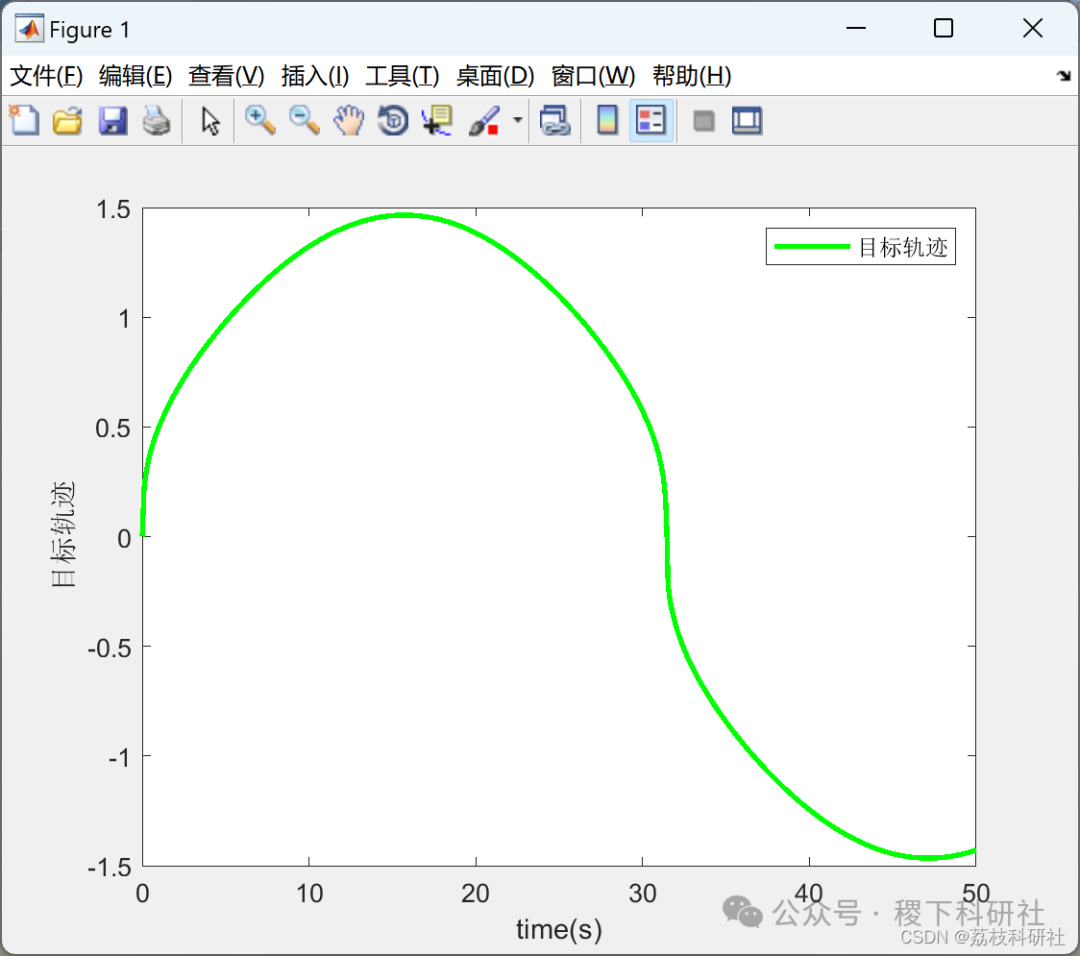
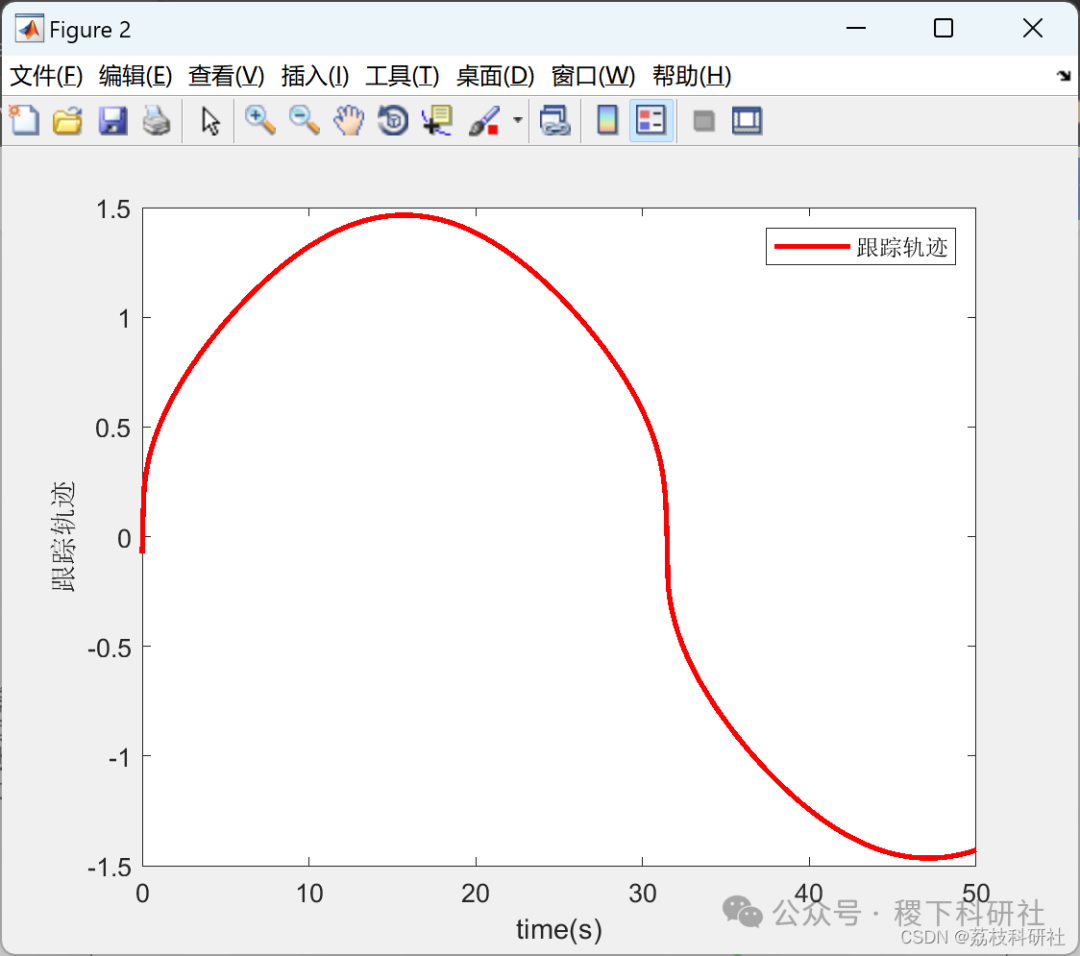
📚2 Running Results


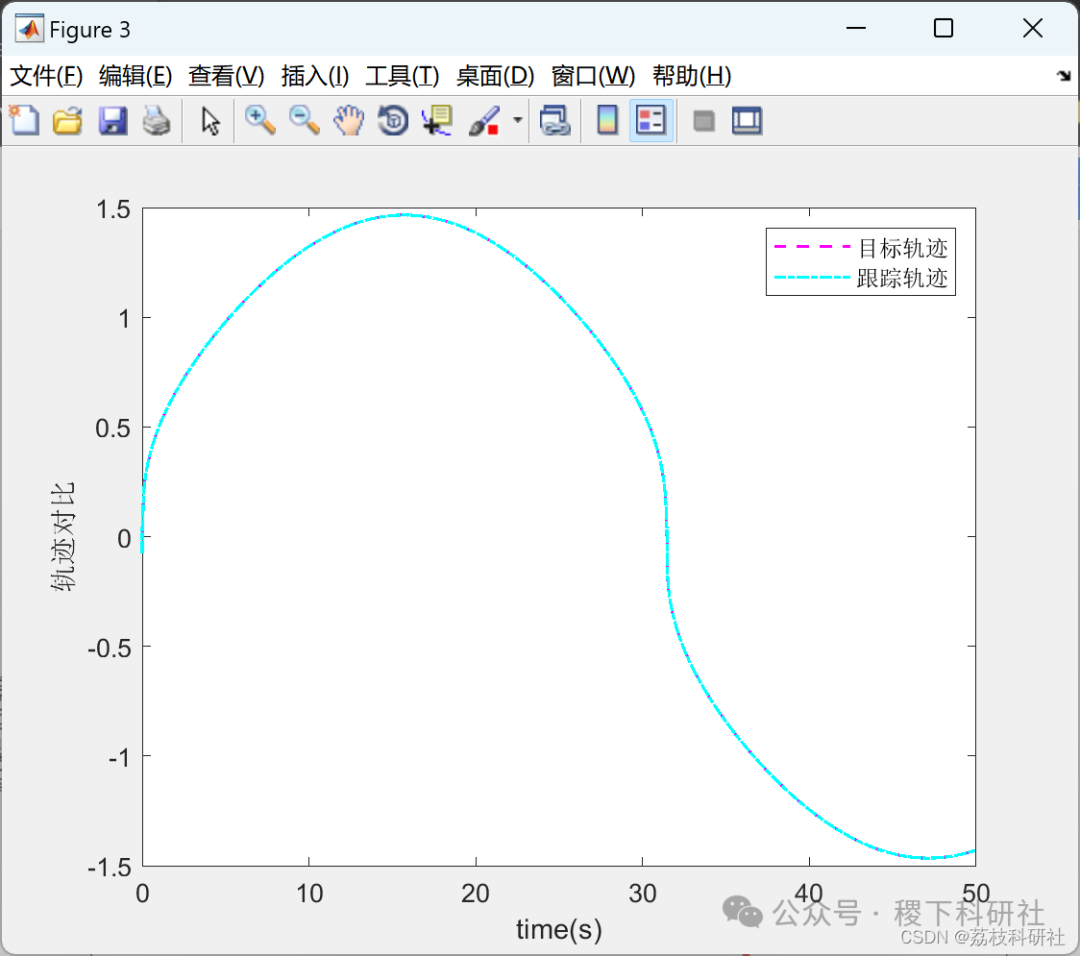


🎉3 References
Some theoretical sources are from the internet; if there is any infringement, please contact for removal. (Overview for reference only, based on running results)
[1] Wu Qiuxia. Research on Trajectory Tracking Control of Mobile Robots Based on Fuzzy Neural Networks [D]. Xiamen University, 2017.
[2] Gao Jian. Design and Implementation of Control System for Pepper Picking Robot Based on Fuzzy RBF Neural Network [D]. Lanzhou University of Technology, 2022. DOI:10.27206/d.cnki.ggsgu.2022.001293.
🌈4 Matlab Code Implementation