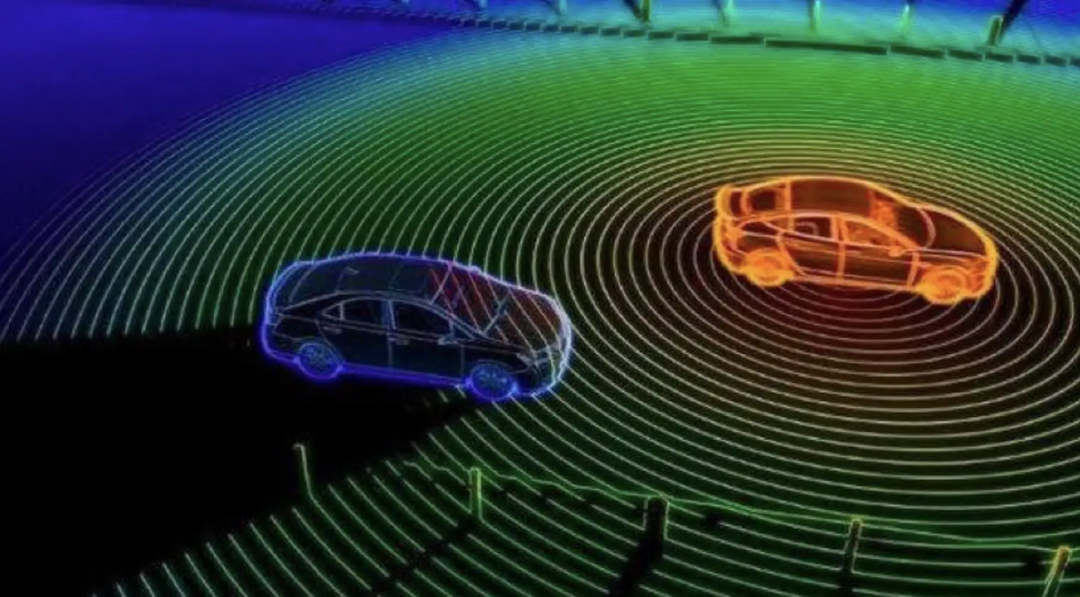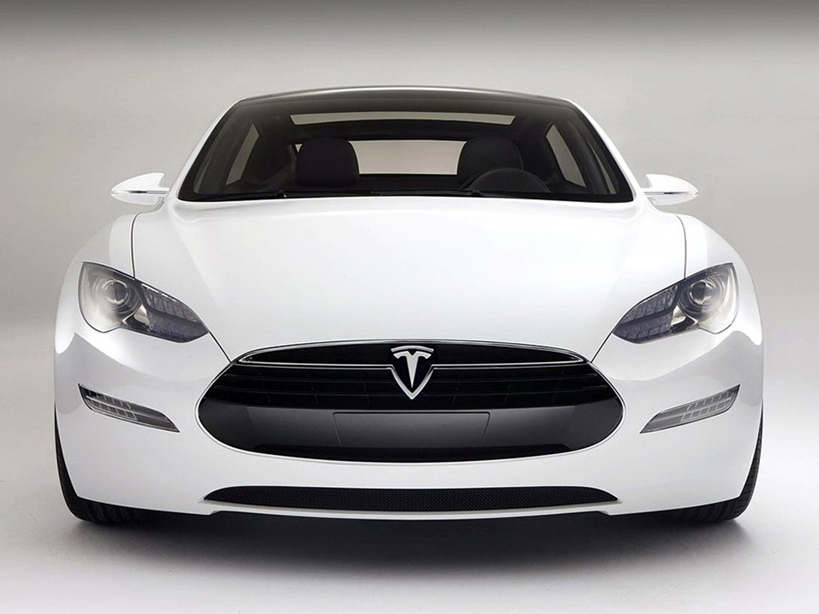
Below is an objective and rational analysis of the characteristics, advantages, and shortcomings of pure vision and multi-sensor fusion technologies:
Pure Vision Technology
Technical Characteristics:
-
Mainly relies on cameras to collect information about the surrounding road scenes, and then uses pre-set algorithms to recognize the surrounding environment and make judgments.
-
The camera captures reflected light, so its perception is greatly affected by lighting conditions. For example, in heavy rain or at night, the accuracy of the camera’s perception decreases.
Advantages:
-
Low Cost: Pure vision solutions typically only require cameras as sensors, significantly reducing hardware costs compared to multi-sensor fusion solutions.
-
Close to Human Eye Logic: To some extent, the perception method of pure vision solutions is closer to that of human drivers, allowing for better understanding of complex road environments in certain scenarios.
-
Relatively Simple Data Processing: The data processing flow of pure vision solutions is relatively simple, reducing the complexity of multi-sensor data fusion, which helps improve system response speed and real-time performance.
-
Facilitates Global Unified Deployment and OTA Upgrades: Pure vision solutions can continuously enhance system performance through software updates without needing additional adaptations for hardware differences in different regions.
Shortcomings:
-
Poor Environmental Adaptability: Under extreme weather conditions, such as heavy rain, fog, or at night, the performance of cameras is significantly affected, leading to decreased perception accuracy.
-
Limitations in Recognizing Static Objects: There are limitations in recognizing static objects such as road signs, traffic light poles, and bridge piers, which can lead to misjudgments.
-
Lack of Hardware Redundancy: Typically, no redundant cameras or multi-type perception systems are set up. If the main camera encounters pollution, damage, obstruction, or software crashes, the entire system’s perception capability will be significantly reduced, or even completely “blind,” failing to meet the reliability requirements for high-level autonomous driving.
-
Insufficient Near-Range Target Detection Capability: There are shortcomings in near-range target detection. For example, in some scenarios, pure vision solutions may fail to accurately detect nearby obstacles.
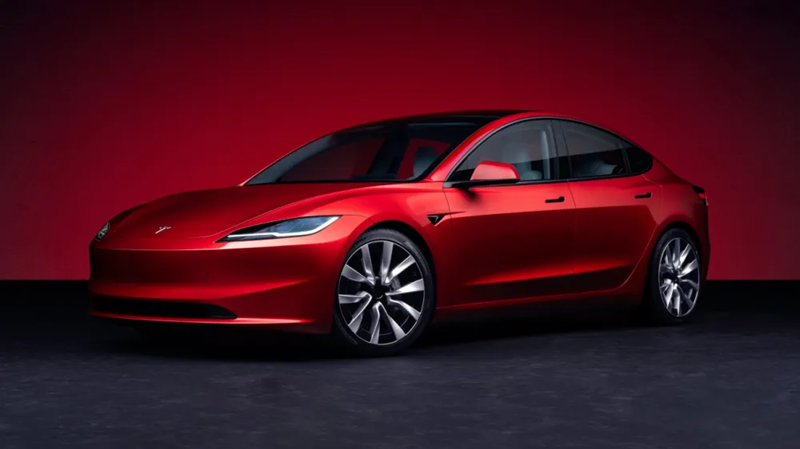
Multi-Sensor Fusion Technology
Technical Characteristics:
-
Enhances the system’s perception of the surrounding environment by combining multiple sensors (such as LiDAR, millimeter-wave radar, cameras, ultrasonic sensors, IMU, etc.).
-
Different sensors perform their respective roles and complement each other to achieve more comprehensive and accurate environmental perception.
Advantages:
-
Strong Environmental Adaptability: Multi-sensor fusion solutions can effectively cope with various complex environments and extreme weather conditions, such as heavy rain, fog, and nighttime, thereby improving system reliability and safety.
-
Accurate Recognition of Static Objects: Compared to pure vision solutions, multi-sensor fusion solutions perform better in recognizing static objects, accurately distinguishing road signs, traffic light poles, and bridge piers.
-
Stronger Fault Tolerance: By using multiple sensors, if one sensor fails or has abnormal data, other sensors can compensate, preventing total system failure and improving reliability.
-
Strong Near-Range Target Detection Capability: Near-range sensors, such as ultrasonic sensors in multi-sensor fusion solutions, can effectively compensate for the shortcomings of pure vision solutions in near-range target detection, improving system perception accuracy in complex scenarios.
-
High Perception Accuracy: By fusing data from multiple sensors, richer environmental information can be obtained, thereby improving the accuracy of object localization and recognition.
Shortcomings:
-
High Cost: Multi-sensor fusion solutions require the use of various sensors, resulting in relatively high hardware costs, which somewhat limits their large-scale promotion.
-
Complex Data Processing: It requires processing data from multiple sensors and effectively fusing and analyzing it, which increases the complexity of data processing and raises the demands on the system’s computational capabilities.
-
High Difficulty in System Integration: Integrating multiple sensors into a single system and ensuring they can work together requires solving many technical challenges, such as sensor calibration, time synchronization, and data format unification.
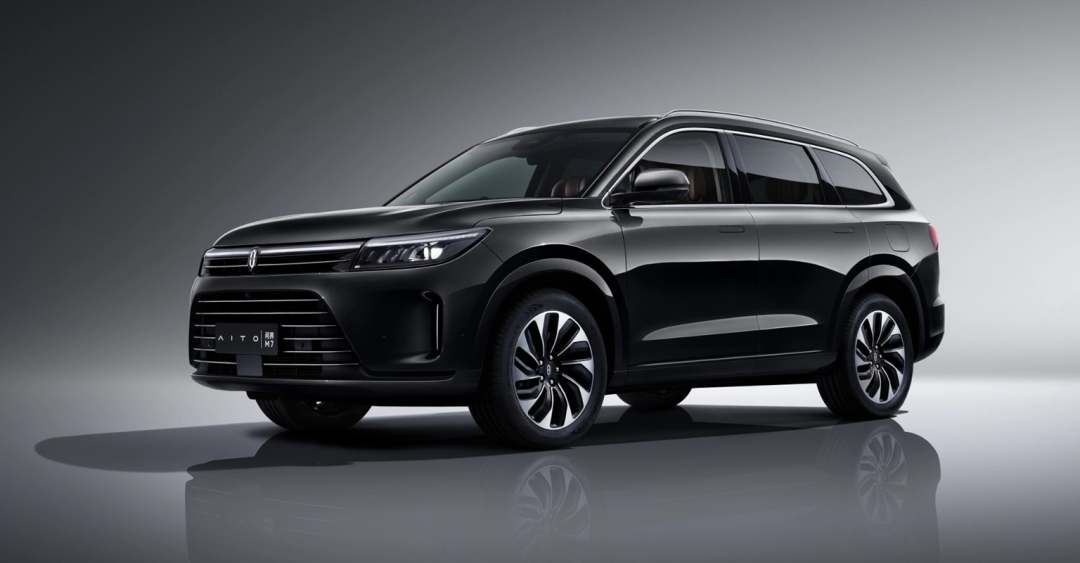
Conclusion
Both pure vision solutions and multi-sensor fusion solutions have their advantages and disadvantages, suitable for different application scenarios and needs. Pure vision solutions have advantages in cost and data processing but lack adaptability and reliability in complex environments; while multi-sensor fusion solutions, although more expensive, can provide more comprehensive and accurate environmental perception, with stronger fault tolerance and reliability, making them suitable for higher safety requirements in advanced autonomous driving scenarios. In the future, with continuous technological advancements and further cost reductions, multi-sensor fusion solutions are expected to play a greater role in the field of autonomous driving.
 OpinionSome prefer gasoline vehicles, while others enjoy electric cars. Each brand has its own audience, and every driver has their own preferences. A diverse and harmonious environment is perhaps the normal state of freedom and openness, without the need for a binary black-and-white perspective. A certain intelligent driving system is as steady as a seasoned driver, equivalent to getting a fatigue-free veteran driver when buying a car. Some leading foreign automotive brands have also joined in collaboration with this intelligent driving system. Do you know which intelligent driving system it is?