
In the field of medical devices, precise, efficient, and intelligent hardware has become a key force driving technological advancements. However, amidst the wave of intelligent transformation in medical devices, some equipment still faces challenges such as insufficient computing power, limited interfaces, and low energy efficiency. Medical device manufacturers often resort to X86 architecture to address hardware computing issues, but in low-power, miniaturized, and real-time demanding medical scenarios, the high power consumption and cost limitations of X86 architecture hardware products are quite evident.
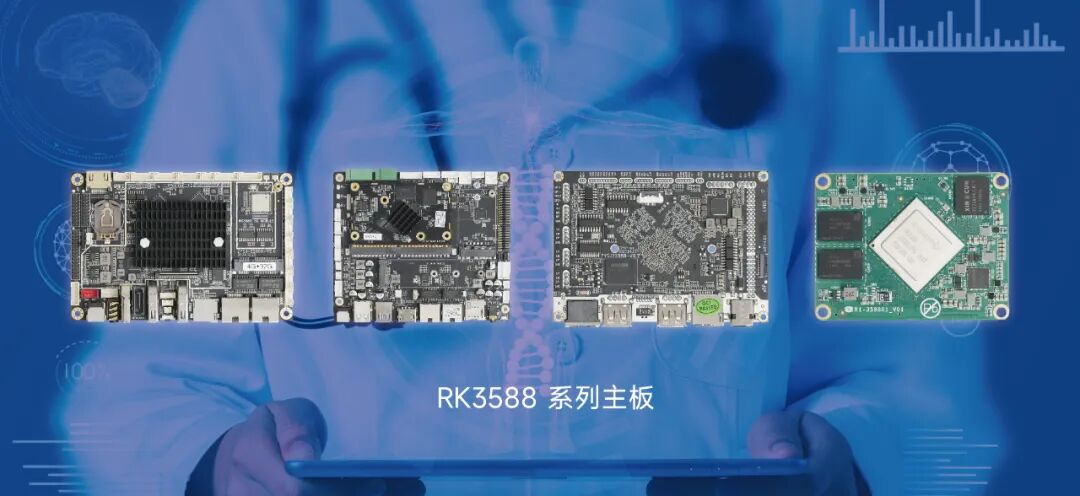
To break through this technical dilemma, Zhiruitong has launched a series of motherboards based on the ARM architecture RK3588 processor, providing a new solution for the intelligent upgrade of medical devices with the same powerful processor core, complemented by unique design structures and interface configurations.
1
RK3588: The ARM Architecture’s Medical “Core” Power
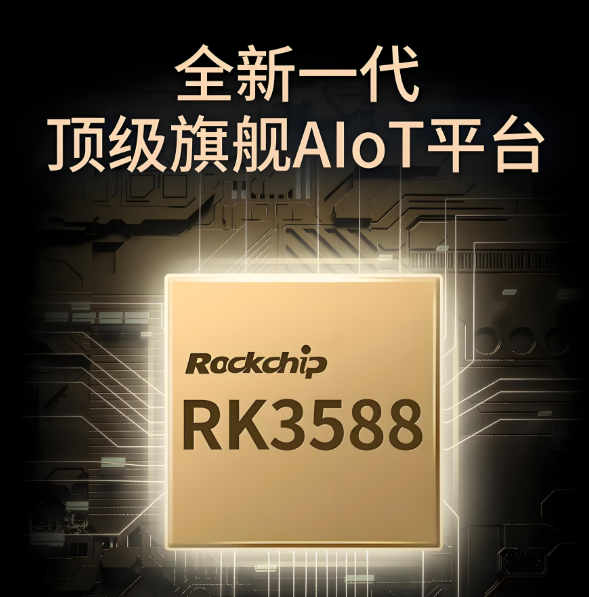
As a flagship processor of the ARM architecture, the RK3588 chip utilizes advanced 8nm process technology, featuring an octa-core CPU (4×Cortex-A76 + 4×Cortex-A55 big.LITTLE architecture), an integrated NPU with 6TOPS computing power, and a GPU (Mali-G610) with 450 GFLOPS. It combines high-performance CPU, GPU, and NPU, supporting multi-task parallel processing, efficiently running AI models based on frameworks like TensorFlow/PyTorch, and supporting 8K@60fps H.265 video processing. Compared to X86 architecture, the RK3588 processor ensures high performance while offering lower power consumption and higher energy efficiency, making it particularly suitable for medical devices with strict power and heat dissipation requirements, such as portable ultrasound devices and mobile ECG machines, ensuring stable and reliable operation during prolonged use.
2
Differentiated Design: Meeting Diverse Medical Device Needs
To meet the personalized hardware needs of different medical devices, Zhiruitong has launched four models of RK3588 processor-based motherboards, all utilizing the same RK3588 processor but with varying design structures and interface configurations.R1-358801:
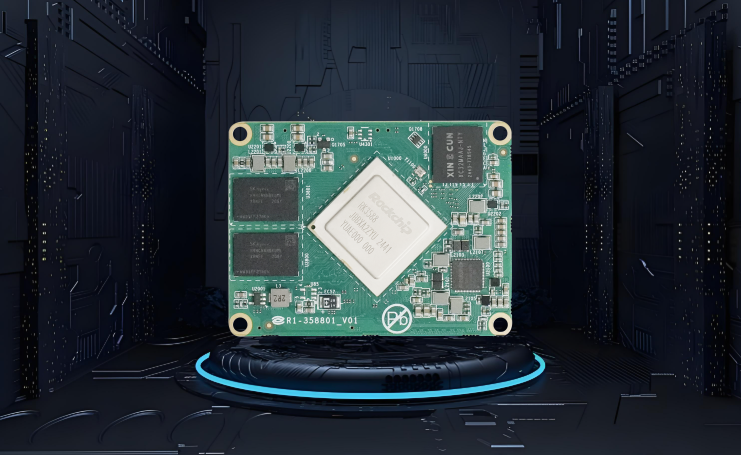
4G-LPDDR4X memory + 32GB-eMMC storage, equipped with 3×SATA3.0 interfaces and HDMI2.1/MIPI-DSI dual display outputs, designed for portable diagnostic devices and conventional monitoring systems in grassroots medical institutions, achieving the best balance of cost and performance under a working temperature of 0-60℃.
RK-358801:
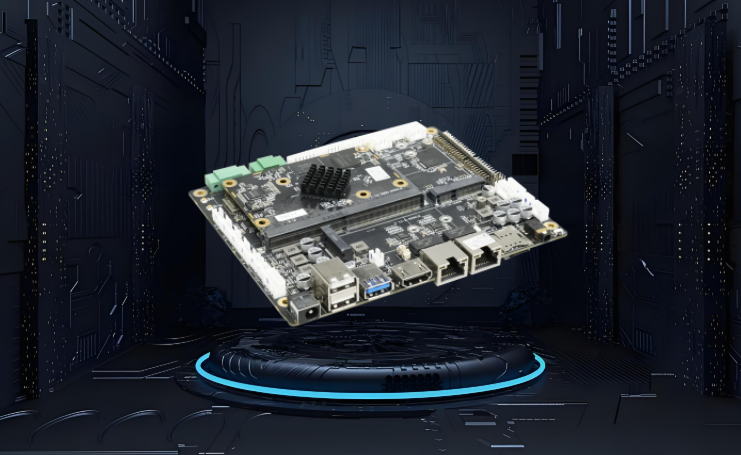
Up to 16GB memory + 64GB-eMMC, supporting M.2 NVMe/NGFF dual expansion, meeting the multi-sensor access needs of high-end devices such as surgical robots and AI pathology diagnosis systems through 6×USB2.0 and professional serial ports, with a wide temperature design of -20-60℃ ensuring stable operation in complex surgical environments.
RK-358803:
32GB expandable memory + 256GB storage, integrated TF card slot and flexible power input, with a super slim body of 100×70×11mm designed for wearable devices and emergency vehicle systems, covering extreme medical rescue scenarios with a working temperature of -10-70℃.
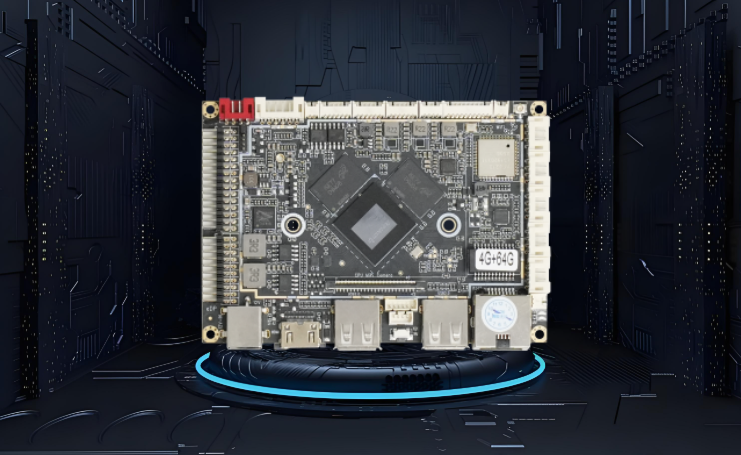
RK-358804:
32GB expandable memory + 256GB storage, supporting SATA/TF dual storage expansion, equipped with multi-network port integration capabilities, achieving imaging-level data interaction for ICU central monitoring systems and remote surgical teaching terminals within a size of 135×90×16mm, constructing a smart medical network node.
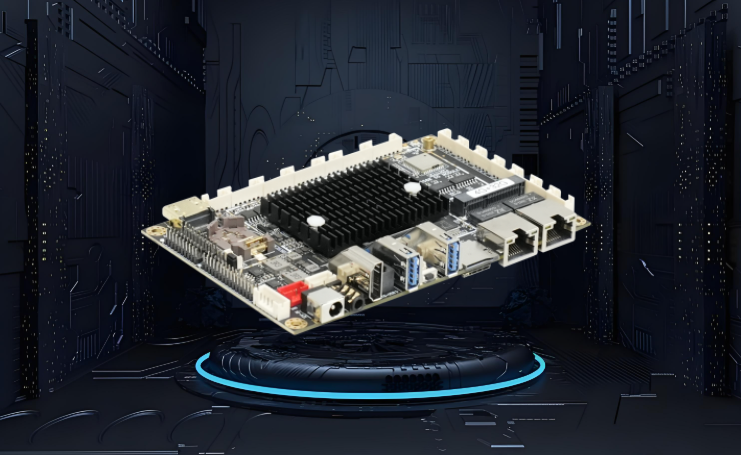
3
Strategic Value of RK3588 Series Motherboards
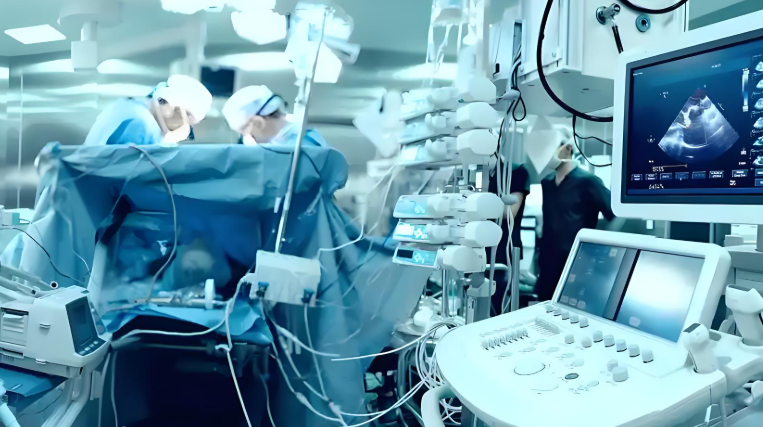
Cost-effective customization: Compared to X86 solutions with similar performance, ARM architecture motherboards can reduce power consumption by about 50%. The four RK3588 series motherboards share a common hardware design, ensuring performance consistency while allowing customers to avoid the high costs of fully customized development. Additionally, low power consumption simplifies thermal design (no active cooling required), significantly reducing issues such as “fan failure and heat blockage” during device operation and consequently lowering maintenance costs.
Comprehensive coverage of medical scenarios: Although the four motherboards use the same CPU chip with similar performance, their differentiated designs cover the entire spectrum of medical devices, from POCT instant testing equipment to large imaging production lines, achieving precise matching through interface combinations.
Long-term supply assurance: The R&D cycle for medical devices is long (averaging 3-5 years), and the RK3588 series motherboards provided by Zhiruitong can offer a longer period of stable supply, avoiding maintenance risks due to chip discontinuation and ensuring lifecycle maintenance for devices.
4
Domestic Self-Control
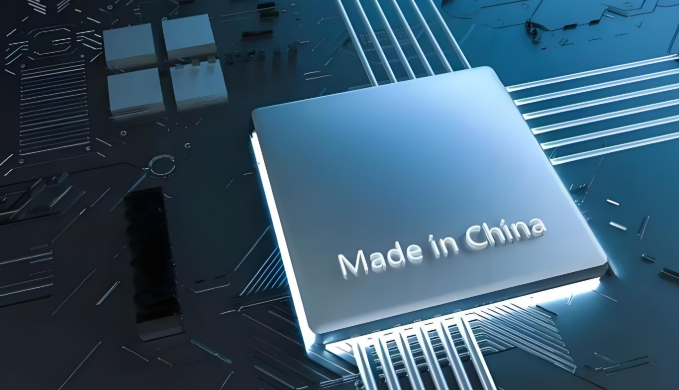
In the context of global supply chain restructuring, localization has also become a core competitiveness for medical device manufacturers, RK3588, as a domestically developed high-performance processor, is fully produced in China from raw material procurement to manufacturing, compatible with domestic operating systems such as Galaxy Kirin, and its self-controlled characteristics fully align with national policies for the innovation industry, avoiding the impact of international geopolitical fluctuations on supply cycles, and even possessing strategic value in military-civilian integrated medical projects, providing physical layer protection for medical data security.
In the intelligent upgrade of medical devices, hardware solutions must balance performance, energy efficiency, and scenario compatibility — this is precisely the core advantage of the RK3588 series motherboards. The Zhiruitong RK3588 series motherboards, powered by the innovative computing capabilities of the ARM architecture, with differentiated designs in interface expansion, environmental adaptability, and system compatibility, construct a solution matrix that covers the entire medical ecosystem. Under the dual demands of precision medicine and grassroots accessibility, this hardware solution, combining high performance, low power consumption, and localization, is injecting strong momentum into the smart medical ecosystem, continuously driving the industry towards a safer, more efficient, and more inclusive direction.
Some images in this article are sourced from the internet.
