The PCB (Printed Circuit Board) is the core carrier of electronic devices, and soldering is the key process that fixes components such as resistors, capacitors, and chips, ensuring circuit connectivity, which directly determines the performance and reliability of the device.
Mainstream Soldering Processes
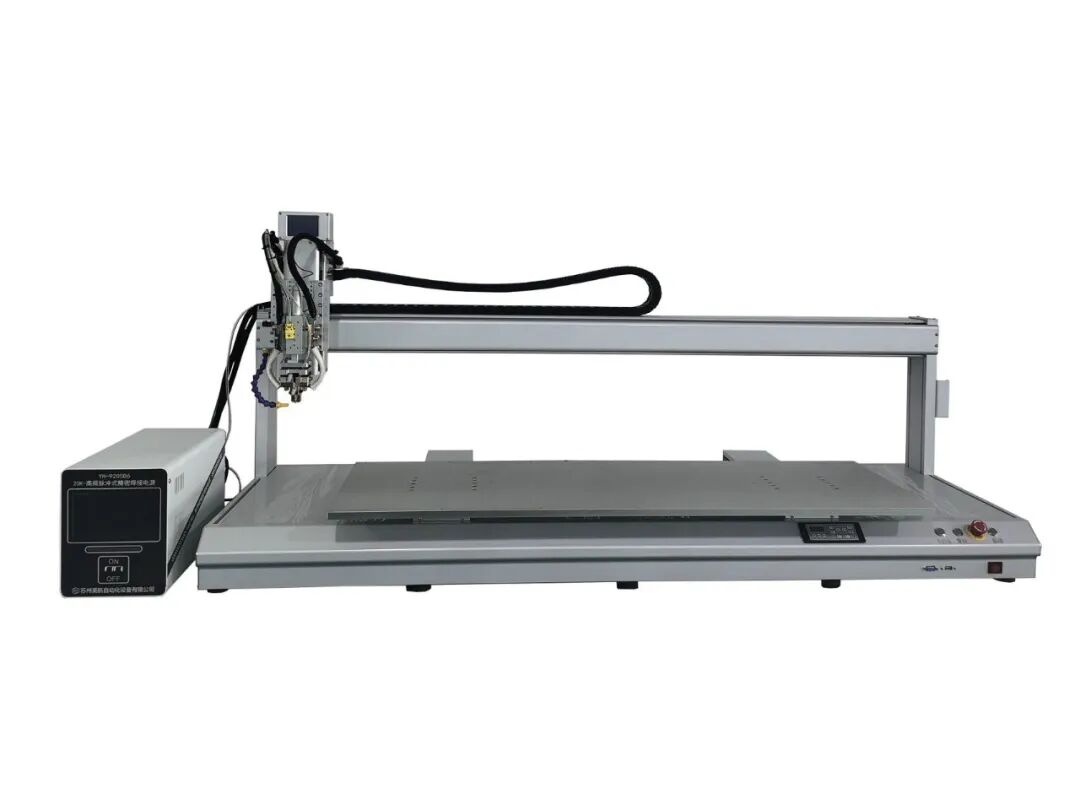
1. Wave Soldering: Suitable for through-hole components (THD). The PCB passes through a wave of molten solder, automatically completing the soldering of pads and pins, which is efficient and suitable for mass production, widely used in power supplies, home appliances, and other products.
2. Reflow Soldering: Targeted at surface-mounted components (SMD). First, solder paste is applied to the pads, then components are placed, and finally, through the heating-holding-cooling process of the reflow oven, the solder paste melts and solidifies, achieving high soldering precision, suitable for precision electronic products like mobile phones and computers.
3. Manual Soldering: Often used for prototype production, small batch production, or repairs. It relies on a soldering iron for manual soldering, requiring high skill from the operator, suitable for soldering complex or special components.
Key Quality Control Points
• Solder Joint Quality: Qualified solder joints should be full and round, with no cold solder (insufficient wetting), false solder (surface connection but not internally conductive), or bridging (short circuit between adjacent solder joints).
• Temperature Control: The temperature should be adjusted based on the type of solder (e.g., lead-free solder has a melting point of about 217°C) and the heat resistance of the components, to avoid damaging components or the PCB due to excessive temperature.
• Anti-Static: During soldering, anti-static wrist straps should be worn, and anti-static workstations should be used to prevent static electricity from damaging sensitive components like chips.
As electronic devices continue to evolve towards miniaturization and high density, PCB soldering is upgrading towards automation (such as laser soldering), lead-free processes (to meet environmental requirements), and intelligence (integrating machine vision for solder joint inspection), providing core support for the high-quality development of the electronics industry.