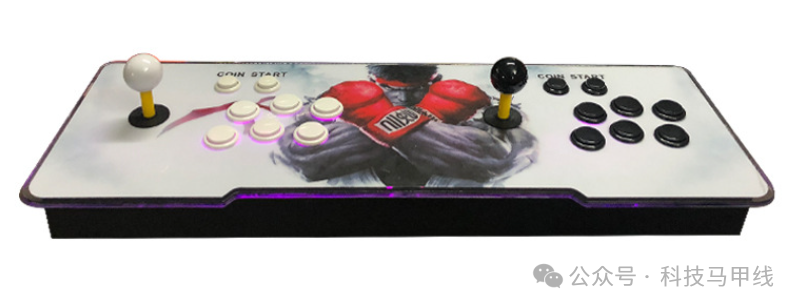
The performance differences among different models of the Pandora game console are indeed significant. These differences mainly manifest in chip performance, memory configuration, cooling design, and software optimization, which directly affect game compatibility, smoothness of operation, and actual experience.
1. Significant Differences in Chip Performance Directly Determine Game Compatibility and Smoothness
The differences in chip architecture and manufacturing processes used in different models lead to a wide range of performance. For example:
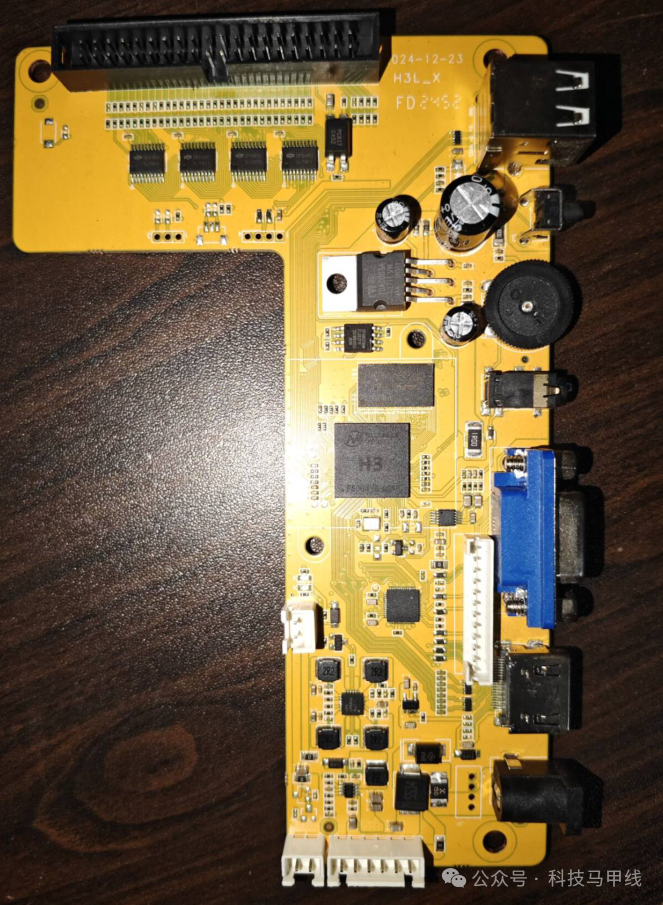
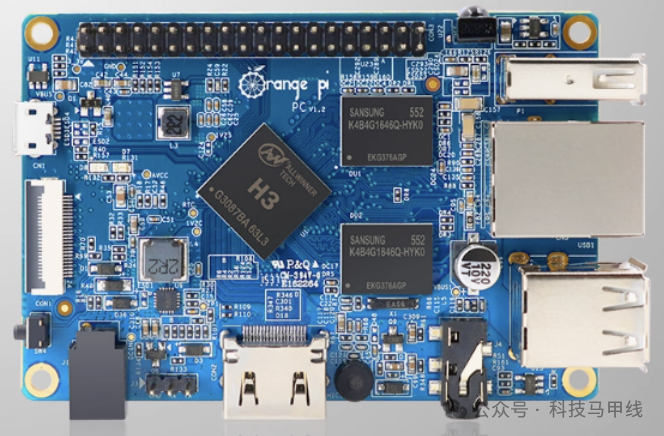
- Low-end Models: Such as the Moonlight Gaming Box MAX (H3 chip) and Pandora Box DX, typically use quad-core Cortex-A7 architecture chips (like Allwinner H3), with a clock speed of about 1.2-1.5GHz and a Mali-400 MP2 GPU. These chips are mainly optimized for 2D arcade games, running classic games like “The King of Fighters ’97” and “Metal Slug” smoothly, but struggle with 3D games. For instance, the Pandora Box DX takes 10-20 seconds to load PSP games like “Tekken 6”, with noticeable frame rate fluctuations.
- Mid-range Models:
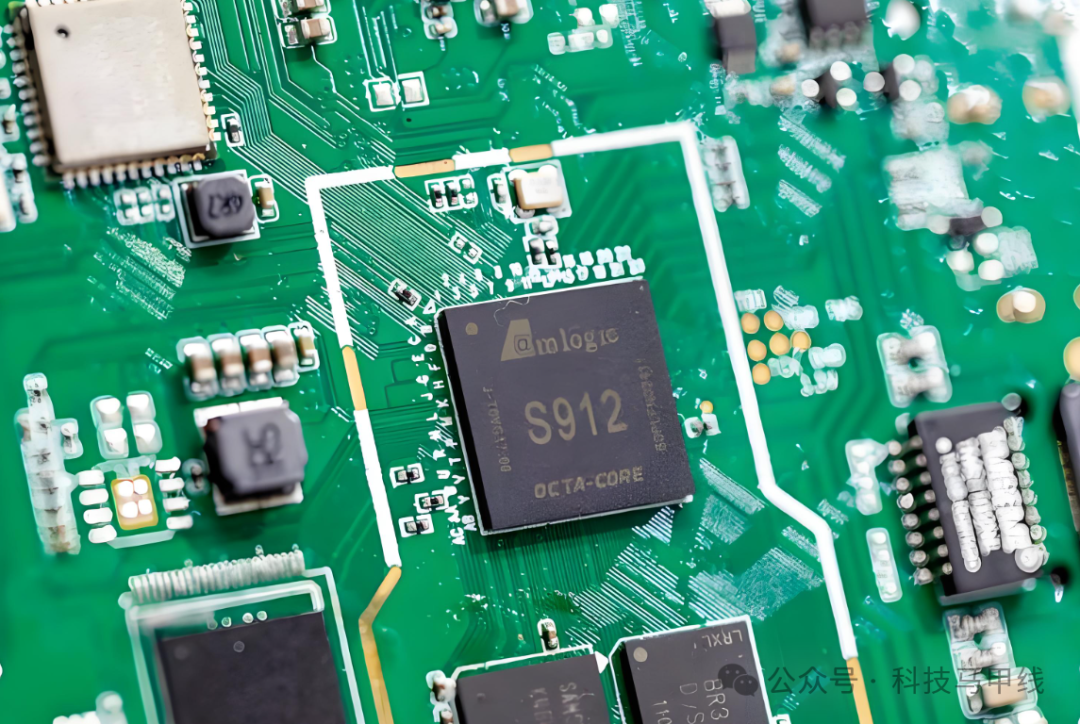
Such as the Pandora 3D WiFi (S812 chip) and the Pandora Gaming Box Deluxe (S912 chip), which use more advanced architectures. The S812 features a quad-core Cortex-A9 (2GHz) + Mali-450 MP8 GPU, supporting emulators for PSP, N64, etc., and maintains a stable frame rate of over 30 frames when running 3D games like “Tekken 6”, with support for 720p HD output. The S912 upgrades to an octa-core Cortex-A53 (1.5GHz), with GPU performance improved by 200%, allowing for smooth operation of more complex 3D games like Dreamcast and Naomi.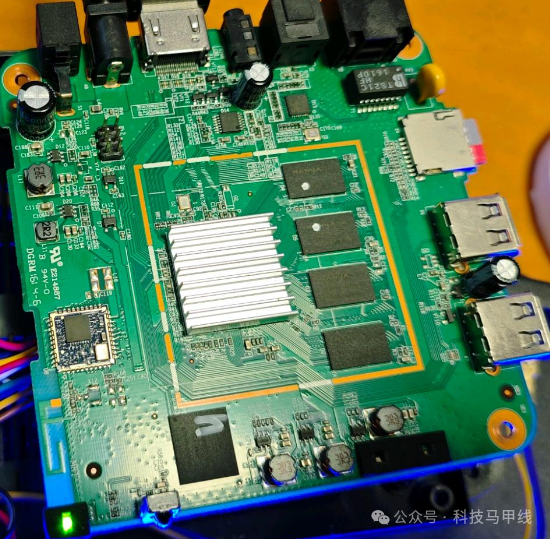
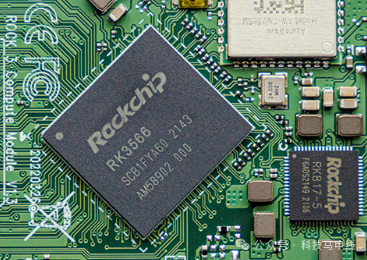
- High-end Models: Such as the Pandora Platinum Pro and 3D Pandora Games, which use RK3566 or custom octa-core chips, supporting 4K HDR output and more efficient 3D rendering. For example, the RK3566 chip can run large 3D games like “Marvel vs. Capcom 2” smoothly, and supports multitasking without noticeable latency when connected to a PC as a joystick.
2. Memory and Storage Configuration Affect Game Load Speed and Multitasking Capability
- Low-end Models: Typically equipped with 1GB DDR3 memory and 8-16GB eMMC storage, resulting in longer game load times (e.g., loading “KOF98” takes 5 seconds), and prone to stuttering during multitasking. For instance, the Pandora Box DX may experience recognition delays when connecting external devices.
- Mid to High-end Models: Such as the Pandora Gaming X5 and 3D Pandora Games, equipped with 2-4GB DDR3/LPDDR4 memory and 32-64GB UFS storage, improving game load speeds by over 50% (e.g., loading “Street Fighter 6” takes only 2 seconds), and supporting simultaneous operation of multiple emulators and background programs. Some models also support external SSD expansion, further enhancing storage performance.
3. Cooling Design and Energy Efficiency Management Determine Long-term Gaming Stability, with High-end Models Having Advantages in Cooling and Energy Efficiency Optimization:
- Low-end Models: Typically use passive cooling or simple fan designs, which can handle long sessions of 2D games like “Metal Slug”, but may experience throttling and frame rate fluctuations when processing 3D games like “Tekken 6” due to overheating. For example, the Moonlight Gaming Box 9D may experience stuttering after an hour of continuous gaming.
- High-end Models: Such as the Pandora Platinum Pro and the new 2025 flip game console, equipped with efficient cooling fans and smart temperature control systems, can keep core temperatures below 65°C, ensuring that large games like “Marvel vs. Capcom 2” can run continuously for 3 hours without significant performance degradation. Some models also support dynamic frequency adjustment, automatically adjusting power consumption based on load.
4. Software Optimization and Expandability Affect Actual Gaming Experience, with Significant Differences in Firmware and Functionality Design Among Different Models:
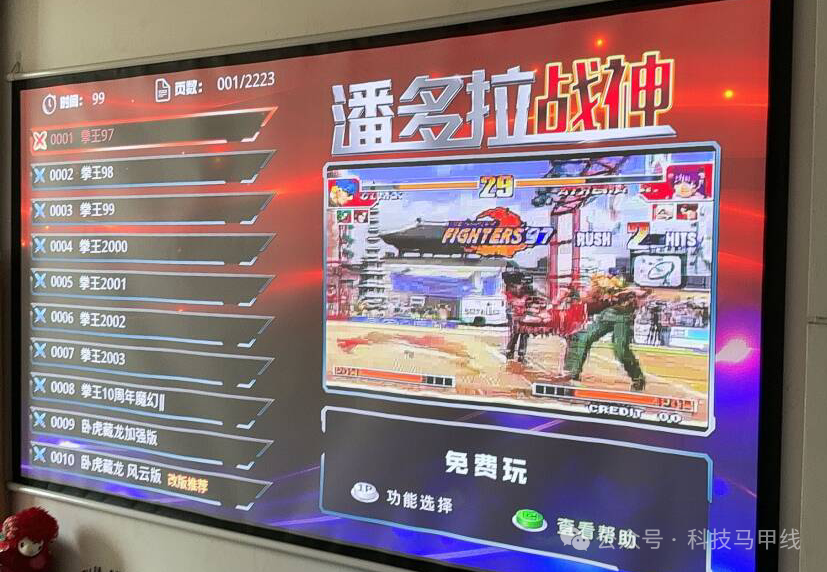
- Low-end Models: Often use Linux systems, with fixed games that cannot be expanded, and primitive emulator functions. For example, the Pandora Box DX only supports basic arcade emulators, with no ability to adjust individual game resolutions or frame rates, leading to severe stretching issues.
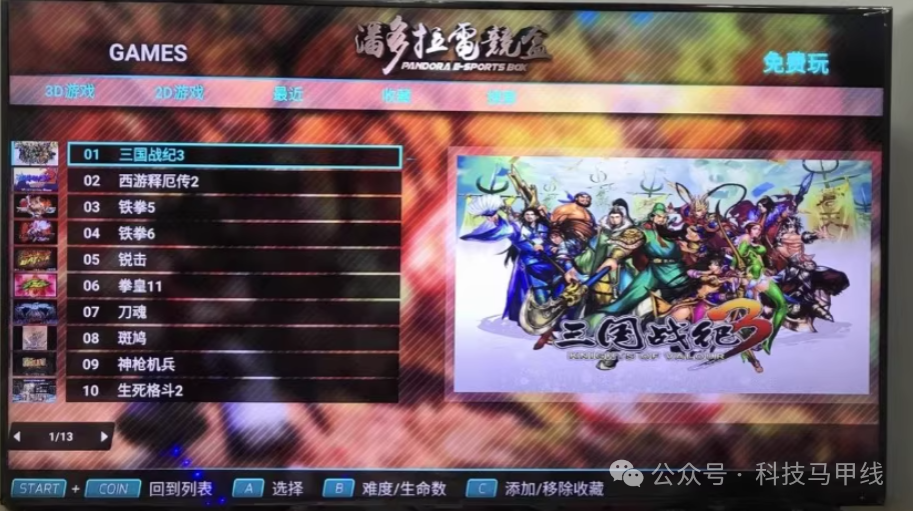
- Mid to High-end Models: Developed based on Android systems, supporting game market downloads and ROM customization. For example, the Pandora Lightning WiFi version comes with 19,000 built-in games and allows for downloading new content via WiFi, while also supporting advanced features like “one-click combos”. Some models have optimized multi-platform compatibility, perfectly emulating classic consoles like PS1 and N64.
5. Actual Experience Comparison: From 2D Nostalgia to 3D Immersion
- Low-end Models: Suitable for budget-conscious users who only need to experience classic 2D arcades. For example, the Moonlight Gaming Box MAX (under 300 yuan), and there are also many Pandora Magic Boxes with H3 chips priced just over 100 yuan. They can run games like “The King of Fighters ’97” and “Romance of the Three Kingdoms” smoothly, but have limited support for 3D games like “Resident Evil”.
- Mid to High-end Models: More suitable for players seeking multi-platform compatibility and 3D experiences. For example, the Pandora 3D WiFi (around 600 yuan) can run PS1 games like “Final Fantasy 7” smoothly, while the Pandora Gaming X5 (top version) even supports light gun games like “House of the Dead” and can output to 4K TVs via HDMI, with clarity improved by over 3 times.
Conclusion
The performance differences among different models of the Pandora game console are indeed significant, forming a clear gradient of experience from low-end to high-end. Low-end models are suitable for nostalgic players, while mid to high-end models can meet the demands of 3D gaming and multitasking. When choosing, one should weigh budget and needs: if only a classic arcade experience is needed, models around 300 yuan will suffice; if comprehensive compatibility and immersive 3D experience are desired, it is recommended to choose high-end models priced above 600 yuan.