 Recently, a seminar on the AI hardware industry organized by the China Science and Technology Development Foundation’s Youth Science and Technology Innovation Alliance was held inthe “Shanghai Silicon Alley” innovation and technology district in Changning District!Founders of companies, supply chain leaders, industry experts, and investors gathered to discuss the hottest topics of the moment: Why are AI glasses not gaining traction? What will the next generation of blockbuster products look like? How can Chinese enterprises seize this wave of opportunity? This “industry heart-to-heart session”was devoid of grand theories, focusing instead on firsthand observations and practical insights.
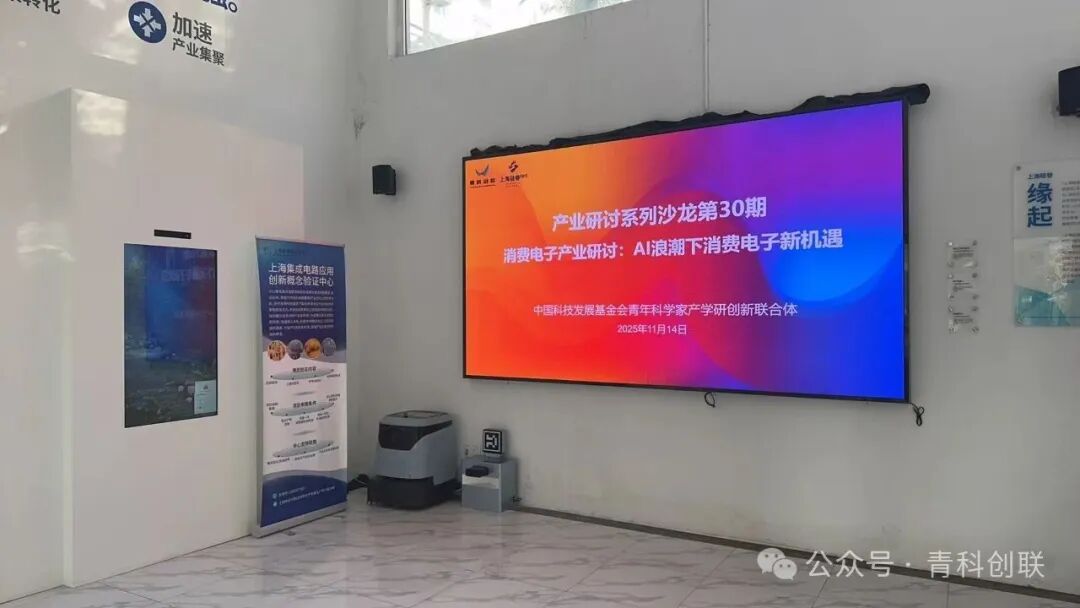 Image: Shanghai Silicon Alley Training Point, Youth Science and Technology Innovation Alliance1. Industry Experts’ “Heart-to-Heart”1. The AI glasses market is a red ocean,Chinese enterprises should not blindly follow the trendA senior analyst from a brokerage firm said:“There are too many companies making AI glasses now! Companies that make power banks and professors with patents all want to start businesses; the industry has become highly homogeneous, with no barriers to entry. I have tried all the AI glasses on the market and found numerous issues: serious sound leakage, sound quality inferior to TWS, and scenarios dominated by low frequencies — for example, translation is only used once a year, and wearing glasses under a ski helmet is impossible. Glasses without displays will peak in sales this year and cool down next year! Chinese enterprises must avoid clustering in this red ocean and find new directions.”2. The key to blockbuster products:Focus on “high-frequency necessities”; AI + health is the breakthrough for Chinese enterprisesThe head of a health technology startup stated:“What is high frequency? Does sleeping every day count? We are making smart mattresses and anti-snoring pillows, precisely targeting the ‘sleep health’ necessity. However, blockbuster products must meet three conditions: comfortable and attractive, useful and effective, willing to use long-term and share. Many health products only monitor without intervening, which is pointless! The turning point for AI + health will be in about 2-3 years; Chinese enterprises need to focus on solving three issues: algorithm accuracy, low-cost hardware, and consumer awareness — this is our opportunity.”3. Don’t get hung up on form! The AI Agent carrier is a long-term track; Chinese enterprises can lay out in advanceA practitioner from an investment institution remarked:“VR and AR are just display functions, not needs! The next generation of blockbuster products will definitely be carriers of AI Agents, whether they are glasses, phones, or other forms, they must have visual and auditory functions and be online at all times. However, two key elements are still missing: 5G/6G + universal positioning infrastructure, and the balance of edge computing power and communication. Chinese enterprises have advantages in the 5G field and can lay out infrastructure and core technologies in advance; don’t just focus on hardware forms, but seize the core of AI.”4. Consumer electronics don’t necessarily have to be necessities,but they must be “shareable”; Chinese enterprises can differentiateA brokerage analyst stated:“Don’t be superstitious about ‘necessities’! Point-reading pens and children’s watches sell 1 billion a year; electric guitars and 3D printers are not necessities, yet they are still popular. The core is ‘shareability’ — people are willing to show off and invite friends to experience. Chinese enterprises in consumer electronics should either create tool value (like navigation and payment) or emotional value (like companionship and stress relief); don’t get trapped in a dead end of parameter competition; differentiation is the way out.”5. China’s supply chain advantage is unparalleled globally,following major manufacturers and focusing on segments is definitely the right moveThe marketing head of a supply chain company said:“We are an OEM company and understand supply chain logic best: next year, major domestic and foreign manufacturers will intensively push AI hardware, with leading companies planning to produce 30 million AI glasses, and domestic tech giants also ramping up production. Following these major manufacturers’ supply chains will definitely benefit. Chinese startups should avoid trying to do everything; instead, they should deeply cultivate a specific segment and use crowdfunding for rapid trial and error iterations. The effort of the domestic supply chain is evident; at 2 AM, they can deliver a board, and at 3 AM, they can deliver goods. This rapid response and scalability advantage is unmatched worldwide, and that is our confidence!”Some seemingly contradictory viewpointsare actually rational judgments based on roles, cycles, and resources — not contradictions, but a true reflection of the industry’s “diverse opportunities”.There are no absolute “correct answers” in the industry; it is precisely these collisions of different perspectives that clarify opportunities.
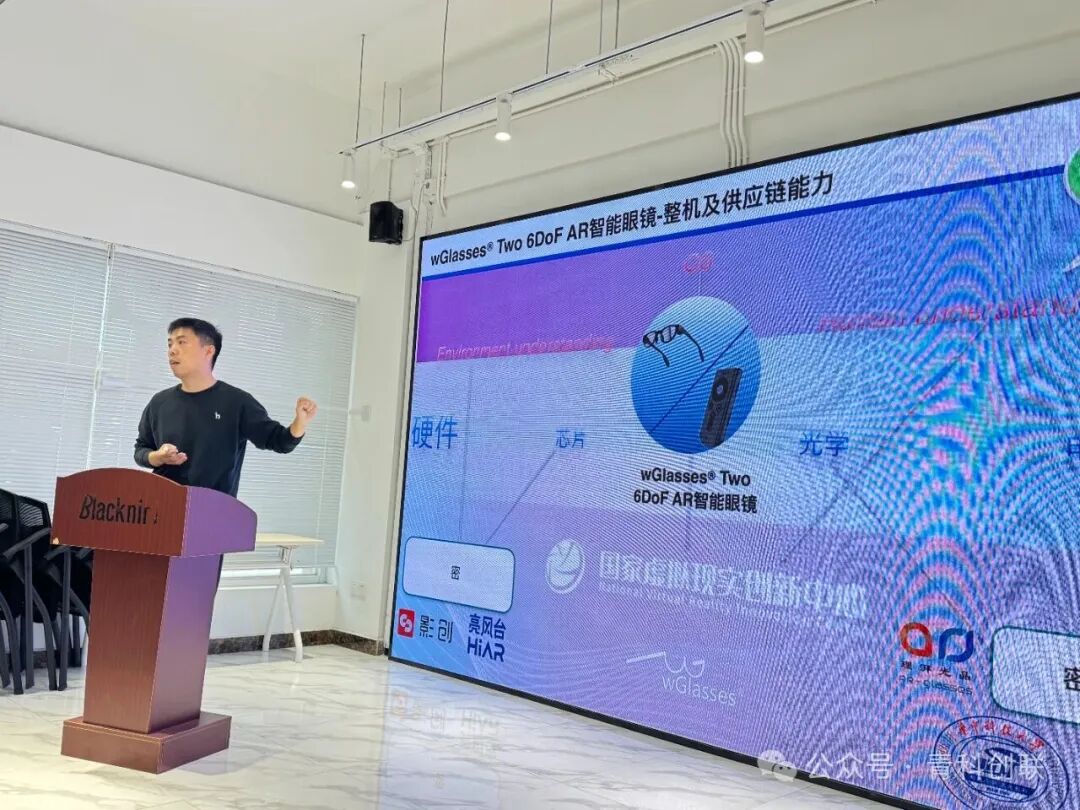 2. Opportunities for Chinese Enterprises in AI Hardware and Supply Chain:Chinese enterprises need to focus in the short term on AI + segmented wearable scenarios (such as health); in the long term, they should lay out AI Agent carriers and secure core technologies in advance. Hardware is not a bottleneck; attention should be paid to the implementation of high-frequency scenarios while leveraging domestic 5G advantages to improve infrastructure and enhance consumer awareness of AI hardware, which is key to overtaking on the curve.Supply chain opportunities: ① Bind upstream and downstream with major manufacturers (display modules, chips, OEM, etc.) to undertake large-scale orders; ② Tackle upstream core materials (high-purity materials, lightweight batteries, etc.) to break overseas dependence; ③ Startups should adopt a “small but beautiful” approach, deeply cultivating niche segments and relying on the domestic supply chain for rapid iteration.
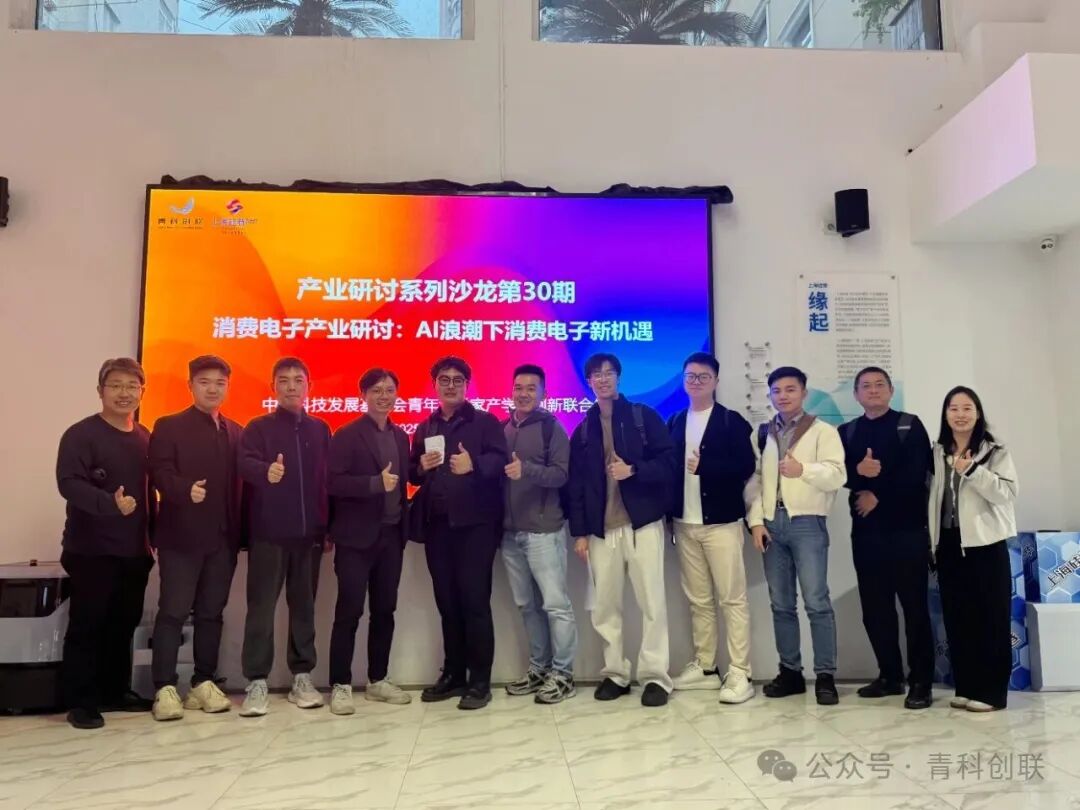 The veterans in the industry may have differences, but the common understanding is that current AI hardware is still in a “trial and error period”, with severe homogeneous competition. In the future, a batch will be eliminated, but Chinese enterprises, leveraging supply chain advantages, understanding local scenarios, overseas capabilities, and rapid iteration abilities, can definitely produce blockbuster products as long as they find the right scenarios and solve real needs. In the next 2-3 years, there will definitely be a presence of Chinese enterprises in the global AI hardware market.The above only represents the personal views of the guests.This article is reproduced from “Youth Science and Technology Innovation Alliance”