Cuproptosis is a novel copper-dependent programmed cell death mechanism, which centers on the interaction between copper ions and acylated proteins in the tricarboxylic acid (TCA) cycle, leading to protein aggregation and mitochondrial dysfunction, ultimately resulting in cell death. This mechanism provides new insights for cancer treatment, as the accumulation of copper ions in tumor cells can significantly enhance their sensitivity to Cuproptosis. However, the challenge has been how to precisely deliver copper ions to tumor sites while minimizing toxicity to normal tissues. The emergence of nanotechnology offers new solutions to this problem, with copper-based nanomaterials being ideal carriers for copper ion delivery due to their unique physicochemical properties, such as flexible structures, high processability, excellent redox properties, and stimulus responsiveness.
Researchers from Tongji University, including Jianlin Shi, Xiangyu Lu, and Dongyang Jiang, have summarized in detail the mechanisms of Copper-dependent programmed cell death (Cuproptosis), the strategies mediated by nanomaterials for Cuproptosis, and their application prospects in cancer treatment and regenerative medicine. They explored copper metabolism, the biochemical basis of Cuproptosis, design strategies for copper-based nanomaterials, and how to enhance the therapeutic effects of Cuproptosis through targeted delivery and combination therapy, while also looking forward to its expanded applications in areas such as antibacterial treatment, wound healing, and bone tissue engineering.
1.Main Content:
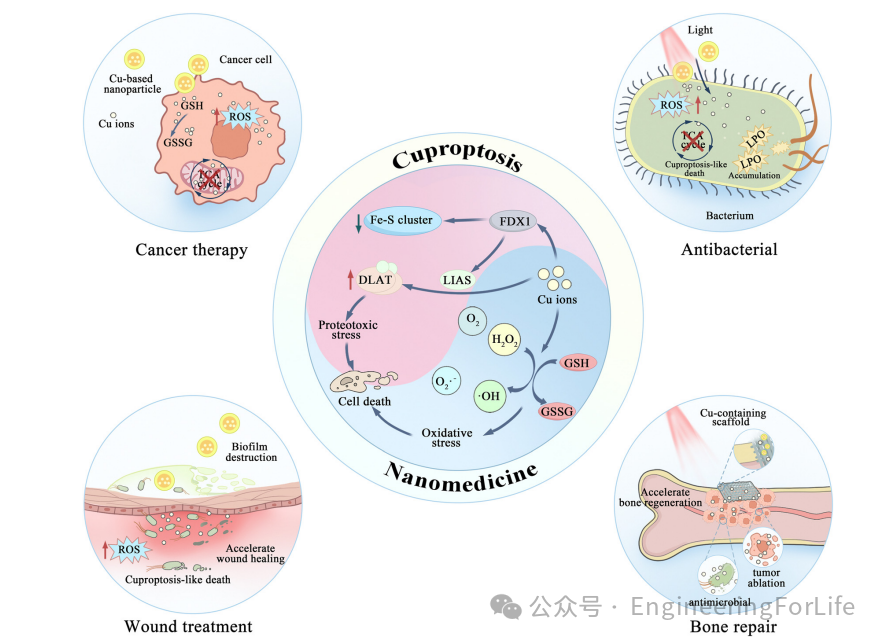
Figure 1 Integration of Cuproptosis and Nanotechnology
The figure illustrates how nanomaterials can induce Cuproptosis by targeted delivery of copper ions to disease sites, achieving therapeutic effects not only in cancer treatment but also in applications such as antibacterial treatment, wound healing, and bone tissue engineering.
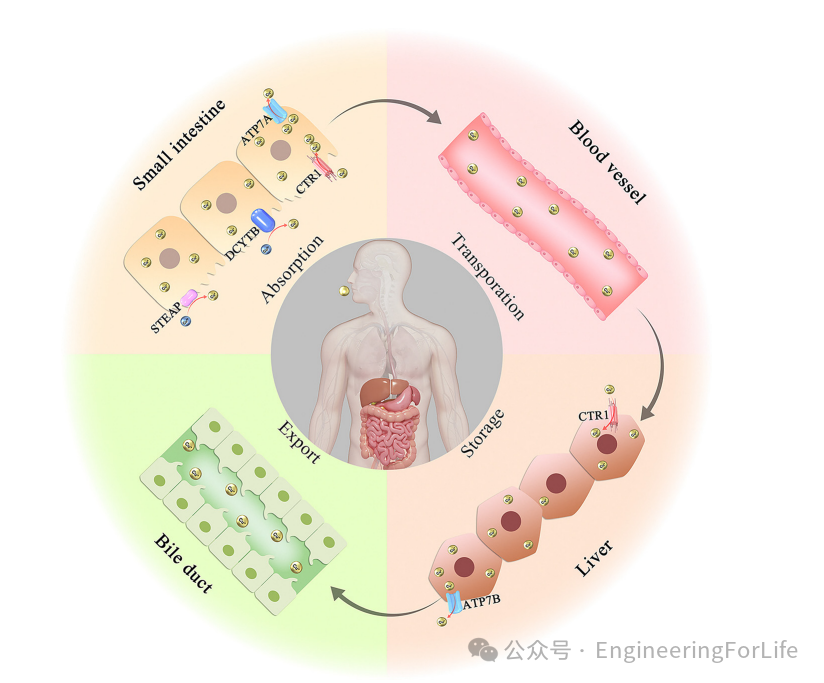
Figure 2 Copper Metabolism and the Mechanism of Cuproptosis
This figure details the metabolic process of copper in the human body and the mechanism of Cuproptosis. It shows how copper ions enter cells through CTR1 (Copper Transporter 1), accumulate within the cells, and ultimately trigger protein aggregation and mitochondrial dysfunction by binding to acylated proteins in the TCA cycle (such as DLAT), leading to cell death. This figure is key to understanding the mechanism of Cuproptosis and provides a theoretical basis for subsequent nanomaterial design.
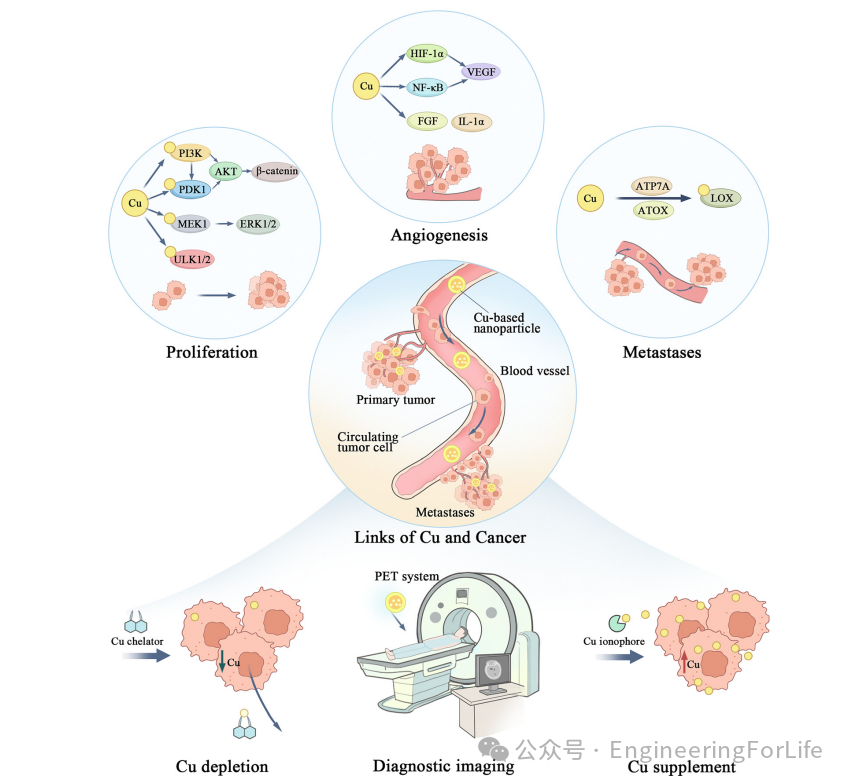
Figure 3 The Role of Copper in Cancer
This figure further explores the role of copper in cancer progression, including tumor proliferation, angiogenesis, and metastasis. It illustrates how copper promotes tumor growth by activating signaling pathways such as PI3K-AKT and MAPK, and how it influences factors like HIF-1α and VEGF to promote angiogenesis. This figure emphasizes the potential targets of copper in cancer treatment, providing context for the application of Cuproptosis in cancer therapy.
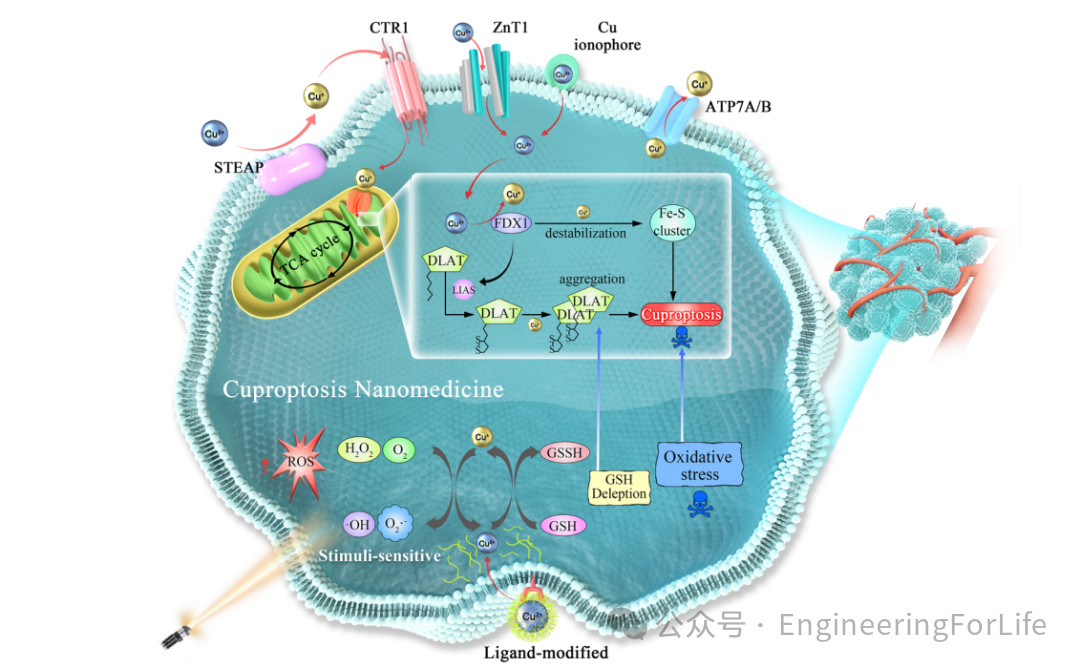
Figure 4 Mechanism of Cuproptosis Mediated by Nanomaterials
This figure describes in detail how nanomaterials induce Cuproptosis by targeted delivery of copper ions to tumor cells. It shows how copper ions bind to acylated proteins in the TCA cycle (such as DLAT), leading to protein aggregation and mitochondrial dysfunction, ultimately resulting in cell death. This figure is crucial for understanding the role of nanomaterials in Cuproptosis, demonstrating how nanotechnology can enhance the therapeutic effects of Cuproptosis.
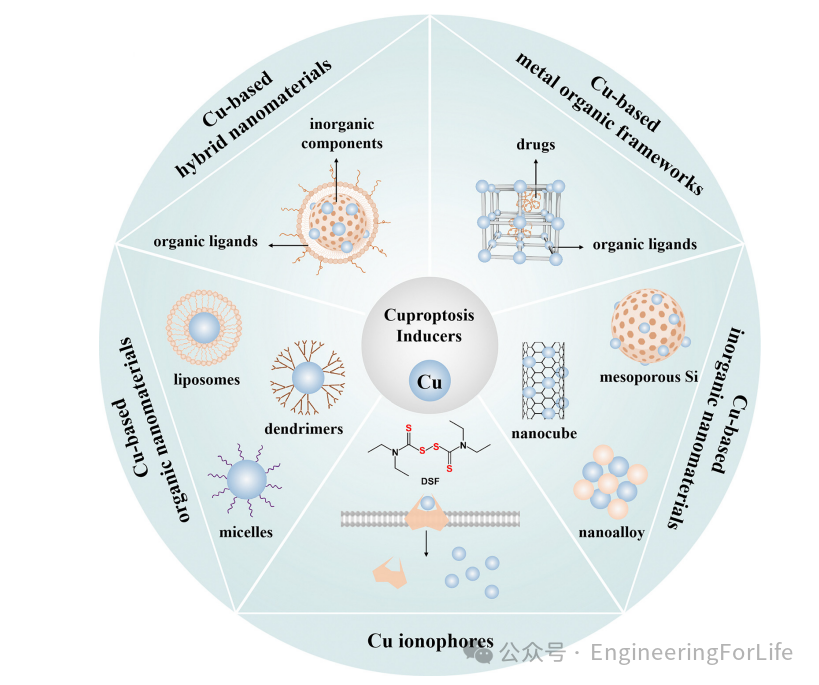
Figure 5 Design Strategies for Copper-based Nanomaterials
This figure showcases various design strategies for copper-based nanomaterials, including copper ion carriers, copper-based metal-organic frameworks (MOFs), copper-based organic nanomaterials, copper-based inorganic nanomaterials, and copper-based composite nanomaterials. It details the design concepts and application prospects of these nanomaterials, providing specific design strategies for subsequent experimental sections and demonstrating the application potential of different types of copper-based nanomaterials in Cuproptosis.
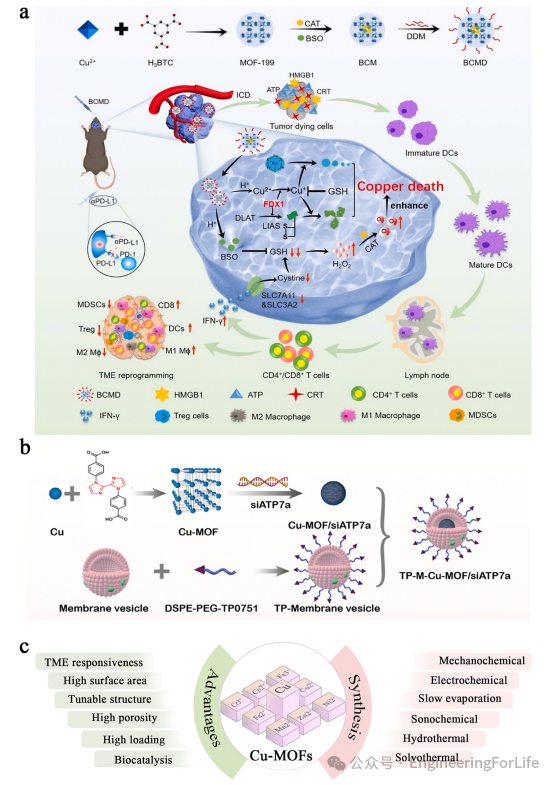
Figure 6 Applications of Copper-based Metal-Organic Frameworks (MOFs)
This figure provides a detailed overview of the applications of copper-based metal-organic frameworks (MOFs) in Cuproptosis. It illustrates how MOFs achieve efficient Cuproptosis by targeted delivery of copper ions to tumor cells. This figure highlights the potential of MOFs in cancer treatment, emphasizing their high drug loading capacity and targeting ability.
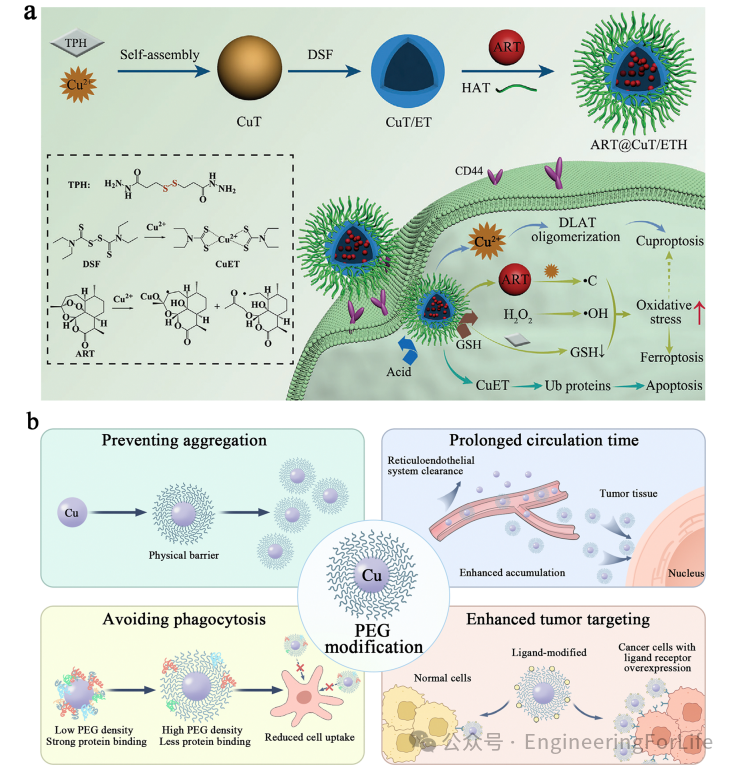
Figure 7 Design of Copper-based Organic Nanomaterials
This figure illustrates the design and application of copper-based organic nanomaterials. It details how to prepare copper-based organic nanomaterials through chemical synthesis methods and showcases their applications in Cuproptosis. This figure emphasizes the unique advantages of organic nanomaterials in Cuproptosis, such as high biocompatibility and targeting ability, providing specific design ideas for subsequent experimental sections.
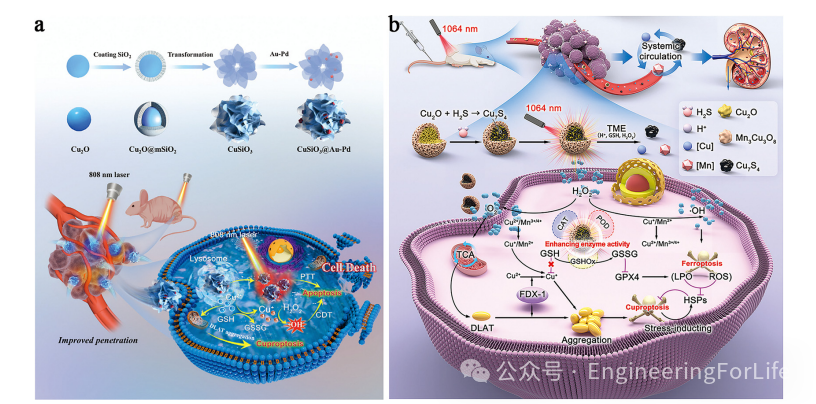
Figure 8 Applications of Copper-based Inorganic Nanomaterials
This figure provides a detailed overview of the applications of copper-based inorganic nanomaterials in Cuproptosis. It illustrates how copper-based inorganic nanomaterials enhance the effects of Cuproptosis through photothermal effects and enzyme-mimicking activity. This figure is key to understanding the role of inorganic nanomaterials in Cuproptosis, showcasing their potential in cancer treatment and emphasizing their photothermal effects and enzyme-mimicking activity.
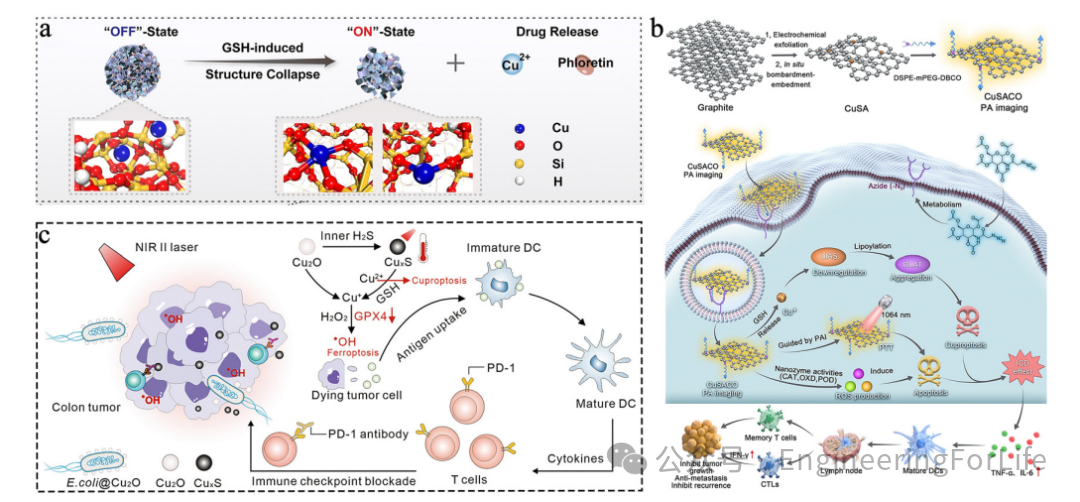
Figure 9 Design of Copper-based Composite Nanomaterials
This figure illustrates the design and application of copper-based composite nanomaterials. It details how to prepare copper-based composite nanomaterials through chemical synthesis methods and showcases their applications in Cuproptosis. This figure emphasizes the unique advantages of composite nanomaterials in Cuproptosis, such as multifunctionality and synergistic effects, providing specific design ideas for subsequent experimental sections.
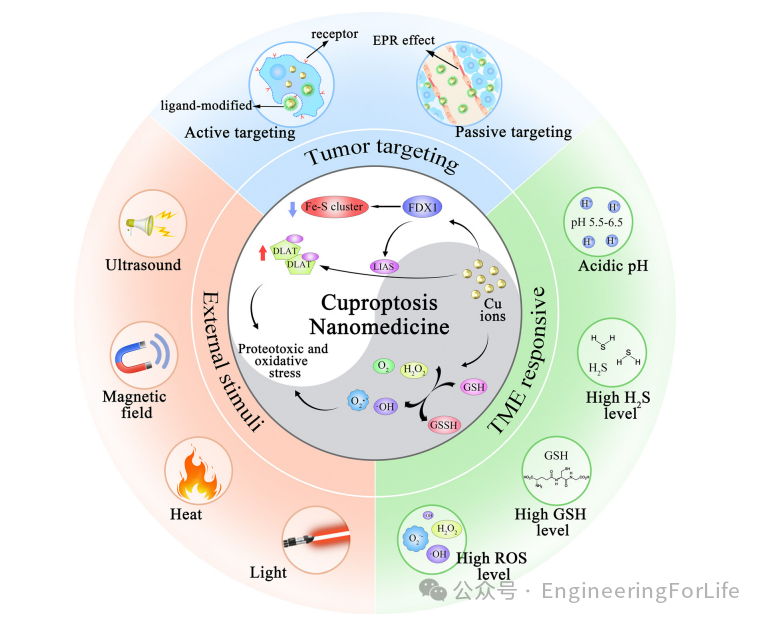
Figure 10 Strategies to Enhance the Specificity of Cuproptosis Treatment
This figure summarizes various strategies to enhance the specificity of Cuproptosis treatment, including passive targeting (EPR effect), active targeting (ligand modification), and tumor microenvironment response (such as pH, GSH, H2S, etc.). The figure details how these strategies improve the accumulation of copper ions at tumor sites while reducing toxicity to normal tissues. This figure is key to understanding how to optimize the therapeutic effects of Cuproptosis, showcasing the importance of various strategies in enhancing treatment specificity and providing specific directions for subsequent experimental sections.
2.Summary of the Full Text:
This article reviews the mechanisms of Copper-dependent programmed cell death (Cuproptosis), the strategies mediated by nanomaterials for Cuproptosis, and their application prospects in cancer treatment and regenerative medicine. The article thoroughly discusses copper metabolism, the biochemical basis of Cuproptosis, design strategies for copper-based nanomaterials, and how to enhance the therapeutic effects of Cuproptosis through targeted delivery and combination therapy. Additionally, the article discusses the expanded applications of Cuproptosis in antibacterial treatment, wound healing, and bone tissue engineering, while looking forward to its clinical application potential and the challenges it faces.
References:
https://doi.org/10.1039/D5CS00083A
Source:EngineeringForLife
Disclaimer: The views expressed are solely those of the author and are for research purposes. The author acknowledges their limited expertise, and any scientific inaccuracies should be pointed out in the comments below!