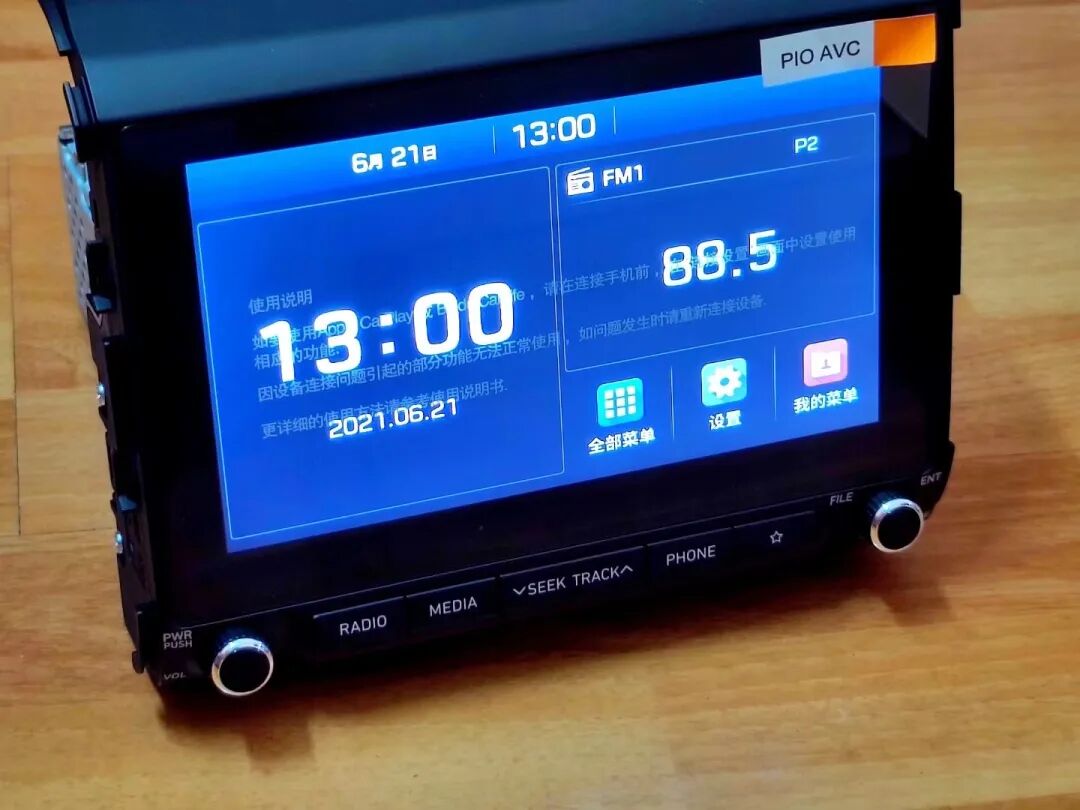
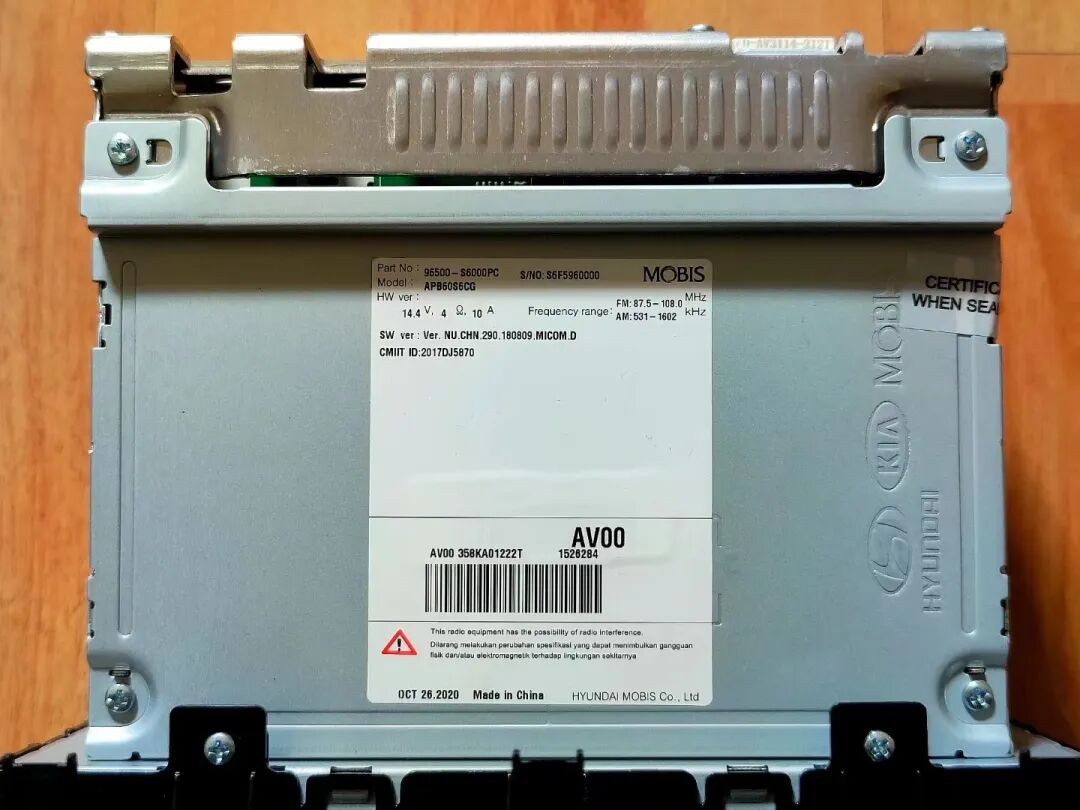
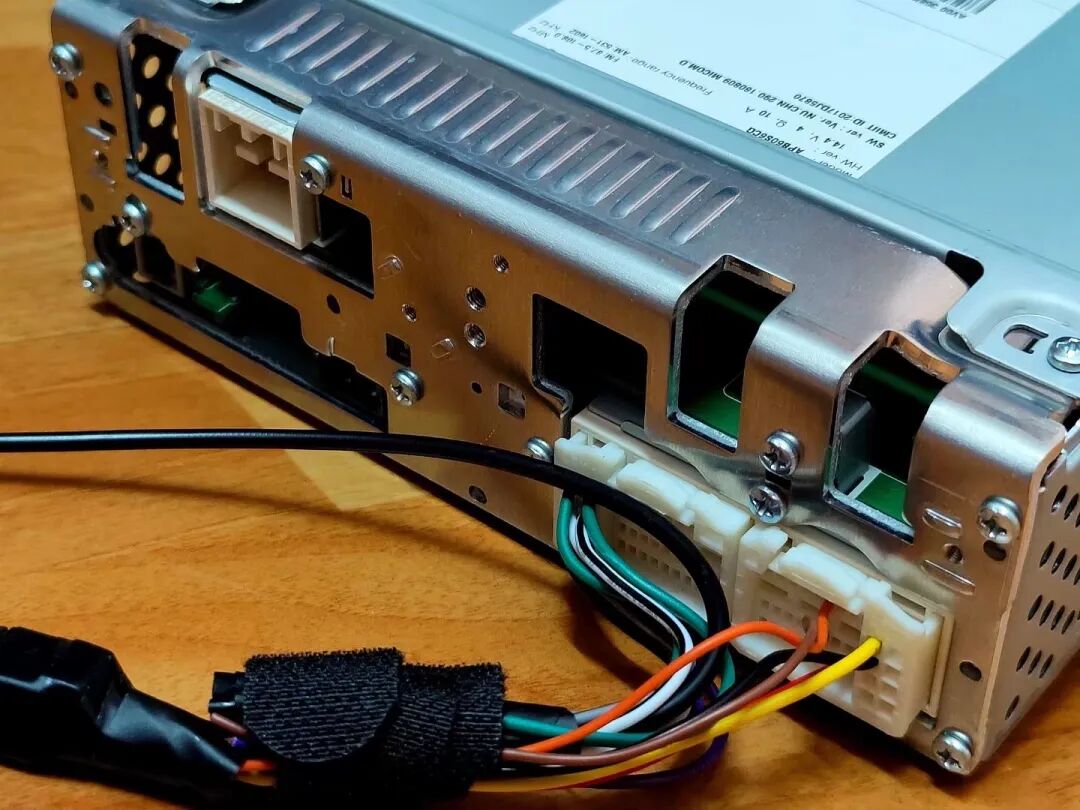
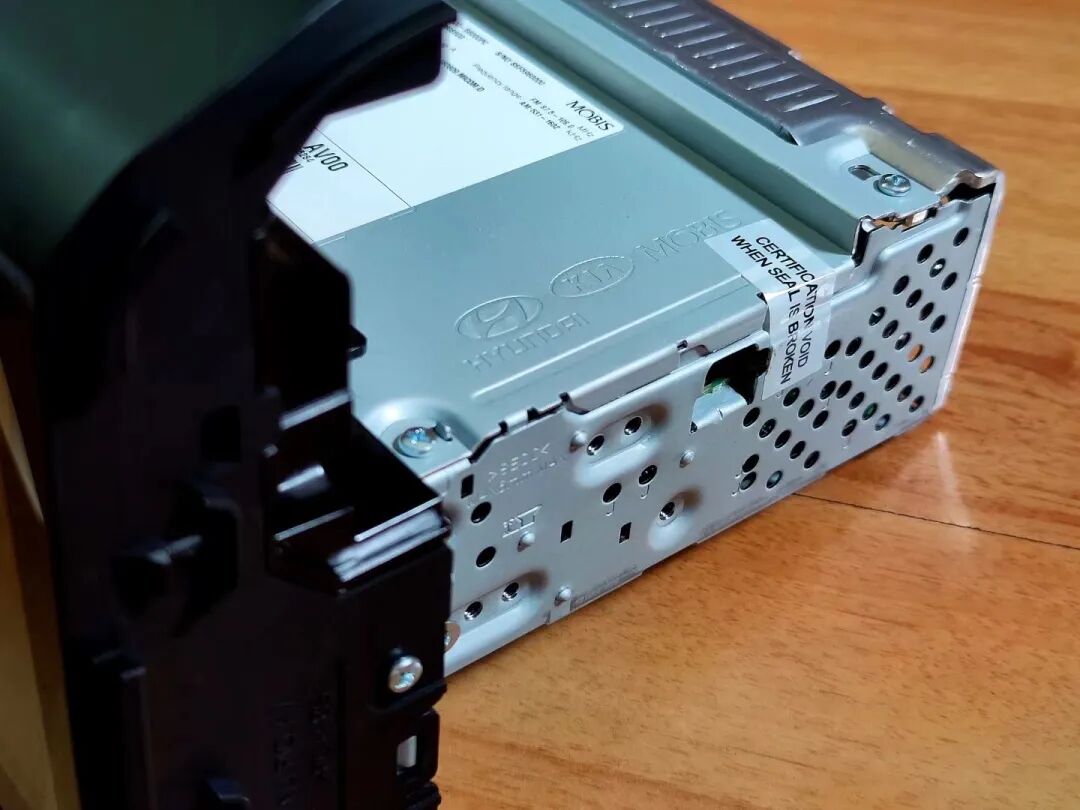
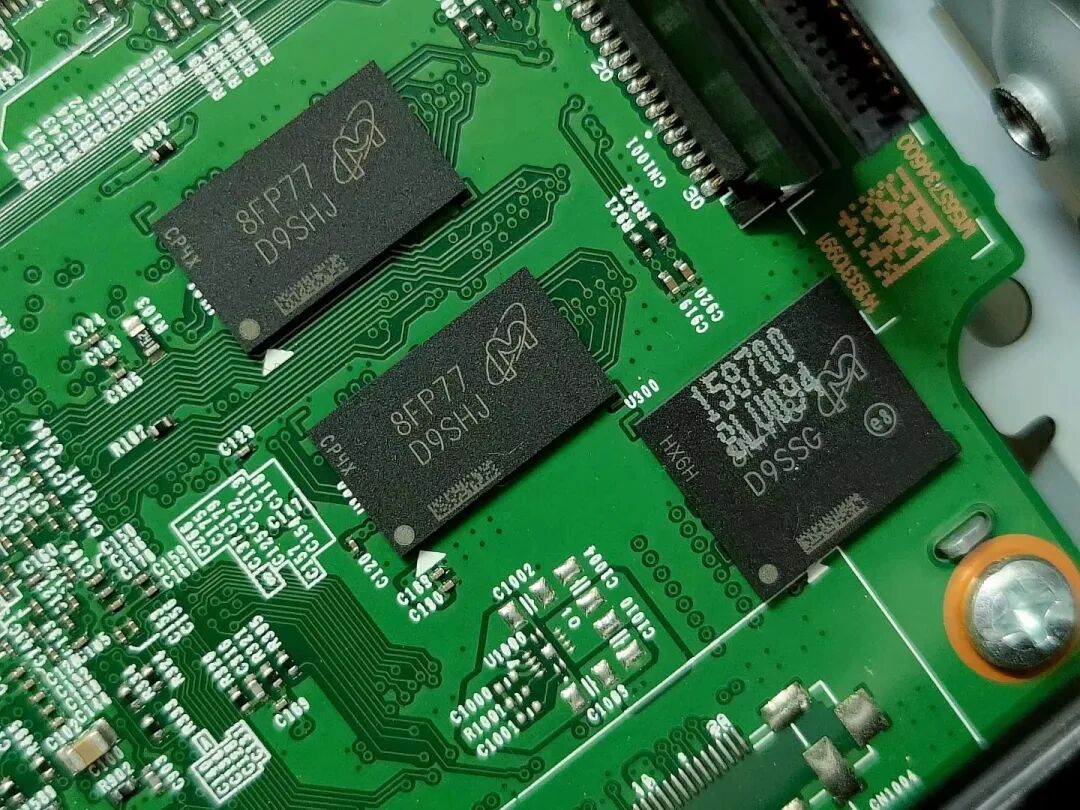
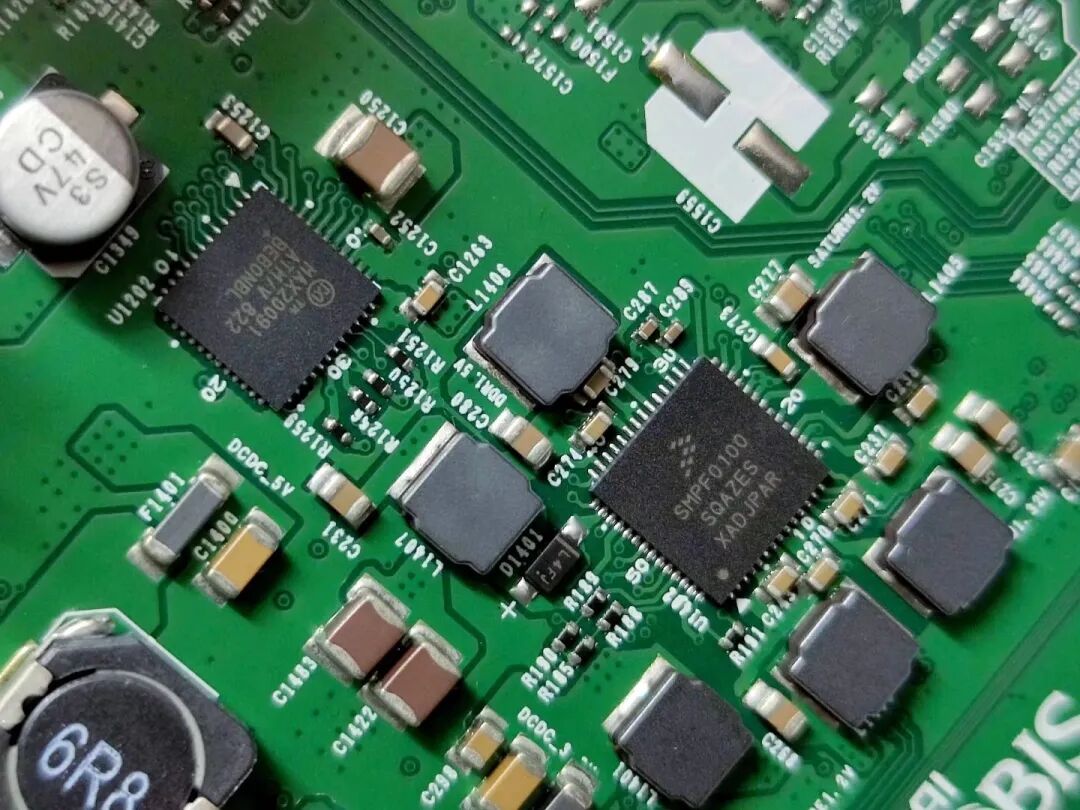
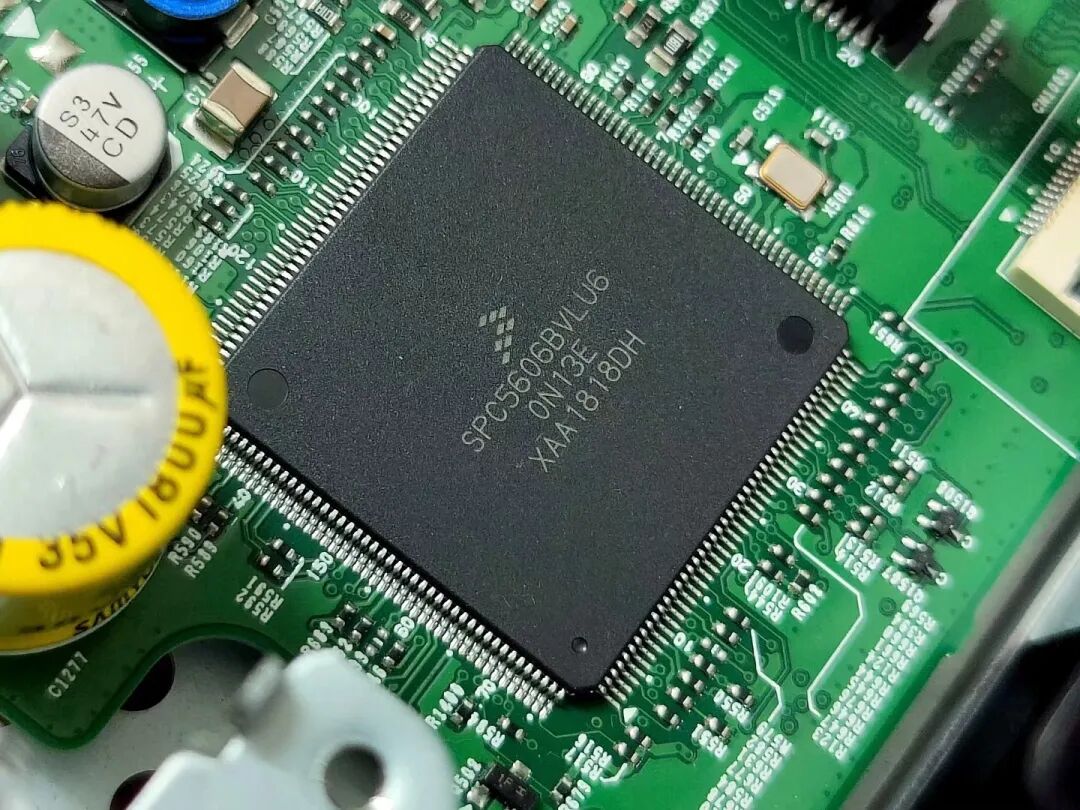
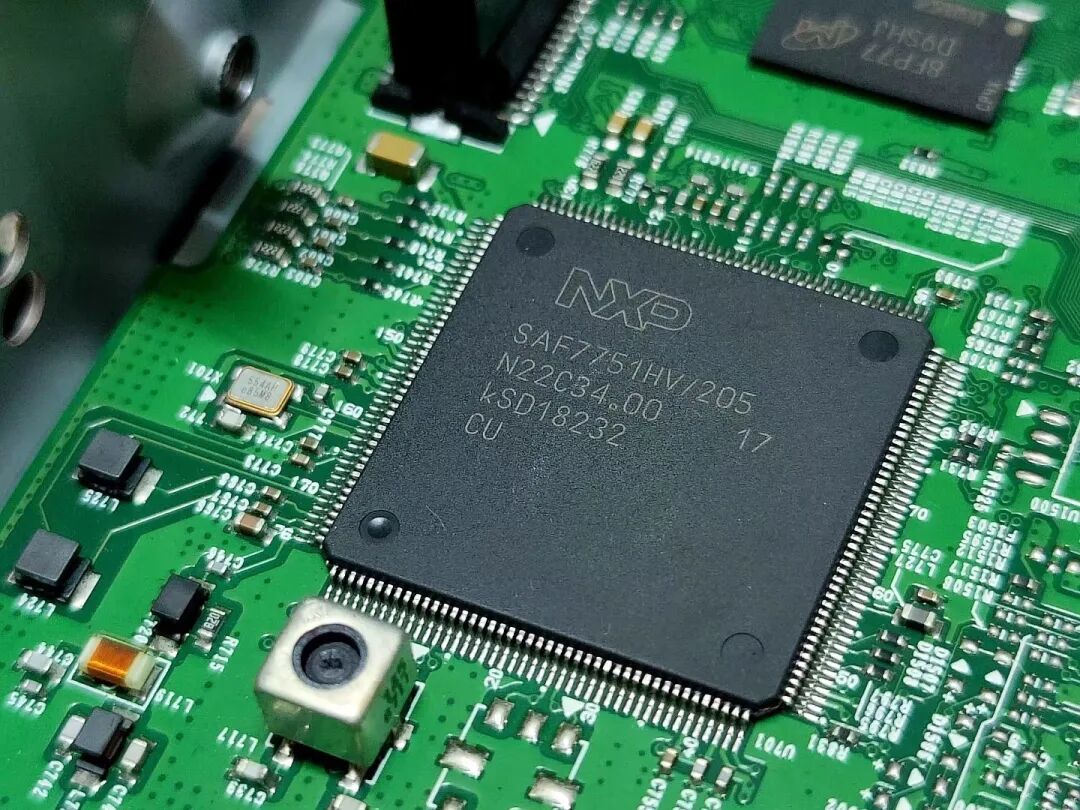
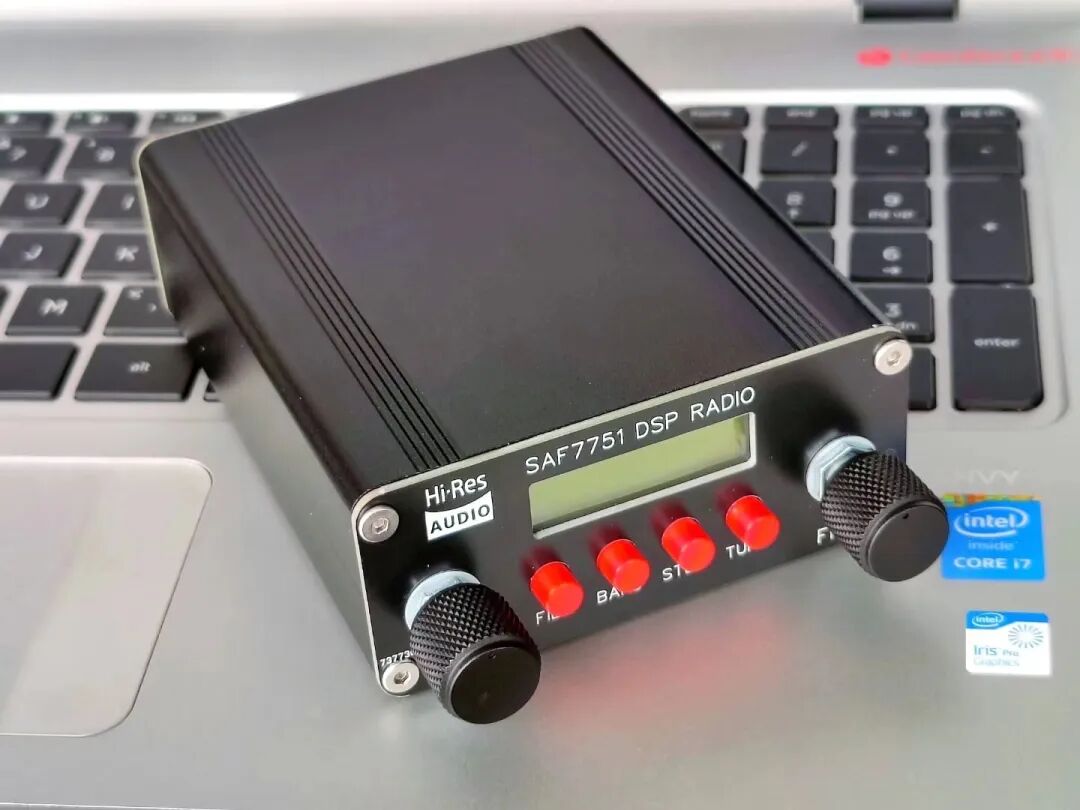
Previously, many listeners inquired about the SAF7751 in-car radio that does not require a decoder. Here, I am sharing the disassembly of the modern IX35 in-car radio from a few years ago. This in-car radio is not recommended mainly due to its high price and the fact that it is a single antenna version. Its only advantage is that it can operate normally without connecting to a decoder. The SAF7751 is still the most fun for DIY projects.
The original text is as follows:
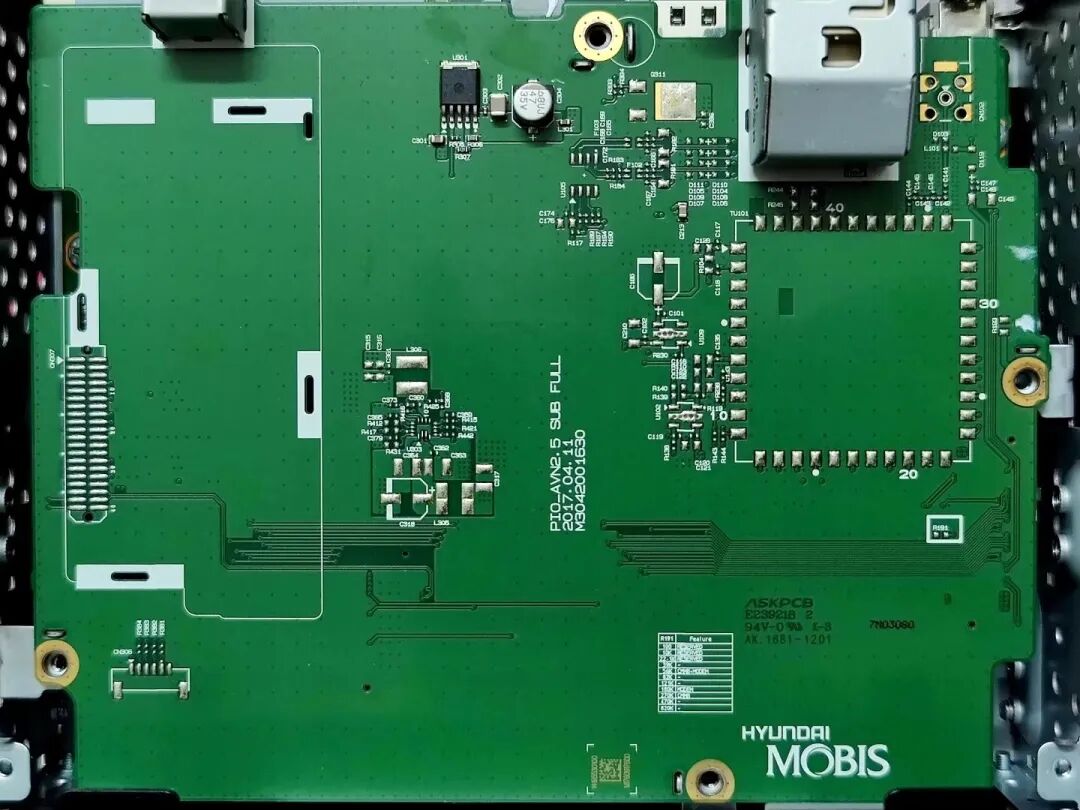
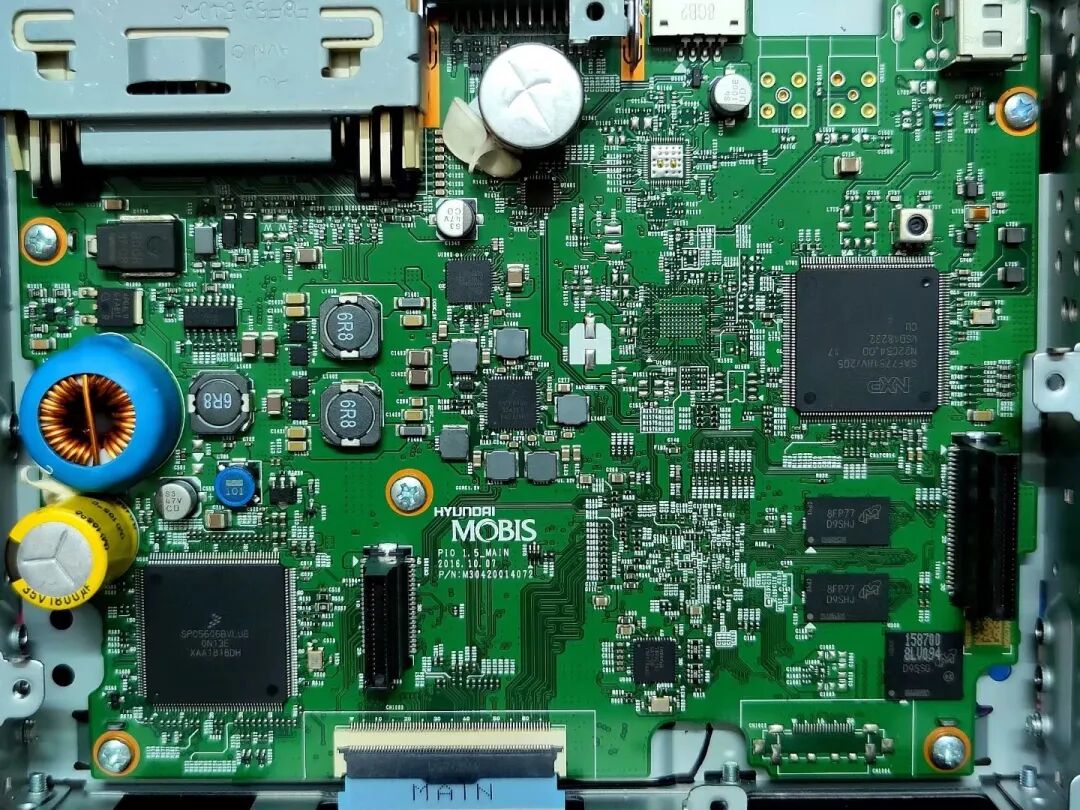
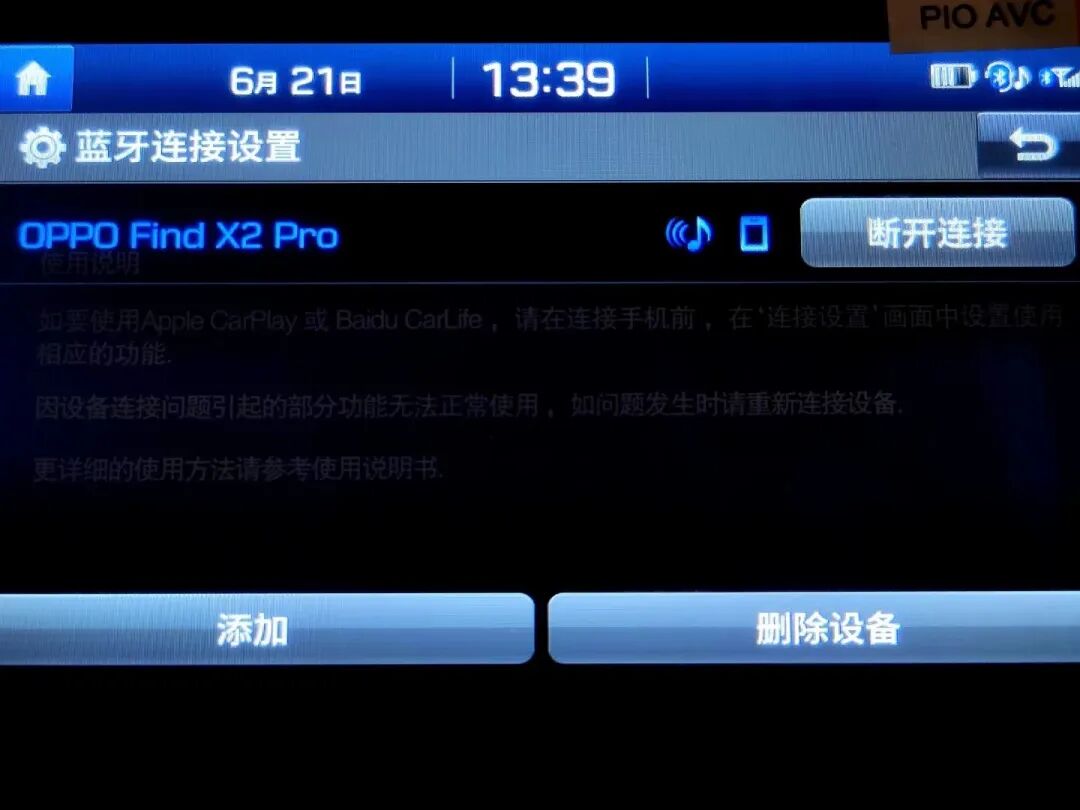
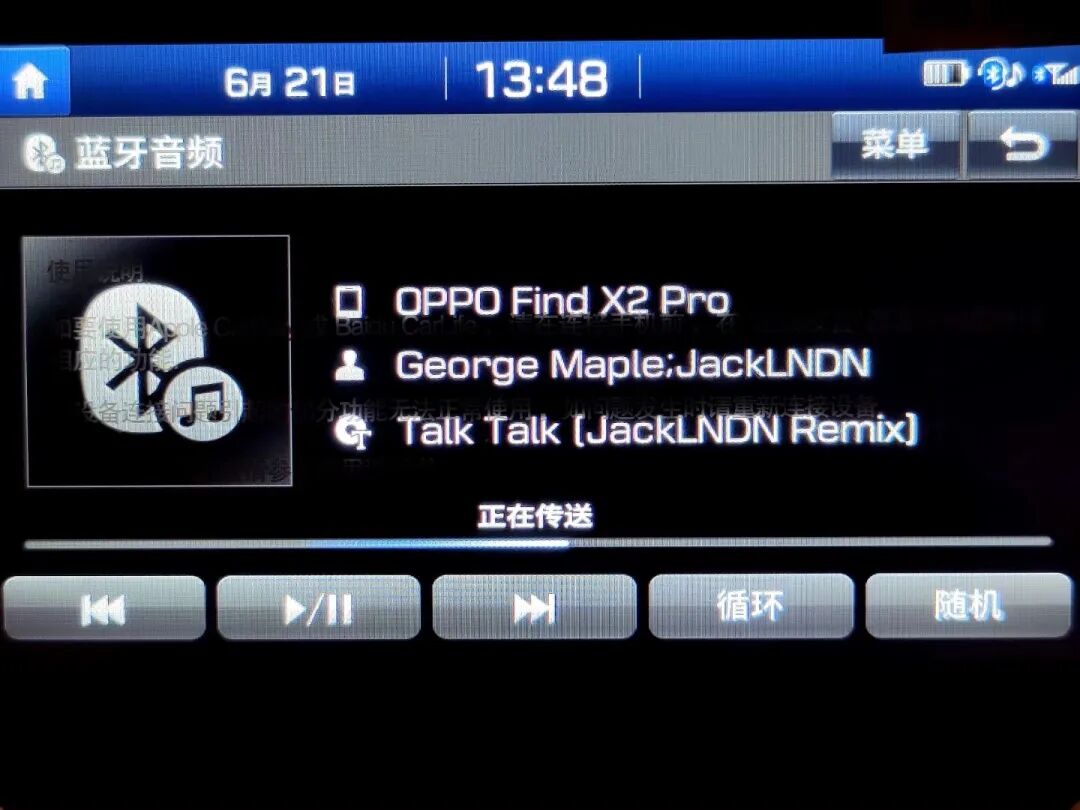
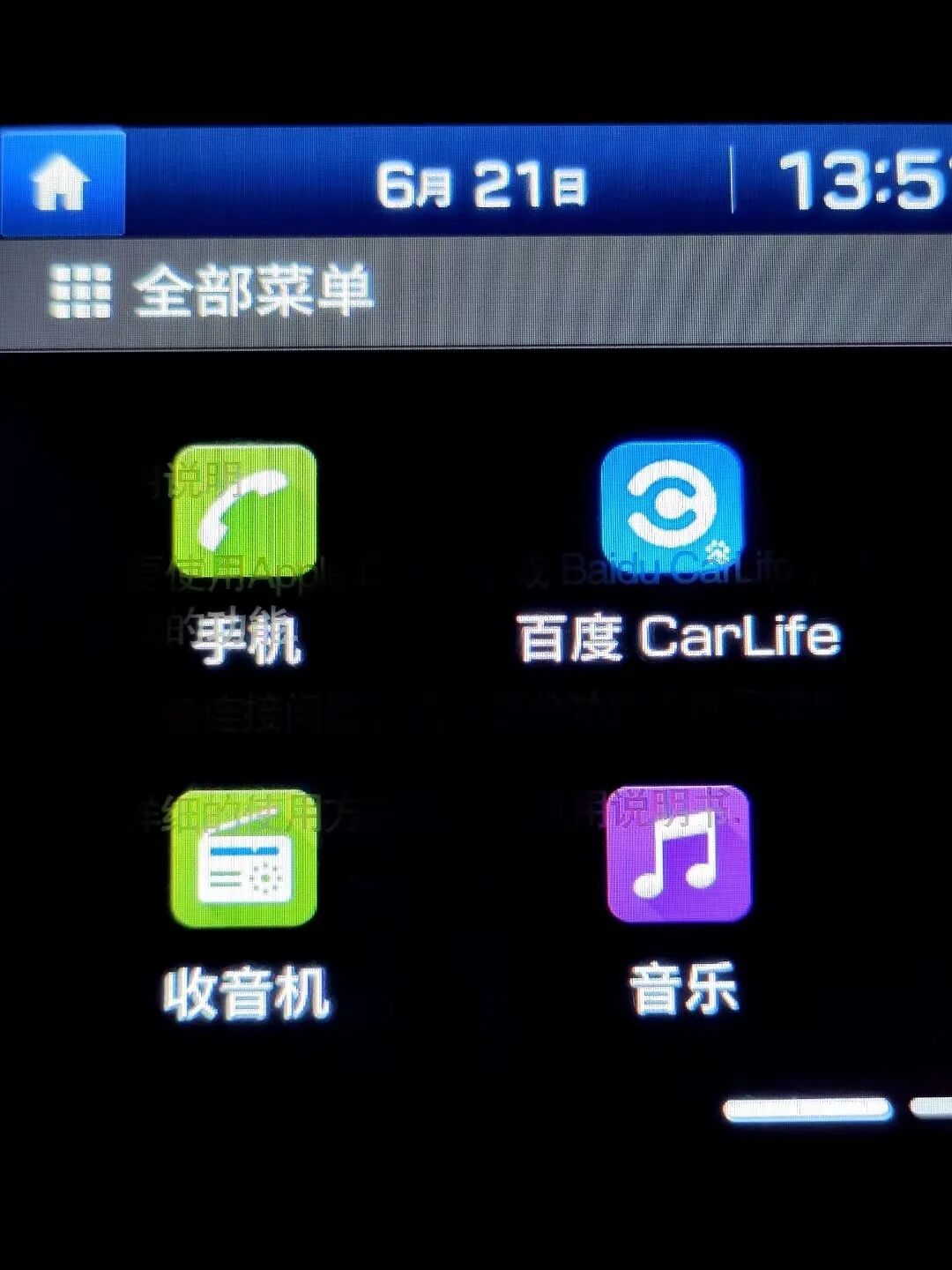
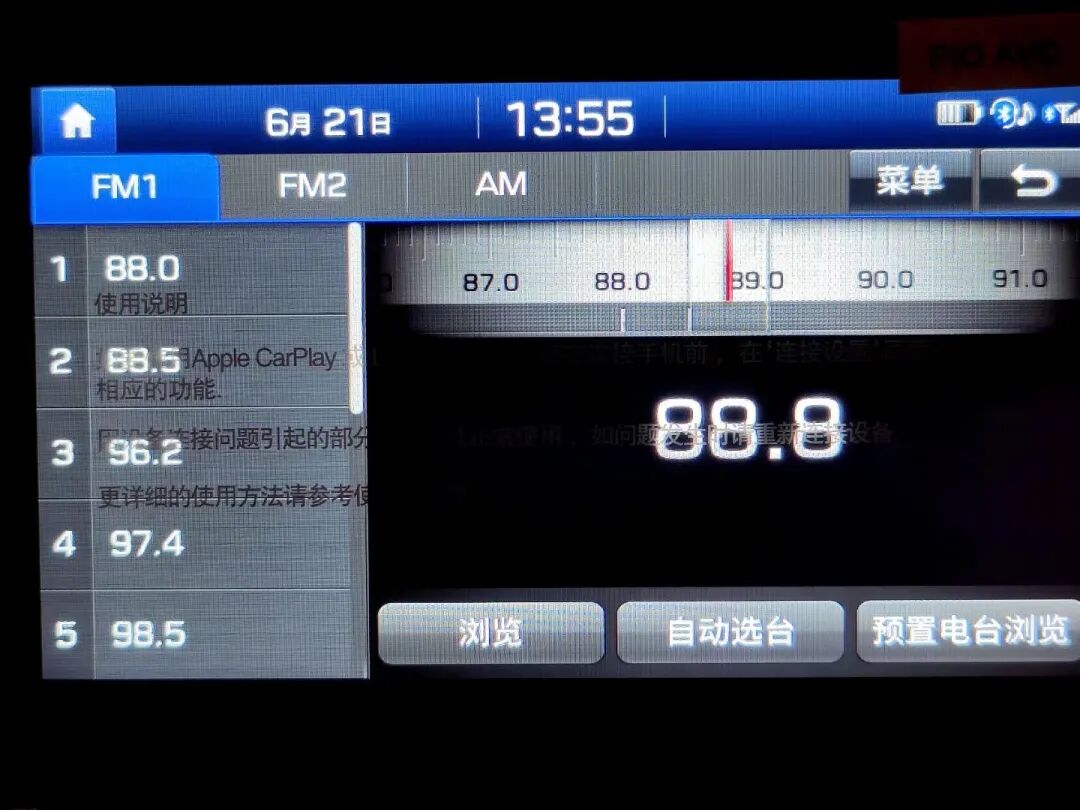
Testing the modern IX35 in-car radio. The model is APB60S6CG, and the manufacturer is Hyundai Mobis, ranked 7th in the world among automotive parts suppliers. Upon disassembly, it was found that the radio has two layers of mainboards. The top layer has very few components and is preliminarily judged to be a navigation board or an optional 4G module; removing this board does not affect the boot operation. The second layer is the main control board, which includes control, communication, reception, amplification, and other functions. All main control chips and reception circuits are based on NXP solutions, with the most attractive feature being the DSP reception chip, which is the SAF7751 from the NXP Dirana3 series. This chip integrates a dual-tuner RFCOMS, multi-standard front-end, and multi-core audio subsystem into a single chip. The sensitivity of the SAF7751 is the same as that of the TEF6686 chip used in the new Honda CRV in-car radio (-4dBuv, 0.63uv), but its selectivity is better than that of the TEF6686, making it very suitable for FMDX. This in-car radio features a 7-inch touchscreen, built-in Bluetooth, and supports Baidu CarLife and Apple CarPlay, as well as video and music playback. However, I am more concerned about remote FM reception. Upon powering on, it can receive a number of FM radio stations simply by plugging in a wire, and it seems that the amplifier has decent driving power. However, there is a concern that when connecting the audio output to multimedia speakers, there is a popping noise, especially when the volume is above 6. The same speaker connected to the new Honda CRV in-car radio does not exhibit this phenomenon, but when connected to headphones, the noise disappears, which needs to be investigated further. The Bluetooth connection is also very convenient; after a simple pairing, music from the phone can be played synchronously. As for remote FM broadcast reception, it has not been tested yet, as the outdoor antenna is not set up.