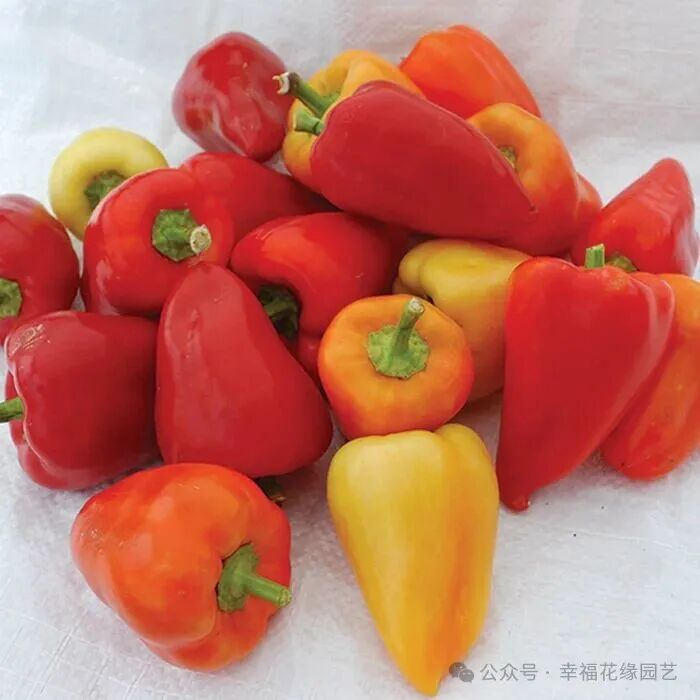
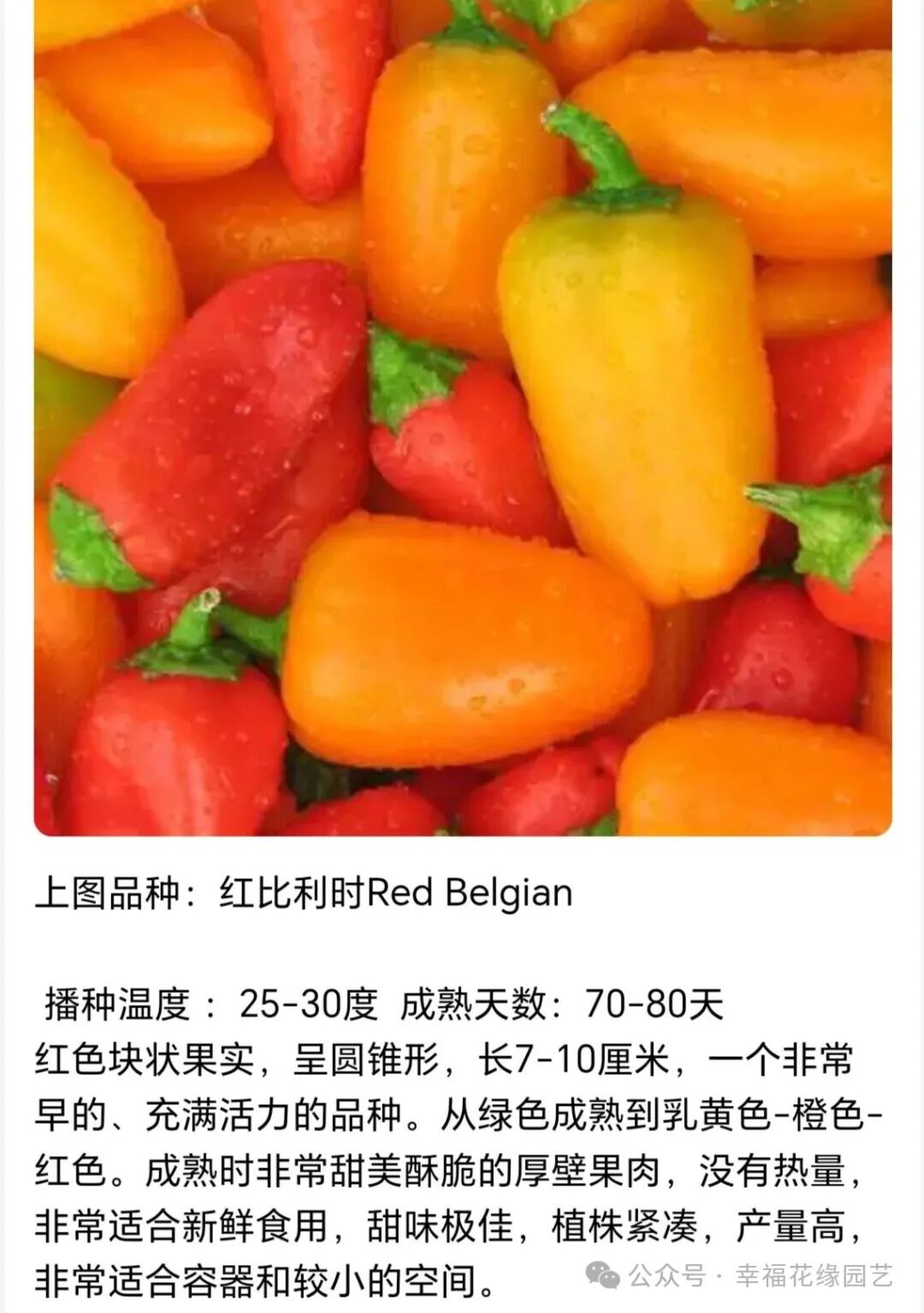
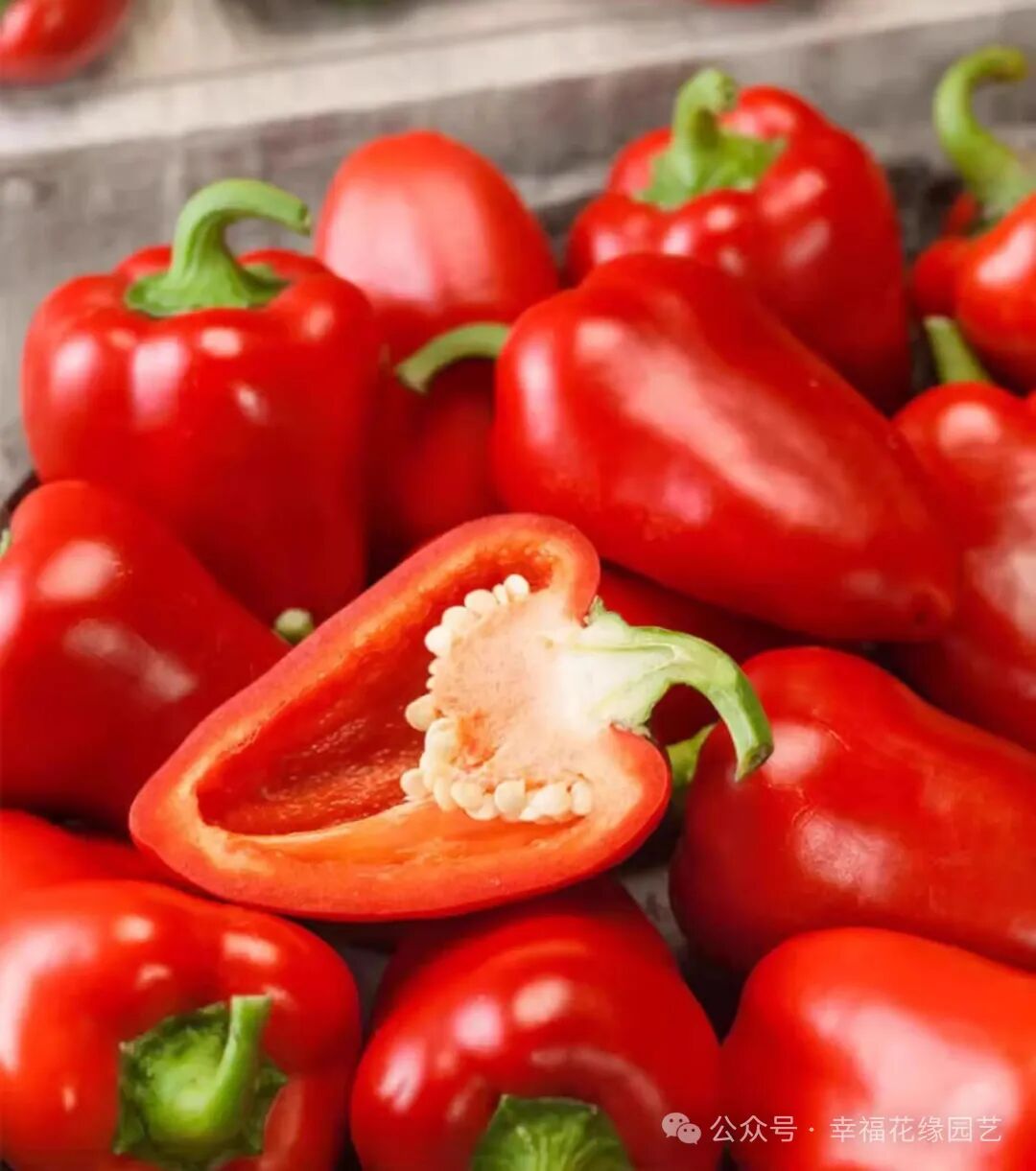
Sweet peppers: the ‘King of Vitamin C’ on the dining table, combining nutrition and flavor.
👉 Image from Hongyue Flowers
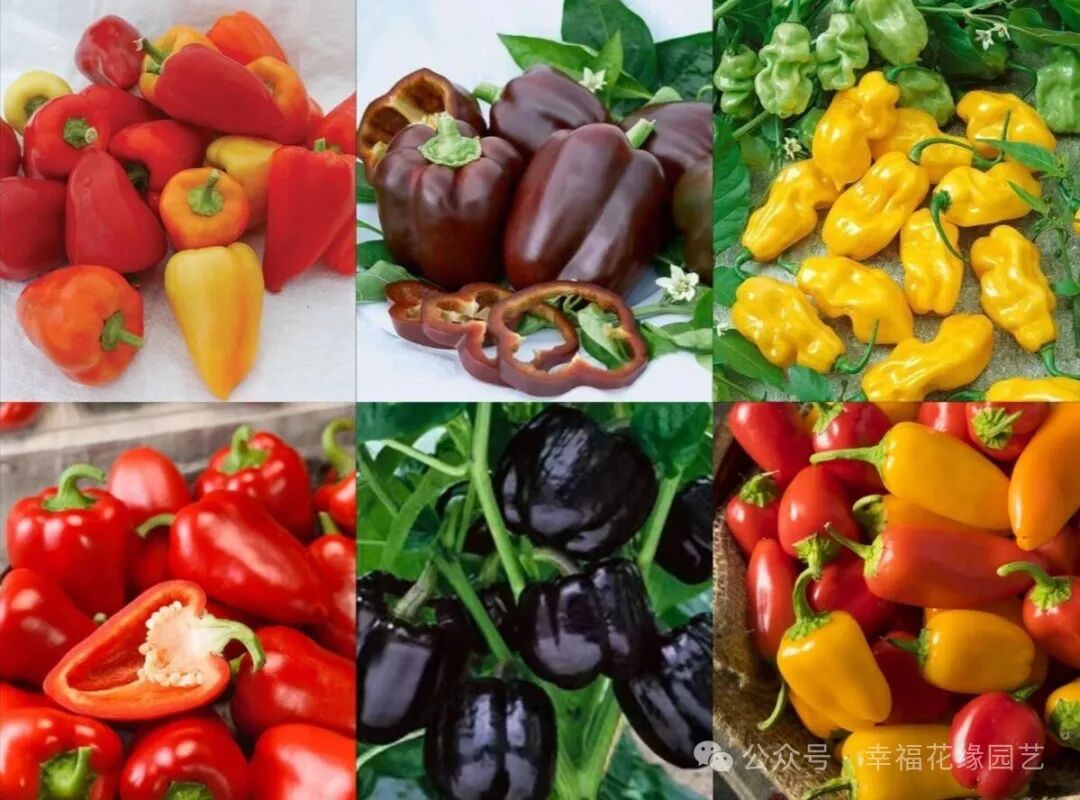

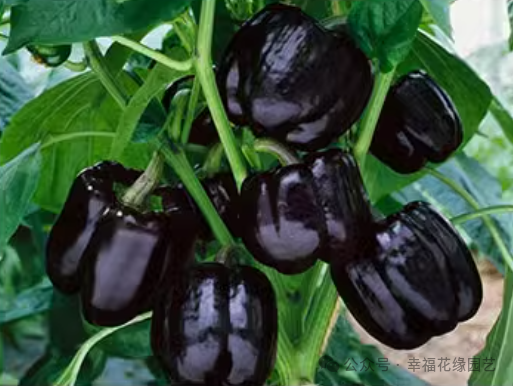
When it comes to the ‘visual representative’ and ‘nutritional expert’ on the dining table, sweet peppers undoubtedly hold a place. Their vibrant colors—fiery red, bright yellow, and fresh green—can instantly stimulate appetite just by being placed on a plate, making them a preferred vegetable in many households’ daily cooking.
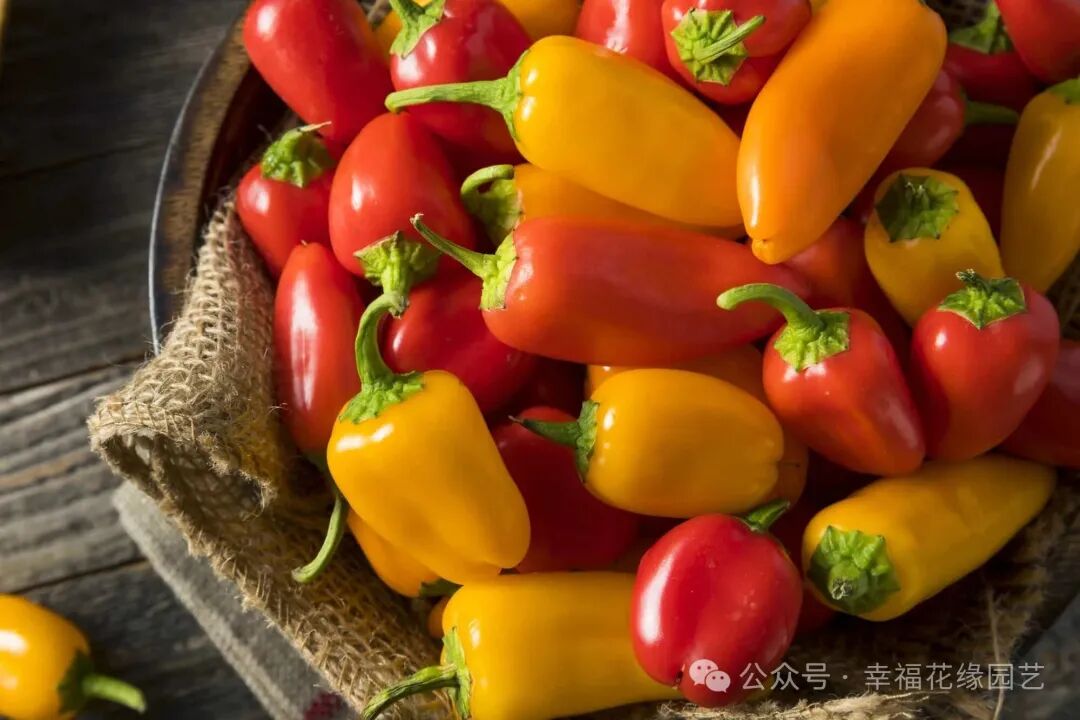


What is even more commendable is that sweet peppers are known as the ‘King of Vitamin C among vegetables,’ especially red sweet peppers, which stand out for their high vitamin C content, making them an excellent source of this nutrient. Adequate vitamin C helps enhance the body’s immunity, providing an extra layer of health protection. In addition to their rich nutrition, sweet peppers also have a delightful taste—crisp and sweet, they blend well with other ingredients, showcasing strong compatibility in various dishes.
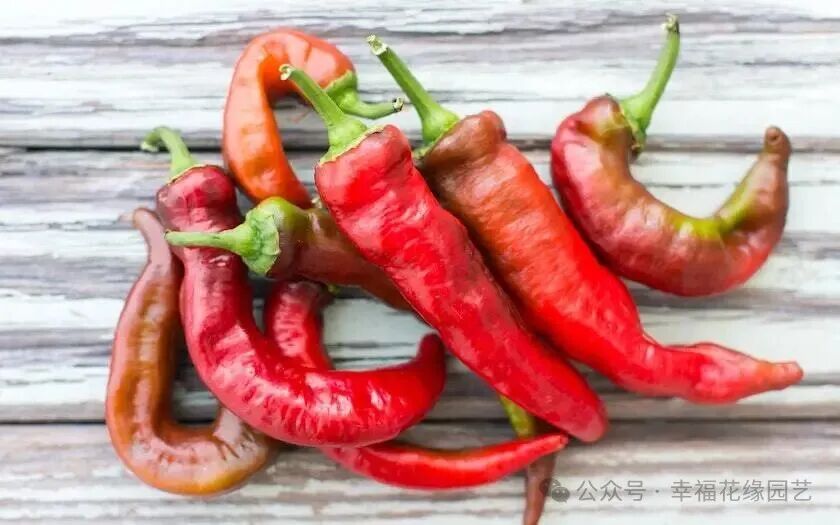
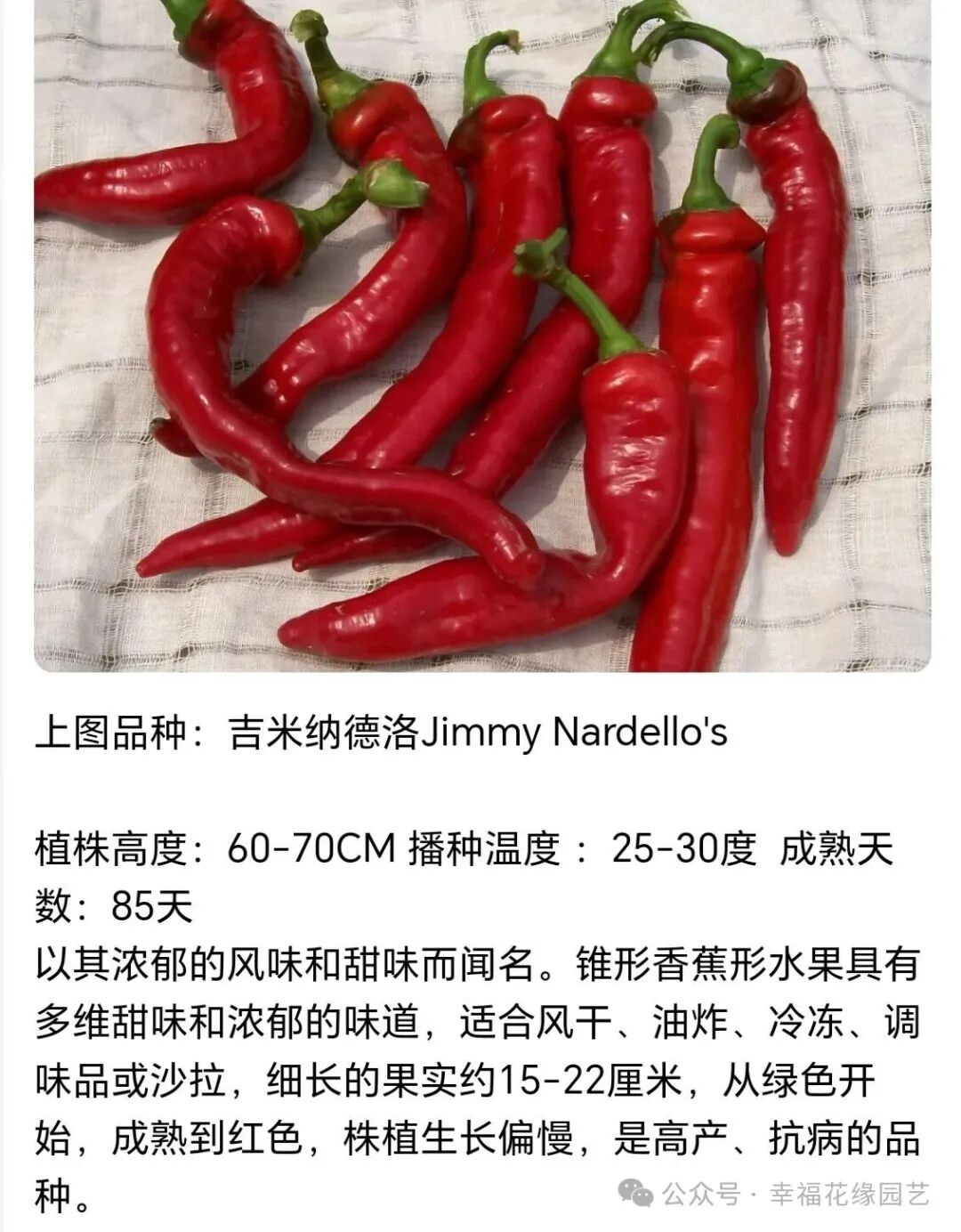

In terms of consumption methods, sweet peppers are incredibly versatile, catering to different taste preferences. To retain the maximum nutrition, they can be eaten raw, sliced and enjoyed directly or paired with dips, with their crisp texture leaving a lasting impression; for a refreshing taste, they can be added to salads, combined with lettuce, tomatoes, and chicken breast to enrich the flavor layers; for those who prefer a rich flavor, roasting is a great option, as roasted sweet peppers have a more pronounced sweetness and can serve as a side dish or be included in sandwiches; and the most common stir-fry method allows sweet peppers to perfectly combine with eggs, meat slices, and other ingredients, absorbing fats for enhanced aroma, making them a great dish on the dining table.
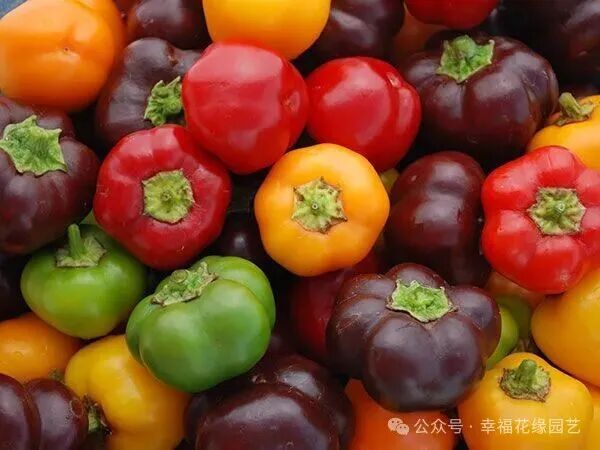


Today, sweet peppers have gradually become a regular guest on more people’s dining tables, adding more health and flavor to daily diets with their diverse ways of eating and rich nutrition.