I previously introduced an HT2 set-top box based on the RK3528A.
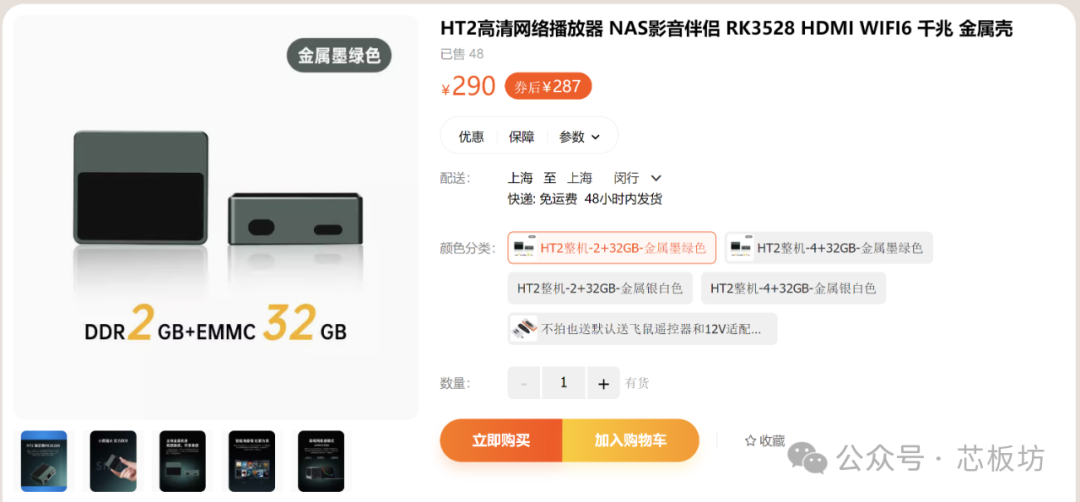
At that time, I mentioned that the price was a bit high. Indeed, if you only buy the development board, it costs only 99, which means the case alone costs 200. To be honest, the cost-performance ratio is a bit low.
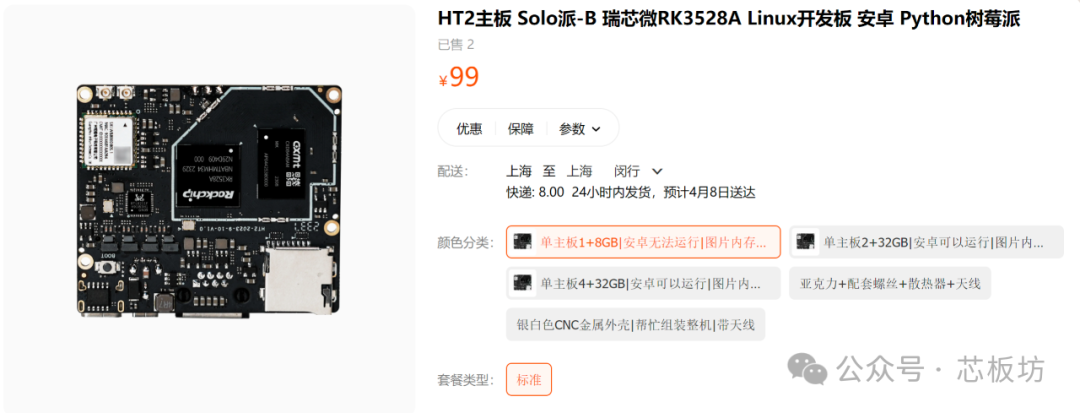
This development board is actually called Solo Pi-B, which is a bit of a strange name. No wonder this development board is not popular.
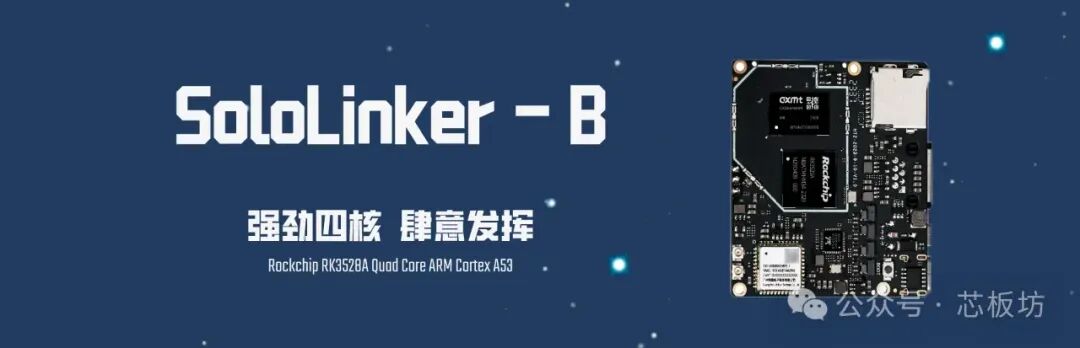
This development board actually has three configurations.
1+8GB version priced at 99
2+32GB version priced at 149
4+32GB version priced at 179
You can also buy the CNC metal case for only 60, which makes me feel like buying that set-top box is a bit of a rip-off.
In fact, this Solo Pi has an official website called Solo Linker, which is actually run by a company called HinLink.
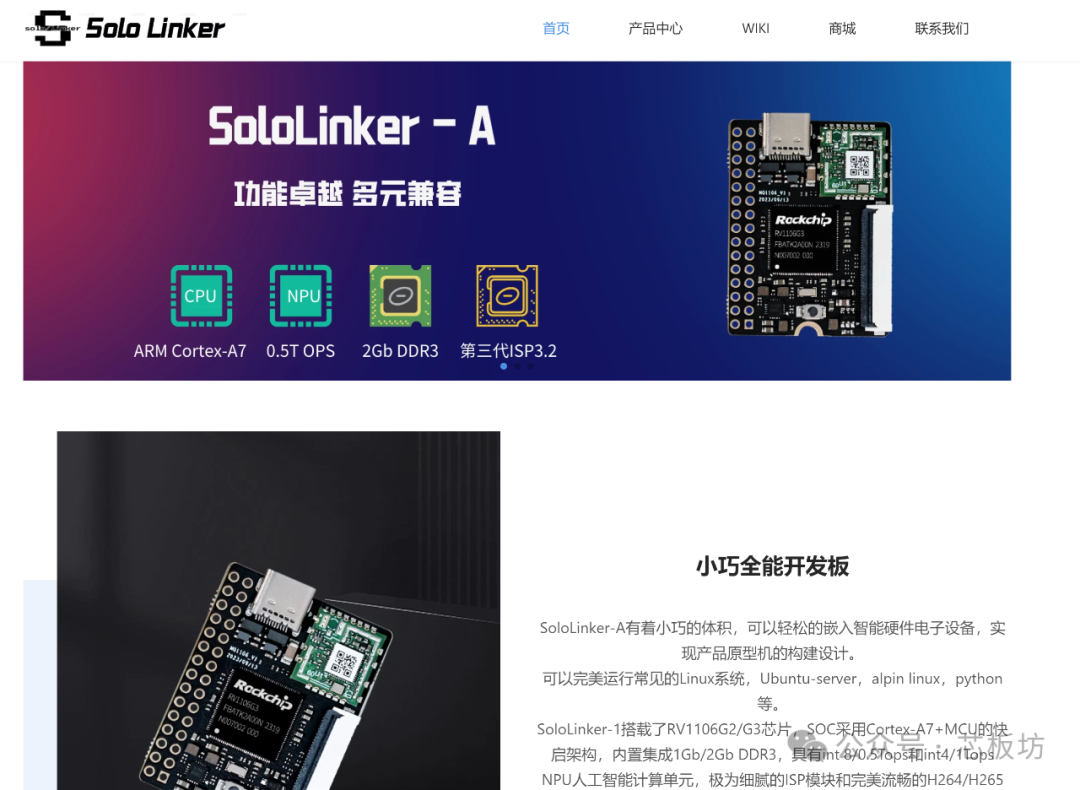
Currently, in addition to Solo Pi-B, there are also Solo Pi-A and Solo Linker-D. To be honest, the naming convention is confusing and quite chaotic, and lacks distinctiveness. If you don’t understand, you wouldn’t know the differences between A, B, C, and D, and there’s also the Solo Linker development board name, which makes it unclear what the relationship is. I hope they can change the model names.
Among them, Solo Pi-A is a small-sized development board.
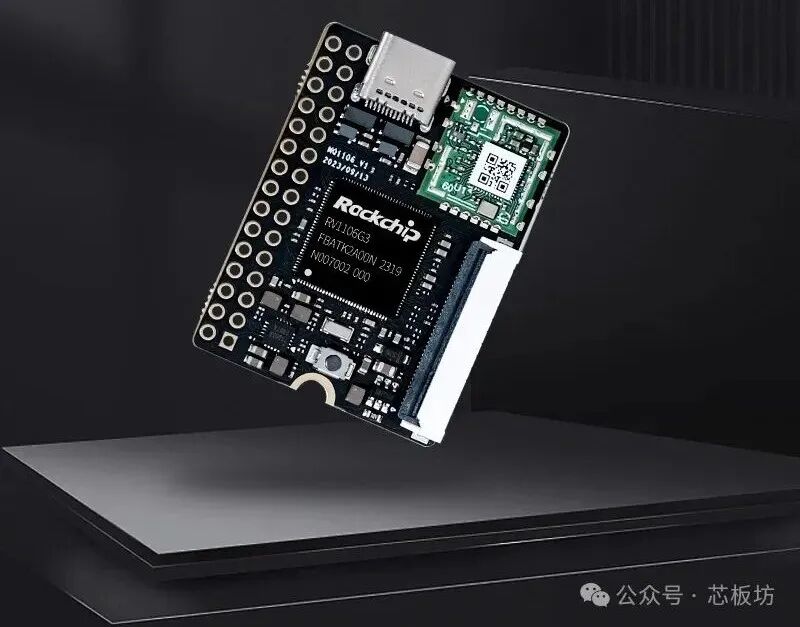
Its size is only 30x40mm, developed based on the Rockchip RV1106 chip, featuring one Cortex-A7 core with a frequency of up to 1.2GHz, and one RISC-V core. It also has 0.5TOPS computing power, an optional Wi-Fi module, supports Wi-Fi 6, and Bluetooth 5.4.
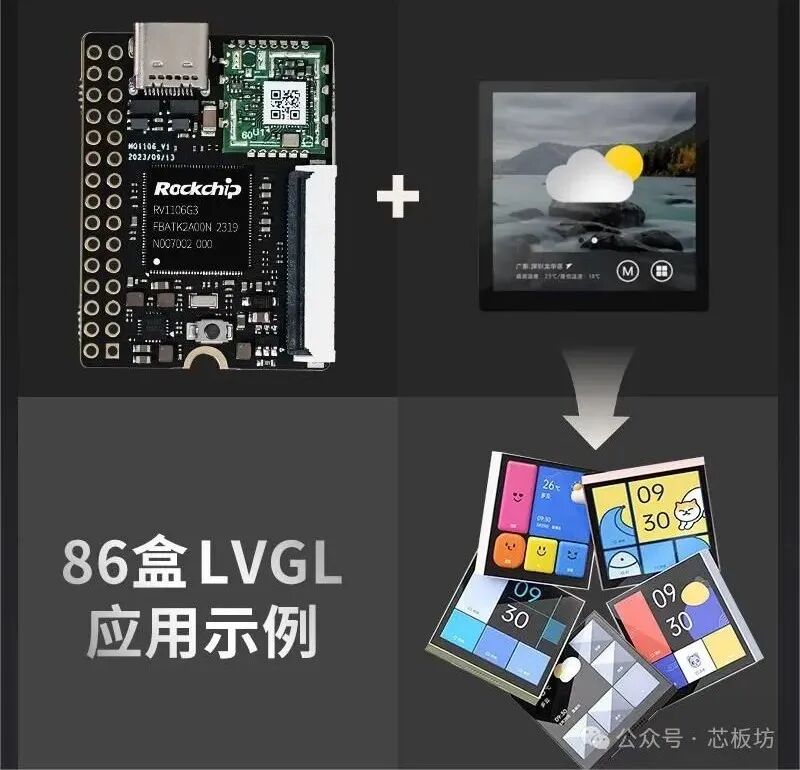
It is said to be suitable for applications such as smart home control screens and smart locks.
The price starts at only 36, with the top configuration at 95. There are many configurations available.
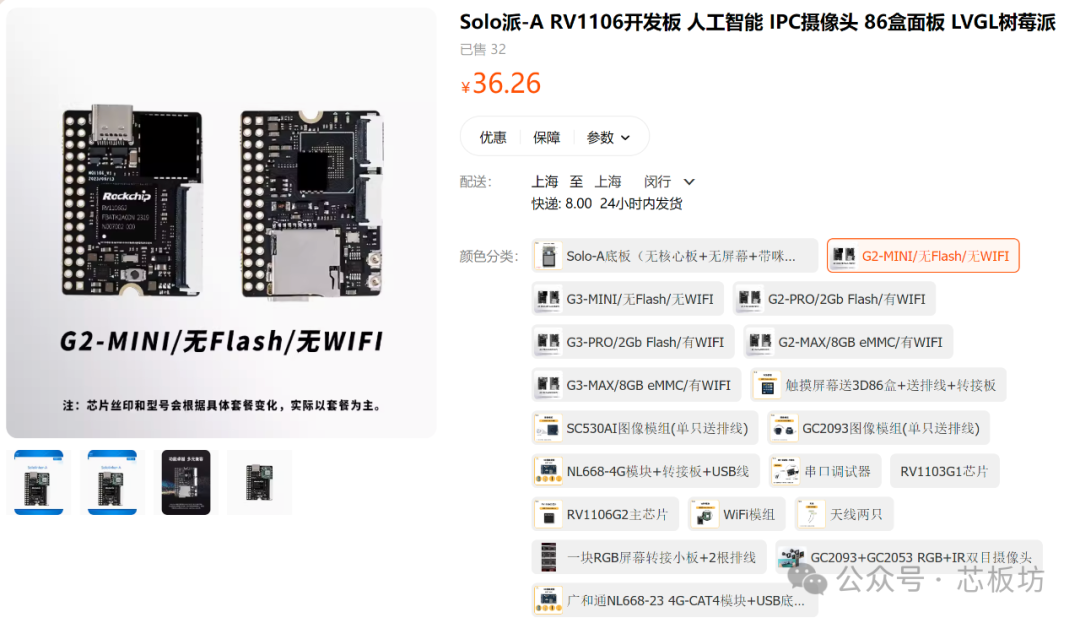
As for Solo Linker-D
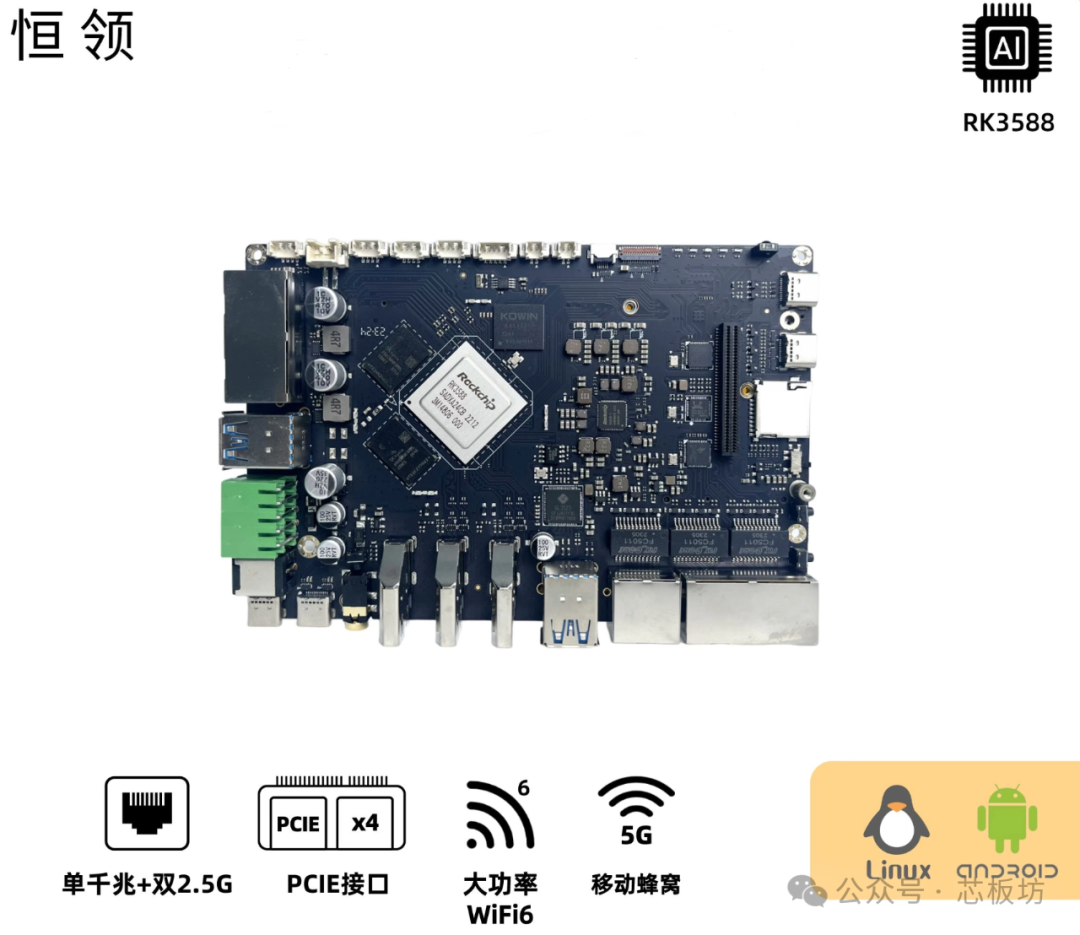
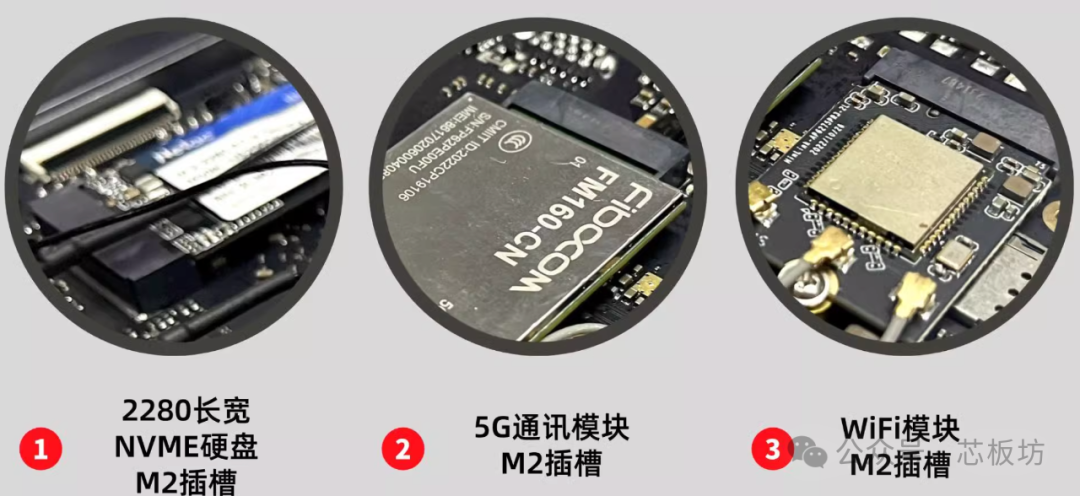
It is developed based on RK3588, equipped with two 2.5G Ethernet ports, one Gigabit Ethernet port, an M.2 NVMe solid-state drive slot, 4G/5G module slot, and Wi-Fi module slot.
It has two HDMI output interfaces, one HDMI input interface, three USB 3.0 interfaces, and one USB 2.0 interface.
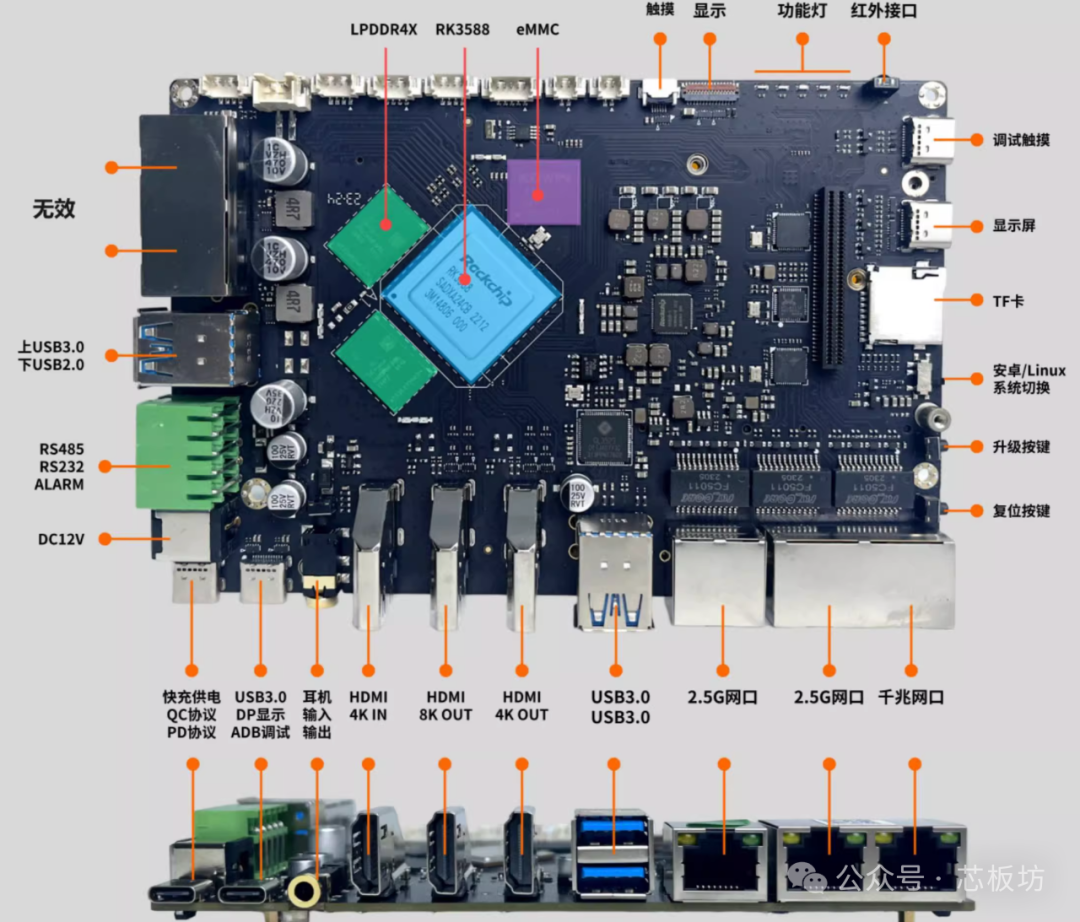
It also includes RS232, RS485 interfaces. The power supply uses a 12V DC interface, as well as a Type-C power interface that supports PD and QC protocols. It has infrared capabilities.
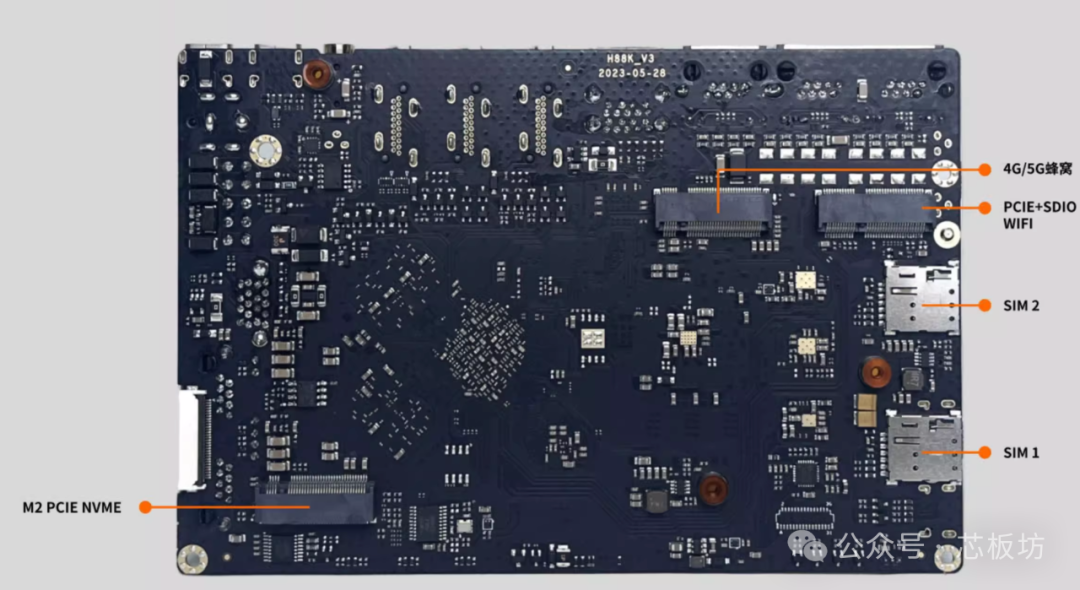
There is no 40Pin interface; it seems that other I/O interfaces are to be used through board-to-board connectors. There is even a system switch for Android and Linux, which honestly, I can’t imagine what it’s for. Could it be a dual system?
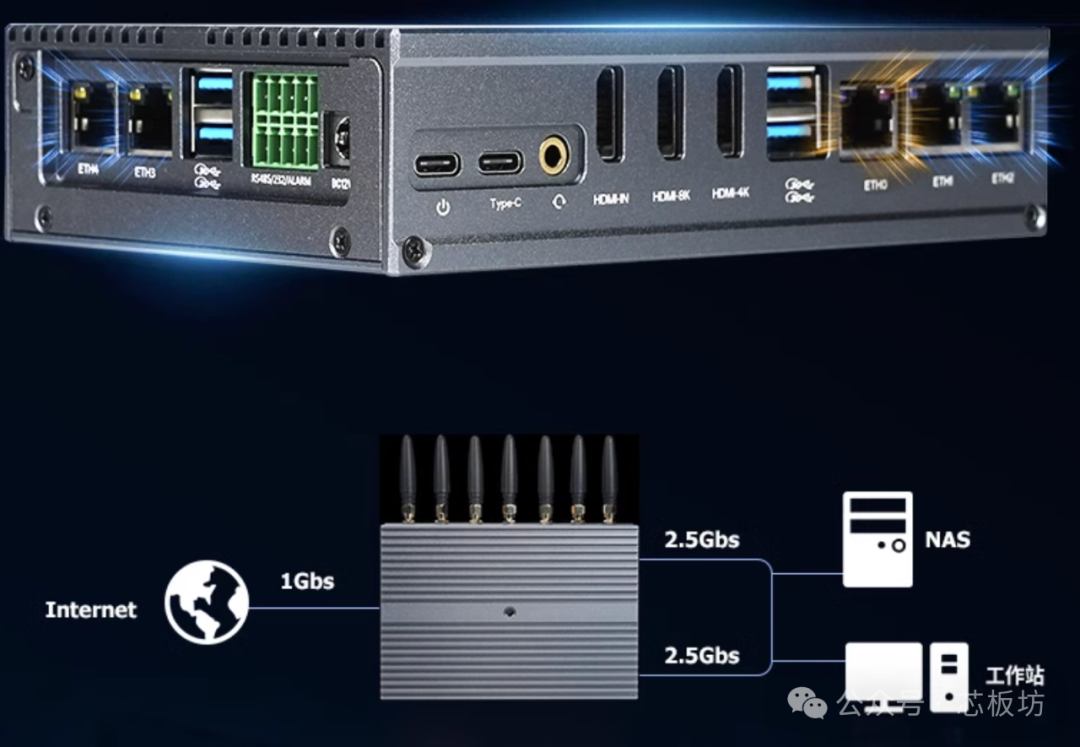
It also comes with a metal case.
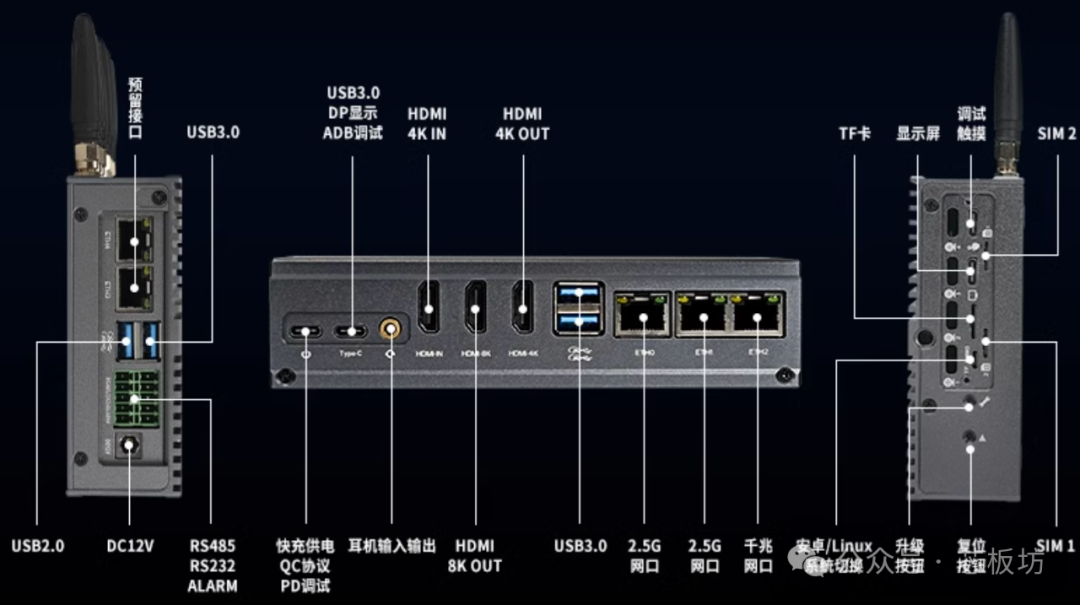
It seems to focus on a complete set of interfaces, but I haven’t seen a MIPI CSI camera interface or a MIPI DSI display interface, which seems to be an uncommon display interface. However, it does have a touch interface, which is a plus.
Aside from these minor issues, the interfaces are quite comprehensive. Currently, this development board has not been officially released, but considering that the Orange Pi can keep the price of RK3588 development boards under 600, to be honest, if the price isn’t competitive, I am pessimistic about the sales of this development board.
Looking at these three development boards, from the cheapest RV1106 development board, to the RK3528A-based board, and then to the RK3588 board, it seems they have laid out boards from dozens to a hundred, and then to over 500, covering both low-end and high-end, but lacking a mid-range board priced between 200-300.
As for the Solo Pi ecosystem, I feel it has a certain gap compared to larger manufacturers. For example, Solo Pi-B directly provided a GitHub link.
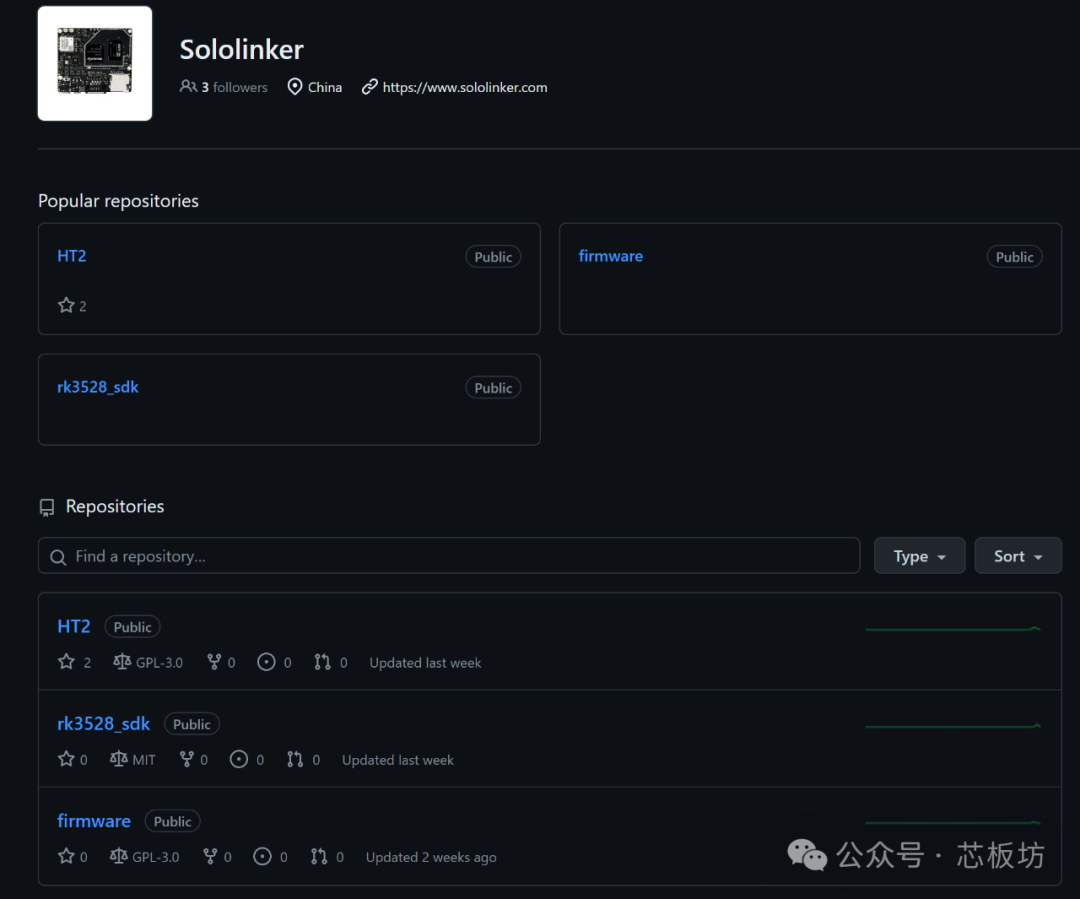
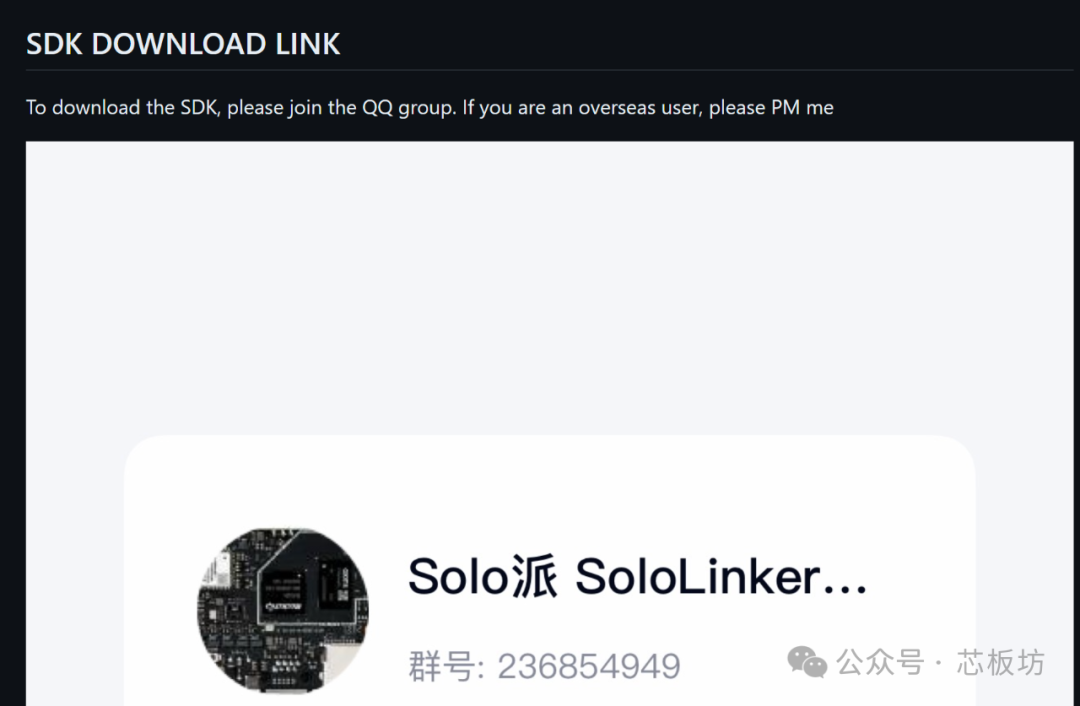
There is a schematic file, and to get the SDK, you need to join their QQ group.
There is also a Debian 11 image file.

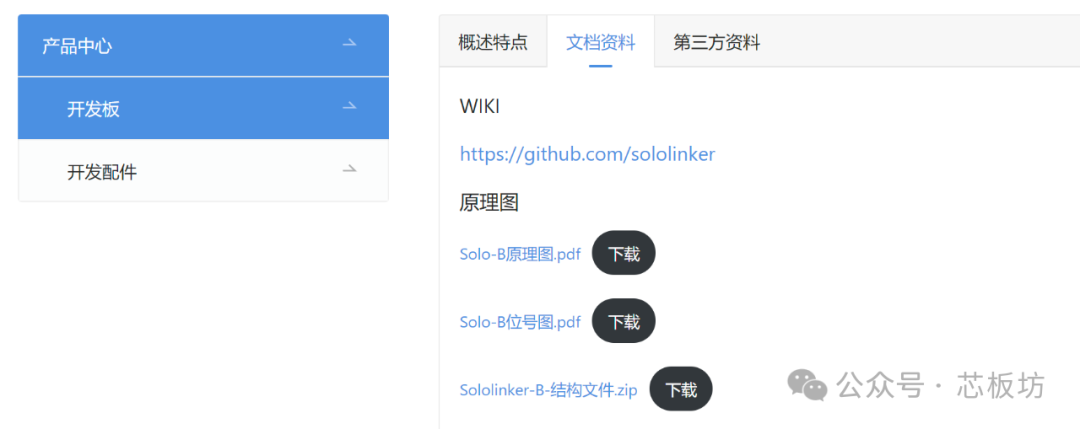
However, the pinout diagram and structural files are placed on the Solo Linker official website.
Originally, the HT2 was mainly used for set-top boxes, but I couldn’t find the Android system image.
Solo Pi also has an account on Bilibili called “Ducky sells small hosts”. It is said that there will be Solo Pi-3X, 4X, 5X in the future.
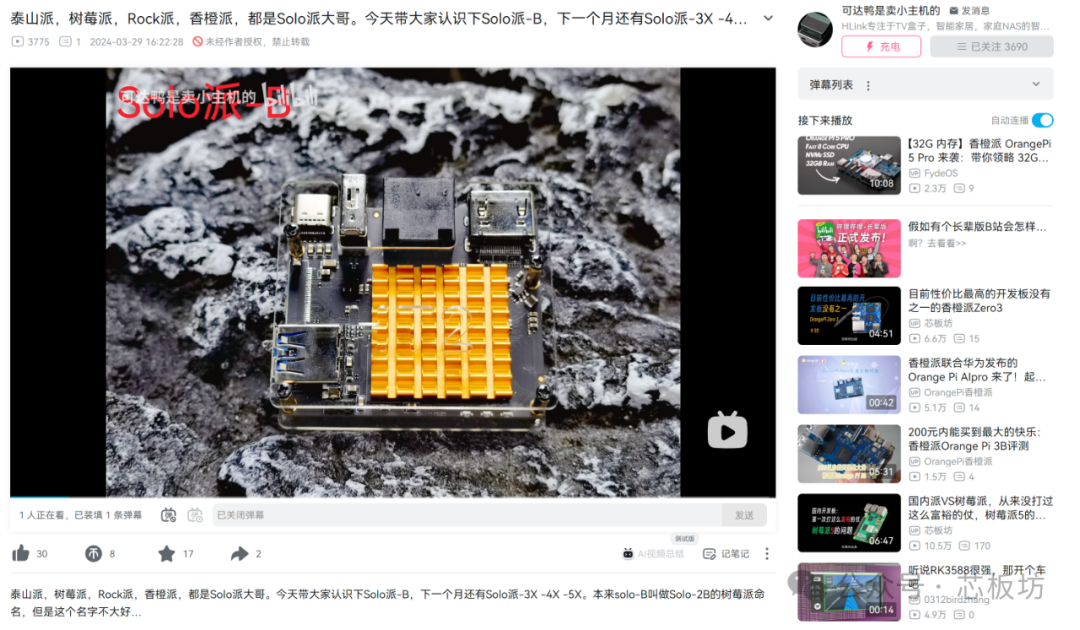
After looking at Solo Pi’s products, I feel that it might be a small team, or even possibly an individual making these development boards. The hardware is actually quite good, but the software materials and various details are really a bit rough.
However, considering that the prices are indeed not high, I think it still deserves some support, and I hope Solo Pi can improve.
The Orange Pi 5 Plus is still worth buying
Welcome to visit our development board selection website, although it is not yet very complete, but we have already recorded around 500 development boards. If you are interested or have needs, you can take a look at our selection website. If you have any good suggestions, you can also mention them in the group or leave us a message.
Our website domain is: findboard.cn
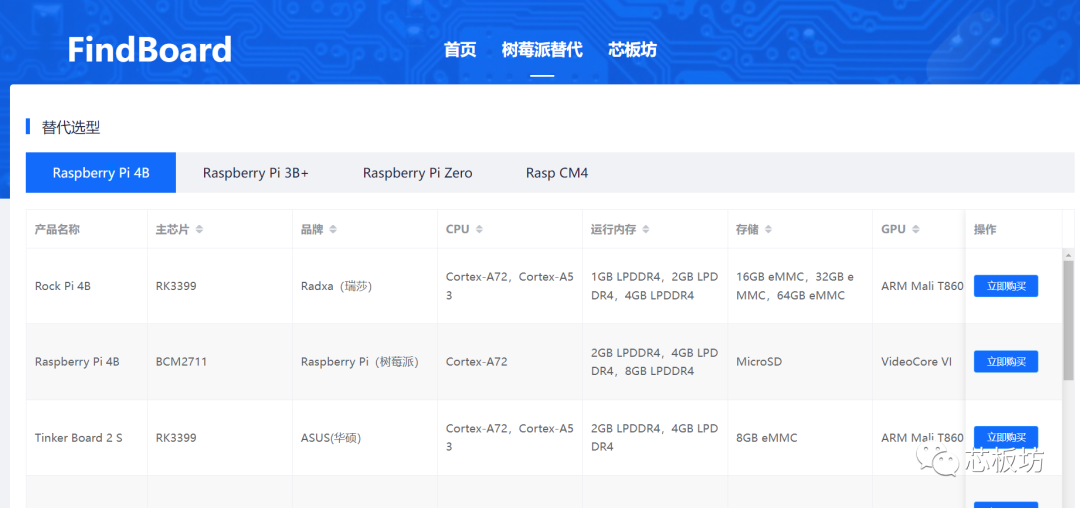
(We have not yet adapted for mobile devices, so if you are accessing from a mobile phone, the experience may not be very satisfactory. It is temporarily recommended to use a computer browser for access)