Word count 6061, reading time approximately 31 minutes
Microcontrollers vs Microprocessors: A Comprehensive Understanding of Their Differences and Applications
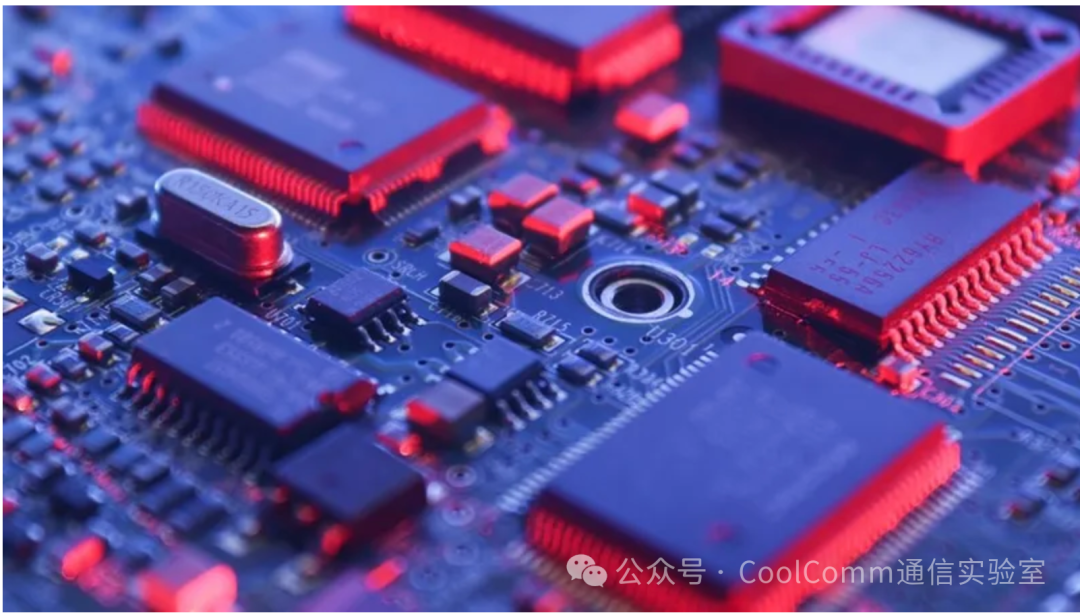
Microcontrollers and microprocessors are fundamental components in the fields of electronics and computing. They play a critical role in various devices, from smartphones to embedded systems in cars and home appliances. This article explores their differences in architecture, performance, and more.
Introduction
The distinction between microcontrollers and microprocessors is a frequently discussed and easily confused topic.
A microcontroller (also abbreviated as MCU or µC) is a compact integrated circuit designed to control specific operations in embedded systems. It is a low-power small computer integrated on a single chip, containing a processor, memory, and programmable input/output peripherals. Microcontrollers are commonly used in automated control products and devices, such as automotive engine control systems, remote controls, office equipment, home appliances, power tools, and toys.
On the other hand, a microprocessor (also abbreviated as MPU or µP) is a more general-purpose device. It is the core of a computer, responsible for executing a list of instructions to process data. Microprocessors are more powerful than microcontrollers and are typically used in personal computers and servers. They do not have integrated memory or peripherals on the chip but rely on external components to perform tasks.
Understanding the differences between these two components is crucial, especially for those involved in electronic design and manufacturing. Each component has its advantages and disadvantages, and the choice between a microcontroller and a microprocessor depends on the specific requirements of the device they will be used in. Let’s delve deeper into these differences for a clearer understanding.
Understanding Microcontrollers
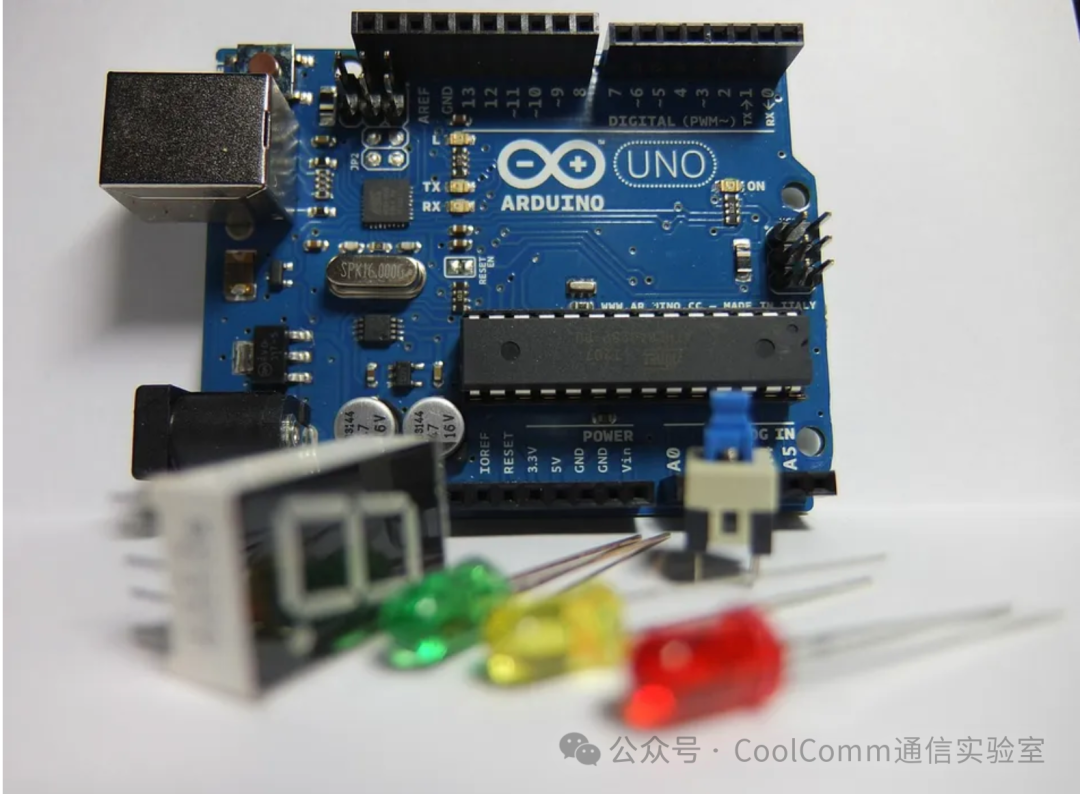
A microcontroller is a small integrated circuit designed to repeatedly perform specific tasks. The inputs for these tasks are provided by the user. It integrates all necessary computing components, such as CPU, memory, peripherals, etc., all on a single chip, requiring no external circuitry.
Programmable microcontrollers have everything needed for a microcomputer on a small chip. They operate at low power and are specifically designed to perform specific tasks.
The processors in microcontrollers typically operate at lower clock speeds, ranging from 1 to 50 MHz. This is sufficient to perform tasks involving reading sensors, executing some calculations, and controlling other components.
The small memory in microcontrollers is adequate for the tasks they need to perform. It includes RAM for temporary data storage and flash memory for storing the program that the microcontroller runs. The sizes of these memories vary, but common microcontrollers have about 2KB of RAM and 32KB of flash memory.
The I/O ports in microcontrollers allow them to interact with other components. These ports include digital I/O for controlling LEDs or reading button states, analog inputs for reading sensors, communication interfaces (such as SPI, I2C, or UART) for communicating with other chips, and PWM outputs for controlling motor speed or LED brightness.
Microcontroller Architecture
The architecture of a microcontroller refers to its internal hardware structure. It includes the processor, memory, and peripherals, as well as the bus that connects these components.
The central processing unit (or CPU) is the core of the microcontroller. It executes the instructions stored in the flash memory. The processor architectures of different series of microcontrollers vary. Some use a simple RISC (Reduced Instruction Set Computer) architecture, which simplifies and speeds up instruction execution. Others use a CISC (Complex Instruction Set Computer) architecture, providing a broader set of more complex instructions.
Microcontroller memory is typically divided into two types: RAM and flash memory. RAM, or Random Access Memory, is used for temporary data storage during program execution. Flash memory is a type of non-volatile memory that retains its contents even when power is lost. This is where the program code is stored.
The peripherals in a microcontroller are dedicated hardware components that provide various functions. These include timers that can generate precise delays or periodic events, communication interfaces that allow the microcontroller to communicate with other chips, and analog-to-digital converters that can read sensor values.
The bus in a microcontroller is the “highway” that connects all these components. They allow data to be transferred between the processor, memory, and peripherals. These buses are typically 8-bit, 16-bit, or 32-bit wide, depending on the architecture of the microcontroller. This width determines how much data can be transferred at once, with wider buses allowing for faster data transfer.
Types of Microcontrollers
Microcontrollers come in various types, each with its unique features and applications. They can be classified based on data bus width, memory type, and CPU architecture. Here are several types of microcontrollers:
- 1. 8-bit Microcontrollers: This is the most common type of microcontroller. Its data bus width is 8 bits (i.e., it can process 8 bits of data at a time), typically used in applications that require low power and cost-effectiveness. Examples include Atmel’s ATmega series and Microchip’s PIC16 series.
- 2. 16-bit Microcontrollers: Compared to 8-bit microcontrollers, they have greater processing power. The 16-bit data bus makes these microcontrollers commonly used in applications requiring higher computational capabilities, such as advanced motor control and digital signal processing. Examples include Microchip’s PIC24 series and Texas Instruments’ MSP430 series.
- 3. 32-bit Microcontrollers: As the most powerful type of microcontroller, they are used in applications requiring high processing power, such as multimedia and complex control systems. Examples include ARM Cortex-M series and Microchip’s PIC32 series.
The type of memory used in microcontrollers also plays a significant role in their classification. Some microcontrollers use flash memory for program storage, while others use EEPROM or ROM. Flash memory is the most common type due to its flexibility and durability. It allows programs to be updated or changed, making it very suitable for development and prototyping.
The architecture of the CPU in microcontrollers is another critical factor. Some microcontrollers use Harvard architecture, where program memory and data memory are separate. This allows the CPU to fetch instructions and data simultaneously, improving performance. Other microcontrollers use von Neumann architecture, where program and data share the same memory space. This can simplify design and reduce costs but may also limit performance.
Each microcontroller has its advantages and disadvantages, and the choice between them depends on the specific requirements of the application. Understanding these differences is crucial for selecting the right microcontroller for a specific task.
Understanding Microprocessors
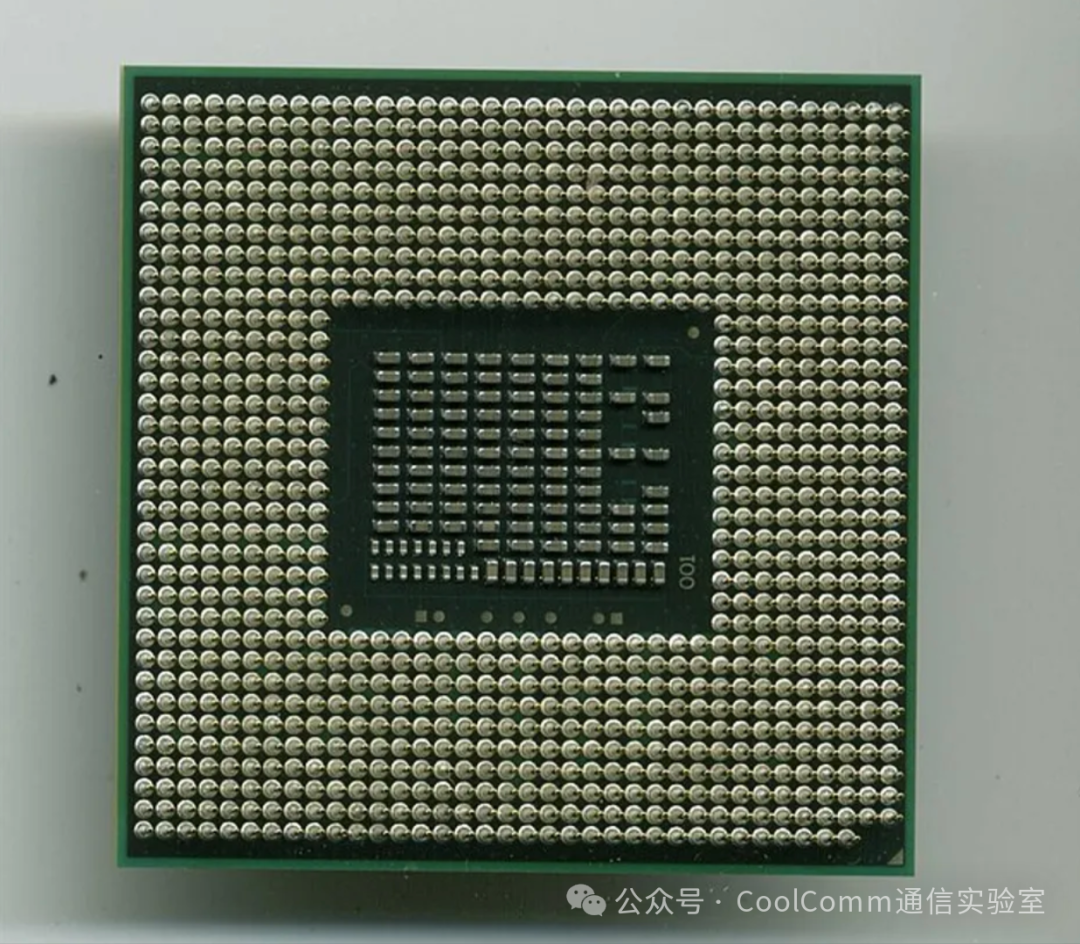
A microprocessor contains a powerful processor, namely the CPU, used to drive complex systems that require high dynamic memory, such as computers, software, and games. A microprocessor only contains the CPU, while the peripheral devices that complete the system are connected externally.
The processors in microprocessors are more powerful than those in microcontrollers. They can operate at clock speeds of hundreds of megahertz to even thousands of megahertz, capable of executing complex instructions and performing high-speed calculations. This makes microprocessors suitable for tasks requiring strong computational capabilities, such as running operating systems, executing software applications, and processing large amounts of data.
Microprocessors rely on external memory to store the program code and data they use. This memory can be RAM for temporary data and program code storage, or hard drives or solid-state drives for long-term storage. The memory capacity that microprocessors can use is typically much larger than that of microcontrollers, often in the gigabyte range.
The input/output interfaces of microprocessors are located outside the chip. These interfaces include USB ports for connecting peripheral devices, Ethernet ports for network connections, and video output ports for displaying graphics. These interfaces allow microprocessors to interact with various devices and systems, making them versatile components in computer systems.
Microprocessor Architecture
The basic architecture of a microprocessor includes the processor core, data bus, address bus, and control signals that govern its operation.
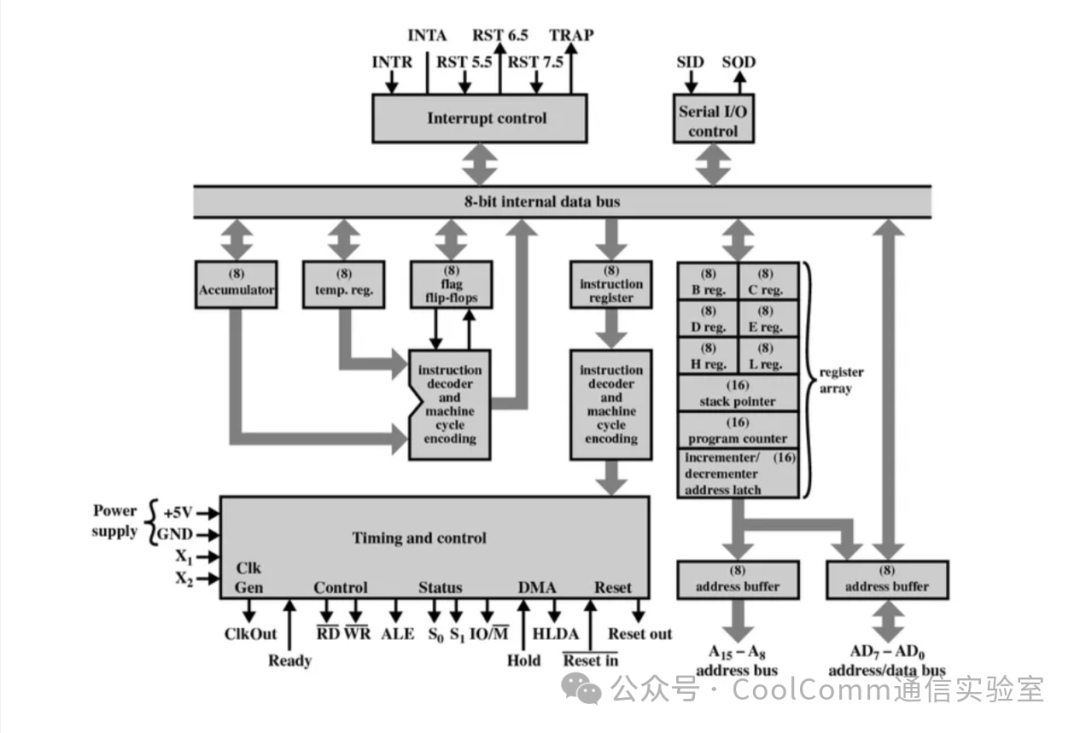
The processor core is the part that executes instructions. It includes the arithmetic logic unit (ALU) that performs calculations and logical operations, as well as the control unit that fetches instructions from memory and decodes them into a series of control signals that guide the operation of the ALU and other components.
The data bus in a microprocessor is the path for data transfer between the processor and memory. The width of the data bus (modern microprocessors are typically 32-bit or 64-bit) determines how much data can be transferred at once. A wider data bus allows for faster data transfer and improved microprocessor performance.
The processor uses the address bus to specify the memory location from which to read or write data. The width of the address bus determines the amount of memory the processor can address. For example, a 32-bit address bus can address 4 gigabytes of memory, while a 64-bit address bus can theoretically address up to 18.4 exabytes.
The control signals in a microprocessor coordinate the operations of the processor and memory. These signals include the clock, which synchronizes the operations of the processor and memory, and various other signals that control data transfer, memory access, and instruction execution.
Types of Microprocessors
Microprocessors come in various types, each with its unique features and applications. They can be classified based on data bus width, instruction set architecture type, and the number of cores. Here are several types of microprocessors:
- 1. Single-core Microprocessors: These have only one processor core and can execute one instruction at a time. These microprocessors have been the standard configuration for many years and can still be found in some low-power or legacy systems. Examples include Intel Pentium 4 and AMD Athlon XP.
- 2. Multi-core Microprocessors: These have multiple processor cores on a single chip, allowing them to execute multiple instructions simultaneously. This significantly improves performance, especially in applications that leverage parallel processing. Examples include Intel Core i7 and AMD Ryzen series.
- 3. 64-bit Microprocessors: With a 64-bit wide data bus, they can handle more data than 32-bit microprocessors. They can also address more memory, making them suitable for applications requiring large amounts of RAM. Examples include Intel Core i9 and AMD Ryzen Threadripper.
- 4. RISC Microprocessors: These use Reduced Instruction Set Computer (RISC) architecture, focusing on a smaller set of simple instructions that can be executed quickly. This leads to more efficient processing and lower power consumption. Examples include ARM Cortex-A series and RISC-V architecture.
- 5. CISC Microprocessors: Complex Instruction Set Computer (CISC) architecture provides a broader set of more complex instructions. This can simplify programming and make it more efficient, as fewer instructions are needed to perform a given task. However, CISC microprocessors may be more complex and consume more power compared to RISC microprocessors. Examples include Intel x86 series and AMD FX series.
Key Differences Between Microcontrollers and Microprocessors
Although microcontrollers and microprocessors may seem similar, there are significant differences that make them suitable for different applications. These differences are reflected in their performance, cost, power consumption, and the types of applications they are used in.
Performance
- • Clock Speed: Microprocessors are generally more powerful than microcontrollers. Their clock speeds can reach up to 4GHz, allowing them to execute more instructions per second. This makes them suitable for tasks requiring strong computational capabilities, such as running operating systems, executing software applications, and processing large amounts of data. In contrast, microcontrollers are designed for tasks that require lower computational power but need to be efficient and reliable. They typically operate at lower clock speeds, up to 80MHz, which helps reduce power consumption and heat generation. Although they have lower performance compared to microprocessors, microcontrollers are very effective in tasks such as reading sensor data, controlling actuators, and managing other hardware components.
- • Memory: Microprocessors have larger memory capacities than microcontrollers. They can use external memory modules capable of handling large amounts of data and complex software applications. Microcontrollers, on the other hand, have limited built-in memory, which is sufficient for their intended applications but inadequate for tasks requiring large amounts of data or complex software.
- • Peripherals: In terms of input/output capabilities, microprocessors are generally more flexible than microcontrollers. They can interface with a variety of peripherals and devices, making them suitable for complex systems like personal computers and servers. However, because they rely on communication with external devices, they may sometimes run slower. Microcontrollers have a limited number of built-in input/output interfaces, which are usually sufficient for their intended applications but may not be enough for more complex systems. Their proximity to on-chip components allows them to operate quickly even at lower clock speeds.
Cost
Another significant difference between microcontrollers and microprocessors is their cost. Microcontrollers are generally cheaper than microprocessors. This is because microcontrollers are simpler devices with fewer components, resulting in lower manufacturing costs. They also have built-in memory and peripherals, which can reduce the overall system cost by decreasing the need for additional components.
Microprocessors, on the other hand, are more complex devices with more components, leading to higher manufacturing costs. They also require external memory and peripherals, which can increase the overall system cost. However, the higher cost of microprocessors can be justified by their superior performance and flexibility, making them suitable for more complex systems and applications.
It is worth noting that the cost of a microcontroller or microprocessor is not solely determined by the price of the device itself. Other factors, such as the cost of development tools, the complexity of the design process, and the time required for development and testing systems, can also significantly impact the total cost. Therefore, when choosing between microcontrollers and microprocessors, it is important to consider not only the cost of the device itself but also the total cost of developing and maintaining the system.
Power Consumption
Power consumption is another key factor that distinguishes microcontrollers from microprocessors. Microcontrollers are designed for low-power applications. They feature energy-saving functions such as sleep modes and shutting down peripheral devices when not in use. This makes them ideal for battery-powered devices and applications where power efficiency is a priority (such as embedded systems and IoT devices). For example, some microcontrollers can run for long periods on small batteries. Microprocessors also have simpler power requirements.
In contrast, microprocessors are high-performance devices with greater power consumption. They are designed to maximize performance, often at the expense of power efficiency. This makes them less suitable for battery-powered devices but ideal for applications requiring strong computational capabilities (such as desktop computers, servers, and high-performance computing systems). Therefore, microprocessors require external power supplies with different voltage requirements.
However, it is important to note that the power consumption of a microcontroller or microprocessor can vary depending on the specific model and how it is used. For example, a high-performance microcontroller may consume more power than a low-end microprocessor. Similarly, a microprocessor running at full speed will consume more power than one that is idle or running at a reduced speed. Therefore, when comparing the power consumption of microcontrollers and microprocessors, it is important to consider not only the device itself but also how they are used in specific applications.
Here is a table summarizing the differences between the two:
| Microcontroller (µC) | Microprocessor (µP) |
| Compact integrated circuit for specific applications with embedded peripherals | General-purpose processing unit requiring external components for a wide range of applications |
| Integrated with on-chip peripherals for specific tasks, such as timers, GPIO, ADC, UART, etc. | Requires external components for peripheral connections and functions |
| Based on Harvard architecture, with separate program and data memory | Based on von Neumann model, with data and program memory stored in the same memory module |
| Built-in memory | Connected to external memory ranging from MB to GB |
| Compact size. Suitable for space-constrained applications, making them ideal for embedded systems | Larger size |
| Typically operates at lower clock speeds | Designed for faster processing, thus operates at higher clock speeds |
| Designed for low-power applications, suitable for battery-powered applications | Higher power consumption due to greater processing capability and external components |
| Generally more cost-effective due to specialized design for specific applications | More expensive |
| Common microcontrollers include Arduino, PIC, and AVR | Popular microprocessors are produced by Intel, AMD, Raspberry Pi, and ARM |
| Widely used in embedded systems, IoT devices, robotics, and automation | Used in personal computers, servers, and various electronic devices requiring general computing |
Choosing Between Microcontrollers and Microprocessors
The choice between a microcontroller and a microprocessor largely depends on the specific requirements of the application. Both have their own advantages and disadvantages, and understanding these can help make an informed decision.
Considerations for Embedded Systems
For embedded systems, microcontrollers are often the preferred choice. This is primarily due to their integrated features, low power consumption, and cost-effectiveness. They are designed to perform specific tasks and can operate independently, making them very suitable for applications that require minimal human intervention.
Microcontrollers are commonly used in systems that require automation, particularly in robotics systems. Some applications of microcontrollers include washing machines, consumer electronics, medical devices, smart home systems, and automated lighting systems.
However, if an embedded system requires high processing power, complex computations, or needs to run a full operating system, then a microprocessor may be a better choice. Microprocessors offer superior performance and flexibility, but at the cost of higher power consumption and price.
Considerations for Personal Computers
For personal computers, microprocessors are the primary choice because they offer high performance capable of running complex software applications and operating systems. Microprocessors provide the computational power needed for tasks such as web browsing, gaming, video editing, and running multiple applications simultaneously.
- • Performance: One of the main factors to consider when choosing a microprocessor for a personal computer is the performance requirements of the system. This includes clock speed, number of cores, and cache size. Higher clock speeds and more cores can provide better performance, but they may also consume more power and generate more heat. Additionally, cache size is important because a larger cache can help improve processor efficiency by reducing the need to access slower main memory.
- • Compatibility: Another factor to consider is the compatibility of the microprocessor with other system components, such as the motherboard, memory, and graphics card. Ensuring that the microprocessor is compatible with the chosen motherboard and supports the required memory types and speeds is crucial. Furthermore, if the system requires a dedicated graphics card, the microprocessor should have enough PCIe lanes to support the bandwidth requirements of the graphics card.
- • Power Consumption: When selecting a microprocessor for a personal computer, power consumption and heat generation are also important considerations. High-performance microprocessors may consume more power and generate more heat, which may require more robust cooling solutions and higher-capacity power supplies. Balancing performance with power consumption and heat generation is essential to ensure stable operation and efficient performance of the system.
Finally, the cost of the microprocessor should be considered in relation to the overall budget for the personal computer. High-performance microprocessors can be expensive, so it is crucial to balance performance needs with available budget. In some cases, a slightly lower-performing but more affordable microprocessor may be a better choice, especially if the system is not intended for high-performance tasks (such as gaming or video editing).
Ultimately, if your project involves heavy computation, high memory requirements, and specific peripherals, then a microprocessor will be the best choice.
Recommended Reading:Collaborative Robots vs. Traditional Robots: Understanding Key Differences and Applications
Conclusion
In conclusion, understanding the differences between microcontrollers and microprocessors is crucial for selecting the right component for specific applications. Microcontrollers are typically used in embedded systems and low-power applications, while microprocessors are better suited for high-performance tasks such as personal computers and servers. The choice between the two depends on factors such as performance requirements, power consumption, cost, and compatibility with other system components.
Frequently Asked Questions (FAQs)
Q: What is the main difference between microcontrollers and microprocessors?
The main difference is that microcontrollers are single-chip solutions for specific tasks in embedded systems, with built-in memory and peripherals, while microprocessors are more powerful general-purpose devices that require external memory and peripherals, typically used in personal computers and servers.
Q: Can microcontrollers replace microprocessors?
In some cases, if the performance requirements are low and the application can be completed within the limited memory and peripheral capabilities of a microcontroller, a microcontroller can replace a microprocessor. However, for more complex systems and applications requiring strong computational capabilities, microprocessors are usually the better choice.
Q: How do I choose between a microcontroller and a microprocessor for my project?
The choice depends on the complexity of the task, power consumption, budget, and scalability requirements. When making a decision, consider the performance requirements of the system, power consumption, cost, and compatibility with other components.
Q: Are microcontrollers always weaker than microprocessors?
While microcontrollers are generally weaker than microprocessors, there are some high-performance microcontrollers that can provide performance comparable to low-end microprocessors. The choice between the two depends on the specific requirements of the application and the trade-offs between performance, power consumption, and cost.
Tap to view and share quality information with friends..
Ten thousand reads – the most popular article collection
The development of communication and fundamental issues – a must-read for communication professionals!
Top ten events in the communication field in 2024
From electromagnetic waves to I/Q signals: Understanding I/Q sampling in 10 minutes (Part 1)
Classification of communication systems in communication principles
From MATLAB to FPGA: How communication algorithms are implemented?
Paid collection of communication system simulation methodologies (completed)
Practical digital signal processing series compilation (completed)
Introduction to phase-locked loop (PLL) principles: Six methods to achieve synchronization
The arrival of the Starlink V3 era – the despairing upgrade speed, can we keep up?
Introduction to MIMO (Part 1)
Two birds with one stone: I/Q signals and Fourier transforms (Part 1)
Pulse radar – the power of pulse compression
See more valuable articles
Please long press the image below
Scan the QR code to follow coolcomm