The Metal Box That Changed the World
I am the Sony Walkman, a metal box that witnessed the revolution in human music consumption. Since my debut on July 1, 1979, at the Sony Building in Ginza, Tokyo, my story has been a chronicle of mobile music. Let us travel through time and revisit those classic moments that pressed play on the world.
(Sony Walkman 40th Anniversary Official Promotional Video)
Chapter One: The Dawn of an Era (1979-1982)
1. TPS-L2 (July 1979)
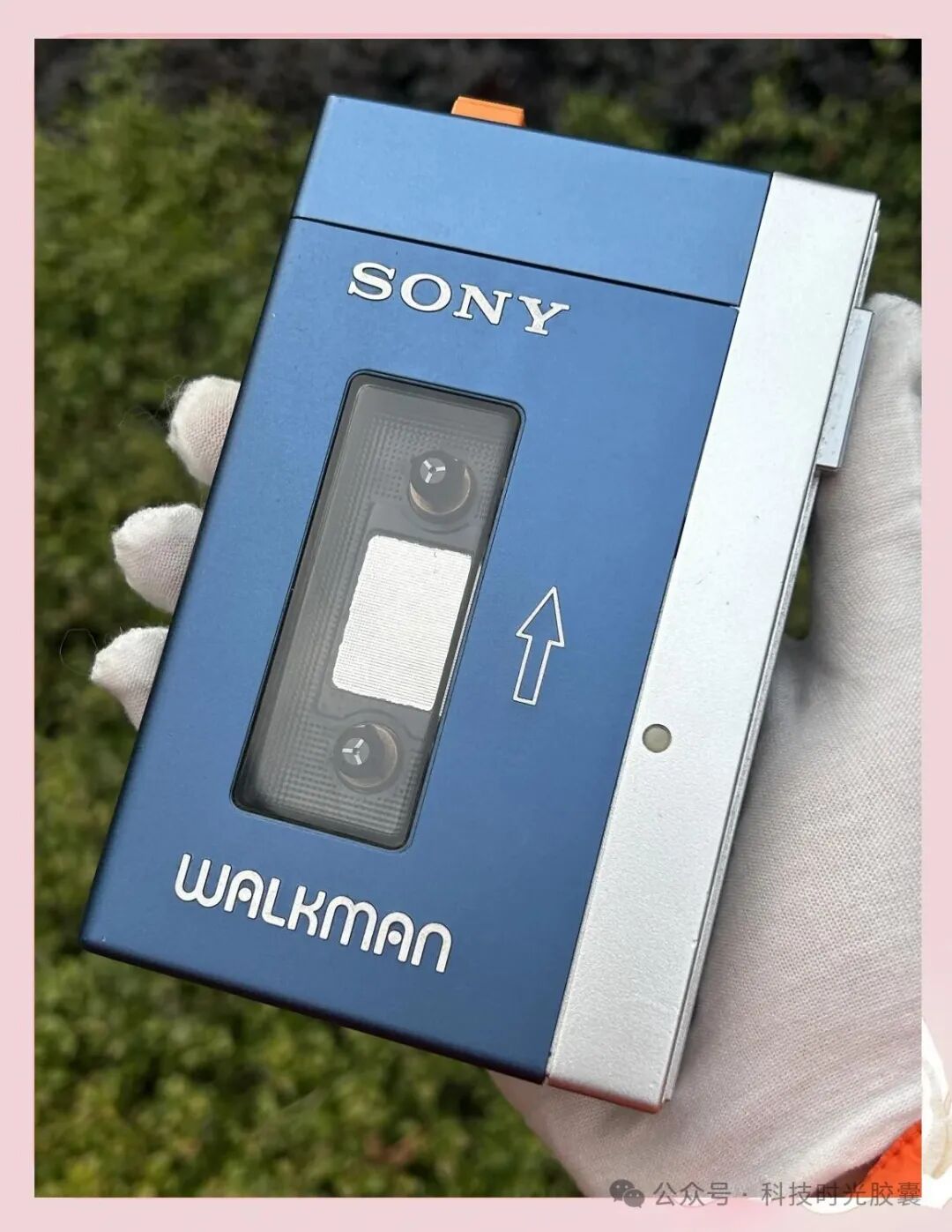
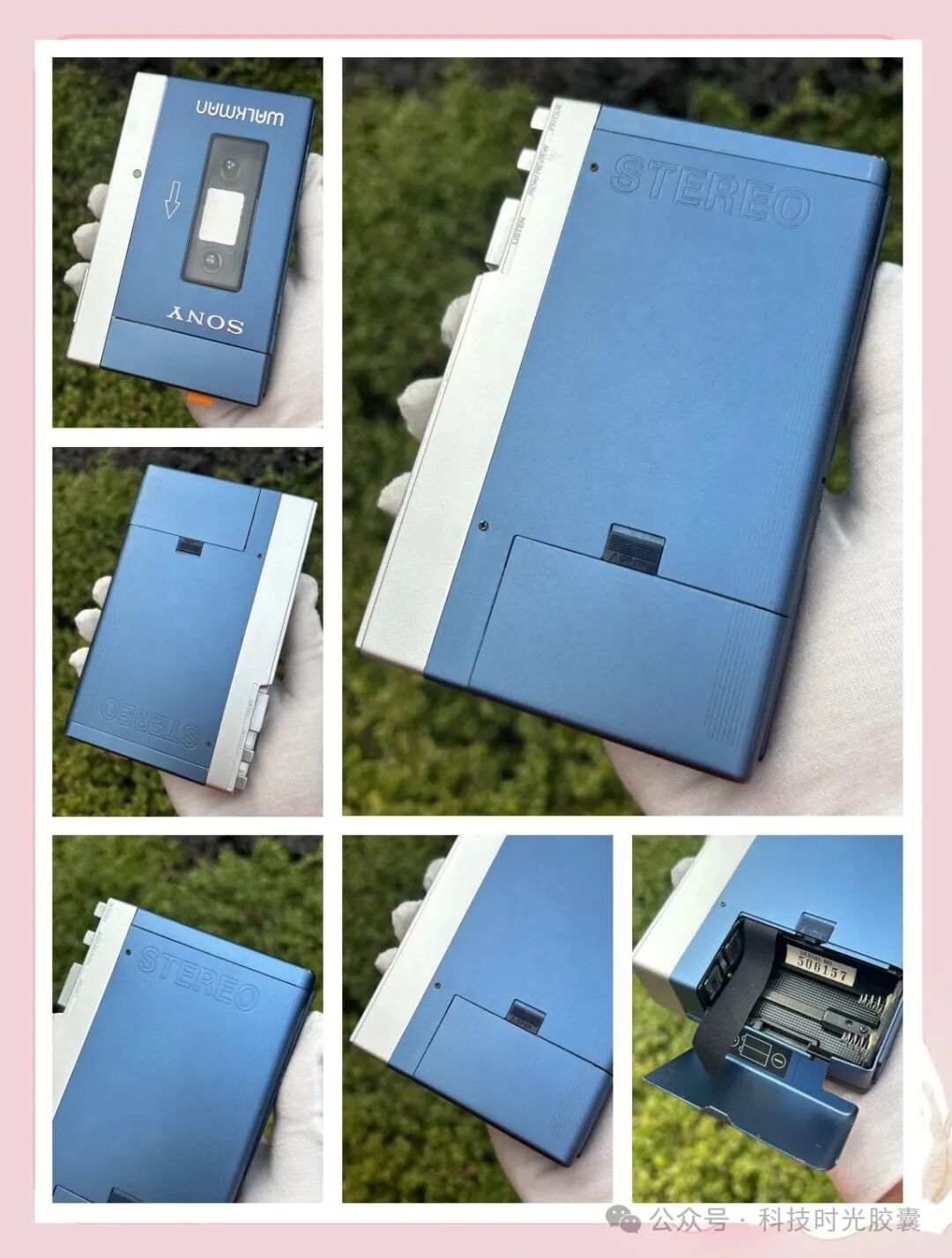
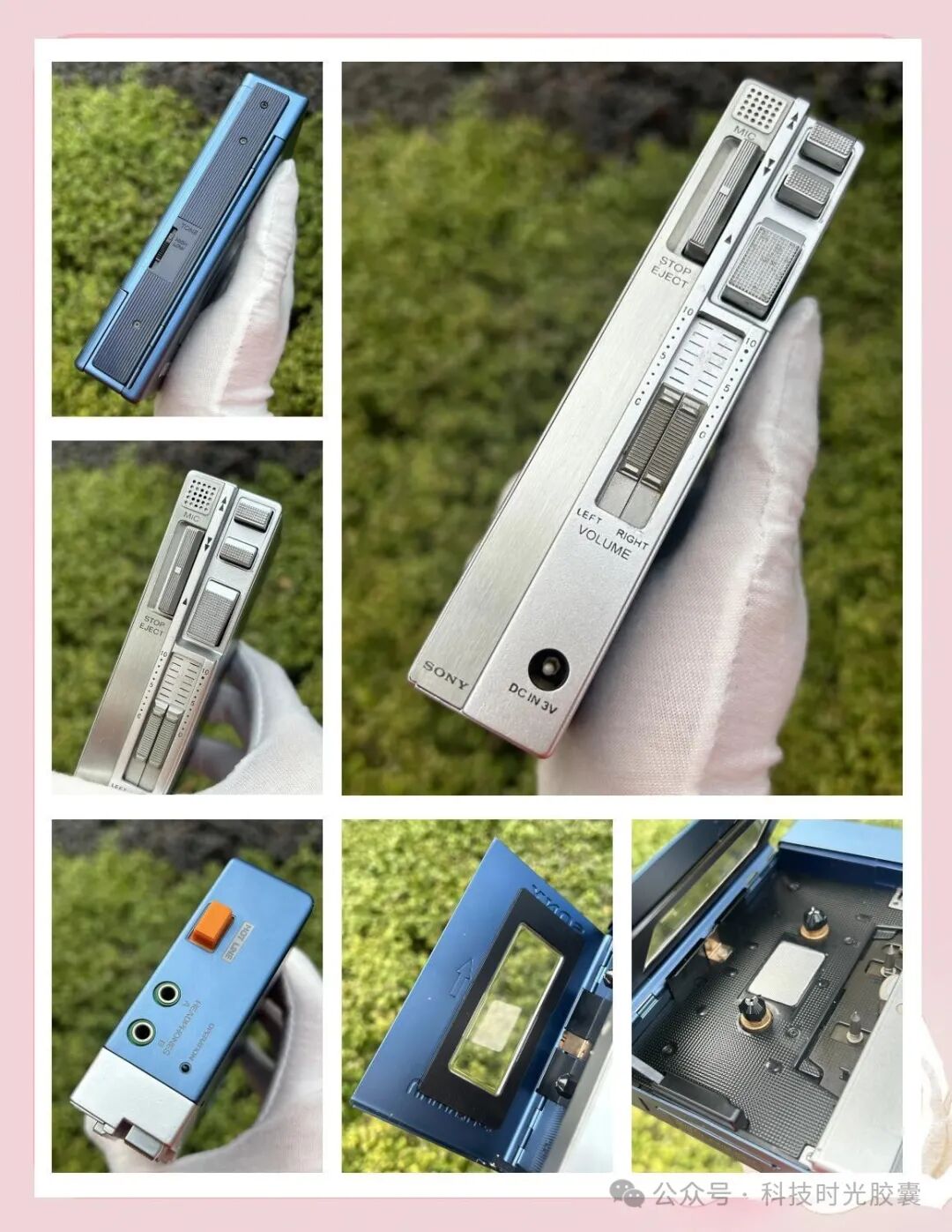
Price: 33,000 yen (approximately 2,000 RMB)Technological Revolution:
- First portable stereo cassette player
- Dual 3.5mm headphone jacks for shared listening
- Orange backlit level meter
- Powered by AA batteries
When engineer Nobutaka Kihara stuffed my prototype (then called “Soundabout”) into Chairman Akio Morita’s briefcase, no one expected this blue box would spark a cultural revolution. The metal body exuded a cold industrial beauty, and as the headphone wires fluttered on the streets, people truly began to carry music in their pockets for the first time.
User Memory:“Pressing play at Shibuya Crossing, the moment the intro of ‘Hotel California’ began, I felt like I was standing at the center of the world” – A buyer’s note from 1980
2. WM-2 (May 1981)
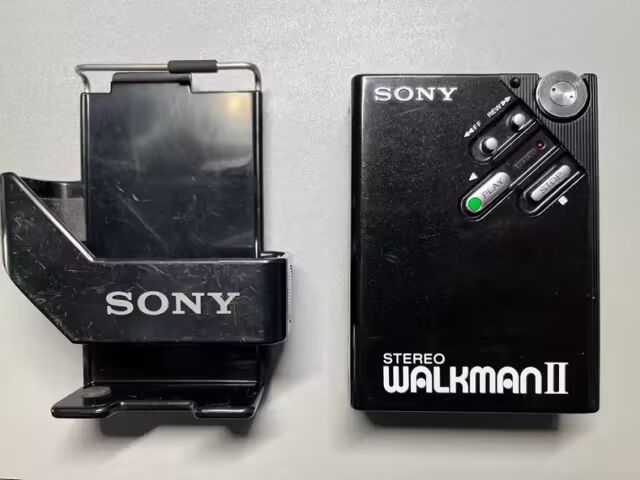
Price: 28,000 yen (approximately 1,450 RMB)Technological Evolution:
- Size reduced by 40% (88×138×29mm)
- World’s first automatic reverse playback
- Chrome metal casing technology
- Spring-assisted tape compartment door design
My second form made “thin and light” part of the Walkman’s DNA. Engineer Katsuyoshi Nakagawa’s team compressed the motor thickness to 11mm, like giving a liposuction to the music player. This classic, dubbed the “bread maker,” truly made the Walkman a fashion accessory.
Market Miracle:Sales exceeded 1.5 million units within six months of launch, with long lines forming every morning at the Sony store in Ginza, and scalpers selling at double the official price.
Chapter Two: The Golden Age (1983-1989)
3. WM-D6 (December 1982)
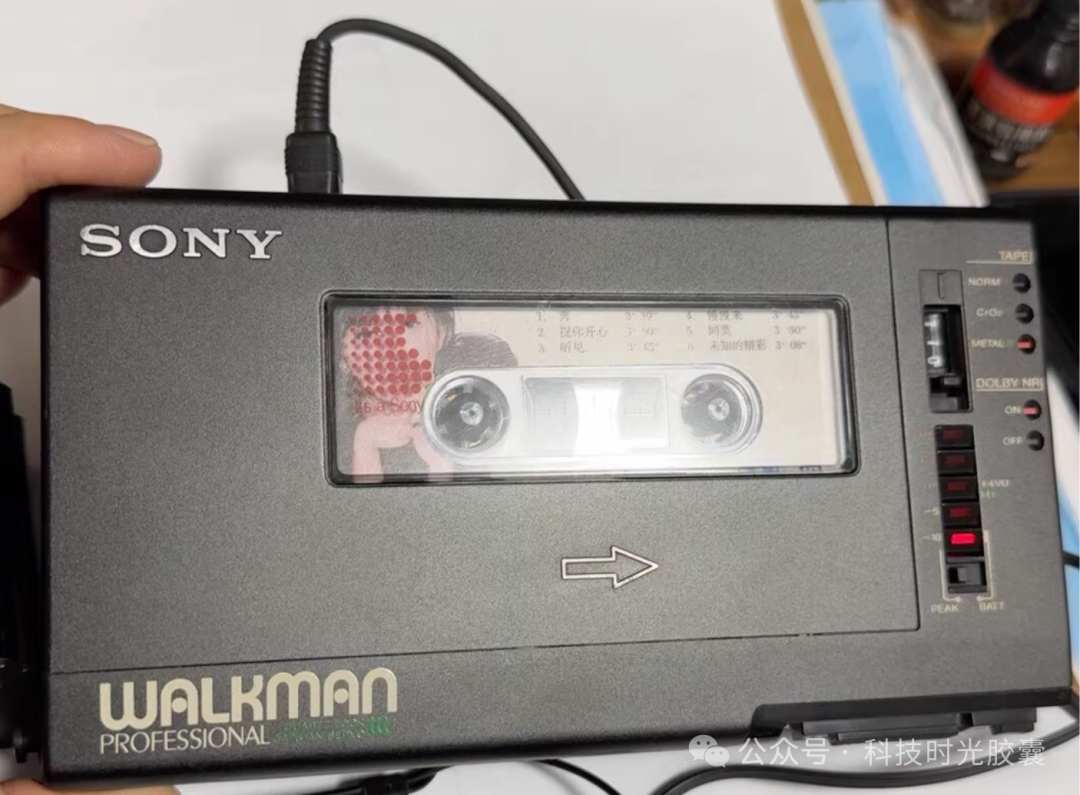
Price: 59,800 yen (approximately 3,000 RMB)Professional Breakthrough:
- Quartz-locked direct-drive motor
- Frequency response 20-20,000Hz
- Dolby B/C noise reduction system
- Metal chassis shockproof structure
When an NHK reporter recorded with me on the battlefield in Afghanistan, and NASA engineers disassembled me to study my precision motor, the professional field began to take this “toy” seriously. The three-head design brought a wobble rate of 0.04%, a precision that made many professional recorders envious.
Celebrity User:Director Spielberg always carried the D6 on the set of “E.T.” He said the alien’s breathing sound was inspired by the subtle hum of the motor.
4. WM-7 (October 1983)
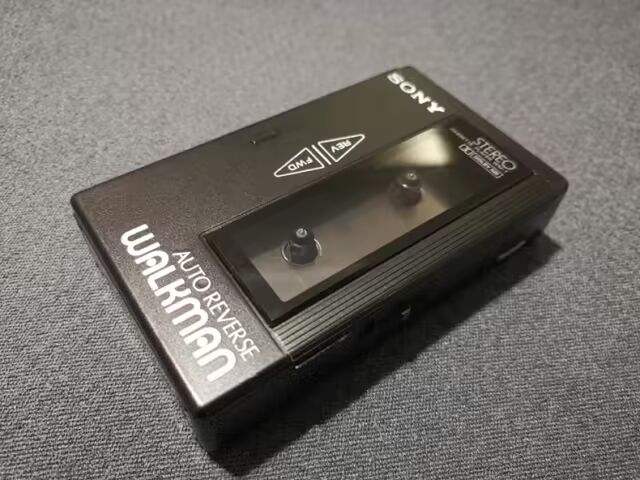
Price: 34,800 yen (approximately 1,800 RMB)Consumer Flagship:
- Automatic reverse + automatic track selection
- Graphene-enhanced ABS body
- Automatic tape type recognition
- Battery level indicator
My first “smart” model, capable of remembering the positions of 5 tracks. University students in Tokyo invented the “Walkman date” – couples shared headphones using a splitter, a design that later appeared on Star-Lord’s Walkman in “Guardians of the Galaxy.”
Chapter Three: The Pinnacle (1990-1995)
5. WM-EX1 (June 1991)
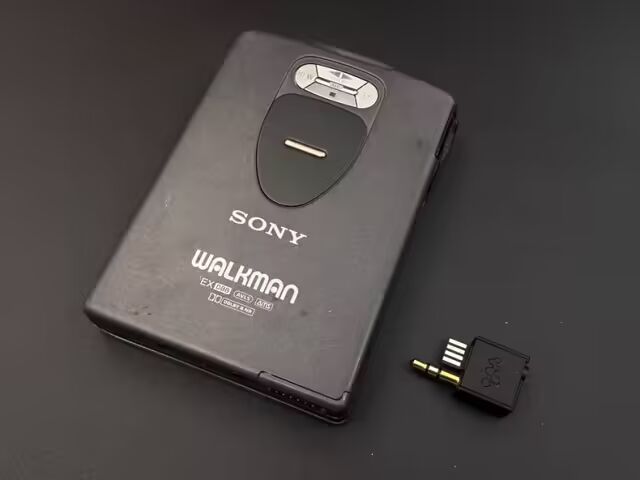
Price: 23,800 yen (approximately 1,200 RMB)Craftsmanship Peak:
- Magnesium alloy one-piece body
- Electric pop-up tape compartment
- ESP electronic shockproof system
- Ultra-thin wired remote control (with LCD screen)
My “metal music box” era. When the silver button on top is pressed, the tape compartment slowly slides out like a space capsule door, a mechanical beauty that Apple fans still refer to as “the magic that Cook will never learn.”
Design Legacy:The cylindrical shape of the 2013 Mac Pro was acknowledged by its designer to be inspired by the industrial design language of the EX1.
6. WM-F707 (September 1995)
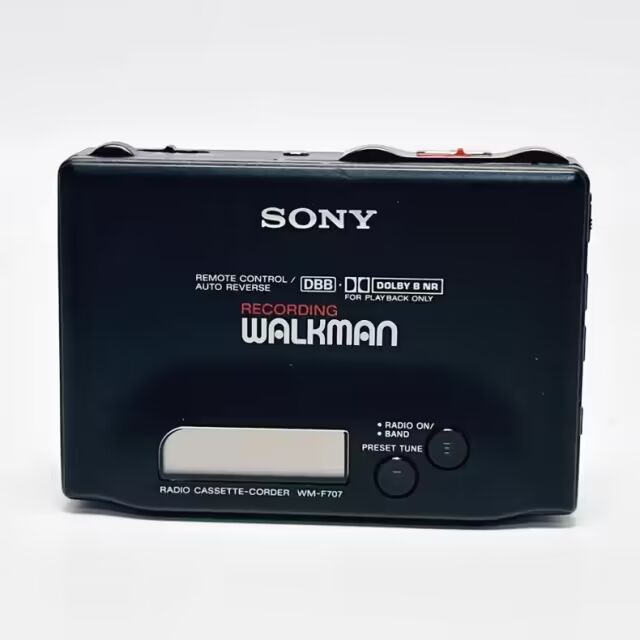
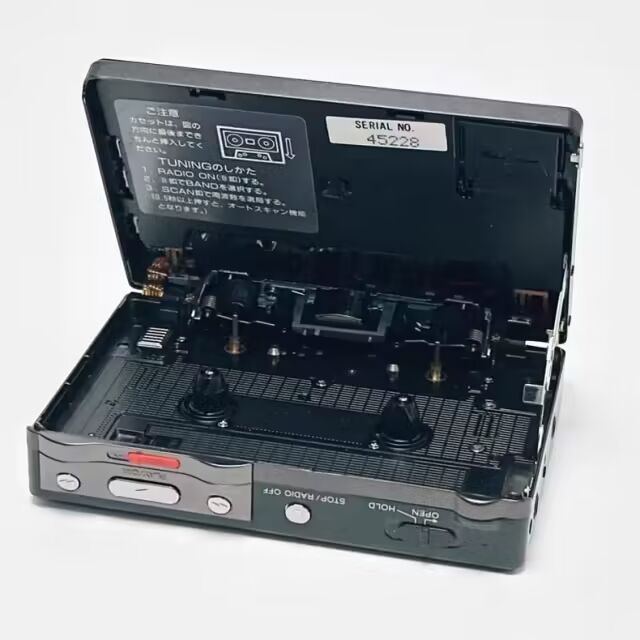
Price:32,500 yen (approximately 1,650 RMB)
Final Glory:
- 30 seconds ESP shockproof buffer
- Digital FM/AM tuner
- Titanium diaphragm headphones
Amid the siege of CD players, I equipped myself with a solar panel. The transparent cover glowed faintly blue in the sunlight, a final romance of the analog era. Unfortunately, it was ill-timed, as that same year Sony launched the first MP3 player, the “Memory Stick Walkman.”
Final Chapter: The Curtain Call (1996-1999)
7. WM-WE01 (December 1998)
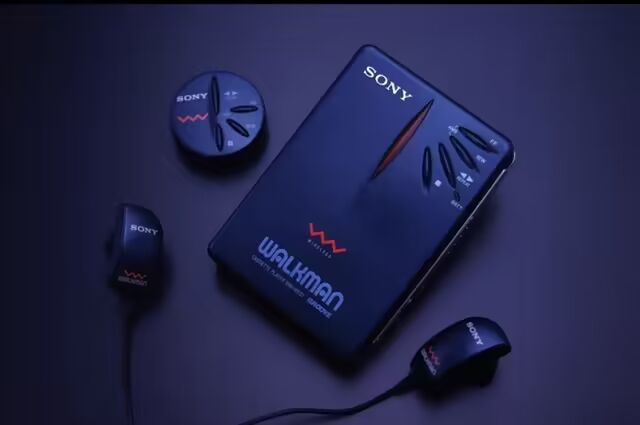
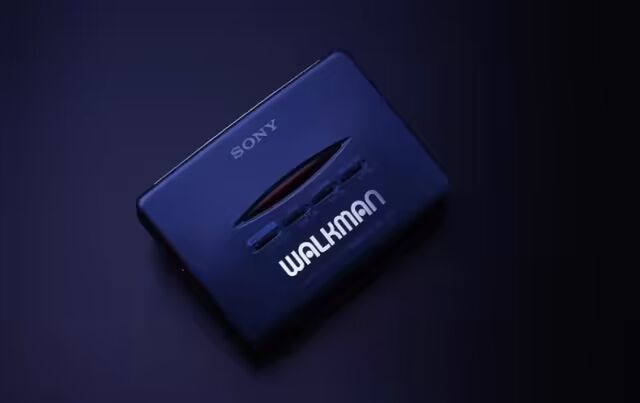
Swan Song:
- Waterproof sports design (IPX7)
- Reflective strip night running safety system
- Elastic arm strap ergonomic design
- Automatic tension correction mechanism
When I encountered a young person wearing a white iPod at the gym, I knew my era was coming to an end. However, until 2000, the Walkman still held a 17% market share in the cassette player segment, a fitting farewell to the god of music.
(The legendary EX20 – 20th Anniversary Commemoration)
Post-Walkman Era: What Did We Change?
-
Cultural ImprintGlobal cumulative sales exceeded 400 million units, equivalent to providing 35 Walkmans for every Japanese citizen. The Museum of Modern Art in New York permanently collected the TPS-L2, calling it “the most influential consumer electronics product of the 20th century.”
-
Technological LegacyFrom the direct-drive motor of the D6 to the ESP shockproof system of the EX1, these technologies later evolved into the G-shock of CD players and the precision clock system of Hi-Res audio.
-
Ecological TragedyOn the day Sony ceased production of cassette Walkmans in 2010, hundreds of people lined up silently outside second-hand stores in Akihabara, Tokyo, as if attending a belated funeral.
Appendix: Comparison Table of Main Parameters
| Model | Release Date | Weight (g) | Battery Life (h) | Frequency Response (Hz) | Special Features |
|---|---|---|---|---|---|
| TPS-L2 | July 1979 | 390 | 8 | 40-15k | Dual headphone jacks |
| WM-2 | May 1981 | 280 | 10 | 50-12k | Automatic reverse |
| WM-D6 | December 1982 | 550 | 6 | 20-20k | Dolby C noise reduction |
| WM-EX1 | June 1991 | 190 | 15 | 30-18k | Electric compartment door |
| WM-F707 | September 1995 | 210 | 12 | 20-20k | Solar power |
| WM-WE01 | December 1998 | 180 | 8 | 100-16k | Waterproof design |
Memories That Never Demagnetize
Video Source:←═╬∞Memory is an island~
Sony launched a total of 633 models of cassette players
These cassette player models include: TPS-L2, WM-2, WM-3, WM-4, WM-5, WM-6, WM-7, WM-8, WM-9, WM-10, WM-10RV, WM-11, WM-14, WM-16, WM-20, WM-22, WM-23, WM-24, WM-25, WM-29, WM-30, WM-31, WM-31SS, WM-32, WM-33, WM-34, WM-35, WM-36, WM-38, WM-40, WM-41, WM-43, WM-45, WM-50, WM-51, WM-52, WM-55, WM-60, WM-70, WM-75, WM-100, WM-101, WM-102, WM-103, WM-104, WM-106, WM-109, WM-150, WM-170, WM-171, WM-172, WM-190, WM-501, WM-503, and WM-504, etc.。
When you gaze at me through the glass in a museum, remember the musical souls that once beat within these metal shells. From the City Pop wafting through the streets of Shinjuku to Teresa Teng flowing through the alleys of Beijing, the Walkman was not just a player, but the BGM of millions of youths. The digital age pressed the fast-forward button, but the rustling noise of those tapes turning will forever be the warmest cradle of music.