In October 2025, the globally recognized market research and business insights consulting firm MarketsandMarkets released the Field-Programmable Gate Array (FPGA) Market Size, Share & Trends (Report Code: SE 3058). The following content is organized by ALINX, a leading FPGA development board and solution provider in China.
FPGA Market Overview
A Field-Programmable Gate Array (FPGA) is a highly flexible and reconfigurable integrated circuit. Unlike traditional ASICs, FPGAs can be reprogrammed at the end-user level after manufacturing, offering unique advantages in high-performance parallel computing, real-time signal processing, and communication acceleration.
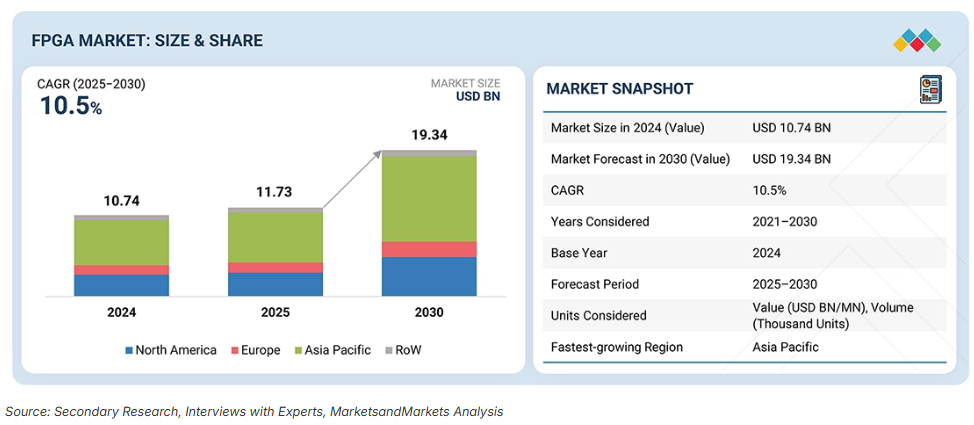
According to the latest report from MarketsandMarkets (Report Code SE 3058), the global FPGA market is expected to grow from approximately $11.73 billion in 2025 to $19.34 billion by 2030 (CAGR ≈ 10.5%).
Drivers of FPGA Market Growth
This growth is driven by the rapid expansion of FPGAs in various fields such as communications, data centers, AI inference, edge computing, automotive electronics, and defense aerospace.
Communications: 5G base stations and network equipment require programmable signal processing units to support protocol iterations and network slicing.
Data Centers: FPGAs are used for AI inference acceleration, video encoding/decoding, and network packet processing, providing direct benefits to customers in terms of performance/energy efficiency.
AI and IoT: The demand for real-time computing is continuously rising due to AI inference, sensor fusion, and complex data processing. IoT devices (including edge devices and smart sensors) have high requirements for power consumption, cost, and flexibility, and FPGAs can provide a low-latency, reconfigurable, and cost-effective solution.
Automotive Electronics: Edge perception, radar/camera fusion, and real-time control drive the demand for low latency and customizable logic, leading to the application of FPGAs in these scenarios.
Defense Aerospace: There is a continuous demand for radiation-hardened and high-reliability FPGAs.
Market Segmentation Analysis
Based on the MarketsandMarkets report, the FPGA market can be segmented and analyzed from the following dimensions:
By Configuration
Low-End FPGAs: Low cost, low power consumption, and easy deployment, widely used in consumer electronics, industrial automation, and edge devices.
Mid-Range FPGAs: Balances performance and cost, suitable for more complex but cost-sensitive applications.
High-End FPGAs: High logic density, high bandwidth I/O, and strong computing power, mainly used in data centers, high-performance computing, and communication base stations.
The report predicts that low-end FPGAs will continue to dominate the market, holding a significant share due to their high cost-performance ratio and flexible deployment, widely applied in consumer electronics, industrial automation, and cost-sensitive embedded systems.
By Process Node
FPGAs can be categorized by process as ≤ 16 nm, 20–90 nm, and > 90 nm.
FPGAs with ≤ 16nm are growing the fastest, offering advantages in performance, power consumption, and logic density, suitable for future high-performance applications, especially in AI acceleration, communication acceleration, and data centers.
By Technology Architecture
SRAM FPGAs: Support multiple reprogramming, perform strongly, and are the current mainstream product type in the market.
Flash FPGAs: Non-volatile, lower power consumption, suitable for applications sensitive to power consumption or requiring logic retention during power loss.
Antifuse FPGAs: Non-reprogrammable after configuration, commonly used in security-sensitive applications such as encryption devices or critical applications in space/aerospace.
SRAM FPGAs hold the largest market share due to their support for multiple reprogramming and high performance, making them more suitable for data center/communication fields that require frequent updates or complex system designs.
FPGAs and eFPGAs
eFPGA technology integrates programmable logic as IP into ASICs or SoCs, bringing flexibility into custom chips.
The report indicates that eFPGAs will be an important means for chip manufacturers to differentiate and design flexibly, with rapid growth expected.
By Vertical Industry
Industry coverage includes: communications, data centers, industrial, automotive electronics, defense aerospace, medical electronics, consumer electronics, etc.
Communications remain the primary market, driven by 5G infrastructure, network virtualization, and low-latency signal processing demands.
Data center acceleration, industrial, and automotive electronics are growth hotspots.
By Region
The report covers regions including North America, Europe, Asia-Pacific, and others.
The Asia-Pacific region is expected to grow the fastest, primarily due to the construction of communication infrastructure and trends in AI and industrial digitization in countries like China, Japan, and South Korea.
Key Manufacturers and Competitive Landscape
AMD/Altera: Dominates in high-end FPGAs, data center acceleration, and AI inference fields.
Lattice: Has advantages in low-power, small FPGAs, suitable for edge devices and IoT.
Microchip: Offers a diverse FPGA product line, deeply involved in industrial and embedded fields.
Achronix: Focuses on high-speed, high-performance FPGAs, suitable for networking and communication acceleration.
Recent Industry Developments
September 2025
Silver Lake Partners completed the acquisition of 51% of Altera, making Altera the largest independently operated FPGA company globally, demonstrating confidence in Altera’s future development.
July 2025
Lattice partnered with Mitsubishi Electric to integrate Lattice’s low-power CertusPro-NX series FPGAs into Mitsubishi Electric’s CNC solutions, bringing low-power, flexible configuration advantages to the factory automation sector.
July 2025
Microchip launched the radiation-hardened FPGA—RT PolarFire, releasing engineering samples for aerospace applications.
March 2024
AMD launched the Spartan UltraScale+ FPGA series, targeting I/O-intensive edge applications, offering higher I/O to logic unit ratios, lower power consumption, and enhanced security compared to similar products.
Swipe to view important FPGA industry dynamics from 2024 to 2025
Typical Industry Application Cases
The report lists several enterprise project FPGA application cases:
Magewell
Utilized AMD Artix UltraScale+ FPGAs for 4K media capture devices to achieve stable 20 Gb/s USB performance, enhancing I/O efficiency and reducing power consumption.
DigiBird
Used AMD Kintex7 and Kintex UltraScale+ series to create lossless distributed audiovisual solutions, replacing lossy H.264/H.265 compression technology for ultra-low latency streaming in control rooms/meeting systems.
Newtouch
The fourth-generation PHINEDesign platform uses AMD Virtex UltraScale+ VU19P for large-scale ASIC/SoC prototype verification, improving verification efficiency and shortening time-to-market.
Berlin Institute of Technology
Developed a flexible software-defined radio (SDR) system using Gidel’s ProcStar FPGA board for research, teaching, and real-time digital signal processing.
Swipe to view FPGA industry application cases
Challenges in the FPGA Industry
Talent Shortage: Engineers proficient in FPGA development are relatively scarce, posing a significant barrier for small and emerging enterprises.
Verification/Validation Complexity: The reconfigurable nature of FPGAs offers design flexibility but also presents verification challenges, with programming complexity leading to extended design cycles and increased risk of functional errors.
Security Risks: In security-dominated systems, FPGA configuration and logic security, backdoor risks, and hardware vulnerabilities require special attention.
Future Trends and Strategic Recommendations
Incorporate eFPGAs and IP modules into mid- to long-term product lines: Provide embeddable IP core designs to lower customer development barriers.
Develop industry solutions rather than single hardware: Deepen industry application scenarios and provide vertical industry solutions to promote the large-scale application of FPGAs in industrial automation, smart manufacturing, communication base stations, automotive electronics, medical electronics, etc.
Invest in developer ecosystems and technical services: Address developer shortages and verification challenges by investing in reusable IP, HLS toolchain training, standardized verification processes, and reference design projects to reduce customer development costs and enhance product repurchase rates.
Strengthen supply chain and regional localization capabilities: Establish localized support and channels in rapidly growing regions such as Asia-Pacific and Southeast Asia to form rapid delivery capabilities and efficient customer response mechanisms.
Enhance security and reliability: Ensure that FPGAs meet stability and security standards in critical systems.
The FPGA market is entering ahigh-growth period. The main drivers in the coming years will stem from AI, 5G, and edge computing, with ongoing demand for flexibility, high performance, and low power consumption continuing to drive the widespread deployment of FPGAs. Meanwhile, the rise of embedded FPGAs (eFPGAs) also brings new possibilities for traditional chip architectures.
For FPGA ecosystem companies, now is a critical window to deepen technical accumulation, strengthen localization strategies, and improve ecosystem systems; for downstream application companies, it is an important opportunity to leverage the flexibility and performance advantages of FPGAs and integrate them into core system architectures.

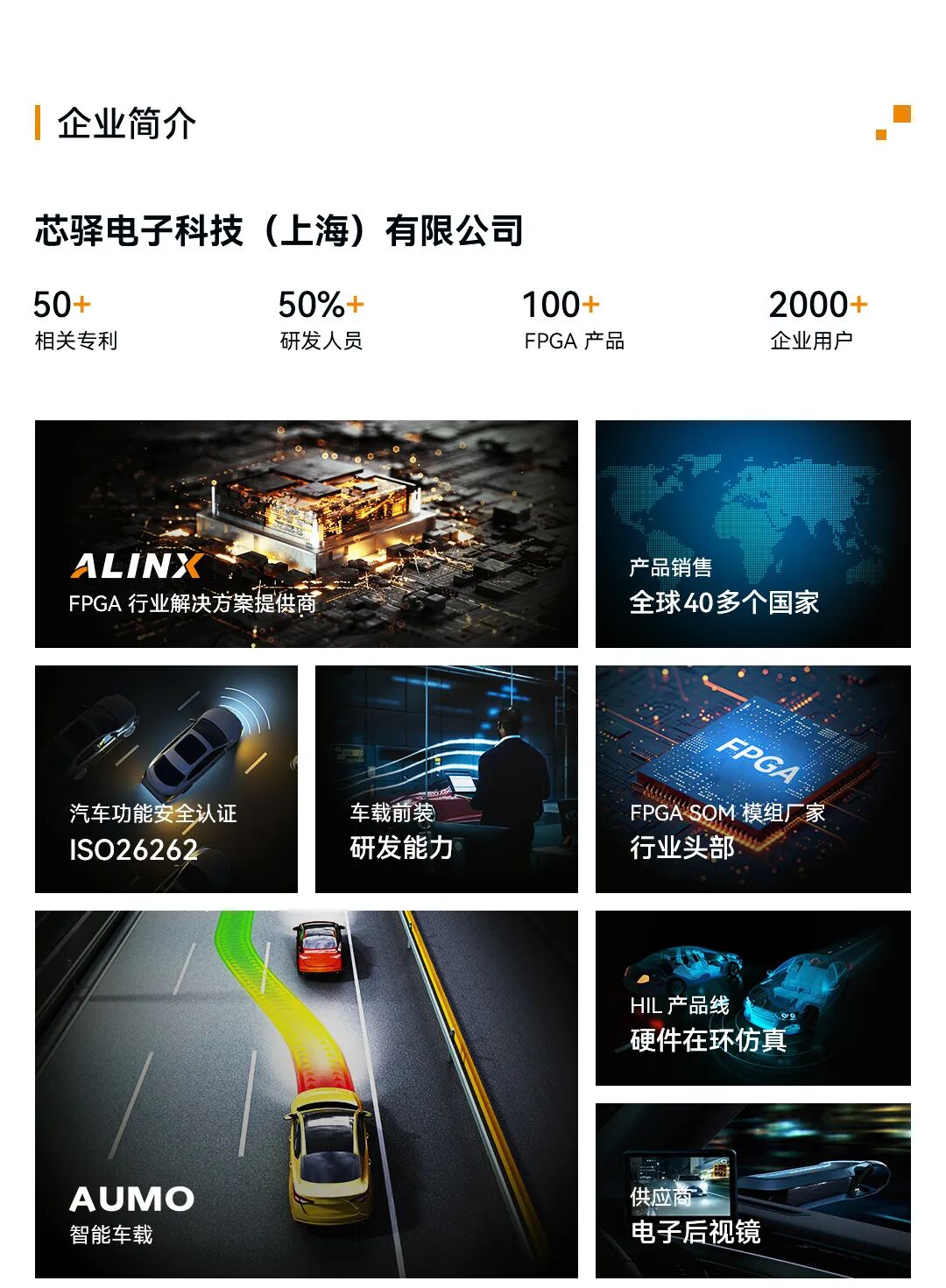
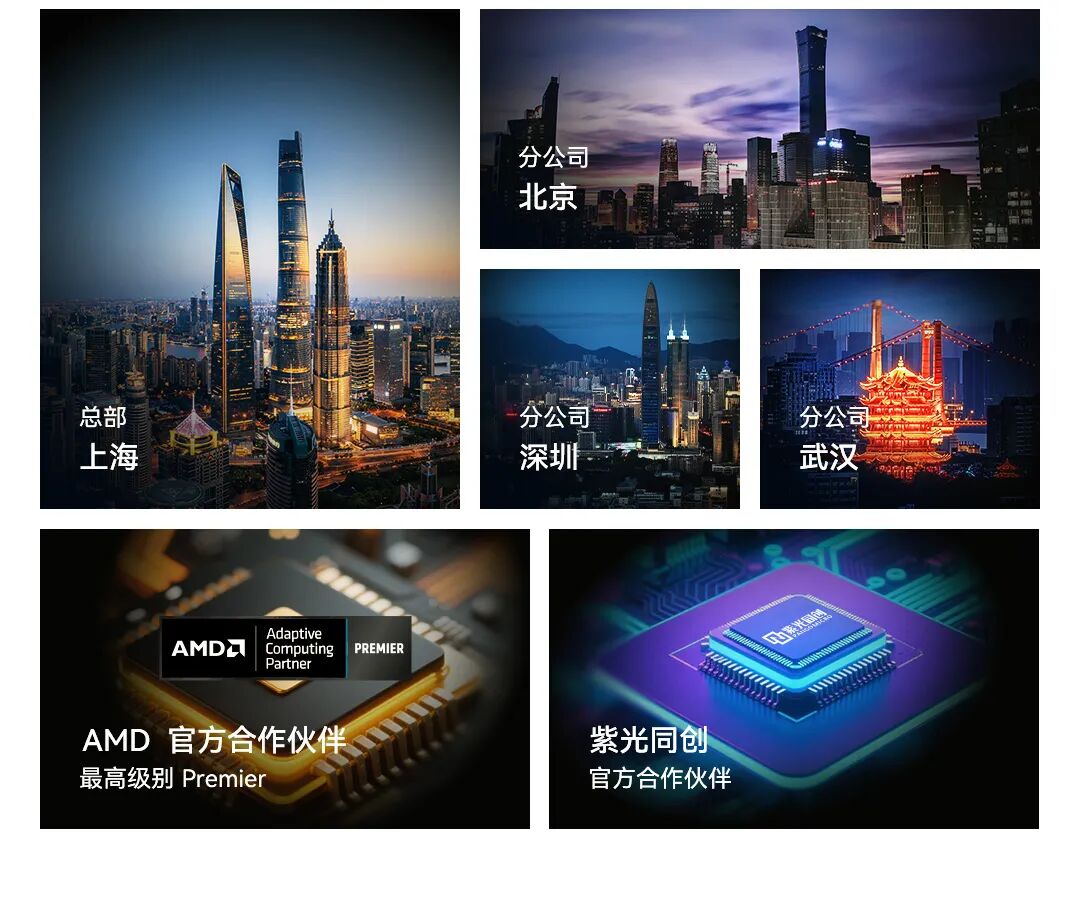
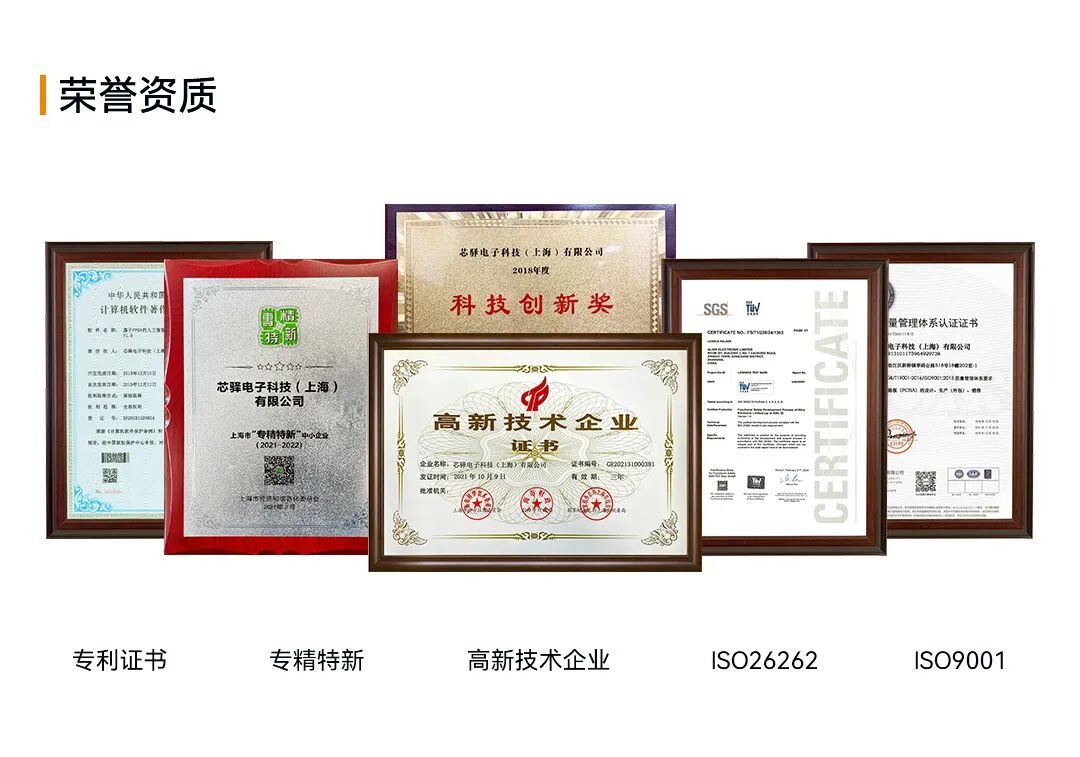
ALINX, as a global leading provider of FPGA boards and solutions, is not only the only highest-level Premier partner of AMD in China but also the official partner of the domestic FPGA chip leader Unisoc. ALINX has accumulated profound industry resources and influence in the field of FPGA technology and applications.
With years of R&D investment and technological innovation, ALINX has successfully launched over 100 FPGA SoM modules and supporting boards, achieving comprehensive coverage of AMD FPGA products and Unisoc FPGA products. The products are widely used in cutting-edge fields such as artificial intelligence, autonomous driving, industrial communication, data centers, and machine vision, and are exported to over 40 countries and regions, leading the market share.
To better serve customers, ALINX has established a diversified, multi-regional service network covering the globe, providing timely, efficient, and comprehensive service to customers.
ALINX always stands alongside developers, exploring the boundaries of FPGA technology applications, and is committed to providing more professional and advanced FPGA solutions for the development of enterprises in various industries.
| Contact Information
Official Website:www.alinx.com | www.aumo.cnService Hotline:021-67676997Technical Support: [email protected]Company Address: 3rd Floor, Building 1, No. 1 Caosong Road, Xinqiao Town, Songjiang District, Shanghai
| Scan to Learn More

ALINX WeChat Official Account

AUMO WeChat Official Account