On August 12 and 13, the annual Perseid meteor shower arrived as expected. C Vision’s contracted photographers captured the beautiful moments of meteors streaking across the night sky in Chengdu, Leshan, Ganzi, Ziyang, Meishan, Inner Mongolia, and other locations. Amidst the starry sky, bright meteors suddenly cut through the heavens, drawing a silver arc, with occasional fireballs adding more color to this visual feast.
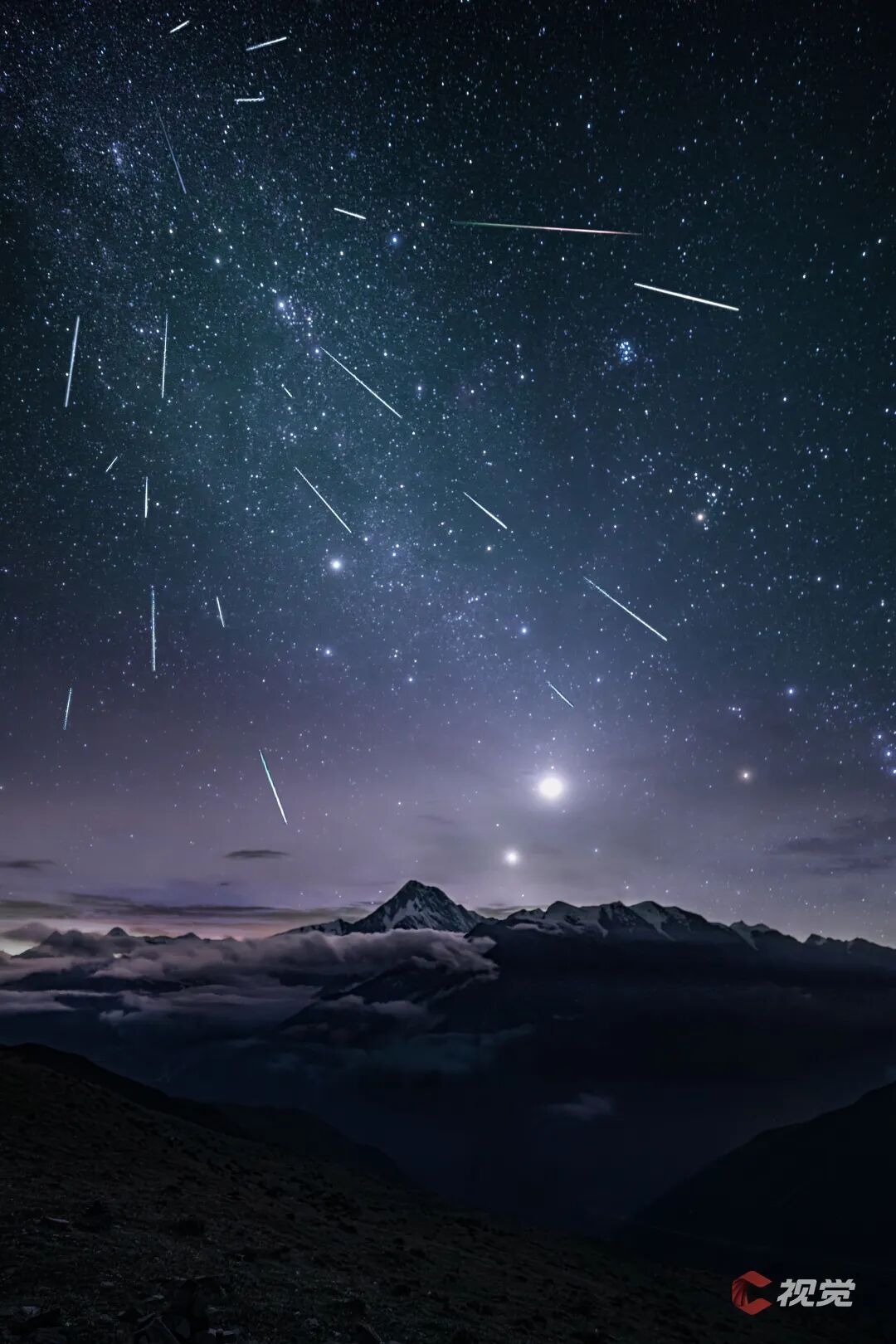
In the early hours of August 8, dozens of meteors streaked across the sky above Gongga Township, Kangding City, Ganzi, landing on the snow-capped peaks of Gongga, magnificent and breathtaking. C Vision contracted photographer Yang Chenlong.
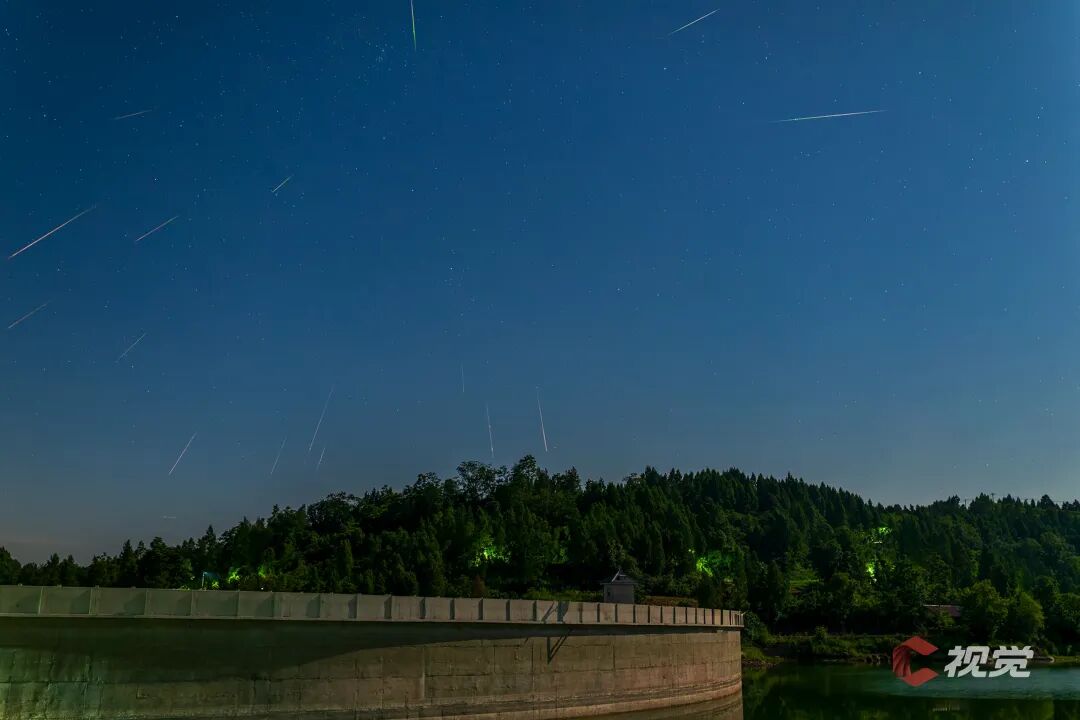
On the night of August 12, in Huilan Town, Ziyang City, multiple meteors crossed the night sky, dreamlike and surreal. C Vision contracted photographer Jiang Tao.
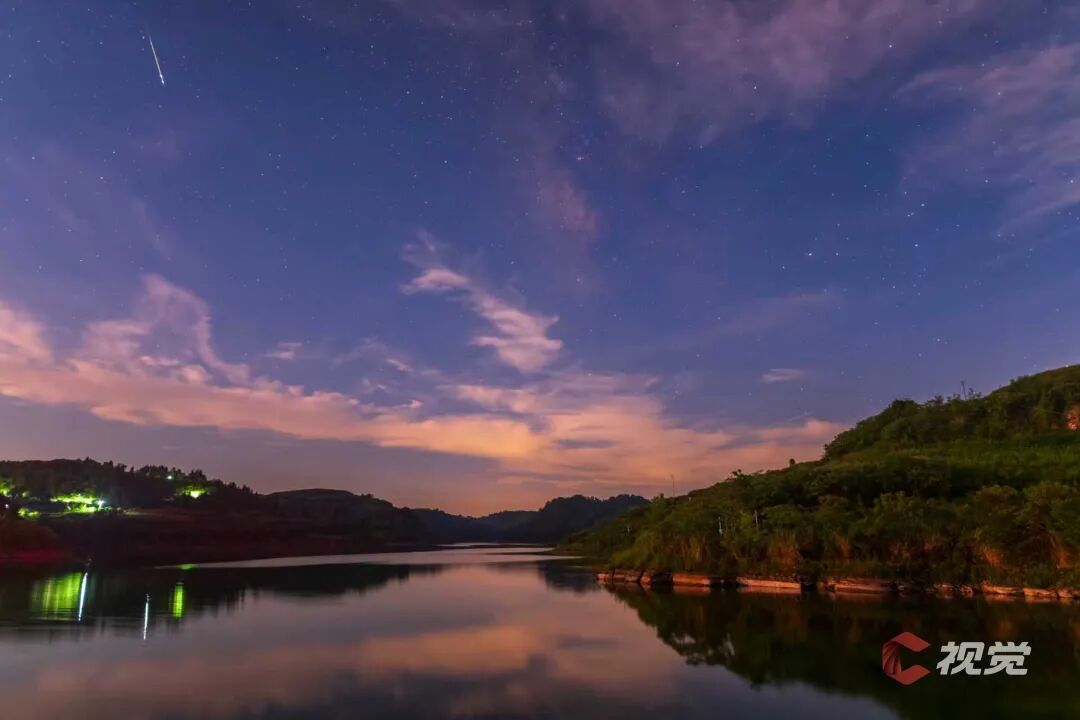
On the night of August 12, in Huilan Town, Ziyang City, amidst a sky full of stars, meteors streaked across the night sky. C Vision contracted photographer Jiang Tao.
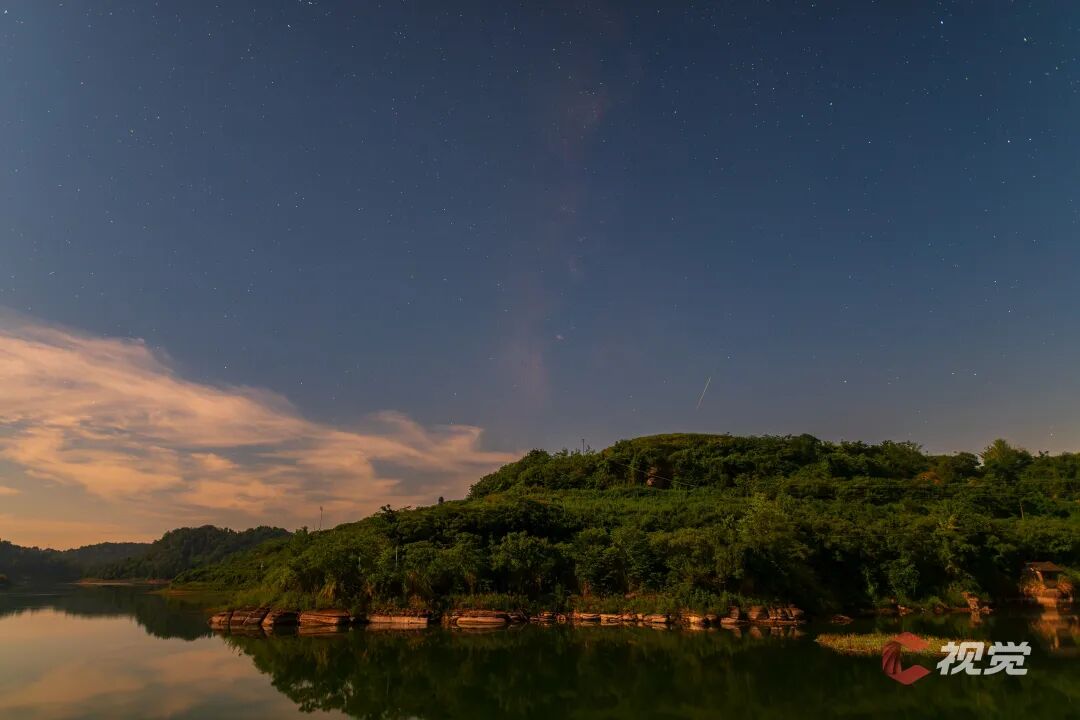
On the night of August 12, in Huilan Town, Ziyang City, amidst a sky full of stars, meteors streaked across the night sky. C Vision contracted photographer Jiang Tao.
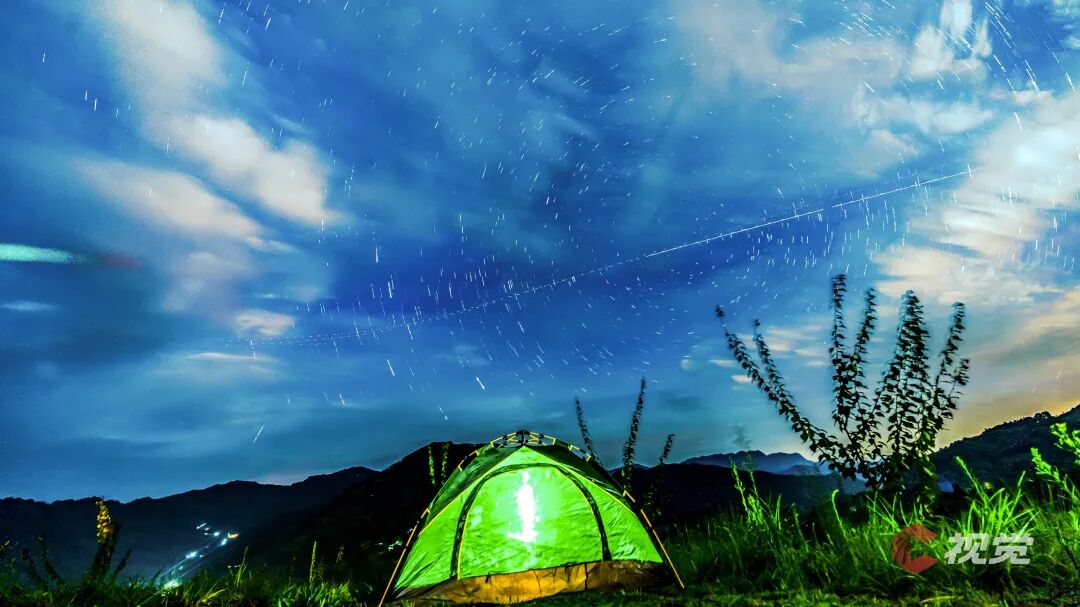
On the night of August 12, at the peak of Heihugang Village, Dayi County, Chengdu, the star trails were brilliant, and meteors streaked across the night sky. C Vision contracted photographer Huang Jiarong.
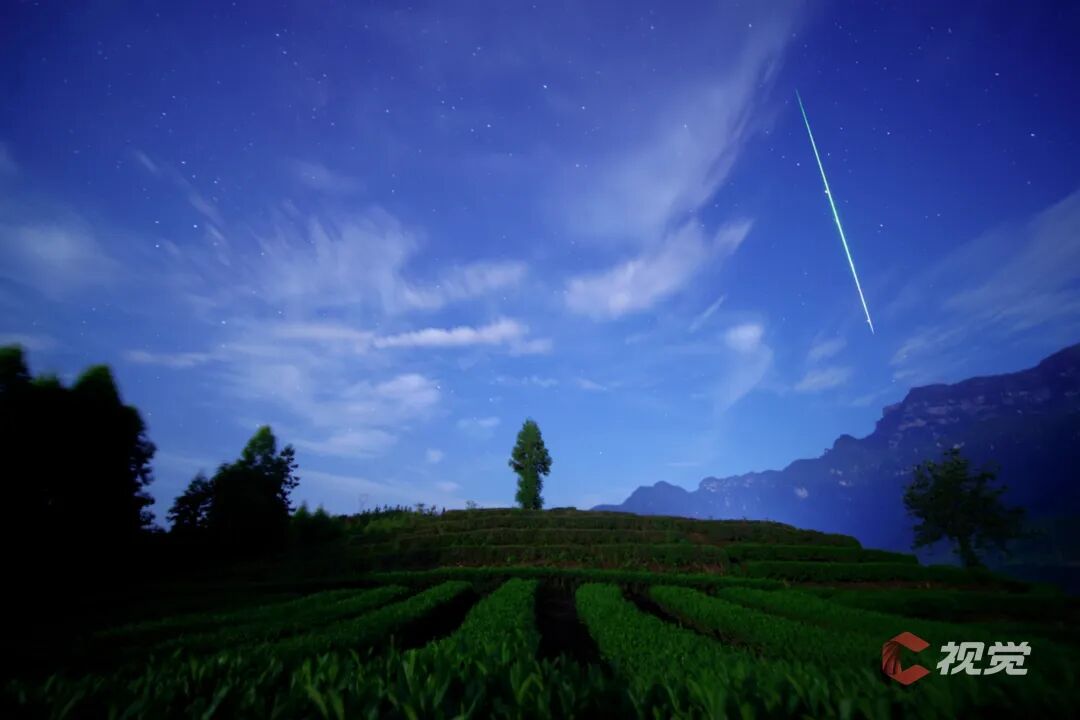
On the night of August 12, in the tea garden of Zhaizi Village, Emeishan City, Leshan, a bright meteor crossed the summit of Emei Mountain. C Vision contracted photographer Luo Li.
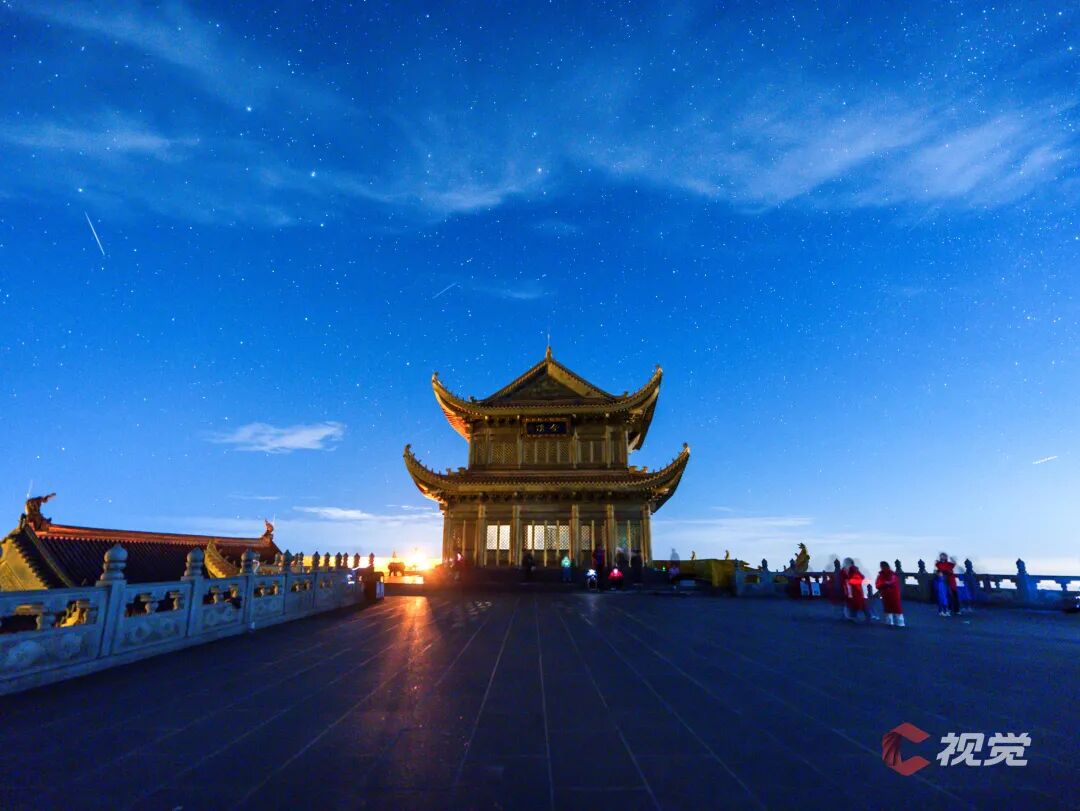
On the night of August 12, a meteor fell on the summit of Emei Mountain. C Vision contracted photographer Jin Shu.
On the night of August 12, at the Dawan Mountain Viewing Platform in Leshan, a meteor streaked across the night sky. C Vision contracted photographer Li Pengyuan.
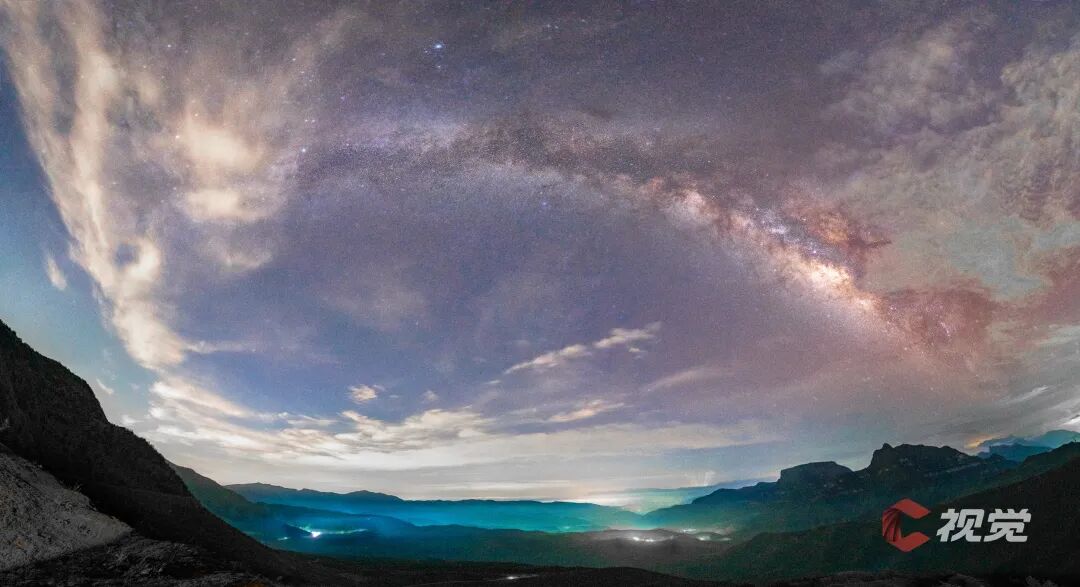
On the night of August 12, at the Dawan Mountain Viewing Platform in Leshan, the Milky Way spanned the sky. C Vision contracted photographer Li Pengyuan.
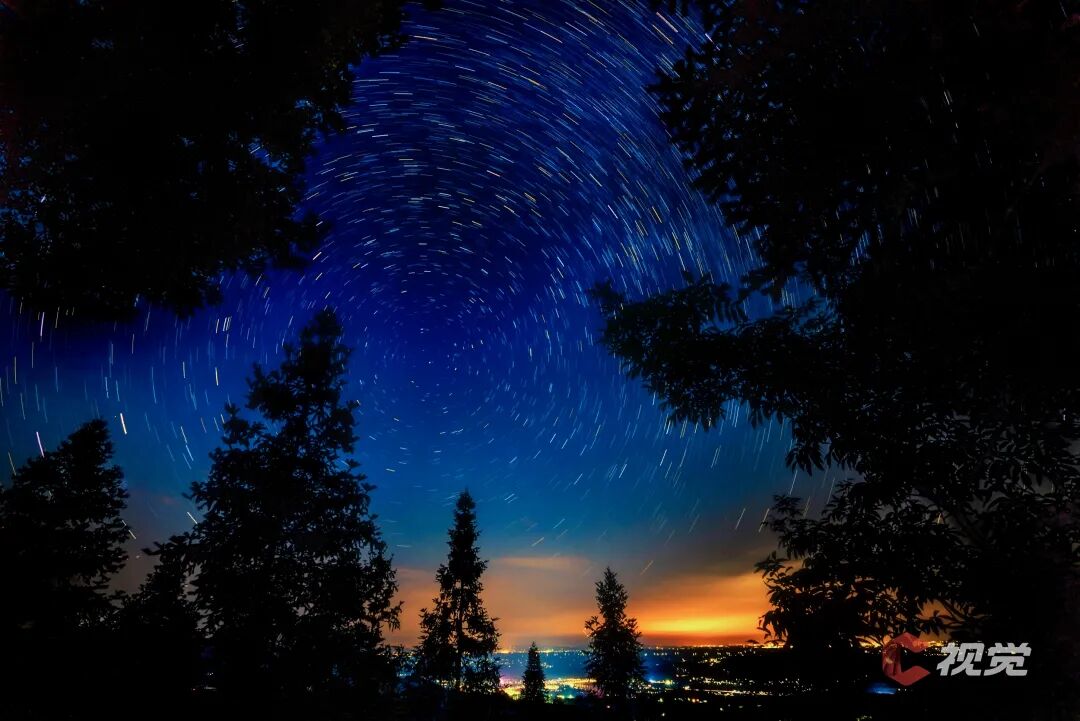
On the night of August 12, in the tea garden of Hongxing Town, Ming Mountain, Yaan City, a yellow-green fireball meteor pierced through the clouds. C Vision contracted photographer Pan Shuo.
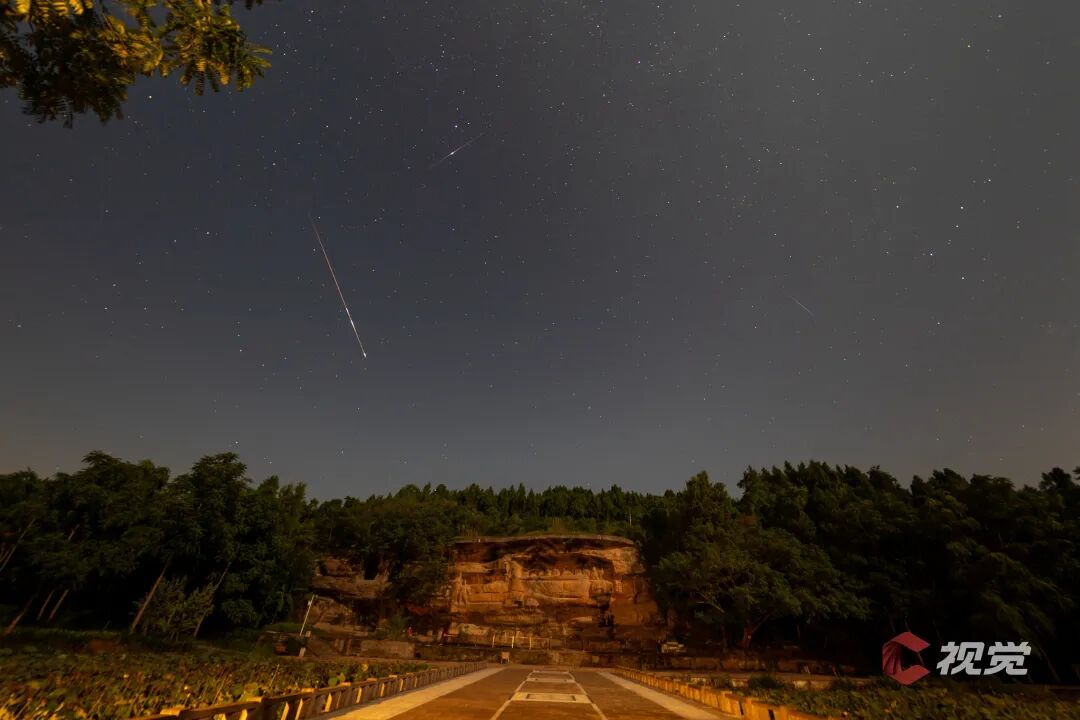
On the night of August 12, above the cliff carvings of the Sleeping Buddha Temple in Anyue County, Ziyang, a red fireball meteor flew across the sky. C Vision contracted photographer Tong Fuyan.
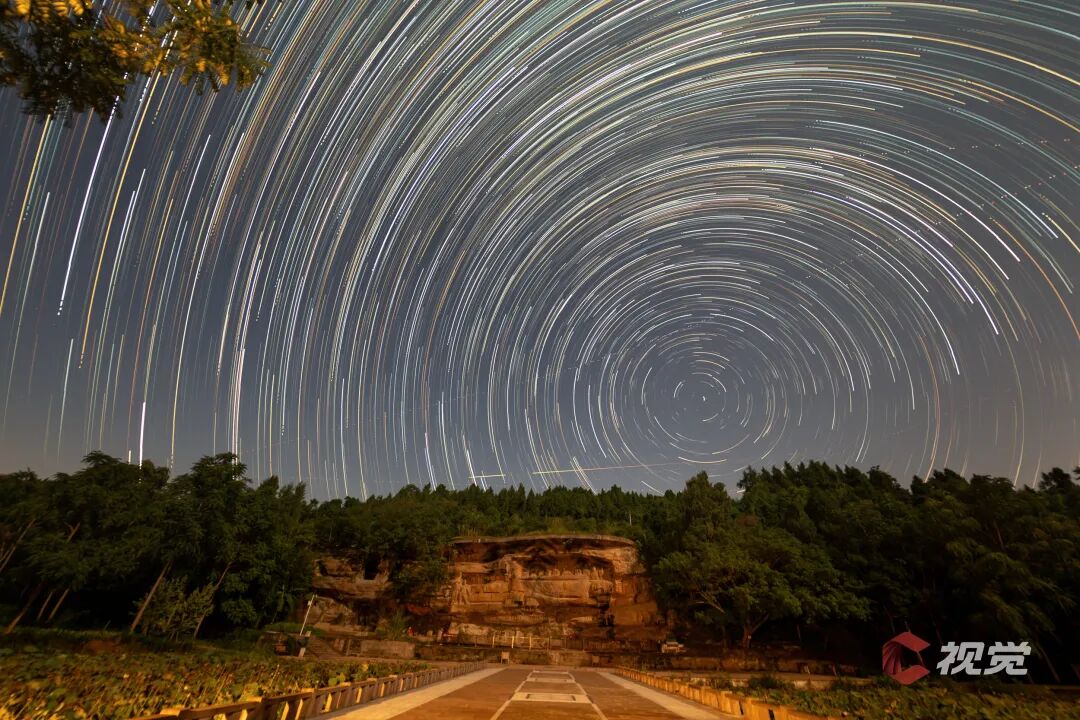
On the night of August 12, the starry river above the cliff carvings of the Sleeping Buddha Temple in Anyue County, Ziyang, was brilliant, and a meteor streaked across, stunning the entire night sky. C Vision contracted photographer Tong Fuyan.
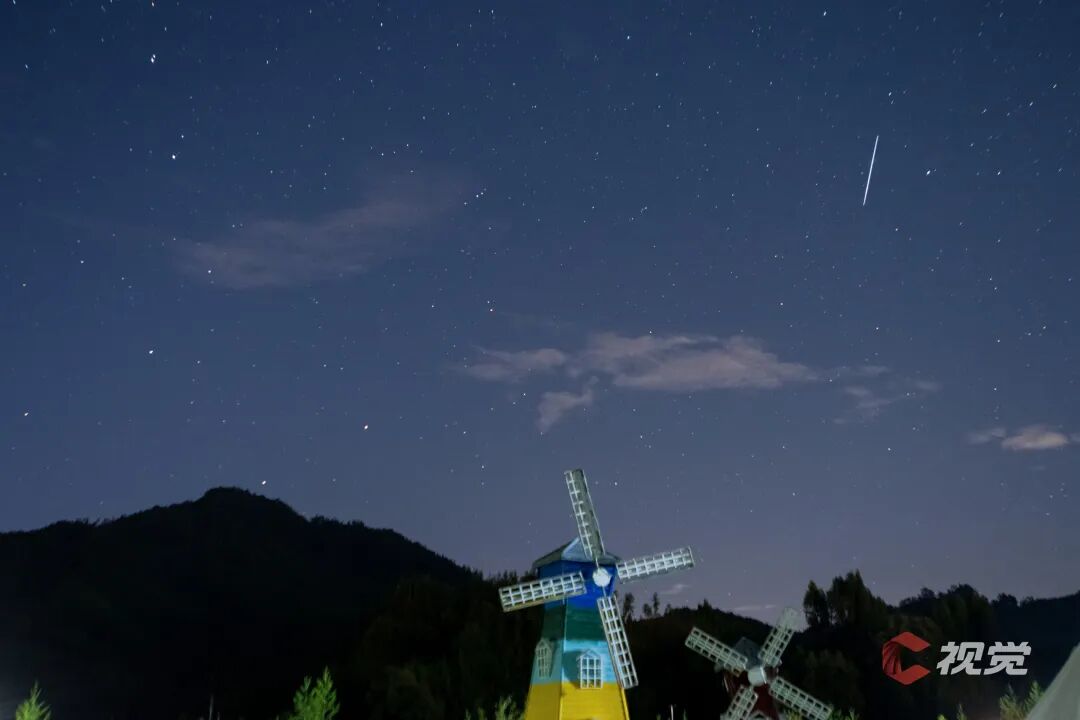
On the night of August 12, at the top of Yunlu Town, Wawushan Town, Hongya County, Meishan, a meteor streaked across the deep night sky, shining brightly against the backdrop of countless stars. C Vision contracted photographer Li Jijun.
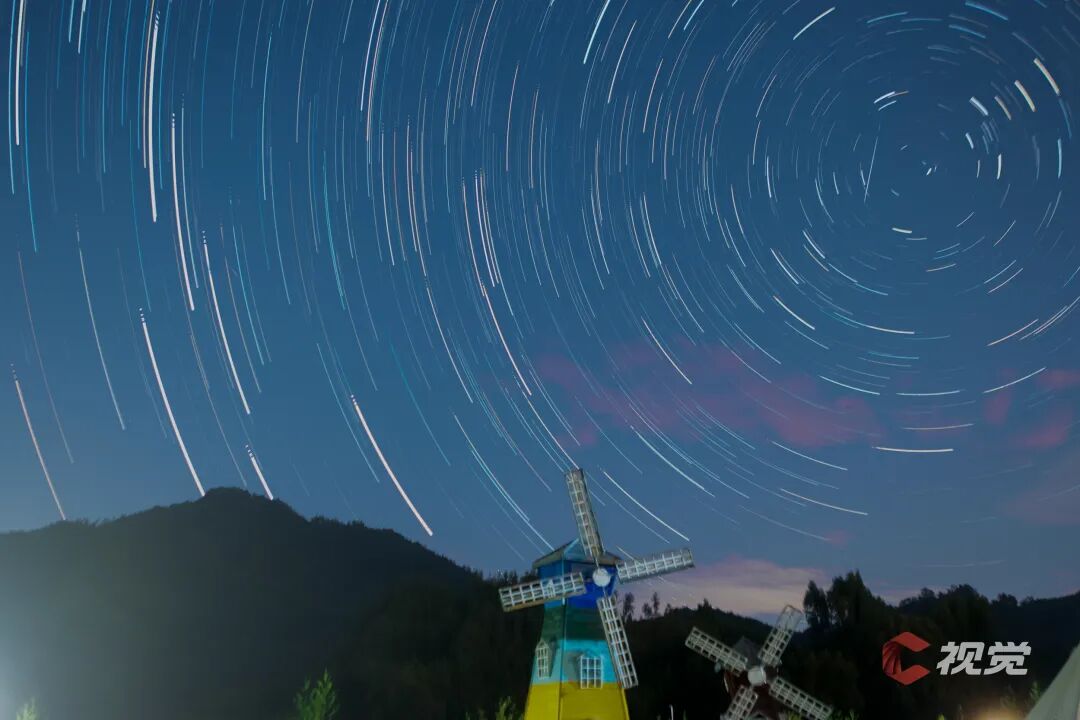
On the night of August 12, at the top of Yunlu Town, Wawushan Town, Hongya County, Meishan, a meteor streaked across the deep night sky, shining brightly against the backdrop of countless stars. C Vision contracted photographer Li Jijun.
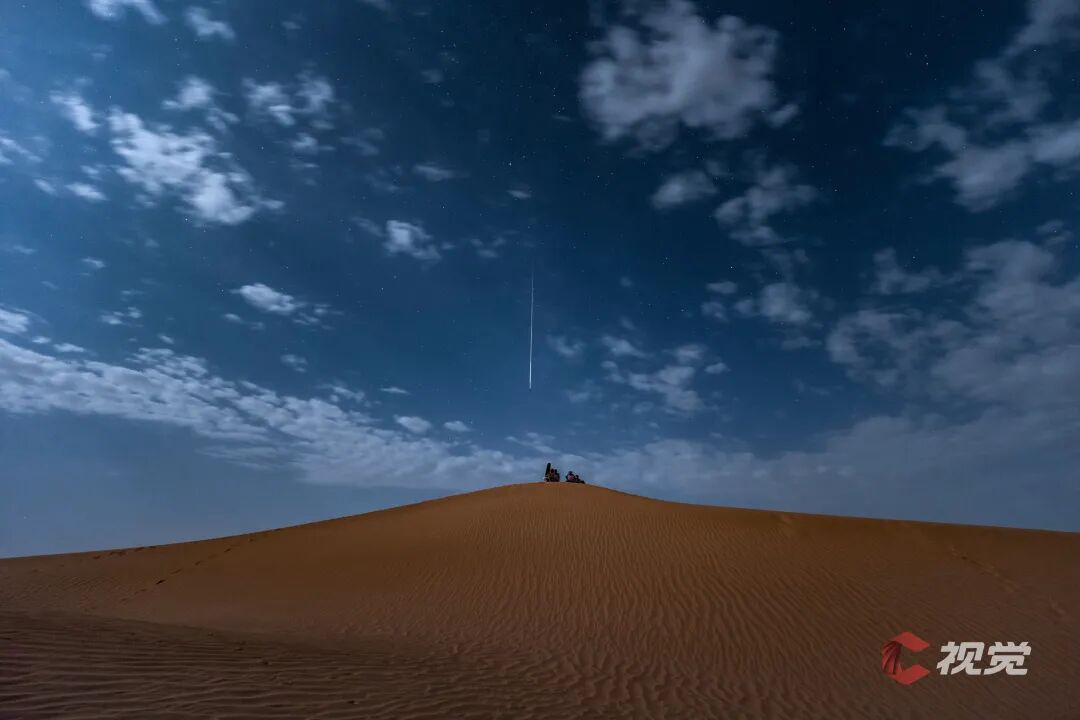
In the early hours of August 13, in the Tengger Desert of Alxa League, Inner Mongolia, amidst the starry sky, a meteor with a tail streaked across the horizon. C Vision contracted photographer Yang Zhiyu.
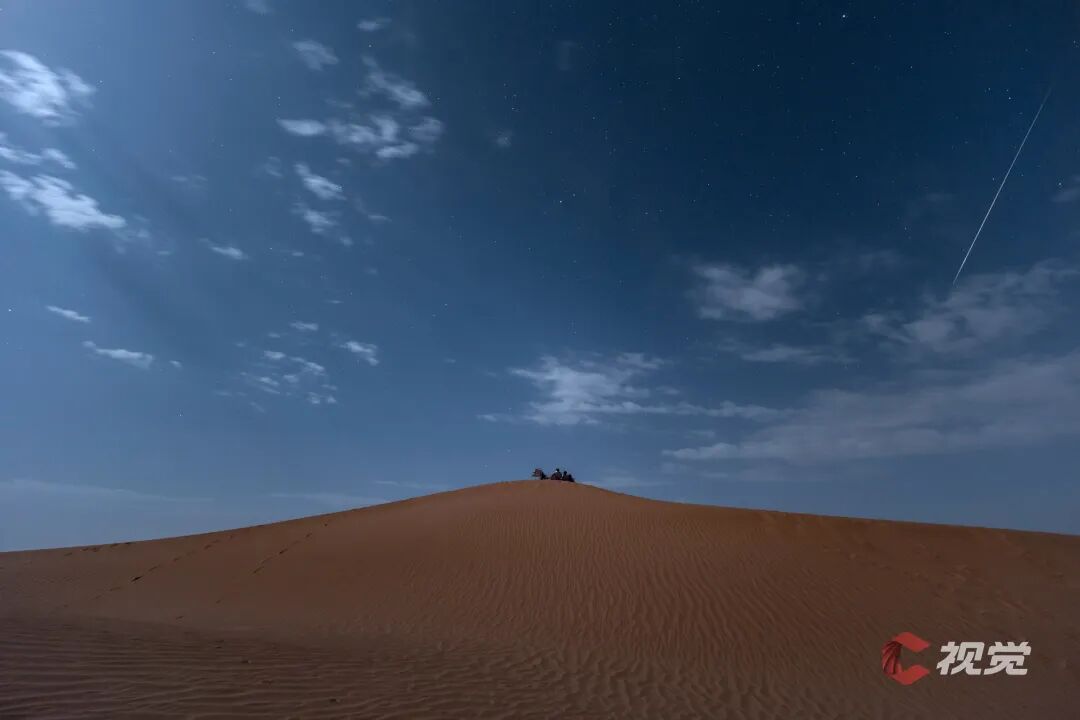
In the early hours of August 13, in the Tengger Desert of Alxa League, Inner Mongolia, amidst the starry sky, a meteor with a tail streaked across the horizon. C Vision contracted photographer Yang Zhiyu.
It is reported that the Perseid meteor shower in August each year, along with the Quadrantids in January and the Geminids in December, is known as the three major meteor showers in the Northern Hemisphere. Compared to the Quadrantids, which have unstable flow, and the Geminids, which occur during the cold winter months, the Perseid meteor shower is the most suitable for public observation in the Northern Hemisphere and is also the “carnival time” for astronomy photography enthusiasts every year. Although this month coincided with a waning gibbous moon phase, making the night sky brighter than usual and affecting some observation and shooting experiences, many photographers still persevered in capturing and recording this annual starry feast.
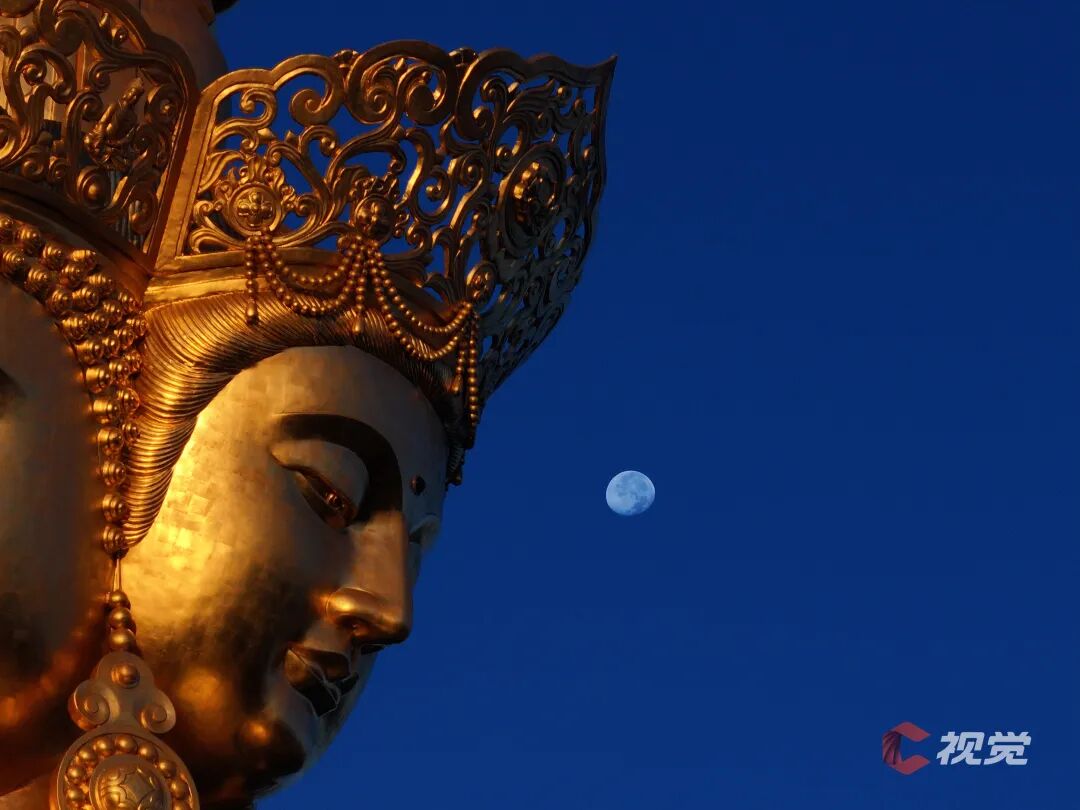
The bright moon and the golden summit of Samantabhadra in the same frame. C Vision contracted photographer Jin Shu.
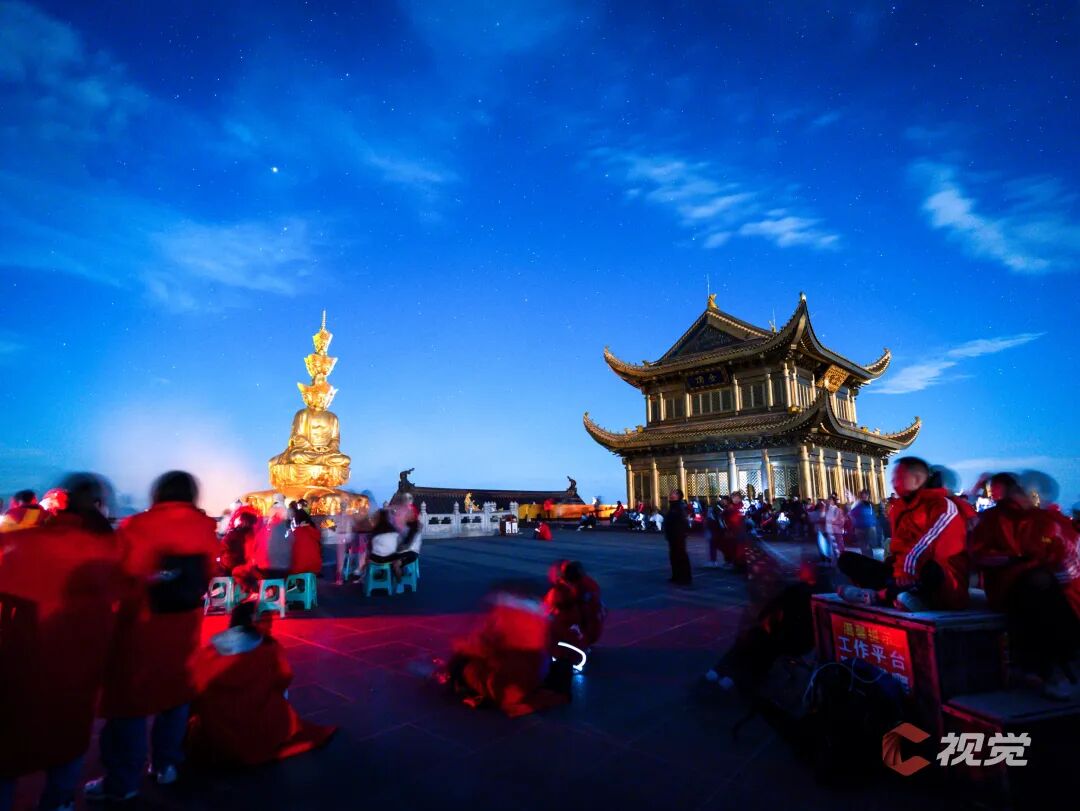
On the night of August 12, people waiting to watch the meteor shower at the summit of Emei Mountain. C Vision contracted photographer Jin Shu.
How to Observe?
For observation preparation, first check the weather forecast and the peak time of the meteor shower in advance, and choose an open area away from city light pollution, such as a mountain top, lakeside, or grassland, to avoid obstructions from buildings and trees. During observation, try to avoid using bright flashlights; instead, use red light flashlights to prevent disrupting your eyes’ adaptation to the dark. It is recommended to arrive at the site half an hour early to allow your eyes to adjust to the night. Dress warmly according to the nighttime temperature, and bring a moisture-proof mat or folding chair for a more comfortable observation experience.
How to Photograph?
In terms of photography, even without professional equipment, ordinary cameras or smartphones can attempt to capture meteors. When using a smartphone, turn on the “Pro Mode,” set the focus to “infinity,” adjust the aperture to the maximum, keep the ISO around 1600, and set the exposure time to within 10 seconds. Use a smartphone tripod to maintain stability and enable the timer function to reduce vibrations from touching the phone. If using a DSLR or mirrorless camera, it is recommended to pair it with a wide-angle lens (14-24mm focal length is ideal), set the aperture to F2.8 or higher, keep the ISO around 1600, and set the exposure time to within 10 seconds. Use a shutter release cable or timer to avoid camera shake. When photographing, try to include ground elements such as trees or ancient buildings in the composition, allowing the meteor trails to correspond with the ground scenery, enhancing the depth of the image.