
How to learn PLC may be a confusion for many beginners, and choosing which brand of PLC is even more difficult. As someone who has been through it, I would like to provide some direction for all the newcomers. Let’s learn and strive together.
HAPPY NEW YEAR
Prerequisites for Learning PLC

Love the profession you are in. It is suggested that those who frequently change jobs should not enter the industrial control field. This is because industrial control is difficult to get into, and if you are not skilled, accidents can easily occur.
Now, let’s understand what knowledge we should master before learning PLC.
Electrical Knowledge
PLC belongs to the automation field, which mainly serves electricity and machinery. Therefore, the most important knowledge to master when learning PLC is electrical knowledge, including circuits.
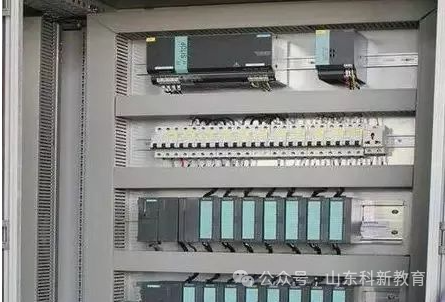
The actual function of PLC is to replace many contactors in our electrical systems, allowing PLC to control them accordingly. Even without PLC, many control functions can still be achieved.
However, the emergence of PLC has brought about an industrial revolution, making control easier to achieve without the need for excessive relays, contactors, and other electronic components.
Computer Knowledge
PLC requires the use of computer software, so we need to master essential computer skills. Many people say they know how to use computers and software like Word, but that is not enough.
We need to understand how to install systems, install software, configure networks, and other functionalities. In essence, the computer serves as a medium for us to control devices with PLC. If we cannot master the medium, how can we learn PLC?
How to Learn
For newcomers who have just been introduced to PLC, figuring out how to learn PLC can be quite confusing. I started off not knowing where to begin. From my work experience, I have summarized some small directions to share with everyone.
Hardware
When you first start, don’t rush to learn programming or control. The first thing you need to do is understand the hardware of the PLC brand.
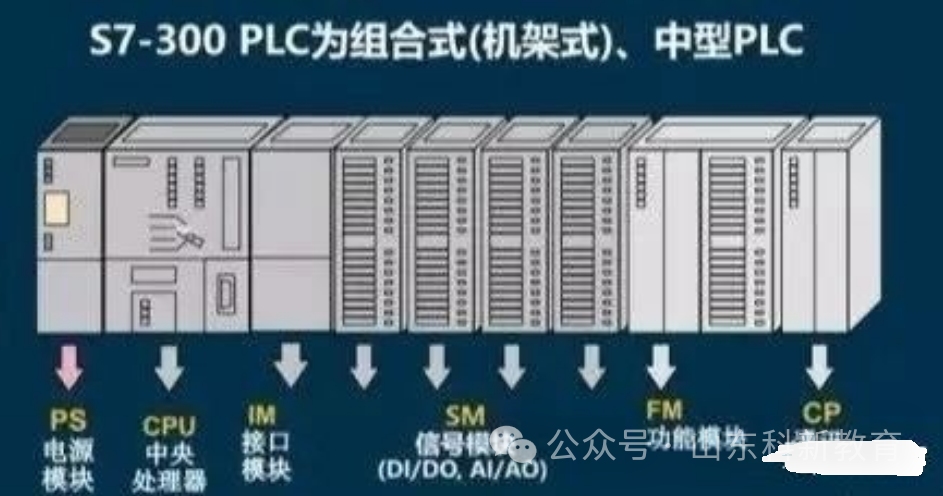
Learn about the functions of each module and how to build a PLC system, as every system requires a CPU and various modules, such as digital input/output, analog input/output, network modules, motion modules, etc. Understand the functions of each module.
Then, learn how to wire each module. Wiring knowledge is essential for cabinet configuration, as we need to draw wiring diagrams before configuring cabinets. Without understanding the wiring methods, how can we draw the diagrams?
Software
Once you have a good understanding of the hardware, you can start exploring the programming software. Mastering software may not be as simple as mastering hardware. For example, Siemens’ TIA Portal programming software is over ten gigabytes after installation, which indicates how complex programming software can be.
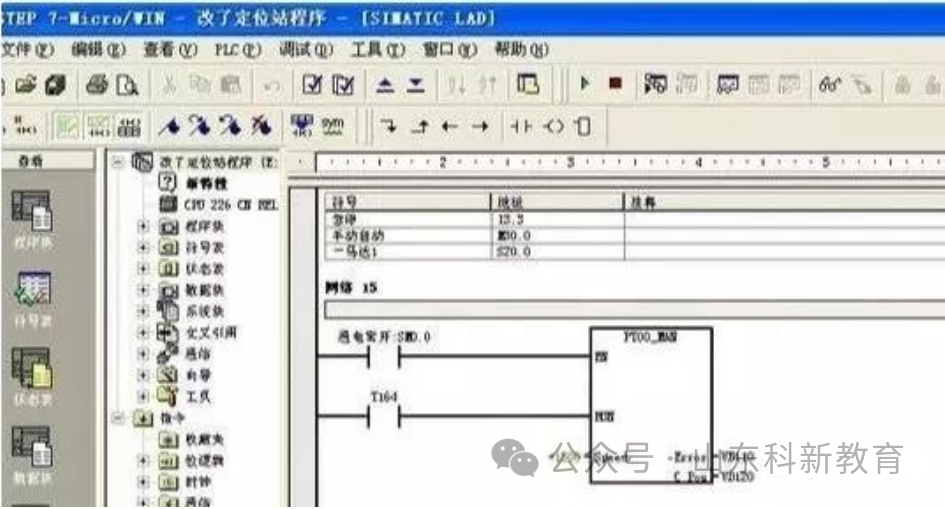
Don’t rush to learn the software either; take it step by step. Start by learning about data storage methods, addressing methods, and how to read data from hardware. Understand how the data is stored in the PLC.
Then, learn about communication, how to communicate with the upper-level computer, and how to communicate with other devices of the same brand, such as frequency converters. Once you understand this thoroughly, you can then explore communication methods with other brands, accumulating knowledge bit by bit.

MERRY CHRISTMAS
Source: This article is reprinted from the internet, and the copyright belongs to the original author. If there are any copyright issues, please contact us for deletion. Thank you!

Scan to Follow
WeChat ID|13615417996
Follow the QR code on the left for free access
[Siemens Resource Collection]