Did you know there is a magical fruit whose vitamin C content is dozens of times higher than that of oranges? It is the Chinese gooseberry, a treasure of nature. This wild fruit, which grows in the Yunnan-Guizhou Plateau, is small and exquisite, with a sweet and sour flesh, yet it contains astonishing nutrition, earning it the title of “King of Vitamin C.”
Perhaps many people are unfamiliar with the Chinese gooseberry, but its nutritional value should not be underestimated. Next, let us delve into the unique charm of this low-profile fruit.
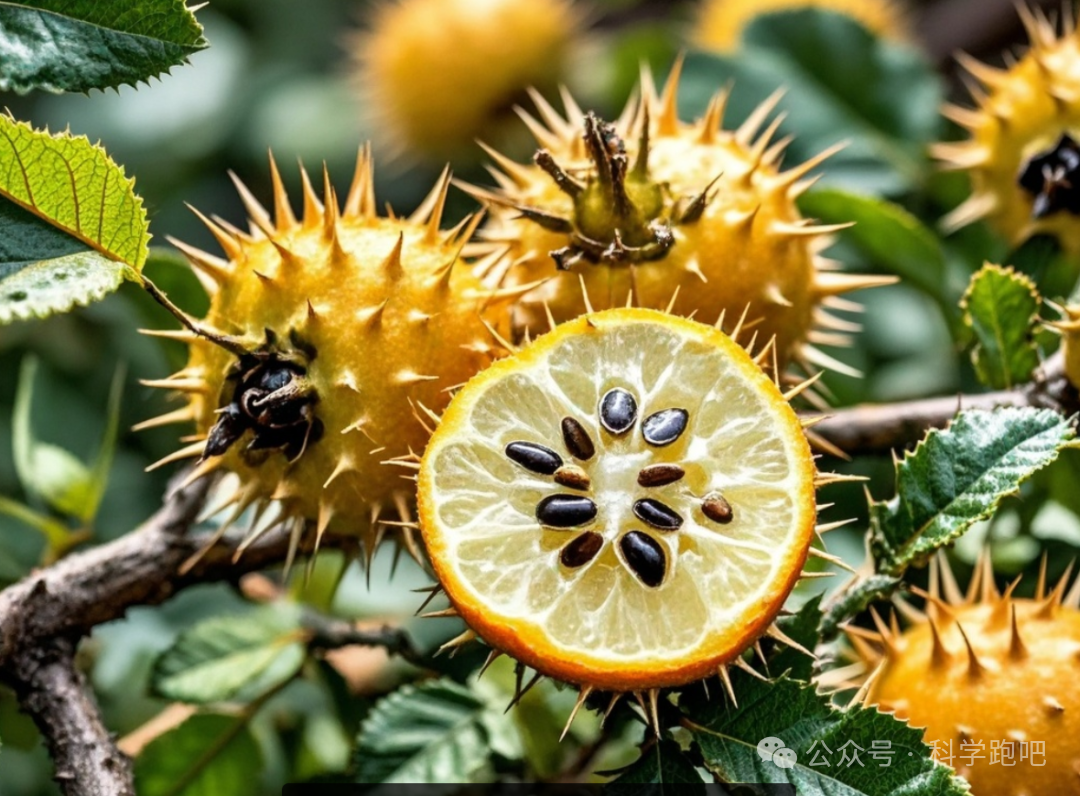
The Chinese gooseberry mainly grows in the southwestern region of China, with Guizhou’s variety being particularly famous. Even when growing in relatively barren land, the Chinese gooseberry can thrive and produce high-quality fruit. When ripe, its fruit turns golden yellow, resembling a duck pear. When peeled, the yellow-white flesh is dotted with black seeds, making it quite cute. However, the Chinese gooseberry is small, covered in sharp thorns, and has a somewhat sour taste, which is why it has not become widely popular across the country.
From a botanical classification perspective, the Chinese gooseberry belongs to the Rosaceae family and the genus Rosa. Although it is different from snow pears, duck pears, and autumn moon pears, it is still part of the larger Rosaceae family. The biggest difference between it and other Rosaceae fruits (such as apples, pears, peaches, plums, and apricots) is that the Chinese gooseberry has an unparalleled vitamin C content. Compared to apples, pears, peaches, plums, and apricots, its vitamin C content is hundreds of times higher, over 860 times that of apples; even when compared to vitamin C-rich fruits like kiwis, fresh jujubes, oranges, and lemons, the Chinese gooseberry has dozens of times more vitamin C, being 78 times that of oranges!
Therefore, if you want to intake more vitamin C for its antioxidant, anti-inflammatory, and immune system support effects, the Chinese gooseberry undoubtedly has great appeal. However, it is important to remind everyone that while vitamin C is beneficial to the human body, it should not be overly glorified. Establishing a healthy lifestyle is more important than simply supplementing a single nutrient; do not rely solely on vitamin C to prevent diseases.
The advantages of the Chinese gooseberry go beyond its high vitamin C content; it is also rich in various phytochemicals, especially flavonoids, polyphenols, and antioxidant enzymes, such as flavonols, dihydroflavonols, tannins, chlorogenic acid, quercetin, and tannic acid, as well as superoxide dismutase. Additionally, the content of triterpenoid compounds in the Chinese gooseberry is also remarkable.
It is well known that flavonoids and polyphenolic compounds have powerful antioxidant capabilities, helping to eliminate free radicals, resist inflammatory damage, and protect human cells. Furthermore, they have been shown to significantly regulate blood sugar and blood lipids, protect cardiovascular health, and help prevent atherosclerosis.
Research has found that extracts from the Chinese gooseberry significantly lower fasting blood sugar and serum insulin levels in animal experiments, improving glucose tolerance and insulin resistance. Other studies have shown that the flavonoids in the Chinese gooseberry can reduce autophagy and apoptosis in myocardial cells, helping to prevent drug-induced cardiotoxicity.
Superoxide dismutase (SOD), a well-known “antioxidant component,” has been used in food and skincare products for many years. It can quickly eliminate free radicals in the body, helping to delay cellular aging. The content of superoxide dismutase in the Chinese gooseberry is astonishingly high, with studies indicating that its content can reach 13,000 activity units per 100 grams, which is several times that of another excellent antioxidant, sea buckthorn.
Triterpenoid compounds have been proven to have anti-inflammatory, antiviral, and immune-regulating effects. The Chinese gooseberry contains triterpenoid compounds such as Chinese gooseberry glycoside, pentacyclic triterpene ester glycoside, and wild rose glycoside, with the content of Chinese gooseberry glycoside in ripe fruit reaching 441.16 mg/100 grams, which is over 30 times that of triterpenoid compounds in apples. It is no wonder that in recent years, there has been a continuous development of food products related to the Chinese gooseberry, likely due to the potential health benefits it offers.
The Chinese gooseberry is golden in color, and its carotenoid content is also significant. According to the “Chinese Food Nutrition Composition Table” (6th edition), the carotenoid content in the Chinese gooseberry is 2900 micrograms per 100 grams, which is more than three times that of pumpkin and comparable to the content in spinach (2920 micrograms per 100 grams). This makes the Chinese gooseberry an excellent food for those suffering from dry eyes, eye fatigue, and wanting to prevent dry eye syndrome and night blindness.
In conclusion, the aromatic Chinese gooseberry, although somewhat sour, has significant nutritional advantages. So, what are some ways to prepare this excellent fruit to make it more palatable?
When it comes to the Chinese gooseberry, one cannot forget Guizhou. Thanks to its unique geographical location, soil, and climate conditions, Guizhou produces higher quality Chinese gooseberries. The Chinese gooseberries here not only have richer vitamin C and other antioxidants but also come in various varieties, some of which have a moderate sweet and sour taste and can even be eaten fresh.
To promote the better development of the Chinese gooseberry industry, Guizhou has been committed to cultivating superior varieties, such as the spiny-free “thornless Chinese gooseberry” which is currently being developed.
People in Guizhou have various ways of consuming Chinese gooseberries. On the streets of Guiyang, it is common to see Chinese gooseberry juice for sale. To avoid the juice being too sour, water, sugar, honey, or other sweet fruit juices are usually added for flavor. As long as the sugar content is not too high, this Chinese gooseberry juice is worth a try. Making Chinese gooseberry into dried fruit is also a common way to eat it in Guizhou, but considering that dried fruit usually has a high sugar content, it is not recommended for frequent consumption. The Chinese have a long tradition of processing fruits into alcohol, and Chinese gooseberry wine has been passed down in Guizhou for nearly a thousand years. The fruit’s aroma blends with the fragrance of white liquor, creating popular Chinese gooseberry liquor and rice wine, which is worth a sip when traveling in Guizhou. Additionally, there is a method in Guizhou where fresh Chinese gooseberry juice is added to glutinous rice and rock sugar to make Chinese gooseberry porridge. This porridge is sweet and sour, refreshing and appetizing, making it quite popular.
Some friends may find these “ways of eating” a bit niche, and fresh Chinese gooseberries are also rarely seen in the market. In fact, we can choose to drink Chinese gooseberry dried fruit, powder, or juice concentrate mixed with water, which can increase our water intake while supplementing vitamin C.
Since the Chinese gooseberry contains a large number of other antioxidant components that can protect vitamin C, processing methods such as drying, freeze-drying, low-temperature baking, making juice concentrate, or powder will not significantly affect the vitamin C content. If the taste is a bit sour, you can also adjust it according to personal preference by adding some fruits or tea to make the drink more palatable.
Next time you feel thirsty and find plain water dull, try soaking Chinese gooseberry dried fruit in water or diluting Chinese gooseberry juice concentrate for drinking. Enjoying health while also uplifting your mood. However, regardless of which Chinese gooseberry product you choose, remember to select those with relatively clean ingredient lists, preferably sugar-free or low-sugar products!