BYD Takes the Plunge! C-Class Car Prices Plummet to 105,800 Yuan with 1354km Range – Is the Audi A6L Still Appealing?
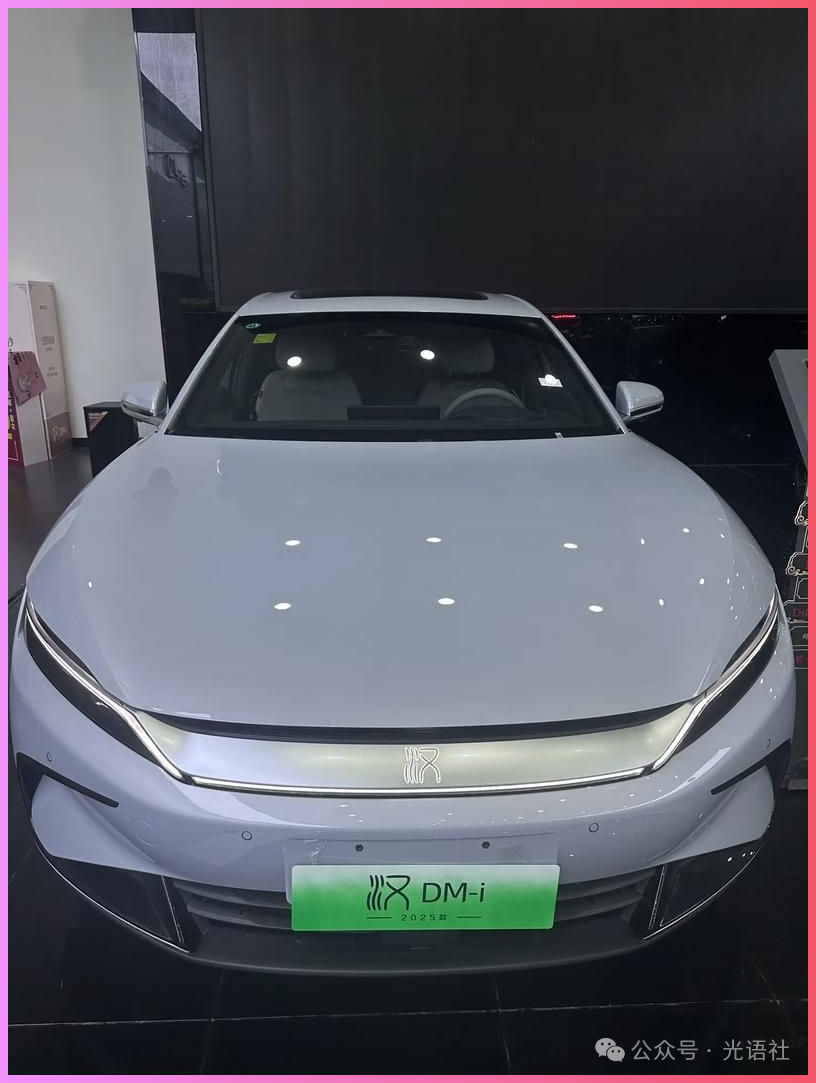
Can you buy a C-Class car for just 105,800 Yuan? Seeing this number, the first reaction is to question life: This is not a promotion, this is a price bomb. BYD has slashed the prices of some configurations of its Han series models to a breathless level, with the official/actual price range significantly dropping, and the entry price just over 100,000 Yuan has tilted the balance in the mid-range market. Compared to a few years ago when joint venture mid-range cars hovered around 300,000 Yuan, the current car market seems to have been swept by a seismic wave of “price logic”: manufacturers are no longer conservative, desperately trying to seize mindshare and market share.
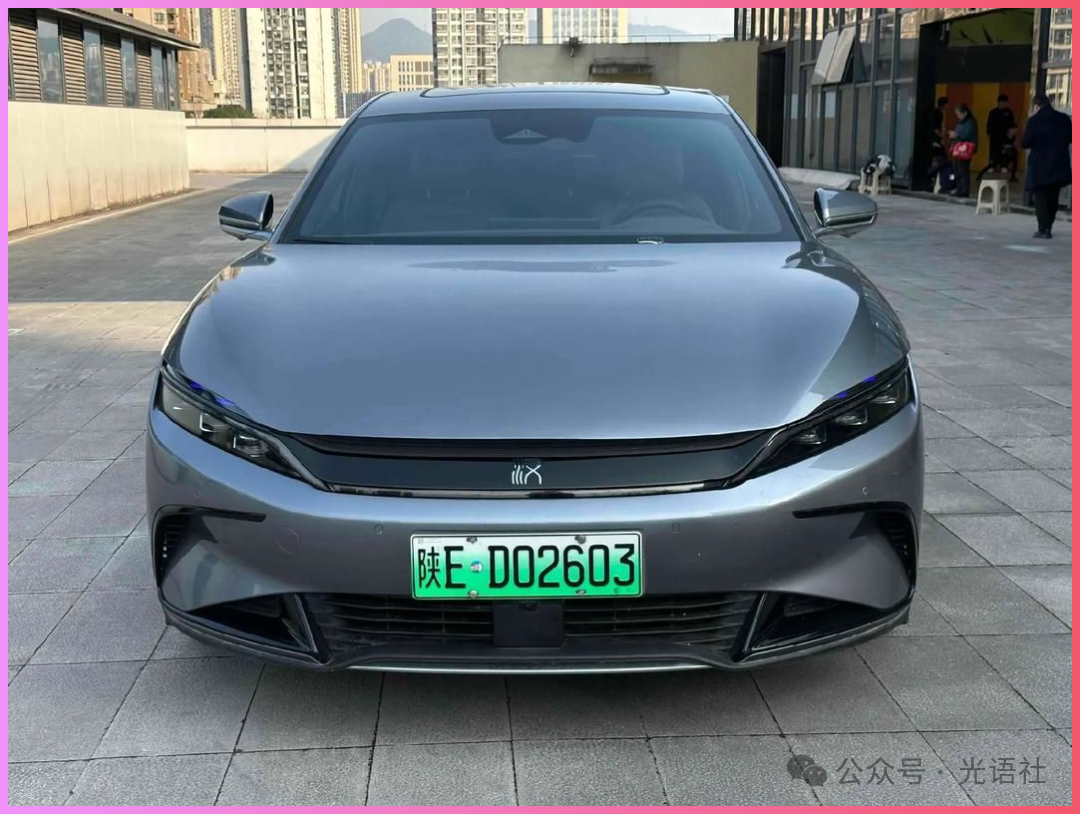
Price is just the surface; what’s even more astonishing is the range data: a comprehensive range of 1354km. Don’t think this is just a gimmick; this is the result of the optimization of plug-in hybrid and electric motor technologies: blade battery + efficient energy recovery + range extension strategy, which significantly alleviates range anxiety for urban commuting and long-distance travel. For family users who dislike waiting in charging lines but want to enjoy new energy subsidies and low operating costs, this figure is like a “worry-free car purchase package”.
However, just talking about numbers is not enough; we need to clarify what this means: when BYD refines its costs, supply chain, and electric control software to support such a “price-performance shock”, traditional luxury brands must recalculate their competitive advantages. Can the brand premium, German engineering, and interior craftsmanship of the Audi A6L still withstand the impact of the “100,000 Yuan level”? The answer is clearly not that simple.
Space and Practicality: The Foundation of C-Class Cars Remains Intact
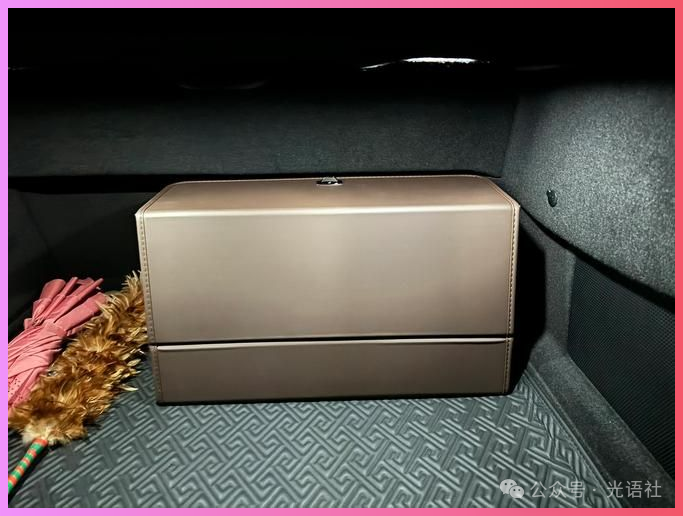
The BYD Han has a body length close to 5 meters (4980mm), with a solid wheelbase in the mid-to-high-end segment, and the rear legroom and comfort are its most valuable assets. It is suitable for carrying children, taking elders, and business trips; the trunk capacity can also meet the luggage needs for family outings on weekends. In reality, compared to luxury cars used for “face value exchange”, more families value the “truly usable” car.
In summary: BYD has turned “large family space + new energy advantages” into a quantifiable reason to buy.
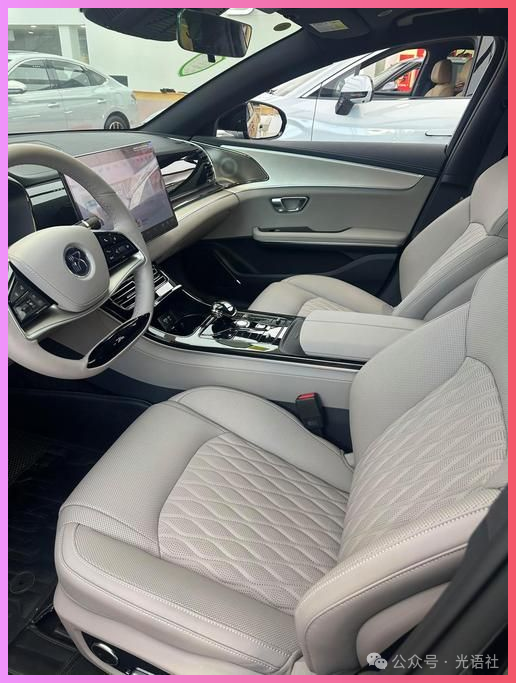
In terms of interior layout, BYD continues to follow the “technology + comfort” route: large screens, vehicle ecology, OTA upgrades, rich mobile connectivity, and in-car intelligent interaction are all key factors that young families consider when choosing a car. The extent to which you can bind users with a unified software ecosystem is often more valuable than a few pieces of genuine leather. Moreover, details such as rear entertainment, seat adjustments, and air purification significantly enhance the “family user experience”.
Power and Driving Experience: Performance is No Longer a Luxury
From the parameters, the plug-in hybrid version uses a 1.5T engine combined with an electric motor, providing a considerable total output, with a 0-100 km/h acceleration in the nearly 7-second range, which can almost achieve a response that does not lag behind a joint venture 2.0T in daily driving. The instantaneous torque from the electric motor provides a sense of acceleration, making city overtaking easy and highway lane changes more reassuring.
For most buyers, the driving experience is primarily about smoothness, quietness, and peace of mind, and the Han does these basics very solidly. Coupled with the blade battery and efficient electric control, the charging and discharging efficiency performs well among its peers, and the ability to support 6kW external discharge also provides extra value for camping and temporary power supply.
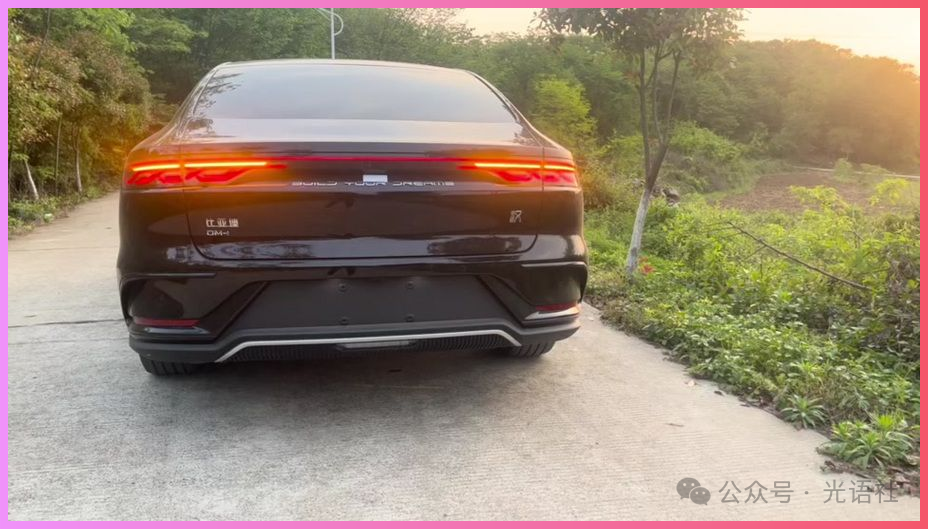
However, we must be realistic: the weight of the car and the battery layout will affect extreme handling, and users who truly pursue track-level handling will still prefer lighter, more chassis-tuned luxury performance cars. BYD’s goal is not to capture that small group of performance enthusiasts, but to cover more “essential and rational” family users.
Cost and Vehicle Economy: More Frugal than the Boss
Bringing the price down to just over 100,000 Yuan is not just a simple promotion; it is BYD’s “siege technique” achieved through scale and supply chain advantages. The cost of purchasing a car has decreased, and the daily operating costs are also more enticing: a high proportion of electric energy, fuel consumption reduced by electric assistance, and less maintenance (the maintenance of the electric motor system is far lower than that of traditional fuel engines) all make the actual ownership cost – TCO (Total Cost of Ownership) more attractive.
This means that both the car purchase threshold and the long-term ownership costs have been lowered, creating a synergy that drives more families from “waiting and watching” to “taking action”.
However, it should be noted: low prices do not mean zero risks. Taxes, insurance, charging infrastructure, charging pile installation, and regional subsidies can all lead to vastly different actual car purchasing experiences in different cities. Car purchase decisions need to be calculated based on local conditions.
Comparison with Audi A6L: Is the Face Value Worth the Price?
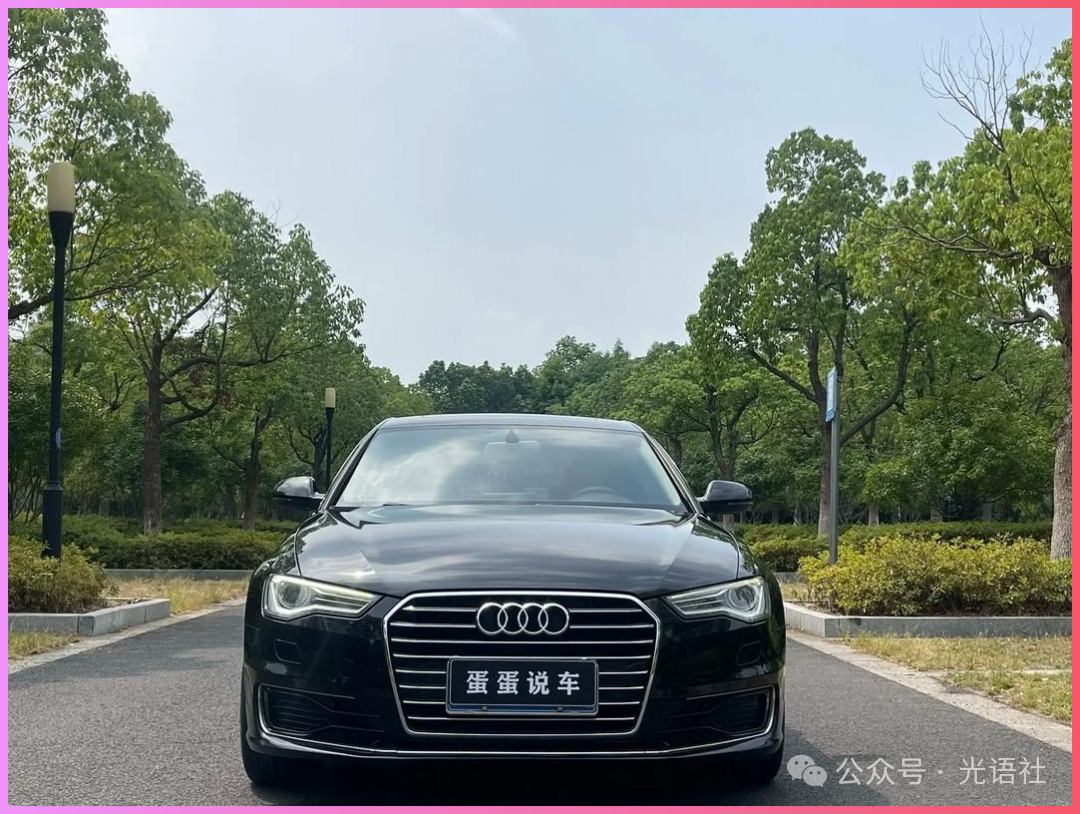
This is the most sensitive and realistic question in this scenario. The Audi A6L has long represented “reliable luxury in the eyes of the Chinese people”; its resale value, recognition in the second-hand market, and brand endorsement still hold irreplaceable value in business and reception scenarios. But when BYD turns core travel needs (space, range, intelligence) into mass-producible commodities at low prices, the “face value” sold by the A6L begins to be called into question.
- If your primary purpose for buying a car is business reception, showcasing status, or corporate procurement, the value chain of the A6L remains solid in the short term.
- If you prioritize cost-effectiveness, family practicality, and wish to minimize future electrification transition costs, the Han’s extreme cost-performance ratio is almost unbeatable.
In other words: the “emotional tax” of traditional luxury is being consumed by products that offer better cost performance and are more closely aligned with daily life.
Market Impact and Subsequent Games
BYD’s move is not an isolated “lightning war”, but a strategic bet on the entire mid-to-high-end sedan market: by combining low prices with strong functionality, it shifts consumer choices towards itself. Once the quantifiable effects become apparent, the supply side will be forced to adjust – joint venture brands may choose to maintain prices, reduce configurations, or stimulate consumption through financial solutions; luxury brands will rely more on service experience and image maintenance to stabilize customers.
In the long run, this transformation will redefine the boundaries of the mid-range car market: price-sensitive buyers will be siphoned off, leaving a more segmented and upscale luxury user group.
Car Purchase Suggestions (Practical Approach)
- Clarify the purpose: for business/reception, prioritize brand strength (A6L); for family/travel, prioritize cost-effectiveness (BYD Han).
- Budget calculation: don’t just look at the bare car price; calculate the comprehensive costs including taxes, insurance, charging piles, parking fees, etc.
- Range and charging: if charging conditions are good in the city, the Han’s electric advantages are more apparent; frequent long-distance travelers need to pay attention to the layout of fast charging networks on highways.
- Resale value estimation: luxury brands have better short-term resale value than new energy brands, but with rapid technological updates, future resale value patterns may also be reshaped.
Conclusion: The Balance of the Times is Shifting
When BYD lowers the threshold for C-Class cars to the 100,000 Yuan level, this is not just a price war, but a collision of values – what constitutes a “good car”? Is it the traditional notion of brand and face value, or is it functionality and cost that are closer to life? Perhaps the answer will split along family structures, professional identities, and urban infrastructures. What is certain is that this change has given consumers a clearer choice.
Is the Audi A6L still appealing? In many scenarios, it still is; but the degree of appeal will be gradually diminished by “cost-performance bombs” like BYD. The next question in the automotive market is not who can maintain their old position, but who can use more compelling products and services to retain users.
Would you pay for a C-Class car priced at 105,800 Yuan? Or would you continue to believe in brand and face value? Share your choices in the comments, as it may help more indecisive buyers make a decision.