This article is from Logistics Technology and Application Media
Innovations and Applications of Box Robot Order Fulfillment Solutions
This article analyzes the origin of the concept of order fulfillment, the technological development path of order fulfillment solutions in box storage systems; and combines the rapid rise of box robots over the past decade, along with the technological iterations and project cases related to HaiRobo Innovation, to provide a detailed introduction to the innovations and applications of box robot order fulfillment solutions.
Dong Ning
Shenzhen HaiRobo Innovation Technology Co., Ltd.
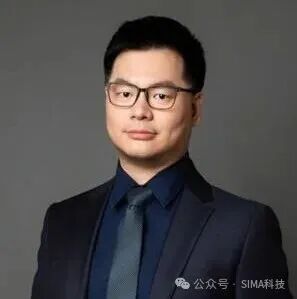 Dong NingSenior Director of Major Client Development at HaiRobo Innovation
Responsible for the development of major clients both domestically and internationally. Entered the automated warehousing industry in 2010, working for several leading international integrators, with successful cases covering e-commerce, retail, food, pharmaceuticals, clothing, automotive, and aviation industries.
Concept and Technological Development of Order Fulfillment
1. Development of the Order Fulfillment Concept
The concept of order fulfillment is closely related to the development of modern supply chain management and business practices, with its core logic traceable to several key stages:
In the early 20th century, the formation of industrial production and distribution systems laid the initial foundation for order fulfillment. The era of mass production (such as Ford’s assembly line) created a demand for product distribution, requiring companies to systematically process orders to match production and delivery. At this time, manufacturers completed order delivery through a network of distributors and retailers, but the process was fragmented and lacked a unified management concept.
From 1950 to 1980, the development of logistics and inventory management theories provided a theoretical framework for order fulfillment. Theories such as Economic Order Quantity (EOQ), optimization of inventory and order matching, and transportation and warehousing coordination emerged. Meanwhile, computer systems began to assist in order processing (such as MRP, Material Requirements Planning), achieving initial process automation.
From 1980 to 2000, the concept of Supply Chain Management (SCM) emerged, defining order fulfillment as “the full-link activities from receiving orders to delivering to customers,” covering order processing, inventory allocation, picking and packing, and logistics distribution. Driving factors included: under globalization, multinational companies needed to coordinate production and distribution across multiple locations; the rise of e-commerce giants like Amazon demanded faster delivery speeds and transparency, enhancing customer experience through stronger order fulfillment capabilities.
From 2000 to the present, the revolution in e-commerce and technology has further propelled its standardization and digitization. For example, Amazon FBA (2006) proposed “end-to-end” fulfillment services, pushing the concept towards standardization; omnichannel retail integrates online and offline order fulfillment, giving rise to models such as “local delivery” and “online ordering, offline pickup.” The rapid growth of e-commerce has forced companies to restructure their order fulfillment systems. On the technology side, the widespread application of systems like OMS/WMS/TMS has achieved digital collaboration of orders, warehouses, and transportation, while big data and AI have aided in dynamic demand forecasting, optimizing inventory layout and delivery routes.
2. Technological Development of Order Fulfillment
(1) Mechanization Stage (Mid-20th Century), during this period, equipment such as conveyor belts and forklifts were the main technological representatives, primarily replacing manual handling, while order sorting was still mainly done manually, leading to limitations such as low efficiency, high error rates, and reliance on human experience. As shown in Figure 1.
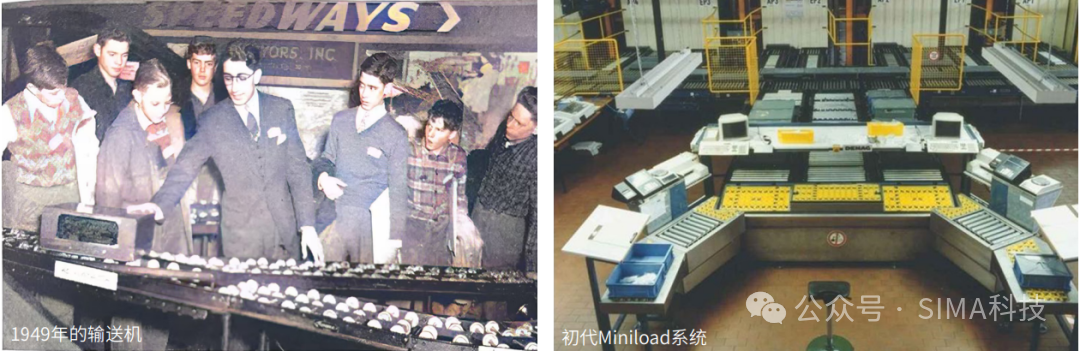
Figure 1 Early Order Fulfillment Technology
(2) Automation Stage (Around 2000), during this period, technologies such as AS/RS (Automated Storage and Retrieval Systems), Miniload, multi-layer shuttle vehicles, AutoStore, fixed sorting machines, and WMS (Warehouse Management Systems) developed, gradually digitizing inventory management and improving order processing speed, though flexibility remained insufficient.
(3) Intelligent Stage (2010 to Present), traditional logistics automation technologies have been more widely applied, with new technologies such as AGV/AMR, AI scheduling algorithms, machine vision, and IoT sensors continuously developing, further enhancing order fulfillment capabilities. For example, dynamic path planning through AI technology can optimize robot picking paths in real-time, improving efficiency by 30% to 50%; the “goods-to-person” system represented by Kiva can reduce manual movement, achieving picking efficiency of over 1000 items/hour; digital twins can simulate and rehearse strategies for handling order peaks (such as JD.com’s “Asia No. 1” warehouse), ushering order fulfillment into a new stage.
(4) Flexibility and Collaboration (Current Trend), this stage of order fulfillment technology mainly exhibits several characteristics, including cloud warehouse networks: achieving local fulfillment through cloud-based scheduling of cross-warehouse orders (such as Cainiao); modular design: scalable automation modules adapting to business fluctuations (such as Swisslog’s Click&Pick system); horizontal & vertical collaboration: AMR horizontal operation + vertical collaboration in shelving areas (such as HaiRobo Innovation’s HaiPick System 3), etc.
Technological Iteration of HaiRobo Innovation’s Order Fulfillment Solutions
The emergence of Kiva robots has brought disruptive innovation to box-based automation solutions, and the AMR and basket-style robots that have been iteratively upgraded based on this have further enriched box order fulfillment solutions. Statistics show that the global shipment volume of AMRs has seen explosive growth in recent years, with a compound annual growth rate exceeding 55%. As shown in Figure 3.
As a representative in the field of box robots, HaiRobo Innovation began researching and developing box robot technology in 2015, continuously developing and iterating around scenarios of box storage and order picking, subsequently releasing classic “goods-to-person” automated picking solutions HaiPick System 1, ultra-mixed storage picking solutions HaiPick System 2, and ultra-high-density intelligent picking new mode HaiPick System 3 (commonly known as the “big and small car” solution), as well as the latest generation consisting of a single model, the HaiPick Climb system (as shown in Figure 2).
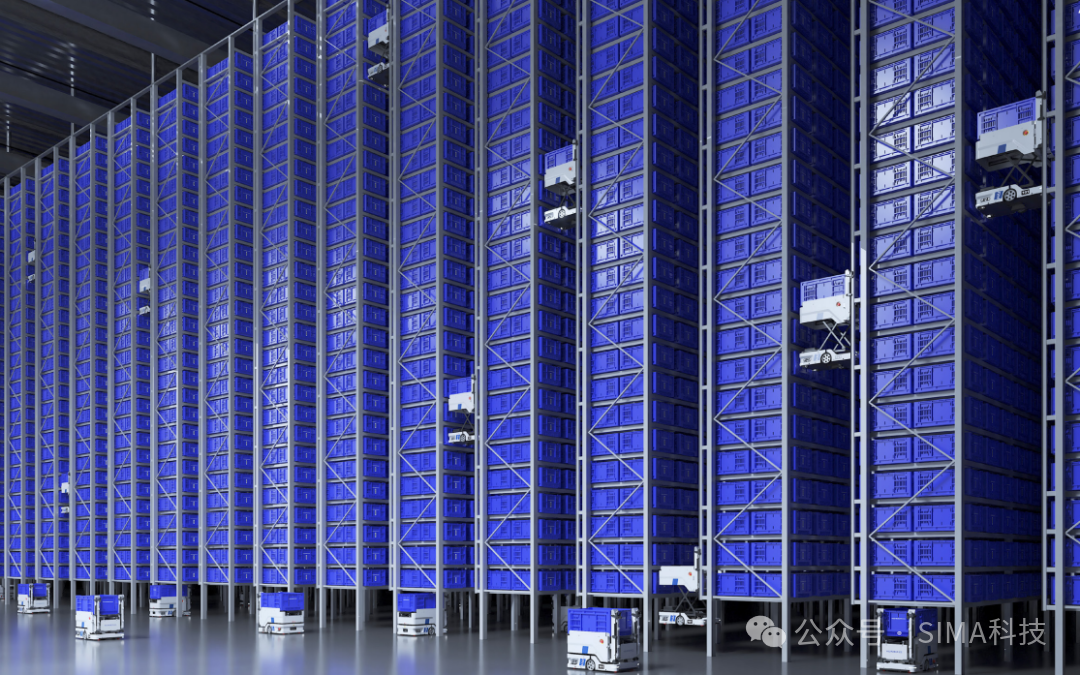
Figure 2 HaiRobo Innovation Climb System
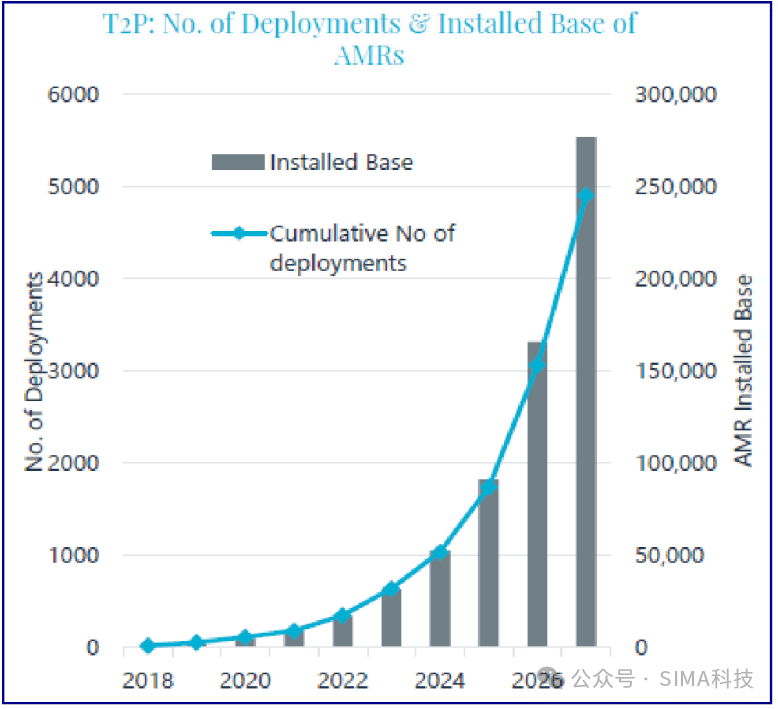
Figure 3 Recent Global Market Applications of AMRs
Among them, HaiPick System 1 is aimed at mixed picking of carton boxes and various box specifications or customized needs; HaiPick System 2 can achieve storage and one-stop picking of large, medium, and small items in the same area, transforming product storage from separate to shared inventory, enhancing vertical space utilization in shelving areas, reducing overall warehouse area, and eliminating the need for secondary consolidation; HaiPick System 3 supports 1-3 deep deployment with two types of robots—box storage robots (ACR) and high-speed stealth lifting robots (AMR) K50, achieving a maximum height of 12 meters for picking, with up to 48 boxes stored per square meter, efficiently completing inbound, outbound, inventory, and sorting operations; the HaiPick Climb system, equipped with a single type of climbing robot, climbs along a single-sided guide rail of the shelf (vertical climbing speed of 1 meter/second), allowing the robot to freely navigate at the bottom of the shelf (fastest at 4 meters/second), taking the shortest and optimal path back and forth between the shelf and picking station. Compared to the previous generation, the Climb system upgrades from ground walking to three-dimensional space walking and handling. By eliminating the issue of timing matching between different devices, it significantly improves single-machine operating efficiency and accuracy of operation time estimates, better balancing tasks between different workstations, further enhancing overall warehouse operational efficiency, with orders able to be shipped in as little as 2 minutes. Additionally, the new generation of solutions fully considers reducing carbon emissions and the convenience of warehouse relocation.
Typical Applications of Box Robot Order Fulfillment Technology
1. Efficient and Agile Order Fulfillment Systems Become a Necessity
After the COVID-19 pandemic, overseas users’ demand for online shopping has increased. Although compared to China’s rapid and mature e-commerce development, the e-commerce penetration rate in developed countries overseas still has room for growth, more and more overseas companies are realizing the importance of agile order fulfillment systems. For example, well-known outdoor brand NEPA from South Korea and the national treasure brand Desigual from Spain often need to establish new operational centers to achieve cost reduction and efficiency improvement. Their needs are specifically reflected in two aspects: merging old warehouses into new ones and creating an agile fulfillment system for omnichannel orders.
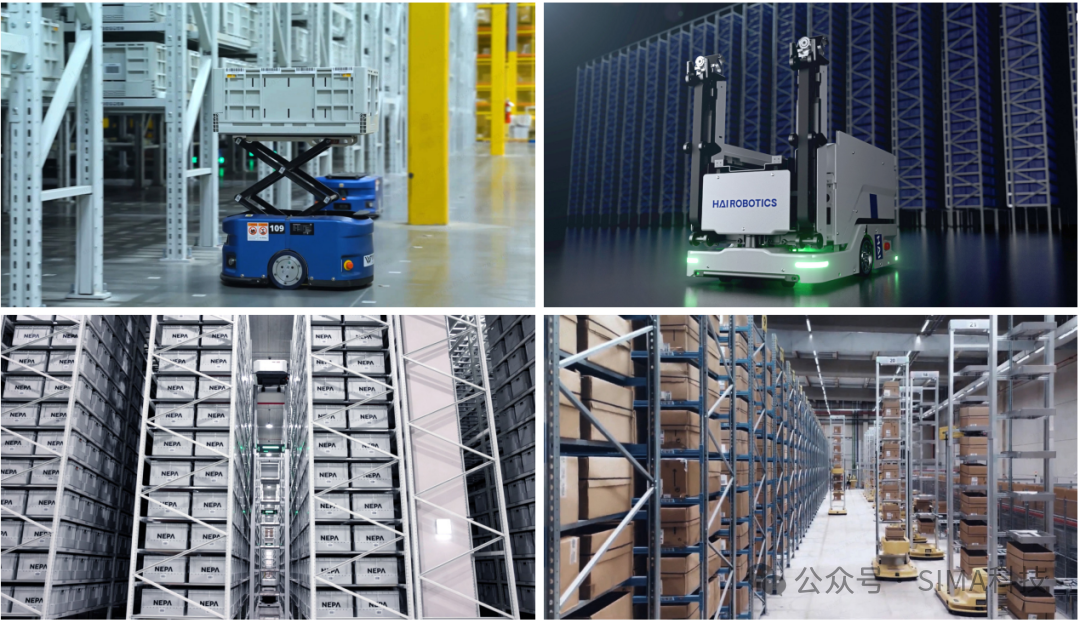
Figure 4 Box Robot Application Site
In terms of warehouse integration, inventory of footwear and apparel companies is often scattered across different warehouses, leading to time-consuming and labor-intensive transportation scheduling between warehouses, redundant equipment within warehouses, increased warehouse rental costs, and rising labor and operational costs. On the other hand, with the increase in consumer purchasing channels, brands need to provide convenience for consumers’ shopping, selection, and return processes to enhance the consumer experience.
In addition to meeting the shipping, return, and restocking needs of offline stores, online channels (such as brand independent sites, e-commerce platforms, and online ordering systems of supermarkets) also create fragmented order demands. There is a need to integrate B2B and B2C, that is, to consolidate store orders and individual consumer orders into one inventory to respond agilely to the challenges of omnichannel retail.
2. Typical Cases
(1) European Fashion Giant Desigual Project
The Desigual automated project at the Biladkans distribution center needs to consider both B2B store distribution and the fragmented order shipping needs of B2C under omnichannel retail. Therefore, it faces two major pain points: previously having two warehouses managed separately, leading to redundant equipment, resource waste, and rising costs; the pallet rack system previously used was not flexible enough, and management was too rough, making it difficult to perform operations such as shelving, sorting, and store replenishment based on product series and sizes.
After introducing HaiRobo HaiPick System 1, through box-level storage, density enhancement, direct access to cartons, and fully automated system operations, it not only effectively resolved pain points, reduced redundant equipment and space utilization but also eliminated the process of changing cartons to boxes, significantly improving overall efficiency. 25 HaiPick A42 units paired with 5 workstations achieved efficient automated operations, with a picking accuracy of 99.99%; throughput reached 650 boxes/hour, with an average daily shipment of up to 30,000 items, resulting in an overall operational efficiency improvement of 3 to 4 times, facilitating store replenishment and better addressing the logistics challenges posed by omnichannel retail. Additionally, HaiRobo’s HaiPick System is highly integrated with Desigual’s existing WAMAS warehouse management system, ensuring seamless links and efficient operations between systems, effectively improving order processing efficiency.
(2) NEPA Comprehensive Logistics Center Project in South Korea
The NEPA Comprehensive Logistics Center mainly faces the following pain points: first, using pallets and manual racks to store goods. Due to human height limitations, heights above 2 meters in the warehouse cannot be effectively utilized, necessitating optimization of the existing storage model to enhance storage density; second, the original warehouse picking workload was too high, making it difficult to recruit workers, leading to rising labor operating costs and training costs; third, NEPA has two separate warehouses in South Korea, with a travel time of about 2 hours between them, which is not conducive to unified inventory scheduling management, resulting in unnecessary transportation and operational costs. Additionally, the old warehousing system lacked transparency and accuracy in inventory information, failing to reflect market changes in a timely manner.
In response, HaiRobo Innovation partnered with Bowoo System to deploy HaiPick System 3 (big and small car solution) at this logistics center.
In terms of space utilization and storage density, HaiRobo Innovation planned over 130,000 storage locations for NEPA within a storage area of 9,300 square meters, with boxes stored in double-deep positions with zero spacing, and shelf heights reaching 7.2 meters and 8.7 meters, ultimately achieving storage of 2.9 million items.
To address labor intensity and human costs, HaiPick System 3 set up 8 outbound workstations and 6 human-machine direct picking workstations for B2B and B2C operations, standardizing and streamlining the picking work, thereby effectively reducing labor operating costs.
In terms of information management, leveraging the HaiQ smart warehouse management platform, NEPA’s operational information can be centrally visualized and managed, allowing operators to easily understand the overall warehouse operation status, timely prevent issues such as inventory shortages and stockouts, and achieve precise system management of outbound, inbound, inventory, and sorting.
Through comprehensive upgrades in space, labor, and management dimensions, efficiently handling orders from stores, distributors, and official websites, this project achieved inbound of 4,000 boxes/day, B2B outbound of 60,000 items/day, and B2C outbound of 6,000 items/day, effectively enhancing NEPA’s order fulfillment competitiveness in the fashion sector.
(3) Wanyitong Intelligent Overseas Warehouse Project Case
In 2024, the global e-commerce market is expected to reach a new high, with sales soaring to $6.3 trillion, a year-on-year increase of 8.76%. However, behind the growth in corporate revenue, average operating costs have risen by 15%, with logistics and compliance costs accounting for over 40%. Especially in the field of overseas small-item warehousing, facing multiple challenges such as complex business scenarios, strict cost control, and high efficiency requirements. Traditional manual warehouse models do not match the current demand for efficiency and agility, restricting corporate development and transformation.
Focusing on overseas warehouses for over 10 years, Wanyitong understands the urgent need for cross-border sellers for high storage capacity, high outbound efficiency, and low-cost operations. Therefore, Wanyitong has deeply cooperated with HaiRobo Innovation to create intelligent overseas warehouses. In Los Angeles, USA, HaiRobo Innovation provided Wanyitong with the HaiPick System 3 big and small car solution, with a total of 52,000 storage locations in a 1,600 square meter warehouse, achieving a storage density of 31.5 boxes/square meter. Through the collaboration of 30 box storage robots and 55 high-speed stealth lifting robots K50, efficient completion of inbound, outbound, inventory, and sorting operations is achieved, enabling precise picking and storage of millions of SKU products.
Outlook on the Future of Box Robot Order Fulfillment Technology
In the future, the deep integration of AMR and robotic arms, along with the vigorous development of humanoid robots, will bring more possibilities for box robot order fulfillment technology.
The combination of AMR and robotic arms further upgrades “goods-to-person” to “goods-to-robot arm/machine,” achieving full automation of picking processes in certain scenarios, while also raising higher requirements for related technologies, including: (1) intelligent collaborative navigation and operation: including 3D semantic SLAM and group collaboration, robotic arm follow control, etc.; (2) breakthroughs in perception and decision-making technologies: including tactile-visual collaboration and acoustic positioning, digital twin rehearsals, and reinforcement learning optimization; (3) hardware innovation and modular design: including lightweight robotic arms, energy and drive optimization; (4) standardization and safety systems: including unified communication protocols, human-machine collaboration safety, etc.
Although humanoid robots still face significant challenges in terms of cost and power consumption, with the rapid iteration of AI technology and a large influx of capital, especially with companies like Tesla and Agility Robotics gradually achieving breakthroughs in complex scenario handling and flexible loading and unloading operations, their development prospects remain very optimistic.
📢 Follow the official SIMA WeChat account
Stay tuned for more cutting-edge information and case stories aboutSmart Warehousing · Intelligent Production · Spatial Logistics · AI Automation.