Click the blue text to follow us

The PLC control cabinet effectively acquires and sends signals through input and output modules, forming a complete automation control system. After the input signals are converted into digital signals, they are processed in real-time by the CPU, which outputs signals based on different control logic to control various devices. Let’s follow the editor of Qifeng to understand how the signal inputs and outputs of the PLC control cabinet work?
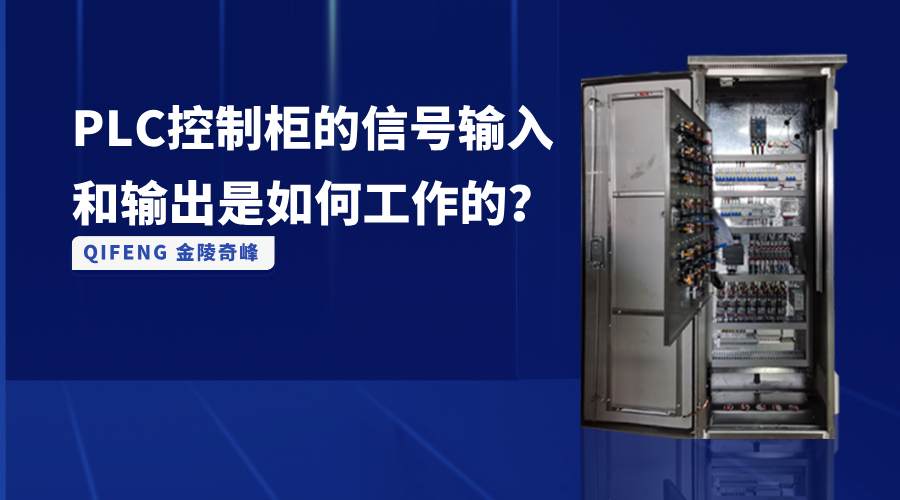 How do the signal inputs and outputs of the PLC control cabinet work?
1. Signal Input
1.1 Input Signal Types
The input signals of the PLC control cabinet are typically divided into two categories: digital signals and analog signals. Digital signals, such as the on/off states of switches and sensors (high/low), are usually input in the form of 0 or 1. Analog signals, such as temperature, pressure, and flow, are continuously varying signals, typically input in the form of voltage or current.
1.2 Signal Acquisition
The input signals are first acquired by the input module. The PLC control cabinet is usually equipped with different types of input modules to handle various types of input signals. When a sensor or switch emits a signal, the input module converts these physical signals into digital signals that the PLC can recognize and transmits them to the PLC’s processing unit (CPU).
1.3 Data Processing
Once the input signals are acquired, the PLC’s CPU processes the received signals according to the pre-programmed logic. The PLC program determines the state of the signals and makes corresponding control decisions based on the set logical conditions.
2. Signal Output
2.1 Output Signal Types
Signal outputs can also be divided into digital outputs and analog outputs. Digital outputs can be used to control devices such as switches and relays, while analog outputs are used to control devices that require continuous control, such as electric valves and frequency converters.
2.2 Signal Transmission
After the logical processing by the CPU, the program determines the state of the output signal and sends instructions to the output module. Upon receiving the instructions, the output module sends the corresponding output signals to the target devices based on the programming conditions.
2.3 Control and Execution
The output signals can directly control various external devices, such as starting or stopping motors, adjusting valve openings, or resolving alarm signals. Through reliable output control, the PLC can effectively achieve automated management of mechanical equipment and production processes.
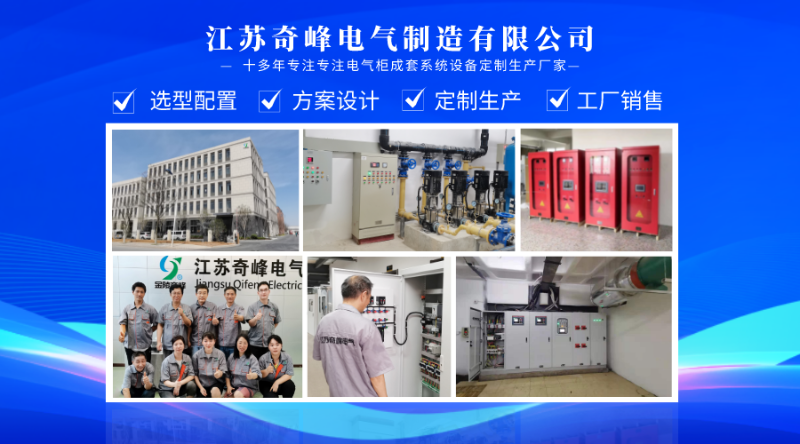 Jiangsu Qifeng Electric Manufacturing Co., Ltd. is located in the Guli Industrial Park, Jiangning District, Nanjing, Jiangsu Province, and has been dedicated to providing PLC control cabinet technical consulting for 16 years. The company will further improve its operational management system, integrating new product development, design solutions, manufacturing, inspection, warranty, marketing, and after-sales service, and establish a scientific research, sound, standardized, and efficient corporate operation system.
If you are interested in our PLC control cabinets or want to learn more detailed information, please click on our online customer service to consult with our technicians, or directly call our technicians for consultation. We look forward to your call!

Unauthorized copying, reproduction, excerpting, or modification is an infringement of copyright, and violators will be prosecuted!