Recently, the hottest tool in the AI community is undoubtedly Nano Banana. As the image engine behind Google Gemini 2.5 Flash, it has made “editing images with your mouth” a reality, allowing ordinary people to easily achieve effects that previously only professional designers could accomplish. To be honest, after playing with it for two days, I believe this tool could really change the way we handle images.
1. From 2D to 3D: Create Figurines at Home
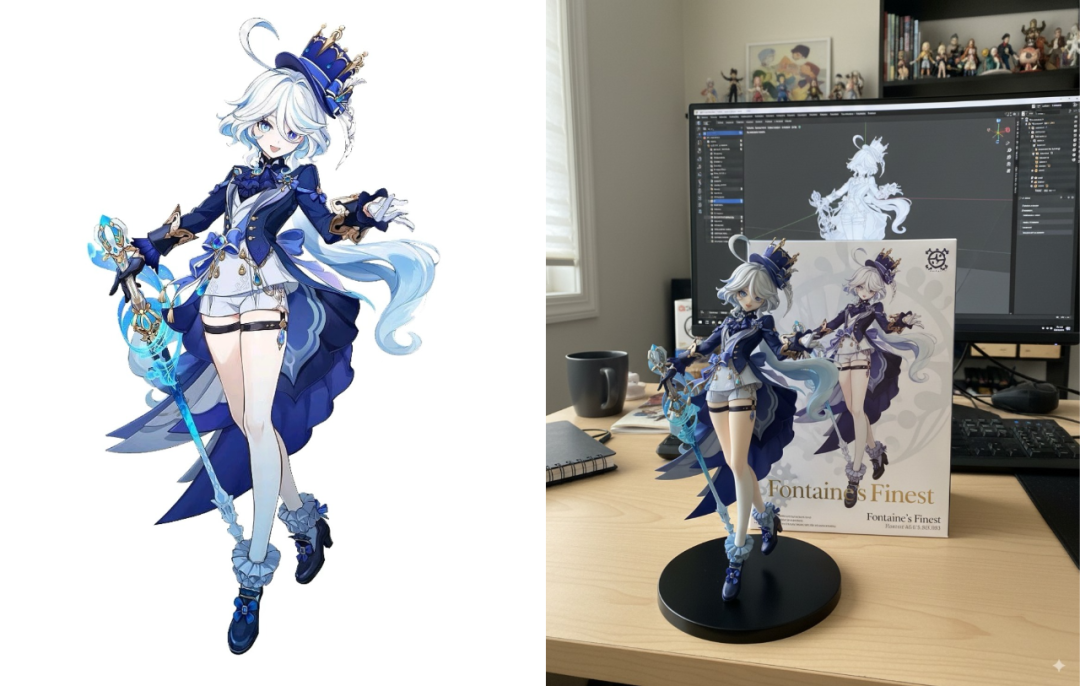
What amazed me the most is its ability to create virtual figurines. With just one illustration, Nano Banana can generate a 1/7 scale figurine render, complete with the modeling process and packaging design clearly laid out.
Take a look at this example of a Funnina figurine; on the left is the 2D illustration, and on the right is the generated 3D figurine placed on a computer desk, with the ZBrush modeling process displayed on the screen, capturing every detail:
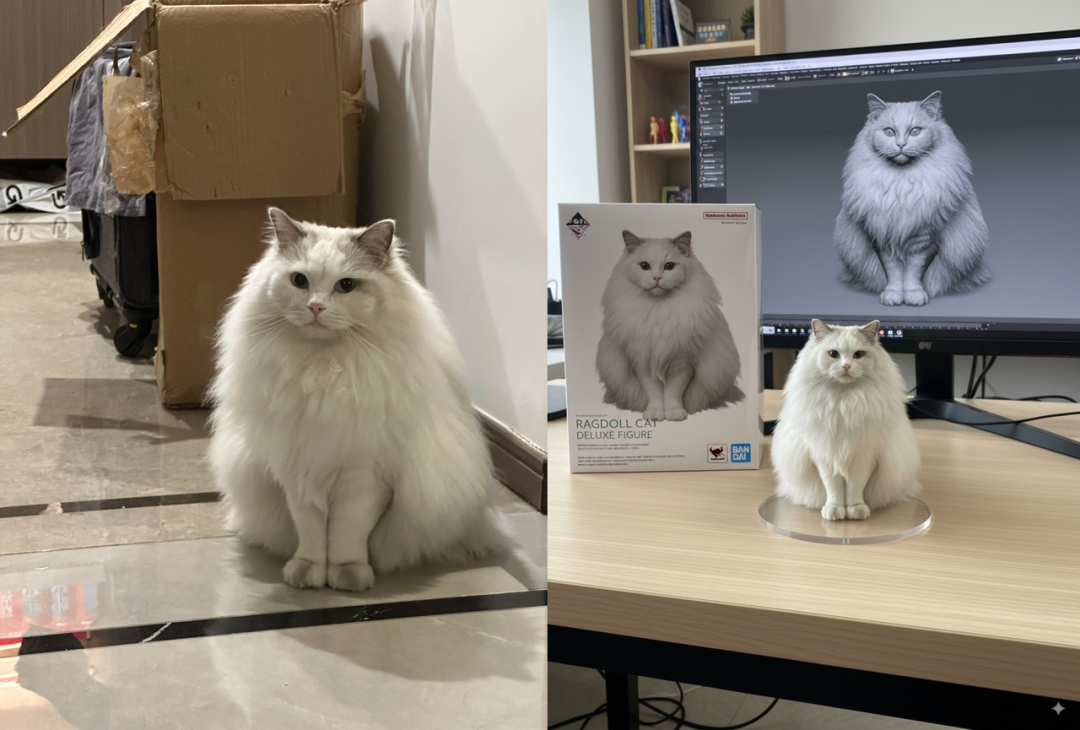
Even more impressive is this white cat example, where even the cat’s dirty paws are accurately rendered, showcasing an impressive level of detail:
2. Cosplay Tool: Transform a Photo into an Anime Character Instantly
A blessing for anime enthusiasts. Simply upload your photo and the character image you want to cosplay, and Nano Banana can combine the two to generate an astonishing cosplay photo.
I tested it with a regular female photo and an illustration of Jinx, using the prompt: “Make the character in image one cosplay the character in image two, with clothing, makeup, and props consistent with image two.” The results are as follows:
Original Material: 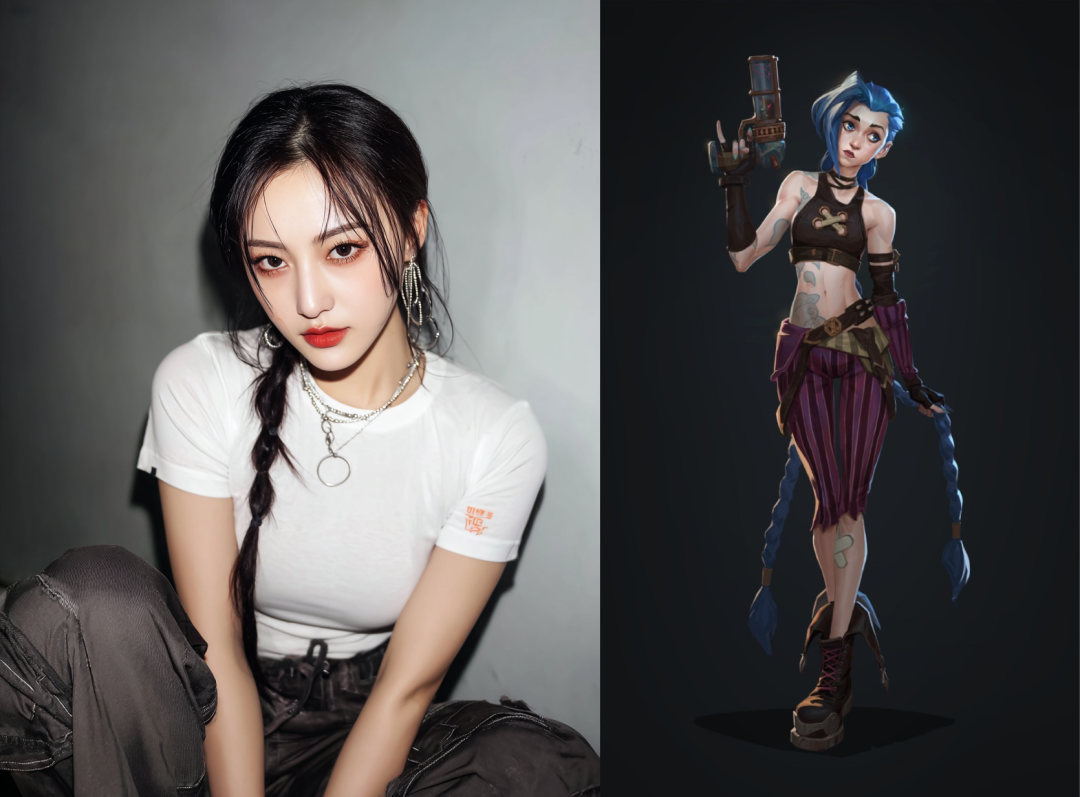
Generated Effect: 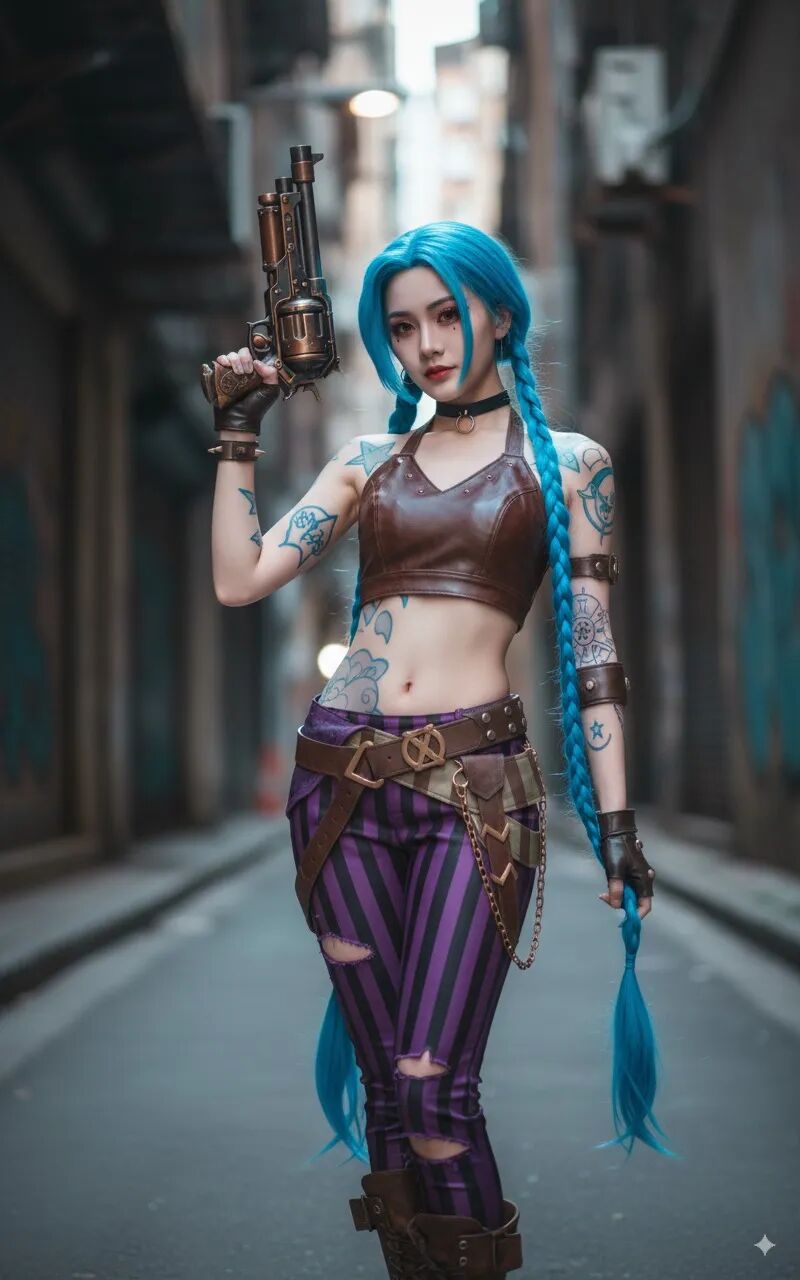
Although it is not a 100% match, the overall style and details are quite accurate, and the texture of the clothing is also good. For non-professional cosplayers, this is sufficient for creating social media content.
3. A Savior for Amateur Artists: Stick Figures Can Also Achieve Professional Poses
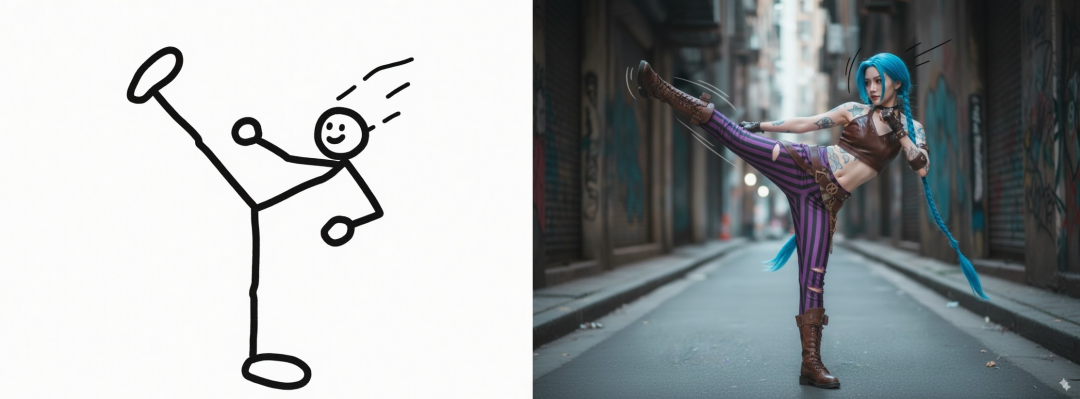
Nano Banana’s understanding of movement is astonishing. Even if you draw a stick figure, it can accurately capture the essence of the movement and apply it to the target character.
For example, this simple stick figure pose:
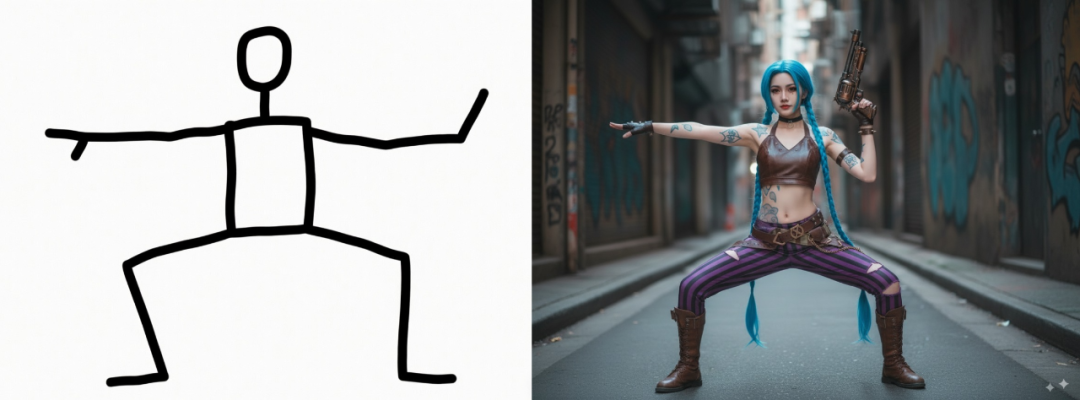
Nano Banana not only accurately reproduces the movement but also adds anime-style speed lines around the character, enhancing the dynamic feel of the image. More complex dynamic poses are also no challenge for it:
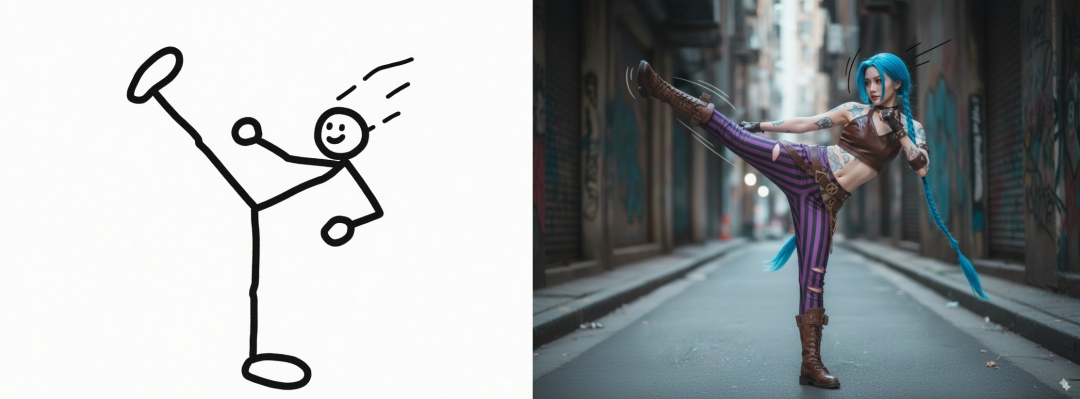
Even with a complex lying pose, it can perfectly understand and present a state of fatigue:
This feature is incredibly friendly for content creators, eliminating the need to search for reference images; you can simply sketch a rough idea to generate the desired pose.
4. Engineer’s Perspective: One-Click Generation of Product Internal Structure Diagrams
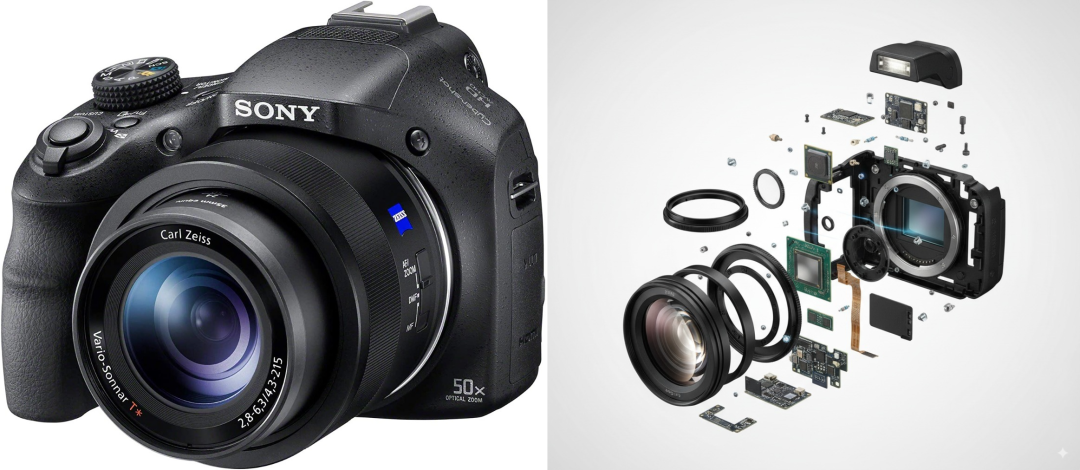
As a programmer, I particularly appreciate its ability to generate product breakdown diagrams. With just a product photo, Nano Banana can create an ultra-detailed exploded view diagram, showcasing internal structures and components.
For example, this breakdown diagram of a Sony camera clearly shows the details of metal parts and electronic components:
Even more complex mechanical structures like cars are no problem:
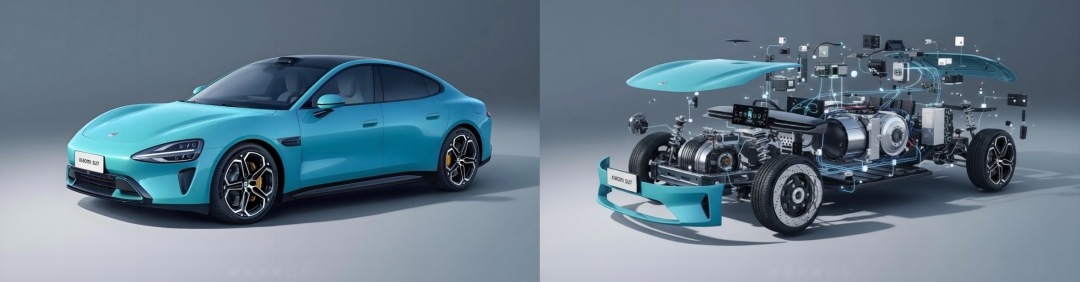
The prompt is also very simple: “Ultra-detailed exploded view of a product, metallic parts and electronic components floating in mid-air…” After generation, combined with video tools, it can even create dynamic breakdown animations, giving a high-tech feel.
5. A Designer’s Best Helper: Seamless Line Art Coloring
Nano Banana also excels in line art processing and coloring. Whether converting a colored image to line art or coloring line art based on a color palette, the results are very professional.
Check out this line art conversion effect, where even the details of the headphones and clothing are well preserved:
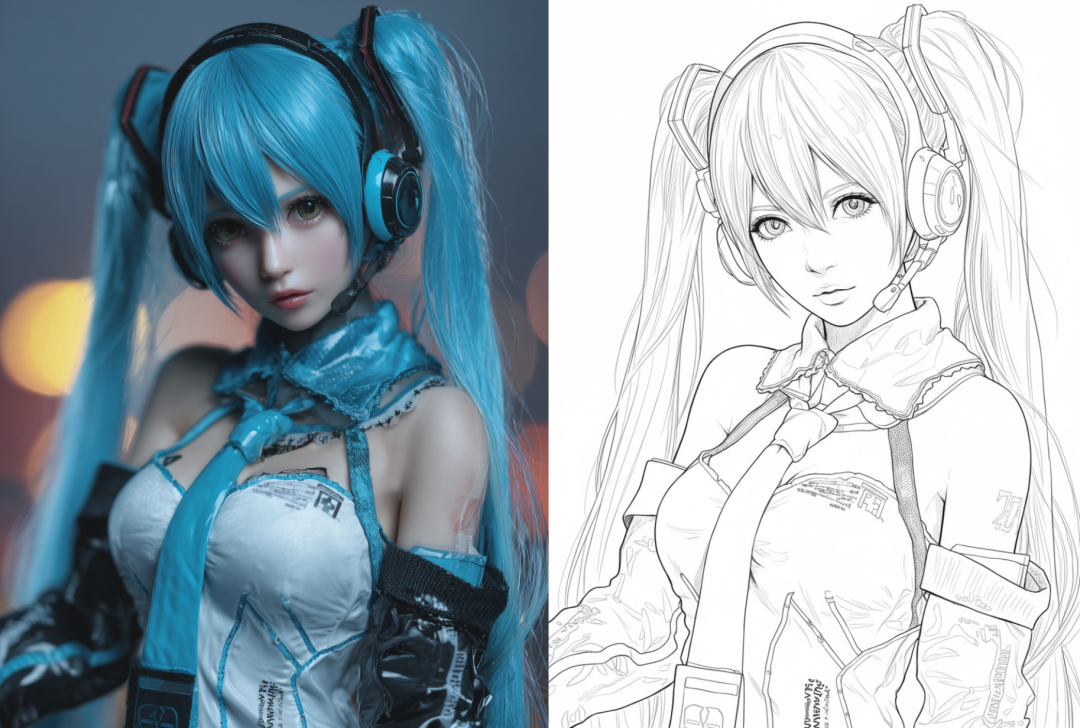
The coloring function is even more impressive; give it a line art and a color palette, and it can generate professional-level coloring effects. The coloring of this mechanical-style female character clearly distinguishes between metallic textures and fabric patterns:
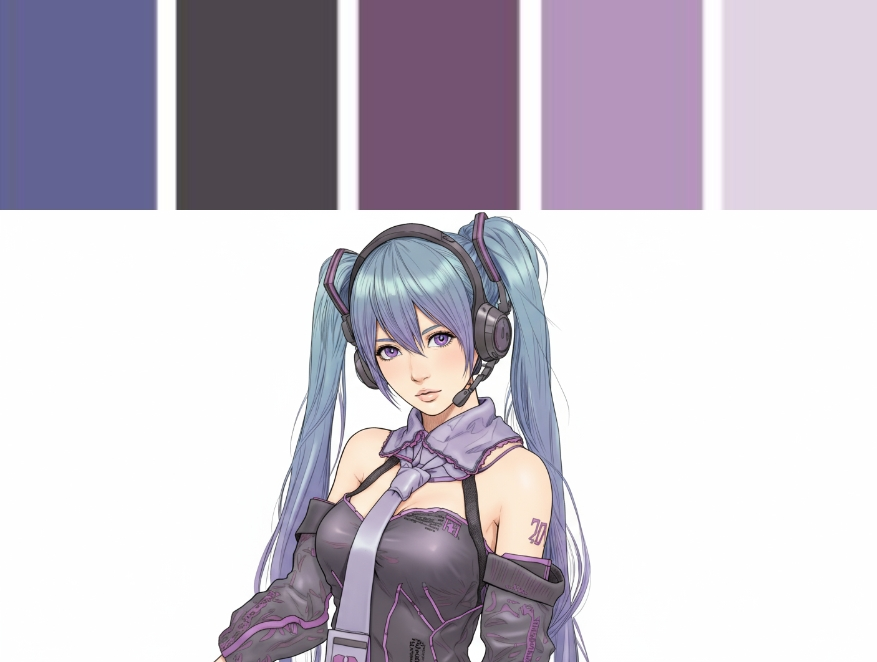
6. A Benefit for Game Developers: Quickly Generate Game UI Interfaces
If you are an indie game developer, Nano Banana can help you quickly generate game UI prototypes. Whether it’s RPG style:
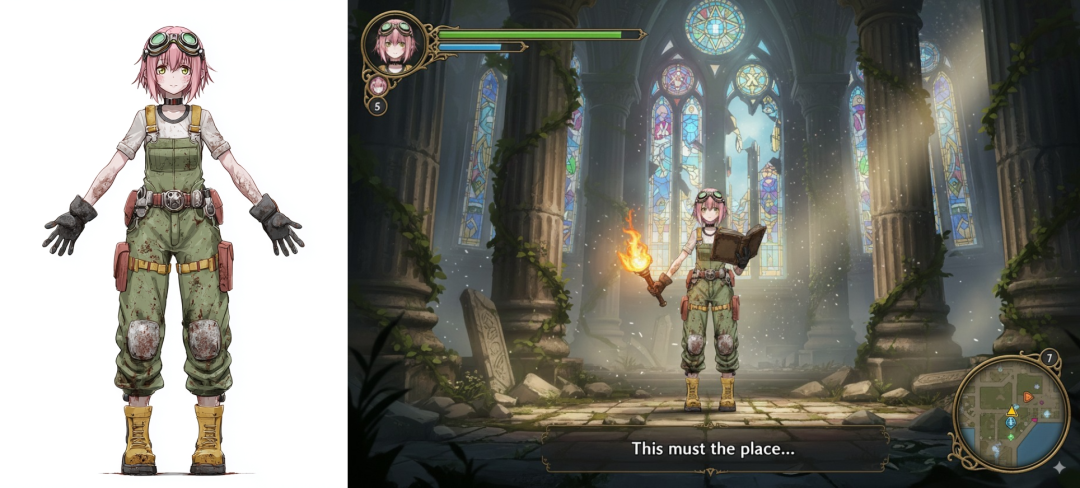
Or visual novel style:
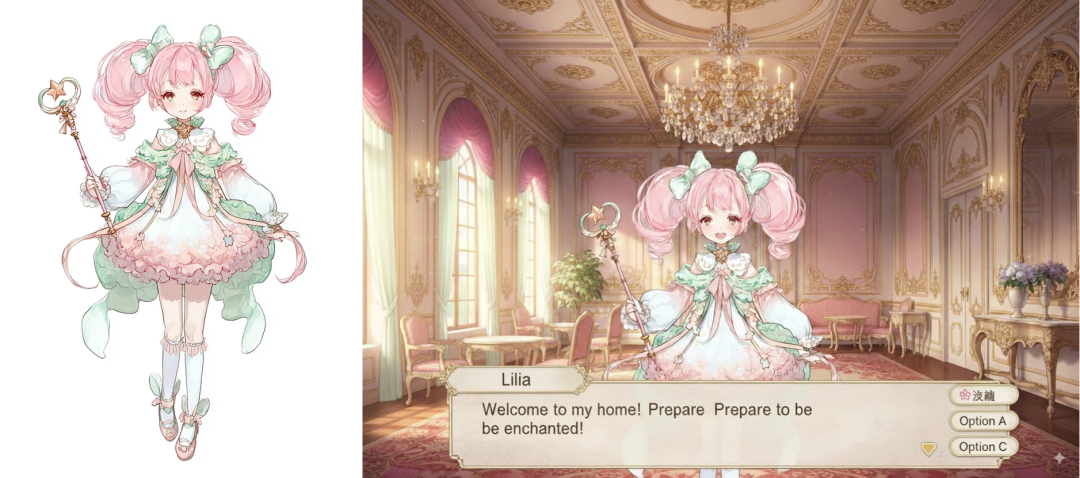
It can generate all elements with one click, including character illustrations, scenes, dialogue boxes, etc. Although the text part still needs manual modification, it significantly reduces the initial design workload.
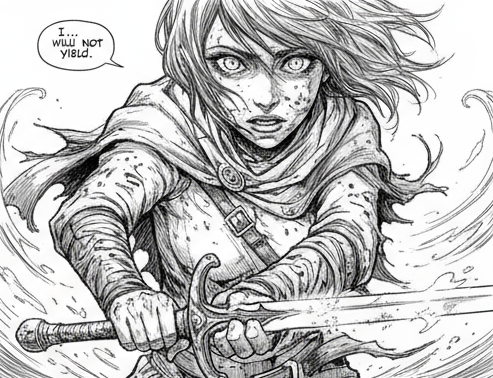
7. A Must-Have for Content Creators: Easily Create Comic Storyboards
Want to make a comic but can’t draw? Nano Banana can help you turn your ideas into comic storyboards. Single-panel comics:
Or a complete nine-panel comic story:
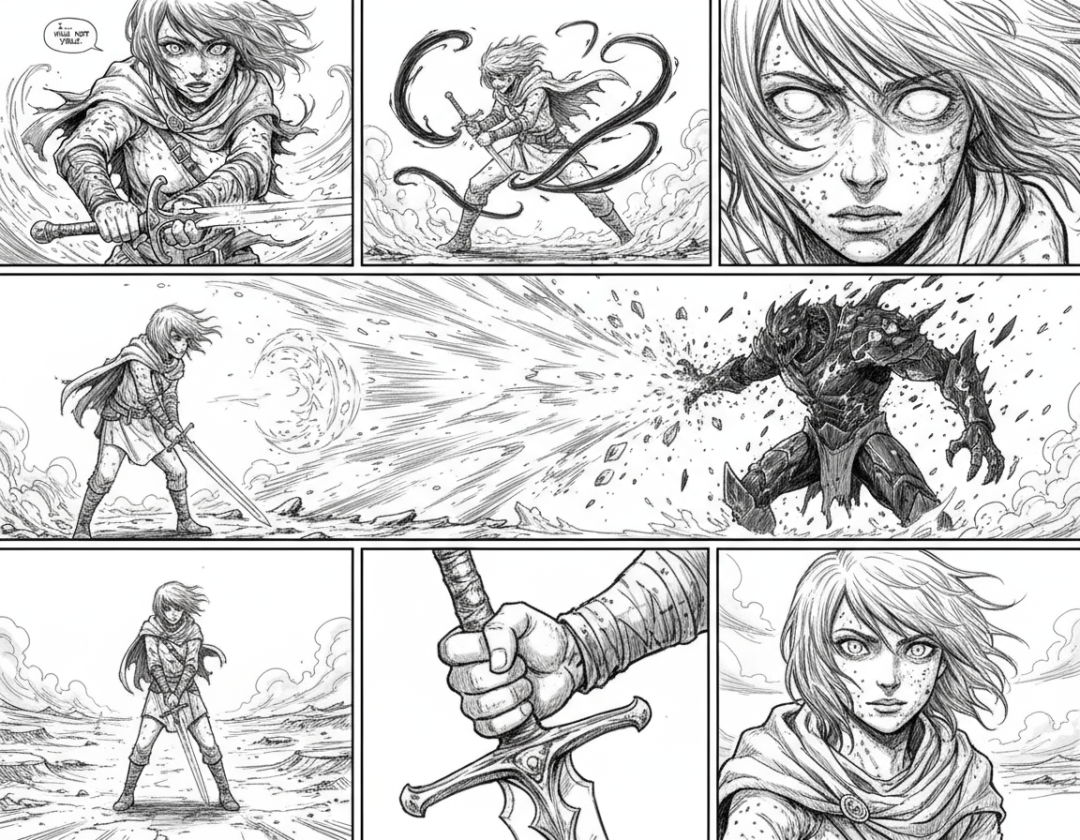
It can even understand flashback narrative techniques, using black-and-white images to depict memory scenes, showcasing impressive narrative ability.
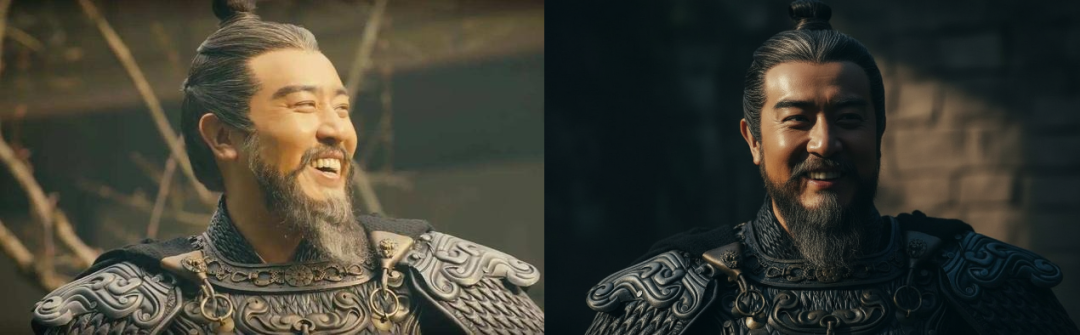
8. Photography Post-Processing: Professional-Level Light and Scene Adjustments
Nano Banana’s image editing capabilities far exceed simple filters. It can precisely adjust portrait lighting to create different atmospheres:
It can also change the entire scene’s environment, such as transforming a cloudy ancient building into a beautiful sunset view:
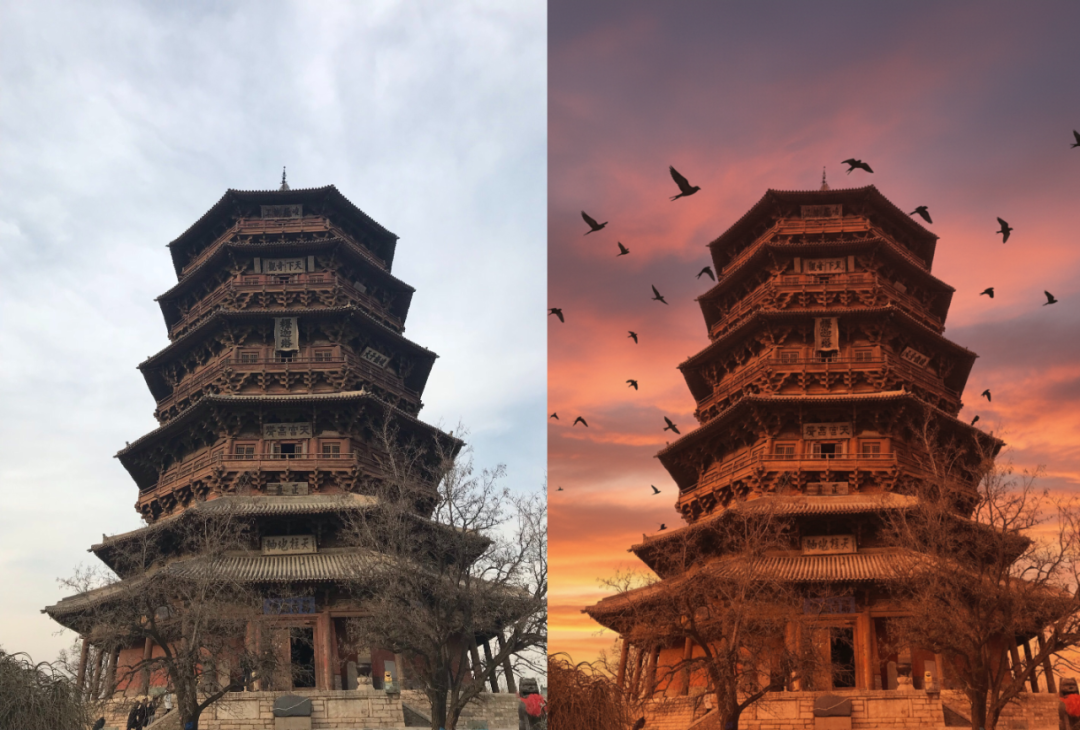
The details are handled very naturally, and the addition of birds and sunset enhances the overall atmosphere of the image.
9. A Boon for E-commerce Sellers: Quickly Create Product Promotional Images
For e-commerce practitioners, Nano Banana is an efficiency tool. Want to see how a duvet with the LV monogram pattern looks? Just one sentence:

Or create a lipstick advertisement poster:
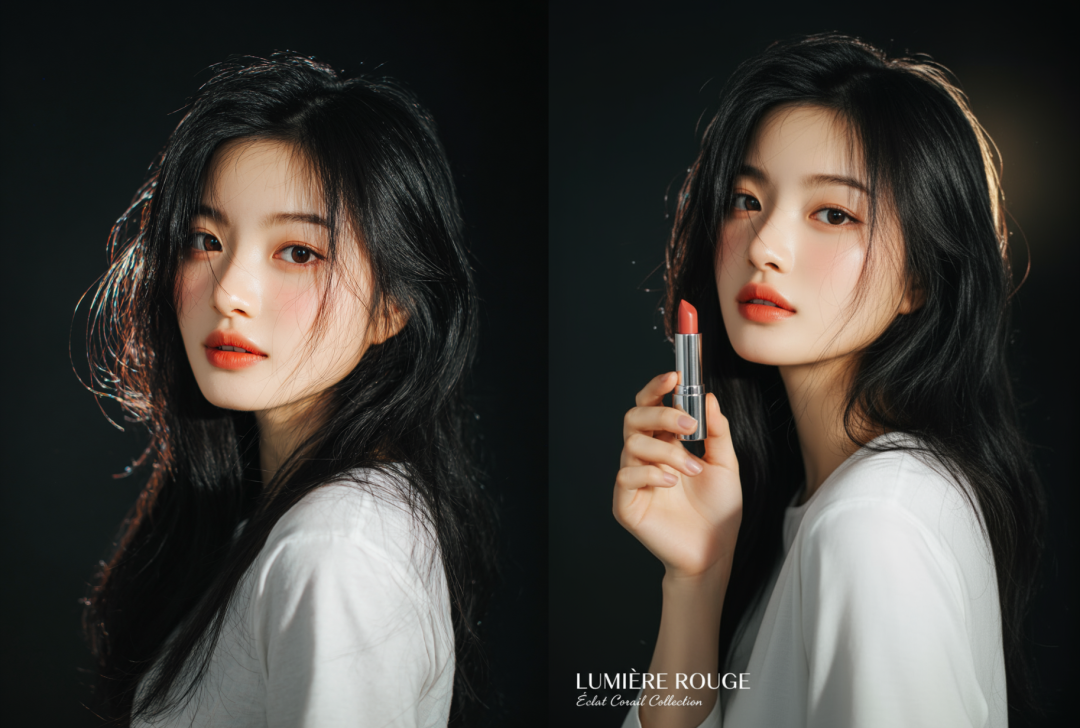
No more need to spend money on photographers and retouchers; you can quickly create product promotional materials yourself.
10. Beyond Editing: AI Visual Reasoning Capabilities
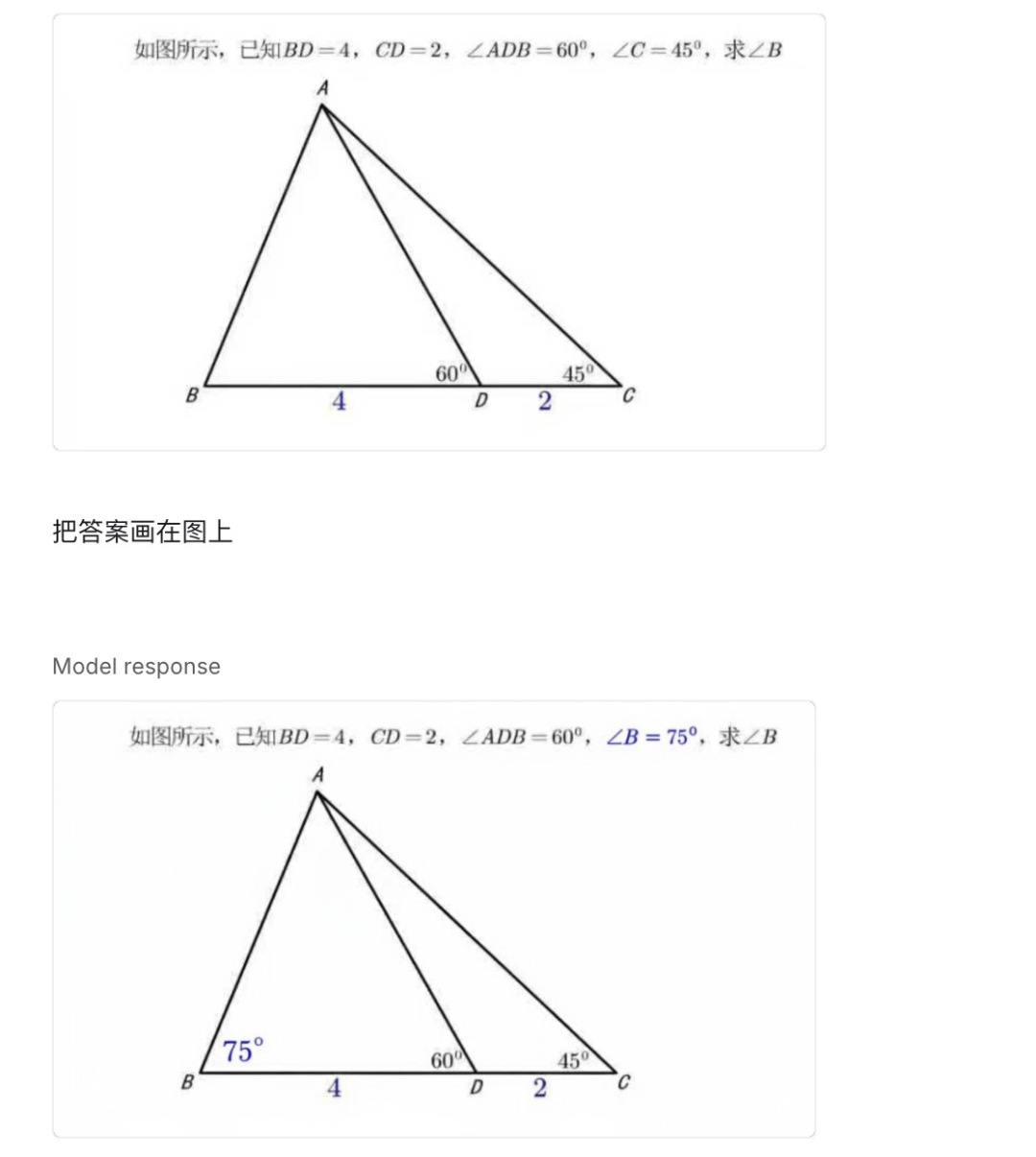
The most powerful aspect of Nano Banana is that it is not just an image generation tool; it also possesses visual reasoning capabilities. It can help you solve geometry problems:
It can also turn ordinary photos into AR annotation images, like this example of a rocket launch pad, automatically adding location, temperature, and other information:
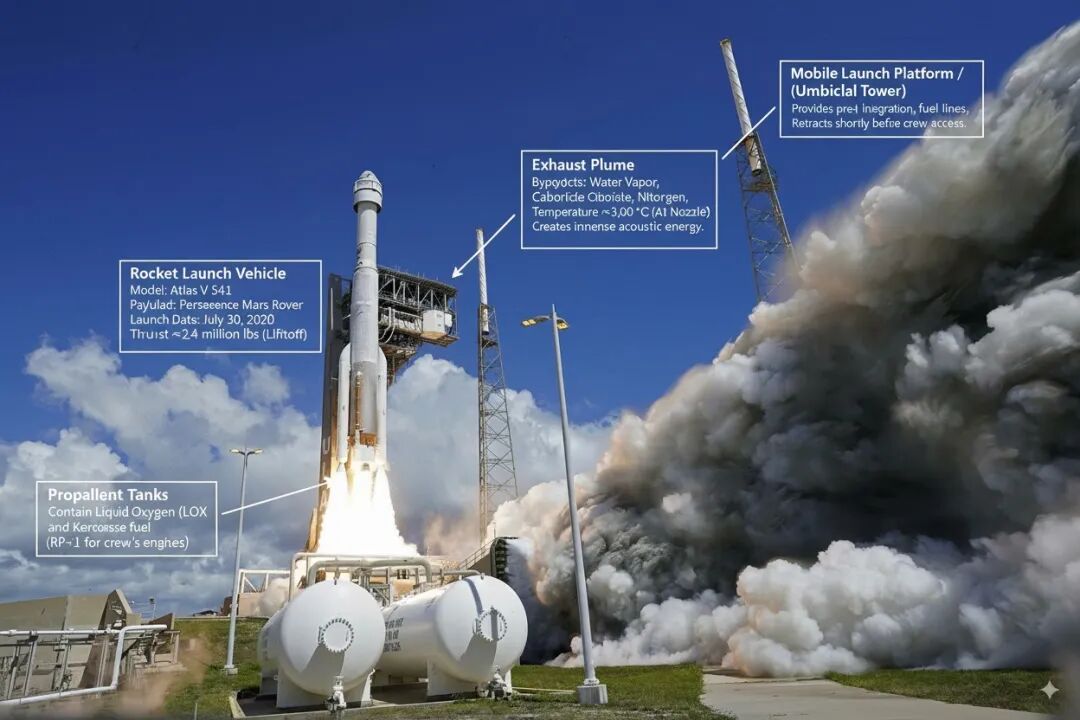
This feature has great application potential in education, tourism, and other fields.
How to Use Nano Banana?
Using Nano Banana is now very convenient, with several entry points:
-
Gemini Official Entry: Use directly in Gemini, the most stable channel

-
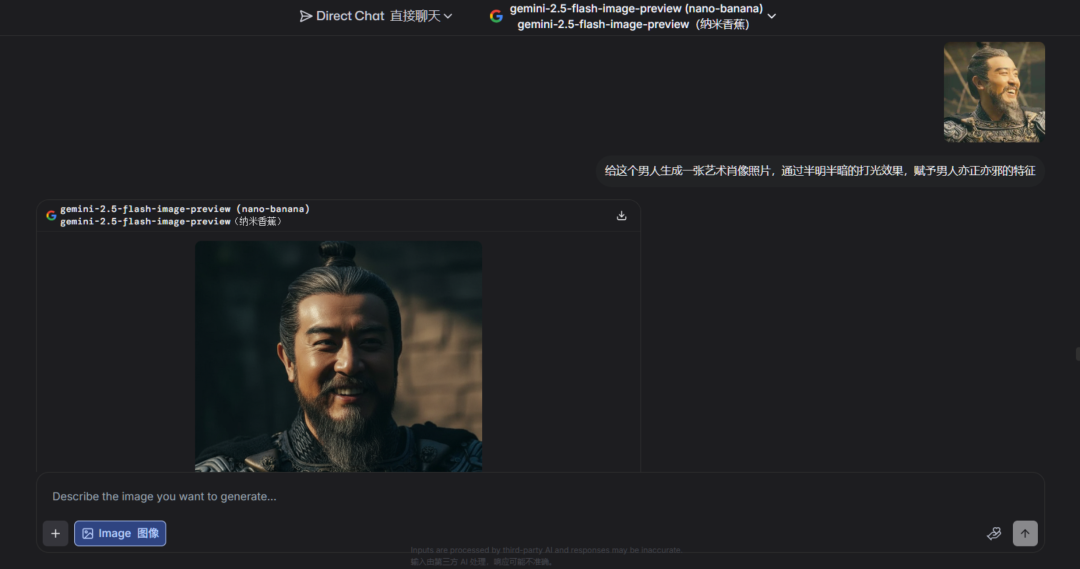
lmarena Platform: A dedicated AI image platform with complete Nano Banana functionality
-
Lovart AI: A design-oriented AI platform offering additional Agent features
Pros and Cons Analysis
Pros:
- Strong Subject Consistency: This is Nano Banana’s biggest advantage; the subject’s features remain stable even after multiple edits
- Excellent Understanding Ability: High accuracy in understanding text prompts and reference images
- Comprehensive Functionality: Covers everything from simple photo editing to complex creations
- Easy to Operate: No professional knowledge required; natural language descriptions are sufficient
Cons:
-
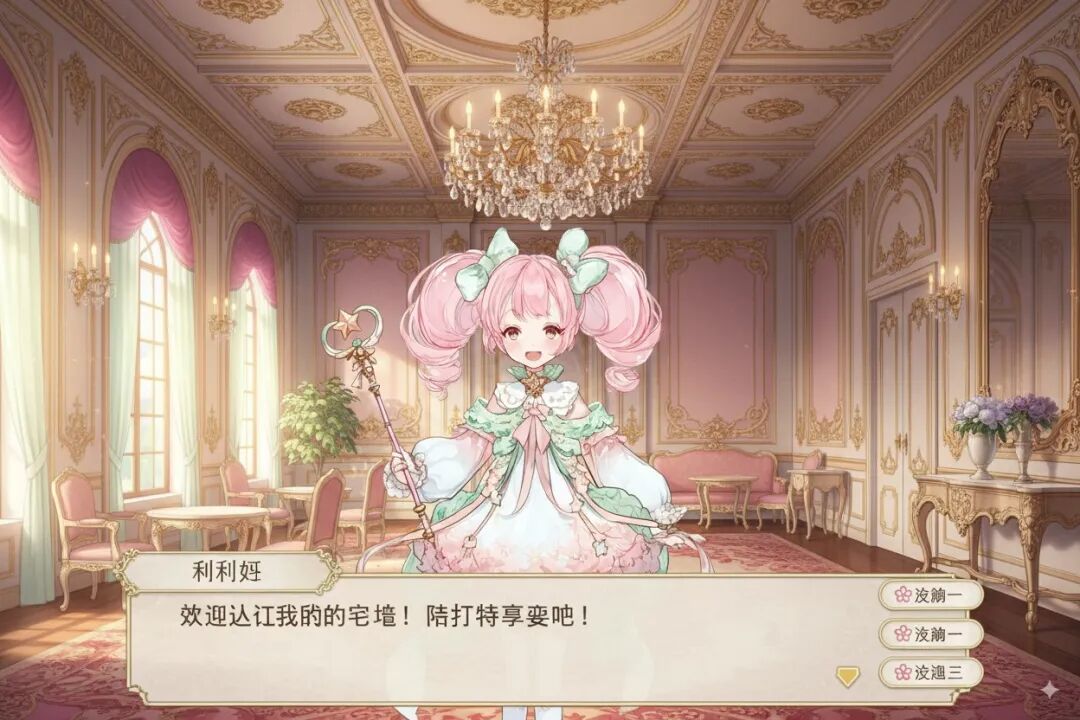
Poor Chinese Text Generation: Currently, the effect of generating Chinese text is very poor, often resulting in garbled characters
-
**Requires “Card Drawing”**: The results are unstable, often needing multiple generations to achieve satisfactory results
-
Image Quality Compression: Generated images may experience some degree of quality loss (though tools like Tencent ARC can repair this)
-
Poor Multi-Subject Handling: Multi-person scenes can become chaotic, making it unsuitable for large group photos
Usage Tips
- Be Specific with Prompts: The more detailed the description, the better the results
- Draw Multiple Cards: Don’t settle for the first generated result; try several times
- High-Definition Repair: Use tools like Tencent ARC to enhance image quality after generation
- Focus on a Single Subject: Try to focus on one subject at a time for more stable results
Overall, Nano Banana is indeed a leap forward in the field of AI image editing. It allows ordinary people to easily achieve professional-level image effects, significantly lowering the creative barrier. Although there are some minor drawbacks, the overall experience is already quite impressive. If you frequently need to handle images or create visual content, it is definitely worth a try.
Google has certainly made a comeback; after being overshadowed by GPT-4o, they have turned the tables with Nano Banana. I must say, the technical foundation of this company is still quite formidable. I look forward to future versions addressing the issues of Chinese text generation and image quality compression; if so, Photoshop will really be in danger.