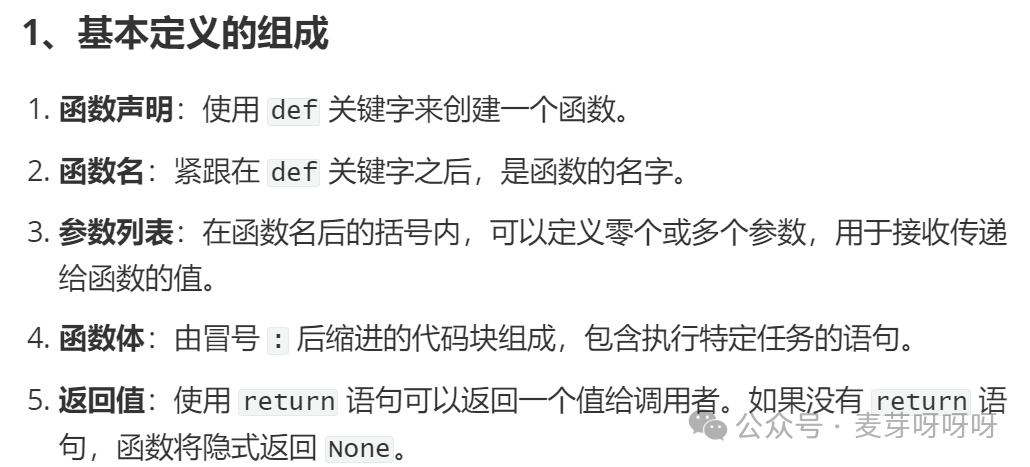
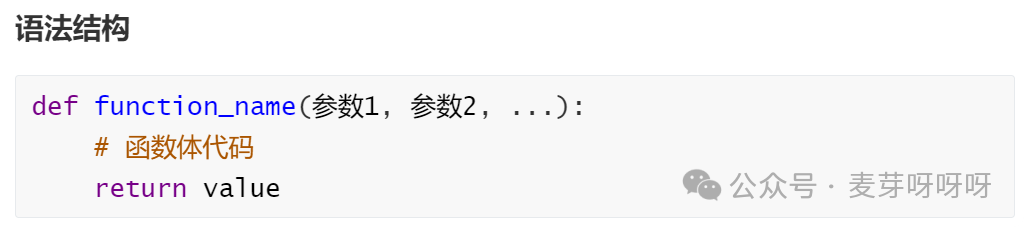
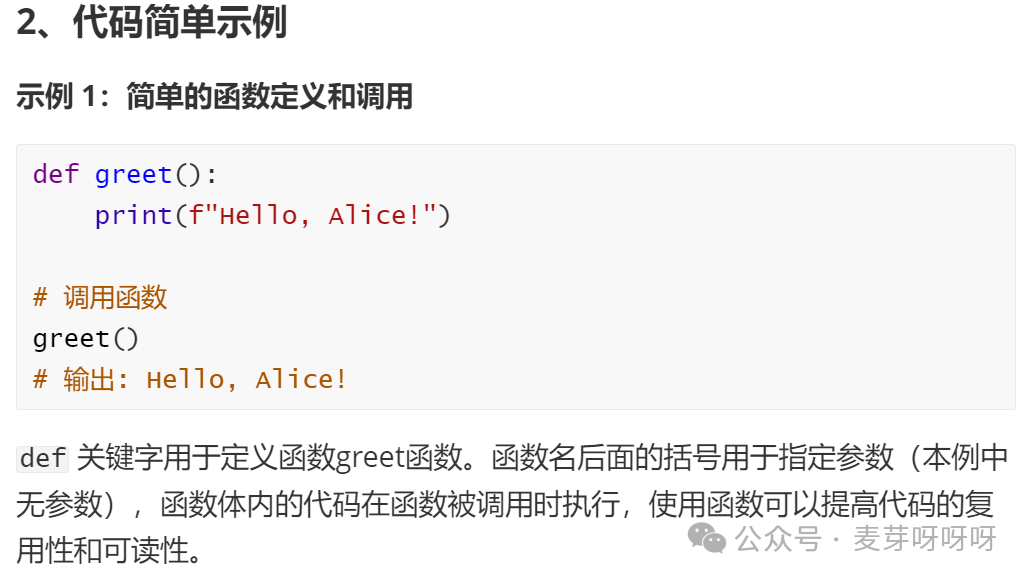
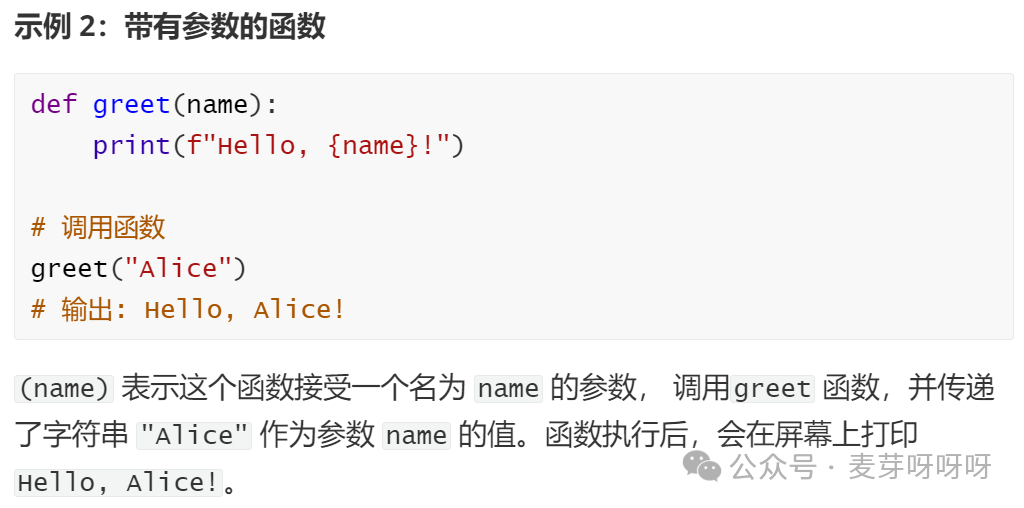
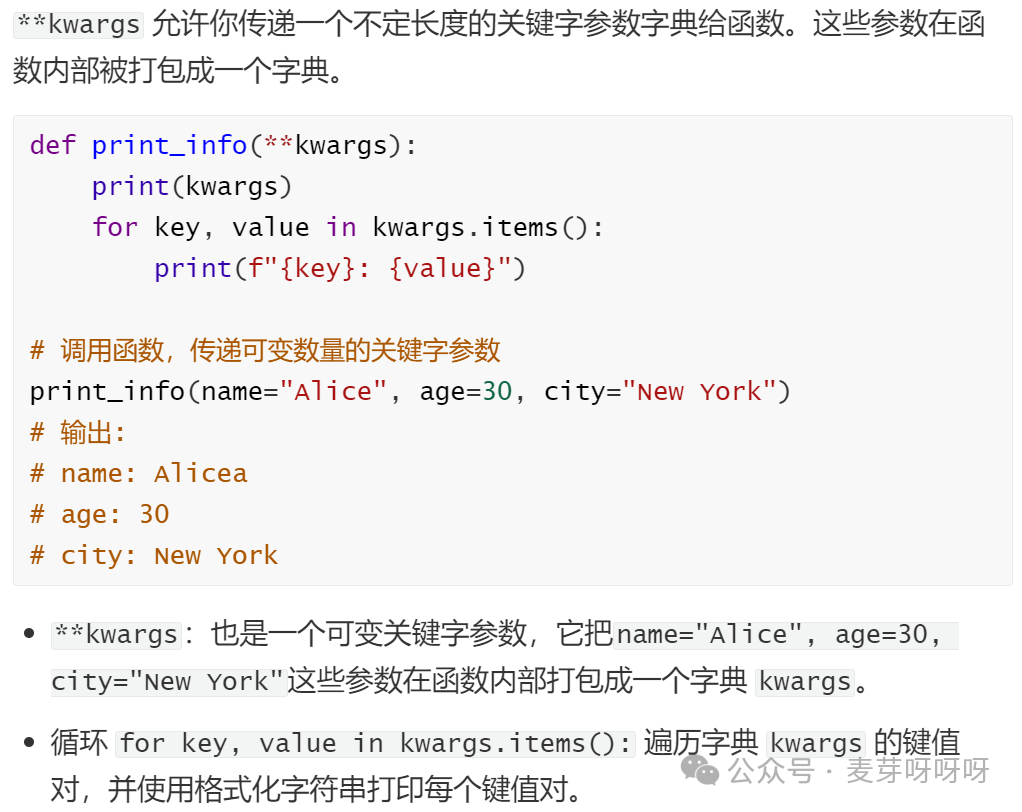
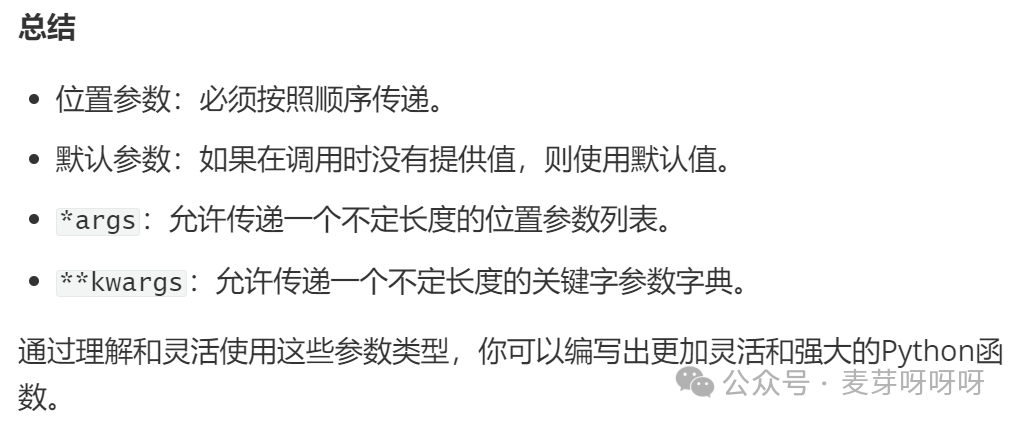
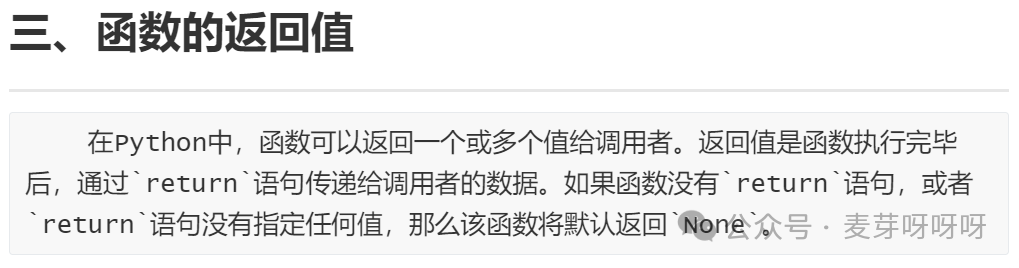
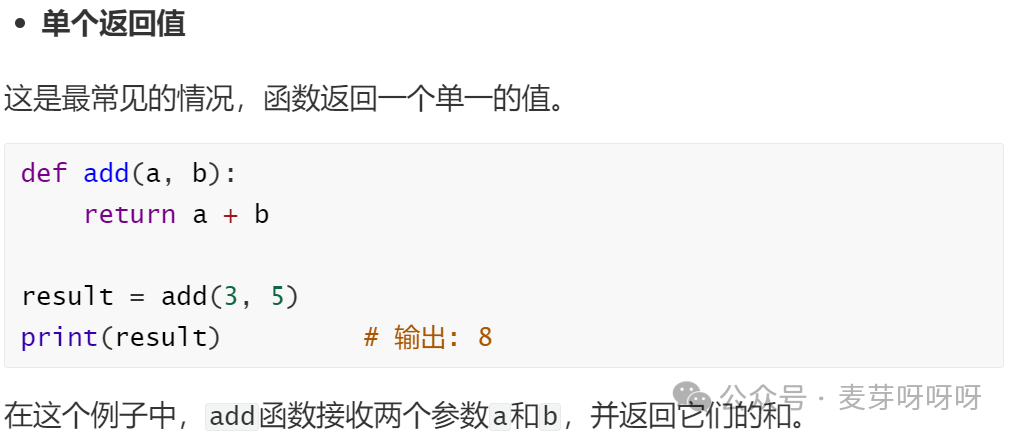
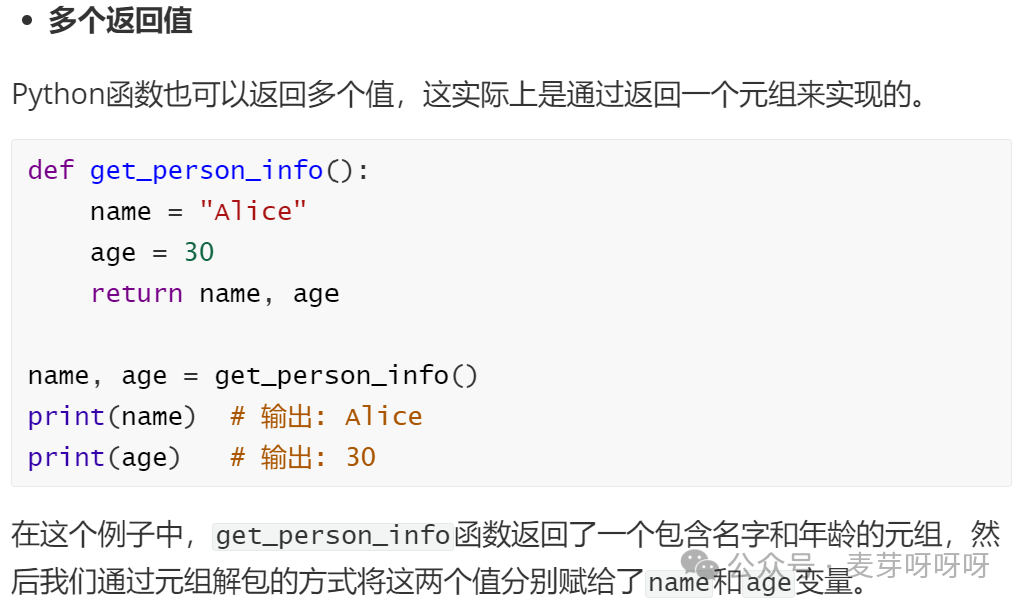
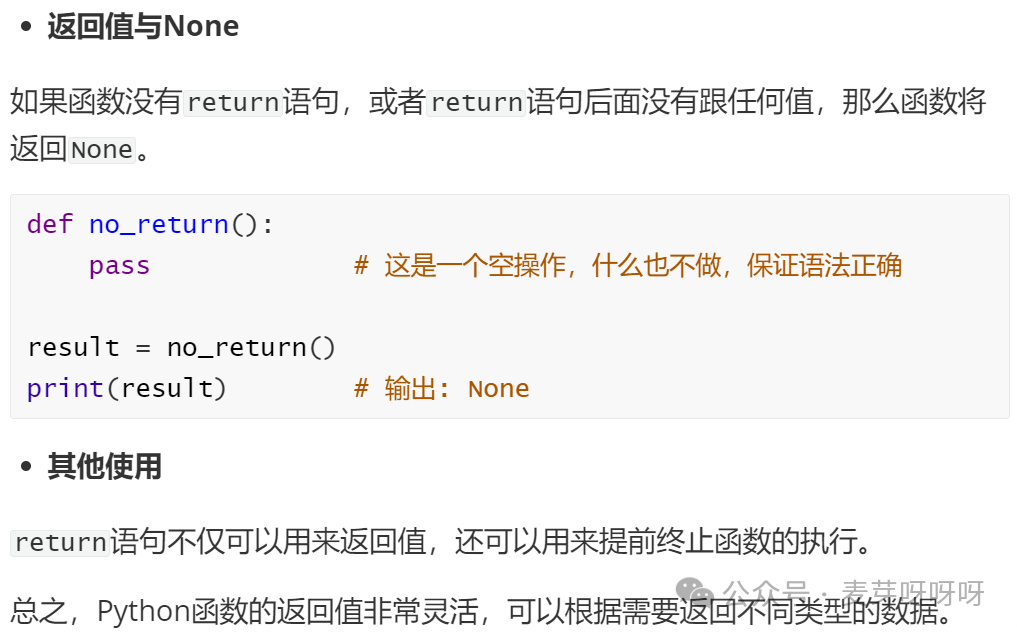
Python functions are a fundamental concept in programming, allowing you to package code into a reusable tool that can be called by its function name.
Imagine you have a series of repetitive tasks to perform every day, like making tea. The process of making tea includes boiling water, adding tea leaves, pouring water, and waiting for the tea to brew. If you had to repeat this every day, wouldn’t it be quite cumbersome?
At this point, you can “encapsulate” the process of making tea into a function, giving it a name like make_tea(). From then on, whenever you want to make tea, you just need to call this make_tea() function, and it will automatically handle boiling water, adding tea leaves, and pouring water, ultimately giving you a fragrant cup of tea.
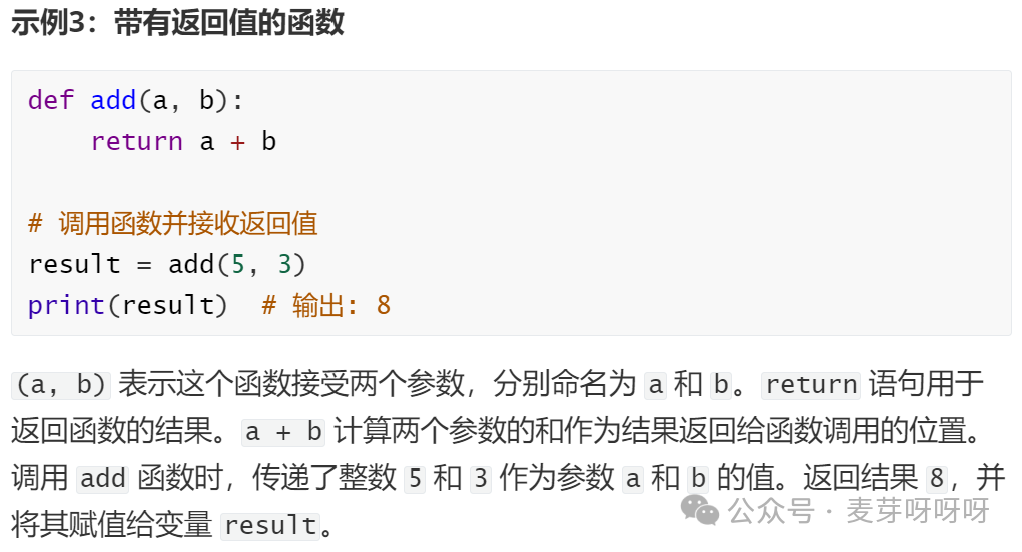
The benefit of functions is that they can encapsulate a series of complex operations, allowing you to complete these operations with a simple command (i.e., a function call). This way, your code becomes more concise, clear, and easier to maintain.