
Click the blue text above to follow us
What is an Industrial Control System
An Industrial Control System is a set of hardware and software systems used to monitor and control industrial processes, ensuring that factories, infrastructure, or production facilities operate automatically, efficiently, and safely according to preset goals.
A typical Industrial Control System (ICS) architecture includes:Field Layer (sensors, actuators, instruments, valves, variable frequency drives, etc.), Control Layer (Programmable Logic Controllers (PLC), Remote Terminal Units (RTU), DCS controllers), Monitoring Layer (Configuration software, Data Acquisition and Monitoring Systems (SCADA), Human-Machine Interfaces (HMI)), Management Layer (Manufacturing Execution Systems (MES) and other production-related systems).
Common core components of industrial control systems include:
-
PLC (Programmable Logic Controller): The “main force” of industrial automation, robust and reliable, designed for industrial environments, executing control functions such as logic, sequencing, timing, counting, and arithmetic operations.
-
DCS (Distributed Control System): Used for large, complex continuous process control (such as chemical plants, refineries). Its characteristic is that control functions are distributed across different controllers, while monitoring and management are centralized, improving system reliability and flexibility.
-
SCADA (Supervisory Control and Data Acquisition): Focused on wide-area, geographically distributed systems (such as oil pipelines, power grids, water supply systems). It is responsible for collecting data from thousands of remote sites (via RTU) and performing centralized monitoring and control.
-
HMI (Human-Machine Interface): The window for operators to interact with the control system, usually a touchscreen or computer screen, displaying dynamic graphics of the process flow, alarm information, and data trends.
-
RTU (Remote Terminal Unit): Typically deployed in remote sites, similar in function to PLC but emphasizes communication capabilities, transmitting field data to a distant SCADA center via wireless or wired networks.
The overall architecture of industrial control networks is as follows: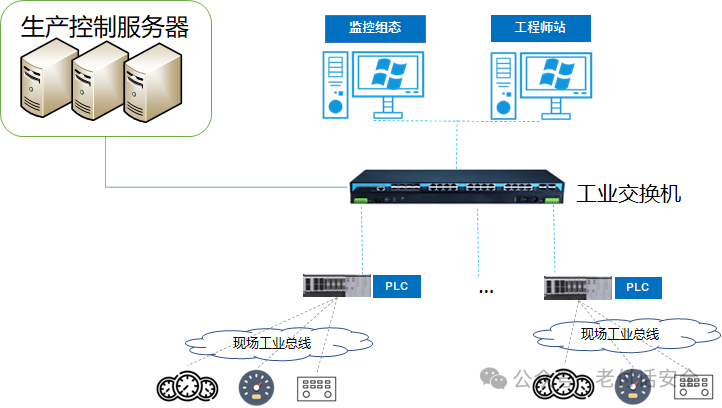
The IEC 62264 standard divides the functions of industrial control systems according to a hierarchical model: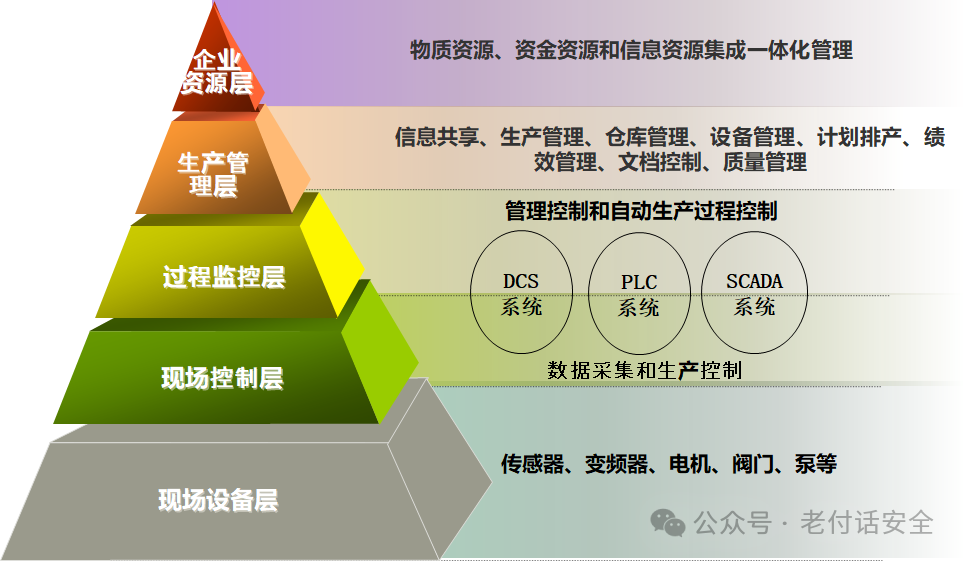
This model intuitively displays the functions of industrial control systems according to the location of the devices, allowing us to understand the functions of each layer of devices from this diagram.
Controller – The brain of the system: In an automatic control system, the controller plays a crucial role, serving as the core for system management and organization. The performance of the system largely depends on the quality of the controller.
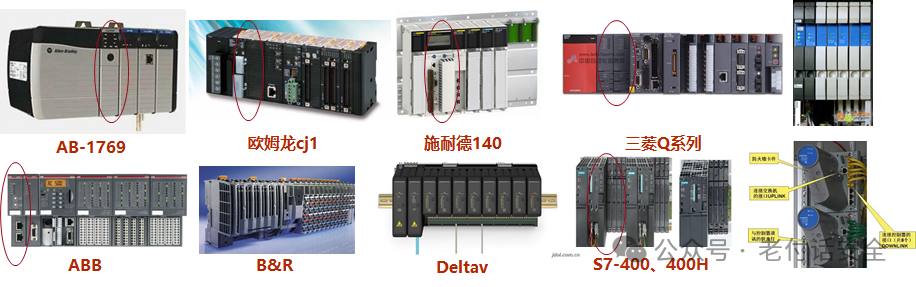
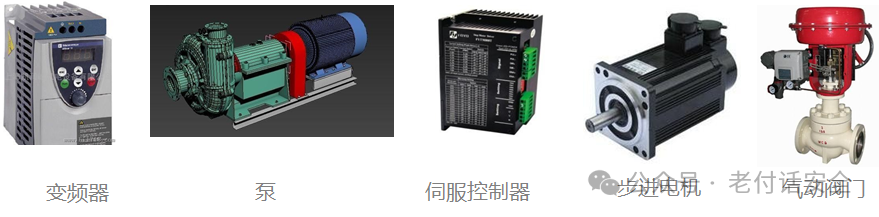
Sensor – The ears and eyes of the system: Sensors are used to measure various physical quantities, including temperature sensors, flow sensors, pressure sensors, etc. Sensors must meet reliability requirements, providing raw information from the measured output signal. If a sensor is unstable, it will produce different output signals for the same input signal, leading to incorrect outputs and losing its intended function.
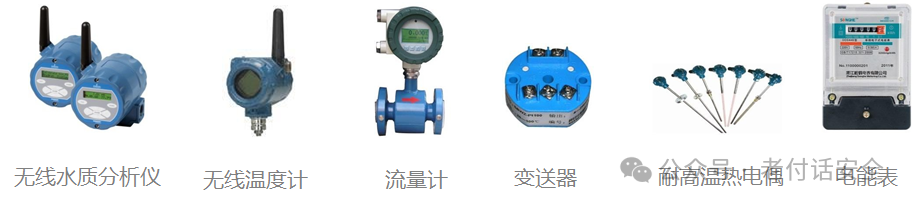
Actuator – The hands and feet of the system: The role of actuators in an automatic control system is akin to human limbs. They receive control signals from the regulator, altering manipulated variables to ensure the production process operates normally according to predetermined requirements. In the production site, actuators directly control the process media; improper selection or use can complicate automatic control of the production process. Therefore, the selection, use, and installation of actuators are critical steps.
Field Control Layer – Programmable Logic Controller (PLC)
Using programmable memory, PLCs are electronic devices that control industrial production equipment through digital operations. PLCs primarily execute various calculations, sequential control, timing control, and other instructions to manage the operation of industrial production equipment, serving as the main foundational unit of industrial control systems. PLCs consist of a main CPU and I/O expansion cards.
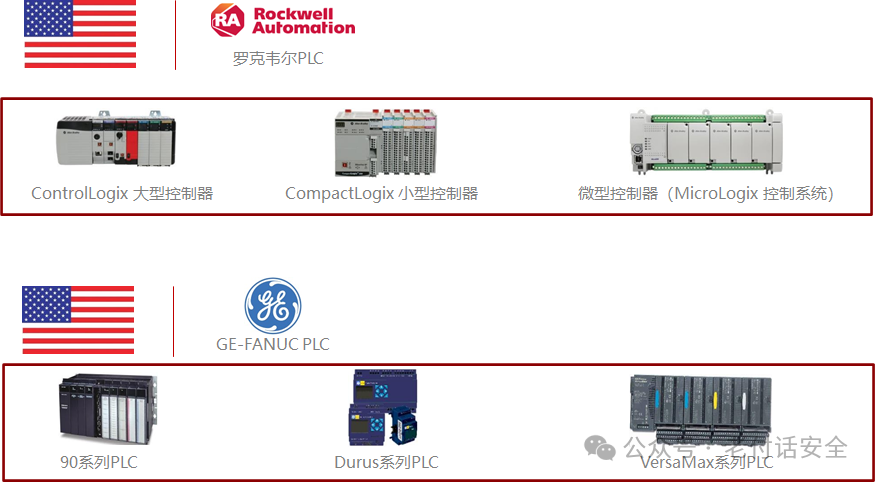
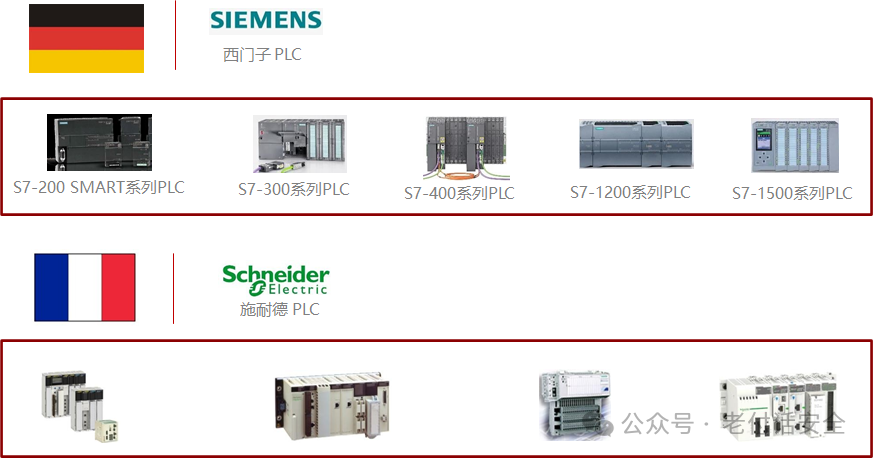
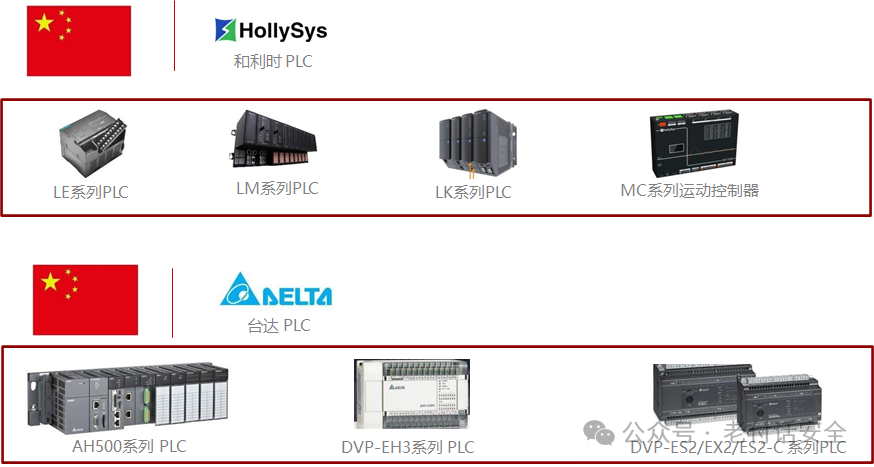
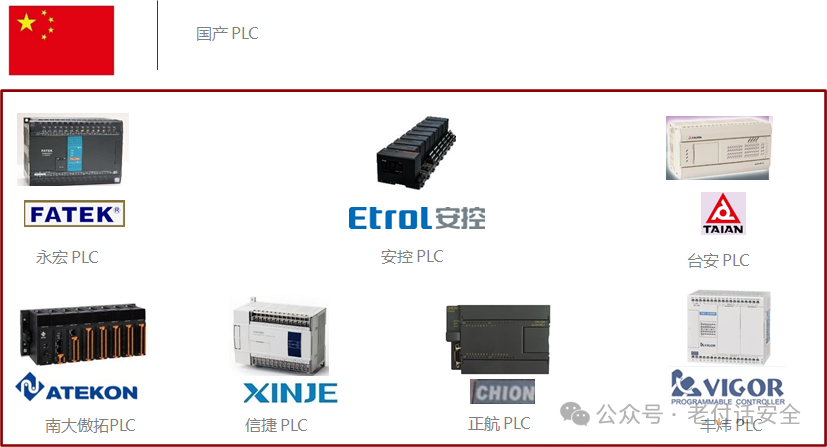
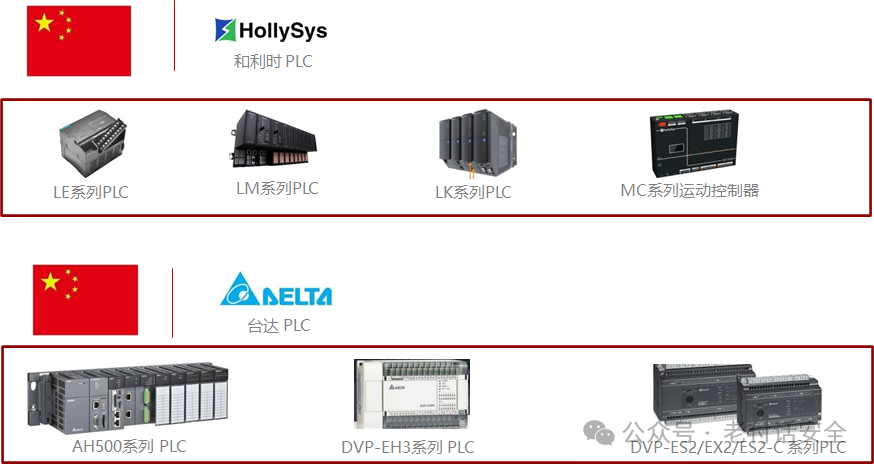
The basic components of PLC devices include:
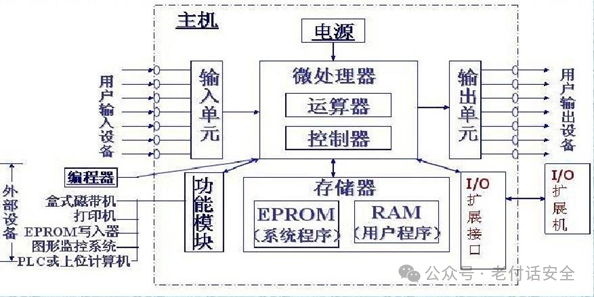
The system program is factory-purposed to the hardware, similar to a computer’s operating system; however, it is a control system. Modern PLCs have introduced hard real-time operating systems like VxWorks; soft real-time operating systems include embedded Linux or Windows IoT and Linux-based RTOS, as well as Beckhoff’s TwinCAT system (which runs a real-time kernel on Windows, turning the PC into a powerful PLC).
Field Control Layer/Process Monitoring Layer – Distributed Control System (DCS)
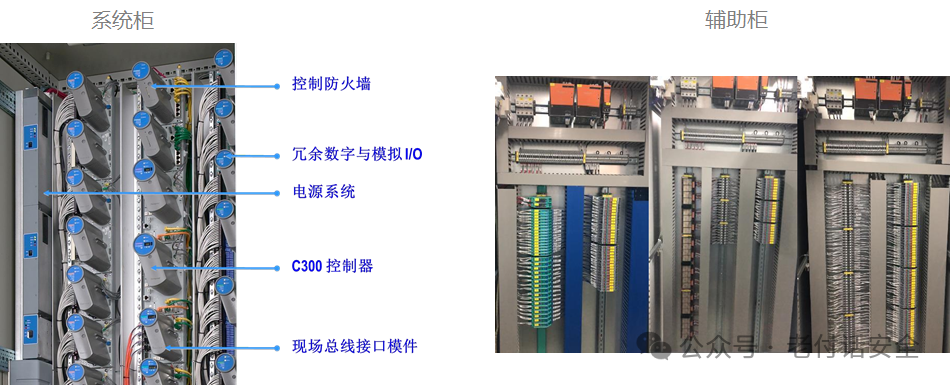
It consists of controllers, I/O modules, operator stations, communication networks, graphics, and editing software; in other words, the controller monitors field devices through the software system of the upper computer server, with the control layer primarily being the controller (note the distinction from PLC).
Field Control Layer/Process Monitoring Layer – Safety Instrumented System (SIS)
The Safety Instrumented System (SIS), sometimes referred to as the Safety Interlocking System, is primarily designed to implement alarms and safety interlocks in the factory control system, executing alarm actions or control adjustments or shutdowns based on the results detected in the control system. It is an independent system responsible for emergency shutdowns in some process plants (such as chemical plants), not interconnected with other systems or collecting minimal data. When instrument data exceeds thresholds, it triggers interlock control, similar to a car’s airbag.
Field Control Layer/Process Monitoring Layer Data Acquisition and Monitoring Control System (SCADA System)
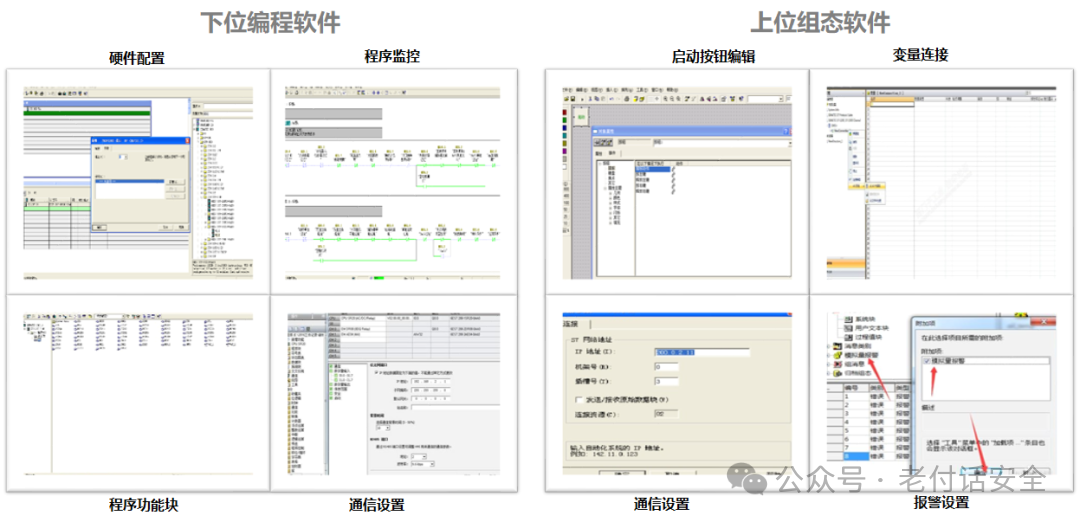
The main components of the SCADA system include: monitoring computers, Remote Terminal Units (RTU), Programmable Logic Controllers (PLC), communication infrastructure, and Human-Machine Interfaces (HMI). It is somewhat similar to DCS, but primarily focuses on monitoring, with some scenarios allowing for minor adjustments of command values. In fact, SCADA is a set of advanced configuration software. The role of industrial control system-specific software includes:
Common industrial control software:
|
PLC + HMIPart |
|||
|
Manufacturer |
Hardware Model |
Lower-level Programming |
Upper-level Monitoring |
|
Siemens |
S5 |
Step5 |
|
|
S7-200 |
MicroWin |
||
|
S7-300/400 |
Step7 |
WinCC |
|
|
S7-300/400S7-1200/1500 |
TIAStep7 |
TIA WinCC |
|
|
ABB |
AC500 |
Automation Builder |
|
|
Schneider |
SmallPLC M2X8 |
SoMachine |
VijeoCitectIntouch |
|
Medium to LargePLC |
UnityPro |
||
|
GE |
PAC RX3i PACRX7i |
ProficyME |
CimplicityiFix |
|
PAC8000 |
PAC8000Workbench |
||
|
Rockwell |
MicroLogix |
RSLogix500 |
RSView32 RSViewSE |
|
1769/1756 |
RSLogix5000 |
||
|
Omron |
CX-One |
||
|
Mitsubishi |
FX |
FXWin |
|
|
Q |
GX-Developer |
In other words, for the PLC to operate normally, its system does not run autonomously; it requires the installation of programs, such as what to do first, what to do second, which must be instructed by engineers for it to proceed step by step. Just like a team leader receiving a task and delegating it to team members for execution. The host that issues tasks to the PLC is called the engineer station, which is its upper-level computer.
During the execution of tasks assigned, there will inevitably be deviations, which may be faster, slower, or stable, requiring supervision and timely corrections, which is the role of the operator station. The operator station installs configuration software that provides an intuitive interface, displaying execution values. Operators may make minor adjustments based on the situation, such as increasing or decreasing levels or pressures.
Today’s introduction ends here. In the next issue, we will discuss common industrial communication protocols, such as how the engineer station, operator station, PLC, and controllers communicate, what protocols they use, whether they are IT protocols like HTTP, FTP, or proprietary protocols, and what the differences are. We welcome all viewers to follow us as we present these topics one by one.

The end
