As the first flagship SoC released in the Android camp in 2025, the Dimensity 9500 has garnered significant anticipation from users. At the recent launch event, attendees were introduced to the impressive specifications of the Dimensity 9500, as well as its AI capabilities that comprehensively surpass those of its predecessor. Now, through actual performance testing, we will delve deeper into this SoC that is set to become the preferred choice for mainstream flagship models in the coming year.
Third Generation 3nm Process: Dimensity 9500 Architecture Analysis
Before diving into performance testing, let’s take a detailed look at the chip architecture design of the Dimensity 9500. The Dimensity 9500 adopts an entirely new architecture design, utilizing TSMC’s third-generation 3nm process, with over 30 billion transistors.
Starting with the CPU, the Dimensity 9500 employs a PC-level ARM V9.3 architecture, featuring a design of 4 ultra-large cores and 4 large cores. One of the ultra-large cores is the C1-Ultra core clocked at 4.21GHz, while three ultra-large cores are C1-Premium cores at 3.5GHz, and the four large cores are C1-Pro cores at 2.7GHz.
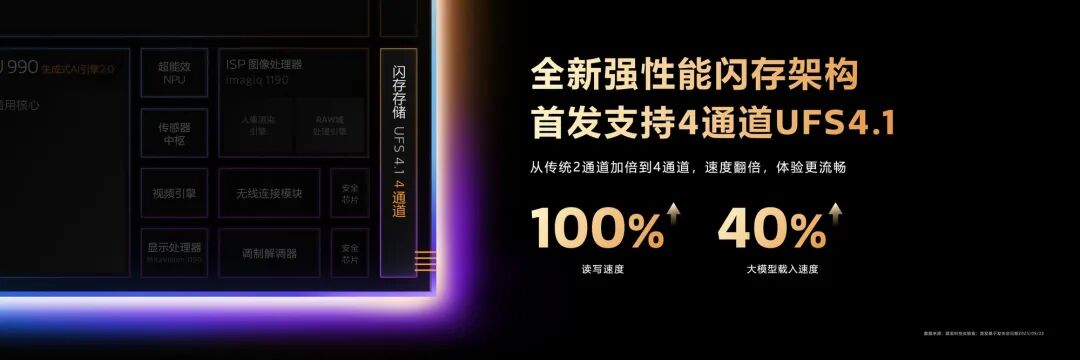
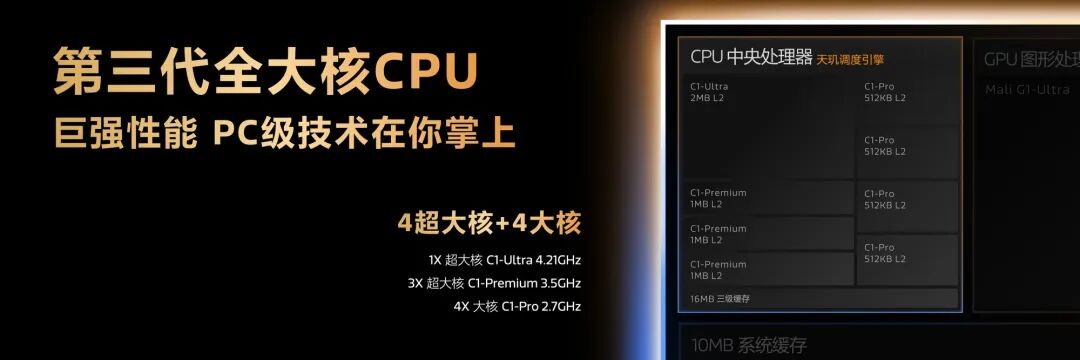 In addition to the overall leap in specifications, the Dimensity 9500 also integrates the latest matrix operation instruction set SME2 and introduces a new high-performance flash memory architecture that supports 4-channel UFS 4.1, the first LPDDR5T 9600Mbps memory, and the second-generation Dimensity scheduling engine, providing a hardware foundation for terminal manufacturers to create the next generation of performance flagships.
 On the GPU front, the Dimensity 9500 features the flagship GPU architecture G1-Ultra, which is a new GPU architecture designed specifically for the next generation of gaming and AI applications. Compared to the previous generation Immortalis-G925 GPU, G1-Ultra introduces several core-level improvements, and the Dimensity 9500 also supports the new GPU Dynamic Cache architecture, which interacts with the system cache to effectively enhance overall computational efficiency, resulting in a significant boost in GPU performance.
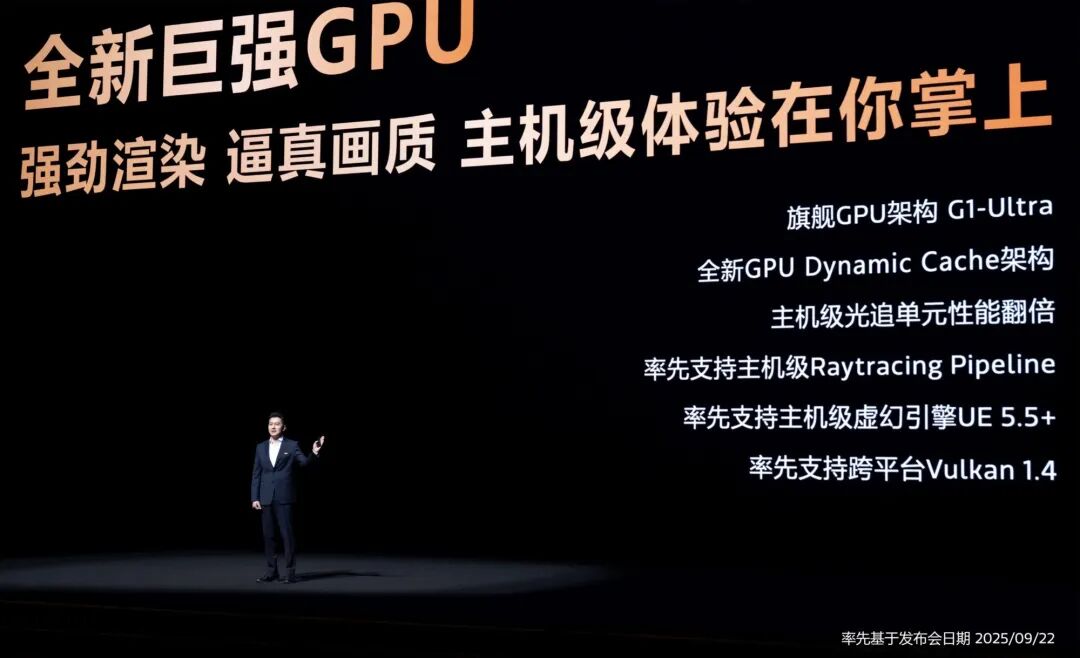 Moreover, the Dimensity 9500 has undergone multiple optimizations, resulting in significant improvements in ray tracing and traditional rasterization game rendering compared to its predecessor. It introduces a new GPU Dynamic Cache architecture, doubling the performance of console-level ray tracing units, and is the first mobile chip to support console-level Raytracing Pipeline technology, achieving realistic physical-level light and shadow calculations.
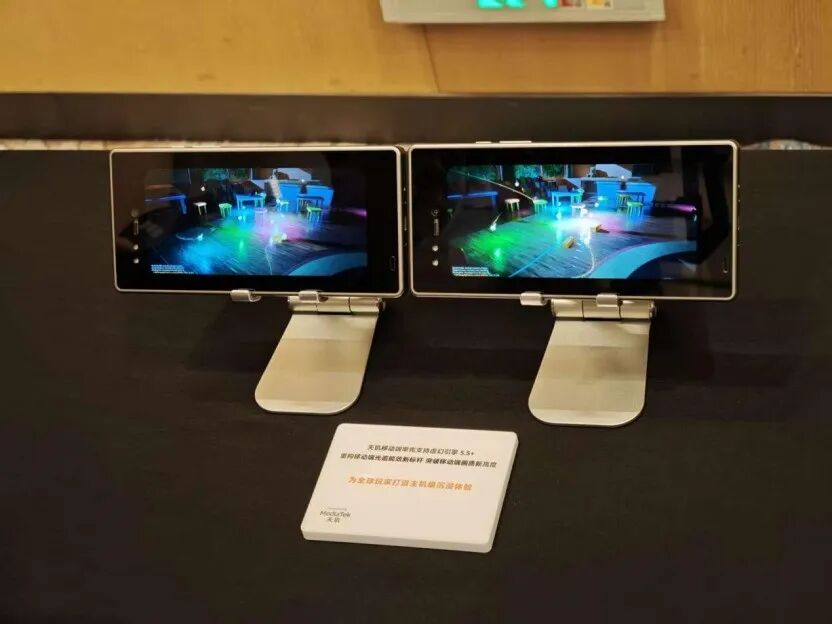 Additionally, considering the future gaming experience, the Dimensity 9500 supports several of the latest technological solutions, such as being the first to support console-level Unreal Engine 5.5 Nanite technology, Unreal Engine 5.6 MegaLights technology, and the cross-platform graphics API Vulkan 1.4.
 In terms of NPU, which is crucial for the current AI smartphone experience, the Dimensity 9500 features numerous innovations. It is equipped with the powerful NPU 990 generative AI engine 2.0, which boasts a peak performance increase of 111% compared to the Dimensity 9400, while peak power consumption has decreased by 56% (data from MediaTek). In the ETHZ AI Benchmark test, it achieved an astonishing score of 15,000, placing the Dimensity 9500 at the top of the authoritative ETHZ AI performance testing leaderboard.
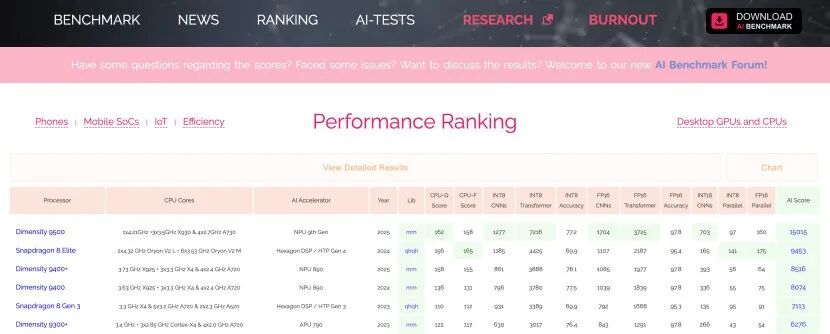 We can see that from the CPU to the NPU, and to the memory architecture, the Dimensity 9500’s chip architecture has undergone a comprehensive upgrade. This architectural upgrade not only enhances performance but also adequately prepares for next-generation gaming experiences and practical applications of edge-side AI. It reflects that the Dimensity 9500’s architecture design meets current performance demands while also considering future applications’ hardware characteristics, making it highly forward-looking.
CPU Single-Core Score Exceeds 3600: Dimensity 9500 Performance Testing
Having reviewed the architecture design, we finally enter the most anticipated performance testing phase. It is important to note that all the testing data for the Dimensity 9500 below were obtained using engineering units provided by MediaTek. Due to differences in testing environments and configurations between engineering units and actual production units, the following test data only represents the chip performance of the engineering unit.
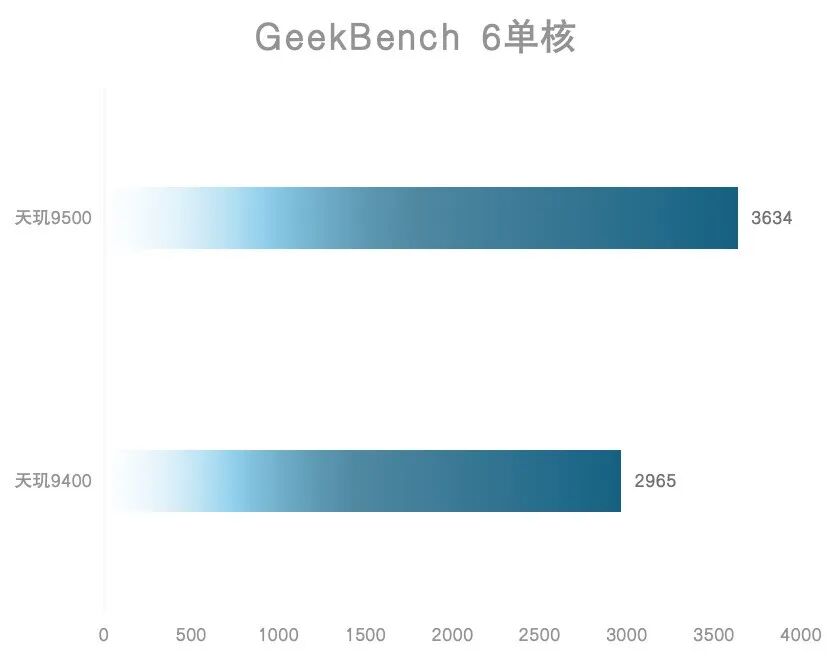
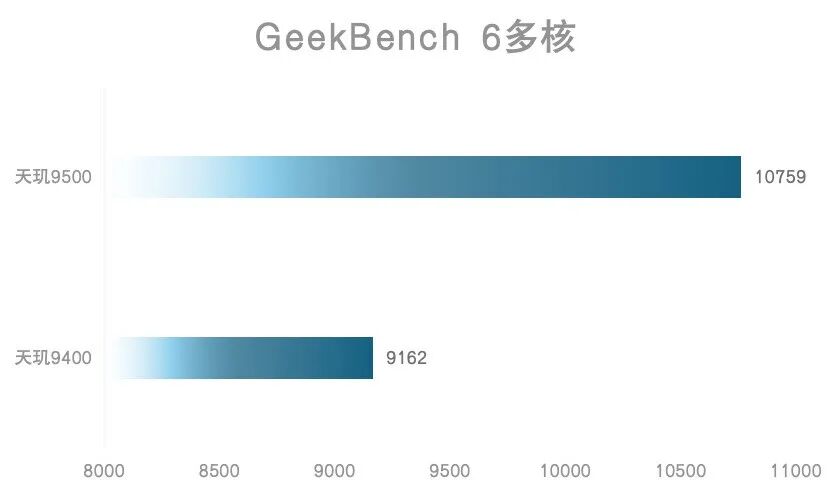
First, let’s look at CPU performance. In the GeekBench 6 test, which reflects CPU performance, the Dimensity 9500 engineering unit scored 3634 points in single-core and 10759 points in multi-core, showing a significant improvement compared to the previous generation.
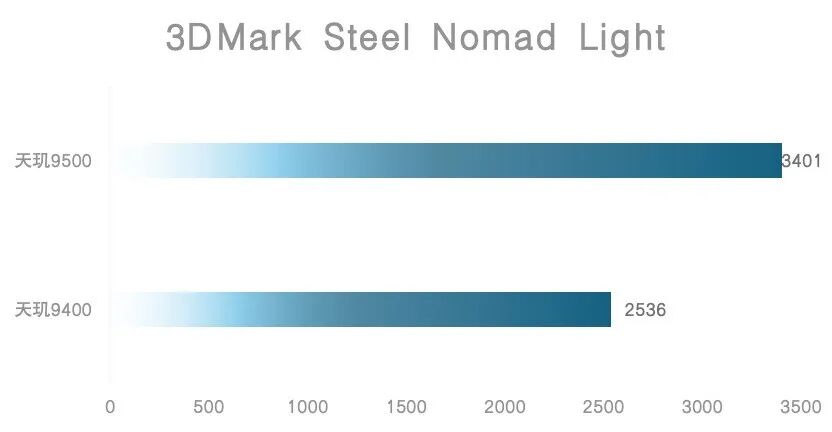
 On the GPU side, in the 3DMark Steel Nomad Light test, which reflects the performance needs of mainstream mobile games, the Dimensity 9500 engineering unit scored 3401 points, an increase of nearly 900 points compared to the previous generation, and it also has a leading advantage over competing flagship products.
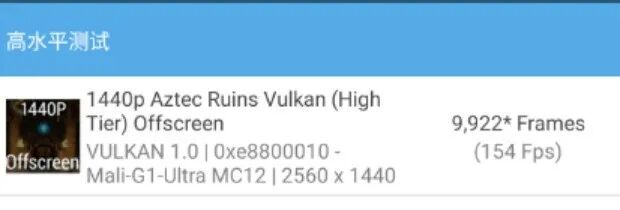
 We also ran the GFX Aztec 1440P off-screen test, achieving a score of 154 frames in Vulkan mode.
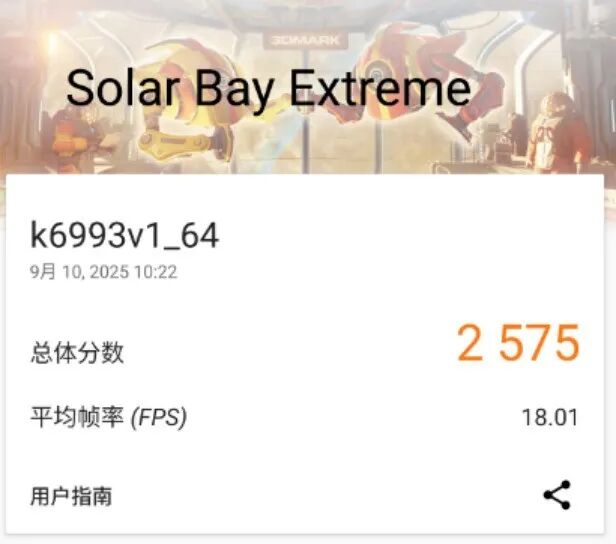
 In the latest 3DMark Solar Bay Extreme test, which reflects high-load ray tracing performance, the Dimensity 9500 engineering unit scored 2575 points, which is quite impressive.
 From the benchmark performance test scores, we can see that the performance improvement of the Dimensity 9500 is substantial. So how does this performance improvement manifest in gaming?
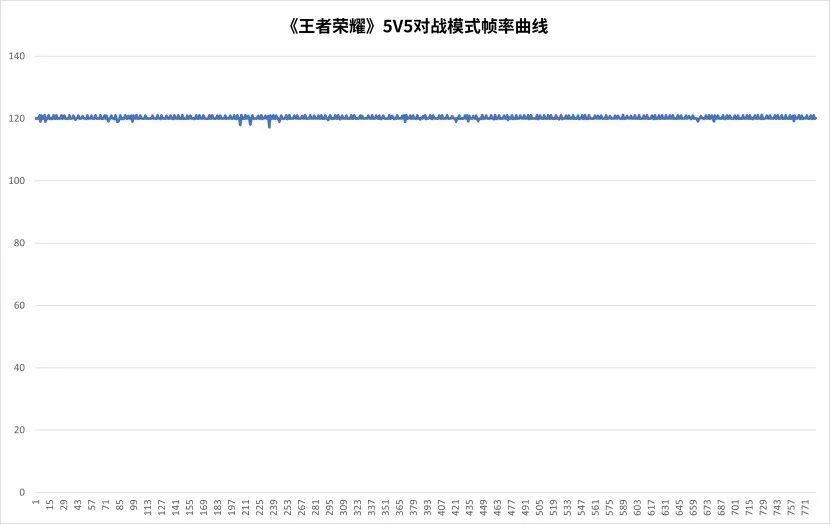
First, we tested the popular game “Honor of Kings” in 5V5 battle mode. Under the extreme quality + 120 frames setting, after a 14-minute real combat test, the Dimensity 9500 engineering unit achieved an average frame rate of 120.2 frames with an average power consumption of 2.62 watts.
 In the game “Honkai: Star Rail,” we tested the map with very high quality + 60 frames settings, running the map for 20 minutes in the scene of the Golden Moment of Pino. The Dimensity 9500 engineering unit achieved an average frame rate of 58.2 frames with an average power consumption of 7.38 watts.
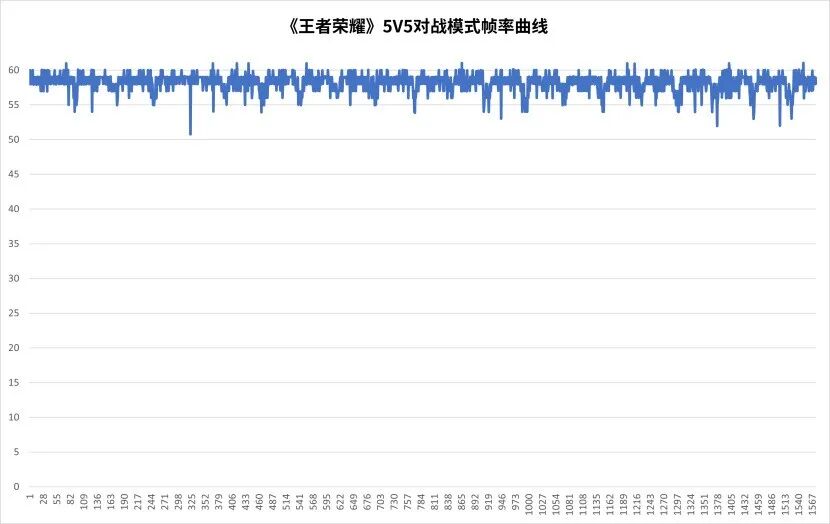 It can be seen that the Dimensity 9500 excels in actual performance, both in benchmark scores and real gaming experiences, making it a standout among flagship chips and a true performance ceiling in the current Android camp.
Edge-side AI + Video Imaging Dual Leap: Dimensity 9500 Feature Analysis
After discussing performance, let’s talk about imaging and AI experiences. The Dimensity 9500 has also brought significant upgrades in the imaging field, equipped with the ISP image processor Imagiq 1190, which offers several leading imaging experiences compared to competitors.
First, regarding the autofocus experience that is of great concern to users, the ISP of the Dimensity 9500 includes a dedicated autofocus core, which effectively enhances the autofocus experience while reducing power consumption. Additionally, the Dimensity 9500 introduces a 4K 60fps cinematic portrait rendering engine, providing a superior portrait video shooting experience compared to competitors. Furthermore, the Dimensity 9500 has upgraded support for the Dimensity dual-track anti-shake algorithm, being the first to support 4K 120fps high-standard anti-shake while balancing image quality and anti-shake effects.
AI experience is a key area of upgrade for the Dimensity 9500. As mentioned earlier, the Dimensity 9500 is equipped with the highly efficient NPU 990, which is the industry’s first NPU to feature compute-in-memory (CIM) ultra-efficiency, along with a dedicated transformer circuit design and new large model memory compression technology, thereby enhancing overall operational efficiency while reducing power consumption.
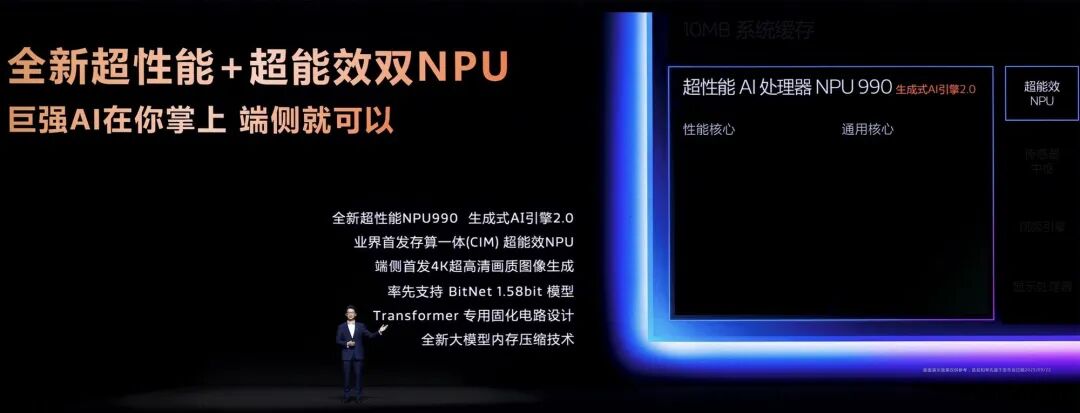 Compared to previous products, thanks to the ultra-efficient architectural design, the NPU of the Dimensity 9500 not only boasts powerful performance but also supports low-power AI model Always-On computing. However, this may not fully convey the strength of the Dimensity 9500 in AI experiences.
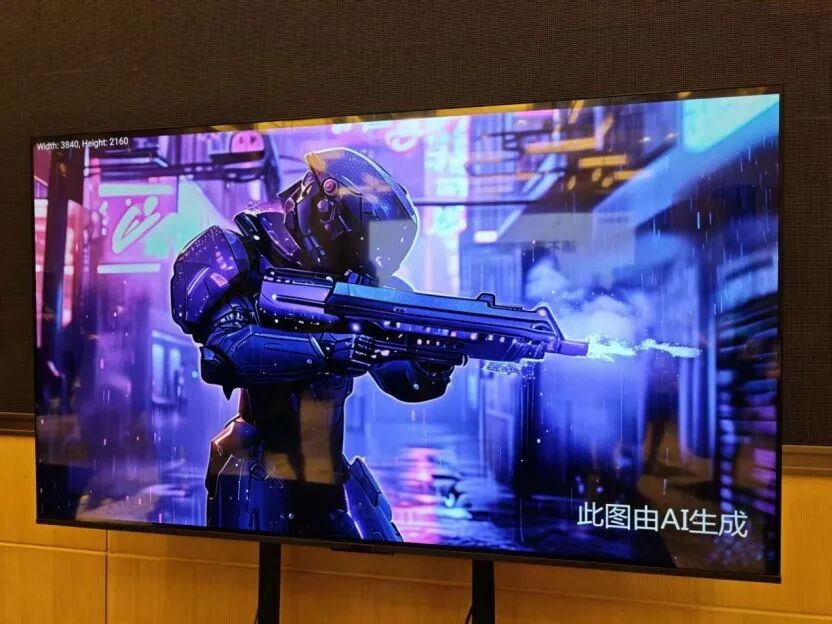
Here, we will explore a few application demonstration cases. The edge-side AIGC image generation capability of the Dimensity 9500 has undergone significant evolution. Whether it is text-to-image or image-to-image, the Dimensity 9500 can quickly generate images through edge-side computing, moving away from the past limitation of mobile devices only being able to produce low-resolution images. Now, the Dimensity 9500 can generate high-resolution images of 3840×2160 in just over 10 seconds. Similarly, the personalized image generation capability based on existing images is also very fast, achieving unlimited free generation on the edge side, and even faster generation speeds compared to mainstream cloud solutions.

 Thanks to the significant improvement in AI efficiency of the Dimensity 9500, along with the joint optimization between MediaTek and terminal manufacturers, smartphones equipped with the Dimensity 9500 can achieve regular edge-side operation of large models. This means that without significantly affecting the daily experience of the phone, it can handle tasks such as text dialogue, document summarization, rapid writing, and AI translation through edge-side large models, allowing users to manage private documents or use AI in offline environments.
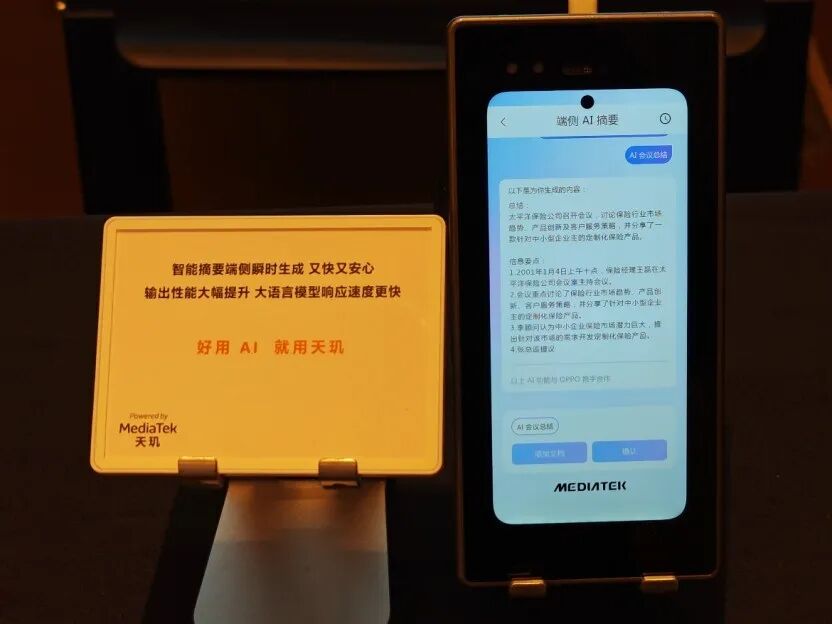
 In the past, we have seen many AI edge-side deployment cases on mobile platforms, but most of these applications have been delayed due to the power and performance limitations of mobile platforms. Now, thanks to the powerful AI computing power and efficiency of the Dimensity 9500, along with the joint optimization between MediaTek and terminal manufacturers, the widespread application of edge-side large models is no longer a concept but a reality, which was unimaginable a few years ago.
Conclusion
From the actual performance, the Dimensity 9500 will undoubtedly become the preferred choice for mobile processor platforms. The Dimensity 9500 not only demonstrates extraordinary strength in gaming experiences, easily handling various mainstream mobile games, but its architectural design is also forward-looking, providing a hardware foundation for many upcoming console-level mobile games, ensuring smooth operation in complex scenarios and high-load tasks in the future.
In the AI field, the Dimensity 9500 also performs excellently, providing solid hardware support for the development of AI smartphones. Terminal manufacturers can leverage this to deeply explore AI potential, creating truly user-centric and practically valuable smartphone products. Whether it is intelligent voice interaction, image recognition processing, or personalized image processing, all can be realized with the powerful computing power of the Dimensity 9500, providing users with terminal products that truly meet the demands of the AI era.