【Author Introduction】I am a quality management practitioner in the semiconductor industry, aiming to share knowledge related to product quality, failure analysis, reliability analysis, and basic applications in the semiconductor industry from time to time in my spare time. As the saying goes: true knowledge does not ask for its source. If there are similarities or inappropriate content in what I share, I hope everyone can be forgiving. If needed, you can see the contact information at the end of the article. Currently, I am using the nickname“Love on Qixi Festival” to communicate and learn with everyone!
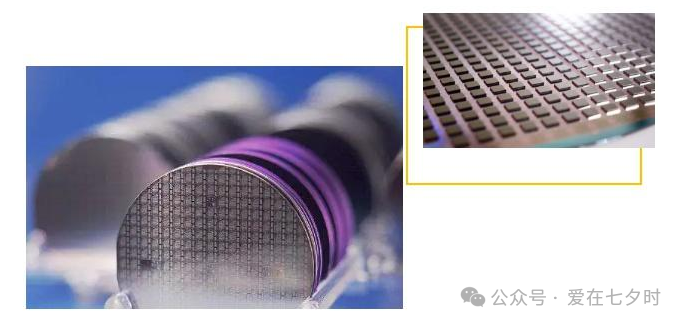
A wafer is a silicon chip used in the production of silicon semiconductor integrated circuits. Due to its circular shape, it is referred to as a wafer, represented in English as: Wafer. The wafer is the basic raw material for manufacturing ICs. Silicon wafers refer to silicon elements that have been purified (99.999%), followed by the formation of long silicon rods from this pure silicon, which become the quartz semiconductor material for manufacturing integrated circuits. Through processes such as photolithography, grinding, polishing, and slicing, polycrystalline silicon is melted to pull out single crystal silicon rods, which are then sliced into thin wafers.
Various circuit component structures can be processed and manufactured on silicon wafers, resulting in integrated circuit products with specific electrical functions. During the laser cutting process of semiconductor wafers (also known as chips), various circuits must be formed on them, and after surface treatment, the wafers are cut to manufacture chips.
Among them, wafer dicing, i.e., wafer slicing, is an essential step in the semiconductor chip manufacturing process. It is a post-process in wafer manufacturing, where the entire wafer, once the chips are ready, is divided into individual chips (die) according to the size of the chips, referred to as wafer dicing.
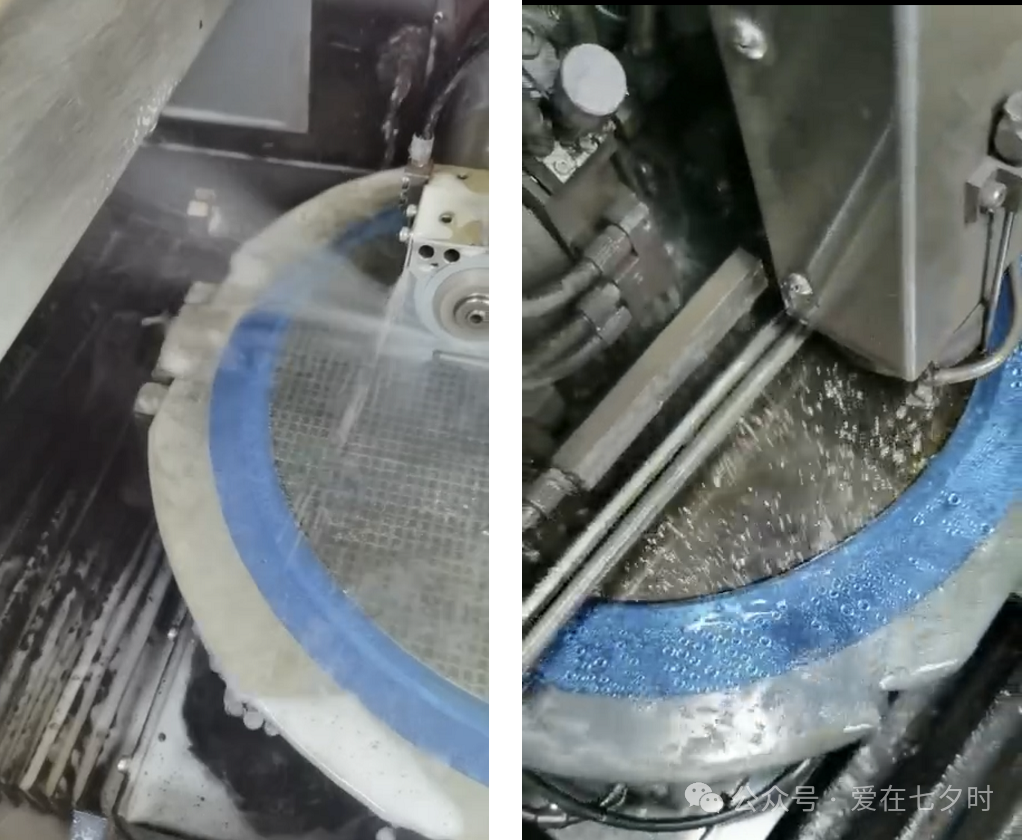
Therefore, wafer dicing is a post-process in semiconductor manufacturing. We often see wafer dicing equipment connected to a coolant supply machine (commonly referred to as a dosing machine). In fact, the coolant plays a crucial role in this process.
1. Overview of Wafer Dicing Coolant
The coolant, known in English as: Dicing Coolant or Dicing Fluid, is a key liquid material used for precision cutting of semiconductor wafers (or silicon wafers, compound semiconductors, and other hard and brittle materials) in the microelectronics industry, classified as a semiconductor manufacturing chemical. In terms of its composition, it is a composite material made up of various chemical substances (such as coolants, lubricants, additives, etc.), specifically designed to meet the cutting requirements of “high precision and low damage” in semiconductor manufacturing.
2. Functions of Wafer Dicing Coolant
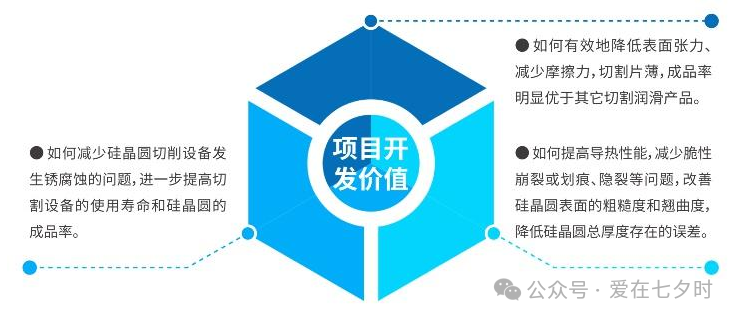
During the wafer dicing process, due to the strong mechanical forces, the high-speed rotating (approximately 30,000~60,000 rpm) diamond blade experiences intense friction and impact with the wafer material. Micro-cracks, chipping, and stress concentration points can easily occur at the edges of the semiconductor wafer, and there is also uneven stress distribution and damage on the wafer surface. These defects are significant factors leading to a large number of secondary defects such as slip lines, epitaxial layer faults, slip dislocations, and micro-defects during semiconductor wafer manufacturing, as well as the fragility of semiconductor wafers and chips. The damage and stress issues present in semiconductor wafers have become obstacles to the continued development of the microelectronics industry. Overcoming the vibration of wire saws and improving their stability in wire cutting processes are crucial for reducing surface damage to silicon wafers, especially for rough surface defects. However, selecting high-performance wire cutting fluids is also an important way to minimize or avoid the aforementioned issues. If not controlled, a series of problems can arise. The core function of the cutting fluid is to address these issues, and its main functions include:
1. Cooling
This is the primary function. Friction generates a significant amount of heat, leading to a rapid increase in local temperature. Excessive temperatures can:
a. Damage the chip
Causing thermal stress within the wafer, leading to micro-cracks or even chipping, which reduces the mechanical strength and electrical performance of the chip.
b. Damage the blade
High temperatures can oxidize or graphitize the diamond particles on the blade and soften the binder, leading to accelerated wear and reduced lifespan of the blade.
2. Lubrication
The cutting fluid forms a lubricating film between the blade and the wafer, reducing friction resistance.
a. Reducing cutting force
Makes the cutting process smoother, reduces mechanical stress, thereby minimizing chipping and cracking.
b. Improving cutting quality
Achieving smoother and cleaner cutting paths.
3. Cleaning
During cutting, a large amount of silicon debris and other contaminants are generated. The cutting fluid uses flowing liquid to wash them away from the cutting path and wafer surface, preventing them from:
a. Reattaching
Contaminating the wafer surface or chip functional areas.
b. Clogging the blade
Debris can clog the diamond particles on the blade, reducing cutting efficiency and even causing blade vibration, leading to greater damage.
4. Anti-static
Friction generates static charges that attract dust and particles. Many cutting fluids contain antistatic agents that can eliminate static charges and keep the wafer clean.
In summary, the addition of cutting fluid is to ensure a high yield, high quality, and high efficiency during the cutting process, while protecting expensive cutting blades and equipment.
3. Characteristics of Wafer Dicing Coolant
Because wafer dicing coolant is not a single-component liquid, but a precisely designed water-based chemical formulation. Its main components include:
1. Deionized Water (DI Water)
Comprising over 90%, it serves as the basic carrier. Deionized water must be used to avoid ionic contamination of the semiconductor wafer.
2. Lubricants
Surfactants: One of the core components. They can reduce the surface tension of the liquid, allowing it to better penetrate the cutting area and form a lubricating film on the blade and wafer surface. Typically categorized into anionic, non-ionic, etc.
3. Rust Inhibitors / Corrosion Inhibitors
Prevent moisture in the cutting fluid from corroding the metal components of cutting equipment (spindle, chuck, worktable). For wafers made of special materials (such as those with metal layers), corrosion prevention is also necessary.
4. Antistatic Agents
Used to neutralize static charges generated by friction.
5. Biocides / Preservatives
Prevent the water-based solution from breeding bacteria, algae, or fungi due to long-term use in the circulation system, avoiding these microorganisms from clogging pipes and contaminating wafers.
6. Other Additives
Such as pH stabilizers, defoamers, etc., used to maintain the stability of the chemical properties of the cutting fluid and ensure smooth processing.
It is important to note that the formulation of cutting fluid is core technology for major chemical manufacturers (such as DuPont, BASF, etc.) and is optimized and adjusted based on different cutting applications (such as wafer type, blade type, cutting speed).
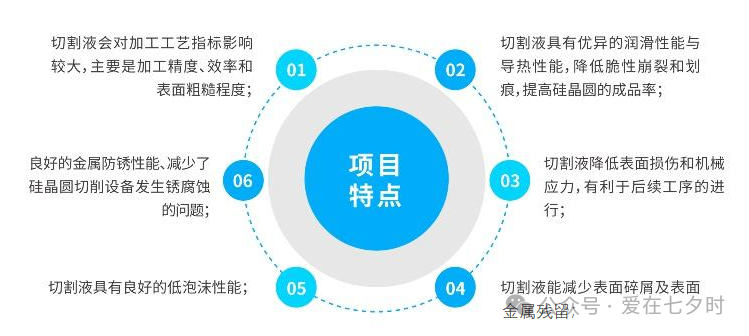
Therefore, due to the above components, wafer dicing coolant exhibits the following characteristics:
1. It significantly impacts the manufacturing process indicators, mainly processing accuracy, high efficiency, and surface smoothness.
2. It can reduce the occurrence of rust in silicon wafer cutting equipment.
3. It has excellent low-foam performance.
4. Because the cutting fluid can reduce the actual operational and mechanical stress on the wafer surface, it is beneficial for subsequent processing of the wafer.
5. The cutting fluid has outstanding wetting and heat transfer properties, which can reduce ductile fracture and scratches, improving the yield of silicon wafers.
6. It can reduce surface debris and residual metal layers.
4. Working Mechanism of Wafer Dicing Coolant
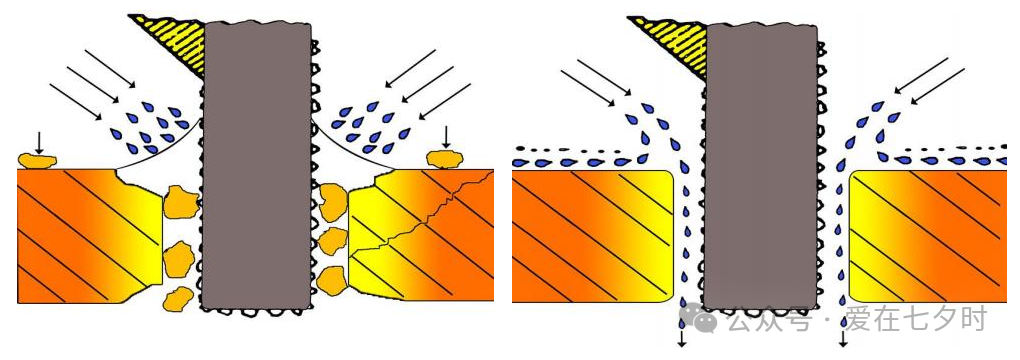
Under the action of organic active components in semiconductor wafer cutting fluid, the surface tension of DI water can be reduced, allowing silicon powder generated during cutting to be promptly washed away, and enhancing the wettability of DI water, lubricating the cutting path, and lowering blade temperature, effectively reducing chipping phenomena.
The “surface tension” mentioned above refers to the tension acting along any boundary on the surface of a liquid due to uneven molecular attraction. Typically, the molecules at the surface of the liquid are relatively sparse, with larger intermolecular distances, and the attraction between liquid molecules is greater than the repulsion, resulting in a net force acting parallel to the liquid interface. For example, dew in nature tends to form spherical shapes.
5. Usage Scenarios of Wafer Dicing Coolant
Although wafer dicing coolant is required during wafer slicing processing, almost all mechanical blade cutting (Blade Dicing) processes require the use of cutting fluid. However, there are exceptions, so there are situations where wafer dicing coolant is not needed during wafer processing. Specifically, the following situations are particularly critical:
1. Traditional silicon (Si) wafers
This is the most common application scenario. Whether for logic chips, memory chips, or analog chips, as long as diamond blades are used for cutting, cutting fluid must be used to control heat and stress.
2. Fragile and brittle material wafers
Compound semiconductors: such as gallium arsenide (GaAs), indium phosphide (InP), silicon carbide (SiC), gallium nitride (GaN), etc. These materials are more brittle than silicon and are very sensitive to mechanical stress, thus requiring higher lubrication and cooling from cutting fluids to prevent severe chipping. Glass, ceramics, and sapphire substrates: used in MEMS sensors, RF devices, LEDs, etc., these materials are prone to cracking and chipping, heavily relying on cutting fluids to ensure cutting quality.
3. Complex structure wafers
Thinned wafers: Wafers are ground to a thickness of 100μm or even below 50μm before cutting, making them very soft and fragile, requiring cutting fluids to provide excellent cooling and lubrication to prevent warpage and breakage.
a. Low-k dielectric material wafers
Low-k materials have very low mechanical strength, are porous and fragile, and are prone to interlayer delamination during cutting. Cutting fluids help reduce stress.
b. 3D stacked and packaged wafers
Such as through-silicon vias (TSV) technology, 2.5D/3D packaging, these wafer structures are complex, and interlayer bonding strength may become a weak point, requiring gentle and efficient cutting processes.
3. Situations where wafer dicing coolant is not needed
a. Laser cutting
Stealth Dicing (SD): Lasers modify the wafer internally, then split it using a membrane expansion machine. This is a completely dry process that does not require any cutting fluid.
b. Ablation laser cutting
Although laser cutting is a dry process, sometimes a small amount of deionized water (Water Jet) is used to guide the laser, cool the surface, and clear debris, but this is usually not classified as traditional “cutting fluid”.
6. Process Requirements for Using Wafer Dicing Coolant
1. Use soft water to prepare the cutting fluid;
2. Dilute the fluid 15 to 25 times for application;
3. For long-term use, when the consumption of cutting fluid reaches 1/3 to 1/2 of the total volume, immediately replenish with original liquid or a new cutting fluid of appropriate concentration;
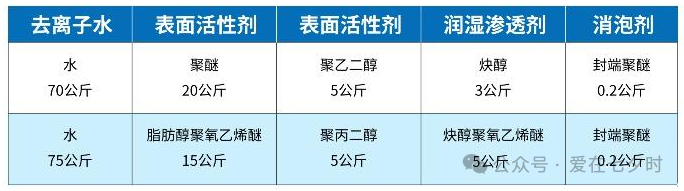
7. Reference Formulation for Wafer Dicing Coolant (For Reference Only)
The following is a reference formulation for wafer dicing coolant, remember: it is for reference only, and specific situations must be adjusted accordingly:
8. Application Fields of Wafer Dicing Coolant
The application fields of wafer dicing coolant are mainly concentrated in semiconductor manufacturing and related industries, with its core role being to enhance cutting efficiency, protect material surfaces, and reduce production costs. Specific application fields include:
1. Semiconductor Industry
Used for cutting silicon wafers, it is a core material for manufacturing chips and integrated circuits. By reducing friction and providing cooling effects, it minimizes tool wear and improves cutting precision and yield.
2. Optoelectronic Industry
Mainly applied in cutting hard and brittle materials like gallium nitride, used for manufacturing light-emitting diodes (LEDs), laser diodes, etc., ensuring the performance and lifespan of optical components.
3. Display and Solar Cell Manufacturing
Used in the display manufacturing industry for cutting glass substrates, and in the solar cell field for cutting silicon wafers, ensuring product size accuracy and photoelectric conversion efficiency.
4. Processing of Other Hard and Brittle Materials
In addition to the above fields, it is also used for precision processing of high-hardness materials like sapphire and silicon carbide, meeting high-precision cutting requirements.
In summary, wafer dicing coolant optimizes the cutting process, becoming a key supporting material for enhancing capacity and product quality in the semiconductor and related industries.
9. Development Trends of Wafer Dicing Coolant Materials
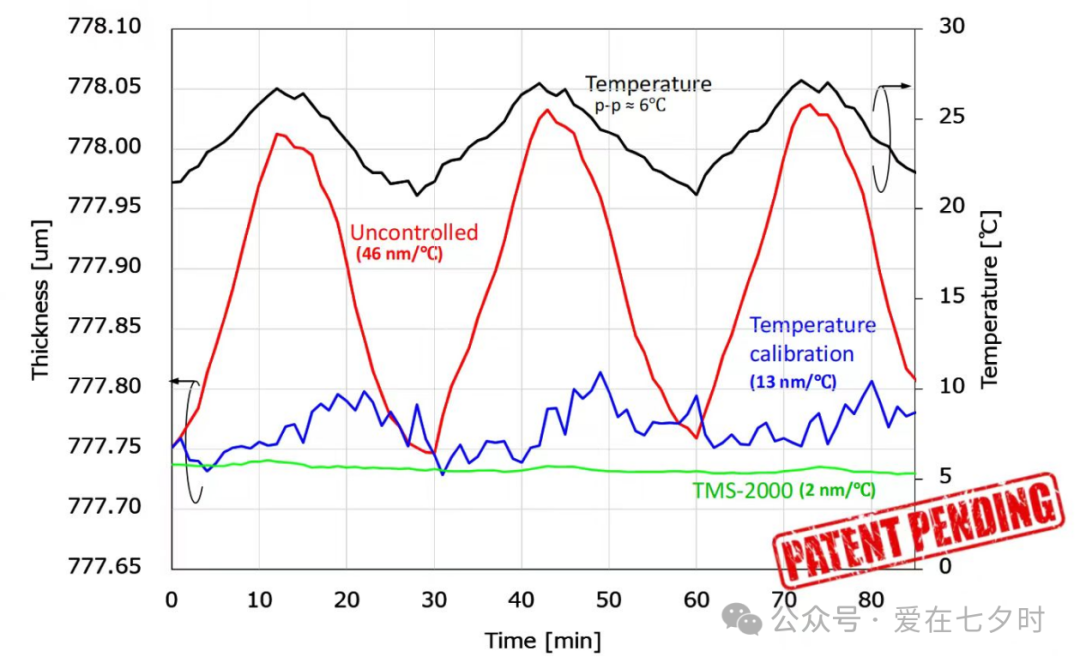
The development trends of wafer dicing coolant materials are mainly reflected in the continuous growth of market size, technological innovation driving efficiency improvements, diversification of product types, and policy support promoting the development of clean energy fields. Specific analyses are as follows:
1. Continuous Expansion of Market Size
The global wafer dicing coolant market is expected to grow from 12.477 billion yuan in 2024 to 16.589 billion yuan in 2030, with a compound annual growth rate of approximately 4.86%. Among them, the market size in China is 6.987 billion yuan, accounting for a significant proportion of the global market and maintaining stable growth.
2. Technological Innovation Enhancing Efficiency and Quality
a. New high-efficiency cutting fluids significantly improve the cutting efficiency of single crystal silicon wafers (e.g., a 10% efficiency increase in 2018);
b. Patent technologies (such as slurry cutting fluids) can reduce production costs and improve product quality;
c. The semiconductor industry continues to promote cutting technology improvements, with higher performance requirements for cutting fluids.
3. Diversification of Product Types
Wafer dicing fluids are divided into water-soluble (water-based) and water-insoluble (oil-based) types, meeting the needs of different application scenarios. For example, solar wafer cutting fluids (PEG) have seen significant growth due to clean energy policies and technological advancements.
4. Surge in Demand in the Clean Energy Sector
Driven by “carbon peak” and “carbon neutrality” policies, the solar energy industry is rapidly developing, leading to an expansion of the market demand for solar wafer cutting fluids. At the same time, growth in the Asian market provides broad opportunities for Chinese companies.
5. Competitive Landscape and Market Opportunities
Major global manufacturers maintain competitiveness through technological innovation and cost control, while Chinese companies gradually increase their market share under policy dividends and technological breakthroughs. Policy support and technological iteration in the semiconductor and solar energy fields are the main growth drivers.
10. Conclusion
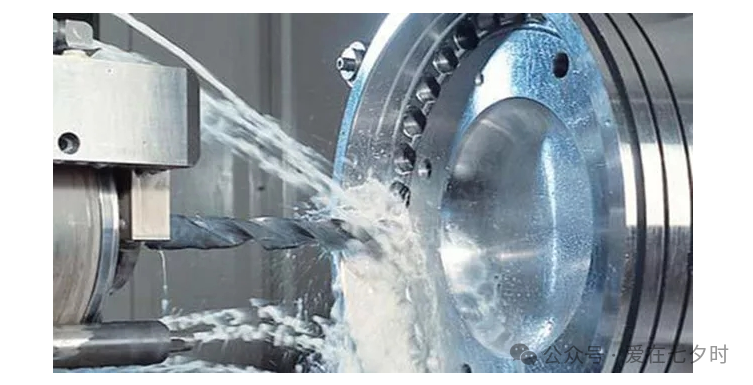
Wafer dicing coolant is the indispensable “blood” in mechanical blade cutting processes. Through key functions such as cooling, lubrication, and cleaning, it ensures that various wafers, especially advanced and fragile wafers, can be cut into individual chips with high quality and efficiency.
————-The End————-
Disclaimer
We respect originality and emphasize sharing. The text and images in this article are copyrighted by the original author, and the purpose of reprinting is to share more information, not to represent the position of this account. If your rights are infringed, please contact us promptly (137 2835 6265), and we will verify and handle it as soon as possible. Thank you!
References:
1. https://www.zhihu.com/people/duan.yu Love on Qixi Festival – Zhihu
2. https://www.toutiao.com/c/user/token/MS4wLjABAAAAUkmyCsEUiJ_5o06AvWcYLW7ycSONRcGHhNAp5cf48gD1xyRQcnphp2kzUC9nfHCB/?source=list&log_from=8856cfa9eb098_1725506099027 Love on Qixi Festival’s Toutiao Homepage – Toutiao
3. https://wx.zsxq.com/group/48888542154528 Love on Qixi Festival – Knowledge Planet
4. https://www.weibo.com/u/3185658311 @Love on Qixi Festival’s Personal Homepage – Weibo