In today’s rapidly advancing technological era, the application of 3D printing in healthcare is thriving. Every week, detailed information about innovations in 3D printing human organs is being released. However, the applications of 3D printing go far beyond this; it is driving breakthroughs in the healthcare and medical technology sectors, thereby improving and saving lives.
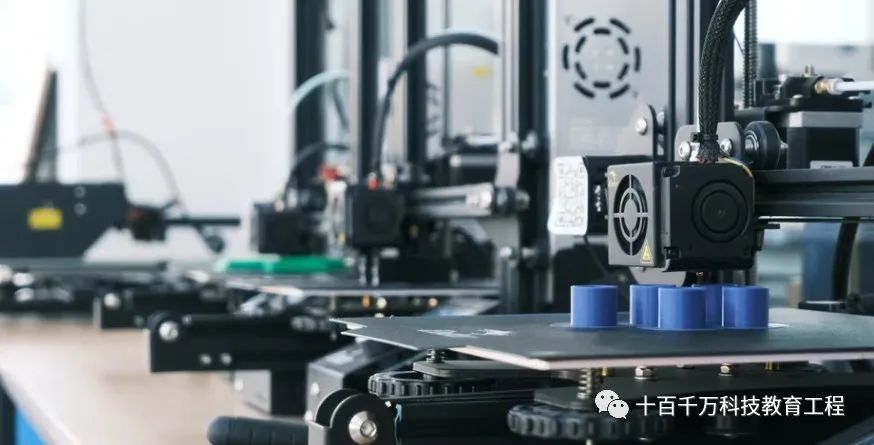
This article will briefly introduce the various applications of 3D printing in healthcare, including medical devices and equipment, medical models and simulations, the manufacturing of human organs and tissues, and innovative methods for performing surgery and treatment on patients.

△Video: 3D Printed Prosthetics (link)
1. 3D Printed Prosthetics The application of 3D printing in healthcare is rapidly developing, driving breakthroughs in the healthcare industry and medical technology. One area of growth is the customized prosthetics market, where many organizations utilize 3D printing to meet the needs for personalized limbs. For example, Open Bionics, e-NABLE, and UNYQ produce prosthetics that are not only fully functional but also aesthetically pleasing. These inspiring stories in the video showcase individuals using 3D printed prosthetics who have not only regained the use of their limbs but have also achieved remarkable accomplishments. At the core of these stories are advanced materials and technologies. 3D printed prosthetics are made from lightweight, durable plastics, often combined with materials like silicone, TPE, or rubber to fit comfortably against the body. As technology becomes more accessible, creators are looking for new ways to manufacture prosthetics, and undoubtedly, we will see more exciting advancements in the coming years.
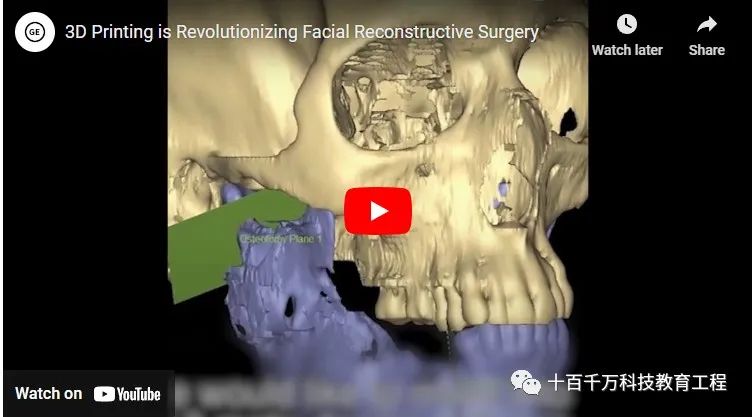
△Video: Medical 3D Printed Implants (link)
2. 3D Printed Implants The application of 3D printing technology in healthcare is becoming increasingly widespread, with 3D printed implants playing an increasingly important role in medical treatment. These implants include plates and screws made from materials such as titanium or cobalt-chromium, which can be used for bone injuries, cranial plates, and spinal fusion devices. For instance, companies like Materialise, Stryker, and 4WEB Medical utilize 3D printing technology to create customized implants that perfectly match the patient’s unique anatomical structure, thereby improving treatment outcomes. Many severely injured patients have successfully undergone facial bone reconstruction and spinal fusion surgeries using customized 3D printed implants. Additionally, bioprinting technology is also a future trend, where a patient’s cells can be used to create living functional tissues for implantation.

△Video: Personalized Medicine in Healthcare (link)
3. 3D Printing in Drug Delivery Another extraordinary application of 3D printing in healthcare is drug delivery. Personalization is the trend of the future, and by utilizing 3D printing technology, medications can be tailored to the specific needs of each patient. Companies like Aprecia Pharmaceuticals and FabRx can customize drugs according to each patient’s specific requirements. By employing techniques such as fused deposition modeling, these companies can create complex pill structures that control the release of active ingredients. Porous pills produced by 3D printing dissolve quickly, while multi-layer pills can release different medications at different times, providing more precise treatment for patients. Elderly patients who require multiple prescriptions may be able to better manage their medication regimen through the use of customized pills.
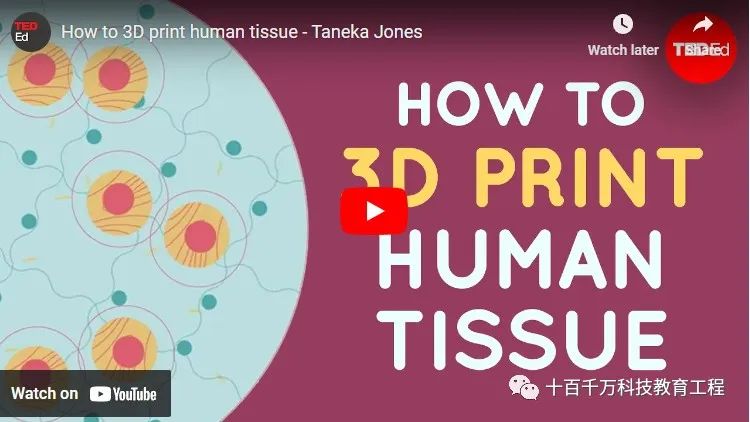
△Video: 3D Printed Tissues and Organs (link)
4. 3D Printed Tissues and Organs The range of applications for 3D printing is extensive, even extending to the manufacturing of automobile parts. However, 3D bioprinting is the next level. Scientists are working to print human skin and other tissues for burn patients, hoping to one day print miniature organs for drug testing. Companies like Organovo and Prellis Biologics have made strides in this field. The core of 3D bioprinting is a complex process that involves layering cells (also known as bio-ink) in precise patterns to create living structures. Imagine a 3D printer equipped with multiple syringes, each filled with different types of cells. The printer places one layer of these cells at a time until the fully formed tissue or organ takes shape. One of the significant news stories in 2022 was that 3DBio Therapeutics successfully 3D printed a human ear. While this may seem like a relatively simple part of human anatomy, scientists are working diligently to improve bioprinting technology to create fully functional transplantable organs. Although we are far from 3D printing real human organs, the prospects of this technology are exciting. If it becomes possible to successfully print human organs in the future, it will bring hope to many patients awaiting organ transplants.
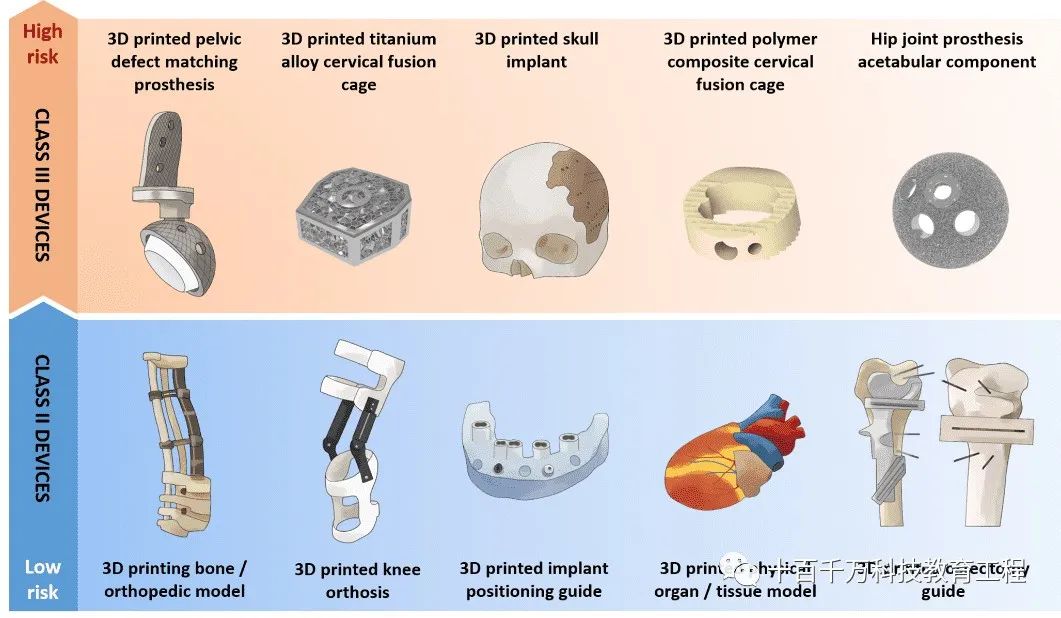
△Main Types of 3D Printed Medical Devices
5. 3D Printed Medical Devices By using 3D printing, surgeons can customize surgical instruments designed specifically for particular surgeries or patient anatomical structures, improving the accuracy and efficiency of surgeries while enhancing patient outcomes. For example, customized retractors can adapt to the unique anatomical structure of patients, minimizing trauma to surrounding tissues. This is another significant application of 3D printing in healthcare.

Embracing the Future of 3D Printing Technology Looking ahead, this transformative technology will undoubtedly bring more unimaginable breakthroughs, positively impacting the lives of many more people globally. 3D printing technology will continue to evolve, potentially introducing innovative solutions in more fields, such as personalized medical devices, custom organs, and more efficient drug therapies. While there are many challenges to overcome, we can look forward to seeing more innovations and breakthroughs. Therefore, embracing the future of 3D printing technology will be a significant trend in the healthcare industry, bringing more benefits and helping more people achieve a better quality of life.