With the increasing threat of Unmanned Aerial Vehicles (UAVs), Counter-Unmanned Aerial Vehicle (C-UAV or CUAV) capabilities are becoming an important part of modern armed forces’ air defense units.
In the ongoing war in Ukraine, both sides have deployed a large number of unmanned systems. Events in the Middle East over the past decade have foreshadowed this development, with Iraqi insurgents weaponizing civilian drones and Houthi rebels launching sophisticated long-range drone attacks on Saudi energy facilities. Around the world, nation-states are deploying UAVs of various sizes and mission scopes, ranging from backpack-portable personal reconnaissance systems to long-range, high-endurance surveillance and attack drones. Smaller drones are particularly noteworthy. They are difficult to detect, can be deployed in large numbers (either dispersed to cover vast areas or in swarms to overwhelm defenses), and are much cheaper than manned aircraft. All these characteristics pose significant challenges for C-UAV missions.
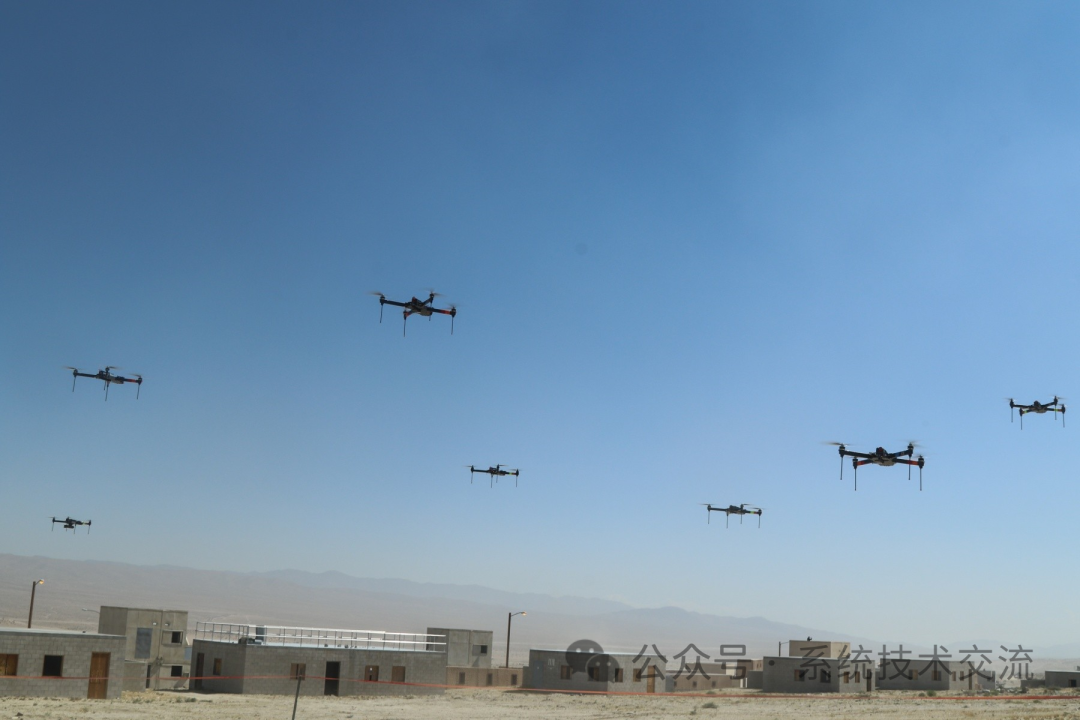
The U.S. Armed Forces (as well as other forces) have been developing and adjusting their C-UAV strategies, tactics, and hardware to stay ahead of the threats. Each branch of the military is pursuing tactics and weapon systems optimized according to its operational focus. Since larger drones often have characteristics similar to manned aircraft, most targeted research has been on the threats posed by small Unmanned Aerial Vehicles (sUAVs). This includes the first two of five drone groups classified by the U.S. Armed Forces. Group 1 drones weigh less than 9 kilograms, with a working ceiling below 366 meters and a maximum airspeed of 51.4 meters per second (100 knots).
The corresponding numbers for Group 2 drones are a weight of 9-25 kilograms, a ceiling of 1,067 meters, and an airspeed of 128.6 meters per second (250 knots). However, Group 3 or medium drones (weighing <600 kilograms; service ceiling of 5,487 meters, speed of <128.6 meters per second (250 knots)) remain a major issue, especially since they can carry large lethal payloads.
To reduce redundancy, the Pentagon appointed the U.S. Army in 2019 as the executive agency overseeing all Department of Defense (DoD) Counter-Unmanned Aerial Vehicle (C-sUAV) programs. The Joint Counter-Small Unmanned Aerial Systems Office (JCO) was established in 2020 to coordinate with the Joint Force Command and the DoD’s Office of the Under Secretary of Defense for Acquisition and Sustainment. JCO Director, U.S. Army Major General Sean Gainey, emphasized the need for a layered system approach to C-UAV operations. Gainey stated in February 2023 that no single capability can defeat the variety of threats.
Dedicated Air Defense Weapons
High-end air defense and missile defense systems like the Patriot can intercept drones. However, they are rarely the best choice except for neutralizing large, high-altitude, or very fast unmanned aircraft. Small, low-altitude, and slow-flying drones are difficult for high-end systems to detect and engage. As for medium drones, adversaries are likely to saturate the airspace with relatively cheap drones, hoping to exhaust expensive air defense missile stocks, deplete batteries, and leave the U.S. military under-equipped to counter subsequent cruise missiles or manned tactical aircraft.
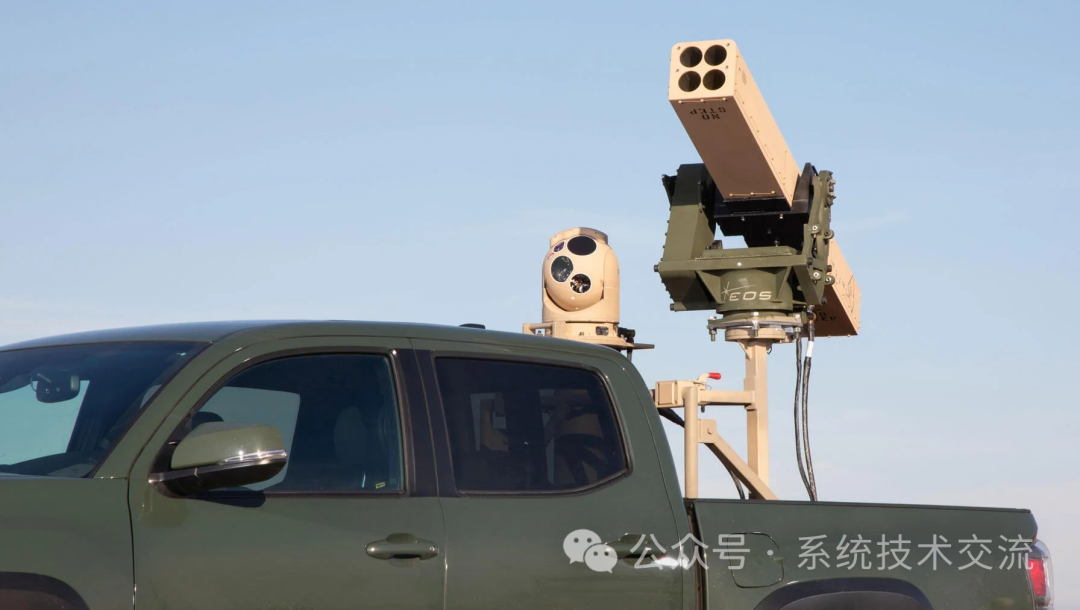
Interceptor systems with lower operational costs are being developed for C-UAV missions. L3Harris Technologies unveiled such a system called VAMPIRE (Vehicle-Agnostic Modular Palletized ISR Rocket Equipment) at the Association of the United States Army (AUSA) meeting in November 2022. This weapon suite took two years to develop and consists of a four-unit 70mm rocket launcher and a WESCAM MX-10 stabilized infrared targeting system. The company plans to further upgrade the weapon system by adding radar. According to L3 Harris, the VAMPIRE suite can be mounted on most tactical or commercial vehicles, including pickup trucks. The C-UAV system is controlled by a single operator using a joystick and screen. The Advanced Precision Kill Weapon System (APKWS) rockets guided by laser use a proximity fuse designed by L3Harris to destroy targets. VAMPIRE is considered a low-cost intercept weapon – the cost per APKWS varies by variant, but is approximately $27,500. This is roughly the same cost as the intercepted medium drone, or about 1% of the cost of high-end intercept missiles. The suite is currently being provided to the Ukrainian Armed Forces through redirection based on a U.S. Navy prototype contract ordered before the Russian invasion of Ukraine.
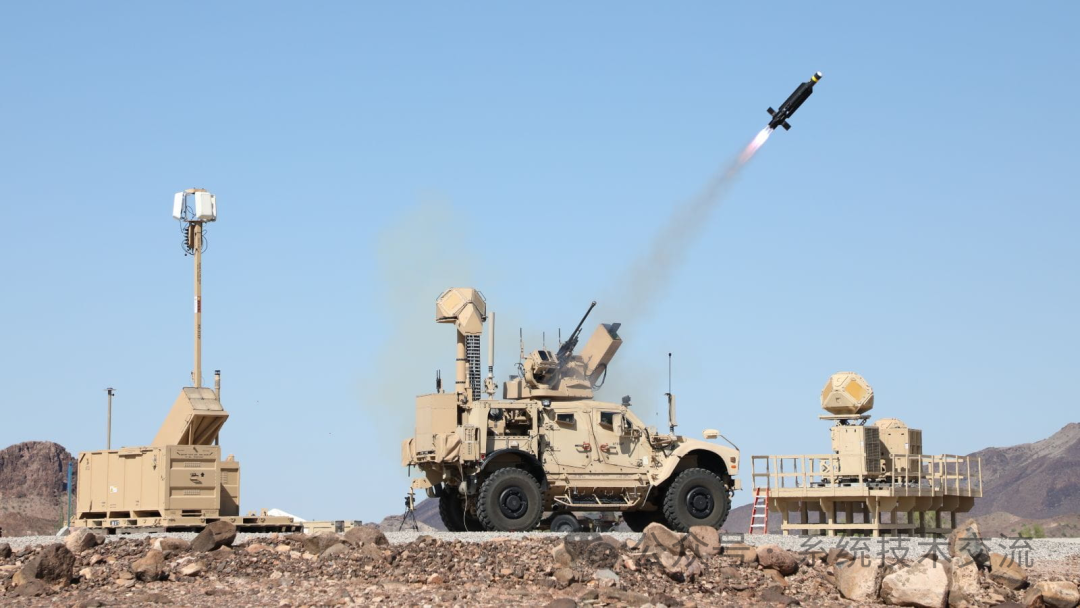
The U.S. Army has chosen Raytheon’s vehicle-mounted LIDS (Low, Slow, Small Unmanned Aircraft System Integrated Defeat System) as a recent C-UAV solution. LIDS consists of Raytheon’s Coyote unmanned aircraft (upgraded with an active radar seeker and warhead and deployed as a de facto surface-to-air missile) and the company’s Ku-band Radio Frequency Sensor (KuRFS) multi-function radar or its lighter counterpart Ku-720. Northrop Grumman’s Forward Area Air Defense Command and Control (FAAD C2) system and an electronic warfare (EW) system manufactured by Syracuse Research Corporation are also integrated into LIDS. The weapon system can be mounted on tactical vehicles or provided as a pallet system for point defense. It offers kinetic and non-kinetic options to neutralize individual armed and reconnaissance drones, up to Group 3 drones and drone swarms. The system was first unveiled in January 2023 when a Coyote shot down two attacking drones targeting a U.S. outpost in southeastern Syria. The Army plans to equip two brigades with LIDS.
Small Arms Kinetic Weapons
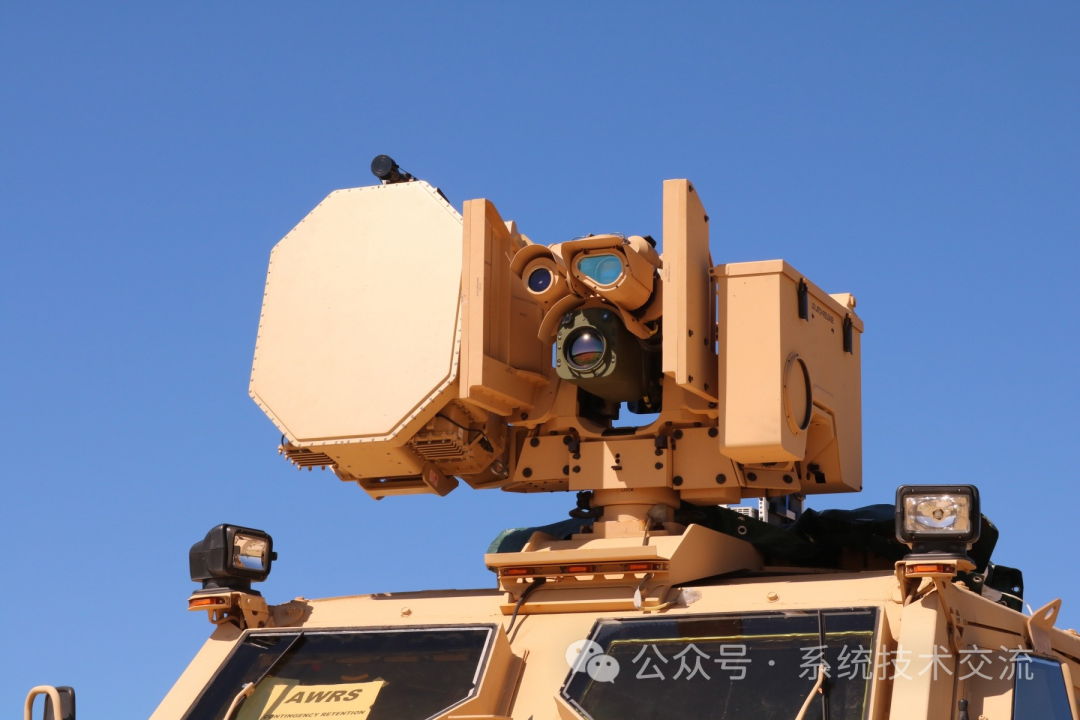
Standard issue vehicle-mounted and portable cannons can be aimed at medium and small drones at close range. The biggest challenge here is target acquisition. Vehicle-mounted automatic weapons benefit from additional sensors calibrated for drone threats. The U.S. Army is taking various initiatives, including the Ballistic Low Altitude Drone Engagement (BLADE) system. This sensor suite can be integrated with common remote weapon stations (CROWS) carried on various tactical vehicles. BLADE enhances the chances of acquiring and destroying small, irregularly moving targets by adding targeting radar and fire control software to the optical sensors already present on the weapon station.
In October 2022, Israeli company Smart Shooter announced that the U.S. Army had signed a contract to purchase the SMASH 3000 fire control system, which has also been evaluated by the U.S. Navy, Marine Corps, and Special Operations Command. The SMASH 3000 computerized fire control and optical system weighs 740 grams and can be mounted on standard assault rifles and sniper rifles, replacing other sights or aiming aids. According to the manufacturer, when soldiers aim at a drone, SMASH 3000’s “target acquisition and tracking algorithm […] integrates with advanced image processing software to automatically acquire targets. The processor predicts the target’s motion and continues to track it as the drone or shooter moves. When the system locks onto a target, soldiers are instructed to fire. SMASH 3000 is said to achieve a one-shot kill against small drones at distances of up to 200 meters.
In October 2022, the Army announced it would purchase Northrop Grumman’s XM1211 30mm High Explosive Proximity (HEP) round to be deployed on the XM914 chain gun. The XM914 is mounted on various wheeled tactical vehicles, including Stryker vehicles. According to Northrop Grumman, the 30×113mm round is specifically designed for engaging drones weighing between 9 and 114 kilograms. Each round is equipped with a Radio Frequency (RF) proximity fuse. Proximity-fused munitions are expected to significantly enhance lethality against individual drones and drone swarms compared to impact fuses or timed fuses.
Electromagnetic Weapons
The JCO believes that once the technology matures, directed energy is expected to be used for counter-swarm operations. All electromagnetic (EM) weapons have the advantage of an almost inexhaustible “magazine” and extremely low operational costs per shot. Various electromagnetic weapon concepts are being considered to counter medium and small drones. These weapons can be divided into three categories: radio frequency “jammers,” high-power microwave (HPM) weapons, and high-energy laser (HEL) weapons.
Jammers disrupt the connection between the remote-controlled drone and its operator, forcing the drone to land or return to its launch point (which has the added benefit of revealing the enemy controller’s location). High-power microwave weapons can overload and disrupt the microelectronic devices on the drone. Jammers and HPM can cover a significant airspace area at any given time and simultaneously disable multiple targets. The downside is that HPM energy disperses relatively quickly, limiting effective range. Jamming and electronic countermeasures can also protect drones from interference and HPM radiation.
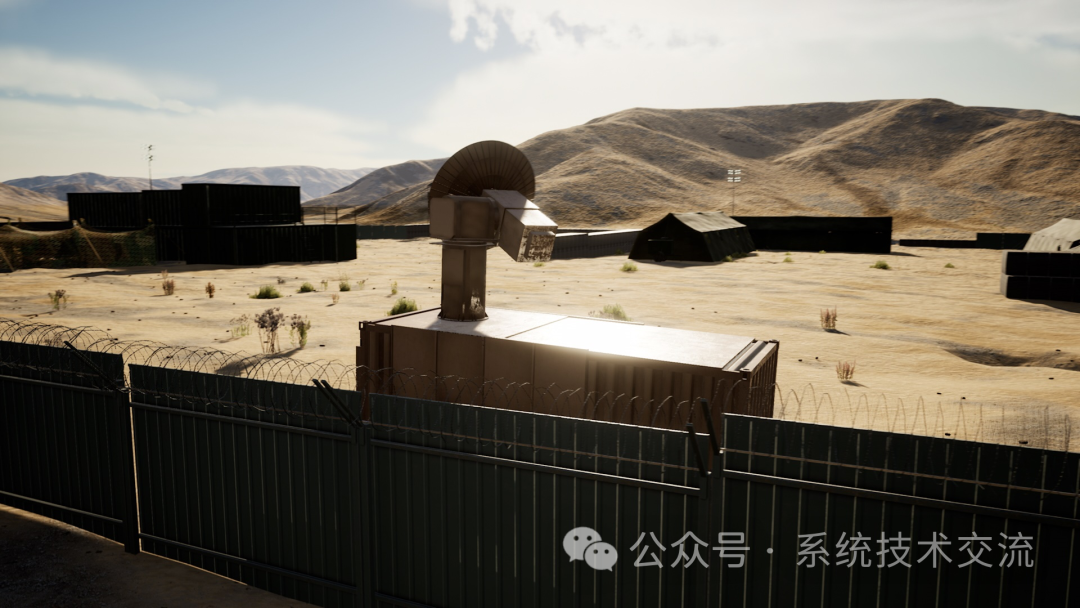
Within the JCO structure, the U.S. Air Force (USAF) has taken a leading role in electromagnetic, particularly HPM weapon research. In February 2022, the Air Force Research Laboratory (AFRL) awarded a contract to Leidos, Inc. to develop an advanced HPM C-UAV system called Mjölnir. This project builds on an earlier technology demonstration project initiated in 2018 called THOR (Tactical High Power Operational Responder). The U.S. Air Force successfully tested against drone swarms, primarily in tests conducted in New Mexico, with expeditionary tests at a secret location in Africa. Mjölnir will be a smaller but more powerful system than THOR (which is mounted in a 6-meter container), using the same technology but with significant advances in capability, reliability, and manufacturing readiness. Adrian Lucero, THOR project manager at AFRL’s Directed Energy Directorate at Kirtland Air Force Base in New Mexico, stated, “Mjölnir will focus on creating a detailed blueprint for all future [C-UAV HPM] systems, with enhanced range and technology for detecting and tracking” drones. Leidos expects to deliver the Mjölnir prototype in FY2023. Potential applications include defending expeditionary military bases for all branches of the military.
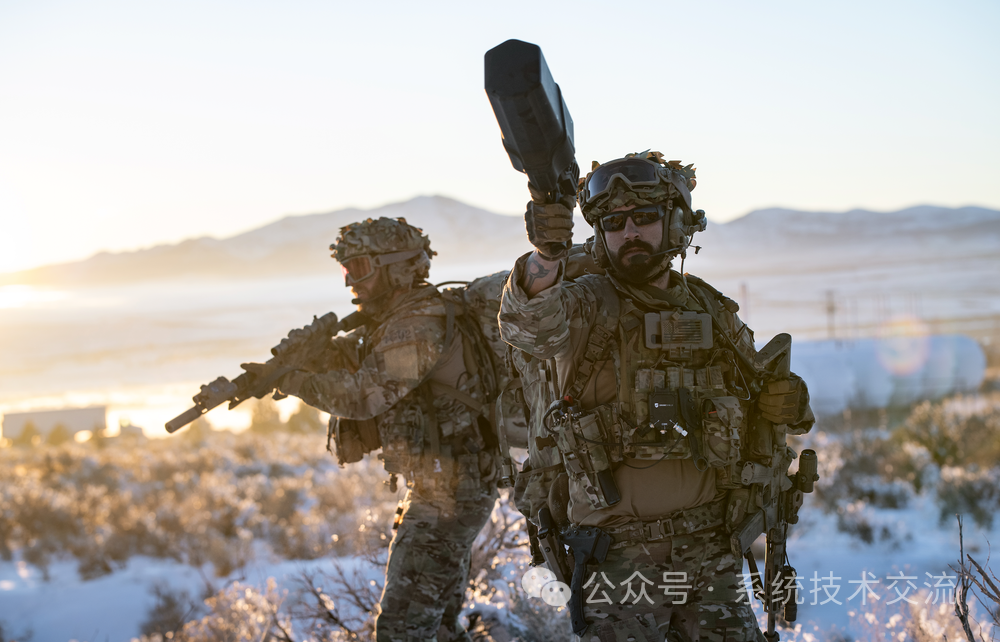
Handheld portable directed energy weapons are expected to provide flexible solutions for close-range C-UAV missions. Shaped, sized, weighted, and operated similarly to assault rifles or even large handguns, weapons like DroneShield’s DroneGun require minimal training and can be carried by infantry or military police in the field or on guard duty. Batteries can be replaced on-site, ensuring long operational capability. They use high-performance directional antennas to directly apply radio frequency interference to drones. The disruption simultaneously covers multiple frequencies, including interference with guidance and satellite navigation channels, and also immediately terminates video and data transmission from the drone. The rotating dial on the weapon can select active jamming frequencies based on the assessment of the current threat. Major models include the 7.3 kg DroneShield Tactical and the DroneGun Mk 3 optimized for one-handed operation. Both are effective against various ISM bands as well as satellite navigation.
Laser Weapons
All branches of the military and the Joint Forces Defense Advanced Research Projects Agency (DARPA) are pursuing HEL weapons capable of engaging drones and other aerial threats, from artillery shells to cruise missiles and manned helicopters. While power outputs of 300 kW to 1 MW are considered necessary to defeat complex targets, outputs in the 50-100 kW range are believed to be sufficient to disable drones. Current systems have demonstrated this capability.
The U.S. Army’s Directed Energy Maneuver Short-Range Air Defense (DE M-SHORAD) system consists of an 8×8 armored Stryker vehicle equipped with a 50 kW laser weapon. This system, named “Guardian,” is suitable for C-UAV and Counter-Rocket, Artillery, and Mortar (C-RAM) roles, as well as engaging manned helicopters. A prototype platoon of four vehicles is being deployed at Fort Sill in Oklahoma. The prototype platoon will be available for actual deployment, but its primary purpose is to inform the ongoing DE M-SHORAD development and evaluation program for the service. Currently, with the support of the Army Rapid Capability and Critical Technologies Office (RCCTO), DE M-SHORAD is expected to transition to the Program Executive Office (PEO) Missiles and Space’s record procurement program in 2024.
The Navy is pursuing the same general concept as ground forces, focusing on high-energy lasers (HEL) to destroy drones or neutralize their sensors. Two leading Navy projects are HELIOS (High Energy Laser with Integrated Optical-dazzler and Surveillance) 60 kW laser and ODIN (Optical Dazzling Interceptor, Navy). Both are ship-mounted weapons designed to protect vessels from direct and indirect threats posed by drones (such as target discovery by enemy ships). ODIN is considered a “dazzler” that temporarily blinds drone sensors, while HELIOS aims to physically take down unmanned aircraft. HELIOS combines potentially destructive lasers with non-destructive dazzlers to provide a range of options against drones and other threats.
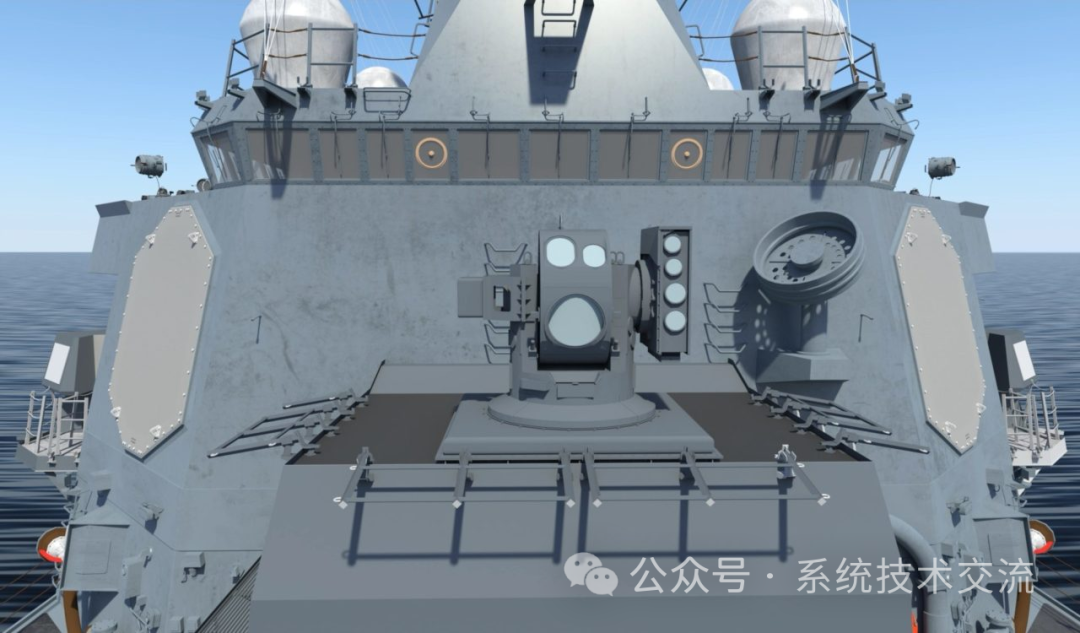
The Navy’s FY2023 budget request defines ODIN as a “near-term… shipborne counter-intelligence, surveillance, and reconnaissance” capability specifically designed to dazzle drones and other ISR platforms. To date, the Navy has deployed ODIN on seven Arleigh Burke-class destroyers and plans to deploy an eighth in FY2023. In 2022, a prototype HELIOS was installed on the Arleigh Burke-class destroyer USS Preble for fleet testing and maintenance, with the evaluation phase expected to continue until FY2027.
Airborne Systems
Fighters deploy air-to-air missiles to intercept medium and large drones. However, this is impractical for countering small drones. There have been proposals to equip aircraft with lasers or HPM weapons to play a C-UAV role, but this technology is considered not yet mature. Instead, the current focus is on the low end of the spectrum, adjusting or designing “friendly” drones for short-range C-sUAV roles.
Fortem Technologies’ DroneHunter F700 has been tested by the U.S. Army and found to effectively defeat unmanned systems. It is a new design specifically for C-sUAV missions. It is equipped with six rotors for rapid ascent and maneuverability. Target guidance is achieved through the company’s proprietary SkyDome command and control software and Trueview R20 onboard radar. The F700 is optimized for defending critical infrastructure, with an operational range of 5 kilometers. It can be deployed on Group 1 and Group 2 drones.
Intercept is achieved through NetGuns, a series of payloads mounted below the DroneHunter. NetGuns fire rapidly expanding nets to ensnare targets. Intercepting Group 1 drones is typically accomplished by deploying a net that remains tethered to the F700, then lowering the captured target to the ground, where it can be secured and inspected; the DroneHunter can tow drones weighing up to 6 kilograms. Larger, faster intruders are ensnared in a net that deploys a rogue ramp, gently lowering the drone. Weaponized drones flying at high altitudes can be intercepted during terminal attack. The AI-controlled DroneHunter operates autonomously, although a human operator can take over at any time.
Developed by Aurora Flight Sciences with funding from the Department of Defense, the Modular Intercept Drone Avionics (MIDAS) deploys bolos to contaminate the rotors of incoming sUAVs. Fully autonomous MIDAS uses radar feeds to identify incoming threats and then switches to an AI optical guidance system during the terminal interception phase. The payload module below MIDAS carries up to 16 “bolo” projectiles designed to entangle the target’s propellers, allowing engagement of drone swarms or multiple single drones in each mission.
Anduril’s Autonomous Zone Defense System was acquired by U.S. Special Operations Command (USSOCOM) under a contract in January 2022, taking a more aggressive approach. The multi-component system can be easily set up in the field to protect critical infrastructure or expeditionary bases. The main components are a sentinel tower and a kinetic interceptor based on the Anvil drone, both guided by the company’s Lattice command and control operating system. The sentinel tower is equipped with radar and optical sensors as well as processors to detect and classify 2-15 groups of aerial targets within 1-3 kilometers, depending on the size of the aircraft. The Anvil interceptor is a uniquely shaped drone designed to withstand kinetic impacts with other drones, standing ready in an Anvil launch box. Interception is achieved through direct collision with the target; Group 1 and Group 2 drones are destroyed while leaving the Anvil interceptor intact for further missions. Because it does not use pyrotechnics or explosive components, the Anvil is suitable for civilian operators.
Raising Standards and Standardization
Looking ahead, the JCO expects to establish Department of Defense directives regarding C-sUAV, as well as unified assessments of C-sUAV capabilities. The Pentagon also plans to establish a Joint C-sUAV Academy at Fort Sill in Oklahoma, hosted by the Army’s Fires Center of Excellence. It will synchronize counter-drone tactics and training among the services. The curriculum will range from introductory C-sUAV instruction for all service members to advanced training for unit leaders, and expert-level training for specialized counter-drone operators. The academy is expected to reach initial operational capability in early FY2024 and full operational capability by FY2025.

This knowledge planet is used to share technical, intelligence, and military-related technical knowledge. Currently, there are 1,800 documents and various technical shares on this knowledge planet. Different technical materials will be shared daily. If needed, you can scan the knowledge planet’s code to join. The content is rich, including radar technology documents, intelligent simulation codes, drone swarm codes, and other radar technology simulation codes, weapon systems technology, technical intelligence, weapon subsystem technology, and more.