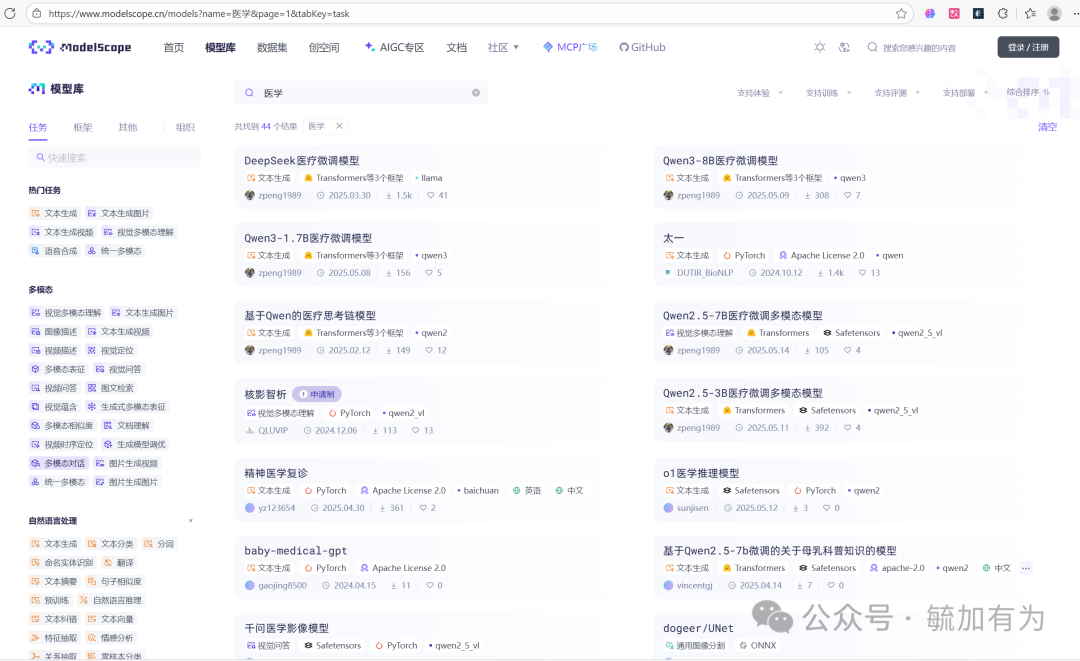
With the improvement of large model capabilities over the past two years, the medical field has also seen a surge of representative excellent vertical large models, which are summarized as follows⬇️⬇️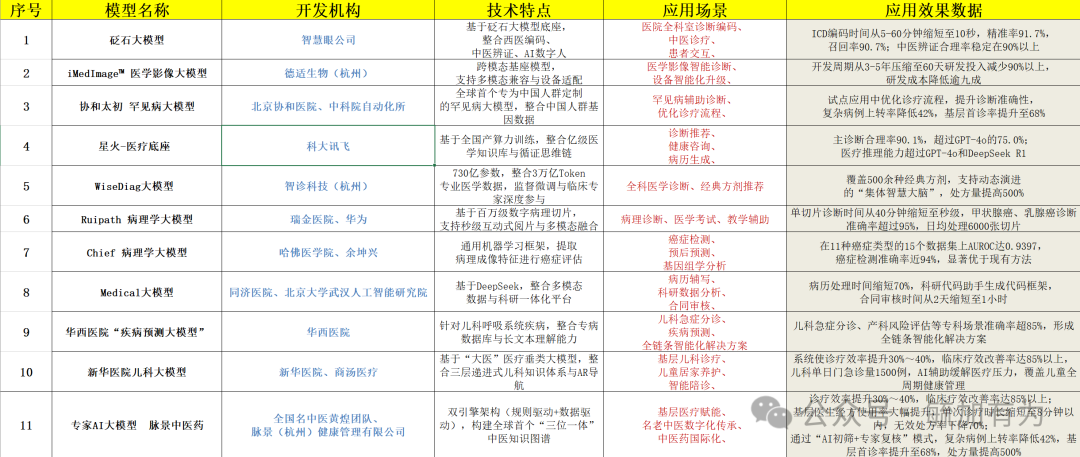 Of course, there are many more vertical models trained based on powerful open-source models and vertical datasets, for example, by entering the keyword “medicine” in the ModelScope community, many can be found⬇️⬇️
 However, these vertical large models trained and fine-tuned based on knowledge graphs + vector databases still have limitations in terms of usage environment and hardware requirements, making it somewhat challenging for most ordinary people to use them~This has led to greater anticipation for intelligent agents in the medical field that possess long context memory, can autonomously plan and execute reasoning and routine tasks, and can self-iterate and update (such as the medical agent Copilot); they can integrate more intelligently into the daily roles of doctors and patients, reaching ordinary households~As of mid-2025, a number of expected applications of medical intelligent agents have already emerged!Therefore, this article mainly shares and discusses these details and uses of inclusive technology that we look forward to, so buckle up for the ride
1. WeChat Private AI Health Assistant: The “Health Steward” Next to the People
——— WeChat Mini Program
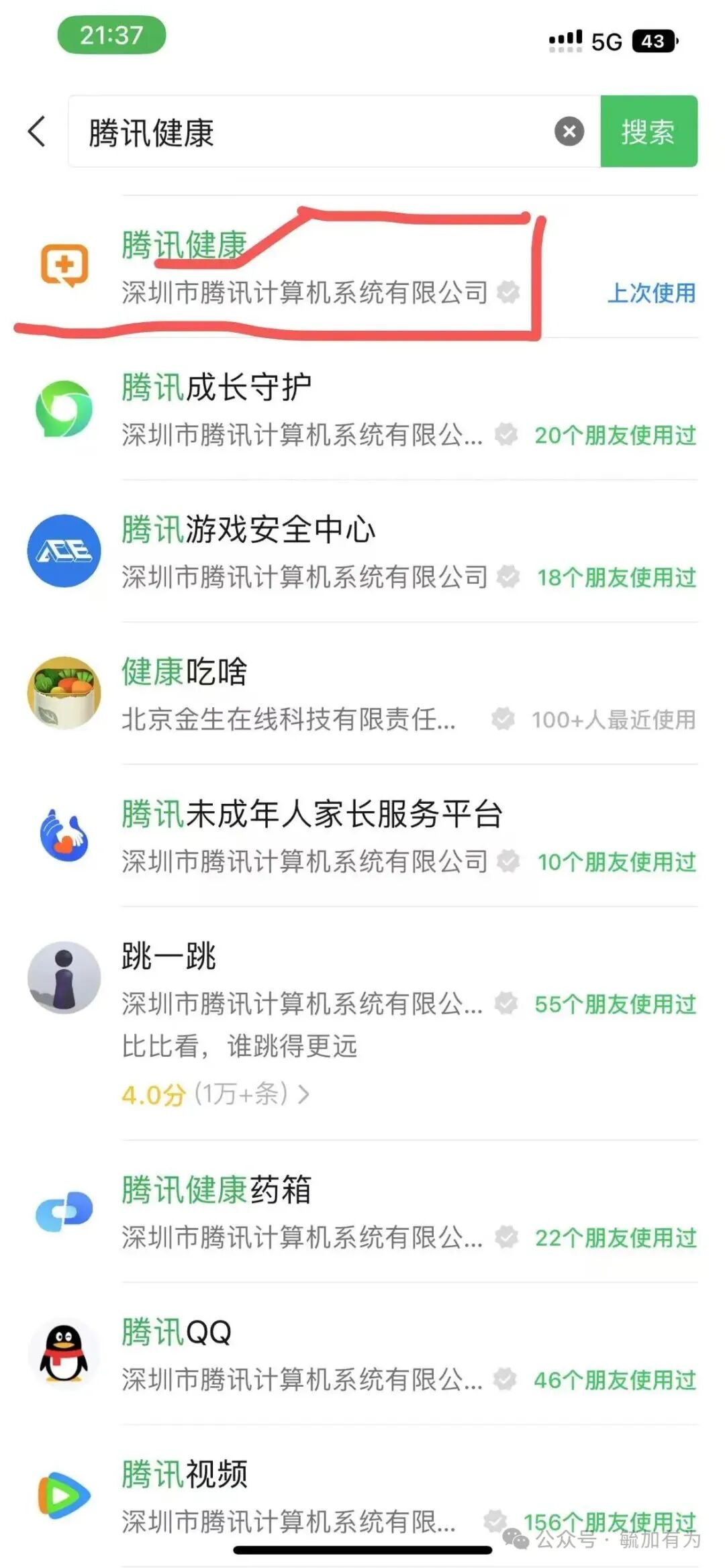
1. Function Positioning: “Chat-Based” Health Management
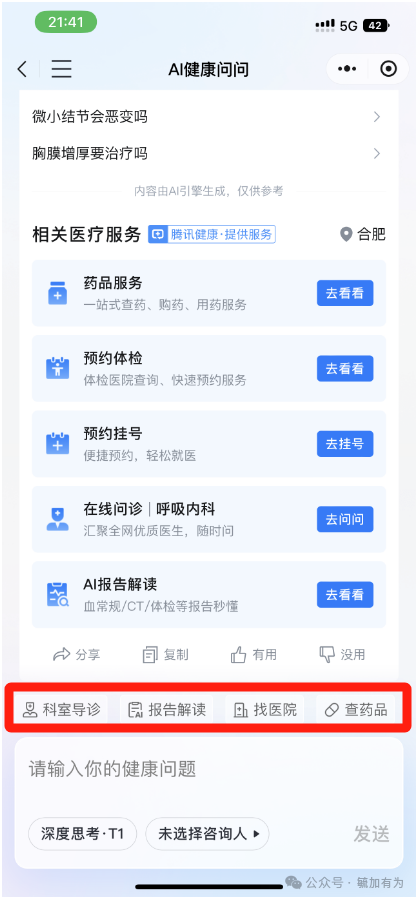
The WeChat Private AI Health Assistant (i.e., “Tencent Health AI”) is a “lightweight” AI Agent based on the WeChat ecosystem, with functions including health consultation, appointment scheduling, medication reminders, and report interpretation, focusing on “convenience” (no need to download an app, direct conversation within WeChat).
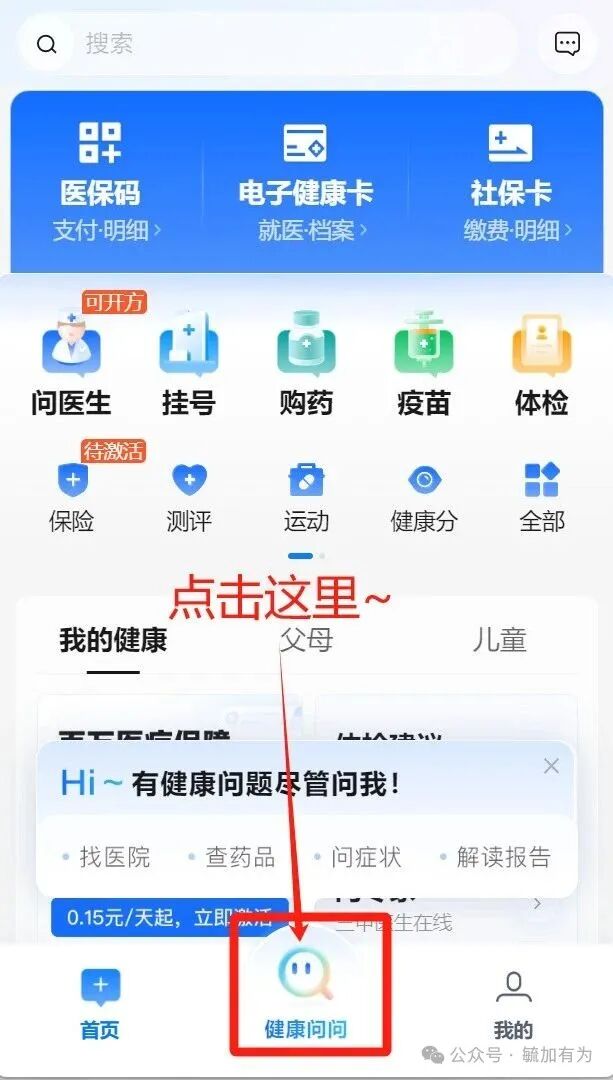
2. Actual Usage: “One Sentence” to Solve Health Problems
- Health Consultation: Users send “What to do about coughing recently?”, the assistant responds: “Do you have phlegm with your cough? Do you have a fever?” (multi-turn dialogue), then recommends “drink more water, take ambroxol” (if there is a fever, suggests “seek medical attention promptly”);
- Appointment Scheduling: Users send “I want to schedule an appointment with the respiratory department of Xiehe Hospital”, the assistant provides “appointment slots for tomorrow morning” and directly jumps to the “WeChat appointment” page;
- Report Interpretation: Users upload “health check report” (for example, my own gastroscopy and CT), the agent assists in interpreting: “specific situation of lung nodules and supplementary materials for gastroscopy”, to see detailed operation steps⬇️⬇️
3. Application Effects: Reducing “Hidden Costs”
- Time Cost: Users do not need to “queue at the hospital for consultation”, they can solve “small problems” (like cough, cold) at home, reducing “lost wages for taking leave to see a doctor”;
- Transportation Cost: Appointment scheduling is completed directly in WeChat, no need to “queue at the hospital on-site”, reducing “transportation costs for trips to and from the hospital”;
- Experience
: Suitable for the elderly (voice input using keyboard), addressing the pain point of “difficulty typing for the elderly”~
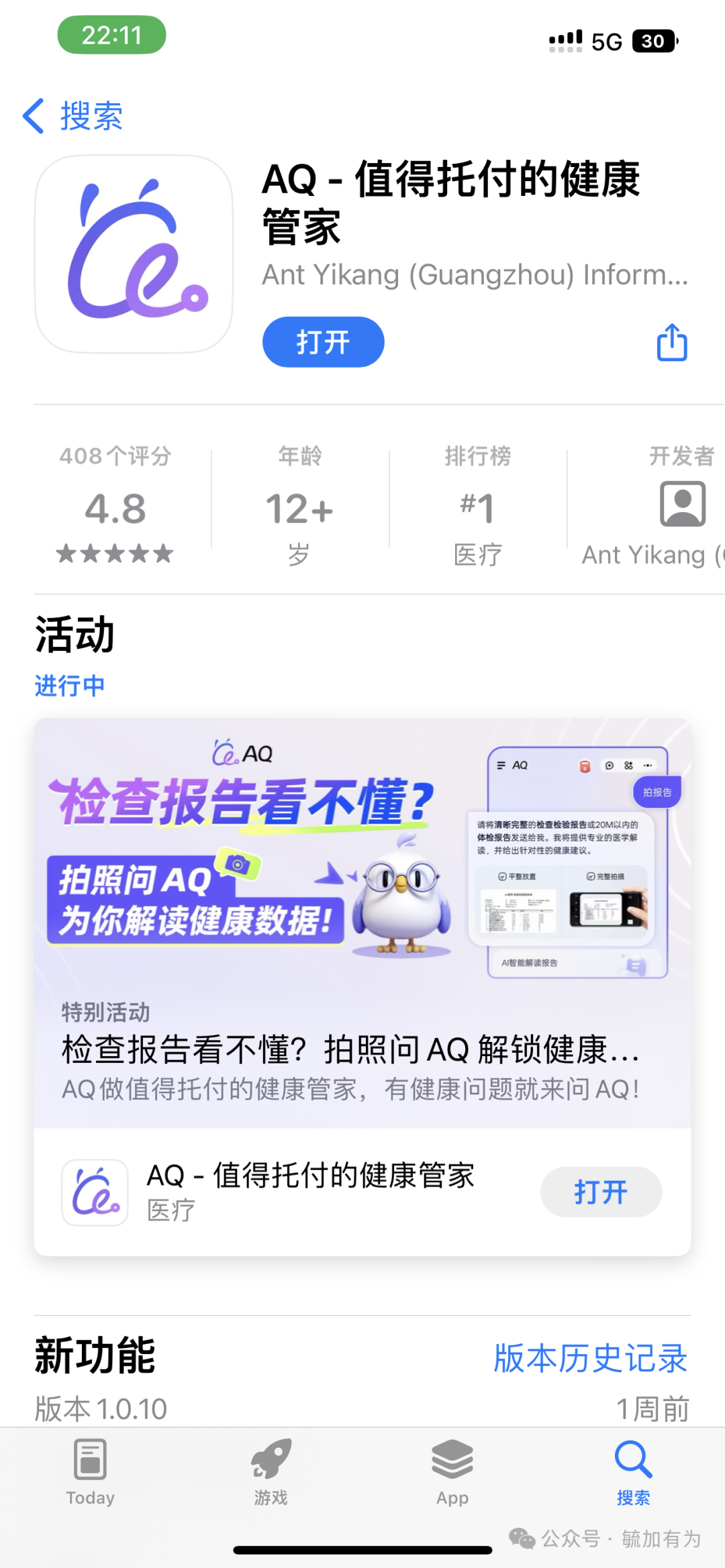
2. Ant AI Health Application AQ: A Full-Scenario “AI Health Assistant”
——— ( Independent APP + Alipay Mini Program )
1. Function Positioning: Full Process Coverage from “Prevention to Treatment”
Functions include health inquiries, AI report reading, disease measurement, chronic disease management (over 100 functions), directly connected to 5000 hospitals nationwide, nearly one million doctors, focusing on “full scenarios” (from prevention to treatment), available for free to everyone⬇️
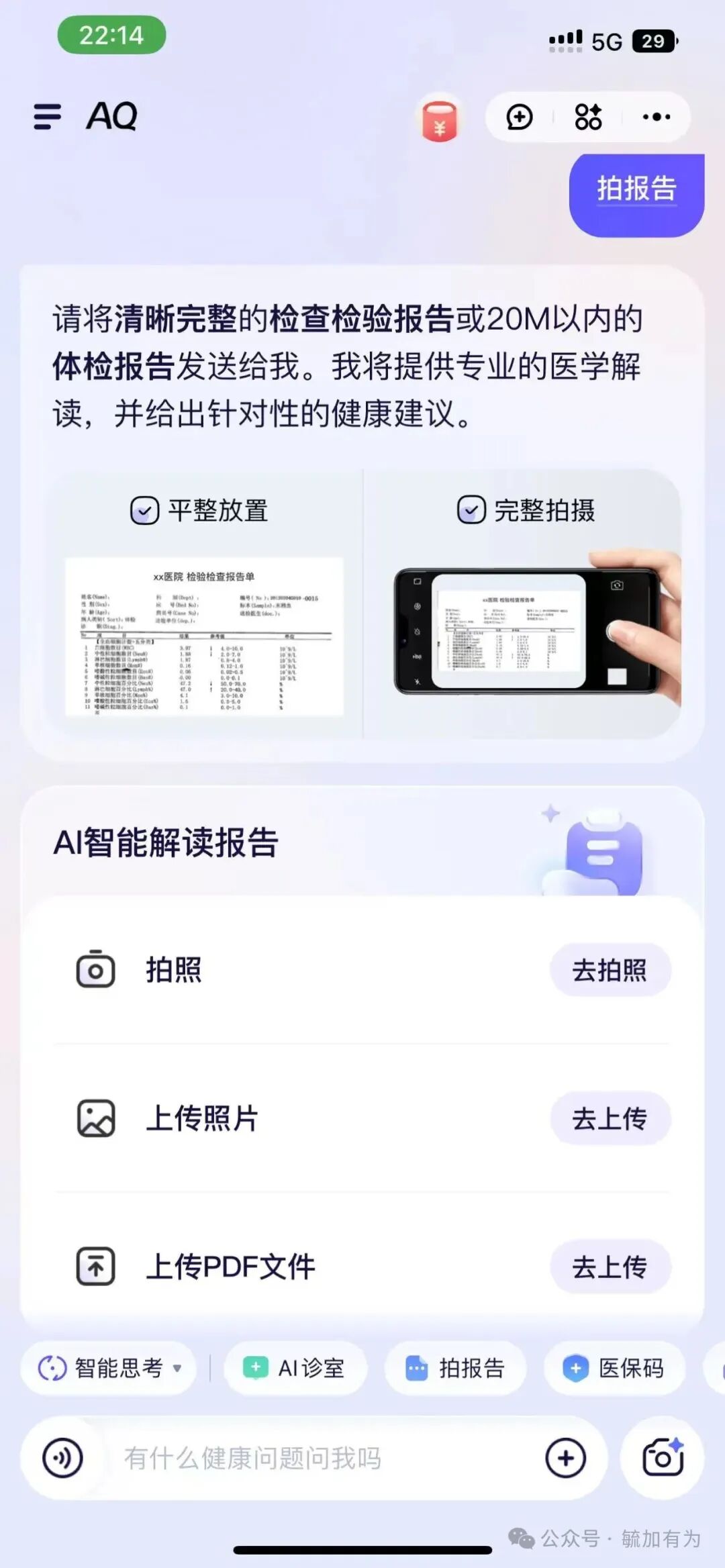
The app quickly rose to the top of the health application rankings upon launch!
2. Actual Usage: “Voice + Visual” Multimodal Interaction
- Health Inquiry: Users voice input “I have been feeling low on energy lately”, AQ asks “How is your sleep? Is your diet regular?” (multi-turn dialogue), then recommends “blood routine check” (suspecting anemia);
- Report Reading: Users upload “health check report” (high blood lipids), AQ uses “voice + text” to interpret: “Your triglycerides are 2.8mmol/L (normal <1.7), it is recommended to eat less greasy food and increase exercise”;
- Chronic Disease Management: Users bind “blood glucose meter” (like Xiaomi bracelet), AQ monitors “blood glucose fluctuations” in real-time, if blood glucose >7.8mmol/L, reminds “it’s time to inject insulin”.
Example: The personal operation consultation steps are as follows⬇️
3. Application Effects: “Inclusiveness” and “Scalability”
- User Scale: Cumulatively served over100 million users (of which 60% are users from “lower-tier markets”, such as elderly in third and fourth-tier cities);
- Health Management: The “blood glucose control rate” of chronic disease patients (like diabetes) increased by 25% (due to AQ’s “real-time reminders”);
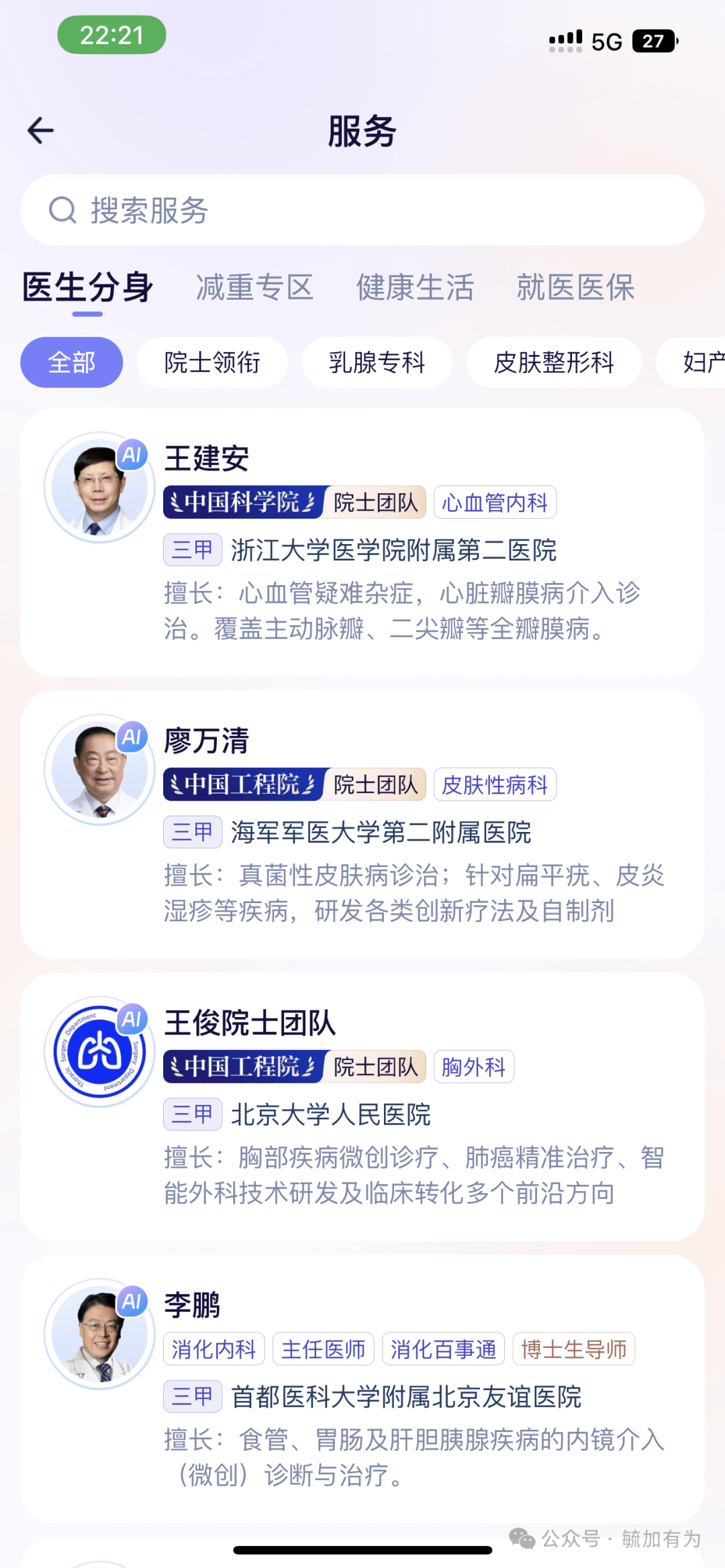
- Medical Connection: Users can directly “connect with doctors” through AQ (like “online consultations”), with a large number of expert agent avatars built-in, allowing for multi-turn dialogue, the online diagnostic level is very close to that of the experts themselves, effectively reducing the “number of hospital visits” (like chronic disease follow-ups)~
3. Xiehe MedAgent: The “Scale Intelligent Assistant” for Clinical Decision-Making

1. Function Positioning: Solving the Clinical Pain Point of “Difficult Scale Retrieval”
Traditional medical scales require doctors to manually retrieve (taking 10-30 minutes each time), and the data is scattered (patient complaints, test results, diagnostic information are not integrated), which can lead to “improper scale selection” or “data omissions”;
The core function of Xiehe MedAgent (jointly developed by China Telecom and Peking Union Medical College Hospital) is intelligent recommendation of medical scales, while achieving data auto-filling, scale self-assessment, reference literature tracing, automatic updates, solving the problems of “slow retrieval and scattered data”.
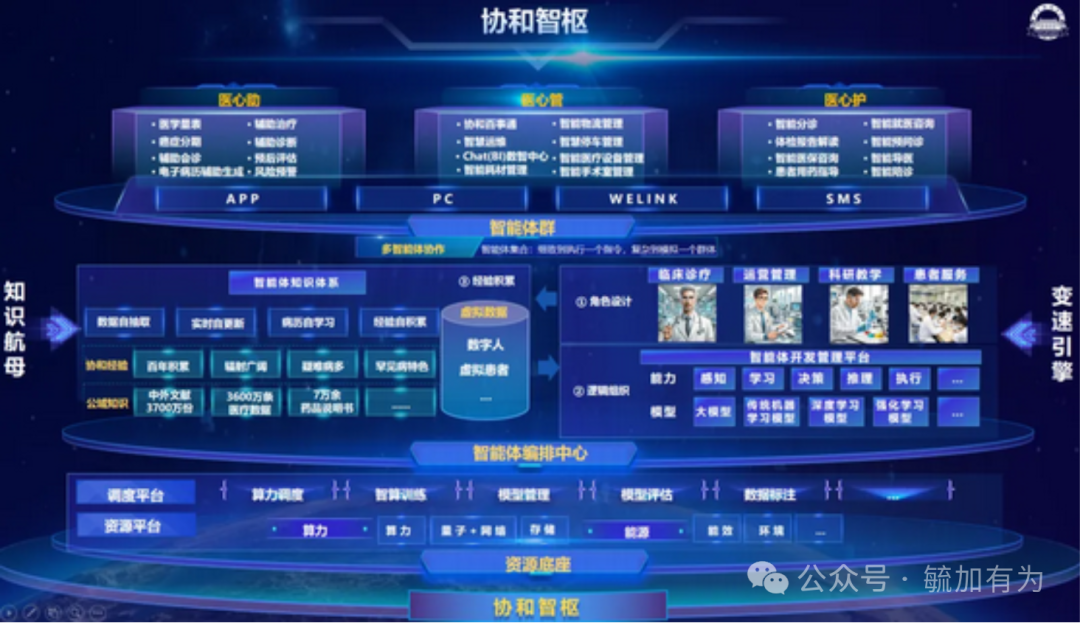
2. Actual Usage: Full Process Assistance Embedded in CDSS
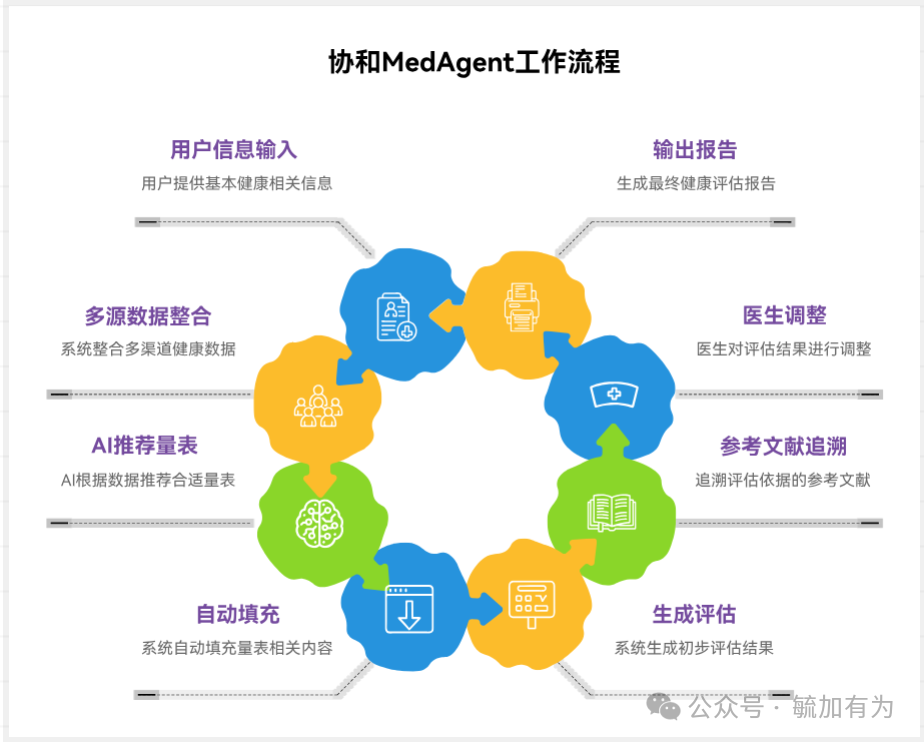
MedAgent is embedded in the clinical decision support system (CDSS) of Xiehe Hospital, the doctor’s operation steps are as follows:
- Step 1: The doctor inputs patient information (main complaint “cough, fever for 3 days”, diagnosis “upper respiratory infection”, test result “elevated white blood cell count”);
- Step 2: The agent automatically integrates multi-source data, recommending **”Acute Respiratory Infection Severity Scale”** (matching the patient’s symptoms and test results);
- Step 3: The agent extracts data from the electronic medical record (EMR) such as “temperature 38.5℃, cough frequency 10 times/hour”, automatically filling the scale;
- Step 4: Generates scale assessment results (“moderate severity, oral antibiotics recommended”), and provides reference literature tracing (linking to the latest guidelines from the “Chinese Journal of Tuberculosis and Respiratory Diseases” 2024);
- Step 5: The doctor confirms the results, adjusts the treatment plan (such as adding cough medicine), and completes the clinical decision.
3. Application Effects: Dual Improvement of Efficiency and Safety
- Efficiency: Reduces the time for scale retrieval and filling from “10-30 minutes” to “1-2 minutes”, allowing doctors to spend more time communicating with patients;
- Safety: Adopts quantum security technology (end-to-end key protection), ensuring “zero leakage” of patient medical records and test data, solving the issues of “data islands” and “privacy concerns”;
- Scientific: Through “automatic guideline updates” (synchronizing the latest literature every quarter), ensures the “timeliness” of scales, reducing “decision errors due to outdated guidelines”.
4. West China Hospital “Ruibing Agent”: A Full-Process Management Assistant in the Digestive Field
———— Not yet available in the app store
1. Function Positioning: Covering the Full Scenario of “Patients-Doctors-Research”
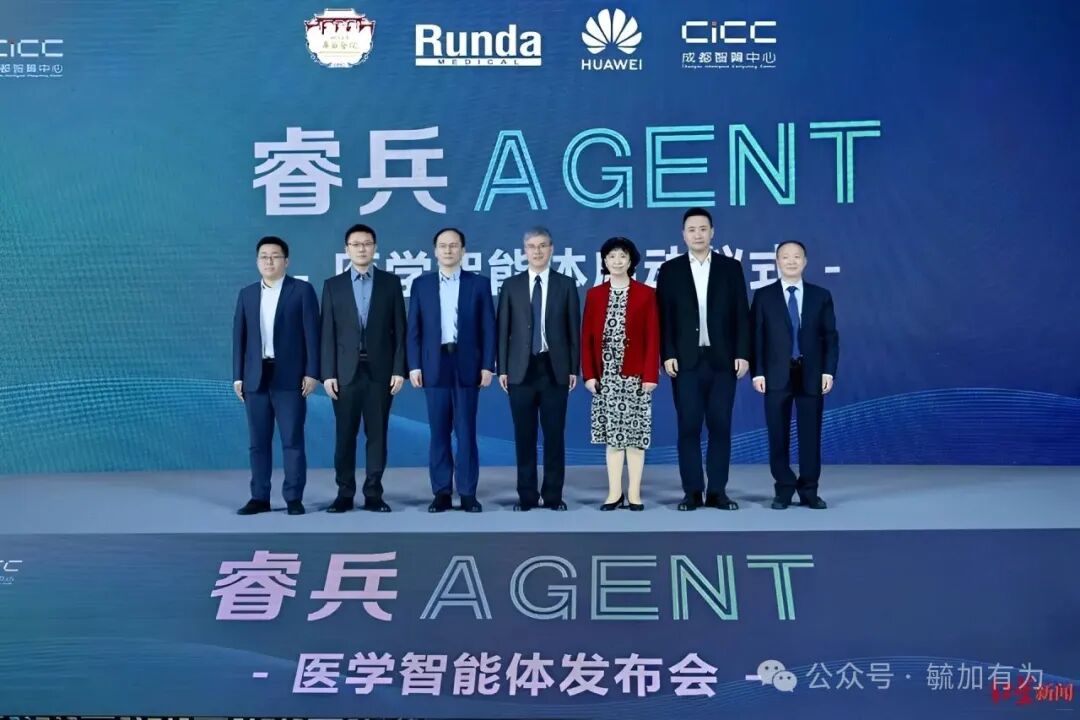
West China Hospital (Sichuan University West China Hospital) jointly developed the “Ruibing Agent” with Runda Medical and Huawei, focusing on the digestive field (accounting for over 30% of outpatient volume), creating two major systems: “Health Knowledge Dr” (patient side) and “Research Community Schola” (doctor/research side), achieving health knowledge dissemination, full-process disease management, and research support as three major functions.
2. Actual Usage: From “Patient Self-Management” to “Doctor Research Assistance”
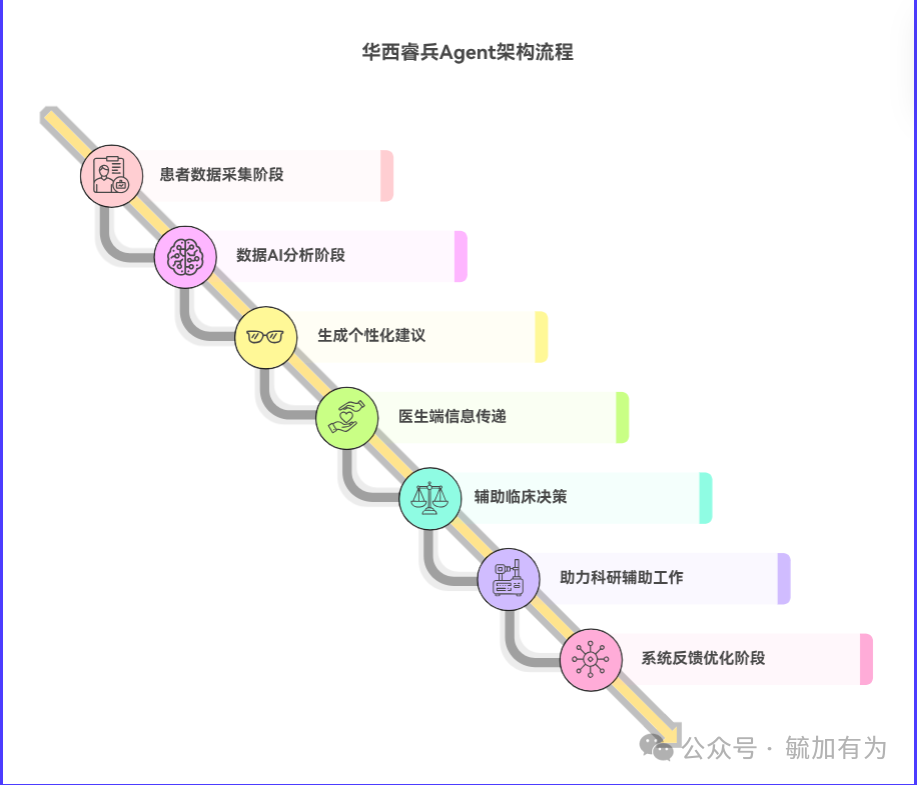
- Patient Side (Health Knowledge Dr): Patients input “chronic gastritis” through the WeChat mini program, the agent generates a personalized health plan (“Diet: avoid spicy; Exercise: 30 minutes of walking daily; Medication: take omeprazole on an empty stomach in the morning”), and reminds in real-time “it’s time to take your medicine”);
- Doctor Side (Research Community Schola): Doctors input patient “gastric ulcer” history, the agent automatically retrieves “the last 3 months of gastroscopy reports, Helicobacter pylori test results”, recommending treatment plans (“Quadruple therapy: omeprazole + amoxicillin + clarithromycin + bismuth”), and provides literature support (citing the latest research from “Gastroenterology” 2025);
- Research Side (Research Community Schola): Researchers input “recurrence factors of peptic ulcers”, the agent retrieves 100 core articles (from PubMed, CNKI), generating statistical analysis reports (“Helicobacter pylori infection is the main factor for recurrence, accounting for 65%”).
3. Application Effects: A Replicable Model of “Hospital + Enterprise + Technology”
- Industry Recognition: Selected as a “National Intelligent Agent Industry Map 1.0” (medical vertical scenario), becoming a “replicable and promotable” benchmark case;
- Clinical Efficiency: The “medical record writing time” of digestive doctors is reduced by 20%, and the “research literature retrieval time” is reduced by 40%;
- Patient Benefits: The “re-examination rate” of chronic gastritis patients increases by 35% (due to agent reminders), and “medication adherence” increases by 28%.
5. Weining Health “WiNEX Copilot”: An “Intelligent Assistant” for Medical Records and Clinical Decision-Making
———— Weining Internal System
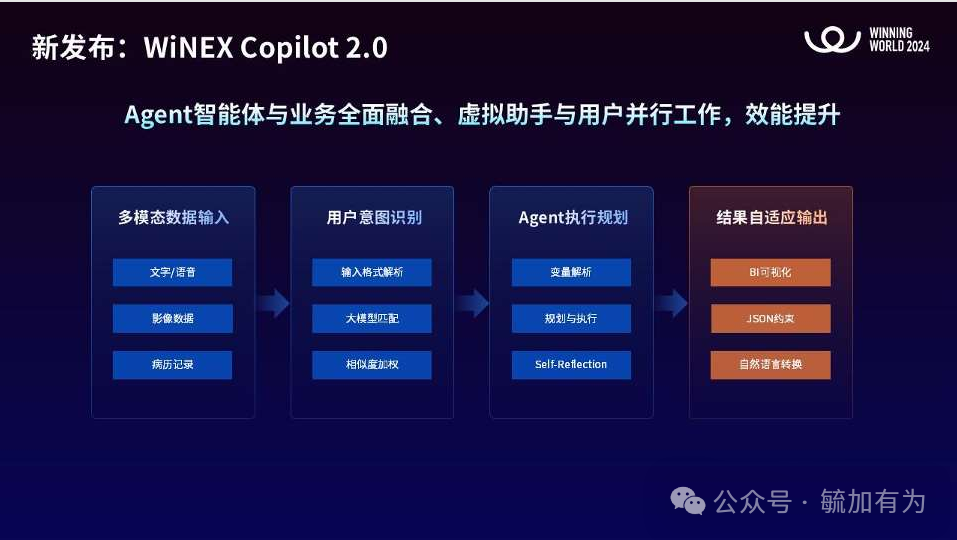
1. Function Positioning: Solving the Doctor’s Pain Point of “Difficult Medical Record Writing”
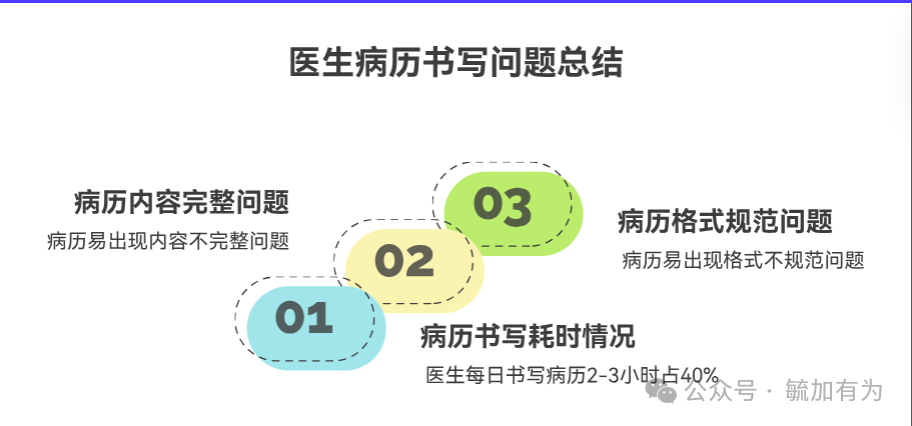
Doctors need to spend 2-3 hours writing medical records daily (accounting for 40% of work time), and it is easy to have “incomplete content” (such as missing patient allergy history) or “non-standard format” (not meeting electronic medical record standards).
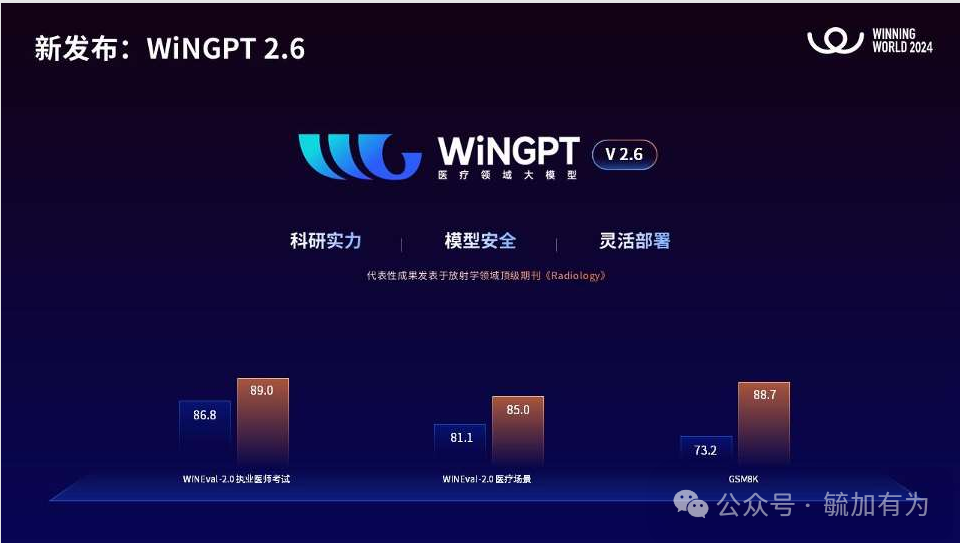
Weining Health’s “WiNEX Copilot” (based on the self-developed WiNGPT large model) has the core function of intelligent medical record generation, while assisting in clinical decision-making (such as differential diagnosis);
2. Actual Usage: From “Template Filling” to “Intelligent Generation”
- Medical Record Generation: Doctors input patient “hypertension” history, the agent automatically retrieves “admission blood pressure 160/100mmHg, normal blood routine, no abnormalities in ECG”, generating compliant medical records (including modules such as “chief complaint, present illness history, past history, physical examination, auxiliary examination”), and marks “allergy history: none” (from EMR);
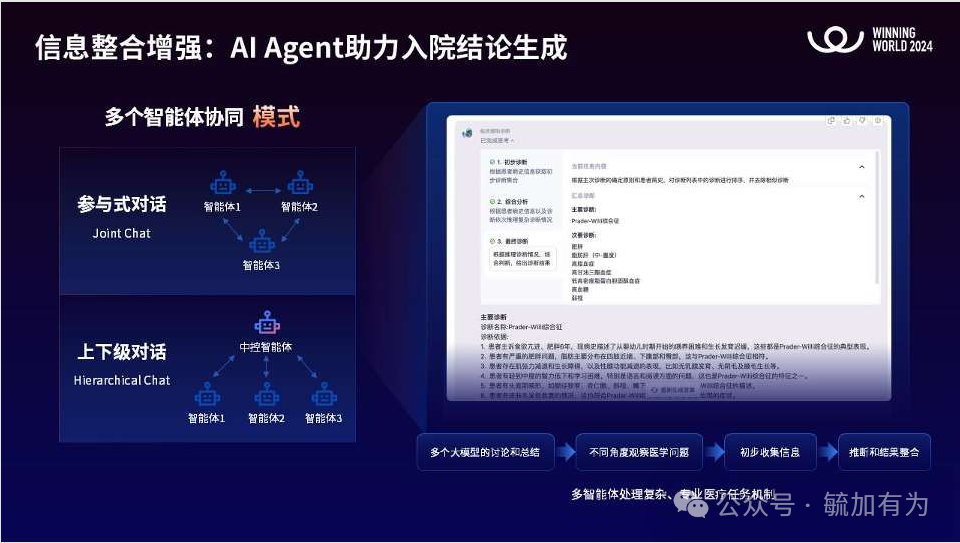
- Clinical Decision-Making: Doctors input “patient headache, vomiting”, the agent recommends differential diagnosis list (“cerebral hemorrhage: recommend head CT; migraine: recommend EEG; hypertensive encephalopathy: recommend blood pressure measurement”), and provides treatment plans (“cerebral hemorrhage: hemostasis, reduce intracranial pressure”).
3. Application Effects: Dual Improvement of “Efficiency + Quality”
- Efficiency: The generation time for complex medical records (like cancer patients) is reduced from “1-2 hours” to “30 minutes”, allowing doctors to see 5-8 more patients daily;
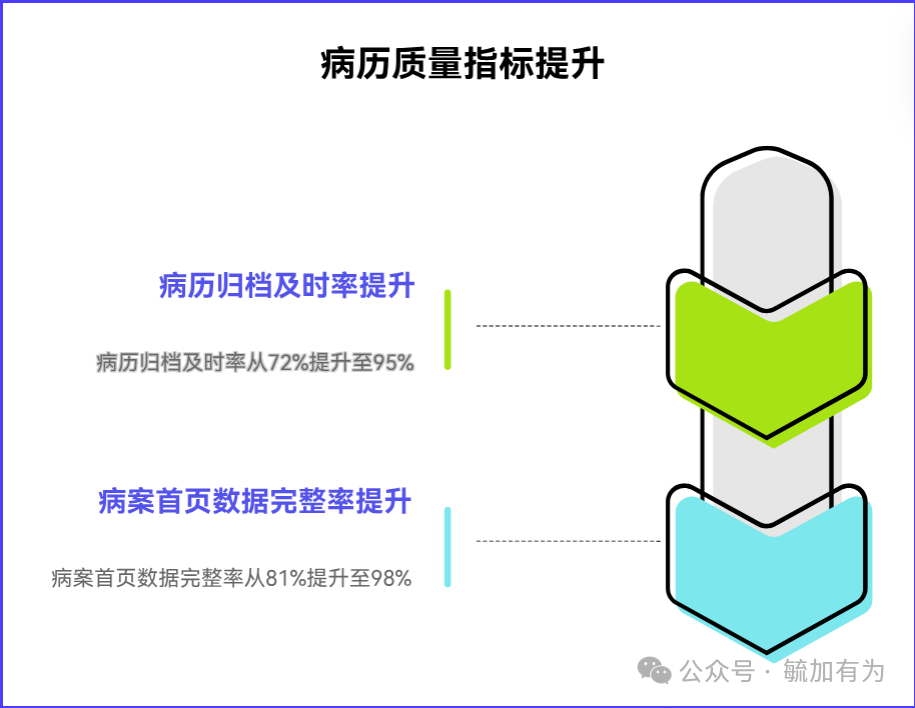
- Quality: The timely filing rate of medical records increases from “72%” to “95%”, and the completeness rate of the first page of medical records increases from “81%” to “98%” (meeting national electronic medical record level five standards);
- Experience: Doctors transition from “medical record writers” to “clinical decision-makers”, and patients enjoy “more coherent medical services” due to “more standardized medical records” (such as no need for repeated examinations during transfers).
6. Tsinghua Agent Hospital: The “AI Underlying Architecture” for Future Healthcare
———https://www.tairex.cn
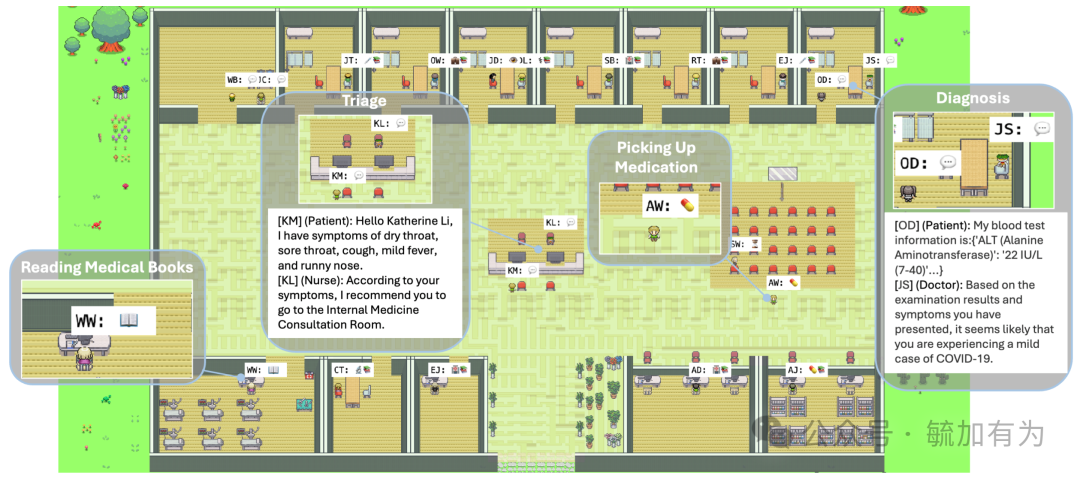
1. Function Positioning: A Medical Model that Integrates AI from the Ground Up
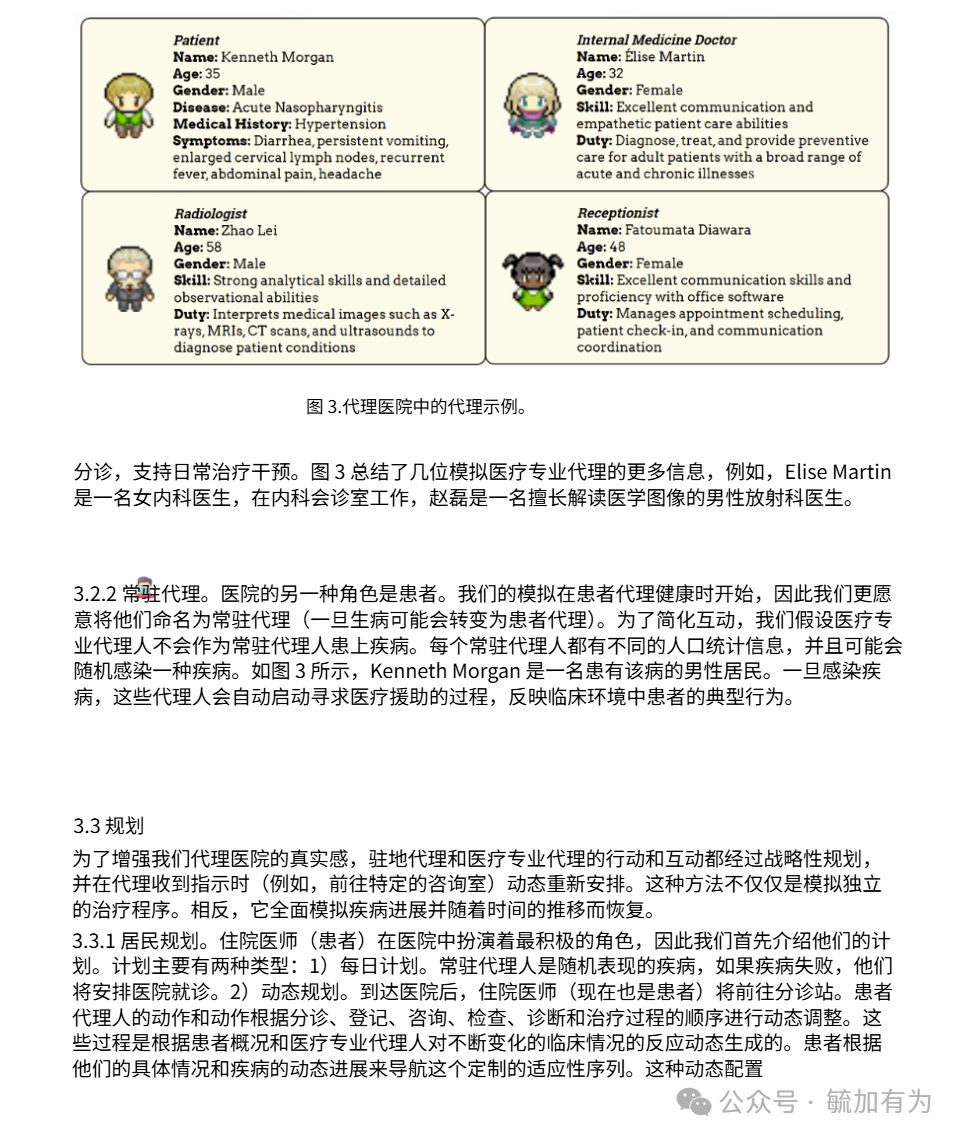
The Tsinghua AI Hospital (Tsinghua AI Agent Hospital) is the first “AI + hospital” underlying architecture in the country, relying on Tsinghua Chang Gung Hospital, piloting general medicine, ophthalmology, radiology, respiratory medicine, using the “Zijing AI Doctor” (based on closed-loop virtual world evolution) to assist doctors’ decision-making, solving the problem of “shortage of grassroots doctors” (the national shortage of grassroots doctors reaches 2 million).
2. Actual Usage: The “Closed-Loop Evolution” of the Zijing AI Doctor
- Ophthalmology Pilot: The “Zijing AI Doctor” analyzes “retinal images” (from Tsinghua Chang Gung Hospital’s 100,000 image data), identifies “diabetic retinopathy” (accuracy 95%), and recommends “laser treatment”;
- Grassroots Support: The “Zijing AI Doctor” assists grassroots doctors (like a county hospital in Hebei) in identifying “pneumonia” (accuracy 92%), reducing the need for “patients to travel to large hospitals”.
Detailed demonstration as follows⬇️⬇️
3. Application Effects: The Transformation of the “AI + Traditional” Model
- Technical Foundation: Established a “closed-loop” medical virtual world (training models with simulated patient data), allowing AI doctors to “evolve quickly” (such as the ability to identify “rare diseases”);
- Grassroots Empowerment: Grassroots doctors using the “Zijing AI Doctor” for diagnosis can handle “more complex cases” (like pneumonia, diabetes complications), enhancing “grassroots diagnostic capabilities”;
- Model Transformation: Transitioning from “traditional hospital + AI” (AI as an “auxiliary tool”) to “AI + traditional hospital” (AI as the “underlying architecture”), promoting a more intelligent and inclusive medical model, currently still in the internal testing phase, soon to be officially opened for everyone to use~
7. Medical Paper Writing SciMaster: The “Intelligent Assistant” for Research
(https://scimaster.bohrium.com)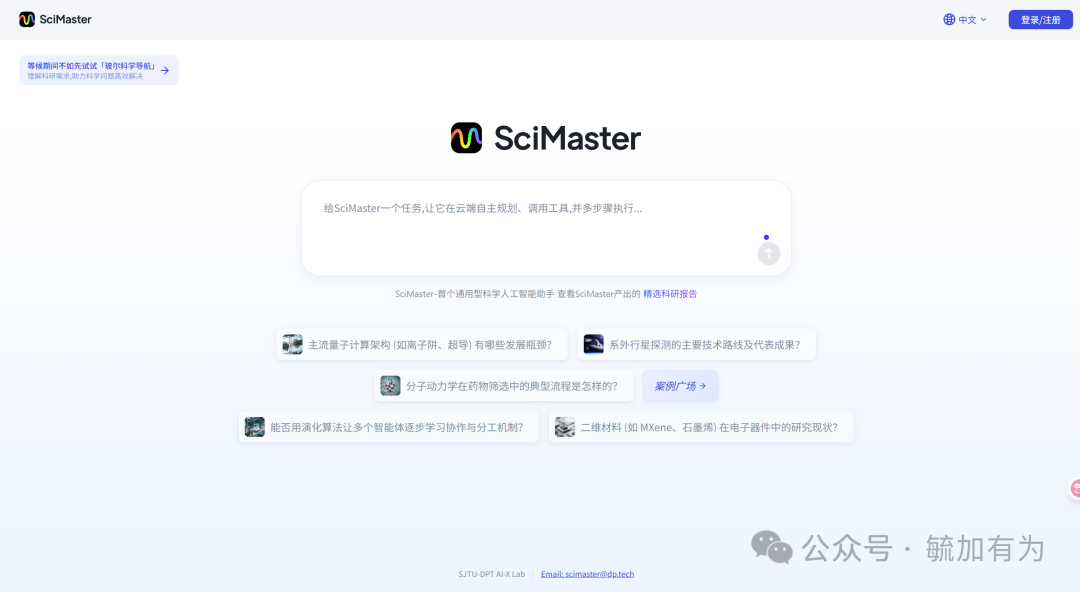
1. Function Positioning: Solving the Research Pain Point of “Difficult Paper Writing”
Writing medical papers is a “required course” for doctors, but it takes 1-2 months (literature retrieval, structural organization, language polishing), and it is easy to have “high duplication rates” (like plagiarism in literature reviews) or “non-standard formats” (like incorrect reference formats).
The medical paper writing SciMaster is the world’s first “universal research agent“, its core function is to assist in writing papers, including literature retrieval, structural organization, language polishing, reference management;
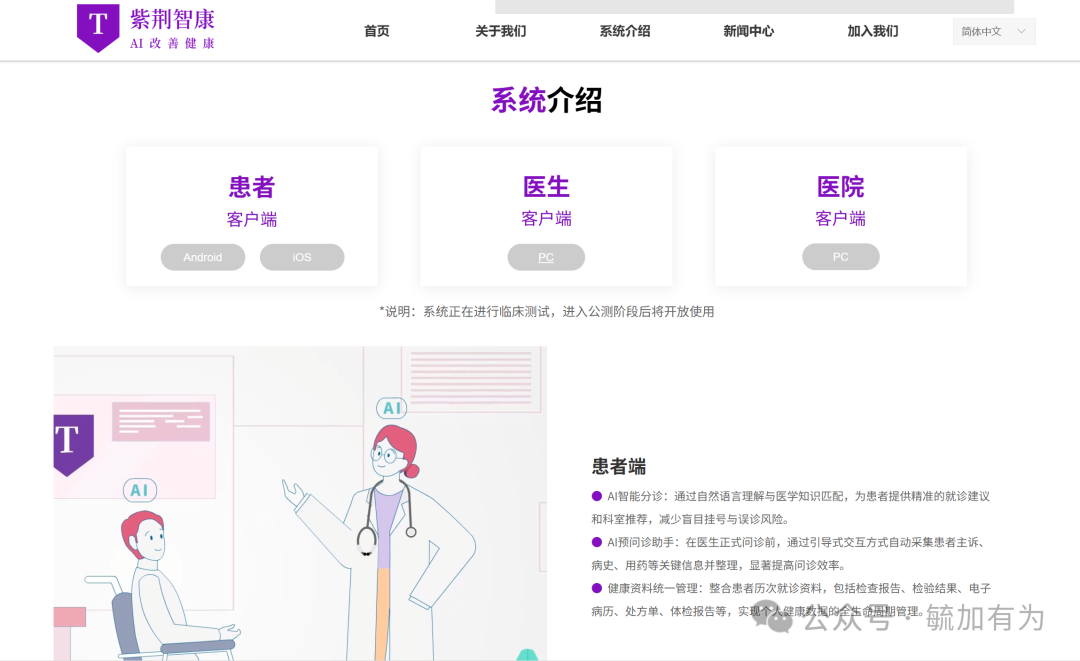
2. Actual Usage: From “Input Topic” to “Generate Paper” (currently requires an invitation code or application)
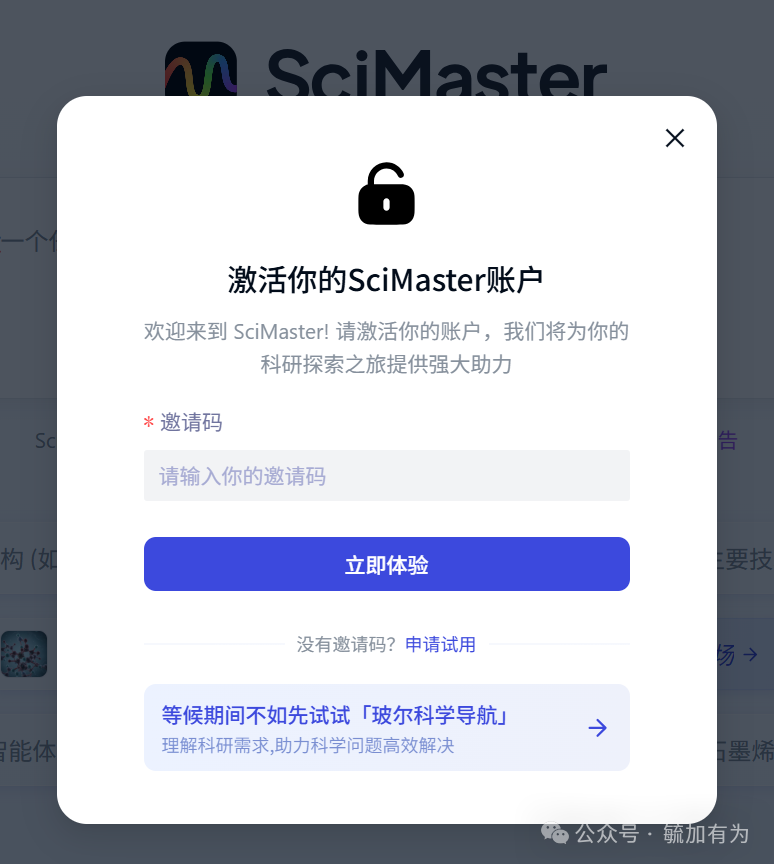
ps: While waiting for the application time, we can process papers on the Bohrium website, the function is quite good:
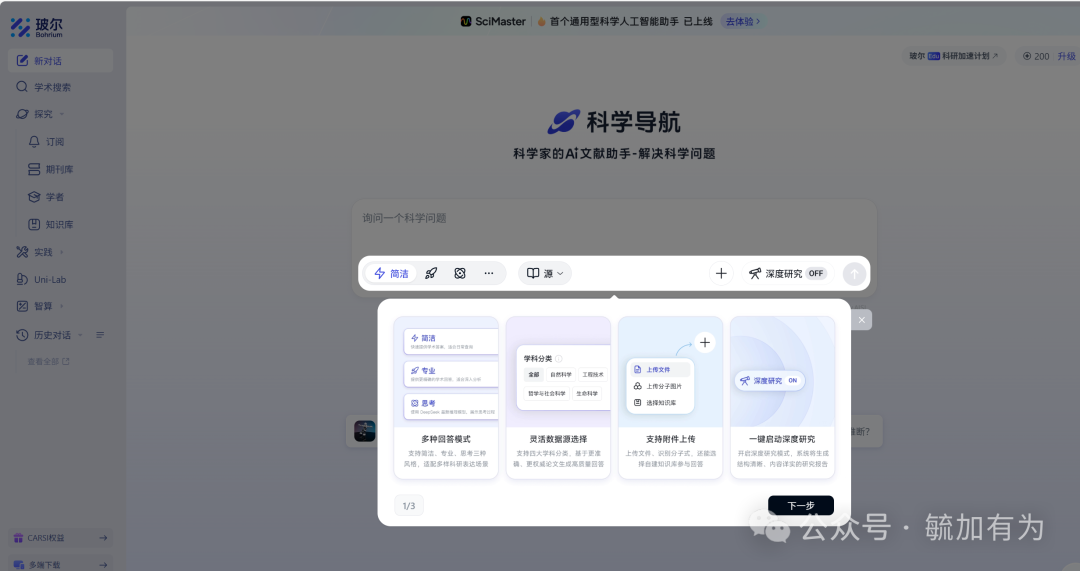
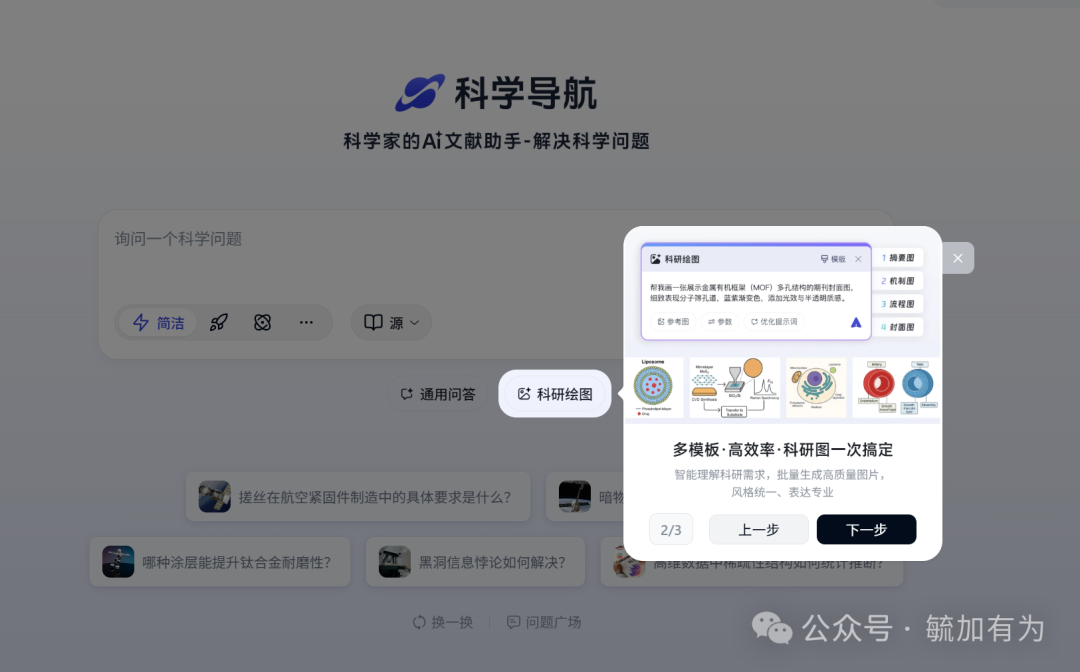
- Literature Retrieval: Users input “Application of Deep Learning in Lung Cancer Diagnosis”, SciMaster retrieves 100 core articles (from PubMed, Google Scholar), and marks “highly cited papers” (like the 2023 study in “Nature Medicine”);
- Structural Organization: Generates a paper outline (Introduction: Current Status of Lung Cancer; Methods: Deep Learning Models (like ResNet); Results: Accuracy 95%; Discussion: Comparison with Traditional Methods);
- Language Polishing: Changes “I used a deep learning model for lung cancer diagnosis” to “This study employs the ResNet-50 deep learning model for lung cancer diagnosis” (academic expression);
- Reference Management: Automatically changes “1 Smith et al., 2023” to “Smith, J. et al. (2023). Deep learning for lung cancer diagnosis. Nature Medicine, 29(3), 456-463.” (APA format).
3. Application Effects: Dual Improvement of “Efficiency + Quality”
- Efficiency: The time for writing papers is reduced from “1-2 months” to “2-3 weeks”, allowing researchers to “write 1-2 more papers” (increasing research output);
- Quality: The duplication rate decreases from “20%” to “5%” (meeting journal requirements), and language polishing makes papers by “non-native English speakers” “more compliant with academic standards”;
- Experience: Researchers transition from “literature porters” to “idea creators”, focusing on “research design” (rather than “paper format”).
This article has shared seven representative agents in the medical field~ Of course, in addition to the seven representative agents mentioned above, there have been many other agent implementation cases in well-known hospitals across various regions during this period, as shown in the table below⬇️⬇️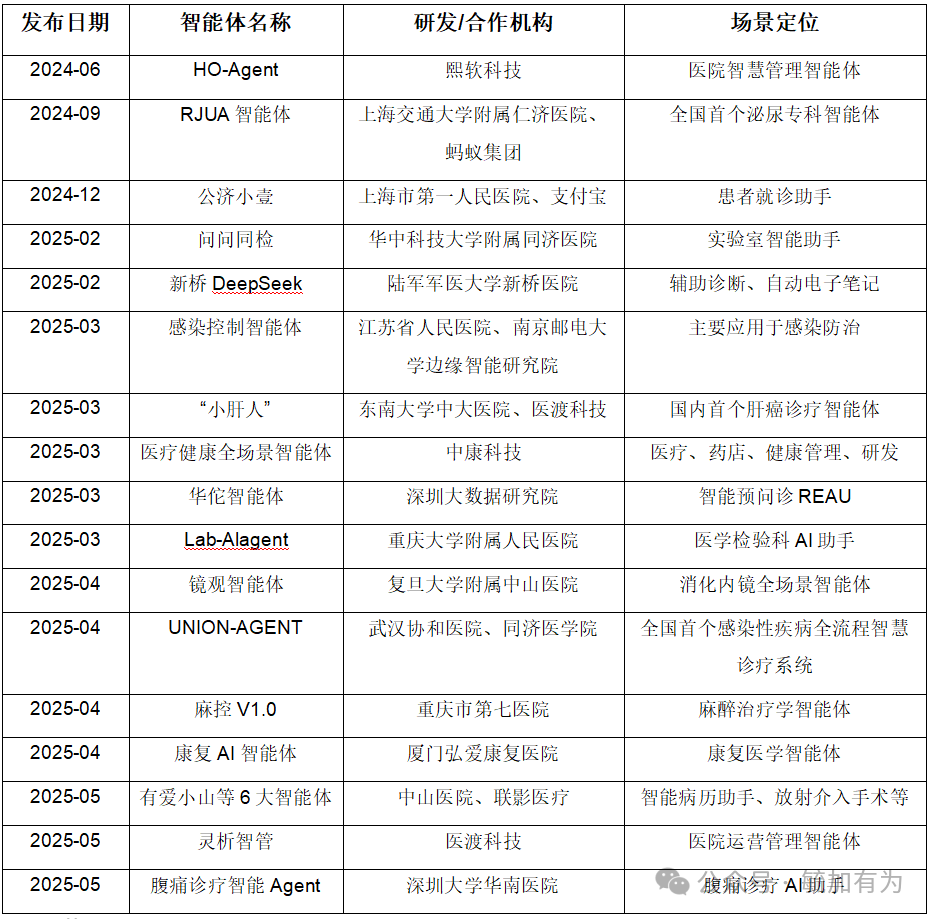
The Core Value and Challenges of AI Agents
1. Core Value: “Empowerment” Rather than “Replacement”
The essence of AI agents is “empowerment”—assisting doctors in improving efficiency (like Xiehe MedAgent reducing scale retrieval time), assisting patients in self-management (like Ant AQ’s chronic disease management), assisting researchers in enhancing output (like SciMaster’s paper writing);
It will not “replace doctors”, but rather “make doctors more like doctors” (focusing on clinical decision-making), allowing patients to “have more initiative” (managing health at home).
2. Technical Trends: “Multimodal + Explainable + Secure”
- Multimodal Integration: Future AI agents will integrate “images (CT, MRI), text (medical records, literature), visual (patient facial expressions), physiological signals (heart rate, blood glucose)” and other multi-source data to achieve “more comprehensive decision-making” (like the diagnostic reasoning tree of imaging AI);
- Explainability: Doctors need to know “why the model recommends this plan” (like the “differential diagnosis list” of Weining WiNEX Copilot has “basis”), future AI agents will emphasize “explainability of decisions” (like “because the patient has a history of hypertension, a head CT is recommended”);
- Data Security: Medical data is “sensitive data” (like medical records, genetic information), future AI agents will pay more attention to “data security” (like the quantum security of Xiehe MedAgent, the “end-to-end encryption” of Ant AQ).
3. Challenges: “Data + Acceptance + Regulation”
- Data Quality: AI agents need “high-quality clinical data” (like accurately labeled medical records, images), but currently, “data fragmentation” (data not being interconnected across hospitals) remains a problem;
- Grassroots Acceptance: Grassroots doctors “do not know how to use AI” (like not knowing how to interpret AI’s decisions), requiring “training” (like the “grassroots doctor training program” of West China Ruibing Agent);
- Regulatory Norms: The “decision responsibility” of AI agents (like if an AI-recommended plan leads to a medical accident, who is responsible?) still needs clarification, and future needs a “regulatory framework” (like the “AI medical application management norms” of the National Health Commission), as well as the protection of patient data privacy~
Trend Analysis: How AI Agents Will Change the Medical Ecosystem?
1. Balancing Regional Medical Resources: “Let Quality Resources Sink Down”
AI agents will become the “transporters of quality medical resources”—through the model of “grassroots doctors + AI agents” (like Tsinghua Agent Hospital’s “Zijing AI Doctor”), allowing grassroots doctors to have “expert-level decision support” (like identifying early symptoms of lung cancer), reducing the need for patients to “travel to large hospitals” (like the promotion of West China Ruibing Agent to grassroots, enabling grassroots doctors to handle digestive diseases).
For example, in 2024, a county hospital in Guizhou used “Weining WiNEX Copilot” to assist doctors, increasing the early diagnosis rate of lung cancer from “30%” to “60%”, and reducing the proportion of patients “going to Guiyang for treatment” from “80%” to “40%” (reducing transportation costs).
2. Reducing the Cost of Medical Care for the Public: “Less Running Around, More Savings”
AI agents will reduce the “hidden costs” for the public (time, transportation, lost wages):
- Prevention Stage: Ant AQ’s “chronic disease management” allows patients to “stay hospitalized less” (like diabetes patients reducing “hospitalization due to complications” costs);
- Diagnosis Stage: The WeChat Private AI Health Assistant’s “report interpretation” allows patients to “make fewer appointments” (like knowing at home whether to go to the hospital for abnormal health check reports);
- Treatment Stage: Weining WiNEX Copilot allows doctors to “see more patients” (like seeing 5-8 more patients daily), reducing patients’ “waiting time” (lowering “lost wages”).
3. Full Process Coverage: “A Closed Loop from Prevention to Research”
In the future, AI agents will cover the “prevention (like Ant AQ’s health plan), diagnosis (like Xiehe MedAgent’s scale assessment), treatment (like Weining’s clinical decision), rehabilitation (like Ant AQ’s health plan), research (like Ruibing Agent’s Research Community Schola)” full process, forming a “closed loop” (like the patient’s “health check report” → AI recommends “health plan” → doctor adjusts “treatment plan” → researchers use “data” for research).
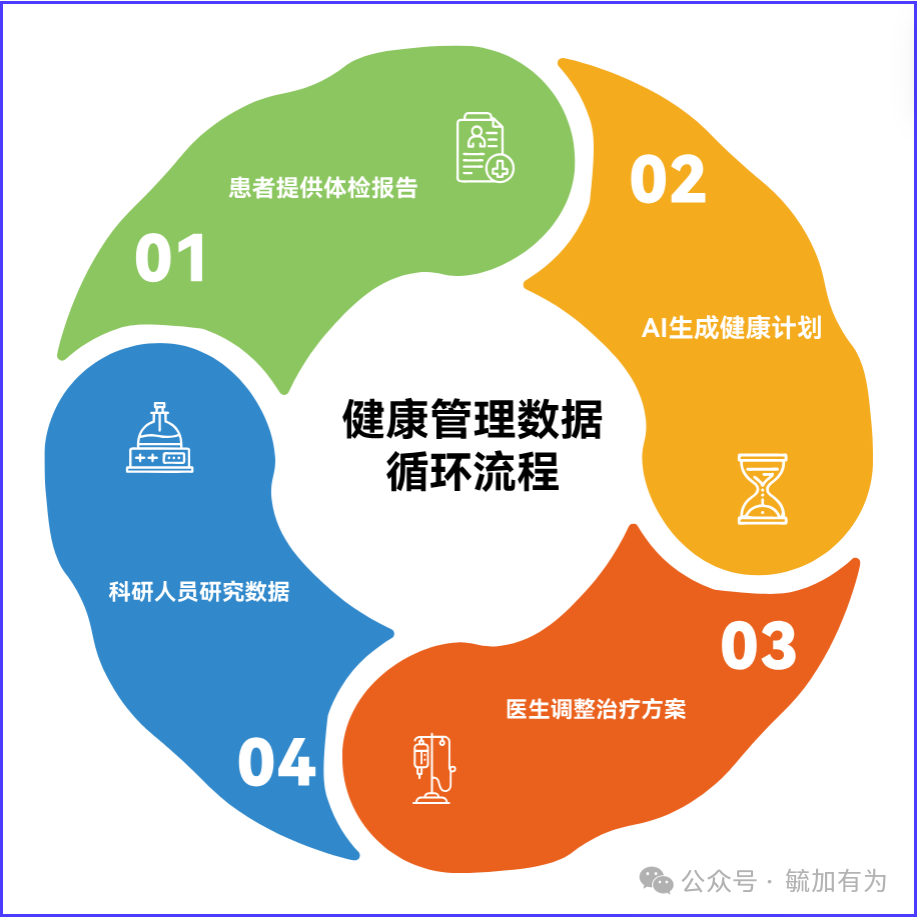
AI agents are the “key lever” for the digital transformation of the medical field, solving the problems of uneven medical resources, low efficiency, and high costs by “empowering doctors, empowering patients, and empowering research”;
In the future, with the development of technologies such as “multimodal integration”, “explainability”, and “data security”, AI agents will be more deeply integrated into the medical ecosystem, promoting healthcare towards a direction of “greater efficiency, greater balance, and greater inclusiveness”;
For the public, AI agents will become “health stewards” (like the WeChat Private AI Health Assistant), making “seeing a doctor” no longer a “troublesome matter”;
For doctors, AI agents will become “capable assistants” (like the scale recommendations of Xiehe MedAgent), making “clinical decision-making” more scientific;
For society, AI agents will promote the realization of the “Healthy China 2030” strategy (like balancing regional medical resources).