Author: Su Wuchen Postdoctoral researcher at the Cancer Center, University of California San Diego. Nutritionist, Food Safety SpecialistGraduate student in Public Health at Washington University in St Louis, Medical Doctor Candidate. PhD in Public Health from Louisiana State University Health Sciences Center, and recipient of the Delta Omega Doctoral Award, one of the highest honors for public health graduates in the United States. Contracted nutritionist for China Clinical Nutrition NetworkMain research directions include smoking cessation, alcohol and marijuana cessation, nutrition and chronic diseases, cancer prevention and control.
This article was first published in Great Doctor magazine and has been revised and republished by the author.
Authorized for reprint by China Clinical Nutrition Network
In the last issue, we introduced fat-soluble vitamins, and this issue focuses on water-soluble vitamin C.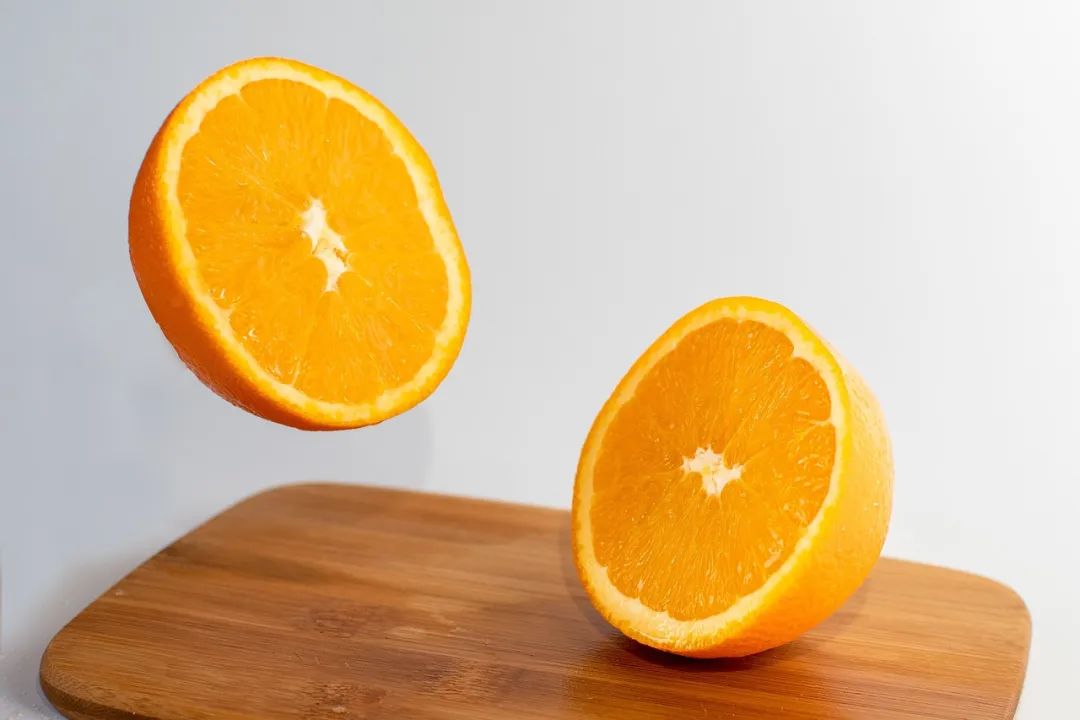 (Image from WeChat public platform image library)
Water-soluble vitamins, as the name suggests, are easily soluble in water. In the body, water-soluble vitamins are often easily absorbed and excreted. They can remain in the body’s lean tissues for a month or longer, but lean tissues actively exchange with body fluids. Therefore, water-soluble vitamins may be absorbed with extracellular fluid or washed away by blood and eventually excreted through urine. Since water-soluble vitamins cannot be stored in large amounts in the body, they need to be ingested regularly through food or supplements.
The excess portion of water-soluble vitamins in the body is usually excreted through urine, so it is unlikely to cause problems of excessive intake. Although in some extreme cases, large doses may have adverse effects. Additionally, water-soluble vitamins are relatively “delicate” and can easily be lost during cooking and are vulnerable to light, heat, and oxidation. Therefore, when cooking and storing food, it is necessary to pay attention to protecting the stability of water-soluble vitamins to maximize their nutritional value.
Water-soluble vitamins mainly include vitamin C and B vitamins (including B1 (thiamine), B2 (riboflavin), B3 (niacin), B5 (pantothenic acid), B6 (pyridoxine), B7 (biotin), B9 (folic acid), and B12 (cobalamin)). Their common characteristics are:
- Soluble in water;
- Insoluble in organic solvents;
- In addition to containing carbon, hydrogen, and oxygen in their chemical composition, some also contain other elements such as nitrogen, cobalt, and sulfur;
- Cannot be stored in large amounts in the body; once tissues reach saturation, their original forms or metabolites can be excreted through urine;
- Symptoms of deficiency will appear relatively quickly if intake is too low;
- Participate in various metabolic processes;
- Generally non-toxic, but excessive intake can lead to toxicity symptoms.
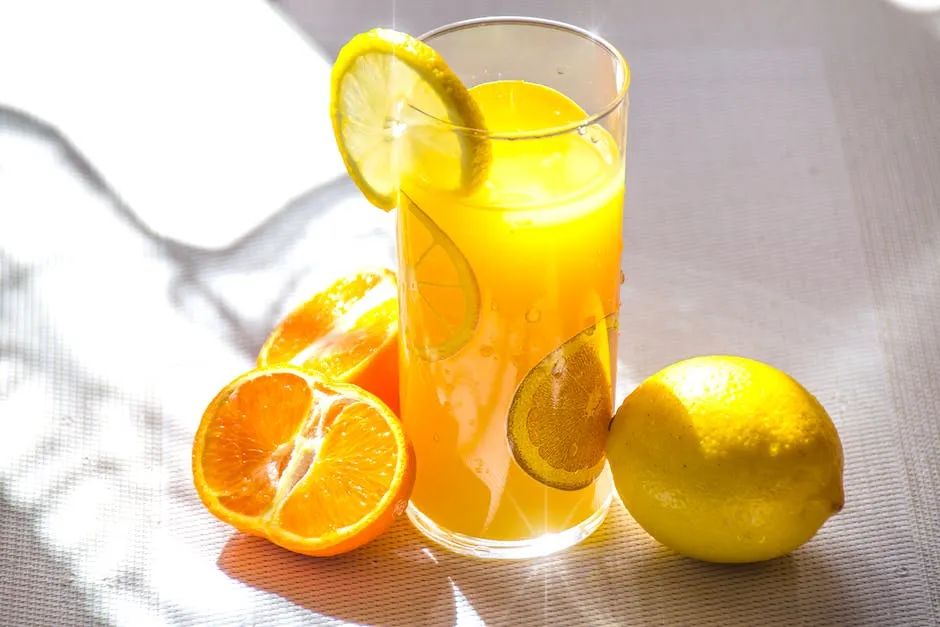
(Image from WeChat public platform image library)
1. Vitamin C (Ascorbic Acid)
① Discovery
400 years ago, scientists discovered that people who completely abstained from fresh fruits and vegetables would develop scurvy, suspecting that it was related to some nutrient contained in fresh fruits and vegetables. Until between 1928 and 1933, a Hungarian research team led by Albert Szent-Györgyi was the first to isolate ascorbic acid from biological sources and proved that the active substance was indeed vitamin C. Thus, the truth was revealed, and the nutrient related to scurvy was identified as vitamin C. The discoverer Albert Szent-Györgyi also received the Nobel Prize in Physiology or Medicine in 1937. (Ascorbic acid is an effective component of vitamin C, also known as an antioxidant nutrient)
② Physiological FunctionsOne important function of vitamin C is its antioxidant role. Vitamin C can protect food and the body’s own oxidation processes. Immune cells require high concentrations of vitamin C to protect themselves from free radicals produced during attacks on bacteria, viruses, and other invaders. However, some of the vitamin C oxidation processes are irreversible degradation, requiring constant replenishment from food, although most vitamin C can still be recycled in the body. In the small intestine, vitamin C’s antioxidant effect protects ferrous iron from oxidation, thereby promoting iron absorption. In the blood, vitamin C protects sensitive blood constituents from oxidation, reduces inflammatory responses, and also protects the recycling process of vitamin E in the body.Another important physiological function of vitamin C is to act as a coenzyme factor to promote the formation of various proteins, including the collagen we often hear about. Collagen is ubiquitous, existing not only in the skin but also in bones, teeth, and tendons. Collagen is formed through the hydroxylation of proline and lysine. The role of vitamin C is to activate prolyl hydroxylase and lysyl hydroxylase, promoting the conversion of amino acids and thus promoting the formation of collagen in the cytoplasm.Vitamin C can also help enhance the immune system, making the body more effective in resisting diseases and infections. Vitamin C can enhance the activity of white blood cells and help resist viruses and bacteria to some extent.Vitamin C helps the body absorb iron better, as iron is an important element in the production of red blood cells and oxygen transport. Vitamin C is also very important for the protection of the nervous system, as it is involved in the synthesis of neurotransmitters.Additionally, some studies have shown that vitamin C can help the body resist certain forms of stress, having an anti-stress effect.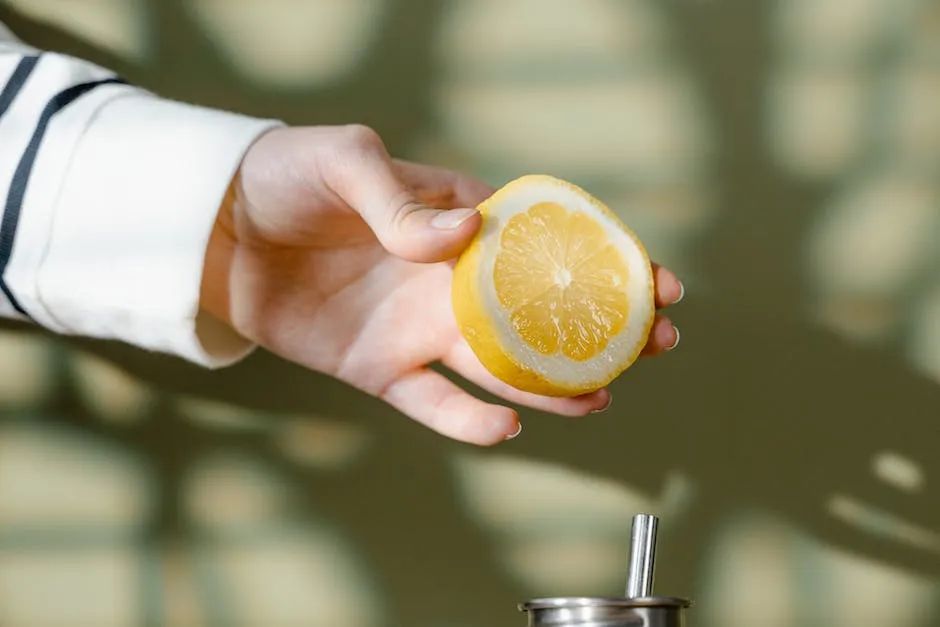 (Image from WeChat public platform image library) ③ Symptoms of Deficiency
Symptoms of vitamin C deficiency primarily include lack of appetite, fatigue; joint and muscle pain, growth retardation; bleeding (gum bleeding, subcutaneous petechiae, subcutaneous bruises, internal bleeding), slow wound healing; skin and hair become dry, skin may become rough; severe deficiency can lead to scurvy, with symptoms including severe anemia, swollen and painful gums, which may eventually lead to loose or lost teeth.
④ Harm of Excess
Although water-soluble vitamins have low toxicity, their maximum tolerable intake is very high, being dozens of times the recommended intake. However, long-term excessive intake can produce side effects, potentially leading to digestive system issues such as diarrhea, nausea, and stomach pain.
One of the breakdown products of vitamin C is oxalate, and increased excretion of oxalate can burden the urinary system. Over time, this may lead to urinary system stones.
⑤ Recommended IntakeGenerally speaking, the recommended intake of vitamin C for adults in China is 100mg/day, with the maximum tolerable intake being 2000mg, and the unsafe intake level being about 10000mg.However, vitamin C from food, regardless of the amount, is safe. Because the amount of food corresponding to the unsafe intake level is more than any big eater can consume.⑥ Main SourcesThe main sources of vitamin C are vegetables and fruits, typically including red bell peppers (raw, about 140mg per half), green bell peppers (raw, about 60mg per half), orange juice (about 60mg per half cup), broccoli (boiled, about 50mg per half head), sour jujube, fresh jujube, guava, grapefruit, strawberries, lemons, mustard greens, bitter melon, napa cabbage, etc.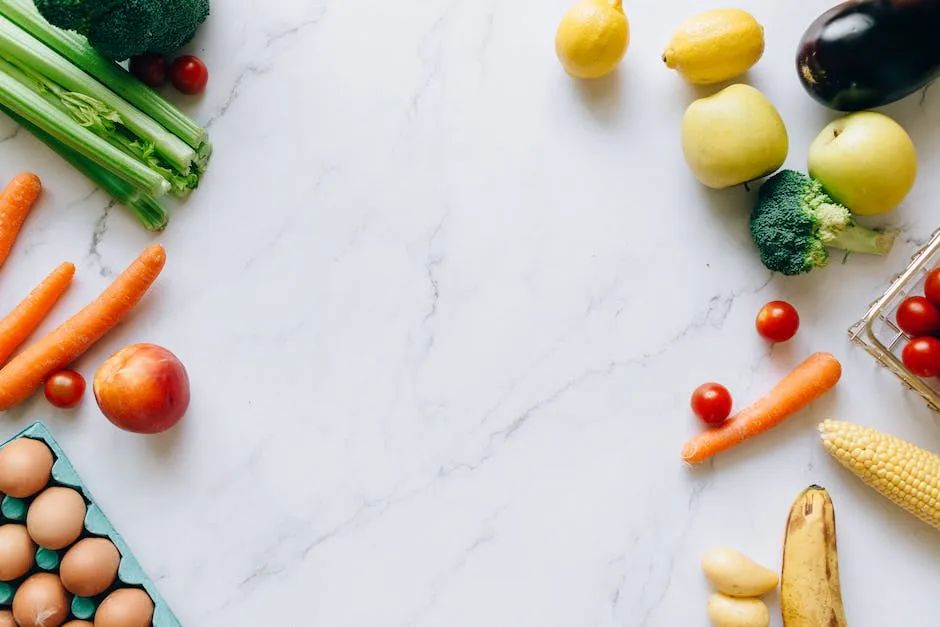 (Image from WeChat public platform image library) 2. What Role Does Vitamin C Play in Immunity and Cold Prevention and Treatment?VitaminC is crucial for the function of white blood cells, especially in the immune response, playing a key role in phagocytes andT lymphocytes. Vitamin C can enhance these cells’ response to infections, increasing their activity and numbers. This enhanced cell response and increased numbers enable the immune system to more effectively combat pathogens. Additionally, vitaminC can increase the production of interferons in the body, which are antiviral proteins that help the body resist viral infections. In terms of cold prevention and treatment, although vitamin C plays a key role in maintaining immune health, current scientific evidence is insufficient to prove its effectiveness in preventing colds. Only in certain populations, such as athletes and soldiers in extreme environments, may vitaminC intake help reduce the risk of colds. However, some studies suggest that starting vitaminC intake early during a cold may help reduce the duration of the cold and alleviate symptoms.3. Can Vitamin C Help with Anti-Aging?Yes, and this has been confirmed in many studies. Vitamin C is a potent antioxidant that helps protect the skin from damage caused by free radicals. Free radicals are molecules produced by environmental pollution, UV radiation, tobacco smoke, and other harmful factors that can damage skin cells, leading to aging and wrinkles. Vitamin C plays a key role in collagen synthesis, which is an important component for maintaining skin firmness and elasticity. Therefore, vitaminC helps combat skin sagging and wrinkle formation, having anti-aging effects. Additionally, vitamin C can inhibit the production of melanin in the skin, reducing the appearance of spots and acne scars, resulting in brighter and more radiant skin. At the same time, vitamin C can enhance the skin’s natural defenses, helping to repair skin damaged by UV rays and other environmental factors.
 (Image from WeChat public platform image library) 4. Does Vitamin C Help with Anti-Aging, Is It Topical or Oral?Both oral and topical are effective. Sufficient intake of vitamin C helps the body combat free radical damage and promotes collagen synthesis. At the same time, topical vitamin C, such as serums or creams, can stimulate collagen production within the skin, providing local antioxidant protection, reducing UV damage, preventing skin pigmentation, and improving skin brightness.5. Can Vitamin C Help Prevent Heart Disease?Possibly. An increase in free radicals can lead to atherosclerosis, a major risk factor for heart disease. Vitamin C can help counteract free radicals. Some studies suggest that vitamin C may help lower blood pressure by relaxing blood vessel walls and increasing nitric oxide production. When nitric oxide levels decrease, blood vessels become stiff and constricted, which can lead to elevated blood pressure. At the same time, vitamin C is also believed to lower low-density lipoprotein levels and increase high-density lipoprotein levels. Additionally, vitamin C can promote collagen synthesis, which is a major component of blood vessel walls.6. Does Vitamin C Help with Iron Absorption?Yes. Iron is an important mineral that we obtain through our diet, and our body needs iron to produce hemoglobin, a protein in red blood cells responsible for carrying oxygen. There are two main types of iron: one is heme iron, which is primarily found in animal-based foods such as meat, poultry, and fish, and the absorption rate of heme iron is relatively high. The other is non-heme iron, which is found in plant-based foods such as grains, legumes, vegetables, and fruits. The absorption rate of non-heme iron is lower and requires vitamin C to enhance absorption.
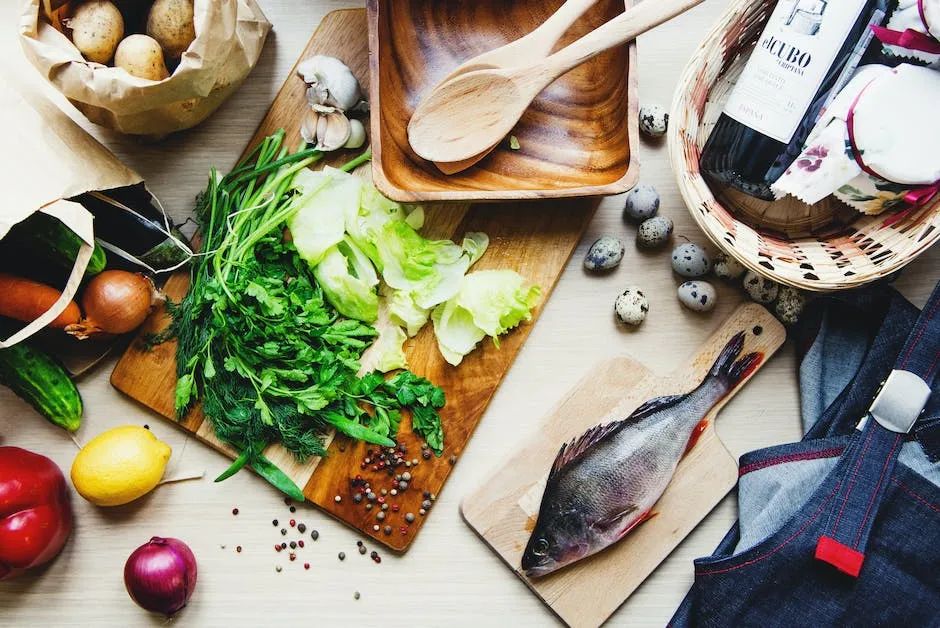 (Image from WeChat public platform image library) When vitamin C and non-heme iron are consumed together, vitamin C can convert non-heme iron into a more absorbable form. This is why eating foods rich in vitamin C (such as citrus fruits, strawberries, green vegetables, etc.) can enhance iron absorption, especially for vegetarians. Additionally, vitamin C can reduce the impact of certain substances on iron absorption, such as phenolic acids and tannins, which are mainly found in tea, coffee, and certain vegetables.7. Vitamin C is Easily Destroyed by Heat and Light, How to Reduce Its Loss in Foods?Vitamin C is easily destroyed by oxygen, so fresh fruits and vegetables should be consumed as soon as possible after purchase. If storage is necessary, they should be kept in a cool place and protected from light. Try not to cut them, as cutting increases the surface area exposed to oxygen, accelerating the destruction of vitamin C. Since vitamin C is very sensitive to heat, prolonged cooking or cooking at high temperatures can lead to significant losses of vitamin C. It is best to choose shorter cooking methods, such as steaming, stir-frying, or eating raw vegetables and fruits. Because vitamin C is water-soluble, soaking food in water can lead to vitamin C dissolving into the water. If possible, minimize soaking time or use a small amount of water for cooking. Additionally, vitamin C can also be destroyed during repeated heating and cooling, so try to avoid repeatedly heating and cooling food.
 (Image from WeChat public platform image library) 8. Do Smokers Need More Vitamin C?Yes. Smoking increases oxidative stress in the body and may deplete vitamin C levels. Studies show that smokers typically have lower levels of vitamin C in their blood compared to non-smokers. Therefore, some studies suggest that smokers should increase their vitamin C intake by 35 mg daily to help counteract the free radicals generated by smoking and maintain the body’s antioxidant defenses. However, increasing vitamin C intake cannot offset all the potential harms of smoking. Smoking also increases the risk of heart disease, lung cancer, chronic obstructive pulmonary disease (COPD), and various other diseases. While adequate nutrition can help the body resist disease, the best health strategy is still to quit smoking. 9. Do Long-Term Drinkers Have Additional Needs for Water-Soluble Vitamins?Yes. Drinking can interfere with the absorption and utilization of vitamins and increase the rate at which the body excretes these vitamins, thereby increasing the risk of vitamin deficiency. B vitamins are especially susceptible to the effects of alcohol. Alcohol can interfere with the absorption of vitamin B1 (thiamine), and long-term drinkers often experience thiamine deficiency, which can lead to severe neurological diseases such as Wernicke-Korsakoff syndrome. At the same time, alcohol increases the body’s demand for antioxidants, interfering with vitamin C absorption, so the vitamin C levels in drinkers may also be lower.10. Can Vitamin C Be Eaten with Seafood? Are There Any Dietary Restrictions?Vitamin C and seafood can be eaten together. In fact, some seafood, such as shrimp and crab, naturally contain some vitamin C. There is a traditional belief that vitamin C and seafood (especially shrimp) should not be eaten together, as this may cause arsenic poisoning. This belief comes from the fact that shrimp and some other seafood contain a compound called pentavalent arsenic, which, if combined with large amounts of vitamin C, could theoretically produce more toxic trivalent arsenic.
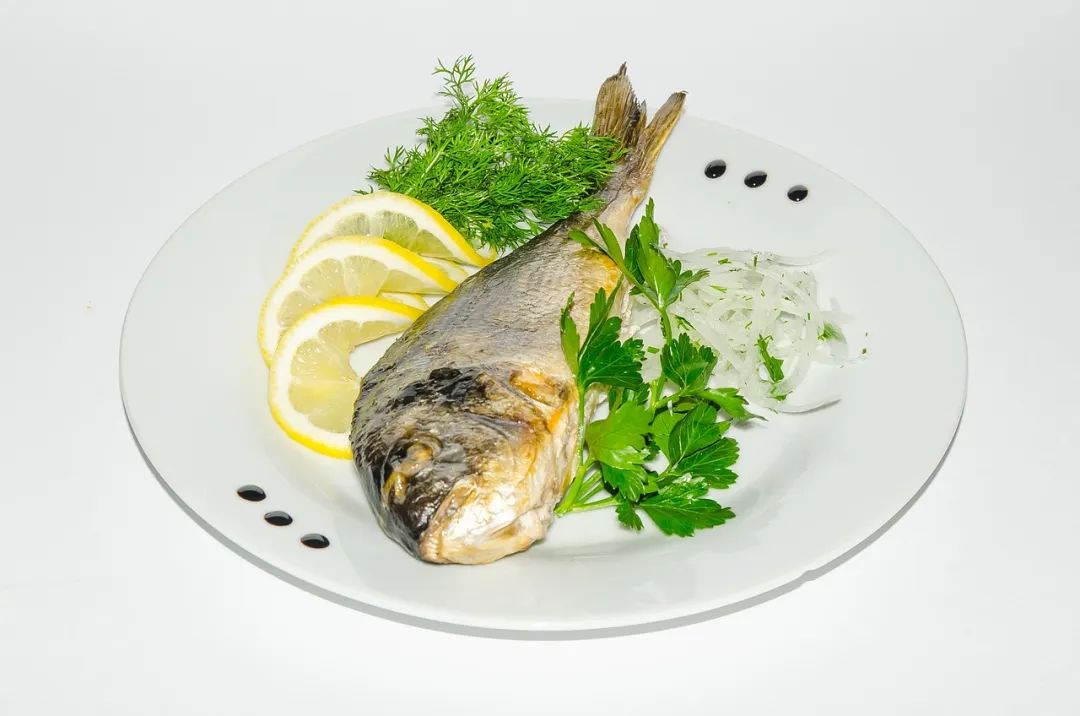 (Image from WeChat public platform image library) However, the amount of pentavalent arsenic in shrimp is negligible; moreover, to generate toxic trivalent arsenic, a large amount of vitamin C and specific acidic conditions are required. Under normal dietary conditions, this is nearly impossible. Vitamin C itself does not have any particularly clear dietary restrictions, but it may affect the efficacy of certain medications, such as anticoagulants (e.g., warfarin) or some chemotherapy drugs.11. Who Needs to Supplement Vitamin C? Do Average People Need to Supplement Vitamins?Generally, most healthy individuals can meet their daily vitamin C needs through a balanced diet, as many foods, such as fresh fruits and vegetables, are rich in vitamin C. However, some individuals may need additional vitamin C supplementation, such as:
- Smokers: Smoking increases oxidative stress in the body and depletes vitamin C more quickly, so smokers have a higher vitamin C requirement than non-smokers.
- Long-Term Drinkers: Drinking can interfere with the absorption and utilization of certain vitamins.
- Pregnant and Nursing Women: These women need more vitamin C to meet their own and their baby’s needs.Injured or post-surgery individuals: Vitamin C plays an important role in wound healing and tissue repair, so in these cases, more vitamin C may be needed.
- Individuals Who Consume Little Fruits and Vegetables: If the diet lacks fresh fruits and vegetables, one may not obtain enough vitamin C.
- Individuals with Certain Diseases: Some diseases may increase the need for vitamin C or reduce its absorption in the body, such as certain gastrointestinal diseases.
This series aims to introduce basic nutrition knowledge, consisting of a total of 12 issues. By reviewing these 12 issues, you will gain a certain understanding of basic nutrition and learn the fundamental principles of healthy eating, disease prevention, and balanced diet. Each article is filled with practical insights, and we will update one article weekly.
Updated:
【Nutrition Science】 Seven Major Nutrients Fully Explained: Guardians of Human Health!
【Nutrition Science】 Protein – A Multifaceted Exploration from Physiological Functions to Dietary Health
【Nutrition Science】 Fat – A Comprehensive Analysis from Physiological Functions to Balanced Diet
【Nutrition Science】 Carbohydrates – The Dual Nature from Energy Source to Health Threat (Part 1)
【Nutrition Science】 Carbohydrates – The Dual Nature from Energy Source to Health Threat (Part 2)
【Nutrition Science】 Symptoms of Deficiency and Food Sources of Fat-Soluble Vitamins A, D, E, K