▶ What is GCC Certification:
GCC, or General Certificate of Conformity, is an important quality control measure by the U.S. Consumer Product Safety Commission (CPSC) for products entering the U.S. market. It aims to ensure that products sold in the U.S. comply with federal safety standards and regulations. Since joining the U.S. Customs, the CPSC has long participated in product clearance reviews alongside U.S. Customs and Border Protection. All products entering the U.S. that fall under its jurisdiction will be marked for review; even if declared, they cannot be sold if the CPSC does not release them. The categories under its jurisdiction include children’s products such as toys, clothing, decorations, and other general products. The review includes compliance documents for products, such as the Children’s Product Certificate (CPC) for children’s products, the GCC certificate for general products, and corresponding test reports.
 ▶ GCC Certification Scope Products intended for general use / non-children’s products that are subject to consumer product safety rules or any other similar rules, bans, standards, or regulations under CPSC must be tested and certified.
 ▶ GCC Certification Items
The GCC certification for toys includes multiple aspects such as product safety, packaging, labeling, instructions for use, and production quality systems. These requirements aim to ensure that toy products comply with safety standards and regulatory requirements in the Gulf countries.
▶ GCC Certification Process1. Determine Product Category: First, confirm whether your product falls within the mandatory scope of GCC certification; 2. Choose a Certification Body: Select a GCC-recognized certification body (Notified Body); 3. Prepare Technical Documents: Including product specifications, circuit diagrams, design drawings, parts lists, test reports (e.g., CE, IEC, etc.), risk assessment reports, and Arabic label samples;4. Product Testing: Conduct testing according to relevant GCC technical regulations, which can be done at GCC-recognized laboratories; 5. Factory Inspection (if applicable): Certain product categories require a factory quality system audit; 6. Submit Application: Submit complete application materials to the certification body;7. Review and Issuance: The certification body issues the GCC compliance certificate after passing the review.▶ GCC Certificate Information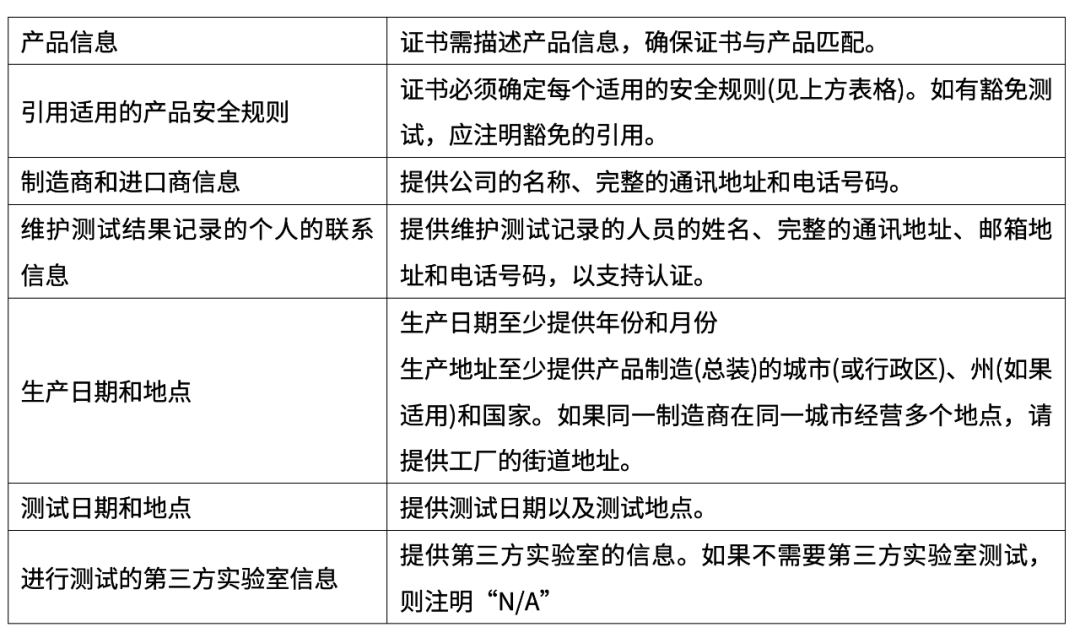 ▶ GCC Certification Label Compliance Requirements
Label Content:
Basic Information: Indicate the name, address, or trademark of the manufacturer or distributor, ensuring clarity and readability.
Safety Symbols: Include warning symbols, signal words (such as “CAUTION” or “WARNING”), and hazard descriptions, with font size and placement conforming to regulations.Specific Toy Requirements: For example, water toys must indicate “Not a lifesaving device; adult supervision required for children.”Label Design and Display:
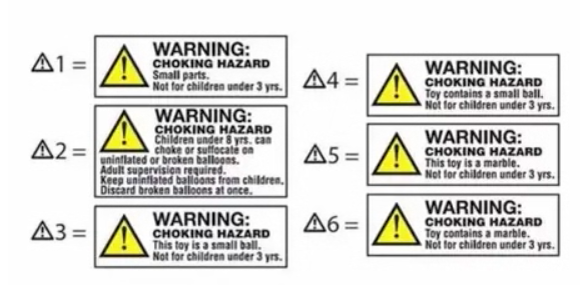
Clarity and Visibility: Safety symbols must be clear and prominent, contrasting sharply with the background.Durability: Symbols must remain clear after normal use, and labels must adhere securely.Language Requirements: At least in English.The Importance of Labels: GCC certification labels are crucial for toy safety, helping parents make informed choices and reducing the risk of injury to children. They are also a necessary condition for entering the U.S. market.
▶ GCC Common Standards for Certification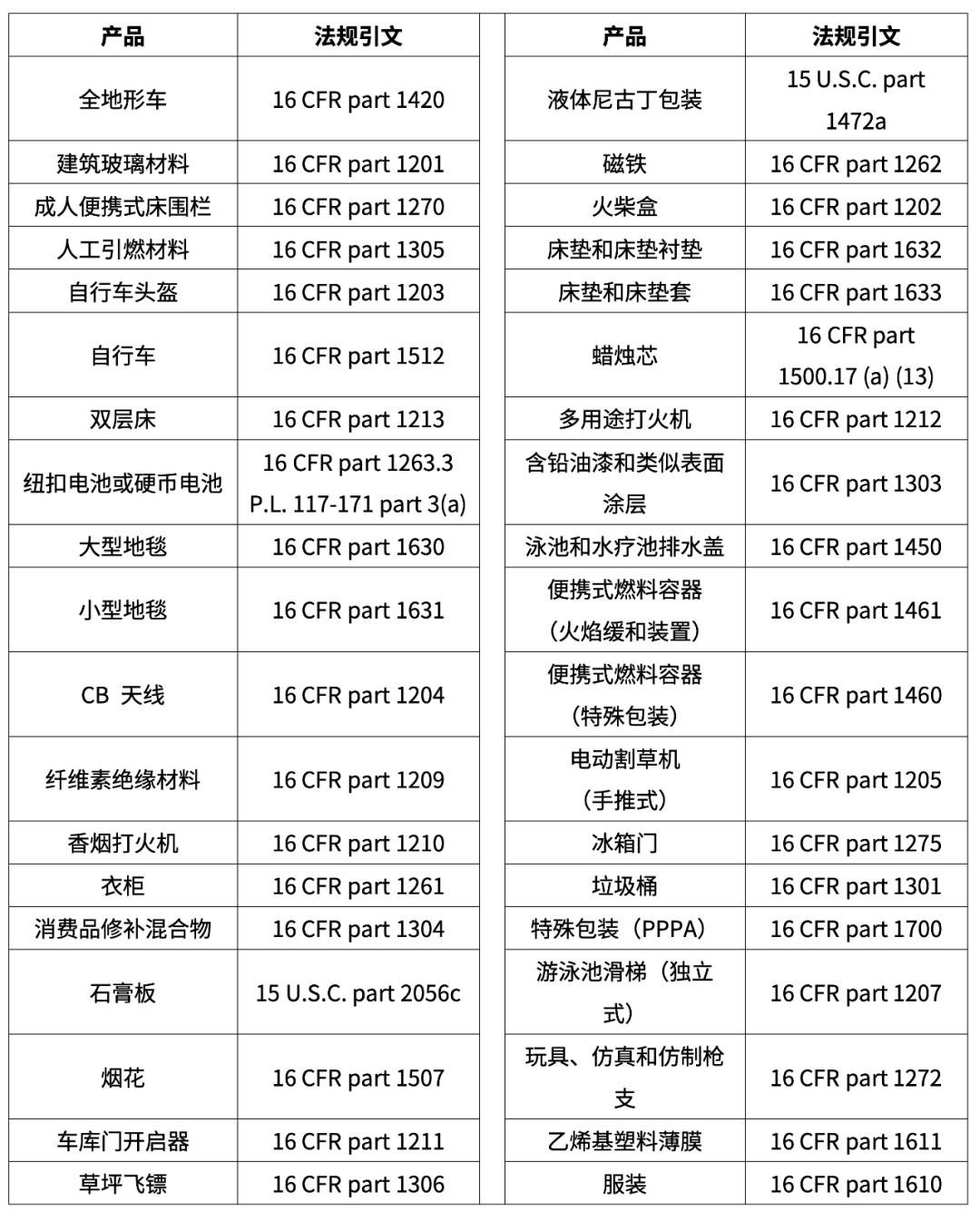
▶ GCC Toy Certification Validity and Renewal
The validity of GCC certification for toys is typically three years, but the specific duration may vary depending on the product type and certification body. During the validity period, companies must regularly review and test products to ensure ongoing compliance with relevant standards and regulations. If there are changes to the product or updates to standards, companies must undergo re-certification.When applying for GCC certification, toy companies should ensure that products have been thoroughly tested and evaluated to meet U.S. national safety standards and regulations. Companies should actively cooperate with the certification body’s review and testing processes, providing necessary materials and samples in a timely manner. After obtaining GCC certification, companies should strengthen quality control and safety management to ensure ongoing compliance with relevant standards and regulations.
▶ GCC Certification Importance
-
Legal Requirement: Toys without GCC certification are prohibited from entering the U.S. market.
-
Safety Assurance: Reduces the risk of poisoning, choking, or injury due to substandard products.
-
Brand Reputation: Reflects the company’s commitment to child safety, enhancing consumer trust.
-
Avoiding Legal Risks: Non-compliant products may be recalled, fined, or face lawsuits.
▶ Differences Between CPC and GCC CertificationCPC and GCC certifications are both required by the U.S. Consumer Product Safety Improvement Act (CPSIA) for manufacturers or importers.The main difference is:CPC is for children’s products (for children aged 12 and under), while GCC applies to general or non-children’s products. Products related to children, including toys and infant products, require a CPC certificate, while general or non-children’s products require a GCC certificate. Products exported to or sold in the U.S. without the appropriate certificates face risks of being delisted, having funds and goods withheld, or being sued!
|
Category |
GCC Certification |
CPC Certification |
|
Applicable Products |
Non-children’s products (mainly for adult use or general products) |
Products designed or intended for children aged 12 and under |
|
Testing Requirements |
Can be based on in-house laboratory or third-party laboratory test reports |
Must be issued by a CPSC-recognized third-party laboratory |
|
Legal Basis |
U.S. Consumer Product Safety Improvement Act (CPSIA) and the product list published by CPSC |
Same as above, but must also comply with specific standards for children’s products (e.g., CPSIA lead/phthalate restrictions) |
|
Core Product Range |
– Household: Mattresses, carpets, bunk beds– Tools: Electric lawnmowers, portable gas containers– Others: Fireworks, adult clothing |
– Children’s Toys: Building blocks, dolls– Infant Products: Cribs, safety seats, cradles– Children’s Clothing: Sleepwear, accessories |
|
Certification Process |
1. Submit materials and samples2. Laboratory testing (optional)3. Issue GCC certificate |
1. Submit materials and samples to a CPSC-recognized laboratory2. Issue CPC certificate after passing tests |
|
Document Requirements |
– Product information and test reports (in English)– Importer/manufacturer information |
– Detailed report including test items and legal basis– Tracking labels and production information (down to the city) |
|
Legal Responsibility |
The manufacturer or importer is responsible for the authenticity of the certificate, even if drafted by a third party |
Same as above, but must also include compliance warnings for children’s products (e.g., small parts warnings) |
|
E-commerce Platform Requirements |
Platforms like Amazon, TEMU, etc., require GCC certification; otherwise, products will be delisted |
Additionally, children’s products must upload CPC certificates and test reports |
▶ GCC Testing Options (TEMU)
Option 1: Testing costs for 1-3 selected materials range from 400 to 600 yuan (the platform requires all materials to be tested; it is recommended to test all materials, but if you insist on this option, there may be risks);
Option 2: Testing all materials of the product: starting cost of 600 yuan (this cost will be quoted based on images or actual samples received).
 Public Account Introduction:Introduction to testing projects for toy products, electronic and electrical products, consumer goods, and their components, as well as interpretations of environmental testing regulations. We provide one-stop solutions for testing toy products, electronic and electrical products, consumer goods, and their components and materials, including environmental testing, toxic and harmful substance testing, and material composition performance analysis. If you have testing needs or questions, please add the administrator’s WeChat.
Previous Recommendations:
▶ Comprehensive Guide to the CPC Certification Process for Children’s Products in the USA and Pitfall Avoidance:
The images in this article are sourced from the internet, and the copyright belongs to the original authors. They are used for educational purposes. If there are any copyright issues, please inform us, and we will promptly revise or delete them. Thank you for your attention.