

The Harbin Institute of Technology Zhengzhou Research Institute has always adhered to the innovative high ground in Central China, deepening the integration of industry, academia, and research. To build an efficient bridge for the connection between research achievements and industrial needs, a series of research achievements have been organized and published, systematically showcasing the breakthroughs in fields such as optoelectronic integration and intelligent manufacturing. Through achievement summaries, technical indicators, and application prospects, we aim to promote the transition of research results from the laboratory to the production line, assisting in the industrial upgrading and high-quality development of provinces and cities, and creating an open, shared, and mutually beneficial technological innovation ecosystem.
 Compilation of Research AchievementsGreen Environmental Protection and Resource Recycling (1-3)
1. High-Performance Biochar-Humic Acid Co-Production Project
【Achievement Summary】
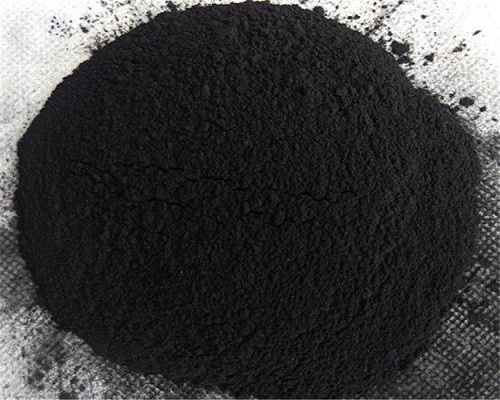
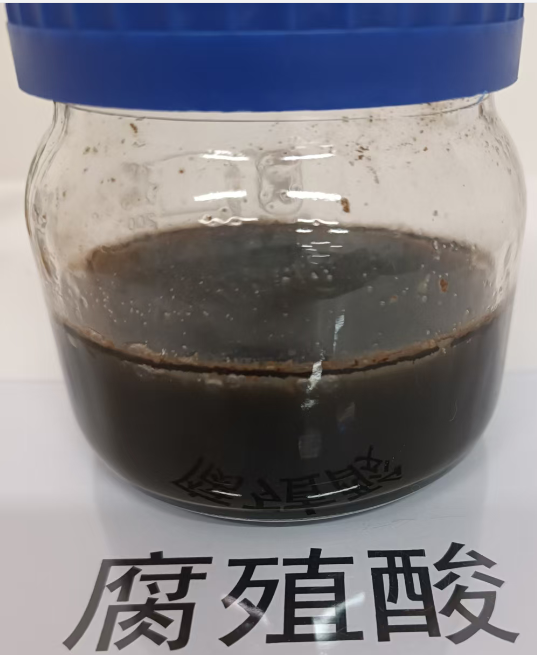
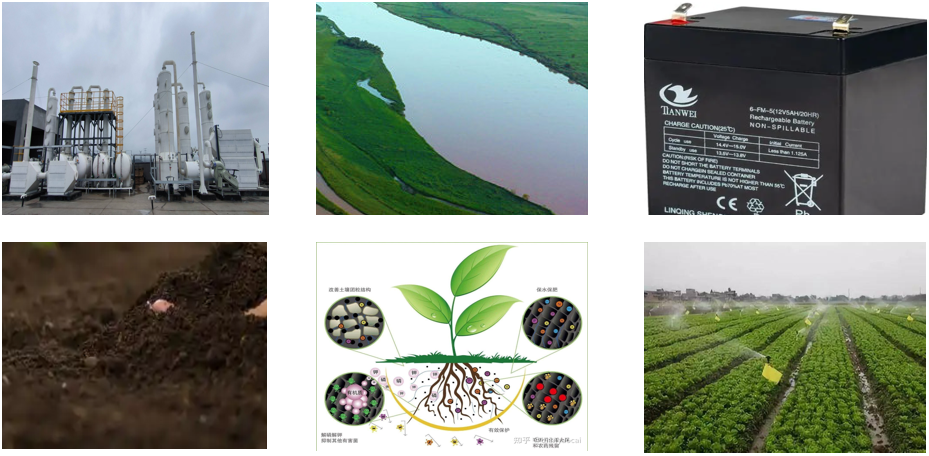
The biomass resource utilization team has designed a high-performance biochar-humic acid co-production process model, using biomass/organic solid waste as raw materials. Through high and low-temperature carbonization furnace processes, it achieves the dual effect of biochar-humic acid co-production, featuring no need for external heat sources, high automation, ecological environmental protection, and sustainability. The biochar product is used for air and water pollution control, soil remediation, and electrode materials, while humic acid is used for soil improvement to enhance soil fertility, achieving the effect of enriching the soil.
【Technical Indicators】
The biochar product produced by the high-performance biochar-humic acid co-production project has a high specific surface area (2000㎡/g), high adsorption capacity (iodine adsorption value > 1500mg/g), and rich surface functional groups; the humic acid product has low pH, high humic acid content, low salt content, balanced molecular weight, and high molecular activity, with comprehensive performance at a leading level in the country.
【Application Prospects】
Biochar can be widely used in agriculture and soil improvement, environmental protection and pollution control, renewable energy and industrial materials, urban and landscape greening, and electrode materials; humic acid is mainly applied in organic ecological agriculture and soil management and improvement, both having strong application prospects.

2. Functionalized Porous Biochar Adsorbent Materials
【Achievement Summary】
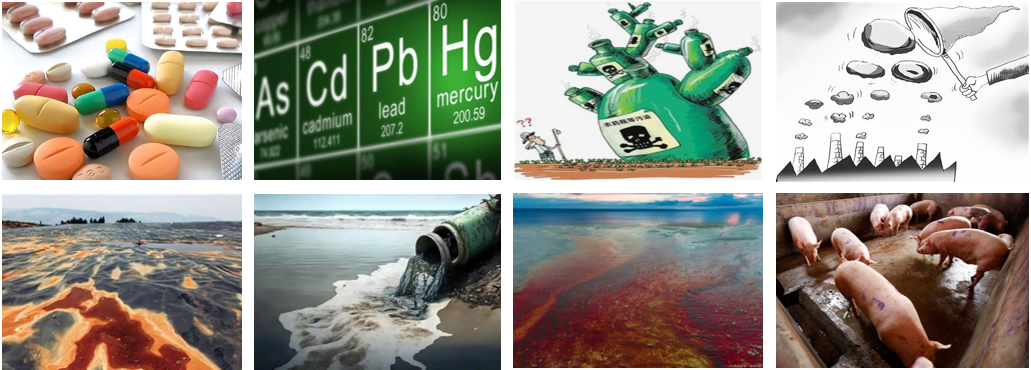
The biomass resource utilization team has designed a series of biochar adsorbent materials using straw-type agricultural waste as raw materials, targeting persistent and difficult-to-degrade pollutants such as antibiotics and heavy metals in water environments. The series of products have advantages such as large specific surface area, excellent adsorption performance, high treatment efficiency, low cost and energy consumption, and low environmental risk, and they can be easily integrated into existing water treatment processes, especially achieving certain results in the remediation of composite pollution of heavy metals and organic substances in water bodies.
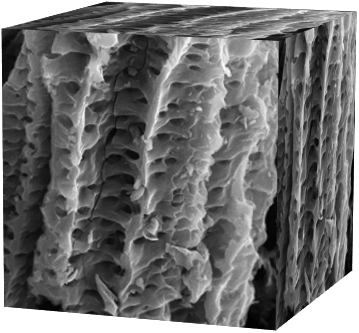
▲850BC Type Corn Cob Porous Biochar
【Technical Indicators】
Functionalized porous biochar adsorbent materials have developed functional modification schemes targeting specific pollutants, among which the specific surface area of the 850BC type corn cob porous biochar reaches 3043㎡/g, with an adsorption capacity of 1429mg/g for the antibiotic sulfamethoxazole, and the M-G@BC type corn cob biochar has an adsorption capacity of 2270mg/g for Pb(II) and 540mg/g for Cd(II), with adsorption performance at an internationally leading level.
【Application Prospects】
Functionalized porous biochar adsorbent materials can be widely used in environmental pollution remediation primarily focused on water pollution: including the removal of heavy metal ions such as lead, cadmium, mercury, and arsenic, the removal of organic pollutants such as antibiotics, pesticides, dyes, and polycyclic aromatic hydrocarbons, controlling excessive phosphorus and nitrogen in water bodies, carbon capture, and assisting in carbon neutrality.

3. Multi-Component Joint Removal and Control Technology for Industrial Waste Gas
【Achievement Summary】
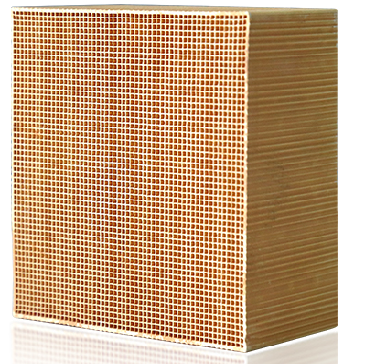
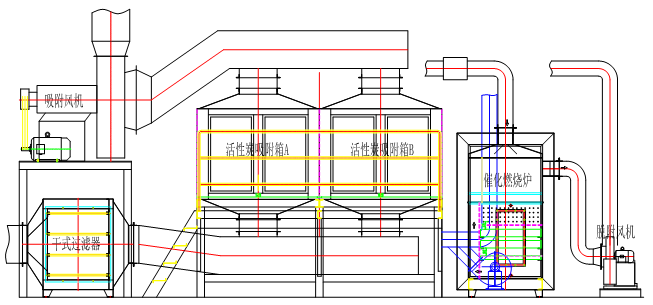
In view of the need for key industries such as steel, non-ferrous metals, building materials, and petrochemicals to accelerate the implementation of national energy-saving and emission-reduction policies for ultra-low emissions, to effectively reduce flue gas treatment costs and improve treatment efficiency, our team has developed a technology that can simultaneously treat odors, adapt catalysts, and associated flue gas treatment facilities.
The catalysts developed by the team can carry out coordinated treatment of odors, nitrogen oxides, and volatile organic compounds in industrial flue gas, and the supporting process uses in-situ online regeneration technology to remove poisoning substances while maintaining catalyst activity. Based on ensuring treatment efficiency, it can significantly reduce the total amount of flue gas treatment facilities, cut equipment investment costs, and reduce land occupation.
【Technical Indicators】
Types of pollutants treated: volatile organic compounds (VOCs), odors (mainlyH₂S and NH₃);
Treatment efficiency: under operating temperatures (200-300℃), the removal efficiency of VOCs/odors exceeds 90%, meeting emission standards;
Catalyst stability: excellent resistance to sulfur, sintering, and carbon deposition, with stable operation time exceeding 1000h;
Process features: using the online regeneration technology developed by the research team, the catalyst life can be extended by 200%-500%.
【Application Prospects】
There are broad application prospects in the comprehensive treatment of flue gas in industries such as petrochemicals, organic chemicals, and pharmaceuticals, achieving coordinated removal of multiple pollutants and reducing process flows; with online regeneration technology, it can ensure that the catalyst maintains activity over long-term operation, greatly reducing its replacement frequency, effectively reducing treatment costs, and improving treatment efficiency.


Contact Information:
If you have cooperation intentions 
Please contact:Teacher Fu 15900284203
Address: 26 Longyuan East Seventh Street, Zhengdong New District, Zhengzhou, Henan Province

 Source of Information | Research Management and Experimental Equipment Department Edited & Typeset | Yang Bei Editor | Mei Pengfei Review | Zhang Yiwen, Yuan Jingkun