Focusing on Wireless Communication · Smart Connected World
In battlefield communication deployment,
the selection of equipment directly determines the effectiveness of network organization.
Choosing the right equipment can achieve
“15 minutes to set up a network, full coverage, and robust transmission”;
choosing the wrong equipment may lead to
“unable to connect, unstable transmission” dilemmas.
This equipment selection guide focuses on
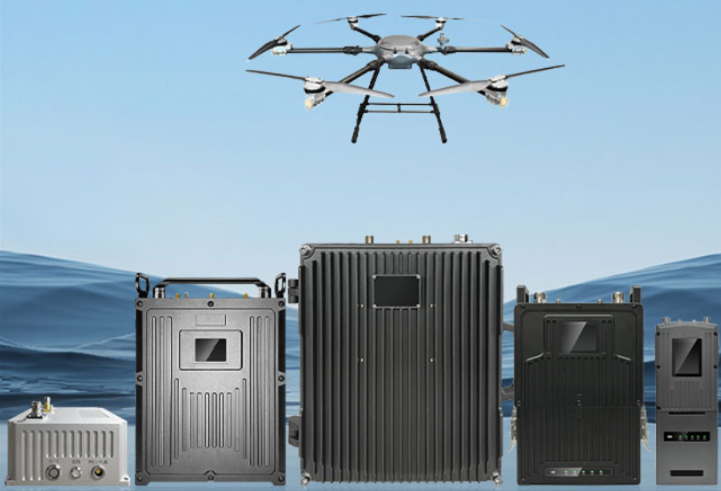
three core components: tactical gateways, terminal devices, and relay nodes,
breaking down key parameters and scenario adaptation logic,
allowing troops to accurately match operational needs,
and avoiding “blind procurement and mismatched waste.”
Core Equipment Selection
Key parameters determine combat effectiveness
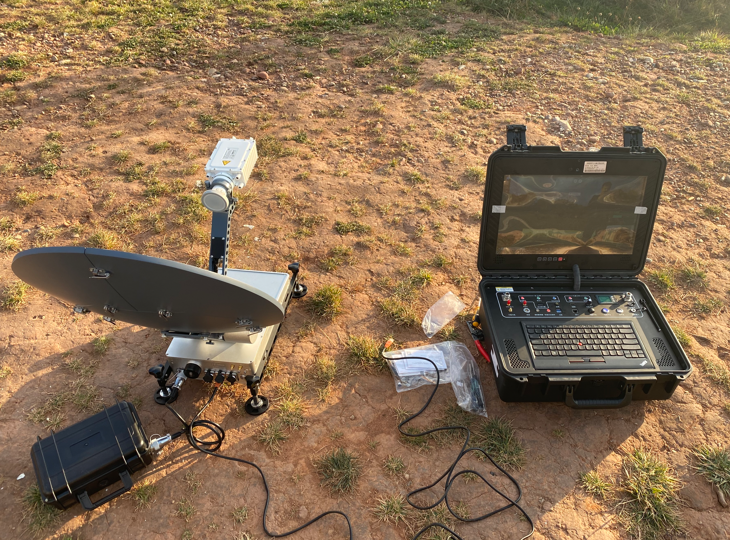
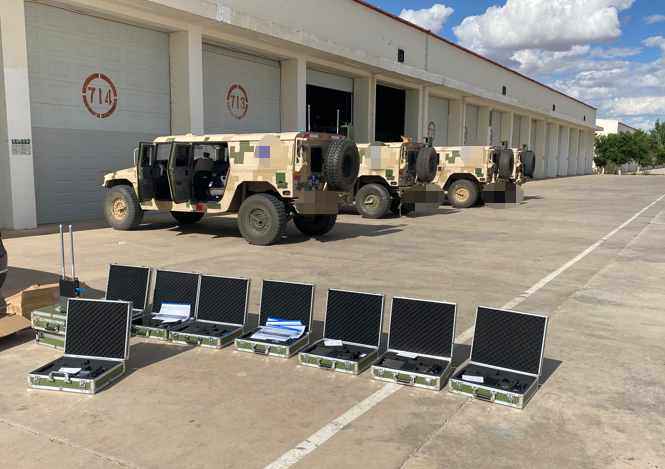
1. Tactical Gateway: The “Nervous Center” of Networking, Compatibility and Expandability are Key
As the core connecting the upper network and tactical terminals, the tactical gateway must meet the demands of “multi-network interoperability and high-speed forwarding,” focusing on three major parameters:
● Protocol Compatibility: It must support various protocols such as satellite communication (e.g., Ka/Ku bands), shortwave/ultra-shortwave radios, military Ethernet, etc., to ensure seamless integration with upper command systems and neighboring troop networks;opt for multi-mode tactical gateways (e.g., supporting more than three access protocols) to adapt to cross-level collaborative scenarios;
● Data Forwarding Rate: Forwarding bandwidth ≥ 100Mbps, ensuring simultaneous processing of various types of data such as reconnaissance video, situational maps, and command instructions, avoiding bottlenecks and delays;
● Deployment Form: Vehicle-mounted must adapt to military vehicle power supply (24V DC), weight ≤ 15kg; portable must support individual carrying (weight ≤ 5kg), meeting emergency mobility deployment needs.
Adaptation Scenarios: Command nodes at the composite battalion level and above, used to build a three-level communication link of “upper – middle – lower”; after adopting a multi-mode tactical gateway, the cross-level data transmission delay of a certain composite brigade was reduced from 500 milliseconds to 80 milliseconds.
Terminal Devices: The Frontline “Communication Interface”,
Balancing Lightweight and Functionality
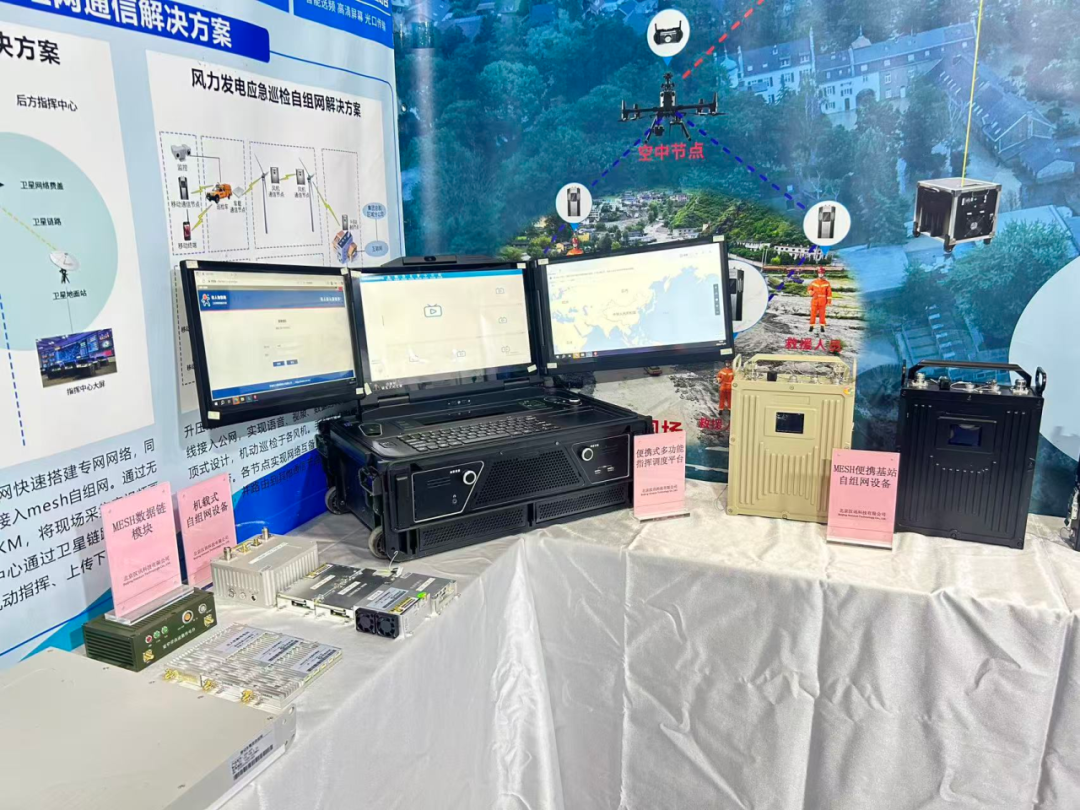
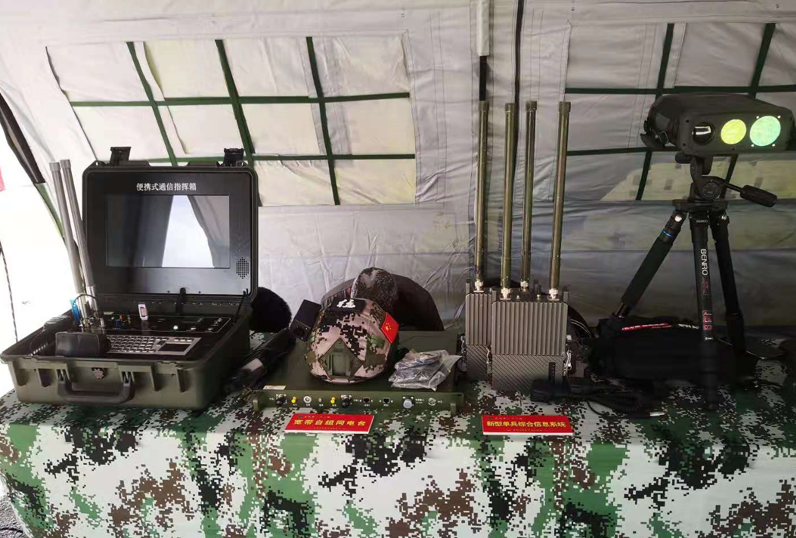
Terminal devices are divided into vehicle-mounted, individual, and squad types, and must be selected based on the characteristics of the combat unit:
● Vehicle-mounted Self-organizing Network Terminal: Integrates antennas and data acquisition modules, key parameters include communication distance (moving communication ≥ 3km, stationary communication ≥ 5km), number of access nodes (single terminal supports ≥ 20 subordinate nodes), protection level (IP67, suitable for harsh outdoor environments); must interface with vehicle-mounted radar and positioning equipment to achieve “data acquisition – transmission” integration; after being mounted on a certain armored battalion, the synchronization delay of vehicle position and firepower parameters was ≤ 50 milliseconds;
● Individual Portable Terminal: Focuses on lightweight and low power consumption, weight ≤ 1.5kg, battery life ≥ 8 hours (standby ≥ 24 hours), supports voice and short data transmission (text commands, positioning information), optional high-definition camera (1080P resolution) for battlefield image transmission; designed ergonomically for ease of operation during tactical movements;
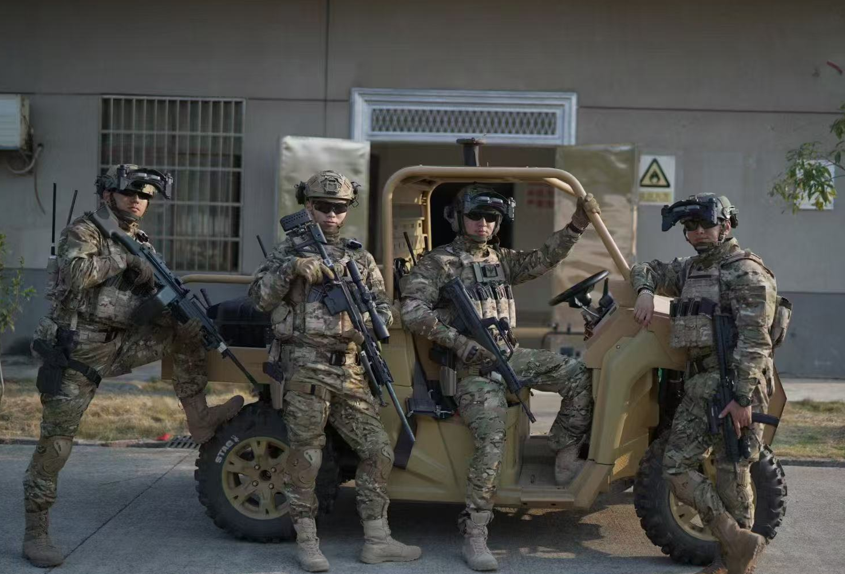
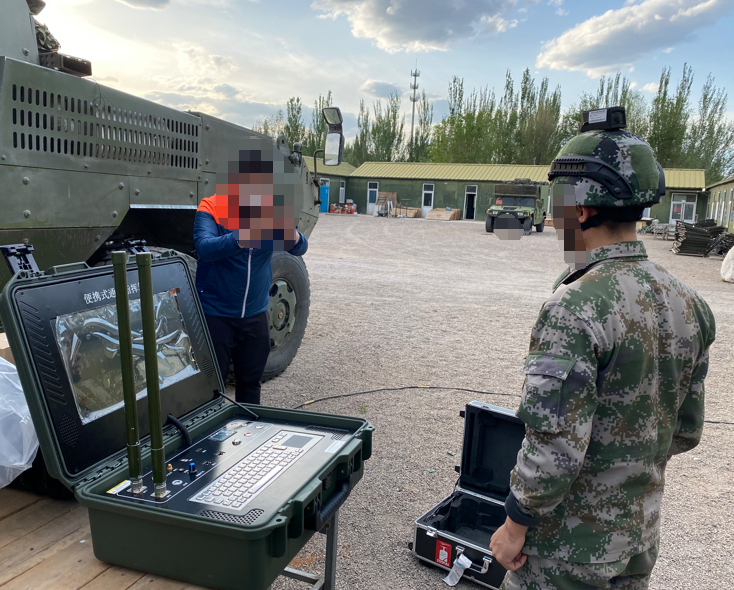
● Squad Visualization Terminal: Used by squad leaders/team leaders, equipped with a 7-10 inch touch screen, supports situational map display, command reception and issuance, communication bandwidth ≥ 20Mbps, can simultaneously receive drone reconnaissance video; after use by a certain infantry company, the squad collaborative decision-making time was reduced by 40%.
Relay Nodes: Covering the “Extended Arm”,
Prioritizing Deployment Flexibility and Endurance
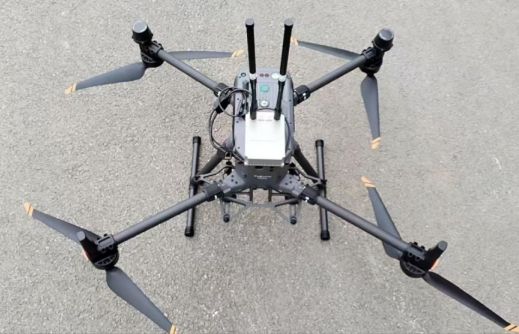
Relay nodes solve signal coverage and link extension issues, divided into drone relays and portable relays:
• Drone Relay Terminal: Mounted on small tactical drones (takeoff weight ≤ 10kg), key parameters include endurance time (≥ 4 hours), communication coverage radius (≥ 5km when ascending to 100 meters), wind resistance level (≥ level 6); supports automatic following and hovering, can preset flight paths for relay, a certain reconnaissance battalion achieved coverage of a narrow area with a radius of 50 kilometers through 2 drone relays during mountain training;
• Portable Solar Relay: Used for terrain blind spot filling, weight ≤ 2kg, deployment time ≤ 5 minutes, supports dual power supply (solar + battery) (endurance ≥ 8 hours, solar charging to full in 4 hours), communication distance ≥ 3km, protection level IP65, suitable for rain and dust environments; a certain special operations team eliminated all signal blind spots using 4 relays during jungle missions.
“
Choose Equipment Based on Operational Scale:
Avoid “Over-specification” and “Insufficient Capability”
● Squad and Platoon Level (10-30 People): 1 squad visualization terminal + 2-10 individual terminals + 2 portable relays, no tactical gateway needed, directly build a small self-organizing network, total deployment time ≤ 10 minutes, meeting communication needs within the squad and platoon;
● Company Level (100-150 People): 1 tactical gateway (portable) + 3-5 vehicle-mounted terminals + 10-20 individual terminals + 4 portable relays + 1 drone relay, coverage radius ≥ 8km, supports three-level communication from company to platoon to squad, communication availability in complex terrain ≥ 95%;
● Battalion Level (300-500 People): 1 tactical gateway (vehicle-mounted) + 10-15 vehicle-mounted terminals + 30-50 individual terminals + 6-8 portable relays + 2-3 drone relays, building a “3D network” of air and ground, cross-company collaborative data transmission delay ≤ 100 milliseconds, meeting the multi-service collaborative needs of composite battalions.

Selection Pitfall Guide:
Three Key Considerations
1. Reject “Parameter Overloading”: Prioritize practical adaptability; for example, individual terminals do not need to pursue excessively high bandwidth, meeting voice + short data transmission is sufficient; overemphasizing performance will increase weight and power consumption;
2. Reserve Expansion Interfaces: Equipment must support modular upgrades, such as tactical gateways reserving interfaces for 5G/satellite communication modules, terminals supporting external sensors, to avoid obsolescence due to future operational demand changes;
3. Unified Standards and Training: Try to use equipment from the same manufacturer within the same unit to ensure protocol compatibility and unified maintenance; organize training for operators in advance, focusing on mastering basic operations such as powering on, network access, and troubleshooting, to avoid “advanced equipment that cannot be used.”
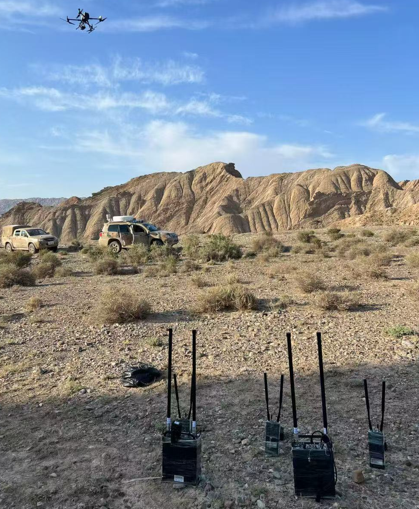
The core of equipment selection for self-organizing network deployment on the battlefield is “matching needs and prioritizing effectiveness”. From the multi-network compatibility of tactical gateways to the balance of weight and functionality in terminal devices, and the flexible deployment of relay nodes, every parameter directly affects the battlefield communication’s “connectivity, speed, and stability”. Through scientific selection, it can avoid resource waste and build a communication network that meets operational needs, providing solid hardware support for command collaboration and tactical execution — this is the core value of equipment selection and the “prerequisite for practical assurance” that leaders focus on.

Contact Number丨15735979040
Beijing Hanxun Technology丨 Self-organizing Network Equipment Manufacturer