In this era that values both aesthetics and functionality, embedded design has become quite popular. From embedded showers to embedded faucets, and even embedded water tanks and appliances, these designs have won the favor of many homeowners due to their high aesthetic appeal and unique practicality.
However, as the old saying goes, “Beautiful flowers often come with thorns,” embedded design also hides significant issues that cannot be ignored. Today, we will explore this topic.

1. Why Choose Embedded Design

1. Aesthetic Appeal: Enhancing Home Style
The primary charm of embedded design lies in its simplicity and sophistication.
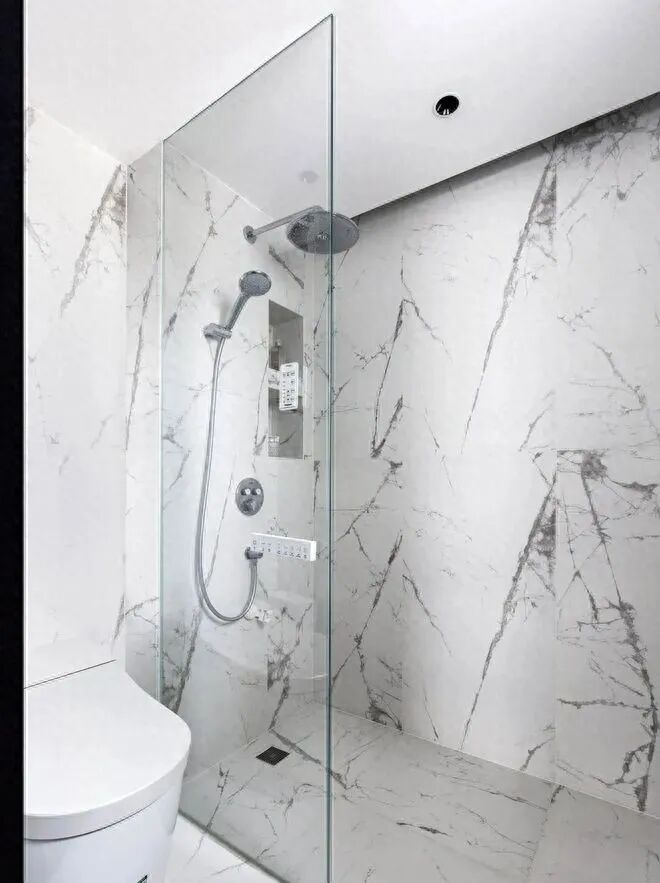
For example, an embedded shower not only instantly enhances the visual effect of the bathroom but also creates a minimalist yet stylish atmosphere through the design of hidden pipes. For families that pursue quality of life, such designs are undoubtedly a pleasure.
2. Space Efficiency: A Blessing for Small Apartments
For many small apartment families, maximizing space utilization is a key consideration during renovation.
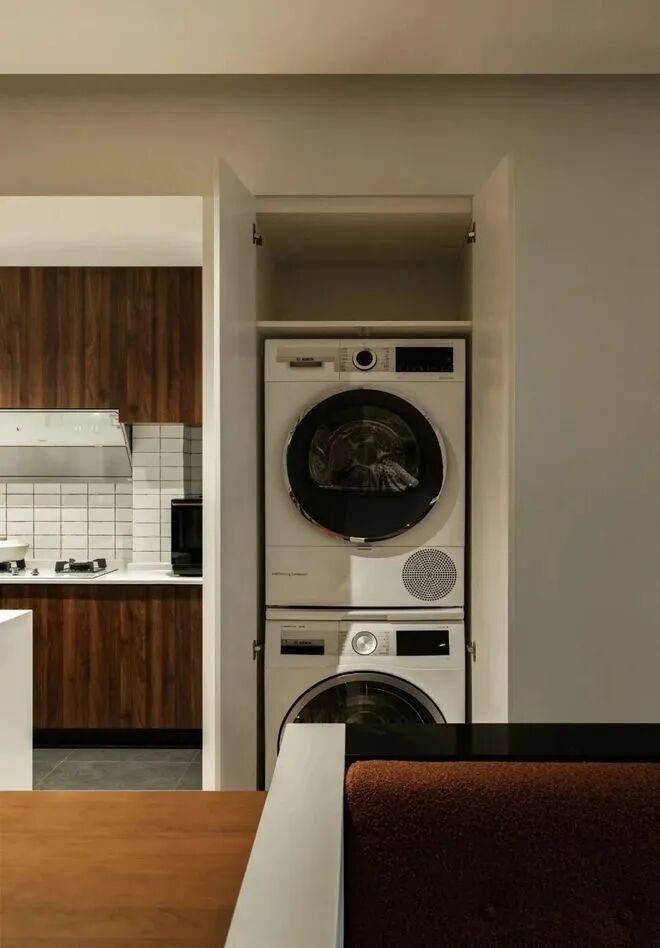
Embedded design cleverly integrates appliances, cabinets, and other elements into walls or furniture, greatly saving space.
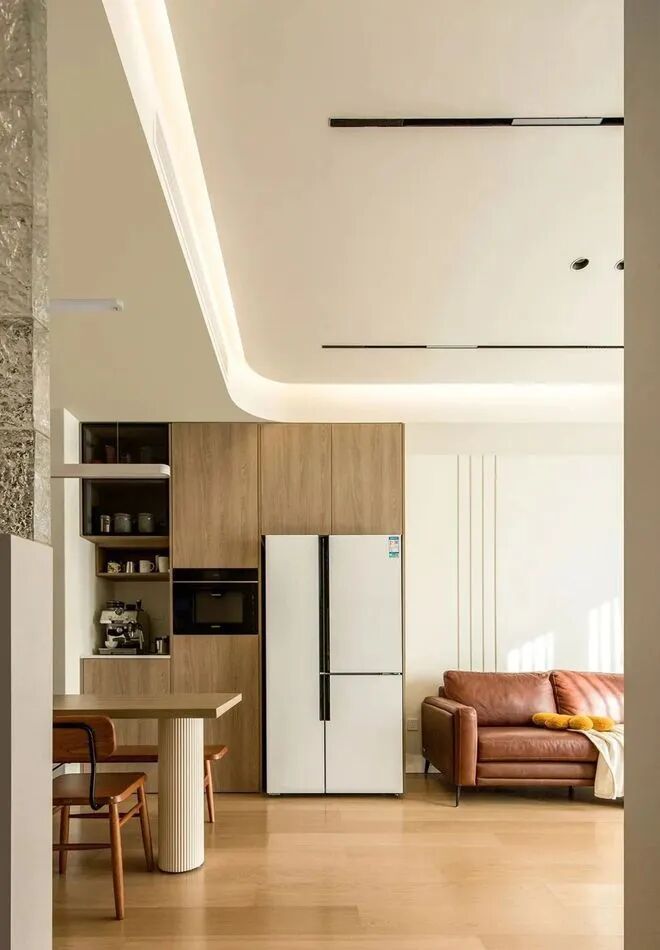
For instance, the design of embedded refrigerators and service areas not only hides large appliances like washing machines and dryers but also provides additional storage space, allowing small apartments to have a spacious and comfortable living environment.
3. Cleanliness: Reducing Household Burden
For busy modern individuals, reducing household chores is also a major highlight of embedded design.
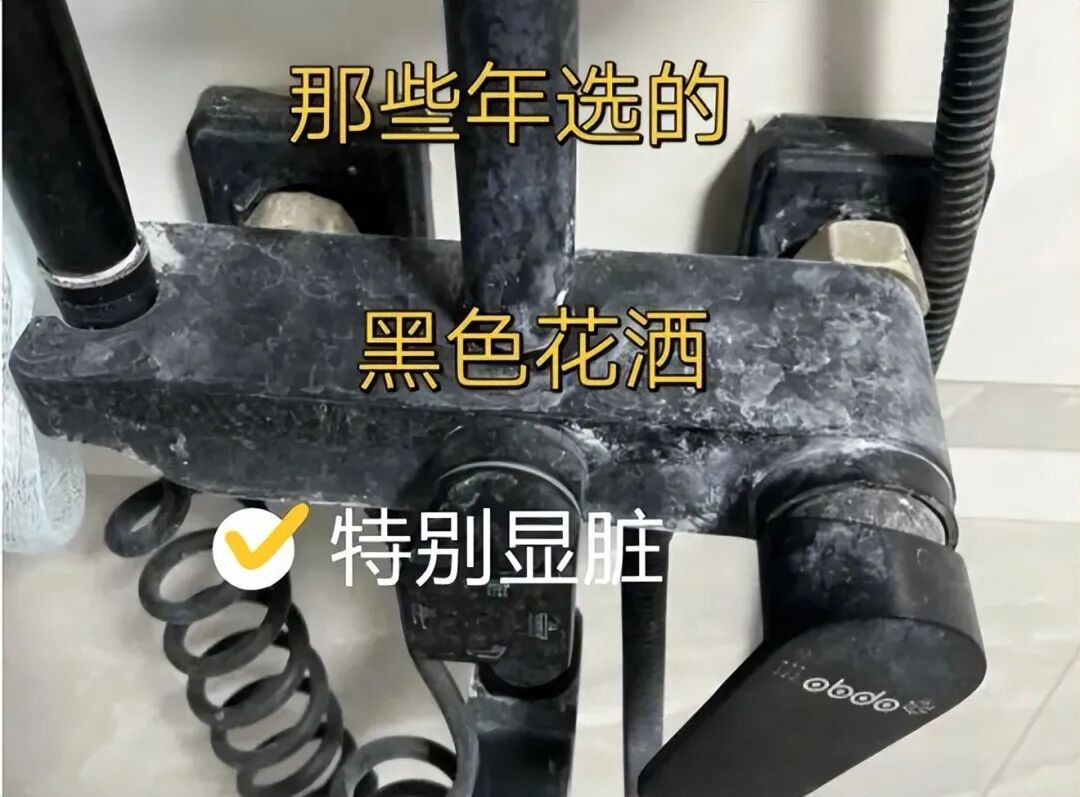
Traditional exposed faucets and toilet tanks are prone to accumulating limescale and dust, making cleaning difficult. Embedded design significantly reduces the formation of sanitary dead corners, greatly lowering the difficulty and frequency of cleaning.

2. Why Regret Initial Choices

1. Maintenance Challenges: The Double-Edged Sword of Hidden Design
However, embedded design is not without its flaws. Once devices hidden within walls or furniture malfunction, maintenance often becomes exceptionally tricky.
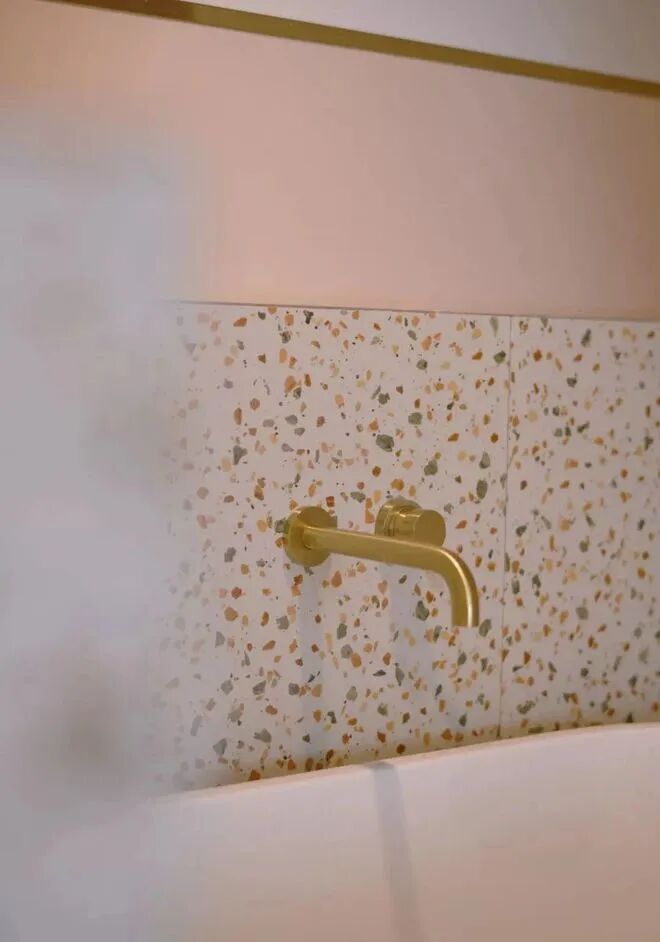
For example, with an embedded faucet, if a leak occurs, it may require cutting into the wall for repairs, which is not only time-consuming and labor-intensive but may also damage the home decor. Therefore, when choosing embedded design, it is essential to consider the convenience of future maintenance.
2. Upgrading: An Inevitable Embarrassment
With technological advancements and product updates, embedded design also faces challenges of upgrades. Especially for household appliances like embedded refrigerators and televisions, once they malfunction or become outdated, it is often difficult to find replacements of the exact same size.
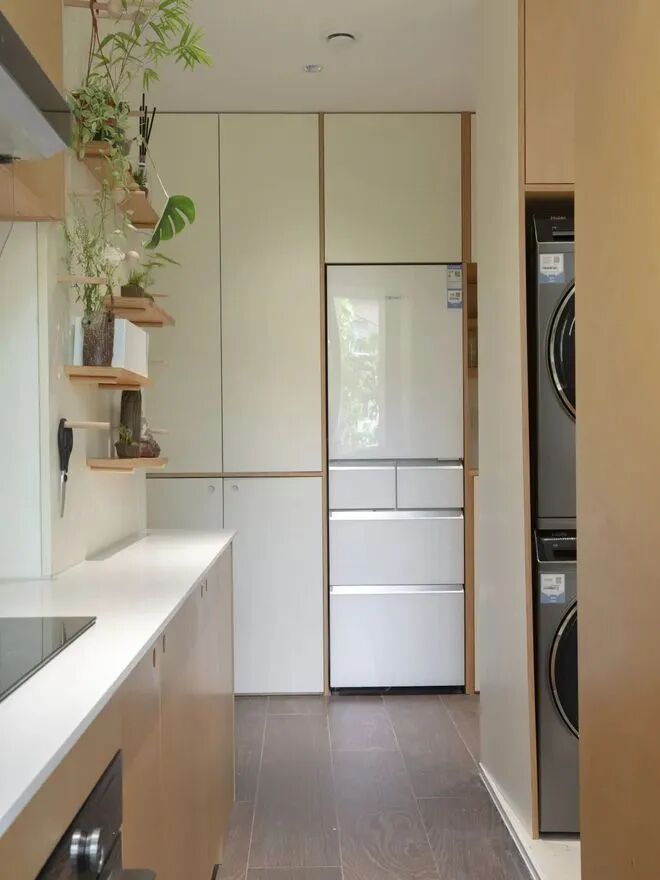
This not only increases replacement costs but may also affect the overall aesthetics of the home. Therefore, when choosing embedded design, one should fully consider its long-term feasibility and flexibility.

3. Are All Embedded Designs a Tax on Intelligence?

Everything has two sides; embedded design is not a tax on intelligence as long as one avoids the aforementioned flaws and applies it in suitable contexts.
1. Embedded Sockets on Desks
Desks often have many devices, such as computers and tablets, and unsightly socket wires can make the desk look very messy.
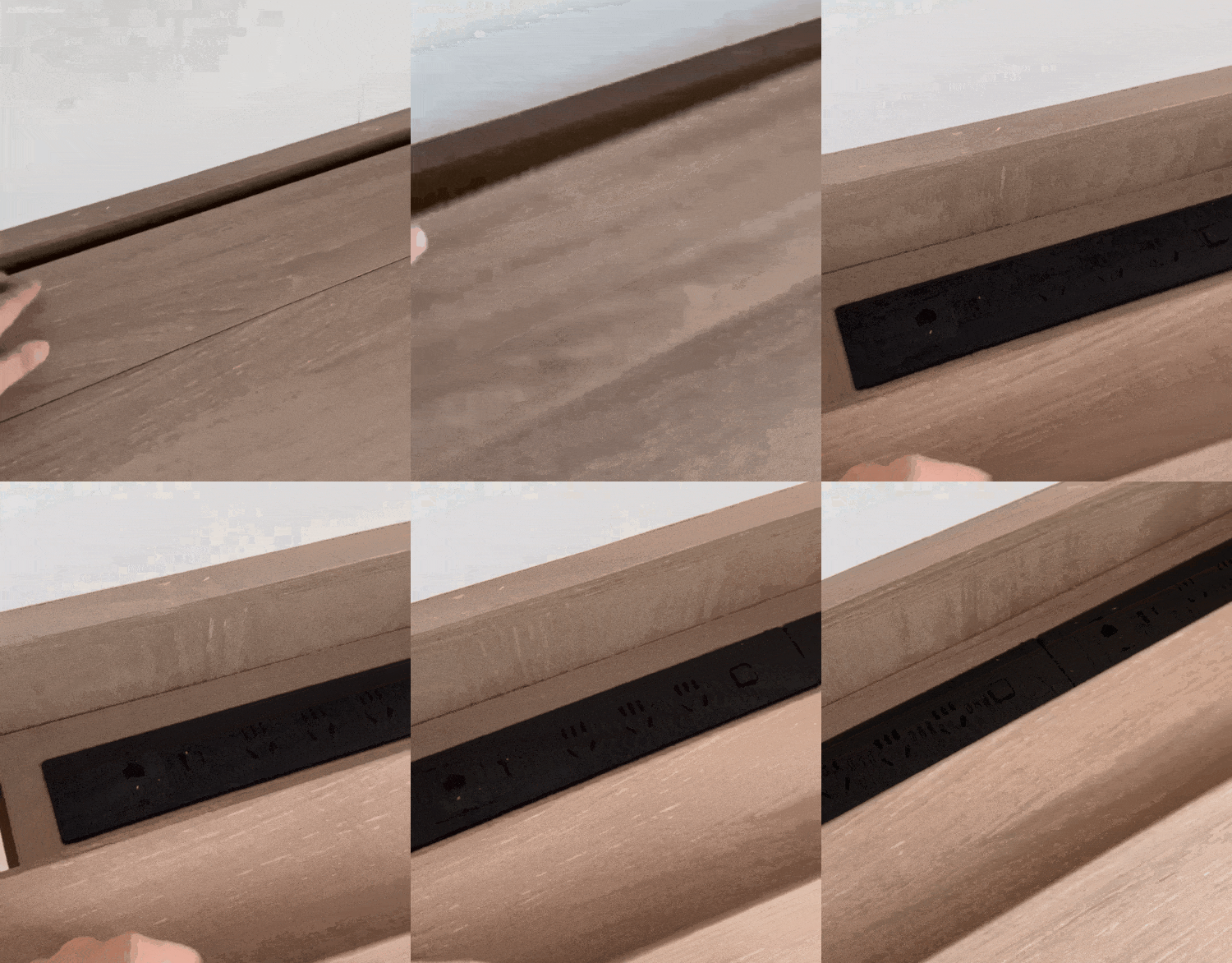
▲ Hidden Socket
If a “socket slot” is reserved during the custom desk design to embed the socket, it can solve the problem of unsightly wires.
2. Embedded Projectors
Using devices that can automatically rise and fall, embedding the projector perfectly into the ceiling can greatly reduce the visual clutter of the space, and maintenance is also simple.
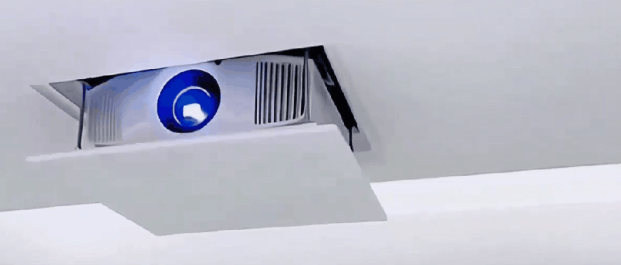
▲ Hidden Projector
3. Embedded Storage in TV Walls
Since many TV walls need to install devices like set-top boxes, optical modems, and switches, many unsightly wires are exposed, making it very unattractive.
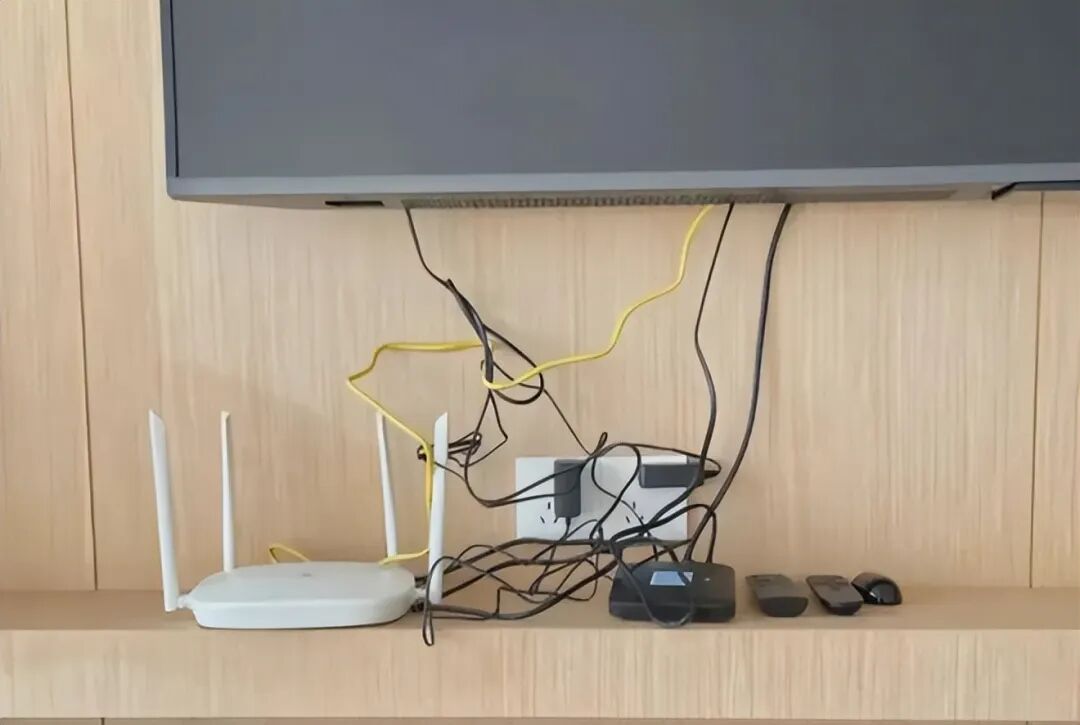
▲ Messy TV Wall
If these devices are inverted and installed below the TV cabinet, the space will look clear and orderly.
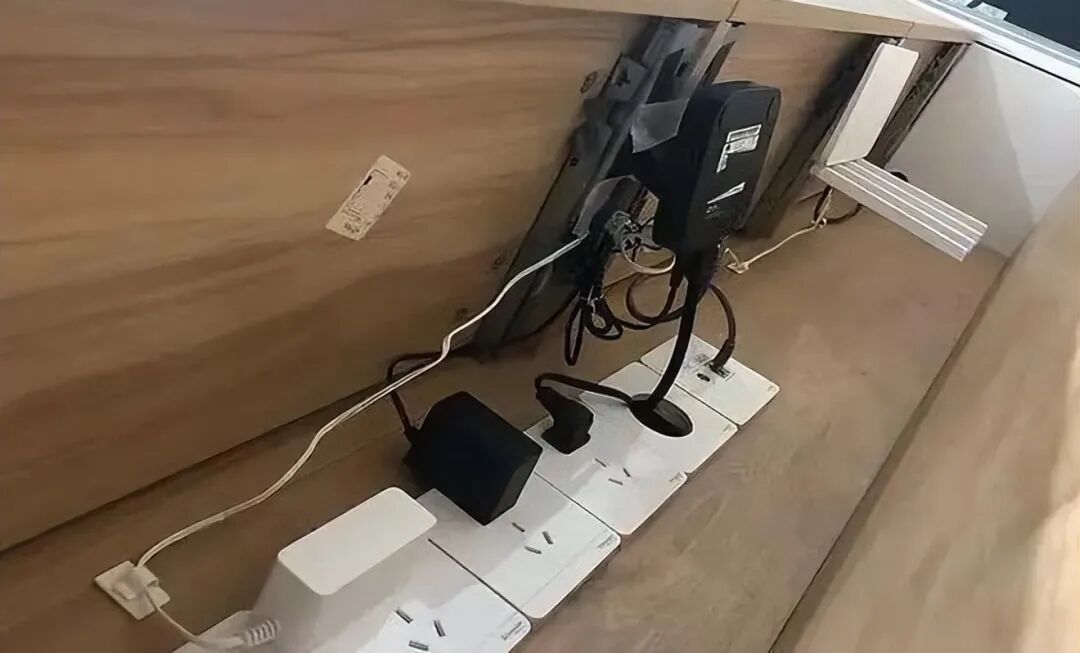
▲ Bottom View
4. Sockets Embedded in Cabinets
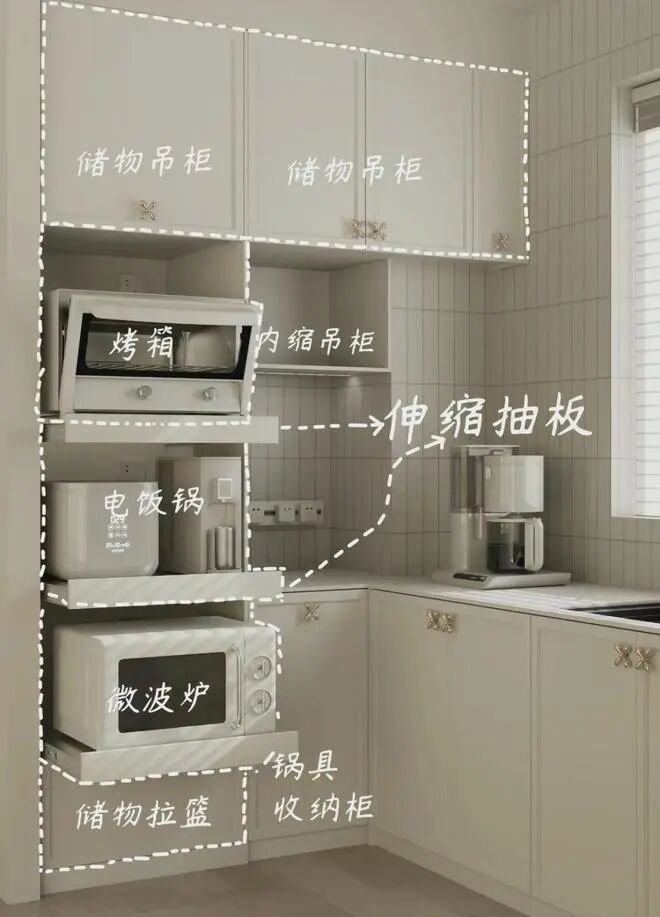
When designing the appliance area, embedding the socket into the cabinet, combined with a “pull-out shelf design,” avoids the awkwardness of seeing socket wires from the outside.
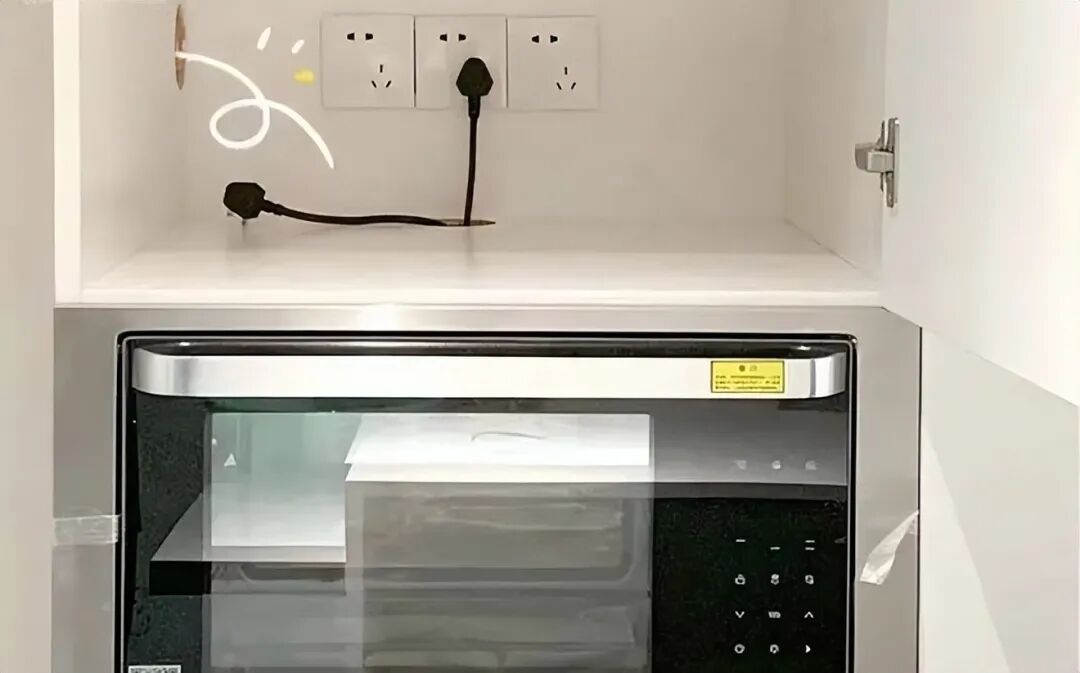
▲ Hidden Design
Embedded design has its unique charm, but it also presents significant concerns and challenges. We must maintain a rational attitude when choosing embedded design. On one hand, we should fully consider its advantages in aesthetics, space efficiency, and cleanliness; on the other hand, we must also understand its maintenance challenges and upgrade issues.
Only by doing so can we enjoy the wonderful life experience brought by embedded design while avoiding unnecessary troubles and dilemmas.
 Image and text source from the internet, please contact for removal if there is any infringement.