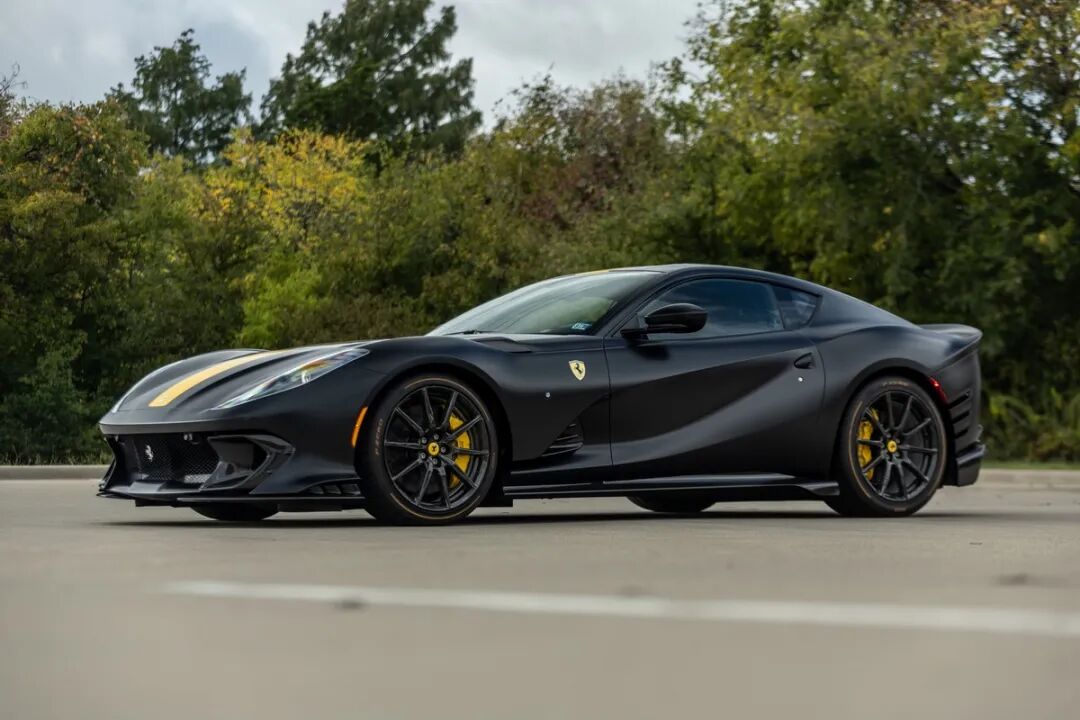
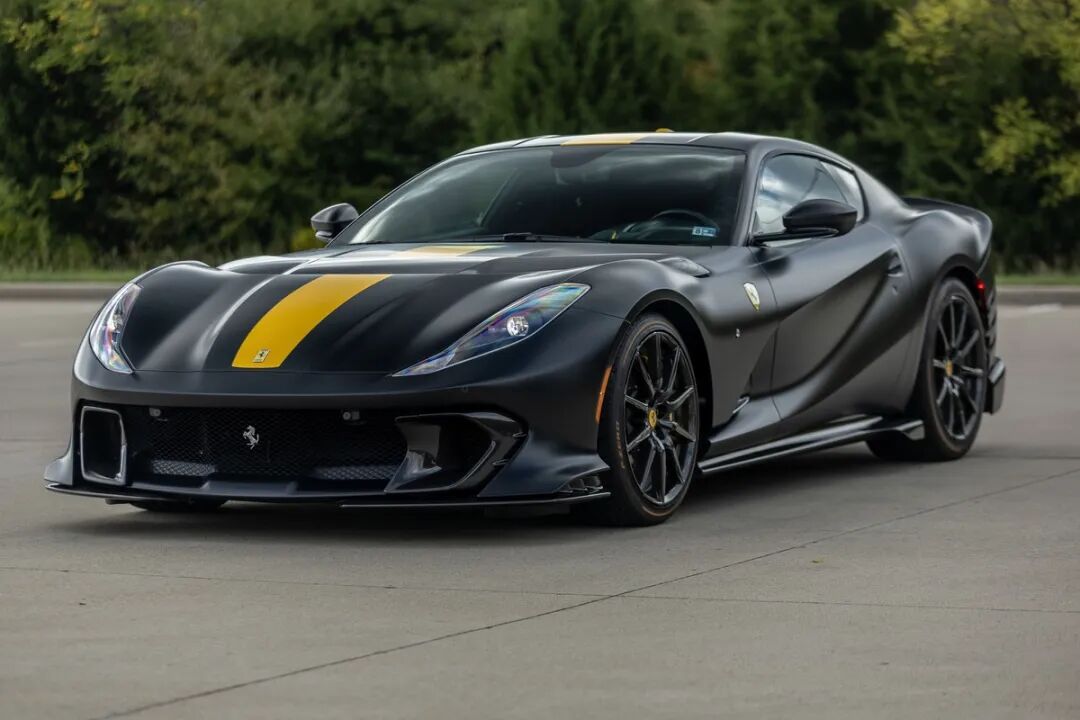
The Ferrari 812 Competizione is the flagship performance version of the Ferrari 812 Superfast, designed to pursue ultimate aerodynamic efficiency and visual impact.
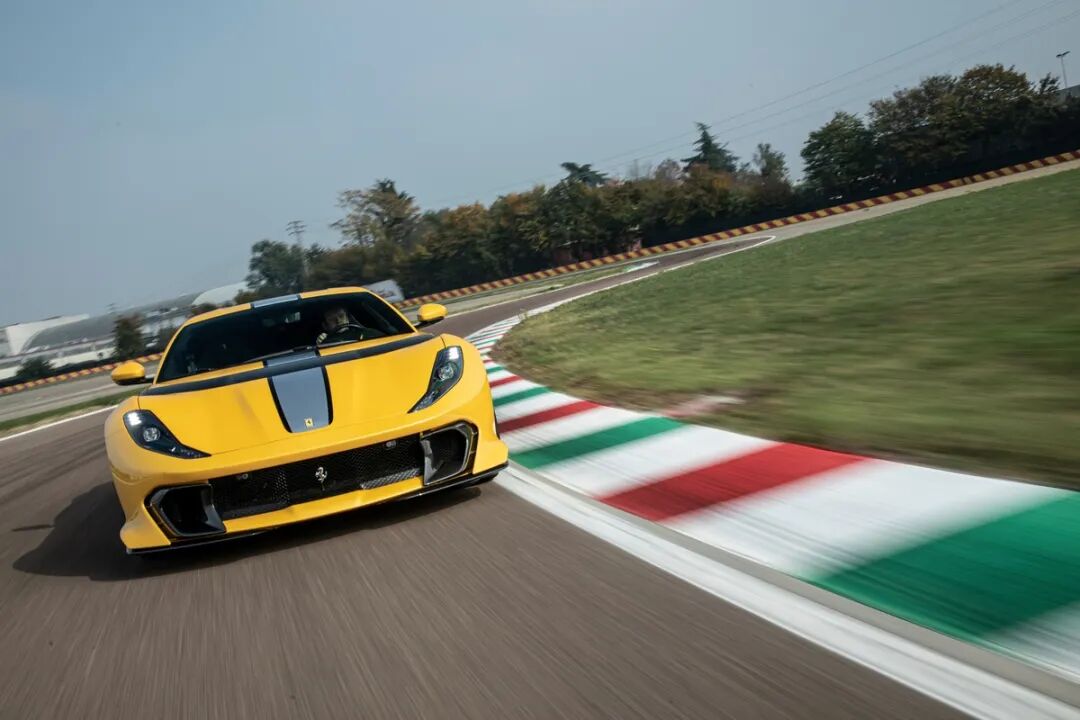
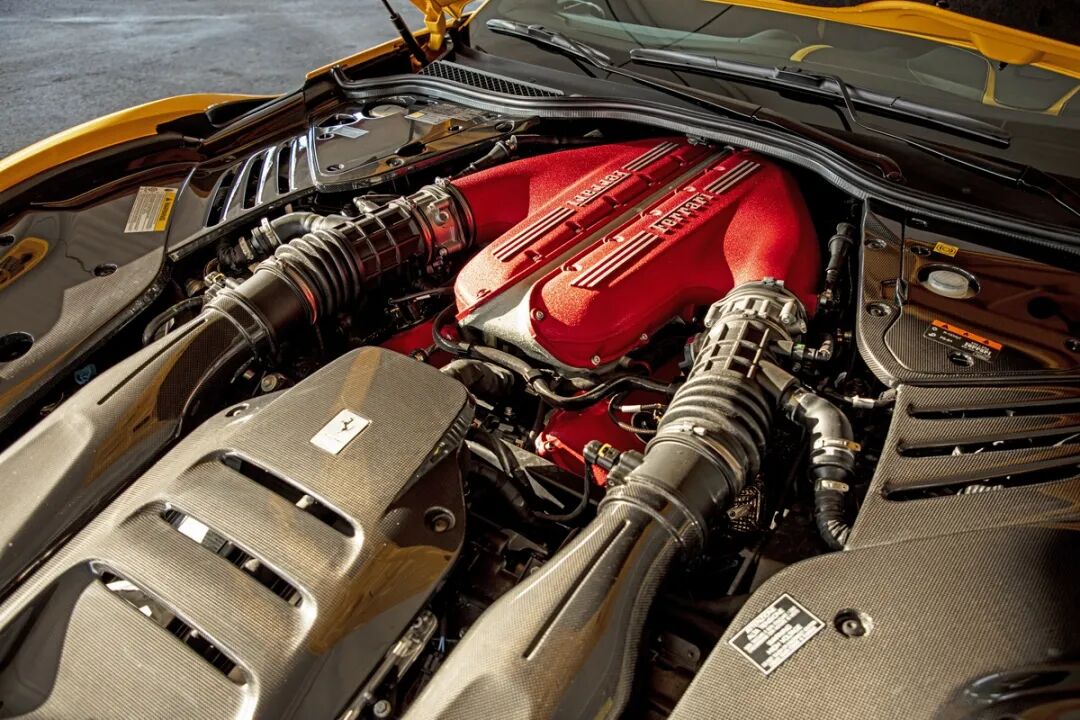
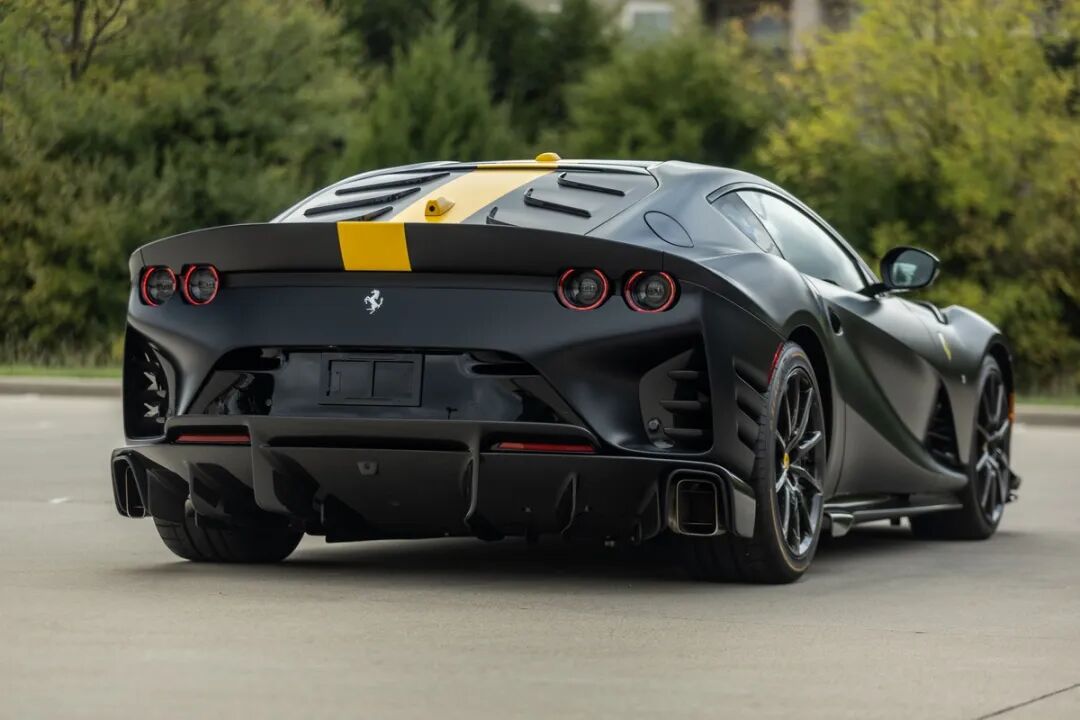
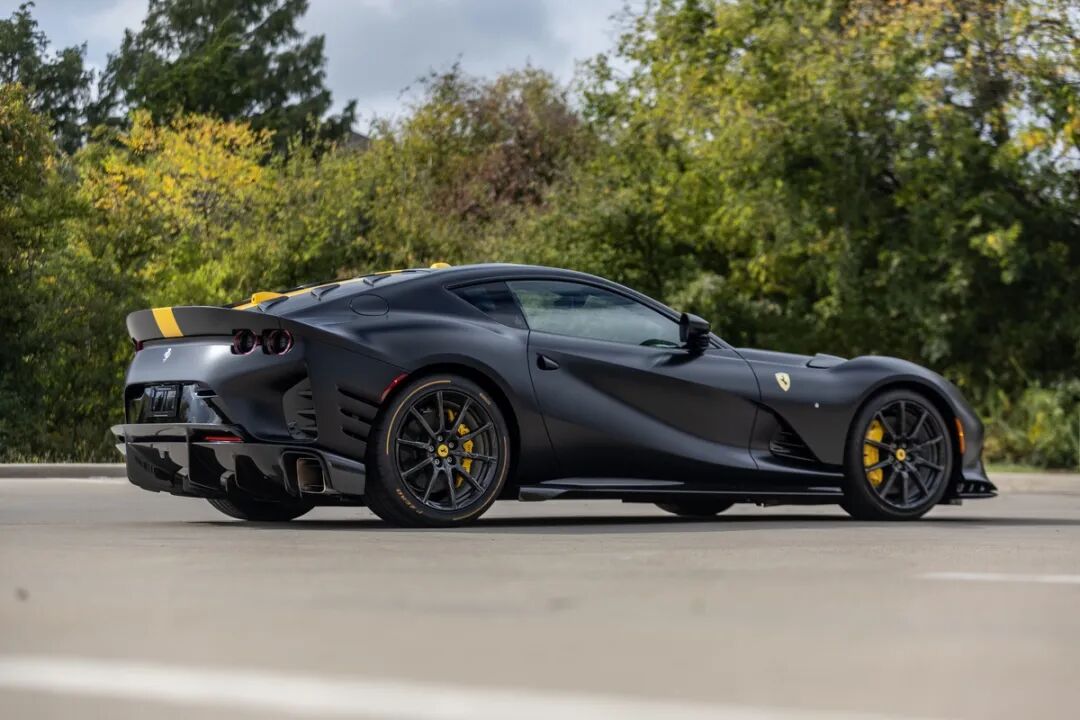
The most obvious exterior feature of the Ferrari 812 C is thecarbon fiber blade engine cover,with a transverse carbon fiber structure covering the engine compartment vents, enhancing the sculptural feel while increasing downforce on the front wheels.The Ferrari 812 C features aluminum panels and vortex generators, a large front grille, side skirt carbon fiber diffusers, and a large rear spoiler, reducing the overall drag coefficient by10%, while increasing downforce by 40%.
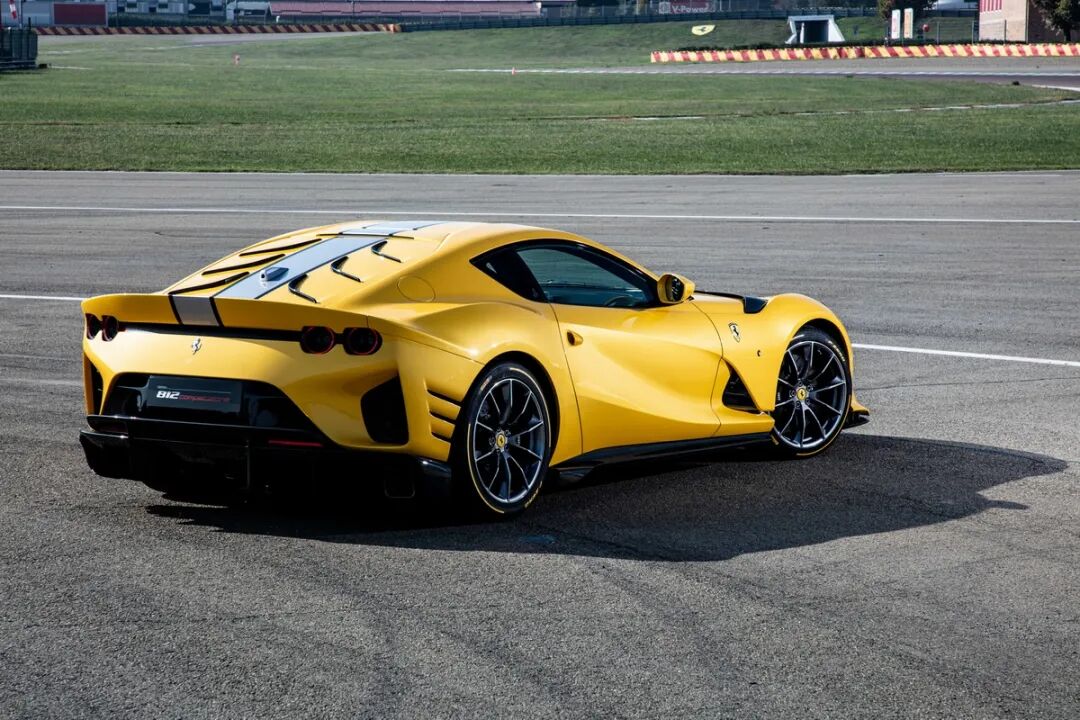
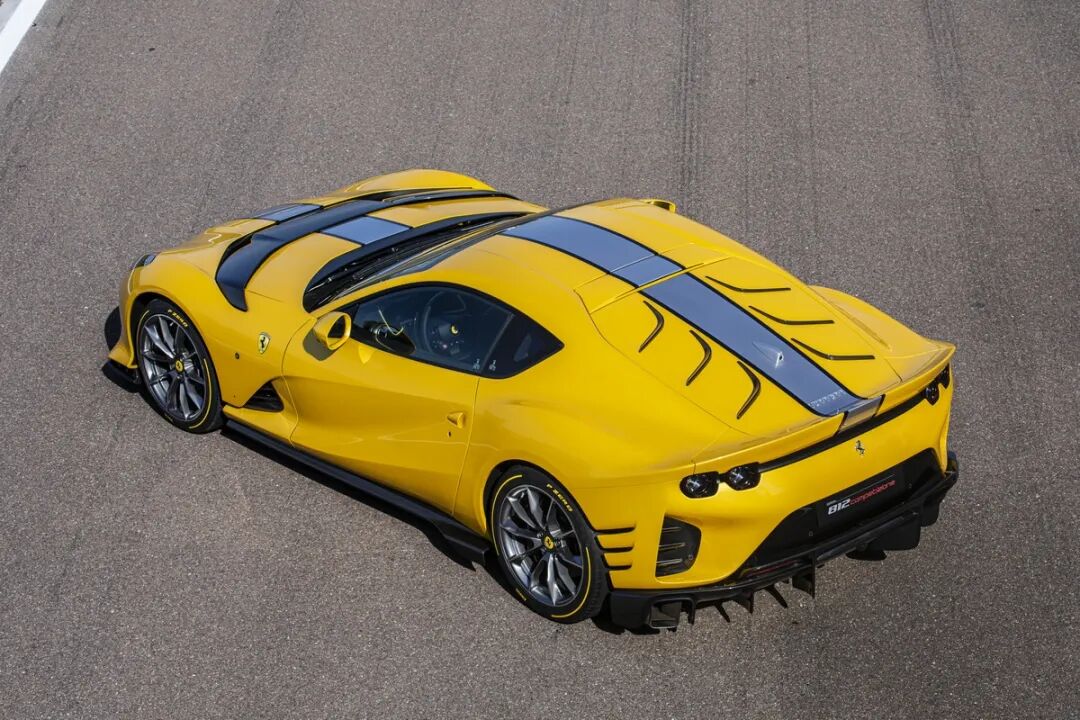
The Ferrari 812 C is one of the “swan songs” of Ferrari’s naturally aspirated V12 engine, with its 6.5L V12 engine fully optimized, producinga maximum power of830 horsepower (9500 RPM), peak torque of 692 Nm, and a compression ratio of 13.5:1, making it the strongest naturally aspirated engine in Ferrari’s road car history.
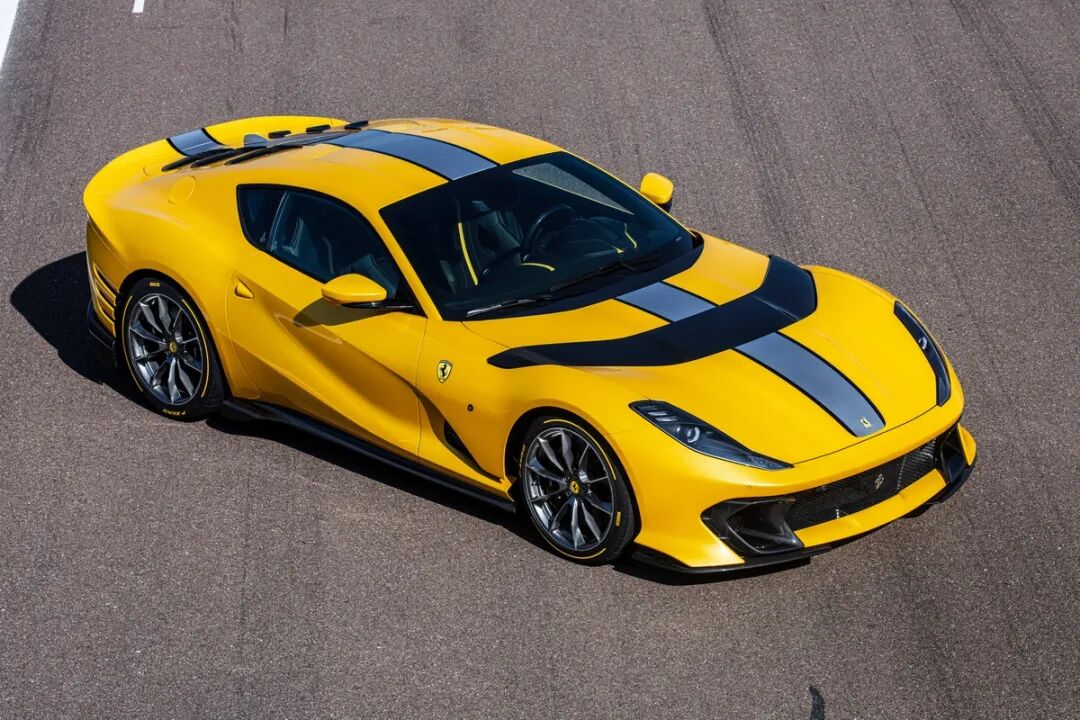
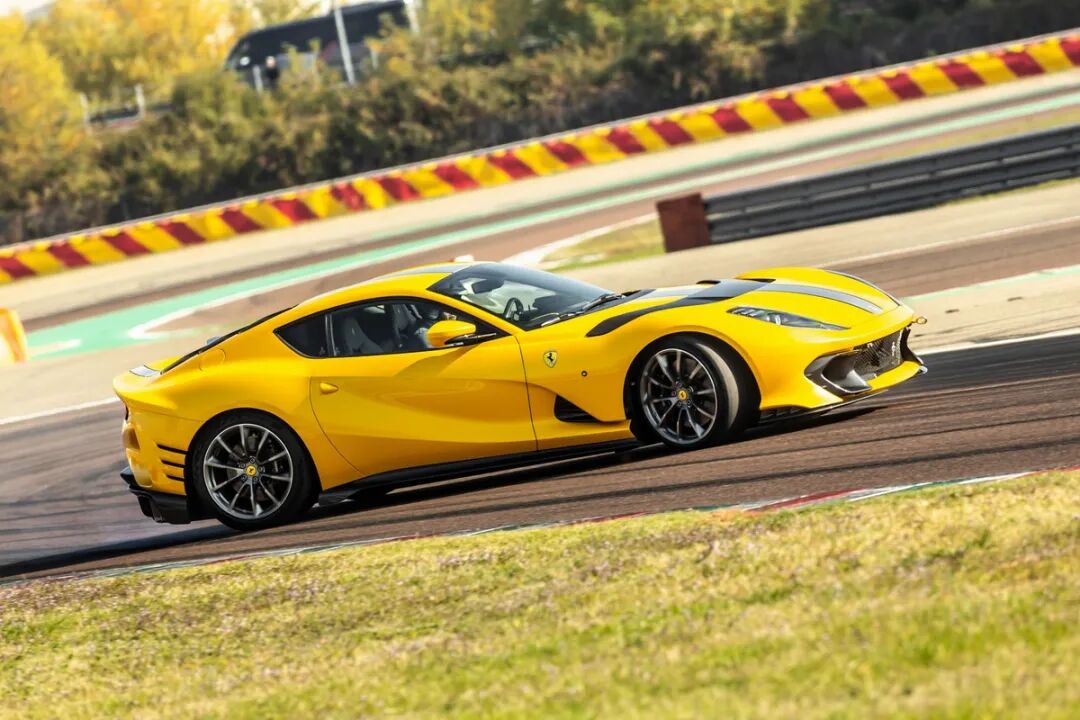
The Ferrari 812 C is equipped with afour-wheel independent steering system, which is applied for the first time in a V12 model, allowing all four wheels to independently adjust their steering angles, enhancing cornering agility and high-speed stability. The Magneride electromagnetic suspension adjusts damping in real-time, paired with carbon-ceramic brake discs to ensure stability during aggressive driving.
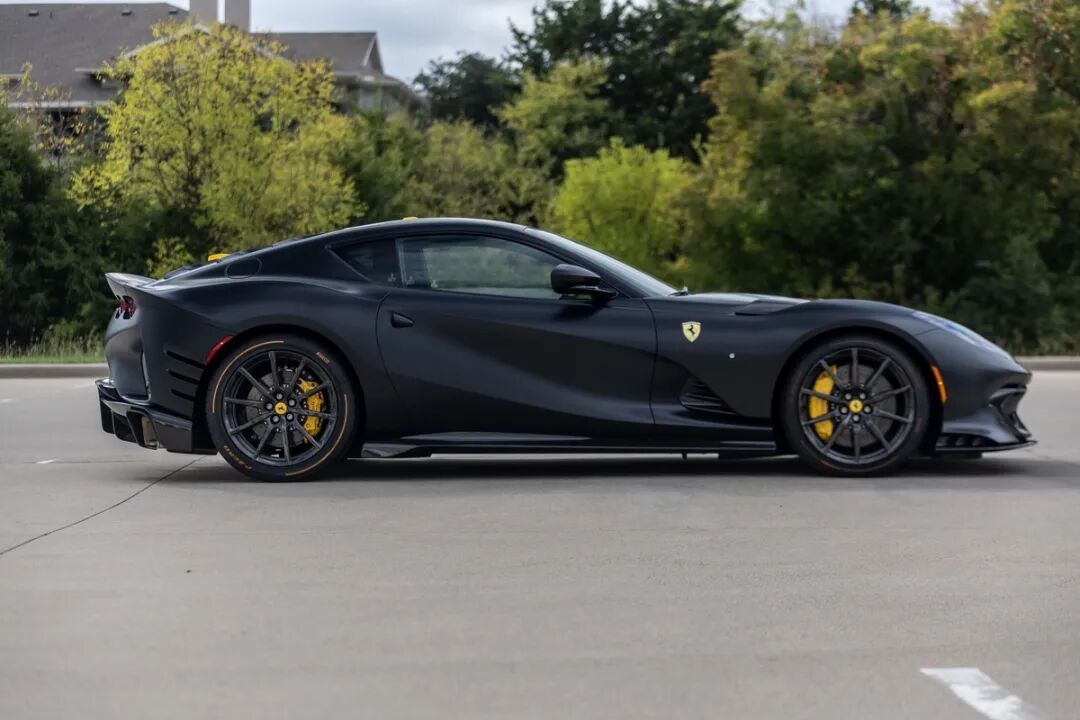
The Ferrari 812 C features atrack-style cockpit, primarily made of carbon fiber and Alcantara, equipped with a fully mechanical tachometer, touch screen, and customized steering wheel, retaining classic design language.ThroughTailor-Made customization service,available only to invited customers, supporting personalized paint, wheel, and interior color options.
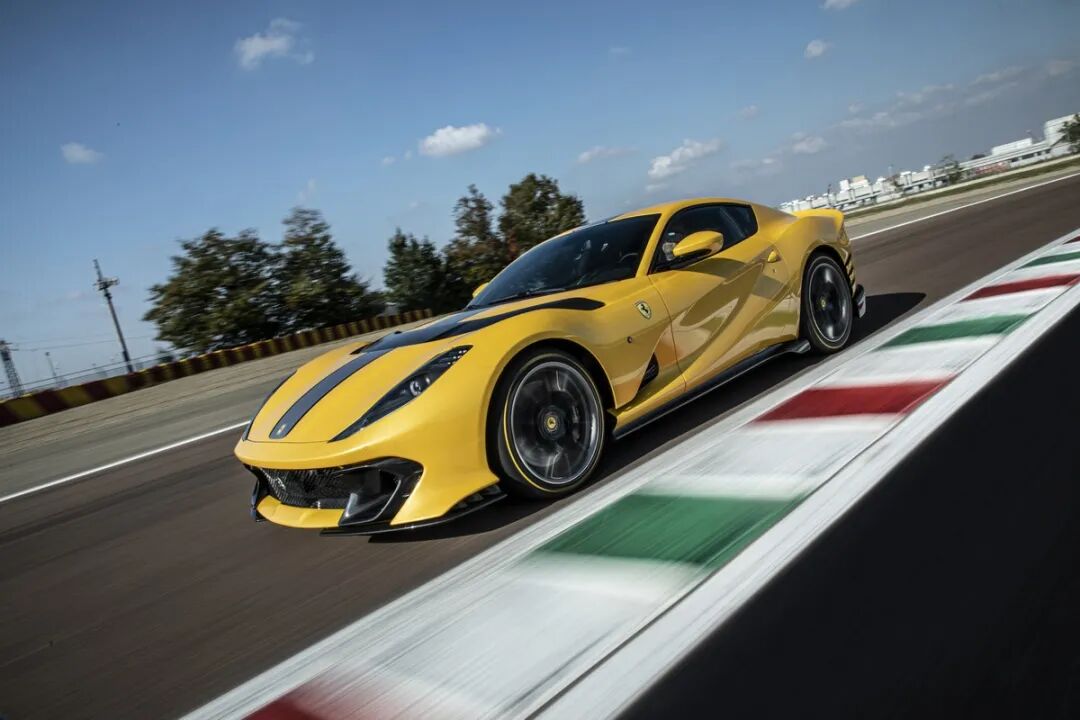
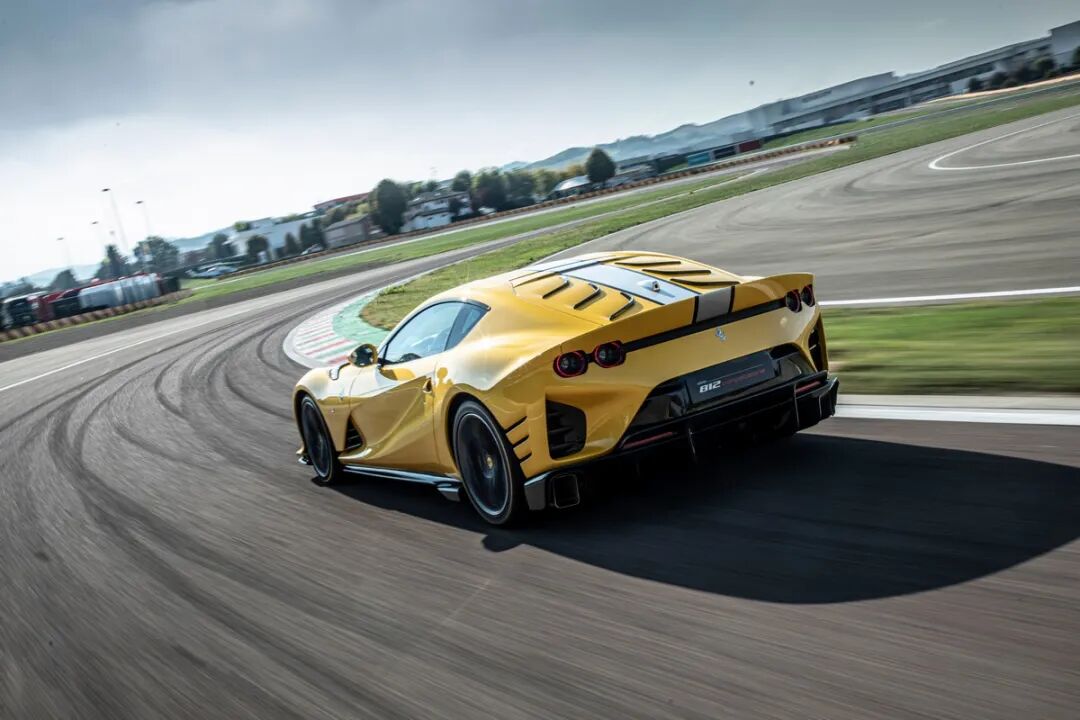
The Ferrari 812 C hardtop version is limited to999 units globally, while the convertible version (Competizione A) is limited to 599 units, all quotas have been sold out. The first customized version in the domestic market has a landing price exceeding 18 million yuan, with a very low circulation rate in the secondary market, regarded as a “rare gem in the supercar collection world.”
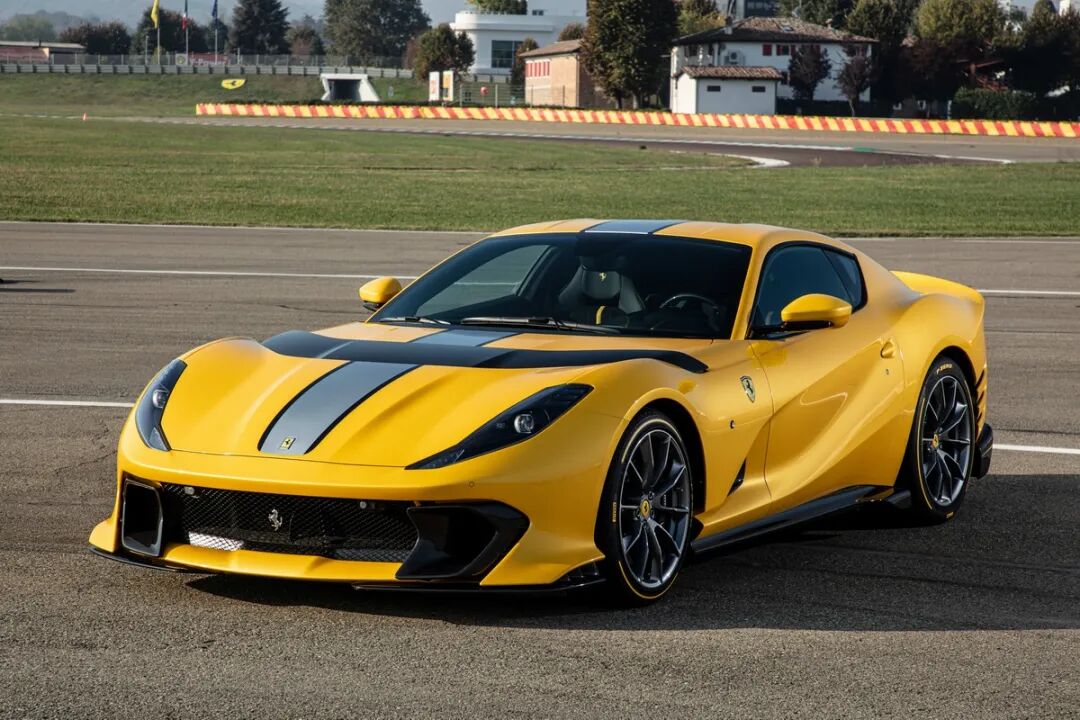
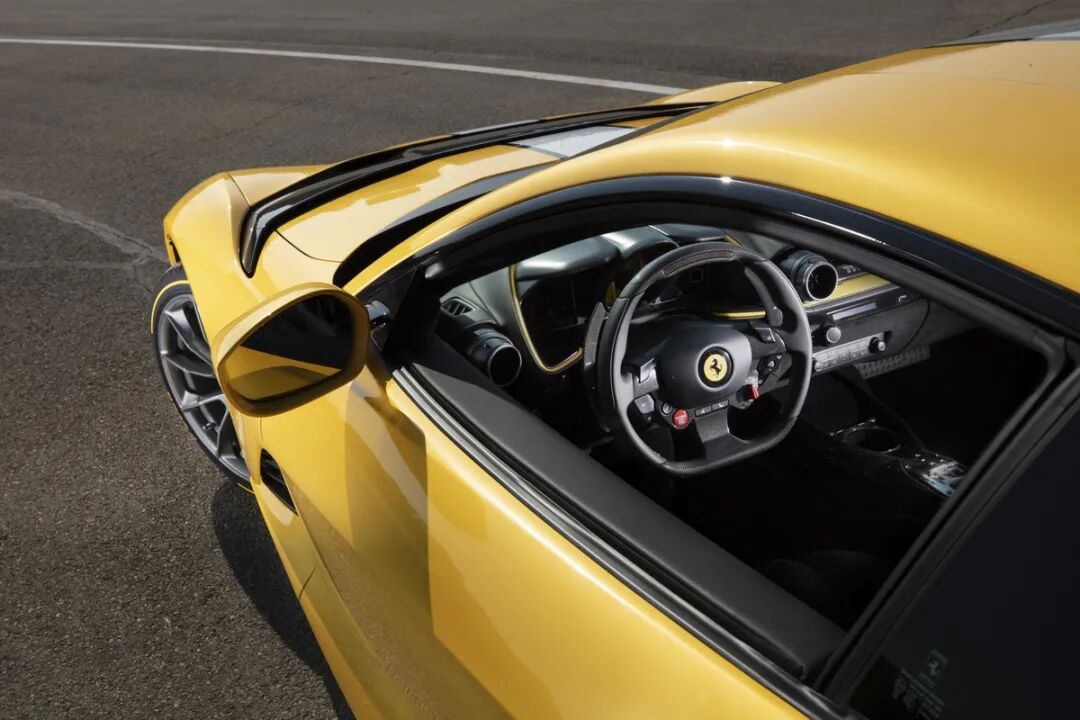
The Ferrari 812 C is not only a culmination of engineering technology but also a symbol of supercar aesthetics in the fuel era. Its design, which integrates aerodynamics, sound aesthetics, and track genes, combined with the scarcity of limited editions, makes it one of the most iconic models in Ferrari’s history. For car enthusiasts, it is not just a machine, but the last celebration of the internal combustion engine era. (Real car images from the internet, text introduction from AI, please advise on any inaccuracies.)
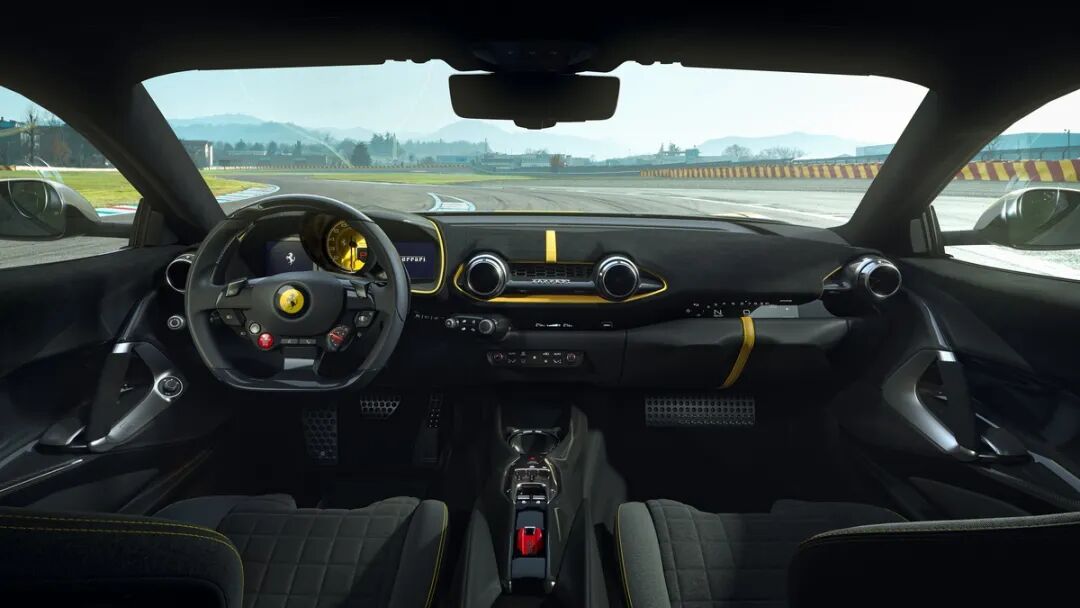
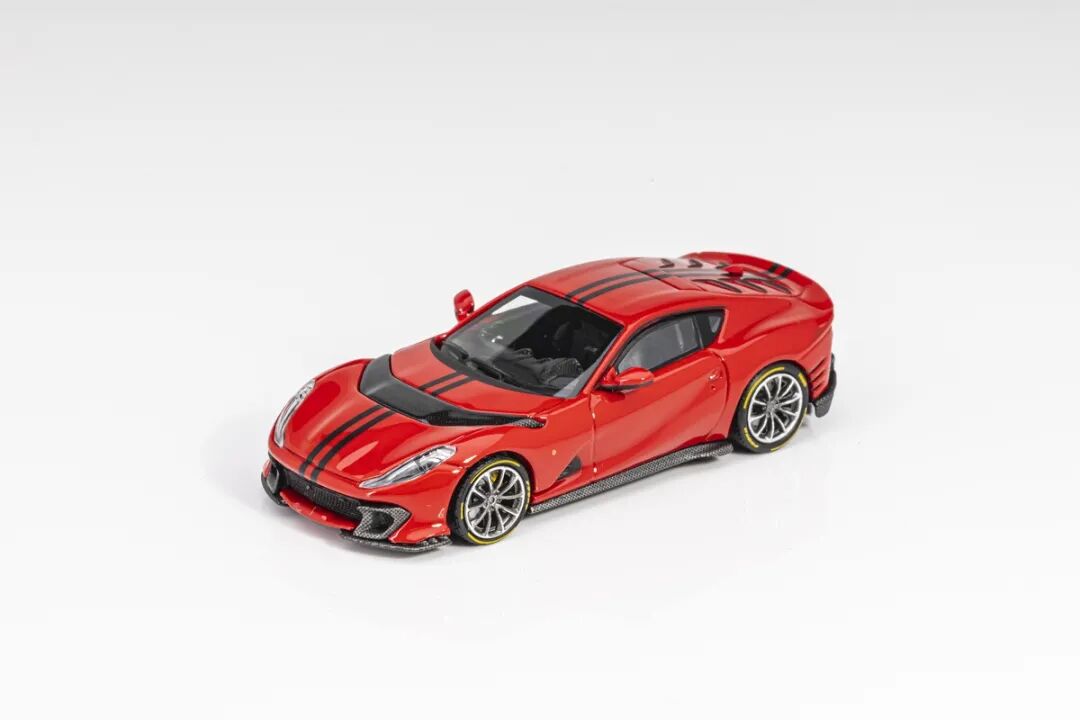
Today, we are trying out theFerrari 812 Competizione from Thrill of Collection, which is said to be a sub-brand of Fumei, specializing in 1/64 die-cast models; the 1/64 812C has been produced by BBR, of course, at a higher price; since Fumei has also produced a resin version of the 1/64 812C, the sub-brand’s launch of a die-cast version has a significant advantage, with an official model price of 136 yuan, achieving a good standard in terms of shape accuracy, paint finish, details, and price, and given the high popularity of Ferrari models, the market response has been quite good..
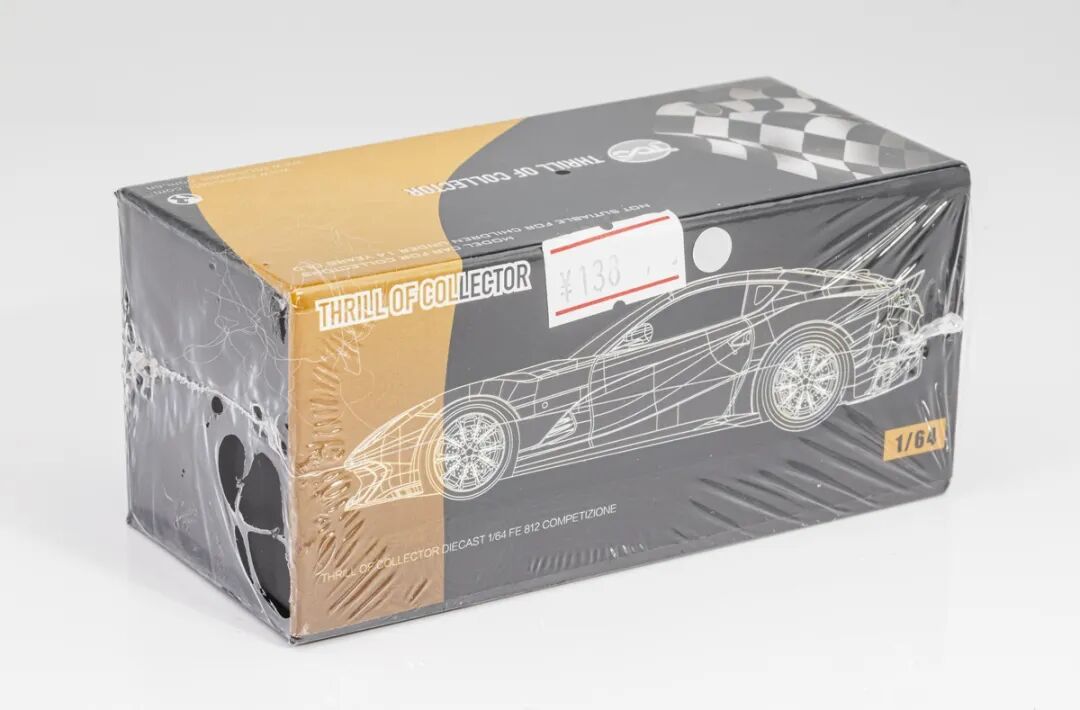
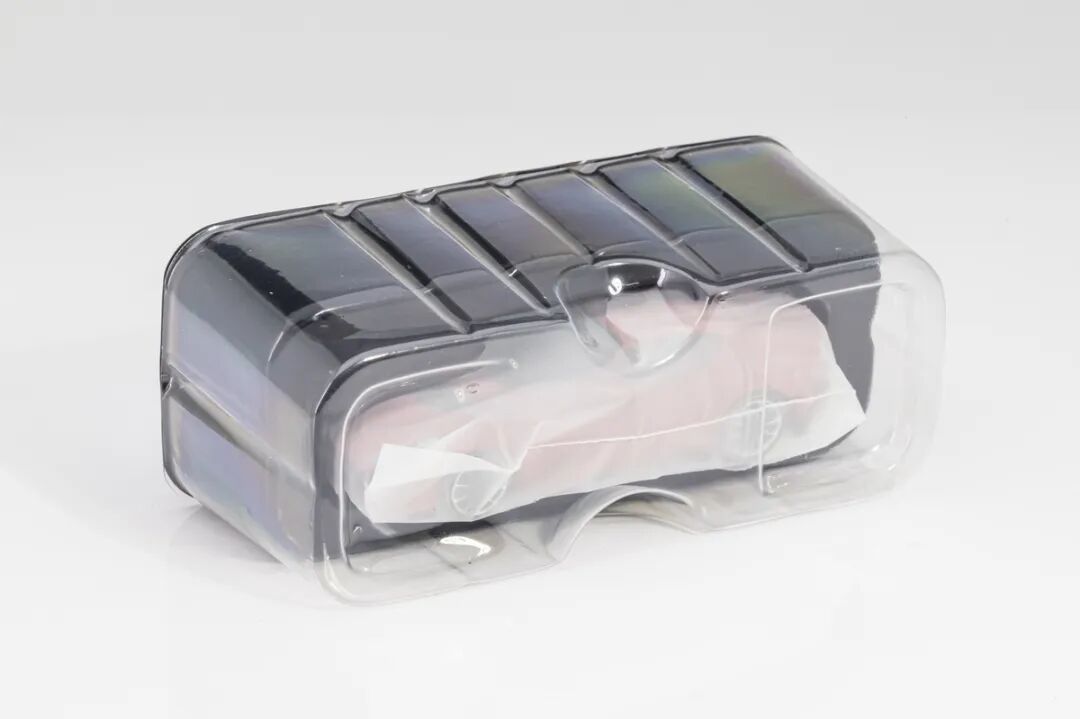
TOC’s 812C comes in a drawer-style paper box, with the outer box primarily in yellow and black, featuring a line drawing of the model; the interior of the box is supported by vacuum-formed material, with an additional layer of plastic film.
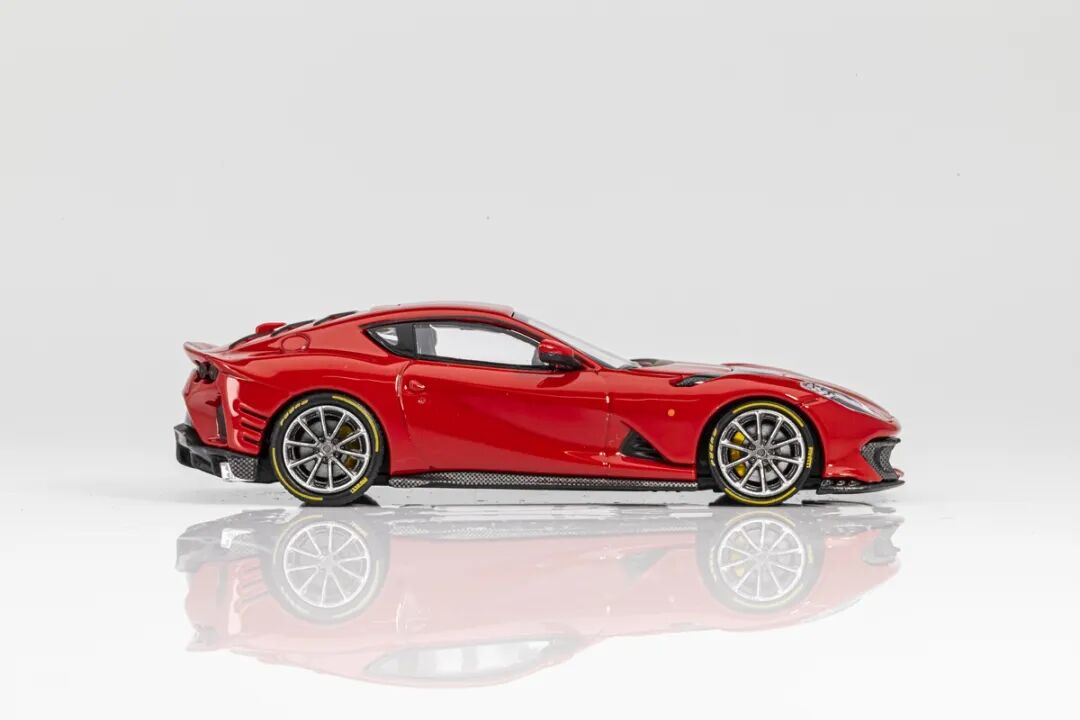
Comparing with the real car, the model’s shape restoration is quite good (similar to BBR), the body is painted in Ferrari’s standard red, and the gap control of this model is also quite good; the model’s side curves are well restored, with a relief engraving of the vent grille on the rear side of the front wheel, and the side turn signal is printed above the vent, the door handle has engraved lines, and there are details of the keyhole; the model’s front lip, side skirts, and rear diffuser are treated with carbon fiber printing, TOC uses a checkered pattern, while BBR uses a striped pattern, making TOC look more visually appealing; the model’s exterior rearview mirrors are also separate parts, with color separation treatment, and unlike BBR, they are not all pointing upwards.
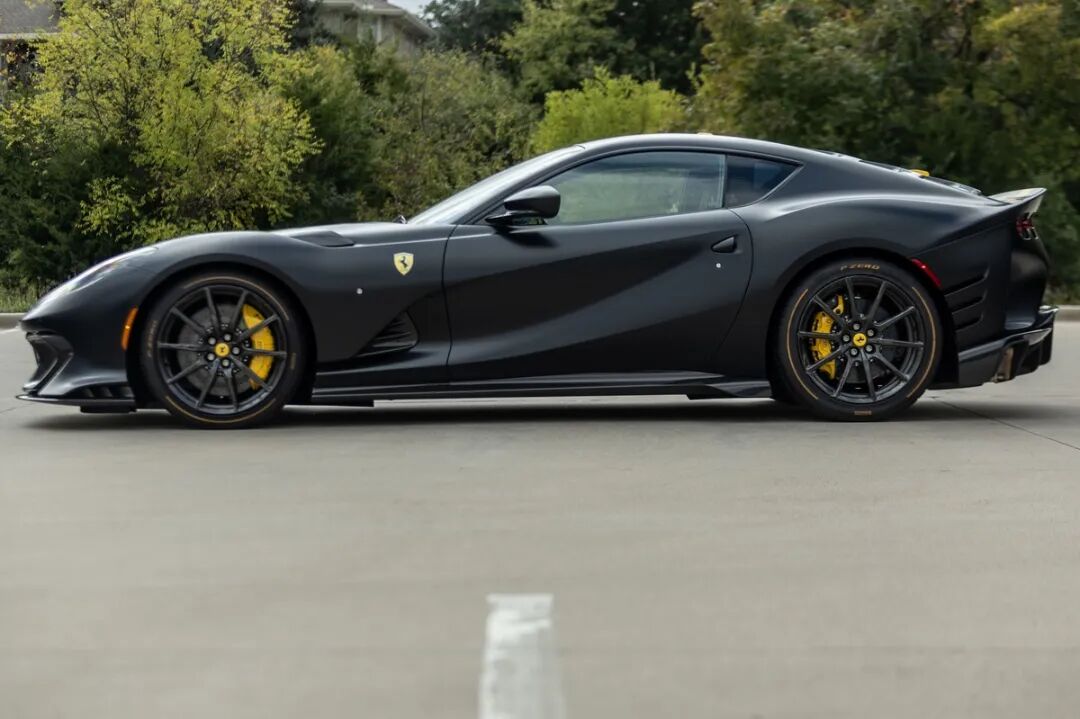
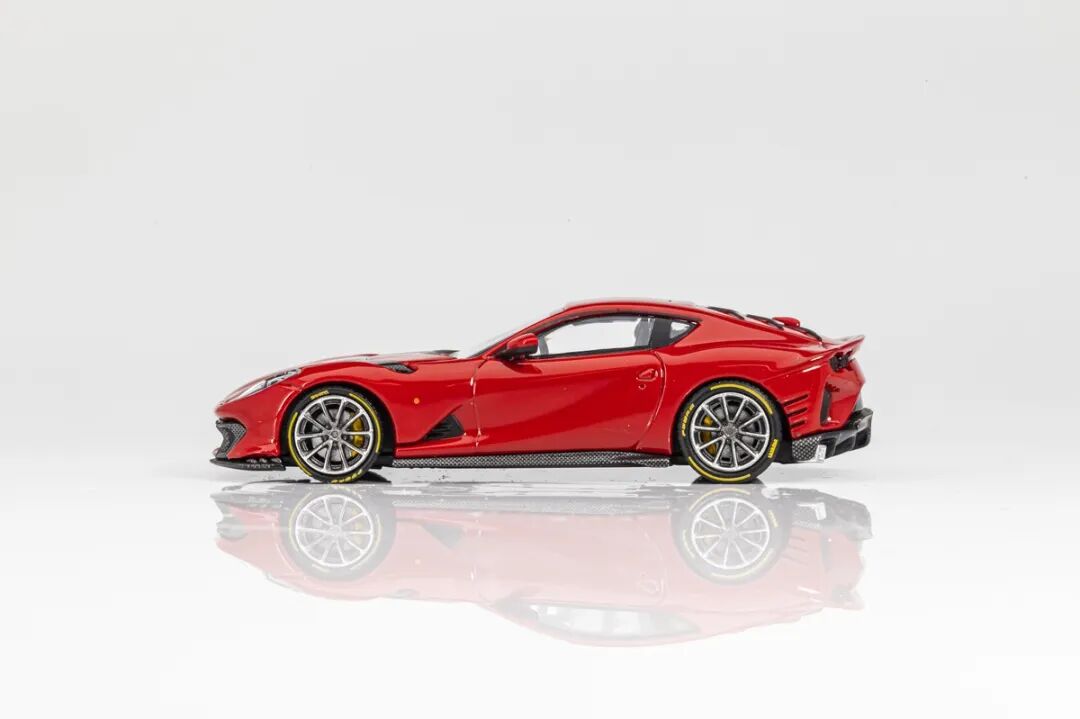
The model’s suspension is relatively low, and the wheels are multi-spoke in gunmetal gray and silver; the wheels are made quite delicately, and the brake system is well restored, with yellow brake calipers, and the tires also have yellow edges and brand logos.
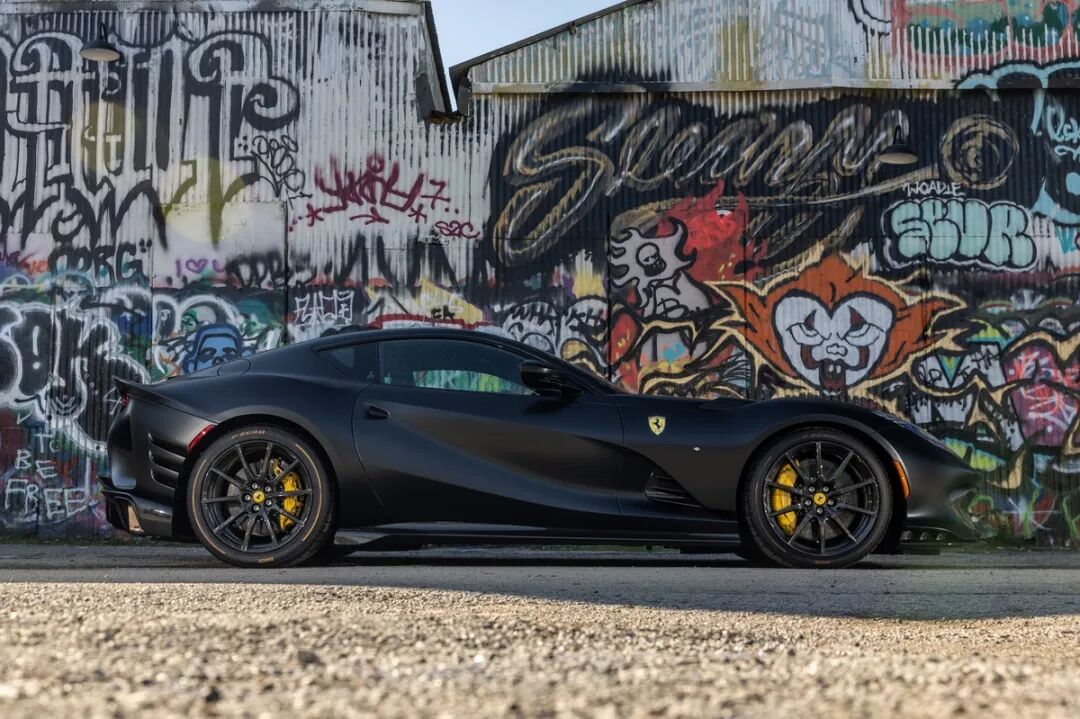
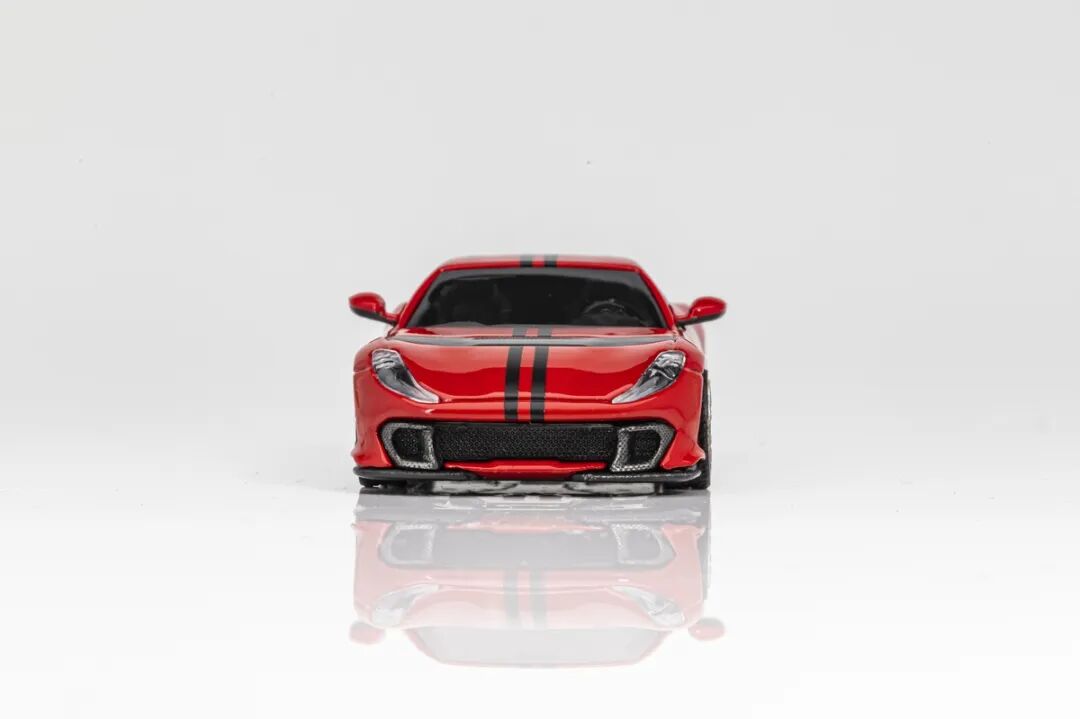
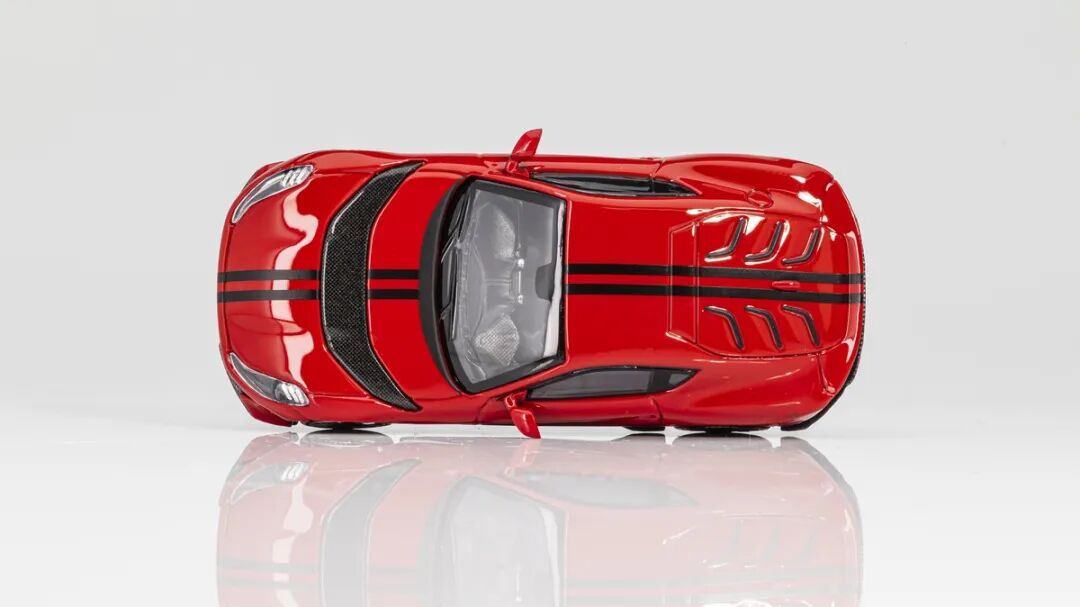
The model’s headlights are separate parts, but the internal structure is average, and they are larger than those of BBR, which is somewhat distorted; the front grille seems to use a metal mesh, which feels good; the small vents on both sides of the front intake are covered with printed carbon fiber, and the mesh of the vent seems to be made of metal, but it is not made hollow; the front lip only has coverage on both sides, also covered with printed carbon fiber; the front of the car is missing something compared to BBR, but I won’t elaborate here, those who understand will understand.
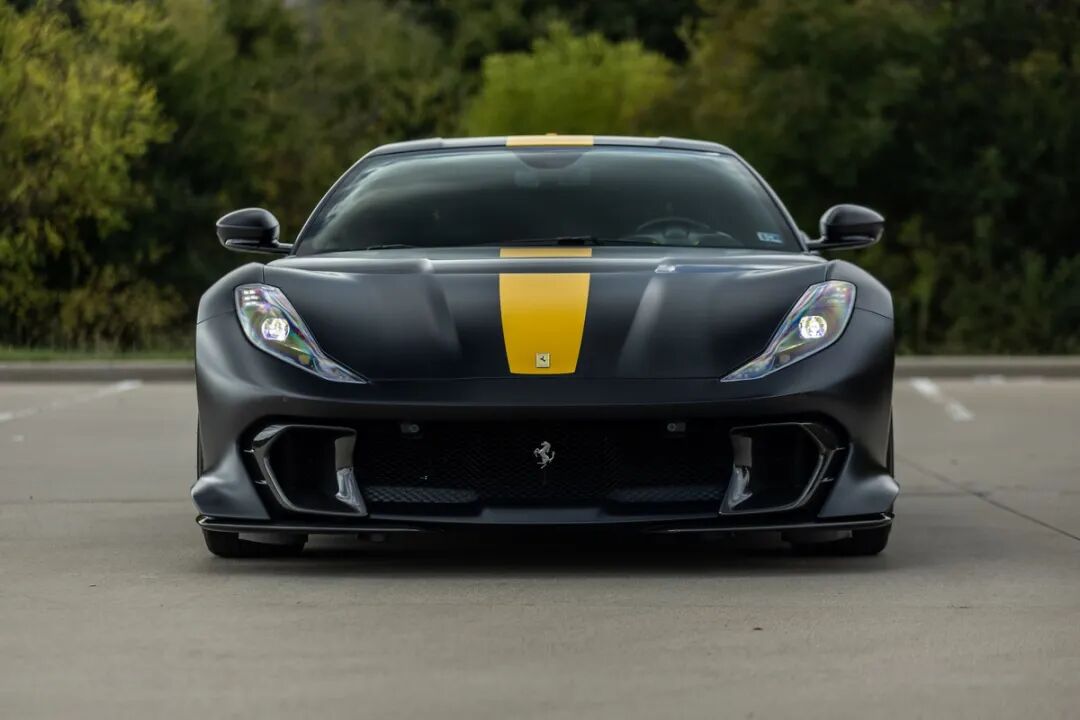
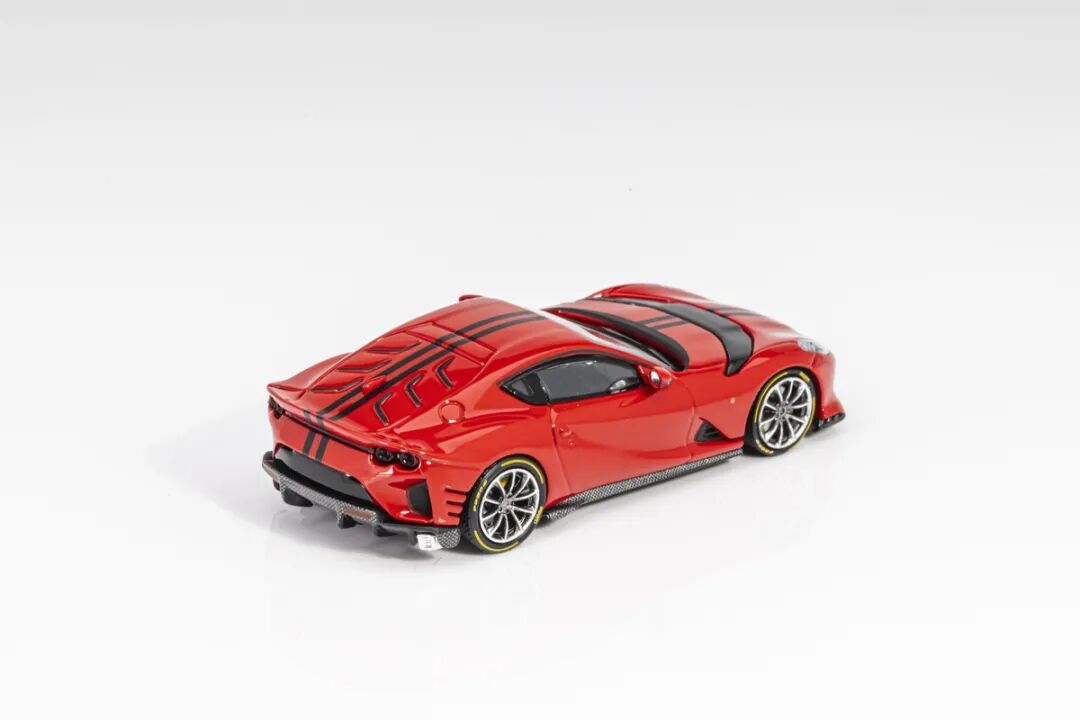
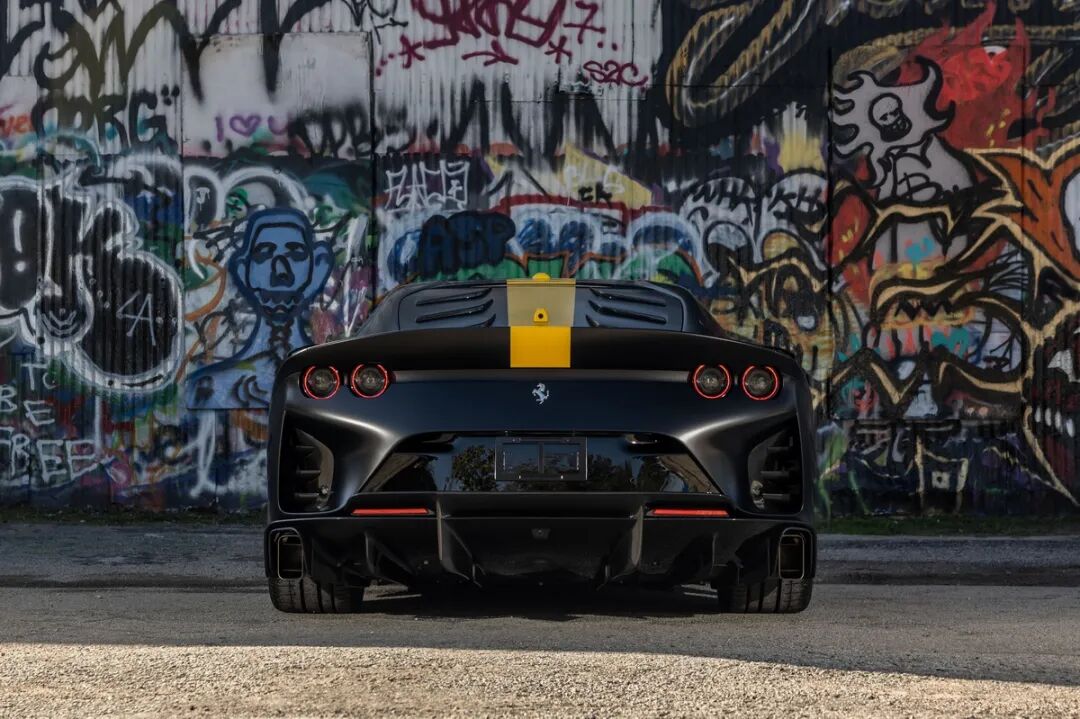
The taillights are separate parts, but there is no internal structure, and the low-position brake light is printed; the dual exhaust seems to use separate parts and is integrated with the black rear diffuser, with the side vents being relief engraved and painted black inside; it should be said that the details of the TOC rear are not as good as BBR.
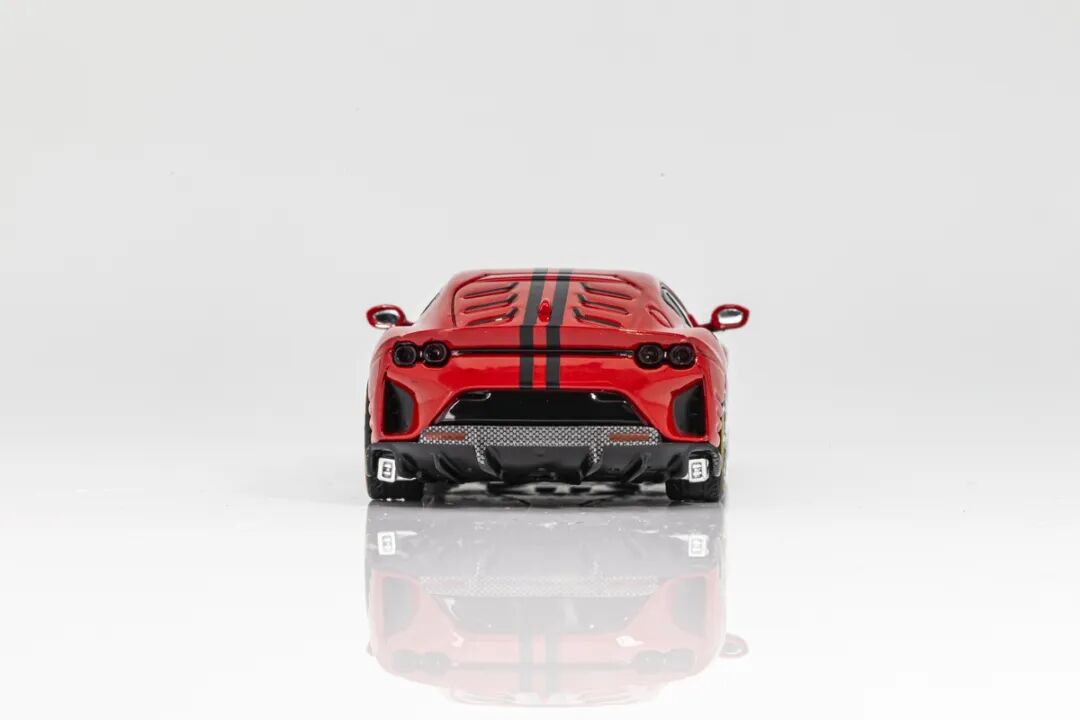
In multi-angle comparisons, the posture and details are quite good.
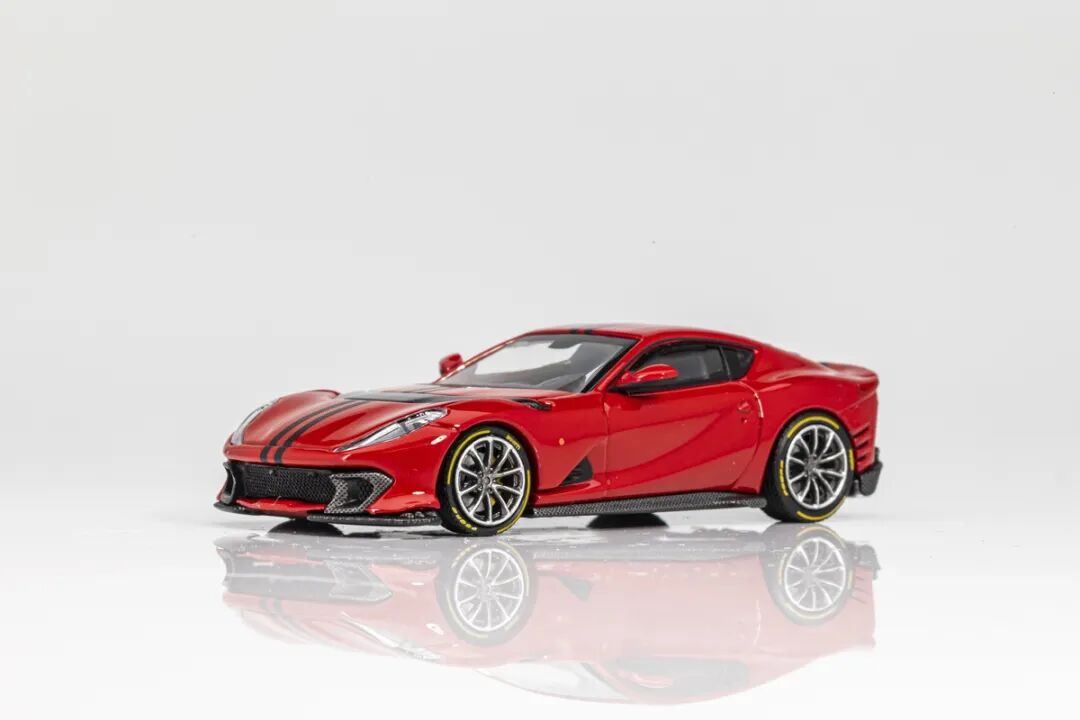
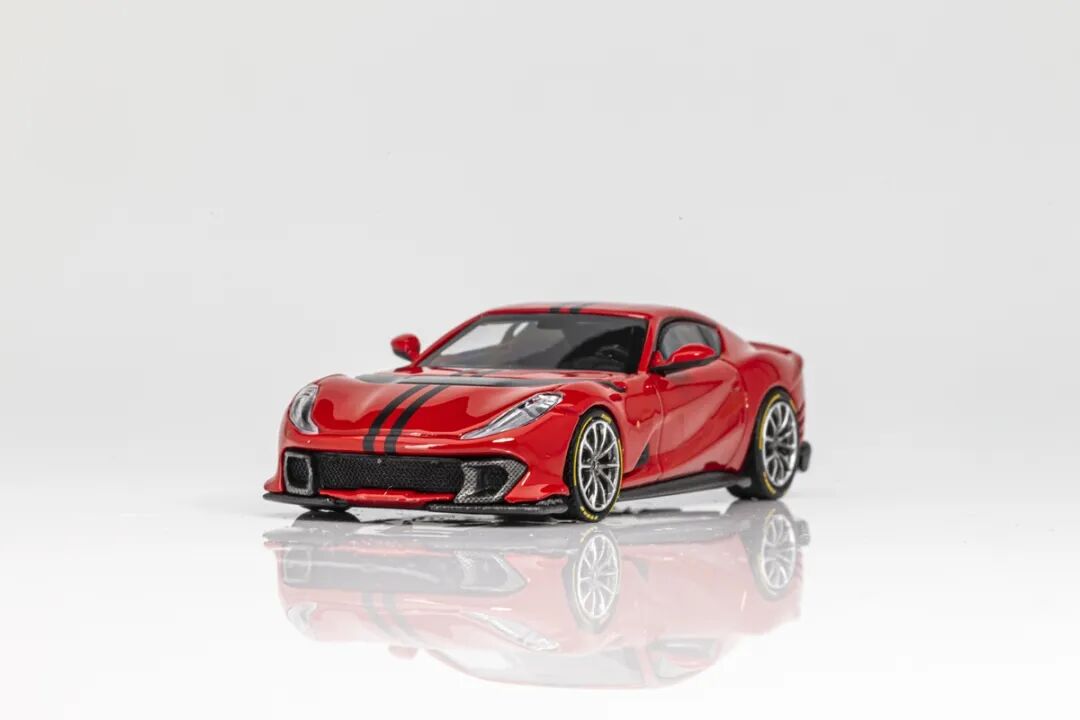
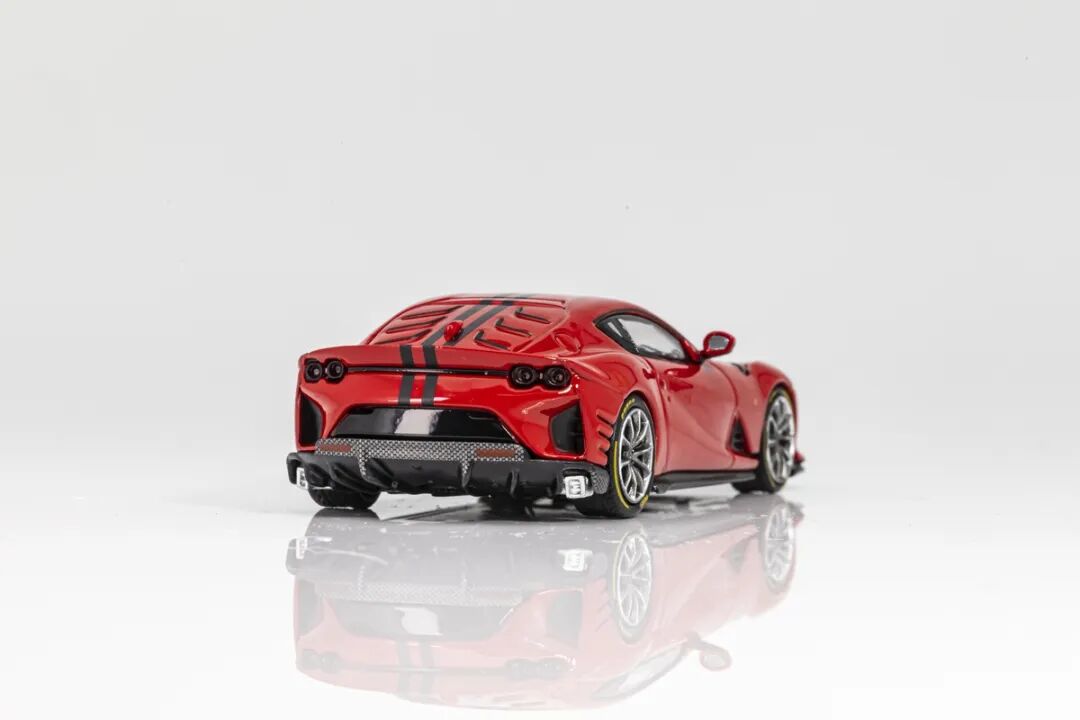
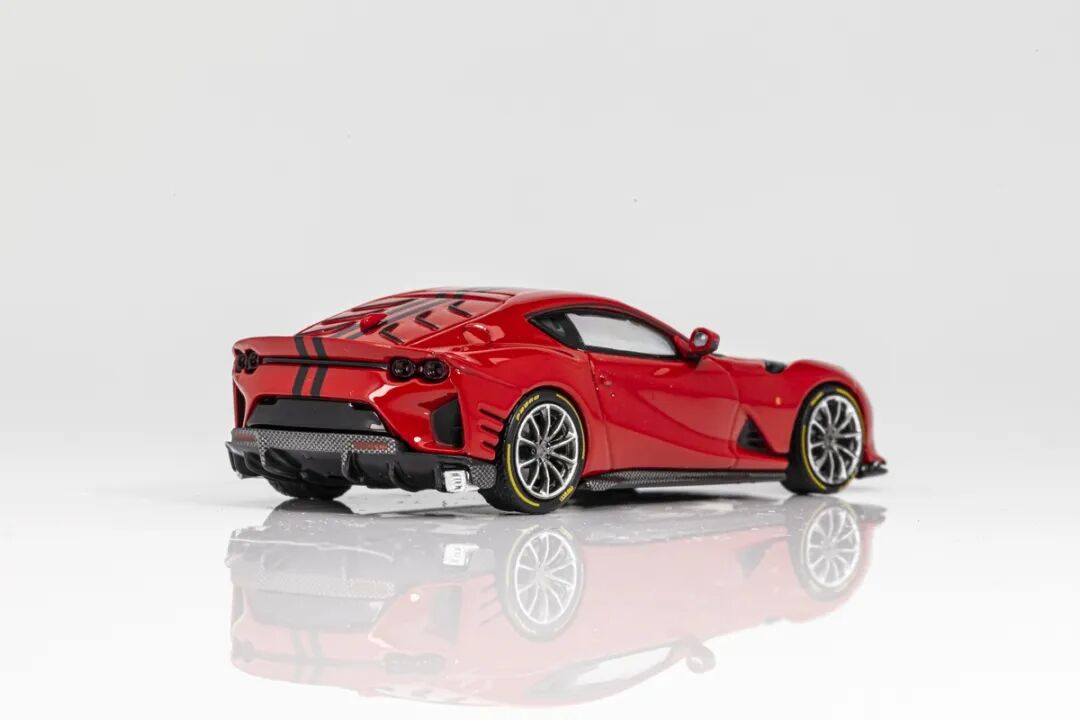
The model’s front cover has a section of exposed carbon fiber, which should also be printed, and differs from BBR in terms of stripes and checkered patterns; the center of the body has black double stripes, which should also be printed; the model’s interior details are relatively rich, with a black color scheme and some carbon fiber details; the model’s engine cover has three pairs of striped vents, all of which are relief + black paint engraved, and the model’s front windshield wipers are also relief + printed on the front windshield.
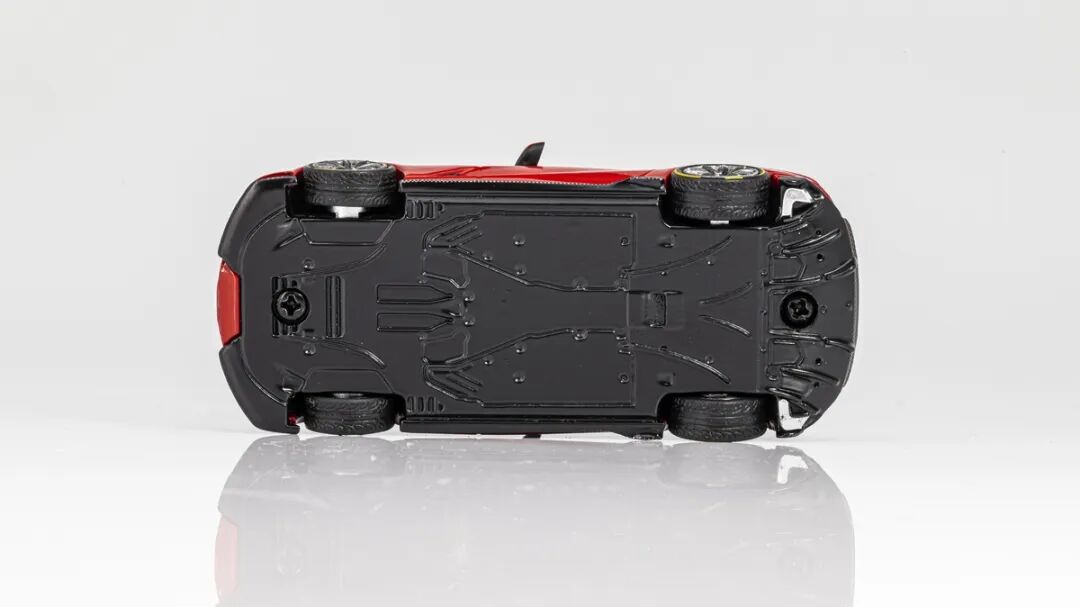
The model’s chassis is made of metal, with details being relief engraved, and only the end of the exhaust pipe is a silver separate part.
TOC and BBR’s 812C each have their strengths; TOC’s biggest advantage is some better details and brake system, while BBR has its own unique features; in fact, TOC’s 812C overall quality is quite good, and relatively speaking, the official price of 138 is reasonable, cheaper than BBR and much cheaper than Fumei’s resin models, making it a good choice for Ferrari enthusiasts.