With the help of MATLAB® and Simulink®, engineers can tackle the increasing complexity of modern production equipment and the demands for greater flexibility.
Industrial automation and mechanical engineers use model-based design in MATLAB and Simulink:
-
Design and test machine control and scheduling logic
-
Run automated tests of device functionality
-
Design artificial intelligence (AI) algorithms for predictive maintenance and operational optimization
-
Generate real-time code (C/C++, IEC 61131-3) for industrial controllers and PLCs
Smart Buildings and Building Automation
“MATLAB helps us accelerate R&D and deployment, with robust numerical algorithms, rich visualization and analysis tools, reliable optimization routines, and support for object-oriented programming, all while running in the cloud with our product-level Java applications.”—— Borislav Savkovic, BuildingIQ
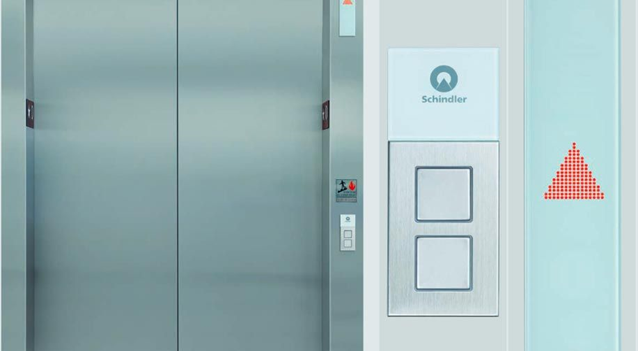
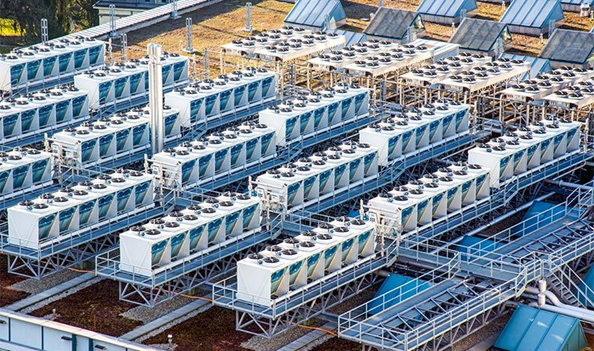
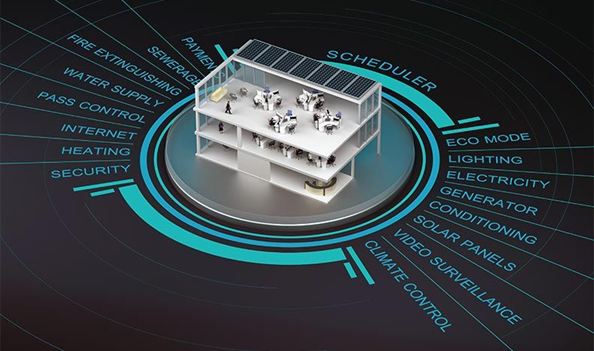
MATLAB® and Simulink® serve engineers developing control and monitoring algorithms for escalators, elevators, and HVAC systems, providing full support from design and validation to deployment.
Engineers can model physical components and control systems, simulating and testing their algorithms across hundreds of different scenarios. Afterward, they can deploy the code on embedded targets or production servers.
This approach helps engineers design and produce energy-efficient building automation systems while improving operational efficiency.
Elevators and Escalators
Using MATLAB and Simulink, engineers can create models of physical systems and develop control and scheduling logic algorithms. They can then simulate various configurations and perform multiple tests. Subsequently, the control algorithms can be deployed on embedded controllers and PLCs.
By adopting MATLAB and Simulink, companies can shift from physical testing and validation to simulation, enabling them to manufacture devices with predictive maintenance capabilities.
HVAC
Engineering teams use MATLAB and Simulink to develop control logic with embedded optimization, monitoring, and fault prediction capabilities. Control algorithms can calculate indoor temperatures for an entire building, taking into account outdoor temperatures, sunlight exposure, heat transfer mechanisms, convection, airflow, and thermal radiation.
The ability of HVAC systems to operate at their optimal parameters significantly impacts comfort and overall energy consumption.
Building Management Systems
Engineers use MATLAB and Simulink to develop cross-building operational optimization algorithms. MATLAB and Simulink can access data from various sensors, devices, and systems, communicating through multiple protocols. Engineers can customize optimization algorithms and machine learning algorithms to process this data as needed.
Power Drive Devices and Automation Components
“As a small team, we could not have completed the project in just six months, but model-based design made it possible. If we had done everything in C code, we wouldn’t have even been able to start the project. We quickly conducted analysis, visualization, and controller design with MATLAB and Simulink, allowing us to complete the project on time.”—— Dr. Engelbert Gruenbacher, Beckhoff Automation
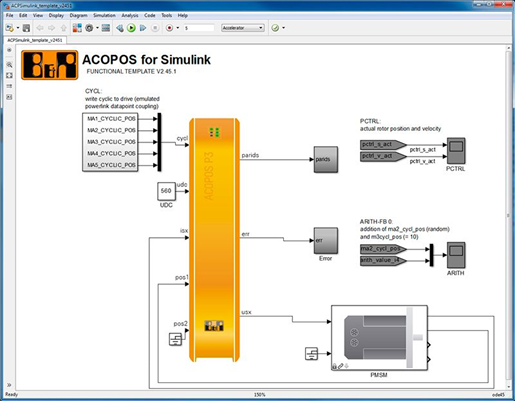
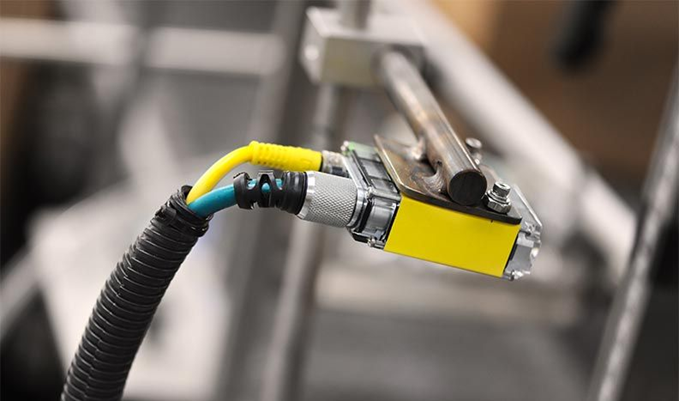
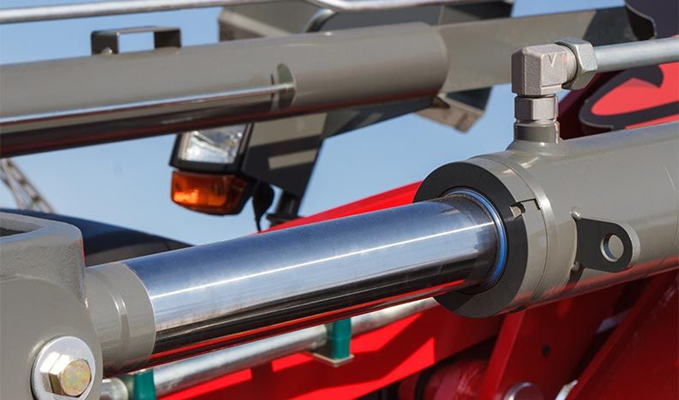
In today’s increasingly complex industrial automation components (power drive devices, sensors, etc.), engineers use MATLAB® and Simulink® to design control algorithms and analyze and simulate signals.
Engineers can also use IEC 61131-3, VHDL®, Verilog®, and C and C++ code generation to deploy validated functionality on components.
This approach helps engineers achieve automation devices that are more performant, efficient, and have longer uptime.
Power Drive Devices
Using MATLAB and Simulink, engineers can design control algorithms and scheduling logic for power drive devices (such as servo drives, variable frequency drives, and frequency controllers). Simscape™ Electrical™ provides a component library that supports modeling and simulation of various motors and inverters at different fidelity levels. The Motor Control Blockset™ offers optimized control algorithms that generate efficient embedded code.
With Simulink Real-Time™ and Speedgoat hardware, engineers can perform rapid control prototyping (RCP) and hardware-in-the-loop (HIL) simulations. By generating C or HDL code, validated functionality can also be deployed for production use.
Sensors
With MATLAB and Simulink, engineers can design advanced, accurate, and precise industrial sensors. With code generation, engineers can also deploy validated algorithms.
Hydraulic and Pneumatic Actuators
Using MATLAB and Simulink, engineers can design control algorithms and scheduling logic for hydraulic actuators. Simscape Fluids™ provides a component library for modeling and simulating fluid and pneumatic systems (including pumps, valves, pipes, and heat exchangers).
Generation and Transmission Equipment
“We adopted model-based design to develop a complex control system, significantly reducing the time compared to traditional processes. We generate code from the model, eliminating the manual coding that would have taken months, while also achieving early design validation through simulation.”—— Anthony Totterdell, GE Grid Solutions
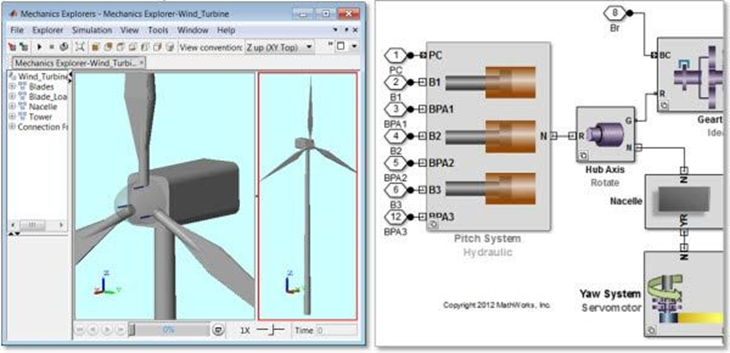
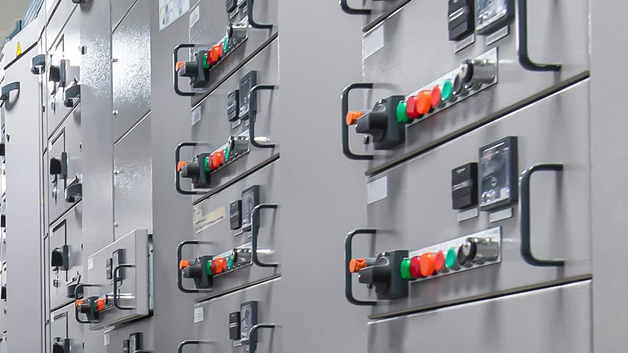
From leading wind turbine manufacturers to companies developing high-voltage transmission equipment, engineers are using MATLAB® and Simulink® to design control and monitoring algorithms for various generation and transmission equipment.
-
Using complex system models with physical components (mechanical, electrical, hydraulic, etc.), control systems, and fault injection to develop and validate algorithms in a safe environment
-
Detecting design errors early and evaluating different control strategies
-
Deploying code to embedded targets (using microcontrollers or FPGAs), PLCs, or production servers
-
Optimizing equipment design to improve uptime and device efficiency
Power Plant Models
With MATLAB and Simulink, engineers can test and validate designs using simulation models of components, systems, or controlled objects before implementing them on actual devices. Through virtual debugging, engineers can identify and eliminate design errors early in the development process, shortening development and validation time while reducing risks and minimizing potential damage.
Control System Design
With MATLAB and Simulink, engineers can develop control and scheduling logic algorithms for electric power devices and test algorithms under various conditions that are difficult to validate in the field.
Engineers can model controlled objects to design control algorithms for applications such as inverters, wind turbine control systems, and other grid-compliant controllers.
Using automatic code generation, algorithms can be deployed to actual control hardware.
Predictive Maintenance
With MATLAB® and Simulink®, engineers can develop and deploy condition monitoring and predictive maintenance software for generation and transmission equipment.
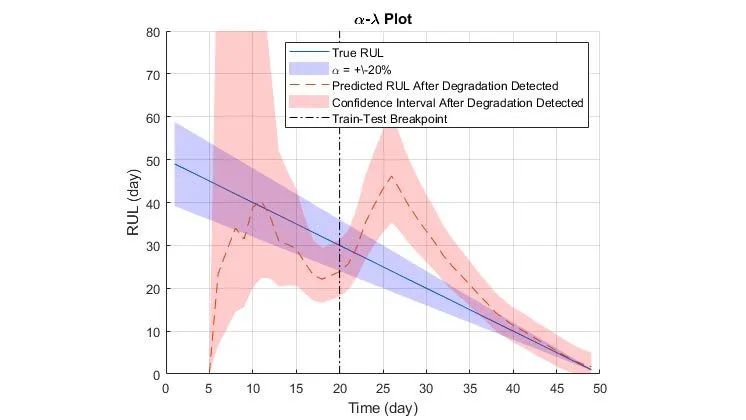
Engineers can access data and preprocess it using interactive apps, designing algorithms (for example, determining remaining useful life, RUL) based on this data, and deploying them in production operations. Compared to reactive maintenance or preventive maintenance, this approach can optimize maintenance cycles and reduce maintenance costs.
◆ ◆ ◆ ◆
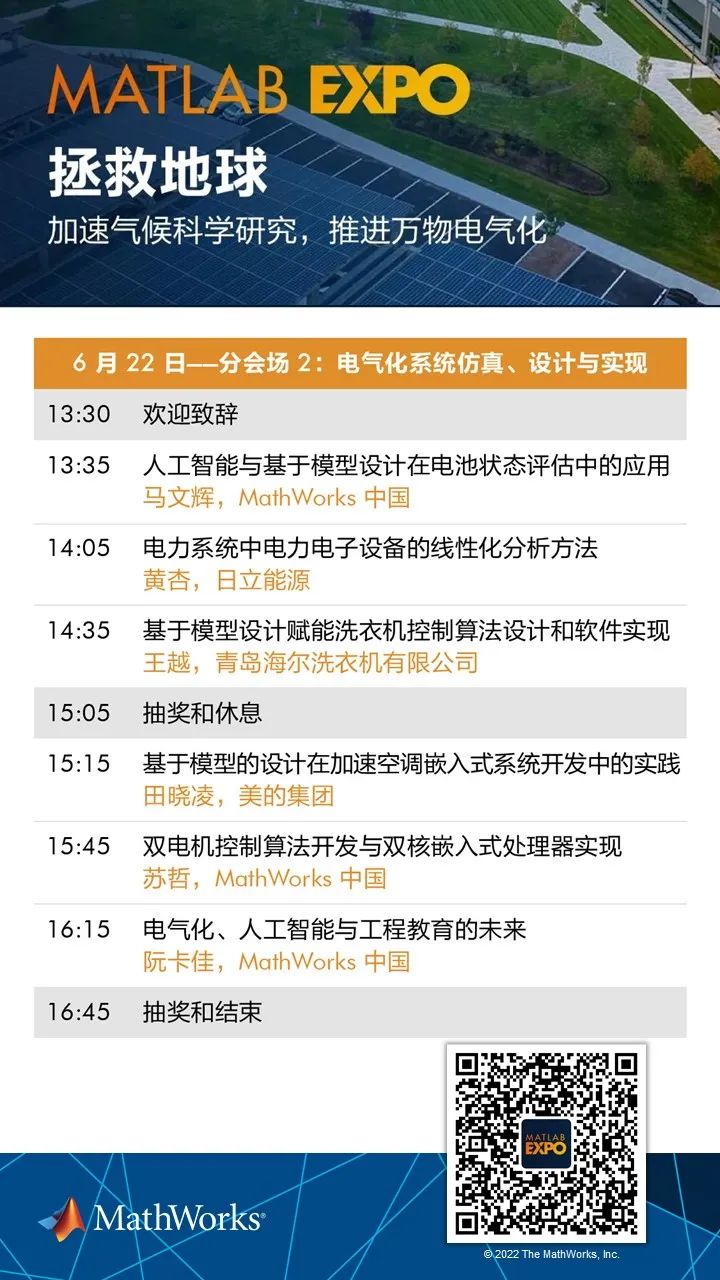
Listen to exciting customer shares from Hitachi Energy, Qingdao Haier Washing Machine Co., Ltd., Midea Group. Welcome to register for the MATLAB EXPO 2022 China User Conference.June 21-24 | Online Live StreamingFree registration, multi-choice supported!