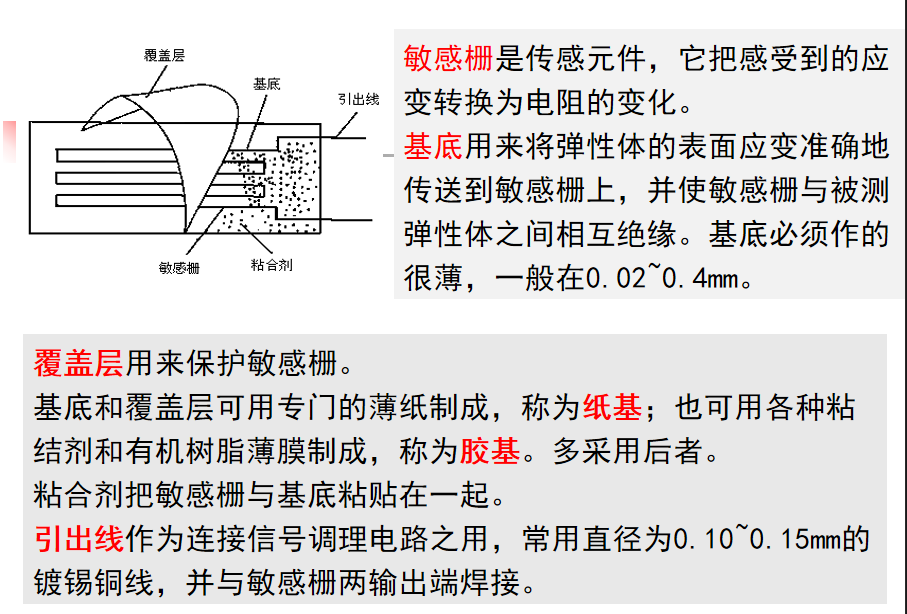
Strain gauges can directly convert strain into changes in resistance, while other physical quantities (force, pressure, acceleration, etc.) need to be converted into strain (using elastic elements).Components of strain gauges: elastic elements, strain gauges, accessories (compensation elements, protective covers, etc.).1. Structure of Resistance Strain Gauges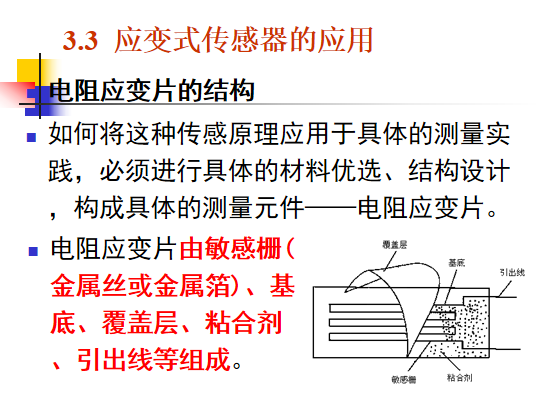 Resistance strain gauges consist of sensitive grids (metal wires or metal foils), substrates, cover layers, adhesives, and lead wires.
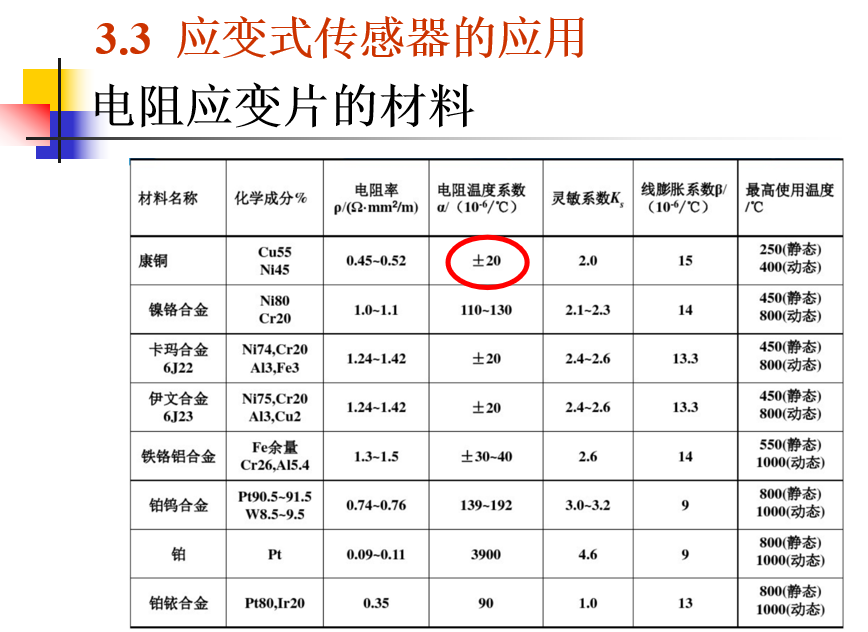
 2. Materials of Resistance Strain Gauges
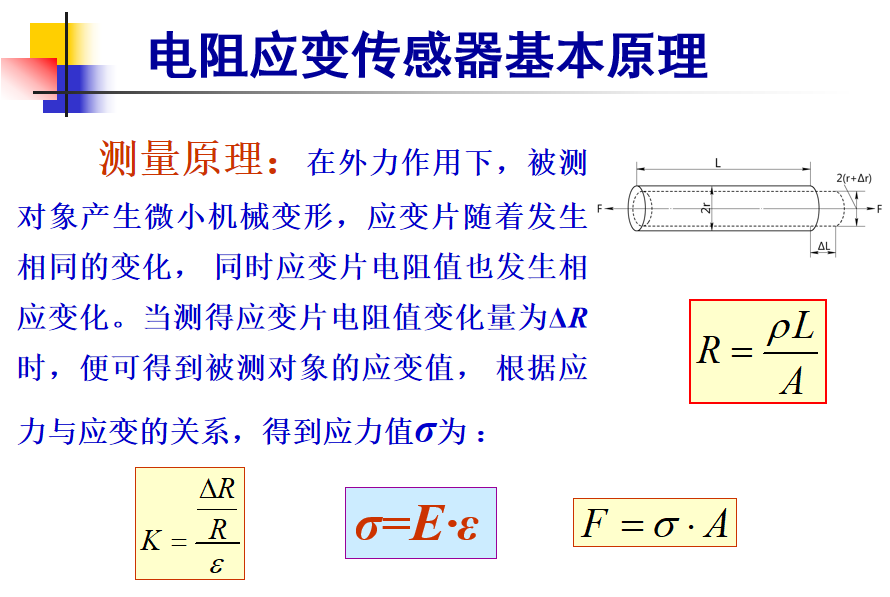
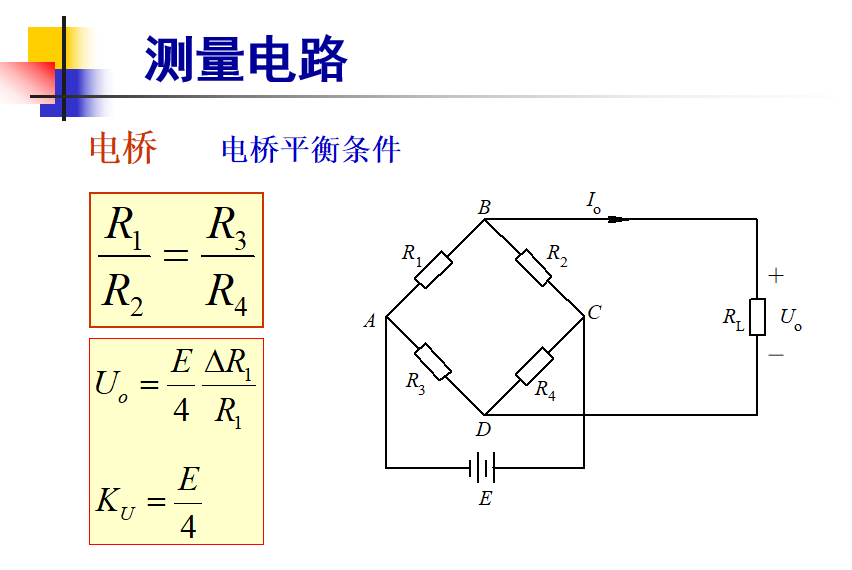
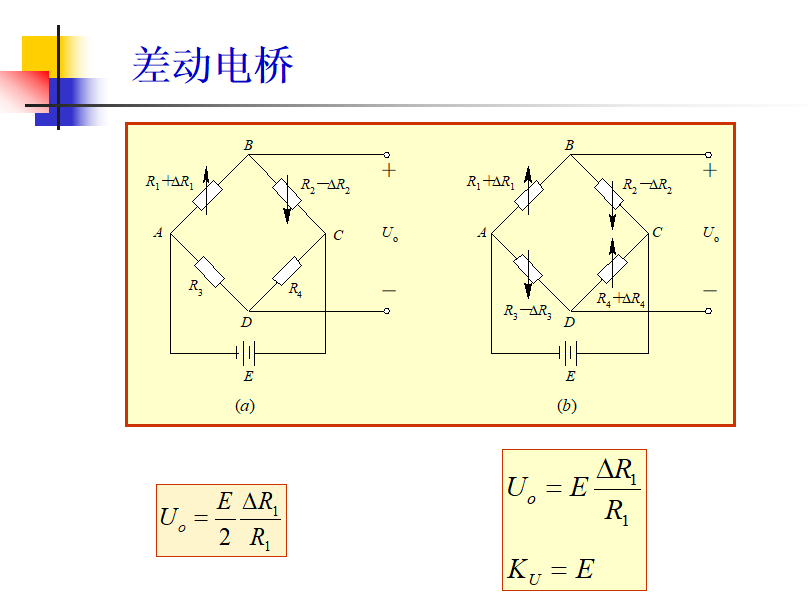
 3. Working Principle of Resistance Strain Sensors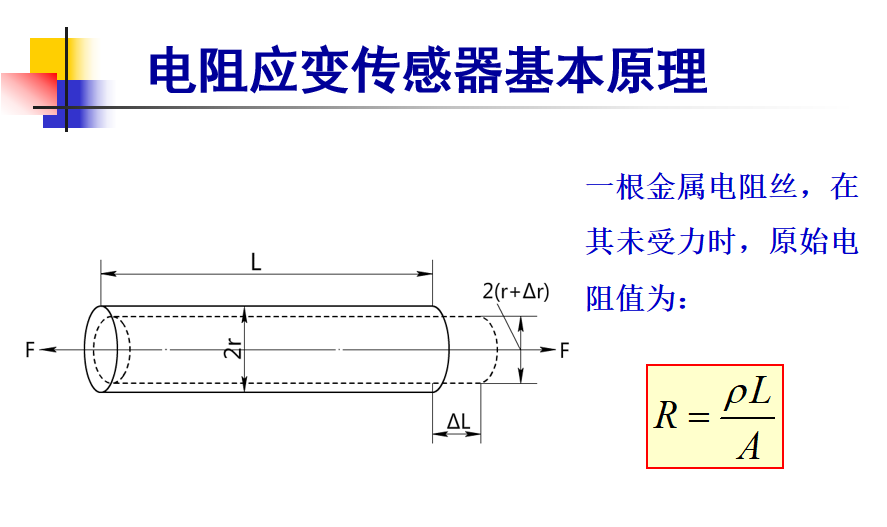
 4. Characteristics of Resistance Strain Gauges
⑴ Sensitivity Coefficient
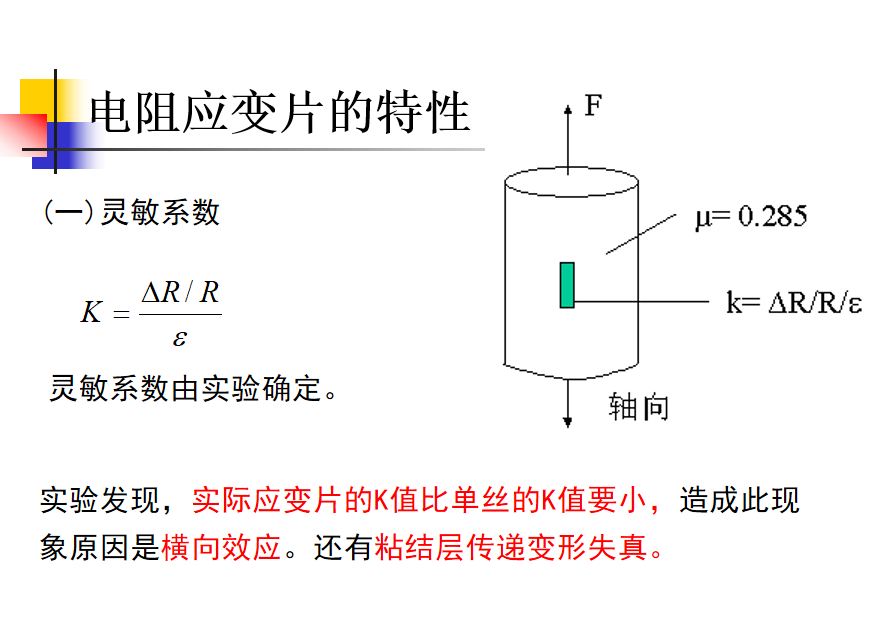
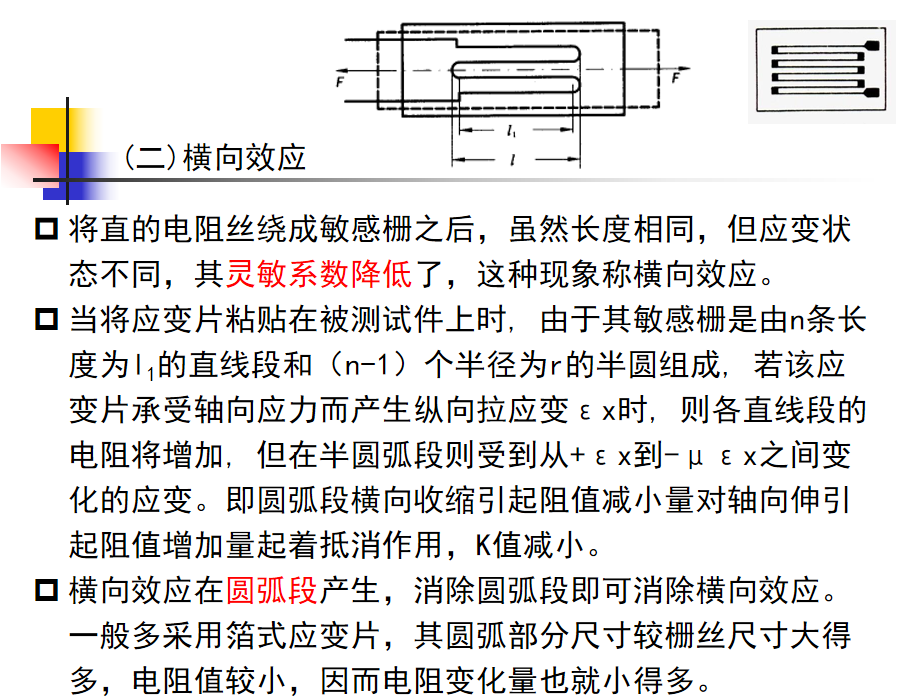
[Note] The actual K value of strain gauges is smaller than that of single wires, mainly due to the transverse effect.
⑵ Transverse Effect
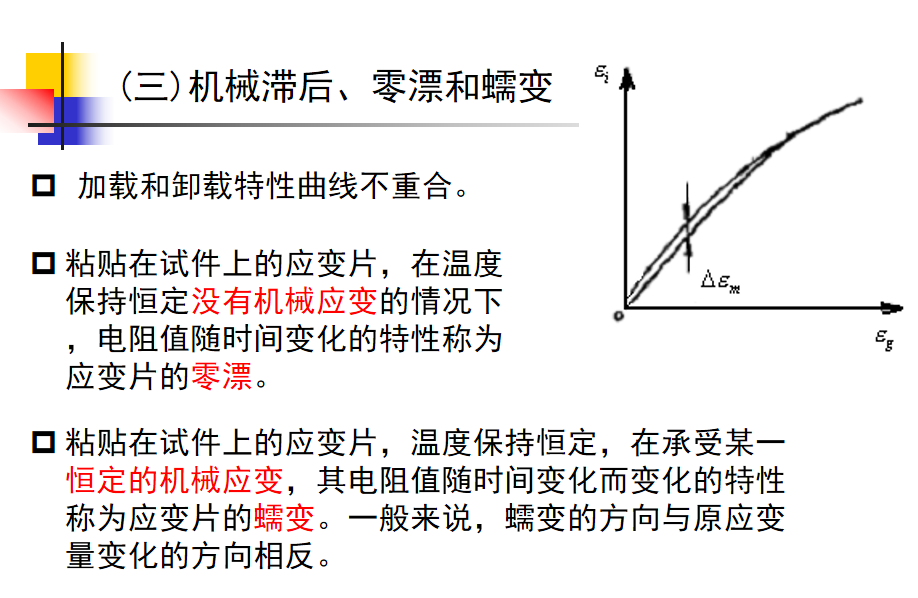
⑶ Mechanical Hysteresis, Zero Drift, and Creep
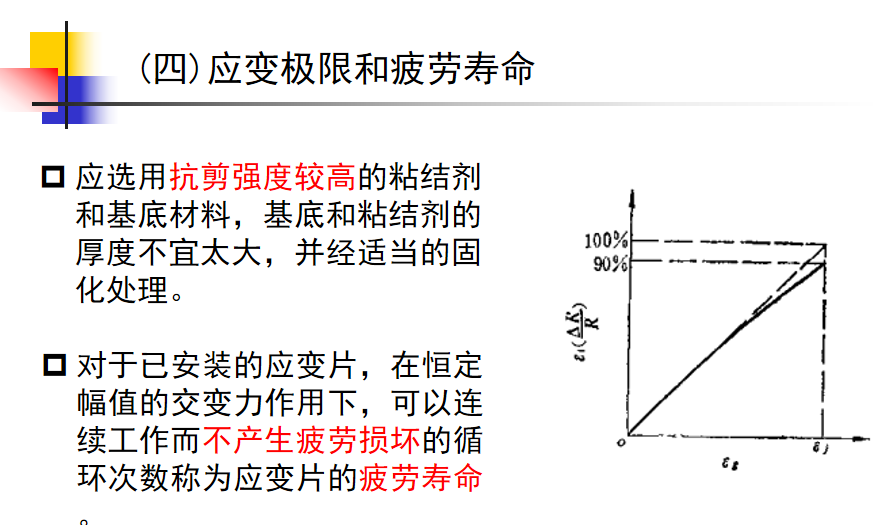
⑷ Strain Limit and Fatigue Life
⑸ Maximum Operating Current and Insulation Resistance

⑹ Resistance of Strain Gauges

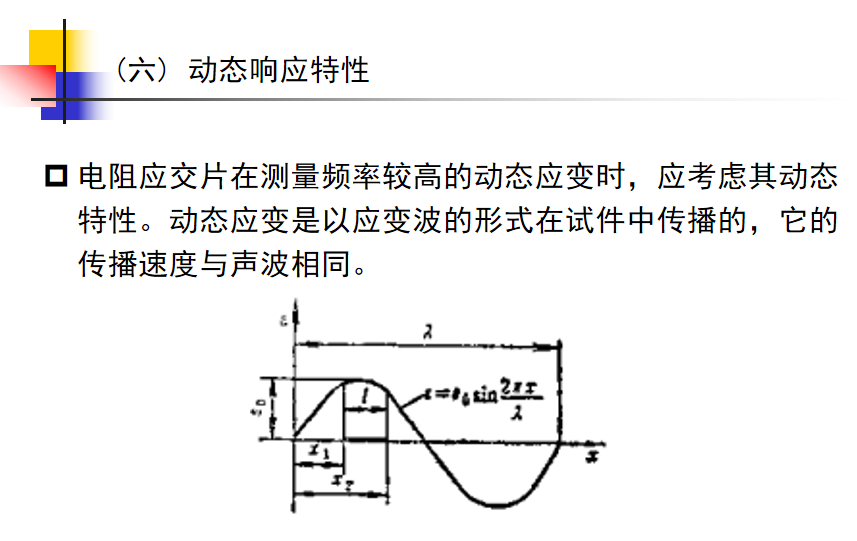
⑺ Dynamic Response Characteristics
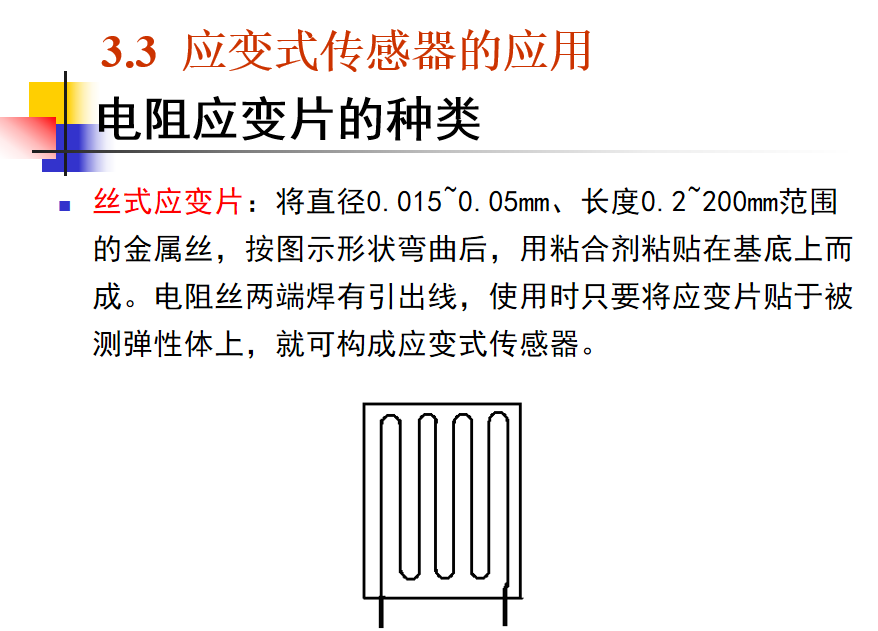
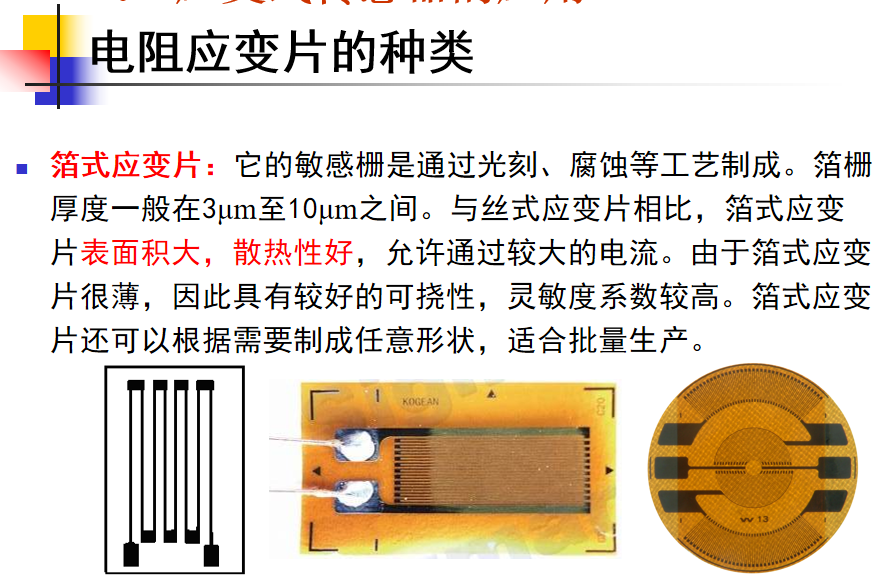
5. Types of Resistance Strain Gauges

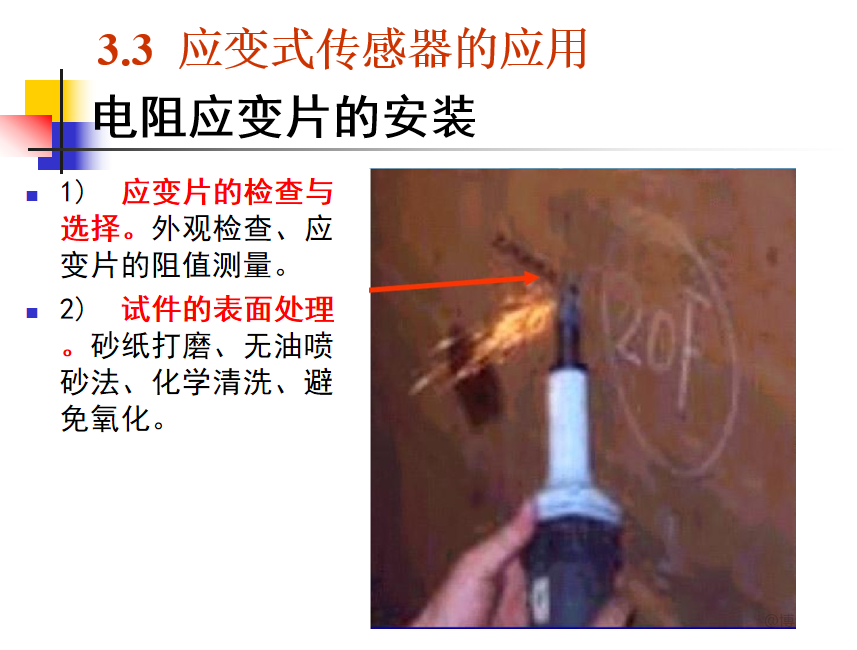
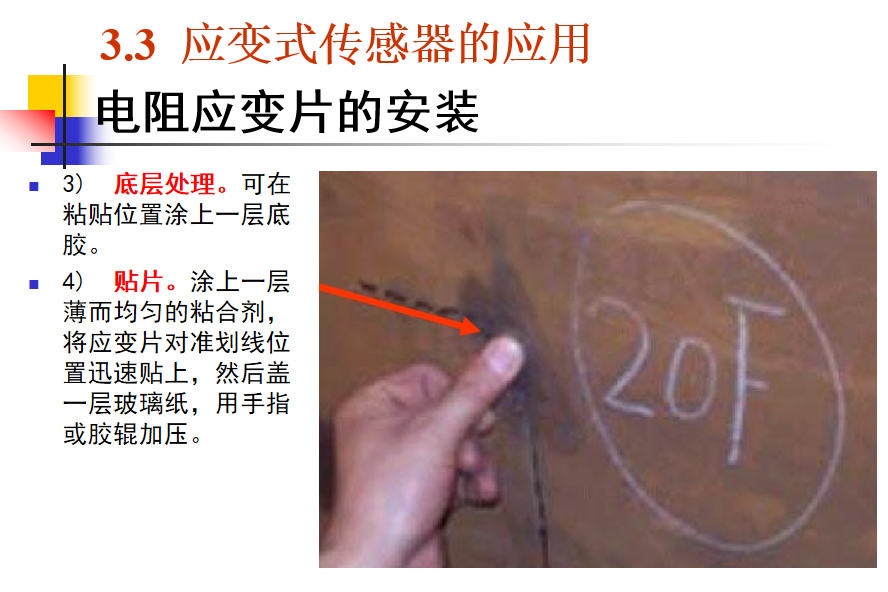
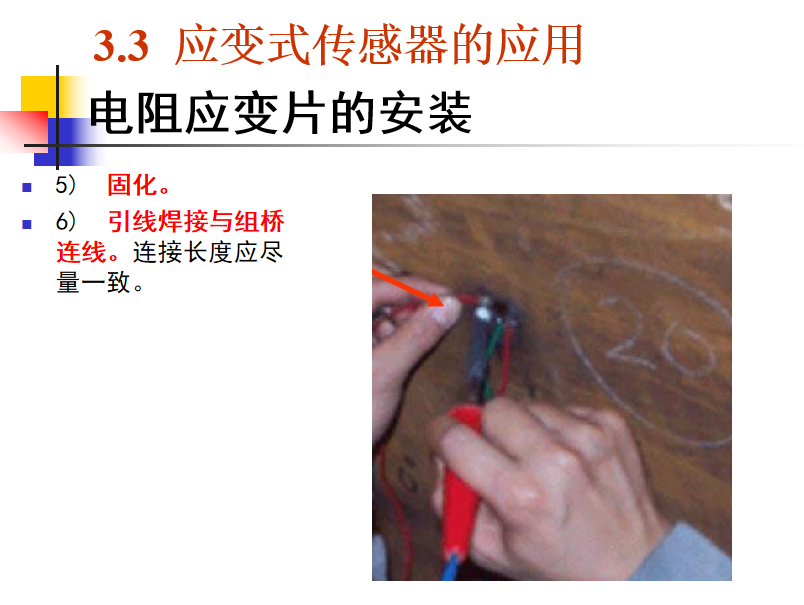
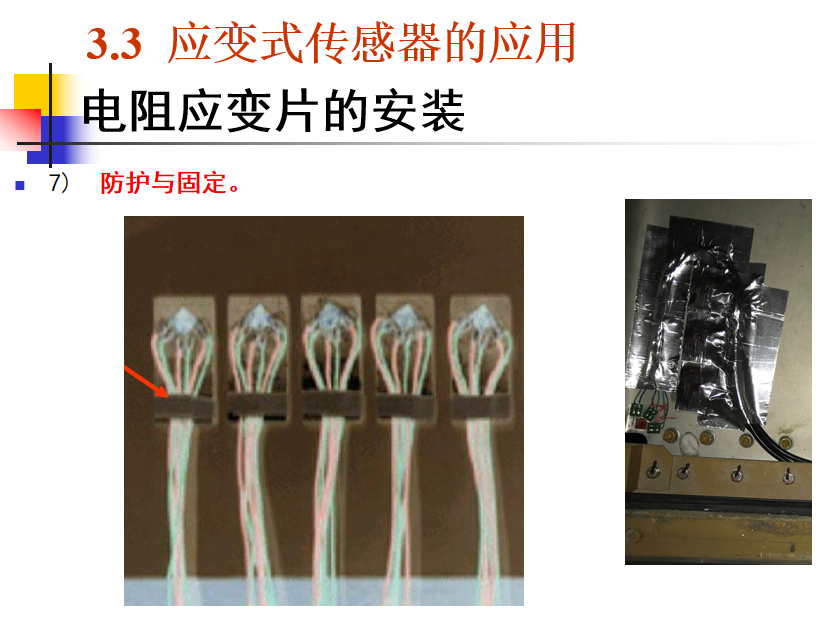
6. Installation of Resistance Strain Gauges