Produced by | Houlang Graphic Group
Written by | Zhang Lijuan
I’ve seen quite a few cars and have ridden in many, but only a few have I deeply observed, and the BYD Tang definitely ranks among them because the boss’s favorite car is the BYD Tang. The few owners I’ve interacted with are loyal fans of the Tang, so I have a bit more understanding of it.
I know that the BYD Tang has always carried an aura. Since its debut in 2015, its sales have exceeded 200,000 units. After two years, a facelift model has been released, aligning with market trends. This time, the new BYD Tang’s fuel version, DM version, and EV version have been launched simultaneously.
As a mid-term facelift model, what surprises does the 2021 BYD Tang bring to consumers? In this article, I will share how to look for its new features and discover its new gameplay. As for whether to buy it, I have some “immature” opinions for everyone to consider.
How to Look—”Dragon Face” Remains Young, with Inner Depth
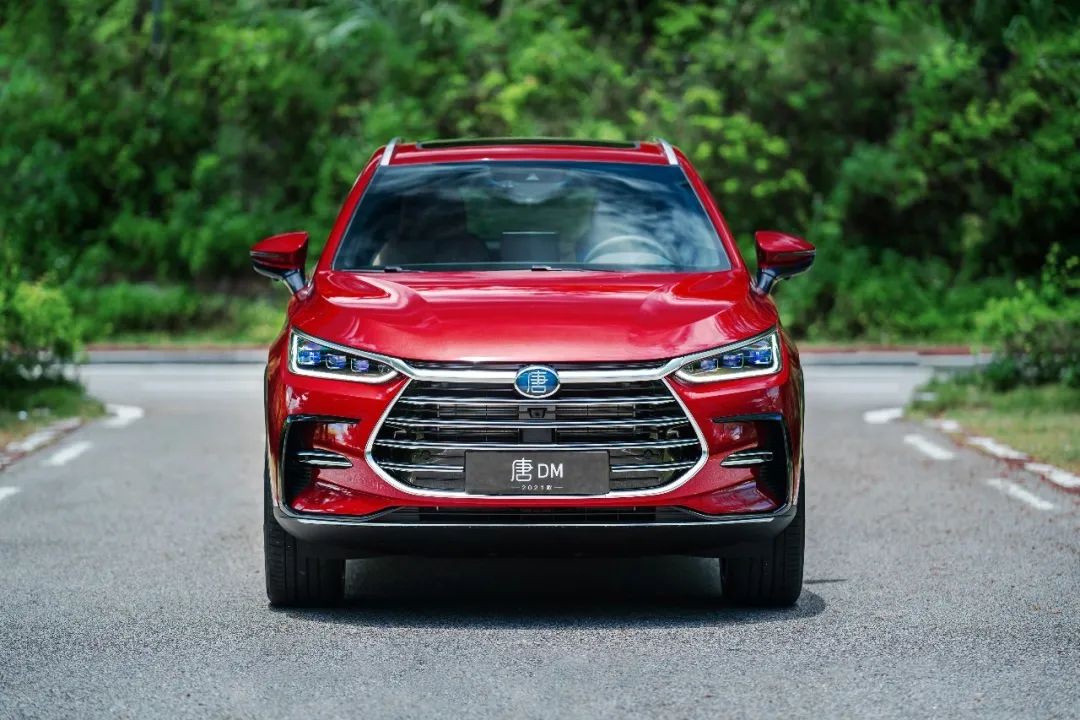
The exterior changes of this car are minimal; it still follows the Dragon Face family design language. The body dimensions remain at 4870/1950/1725 mm, with a wheelbase of 2820 mm, unchanged from the 2020 model. In fact, if you browse some forums, you will find that BYD’s “Dragon Face” is still very popular among car owners.
After all, its design was led by former Audi design director Wolfgang Egger, and it still looks fashionable and youthful today. Moreover, it has a certain level of recognition, so there is no need for drastic changes.
Of course, if you observe carefully, you can still see the details. Take the Tang DM, for example; its grille shape looks fuller, and the size has slightly expanded. However, the most noticeable change is in the materials, where the original shiny chrome has been replaced by matte chrome, and black piano lacquer trim has been used on both sides, giving it a more premium feel.
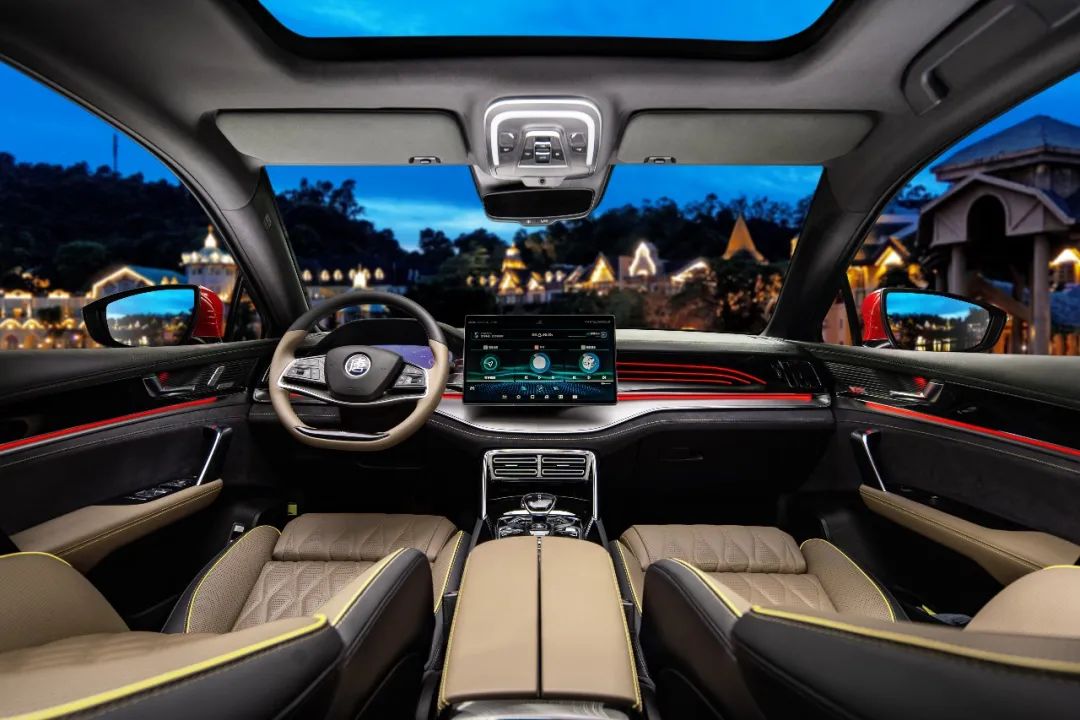
The exterior changes are minor, but the changes in the interior are visually significant. I just want to say that BYD’s revolution has finally arrived at the interior. This was personally designed by former Mercedes interior design master Michael.
The all-new two-spoke steering wheel brings a touch of retro style. Even the air conditioning vents are treated in two colors, creating a more upscale feel.
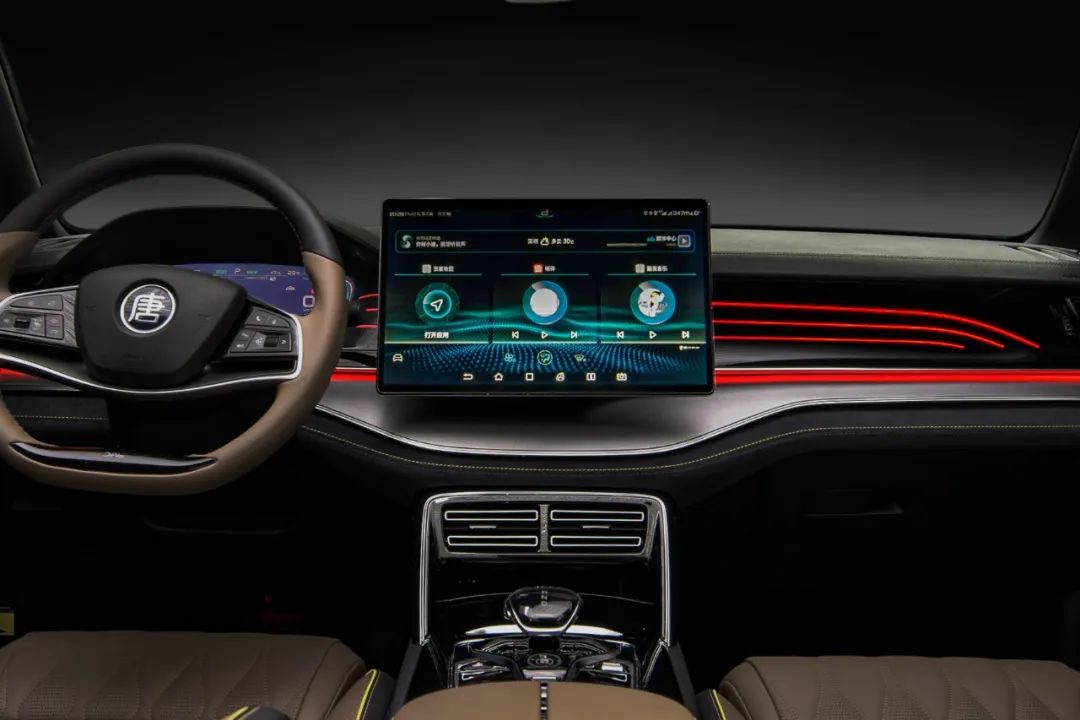
A U-shaped chrome strip runs across the center console, dividing the atmosphere into two layers. The iconic rotatable central display has been redesigned with ultra-narrow bezels, no longer resembling a “battleship”. The screen size has also been upgraded to 15.6 inches, just like the iPad Pro.
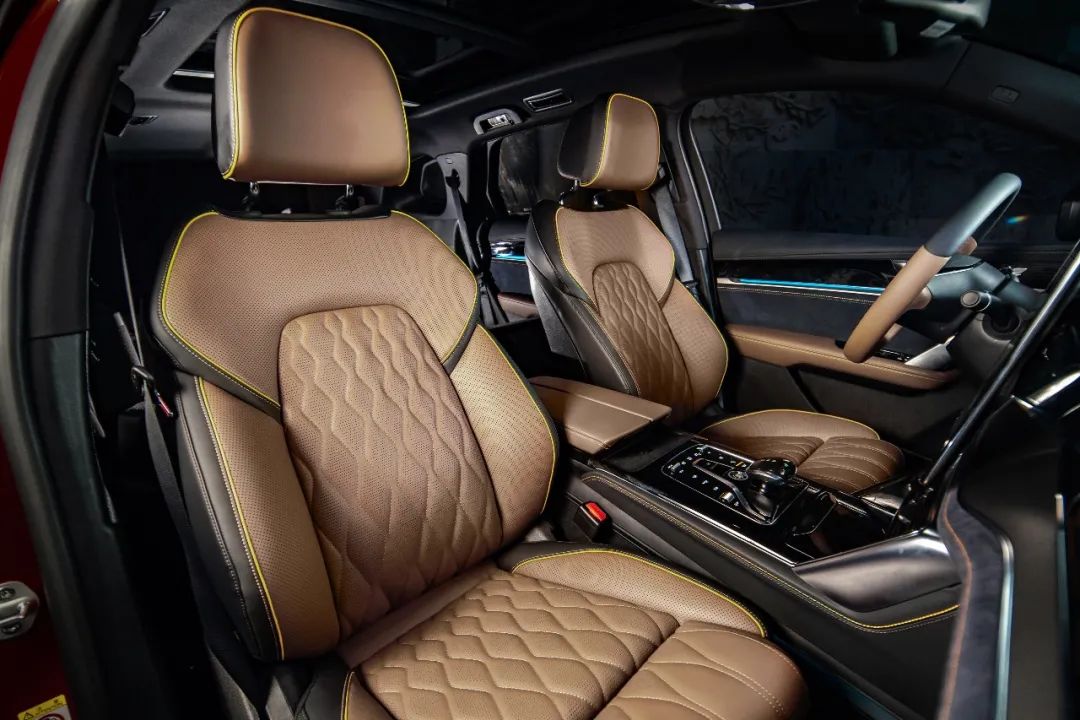
The quality of the interior is generally established through materials. The 2021 Tang’s door panels and dashboard use a lot of Alcantara-like materials, and the seats feature complex stitching and perforation techniques, with retractable leg rests for the driver and front passenger, giving the Tang a bit of an S-Class luxury feel.
Among the three power models launched this time, the DM version has three models, with a price range of 236,800 to 286,800 yuan after subsidies; the EV version with blade batteries has two models, priced at 279,500 and 314,800 yuan after subsidies; the fuel version has one model, priced at 153,500 yuan.
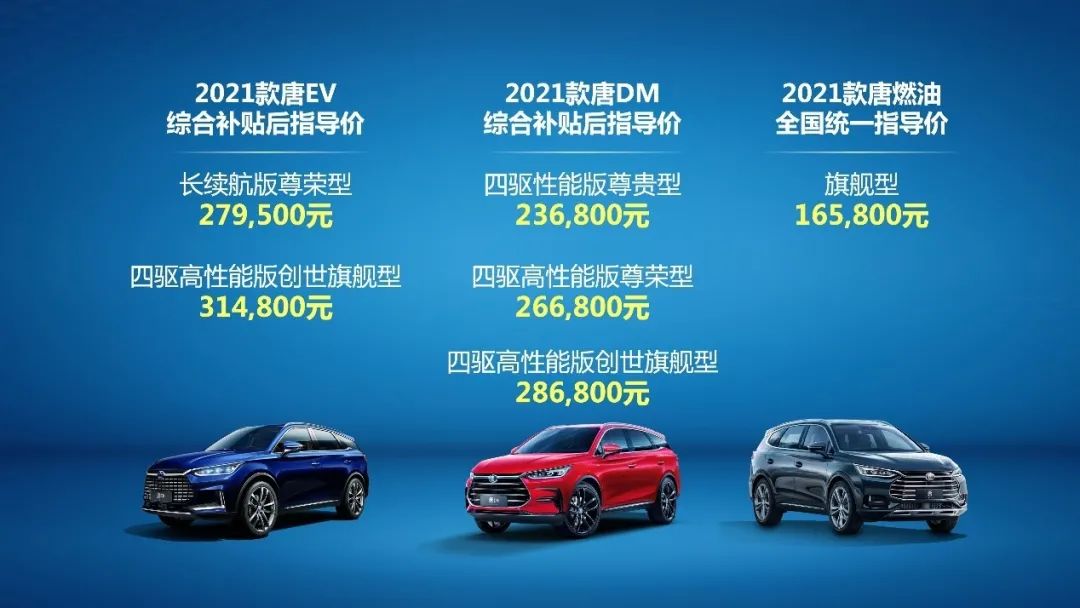
In terms of pricing, it has slightly dropped compared to the old model, which is actually a normal approach for a facelift model to enhance cost-effectiveness.
How to Play—Thoughtful Configuration, Substantial Technology
Today’s cars are all about the Internet of Things, and the upgrade of technological configurations is also a concern for many consumers.
The 2021 Tang is truly thoughtful in terms of technology. According to the materials provided by the manufacturer, every car is packed with a sense of technology.
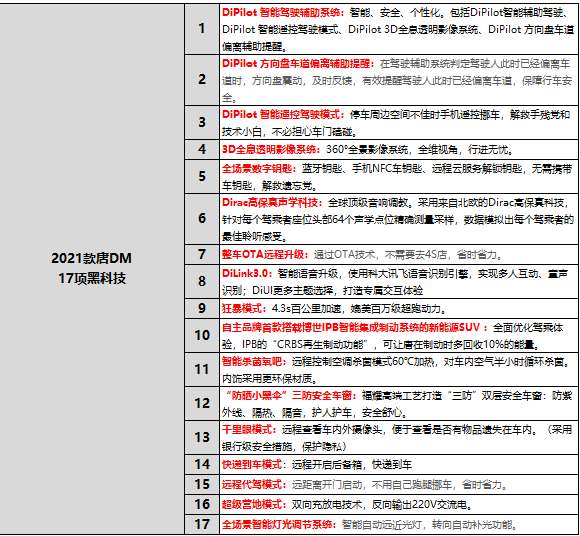
All three models are equipped with the DiLink 3.0 intelligent connectivity system. The new system features a completely new UI design, with a simpler and more user-friendly operation logic. The voice recognition function has been upgraded to iFLYTEK’s voice engine. Just say “Hello, Xiaodi” to control multimedia navigation, window raising and lowering, air conditioning adjustments, and other in-car configurations.
Additionally, it is equipped with the DiPilot intelligent driving assistance system, achieving L2-level advanced driver assistance capabilities, supporting lane keeping, full-speed adaptive cruise, and blind spot monitoring functions.
At the launch event on August 16, we also witnessed the new car’s remote control feature, which allows you to unlock the doors, turn on the air conditioning, and check the vehicle even when you are not next to it.
There’s also a “delivery to car” feature suitable for the pandemic period. With the new “Thousand-Mile Eye” mode, owners can remotely view the interior and exterior camera images and the surroundings of the vehicle through a mobile app, ensuring the vehicle’s safety and the user’s privacy.
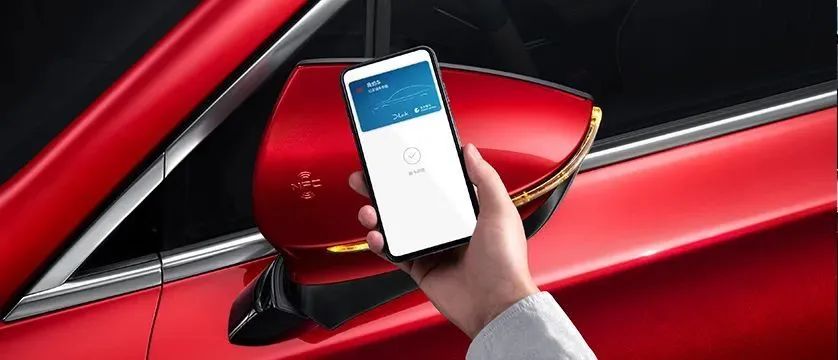
Furthermore, for those who tend to forget their car keys, the new Tang is equipped with an NFC mobile key. By binding your mobile phone to the vehicle via NFC, you can unlock the car door and start the vehicle simply by bringing your phone close to the driver’s side mirror. Even if the phone is turned off, it can still accurately recognize and complete the unlocking and locking of the vehicle.
“Karaoke” enthusiasts will also find their place in this car, which supports online music. You can choose songs by rotating the large screen, and there are also 31-color interactive smart cabin ambient lights to enhance the atmosphere, turning the car into a karaoke room.
How to Buy—Demand-Driven, Strongly Recommend the Tang DM
As an unprofessional guide, regarding the three models released this time, how to buy depends on the consumers’ own travel conditions and needs.
If you live in one of the top ten GDP cities in China, I would recommend you purchase the Tang EV equipped with the new blade battery. With convenient charging, buying an electric vehicle not only enjoys policy subsidies but also reduces travel costs, is environmentally friendly, has stable power output, and accelerates quickly. With a push on the accelerator, you can leave other cars behind by several kilometers.
Of course, if it’s just for urban commuting, the Tang EV’s endurance is not a big issue; the remaining concern is safety. A quick search reveals that news about electric vehicles catching fire is truly alarming.
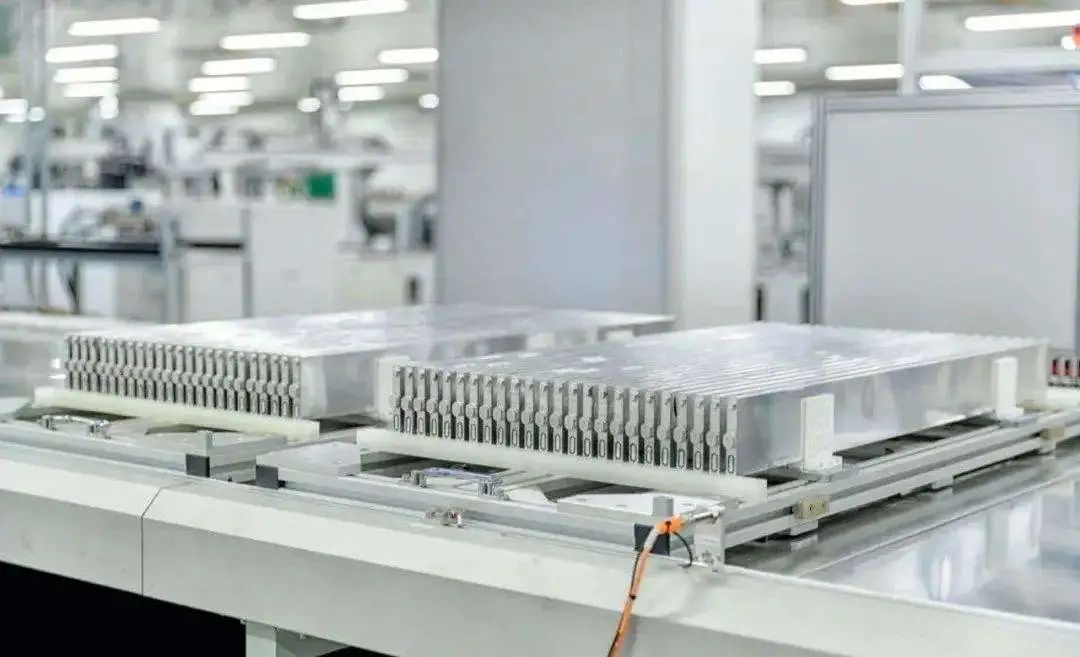
Concerns about electric vehicle fires are a hot topic for consumers. BYD provided a solution in the first half of this year, introducing the “blade battery.” This flagship technology has perfectly passed the most stringent puncture tests in the field of power battery safety. At least for now, the “blade battery” is likely to avoid the risk of “self-ignition”.
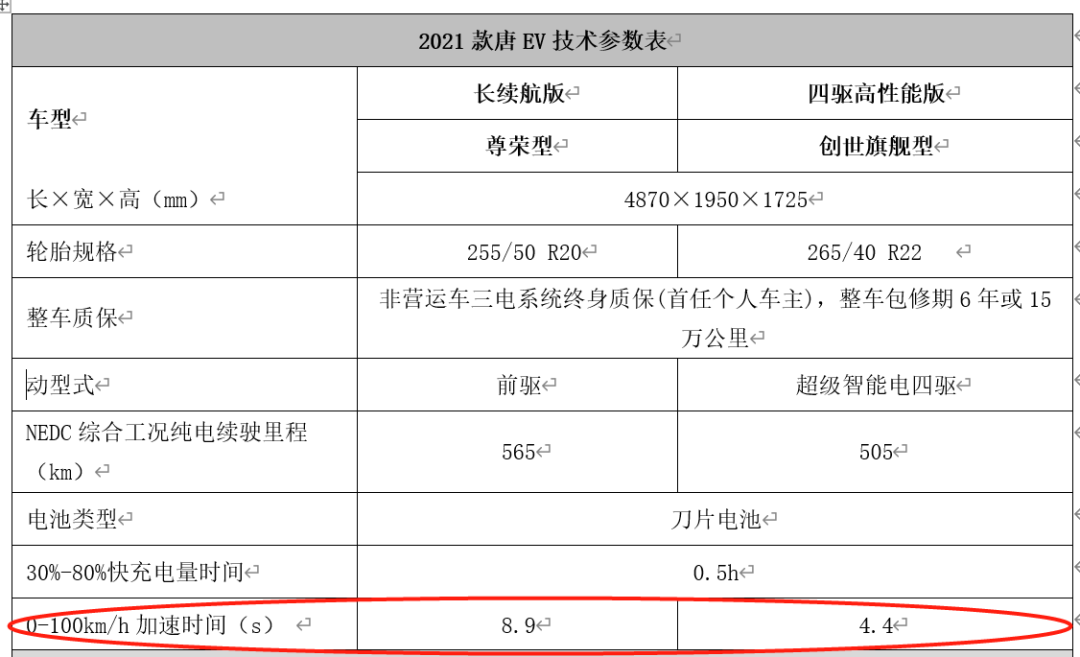
Since you plan to spend two to three hundred thousand yuan on an electric vehicle, I recommend choosing the high-performance four-wheel drive version and the Genesis version. Their 0-100 km/h acceleration times are more than half shorter than the mid and low configurations, which may be more appealing to those focused on driving performance.
Of course, those who cannot let go of fuel cars can take a look at the new Tang fuel version.
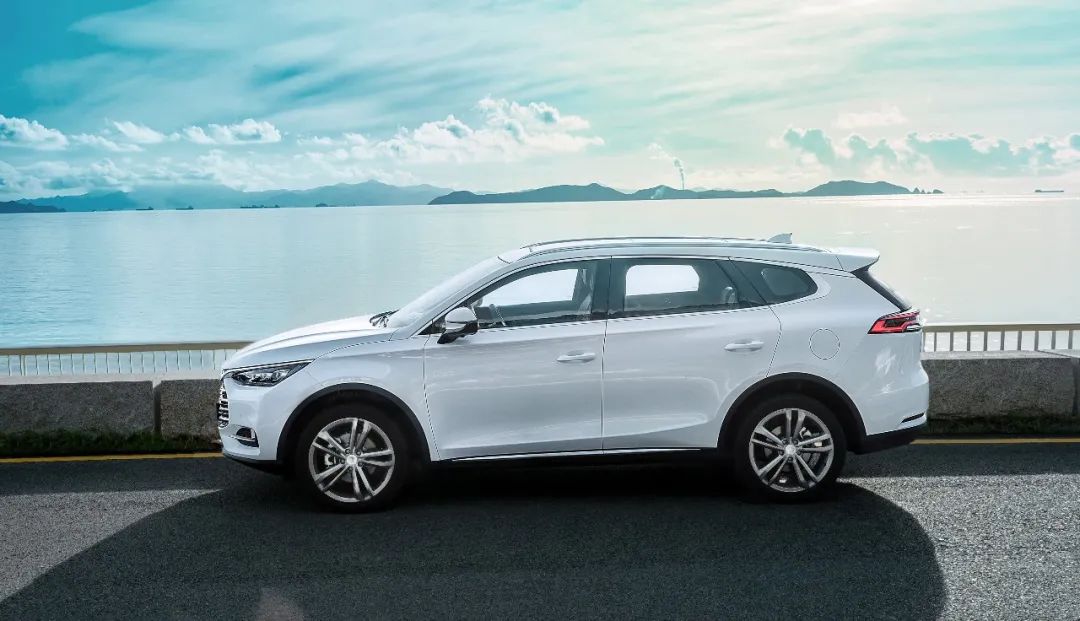
To open up the market, the old Tang fuel version launched a low-config model with a starting price lowered to 129,900 yuan, which is significantly different from the Tang DM and Tang EV versions that often exceed two to three hundred thousand yuan. This inadvertently lowered the brand image of the Tang as a flagship model.
This time, the 2021 Tang fuel version only launched the flagship version. After all, as a company advocating green travel, its strong layout in new energy means it has to compress the production space for fuel vehicles, thus strategically abandoning low-config models to elevate the entire price range of the Tang. I believe this is also an important step for BYD to gradually achieve brand elevation and for the Tang to approach flagship status.
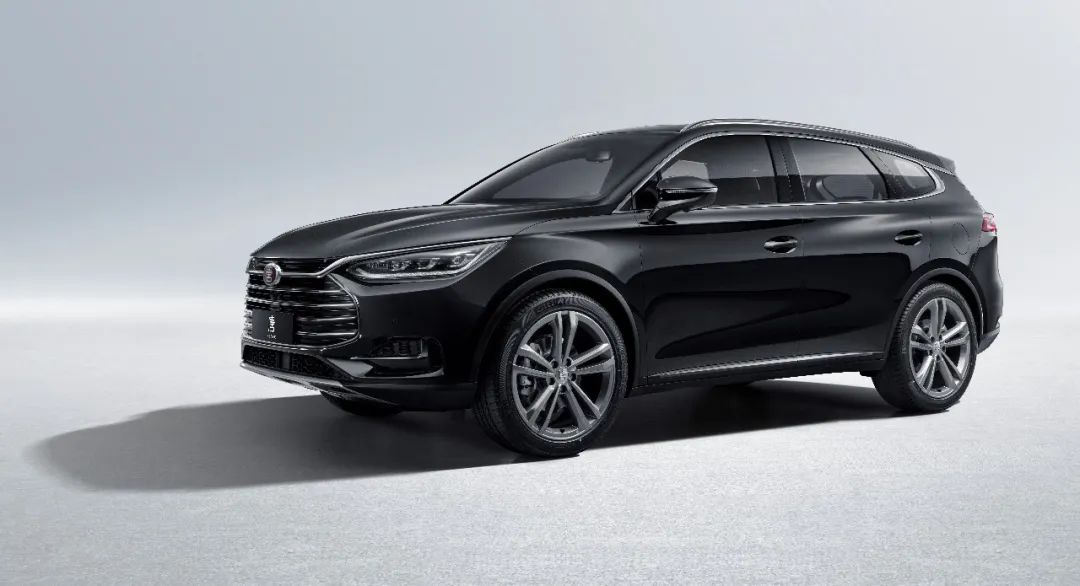
However, this does not mean BYD has abandoned entry-level consumers. It is said that BYD has another B-class SUV, the Song PLUS, about to be launched, which is officially positioned between the Tang and the Song Pro. This shows that BYD has not changed its mind but has clarified the positioning of each model. I believe the Song PLUS will have the strength to take over the target users of the mid-low configuration of the Tang.
In terms of pricing, the flagship Tang fuel version is priced at 165,800 yuan, which is actually cheaper than the old model’s top configuration (guidance price: 169,900 yuan), and those configurations like lane keeping, NFC keys, and wireless charging, all the black technologies are included, more features for the same price, which is indeed very considerate.
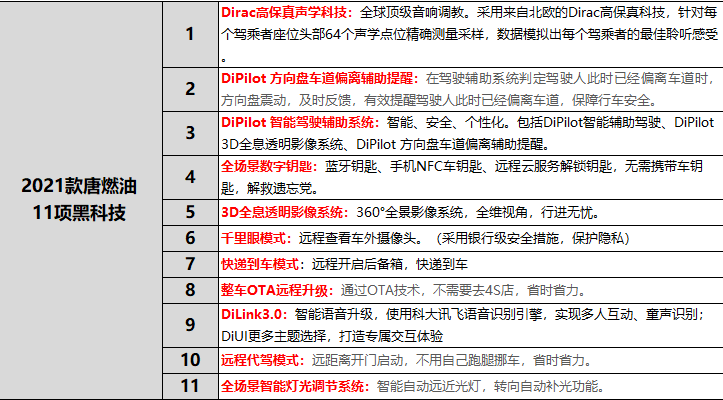
That said, compared to the configurations on the Tang fuel version, the price is indeed not high, but compared to domestic SUVs in the same price range, the Tang fuel version is still somewhat expensive.
Moreover, it places itself in an awkward position. In the current market environment, 165,800 yuan is roughly the price of a low-end joint venture car and a high-end domestic SUV. Although it has created a price difference and highlighted BYD Tang’s determination to build a flagship, whether consumers are willing to pay for it remains uncertain. After all, BYD as a brand still hasn’t completely escaped the predicament of “the rich don’t want it, and the poor can’t afford it.”
What I like best and strongly recommend to myself is this plug-in hybrid model, the Tang DM.
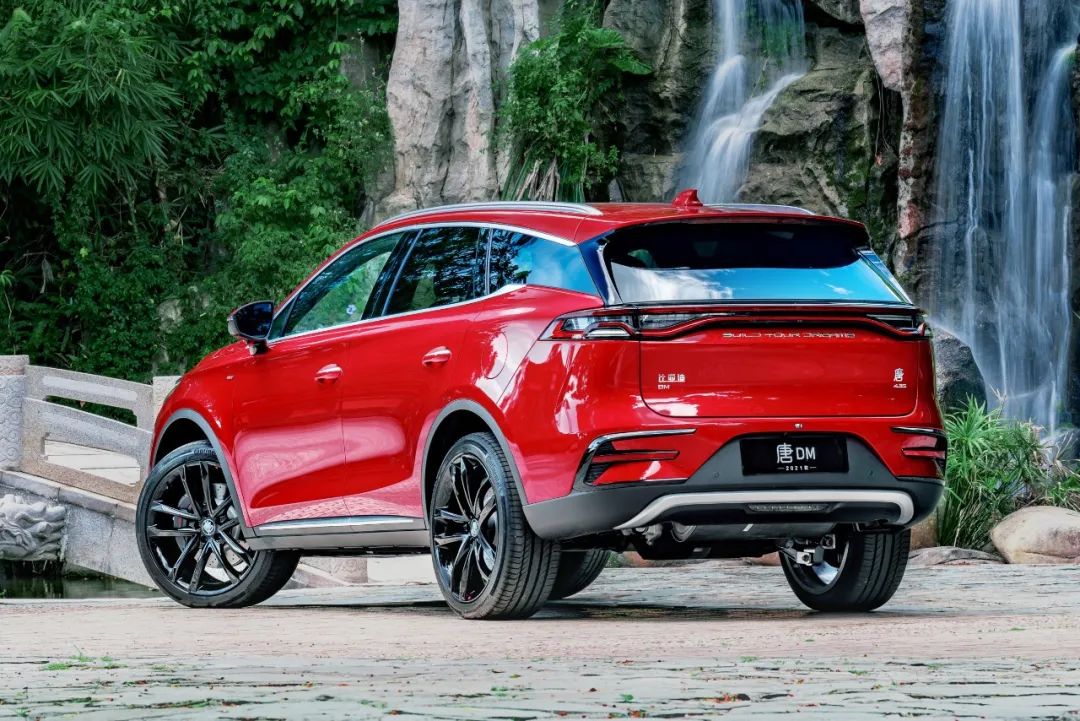
This car’s product strength has significantly improved in this facelift, mainly reflected in the optimization of the power system, with a 0-100 km/h acceleration time continuing to push down to 5.1s/4.3s (the current model is 5.3s/4.5s), truly achieving performance comparable to sports cars, with a comprehensive range of 800km.
If you are only attracted by its “looks,” the low configuration is already quite sufficient. However, if you are somewhat obsessed with power, the mid-range 2.0T four-wheel drive high-performance version is more suitable.
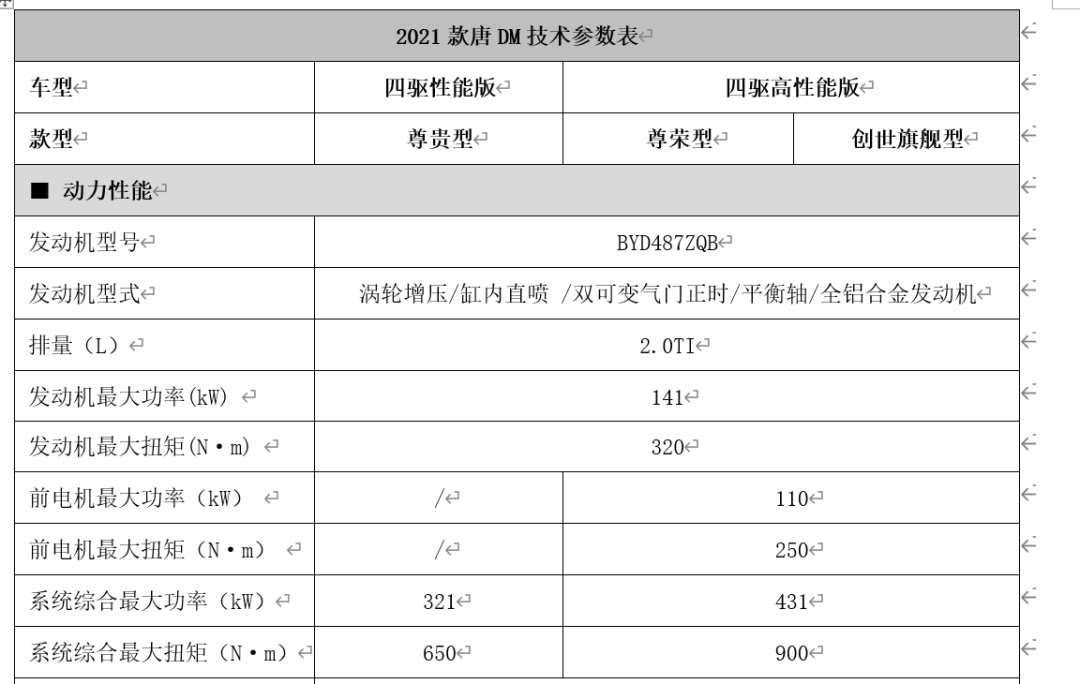
The new Tang DM’s three models are all four-wheel drive versions. The low configuration model uses front-wheel drive, while the mid and high configurations use a front and rear dual-motor drive system, resulting in stronger power performance for the mid and high configurations.
If you pursue longer pure electric endurance, then the high configuration is more suitable. Overall, the cost-performance ratio is still very high.
Observation by Che Tan Jun
It is worth noting that this time BYD Tang still retains the fuel vehicle, although there is only one model. After all, for some time to come, fuel vehicles will still be mainstream. As a mainstream automaker, BYD certainly will not easily give up this “big cake.”
From a market performance perspective, BYD Tang has experienced the harshness of the domestic market. The year 2018 could be considered the peak period for BYD Tang, with cumulative sales of nearly 60,000 units that year—this was the result of selling for five months. The growth rate in 2019 significantly declined, but it still managed to reach an average of about 6,000 units per month.
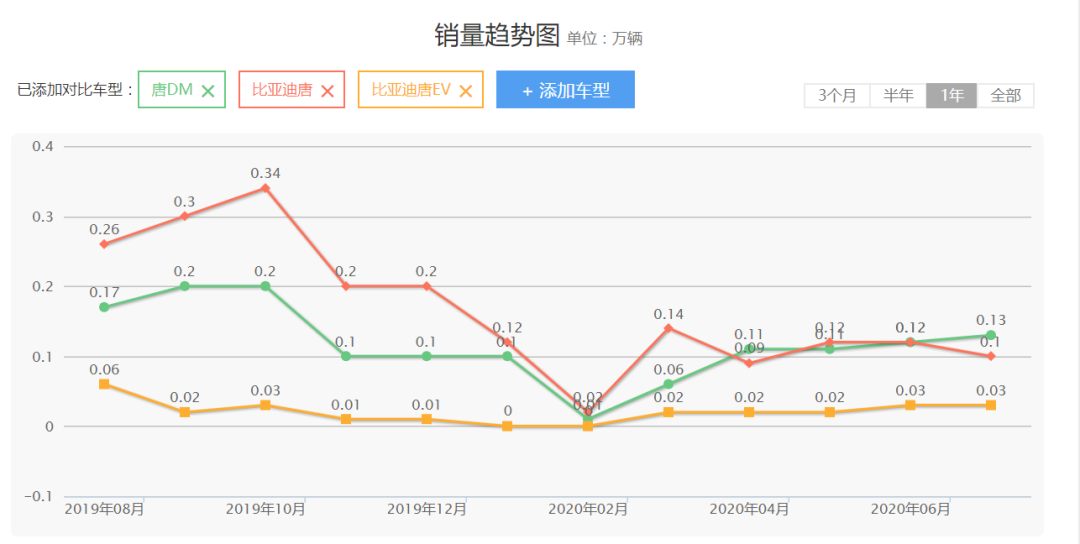
By 2020, after facing the pandemic, BYD Tang’s situation became even more challenging. Even though the overall environment has clearly improved, its own sales have continued to decline. In June, BYD Tang’s total sales were only 2,637 units.
The reasons for this are certainly multifaceted. From an external market perspective, competition from electric vehicles in the same price range has become increasingly fierce, with Tesla and new forces posing significant impacts on the Tang DM. Additionally, the market is gradually reaching saturation, and national subsidies are also decreasing, which naturally affects sales.
To break the deadlock, BYD has put considerable effort into enhancing the product strength of the 2021 Tang. After carefully reviewing the configuration of the three models, one cannot help but be amazed by the sincerity shown in this facelift.
However, it is also important to note that BYD Tang has entered the price range of 300,000 yuan. In this price range, competing is not as simple as product strength; brand power also requires significant effort.
In the first half of the year, unlike other car manufacturers such as Great Wall, GAC, and Geely, which actively marketed through online media, BYD appeared somewhat subdued. Aside from the hype and promotion of the “blade battery” in March-April, it had little significant activity in between, except for some back-and-forth with CATL.
In the second half of the year, BYD first launched the heavily promoted new Han EV and Han DM, followed by the recent launch of the Song Pro, and then the facelifted Tang, whose sincerity in interior and technology configurations is evident. It seems that after experiencing a decline in sales in the first half of the year, BYD intends to deliver a more satisfactory answer sheet in the second half through its “works.”
In fact, August is a good time to buy a car. Firstly, July and August are traditionally off-peak car buying seasons. Secondly, due to the pandemic and various factors, most car manufacturers saw a year-on-year decline in sales in the first half of the year. Under pressure to maintain volume, manufacturers are also likely to lower their stance and launch promotional policies. The new Tang has also released many benefits upon its launch. Friends considering purchasing an SUV model can take this into account.
Do not hold biases against Chinese brands; they are actually better than you think. The new Tang is no exception.
Chinese brands can be fragrant and sweet.
*Some images in this article are sourced from the internet


-END-
Recommended Reading01 Finally, BYD is going to tackle “memory loss”—BYD is finally going to save me02 BYD: The “Blade” Maker—BYD’s another blade is out