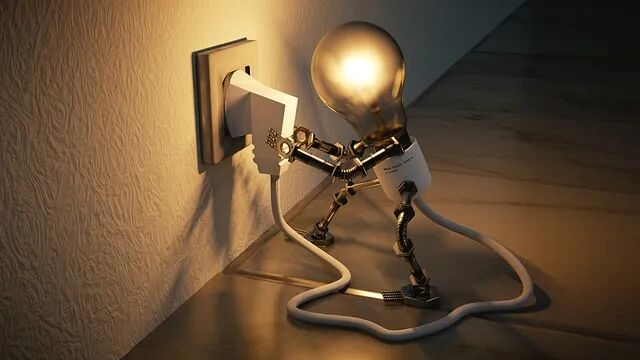
At midnight on Double Eleven, a major e-commerce platform displayed a shocking set of data: the transaction volume of smart toys surged by 210% year-on-year, with an average of 8 “talking dolls” sold every second.
While consumers are frantically purchasing AI toys, few realize that this is not just a commercial miracle, but a collective emotional experiment of modern society:
We fill the emotional void of flesh and blood with silicon-based chips, allowing algorithms to replace humans in fulfilling the most basic companionship needs.
From Concrete to Silicon-Based Life
A perfect storm to fill the emotional gap
Behind the 30% single-person household rate in East Asia lies a collective anxiety of 240 million single individuals in China, 47 million empty-nest elderly, and countless dual-income families.
As traditional interpersonal relationships gradually disintegrate in a fast-paced society, the emergence of the GPT-4 model comes at the right time: the cost of AI conversation has plummeted from 5000 yuan per device to 300 yuan, and on the assembly lines of Shenzhen factories, 20 toys equipped with “emotional chips” are born every minute.
The democratization of technology has spurred a frenzied market growth—by 2024, China’s smart toy sales are expected to exceed 40 billion yuan. In Douyin live streams, an AI bear that covers its face in shyness achieved a monthly sales record of 500,000 units, with the comments shifting from “fun” to “understands me”.
The Triple Code of Toy Evolution
Healing, Replacement, and Taming
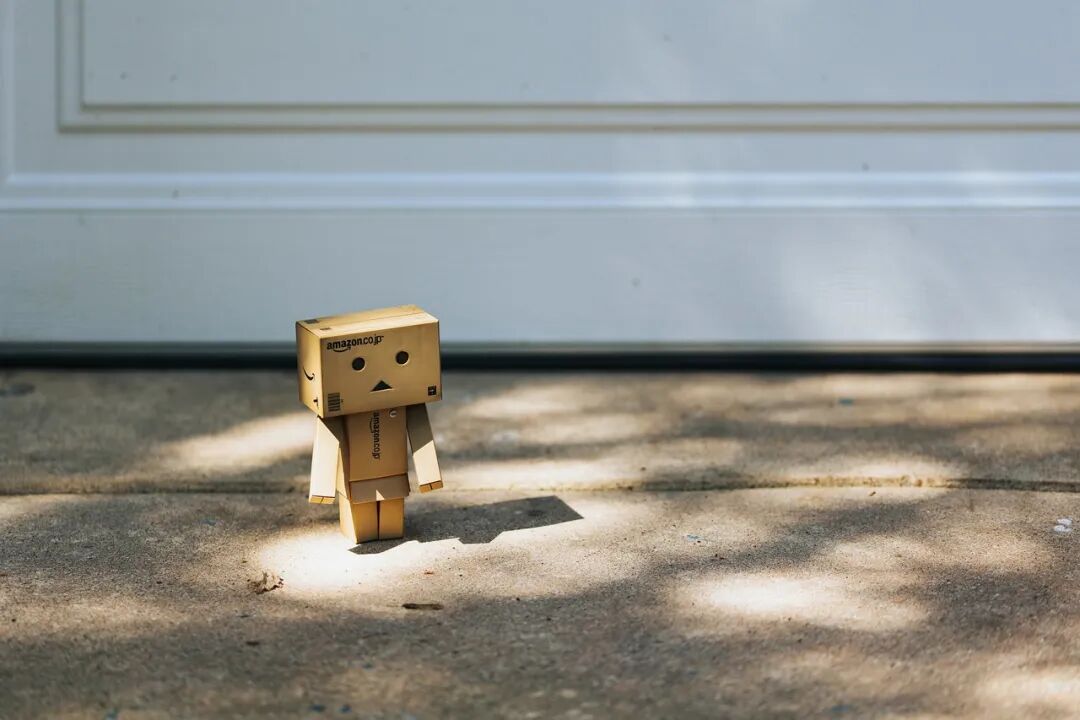
If the first generation of smart toys was merely “talking machines,” the new generation of products has precisely targeted human weaknesses. In the hands of young people, the Ropet warm-belly plush toy mimics the owner’s breathing frequency through biosensors, becoming an “electronic stabilizer” for office workers; the Tom Cat robot embraced by empty-nest elderly not only reminds them to take medication but can also mimic the voices of deceased family members; and when parents pay for the “AI Pleasant Goat” early education machine, they are purchasing not only bilingual teaching functions but also a hidden expectation that their children will “no longer cling to them”.
This evolution has even reshaped the traditional toy industry— a chip the size of a fingernail, the FOLOTOY magic box, can enable an ordinary doll to recite ancient poems and explain programming concepts, with a repurchase rate of 67% for these “toy brains” on the group buying lists of Douyin moms.
Interestingly, a certain customizable humanoid doll, due to its “absolute obedience” characteristic, has given rise to a subculture phenomenon of “safe boyfriends” among urban women.
The Underlying Struggle of the Capital Industry Chain
The Dangers and Temptations of Emotional Dependency
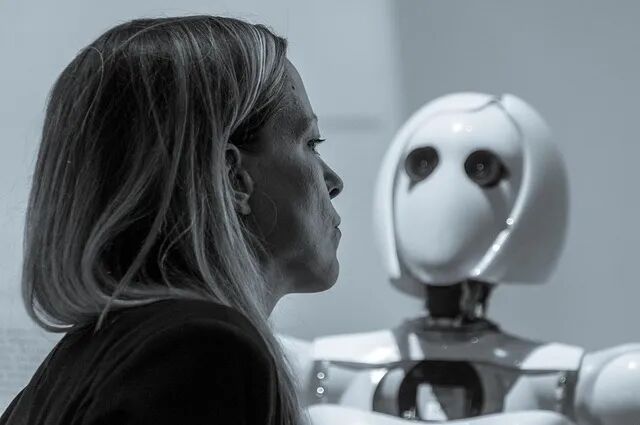
The fervor of the capital market confirms the potential of this transformation: MIT laboratories are developing bionic skin that can simulate body temperature, Japanese nursing homes are using AI seals to delay Alzheimer’s, and Chinese hospitals are quietly implementing AI companionship therapy for children with autism.
However, when toys begin to store user health data and record late-night confessions, risks emerge—one brand was reported to have 1 billion private conversations stored in the cloud, and psychologists warn that “excessive reliance may lead to a decline in real social skills”.
This has given rise to a new business logic: leading companies are building a closed-loop ecosystem of “hardware + emotional subscription services”, with membership services for a certain IP co-branded doll priced at three times the hardware cost; meanwhile, in a regulatory gray area, debates over “AI ethical boundaries” and the ownership of emotional data worth billions have already begun.
The Silicon-Based Warmth Paradox
When a 299 yuan bear can remember all user preferences, and when the algorithms of dolls are better at providing emotional value than humans, we may be witnessing a paradigm shift in companionship relationships. The “perfect partner” empowered by technology alleviates modern loneliness, yet also reflects a certain absurdity—humans have created machines that understand emotions, yet find it increasingly difficult to understand each other.Where will this gentle revolution ultimately lead? The answer may lie in a more fundamental question: when AI understands us better than our loved ones, have humans tamed technology, or has technology tamed humanity?
*The content of this article and previous content from the public account only represents the author’s personal views and does not represent the opinions of any third party that the author is employed by or serves. The third party does not bear any responsibility for this content.
*The content of this article and previous content from the public account is based on objective information and made through personal judgment. Readers who refer to, use, or rely on the above information should independently verify the accuracy, authenticity, and completeness of the information. The author does not bear any form of responsibility for any losses, expenses, or other consequences resulting from readers or any third party using or relying on the above information and/or making business decisions based on it.