Adam created a project called Stixs Radio simply because he found that none of the handheld walkie-talkies he used in recent years could fully meet all his needs.Essentially, this is a handheld radio platform based on Linux (Armbian system) that integrates analog VHF/UHF FM voice, LoRa data networking, and Wi-Fi connectivity. Its design aims to create a modern “smart walkie-talkie” that combines traditional walkie-talkies with modern digital communication technologies.

The entire project is built around the concept of “creating an open platform that can be freely tinkered with”; you can write scripts for it, modify it, develop plugins, or simply use it like a regular walkie-talkie. It is designed for hackability and expandability, which is something many professional walkie-talkie manufacturers lack.
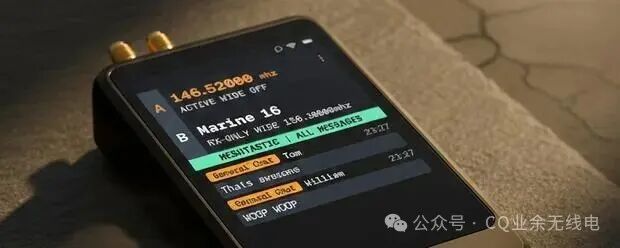
Core features include:
VHF/UHF voice, the main RF section is based on the BK4819 chip, covering VHF (136-174 MHz) and UHF (400-470 MHz) frequency bands, directly controlled by the SoC via SPI, allowing control over frequency, sub-tone, squelch settings, etc.
LoRa Mesh communication uses SX1262 LoRa, enabling text messages and telemetry data between devices, using the Meshtastic Python command line tool.
Encrypted messages, hardware encryption chip, ensuring identity security and communication locking.
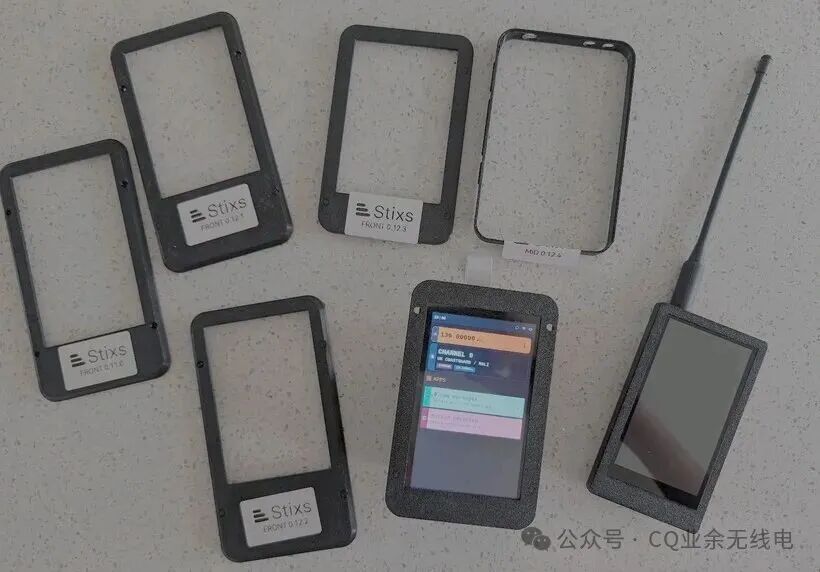
The core system is based on Linux, running the Armbian system, capable of logging, scripting, or automatically sending messages and location data.
Equipped with 512MB DDR3 RAM and 8GB eMMC storage, providing ample space for running background services, logging, and plugin modules.
4.5-inch 480×854 capacitive touchscreen (model KD045FWFIA011-01-C001B), paired with GT911 controller UI, making it easy to manage channels, contacts, and Mesh nodes.
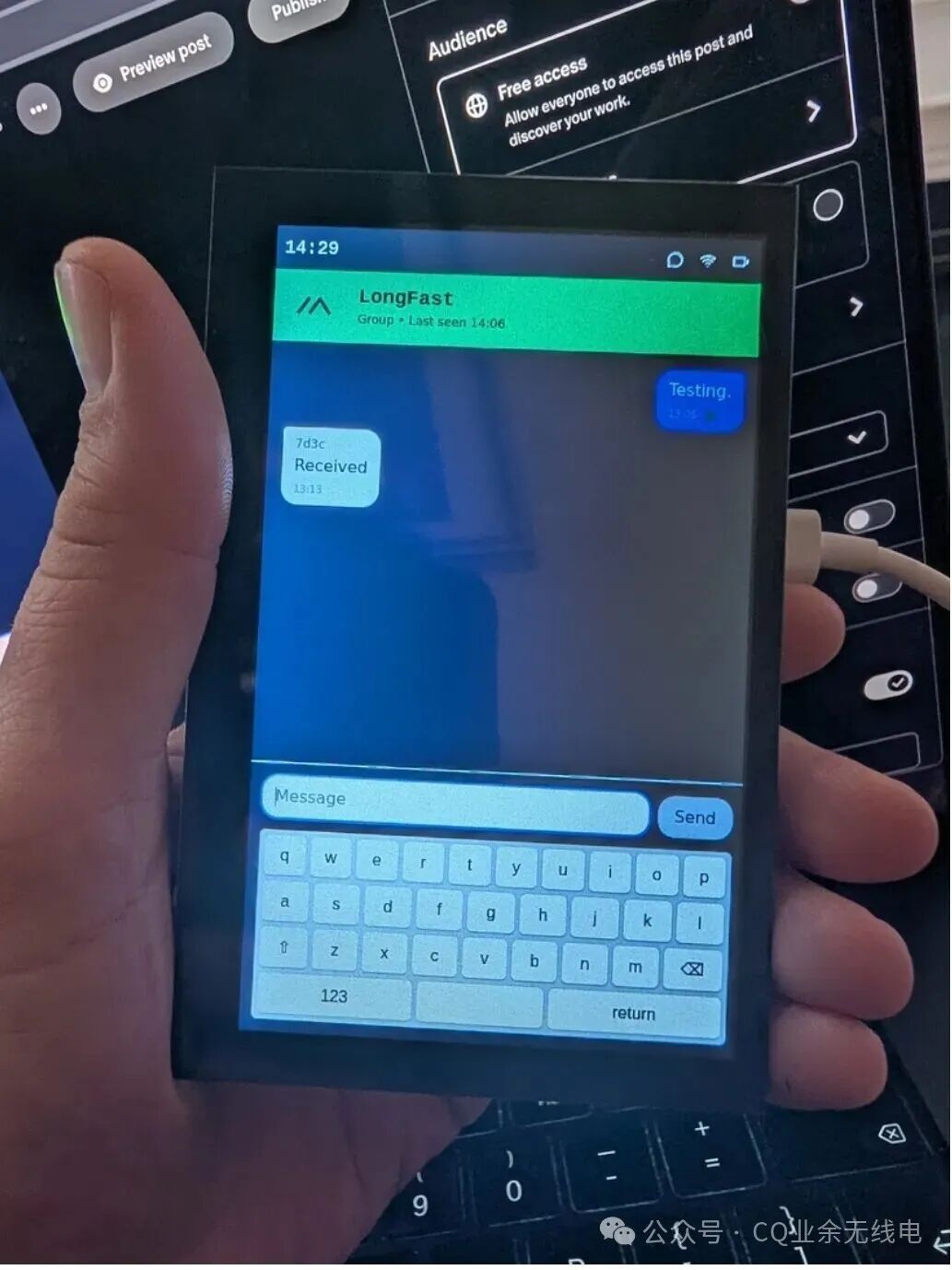
Wi-Fi uses TI CC3301MOD module, allowing the Mesh bridge to connect to the local network, which can be used for updates and downloading third-party packages.
USB-C PD fast charging, can be charged via solar panels or standard USB power sources.
Removable lithium-ion battery, with a battery life of 8-10 hours under mixed usage, can be charged in the field.
Dual antennas, one for LoRa Mesh and one for VHF/UHF analog signals.
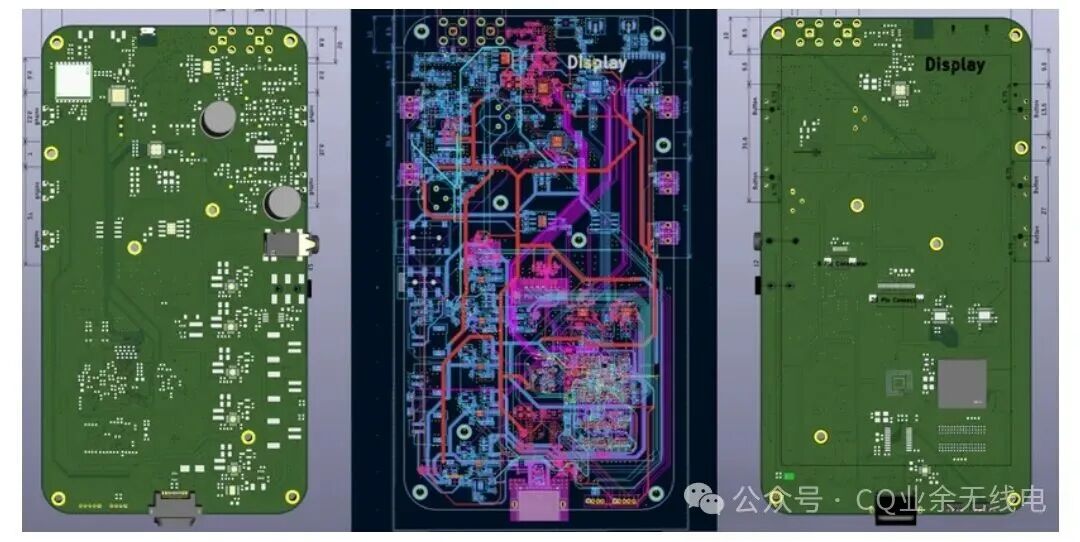
GNSS positioning, incorporates the Quectel L76KBA58 module, capable of providing GNSS positioning data in standard NMEA format and supports fast cold start positioning.
Two MCUs, concerned that the T113-i power consumption is too high, leading to unsatisfactory battery life, a second STM32C011F4P6 microcontroller has now been added (coexisting with the T113-i).
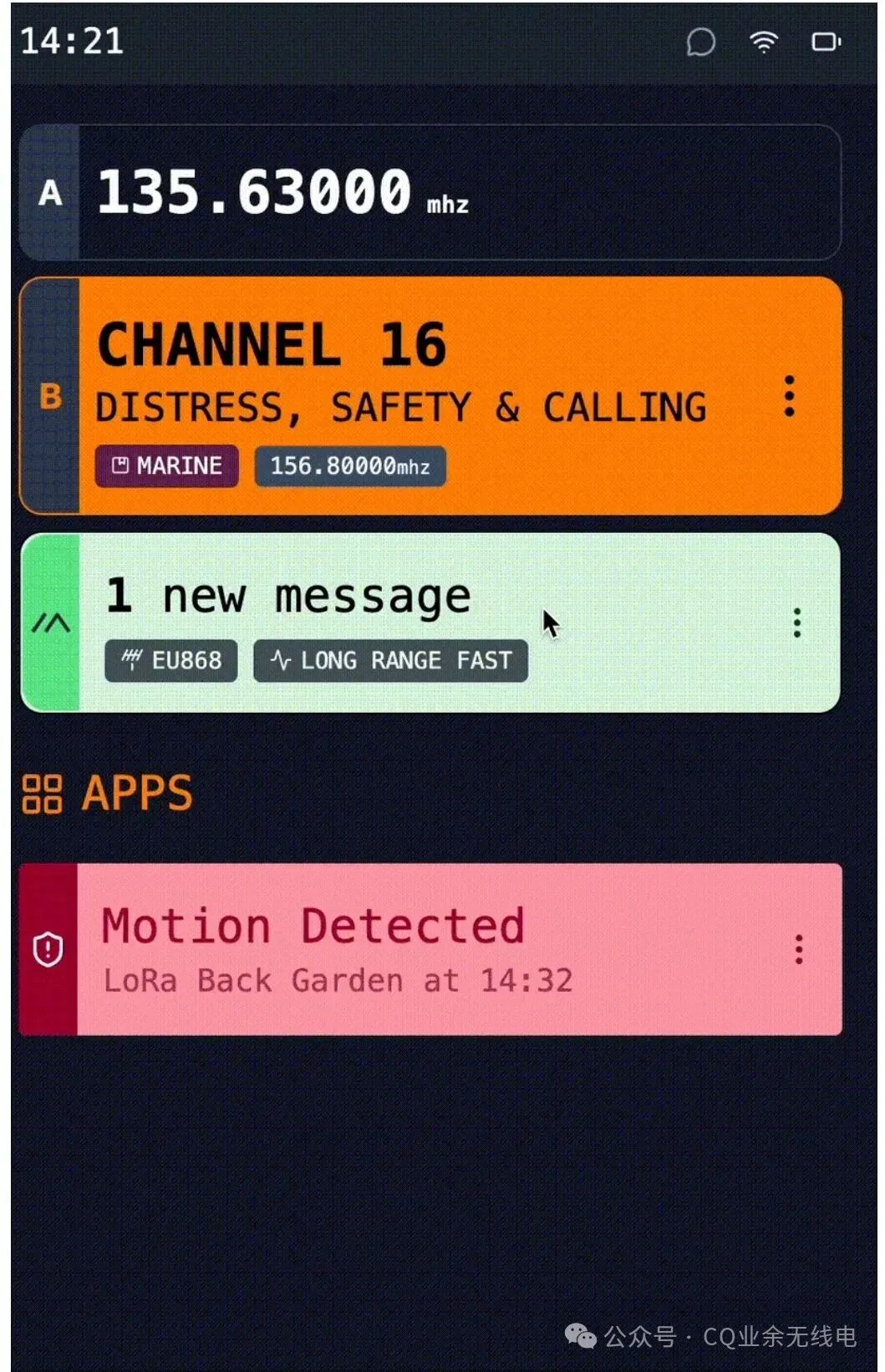
Expected to add packet radio/TNC and APRS messaging capabilities.
Display Meshtastic and APRS maps.
Implement rolling recording and convenient export functions (no microSD card required).
Open remote API/Web UI (already planned).
Support spectrum display.
| Function | Stixs Radio | UV-5R | Anytone DMR | Meshtastic Node |
| Security / Identity | ATECC608A secure element (unique identity, authentication, signing) | No | No | No |
| Firmware Update | OTA updates (via Wi-Fi) | Manual cable flashing | Manual, PC software only | OTA possible, not guaranteed |
| SoC / Processing | Allwinner T113-S4, full Linux, modern user interface | Basic MCU | Basic MCU | ESP32 (limited) |
| Radio Core | BK4819 (VHF/UHF FM) + LoRa mesh networking | Analog FM | Analog + DMR | LoRa only |
| Connectivity | Wi-Fi + USB-C (OTG) | No | USB programming only | BLE, sometimes Wi-Fi |
| Display / User Experience | Color capacitive touchscreen | Mini monochrome LCD | Color LCD (non-touch) | Very few screens / or none at all |
| Programmability | Linux SDK, API, plugin system | No | Modified via CPS | Open-source firmware |
| Compliance Path | Pre-certified Wi-Fi module, clear CE/FCC certification plan | Gray area (many people did not pass CE) | CE/FCC certified | Usually unverified |
| Summary |
Secure, smart device, secure identity, OTA updates, end-to-end encryption |
Cheap amateur radio, inexpensive, analog FM |
Semi-professional amateur radio / commercial, DMR digital voice |
Community DIY, mesh networking, DIY flexibility |