C Language Learning: In-Depth Decoding of the Integer Trap ‘Value Range of Signed Char Variables’

When beginners learn the C language, they generally only remember the description in textbooks regarding char type variables: when declaring or defining this variable, the system allocates 1 byte (1 byte = 8 bits) of memory space for it.01Difference in Value Range Between signed char and unsigned charFor an unsigned char variable, the range of … Read more
Detailed Explanation of Binary Operations (Addition, Subtraction, Multiplication, Division) in FPGA

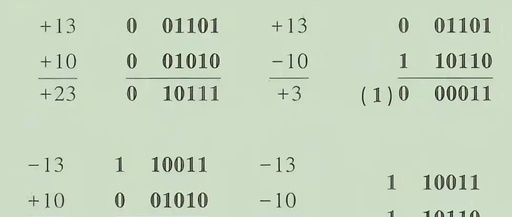
Detailed Explanation of Binary Operations (Addition, Subtraction, Multiplication, Division) in FPGA

In FPGA design, binary operations are one of the most fundamental and commonly used logical operations, with addition, subtraction, multiplication, and division widely applied in digital signal processing, control algorithms, and data computation scenarios. To simplify hardware implementation while accommodating signed operations, FPGAs typically use two’s complement representation for signed numbers. Using two’s complement not … Read more

Fundamental Principles of Base Conversion in Embedded C Language

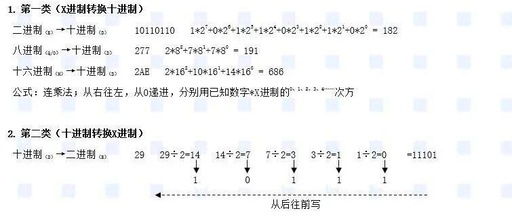
Fundamental Principles of Base Conversion in Embedded C Language

1. Base Conversion Data in computers is typically stored in binary form, but during programming and debugging, we often need to deal with decimal, octal, and hexadecimal systems. Therefore, mastering base conversion is an important part of learning C language. Editor 1.1 Basic Concepts of Number Systems Binary: Base 2, using digits 0 and 1. … Read more