What are HTTP Long Connections and Pipelining Principles? What is Head-of-Line Blocking? How does HTTP/2 Multiplexing Solve Head-of-Line Blocking? What Optimizations Does HTTP/3’s QUIC Protocol Provide?

What are HTTP Long Connections and Pipelining Principles? What is Head-of-Line Blocking? How does HTTP/2 Multiplexing Solve Head-of-Line Blocking? What Optimizations Does HTTP/3's QUIC Protocol Provide?

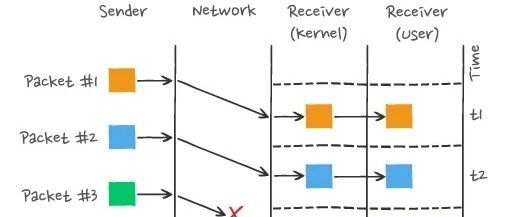
This article belongs to the collection: Interviewing the Interviewer Series For more interview questions, feel free to add the assistant’s WeChat at the end of the article! This article overview includes: What are the main differences between HTTP/1.1 and HTTP/1.0? Can you elaborate on how HTTP long connections are implemented, their advantages, and disadvantages? Can … Read more

Low Power Design in Digital Chips (Part 2)

Low Power Design in Digital Chips (Part 2)

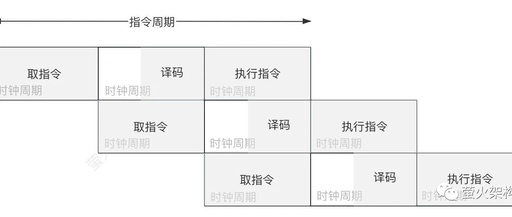
Continuing from the previous article, a typical low power design in digital chips is the addition of a clock gate. Another method is through parallel and pipelining techniques. Parallel and Pipelining The prominent advantage of hardware description languages is the parallelism in instruction execution. Multiple statements can process several signal data in parallel within the … Read more

Four Essential Tools for ASIC Design

Four Essential Tools for ASIC Design

Hello everyone, I am the owner of a WeChat subscription account that spreads second-hand knowledge about digital chip design. Today, I want to share with you the “Four Essential Tools” for ASIC design: Fold, Expand, Retiming, and Resource Sharing. Fold & Expand Fold & Expand, folding and unfolding One clock cycle yields a result, using … Read more