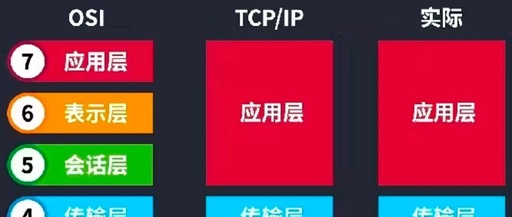
Popular Science: Adaptive Algorithm HTTPS Encryption

Popular Science: Adaptive Algorithm HTTPS Encryption

Last week’s hot topic was the successful acquisition of the IANA (Internet Assigned Numbers Authority) officially assigned number – 4590 for the post-quantum cryptography hybrid algorithm SM2MLKEM768 by the Zero Trust Browser in collaboration with Alibaba Tonglock SSL. Both the Tonglock cryptography open-source project public account and the Zero Trust Cryptography Application Research Institute public … Read more
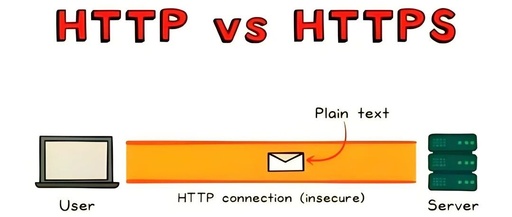

Detailed Explanation of HTTP and HTTPS and Their Core Differences

Detailed Explanation of HTTP and HTTPS and Their Core Differences

In internet communication, HTTP and HTTPS are the core protocols for data transmission between clients (such as browsers) and servers. There are essential differences between the two in terms of security, working principles, and more. Below, we will provide a detailed analysis from the perspectives of concepts, working principles, and core differences. Differences between HTTP … Read more

cpp-httplib: A Minimalist HTTP/HTTPS Server and Client Library in C++

cpp-httplib: A Minimalist HTTP/HTTPS Server and Client Library in C++ cpp-httplib is a header-only C++ library developed by yhirose for quickly creating HTTP/HTTPS servers and clients. It is popular in the C++ community due to its simple API, zero dependencies (only requires the SSL library provided by the operating system), and ease of integration. 1. … Read more

Overview of the HTTP Protocol

HTTP protocol stands for Hyper Text Transfer Protocol, which is the protocol used to transfer hypertext from World Wide Web (WWW) servers to local browsers. HTTP is a protocol based on the TCP/IP communication protocol for transmitting data (HTML files, image files, query results, etc.). The HTTP protocol operates on a client-server architecture. The browser … Read more

Professional HTTP(S) Application Layer Tester: Making Testing More Controllable and Reliable

Professional HTTP(S) Application Layer Tester: Making Testing More Controllable and Reliable

When conducting high-concurrency and high-complexity testing tasks, if the testing tool itself has performance bottlenecks, hidden faults, or uncontrolled resource consumption, it often leads to unreliable results. Therefore, a professional testing instrument must possess the ability to be “self-monitoring”, ensuring that the testing process itself is transparent and controllable. Our HTTP(S) application layer tester is … Read more

This Time We Might Really Say Goodbye to HTTP

This Time We Might Really Say Goodbye to HTTP

Hello everyone, I am ConardLi. On August 16, the official Chromium blog announced that it will attempt to default all website protocols to HTTPS (even if users actively access via HTTP). This experiment has already been initiated in Chrome 115. As you may have noticed, over the past few years, most websites have been transitioning … Read more

HTTP Works, But HTTPS Fails? Learn How to Resolve Your Website’s Encryption Crisis in Three Minutes!

HTTP Works, But HTTPS Fails? Learn How to Resolve Your Website's Encryption Crisis in Three Minutes!

The door is open, but you can’t get in? Your website may be facing HTTPS blockage! Hello everyone, I am the technical steward of the Di Ping Wang style! Recently, many friends have reported: “Why can my website open with HTTP, but it fails with HTTPS?” Don’t panic! Today, I will guide you to the … Read more

HTTP vs HTTPS: Unveiling the Key Differences in Network Security You Might Not Know

HTTP vs HTTPS: Unveiling the Key Differences in Network Security You Might Not Know

1. Introduction to HTTP and HTTPS HTTP (HyperText Transfer Protocol) is a stateless communication protocol commonly used for transmitting hypertext (such as HTML pages) between clients (like browsers) and servers. However, it is merely a one-way communication protocol, and data is not encrypted during transmission, making it susceptible to man-in-the-middle attacks. Stateless means it cannot … Read more

How Should Interface Testing Engineers Learn HTTP/HTTPS Protocols? (Part 19)

How Should Interface Testing Engineers Learn HTTP/HTTPS Protocols? (Part 19)

To become a qualified interface testing engineer, the study of HTTP/HTTPS protocols must combine “theory + practical application”, which means understanding the essence of the protocol and applying it to real interface testing scenarios (such as request validation, response assertions, and troubleshooting). At the same time, the OSI seven-layer network model is the foundation for … Read more