The Significance of Low Background Noise in Oscilloscope for High-Speed Eye Diagram Testing
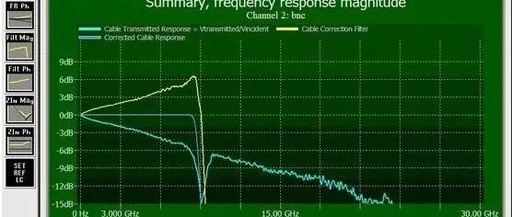
The Significance of Low Background Noise in Oscilloscope for High-Speed Eye Diagram Testing

Traditionally, we have a profound understanding of the importance of four conventional indicators of oscilloscopes, such as bandwidth, sampling rate, storage, and triggering. This article will explore the impact of the oscilloscope’s background noise on the debugging and testing of high-speed serial signal eye diagrams. First, let’s take a look at where the oscilloscope’s background … Read more
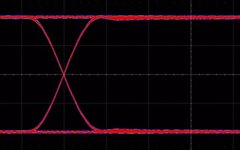
How Engineers Set Up Eye Diagrams in Oscilloscopes

In high-speed digital circuit debugging, many engineers utilize eye diagram analysis to assess signal integrity. By capturing eye diagrams with an oscilloscope, engineers can intuitively evaluate key metrics such as inter-symbol interference and noise margin. This article discusses the setup of eye diagrams using mainstream oscilloscopes like Tektronix. 1. Hardware Connection and Basic Setup ① … Read more

Understanding Eye Diagram Testing

Understanding Eye Diagram Testing

An eye diagram, as the name suggests, is a graphical representation that resembles an eye. How is it formed? This brings us to the persistence mode of an oscilloscope. The refresh rate of our naked eyes is only 60Hz, which sometimes makes it difficult to detect occasional abnormal signals. The persistence mode can superimpose and … Read more