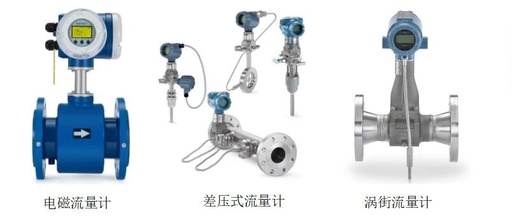
7.3.3 Flow Sensors

7.3.3 Flow Sensors

7.3.3 Flow Sensors (1) Concept A flow sensor is a device that measures the flow rate (instantaneous flow), cumulative flow, or both of fluids (including liquids, gases, steam, etc.). It converts the flow information of the fluid into usable output signals (such as current, voltage, digital signals, etc.) for the display, recording, and control of … Read more
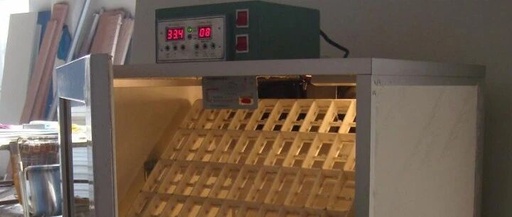
Guide to Selecting Temperature and Humidity Sensors for Incubators

Guide to Selecting Temperature and Humidity Sensors for Incubators

Selecting the appropriate temperature and humidity sensor for an incubator is a crucial step for successful hatching, directly affecting embryo development and hatchability. A good sensor should possess high precision, high stability, and good durability. Below, I will provide a comprehensive selection guide covering core parameters, the pros and cons of different types of sensors, … Read more

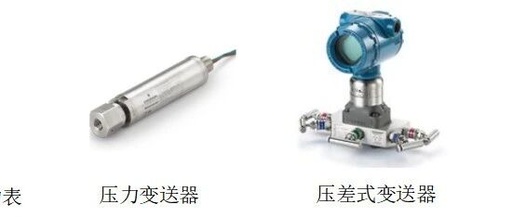
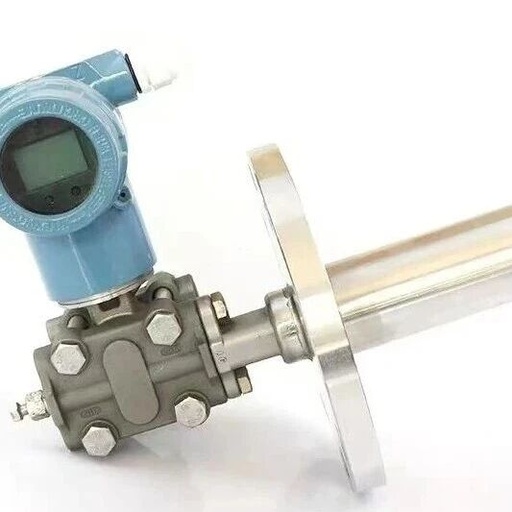
Unveiling the LFM110 Differential Pressure Transmitter: Easy Micro-Pressure Measurement!

Unveiling the LFM110 Differential Pressure Transmitter: Easy Micro-Pressure Measurement!

Hey, everyone! Today, let’s talk about the LFM110 differential pressure transmitter, a little gem in the industrial field! Don’t be fooled by its simple appearance; there’s a lot going on inside. We’ll discuss how to easily get started with micro-pressure measurement! First, you need to understand the basic structure of the LFM110 differential pressure transmitter. … Read more

7.3.2 Pressure Sensors

7.3.2 Pressure Sensors

7.3.2 Pressure Sensors (1) Concept A pressure sensor is a device that converts pressure signals (primarily the pressure of gases or liquids) into quantifiable electrical signals. Its working principle involves pressure acting directly or indirectly on the sensor’s pressure-sensitive element (such as piezoresistive, capacitive, or piezoelectric elements), causing changes in the electrical parameters (such as … Read more

Key Considerations for Debugging Ultrasonic Level Meters in Level Sensor Series

Key Considerations for Debugging Ultrasonic Level Meters in Level Sensor Series

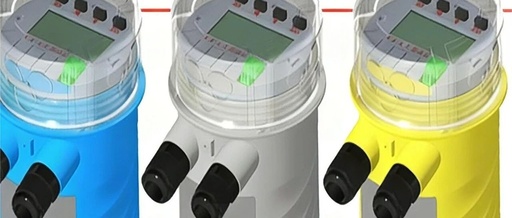
Hello everyone, I am A-Chu. Today, let’s discuss the key considerations for debugging ultrasonic level meters. #Level Sensor is adevice that converts the height of liquid levels into measurable electrical signals, primarily used for real-time monitoring of liquid levels in containers, tanks, or natural environments, providing data support for industrial control and measurement management. #Level … Read more

The Role and Structure of Rotary Variable Transformers

The Role and Structure of Rotary Variable Transformers

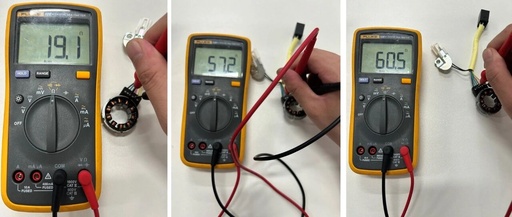
1. The Role of Rotary Variable Transformers A rotary transformer, also known as a rotary variable transformer or angle sensor, is a type of position sensor that can accurately detect the position, direction, and speed of a rotor. It is used to control the direction and speed of drive motors or generators (for energy recovery). … Read more

Common Faults of Temperature Sensors and Their Solutions

Common Faults of Temperature Sensors and Their Solutions

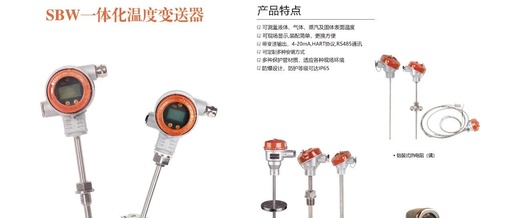
Currently, temperature sensors are increasingly used in various fields, and it is inevitable that problems will arise during their use. Generally speaking, faults in temperature sensors are rare, and these issues can be avoided with careful inspection during manufacturing. Therefore, it is essential to conduct tests before the temperature sensors leave the factory, and customers … Read more

Considerations and Analysis of Non-Weight Calibration Applications for Weighing Sensors in Industrial Scales

In the field of industrial weighing, truck scales serve as critical measurement devices, and their accuracy directly impacts core processes such as trade settlement and production control. The non-weight calibration technology, which eliminates the need to handle heavy standard weights, saves time and labor costs, and has been widely applied in certain scenarios. However, potential … Read more

How to Use Multiple High-Resolution ADCs to Enhance the Dynamic Range of Measurement Systems? (YUNSWJ Simulation Version)

How to Use Multiple High-Resolution ADCs to Enhance the Dynamic Range of Measurement Systems? (YUNSWJ Simulation Version)

This is a short paper. It is not recommended to do this in practice, but it is theoretically acceptable. The reason is that the dynamic range is not 1+1=2, but rather <2. Moreover, in 2025, the performance of devices has improved significantly; the simpler, the better. Complex signal chains do not provide much performance improvement … Read more