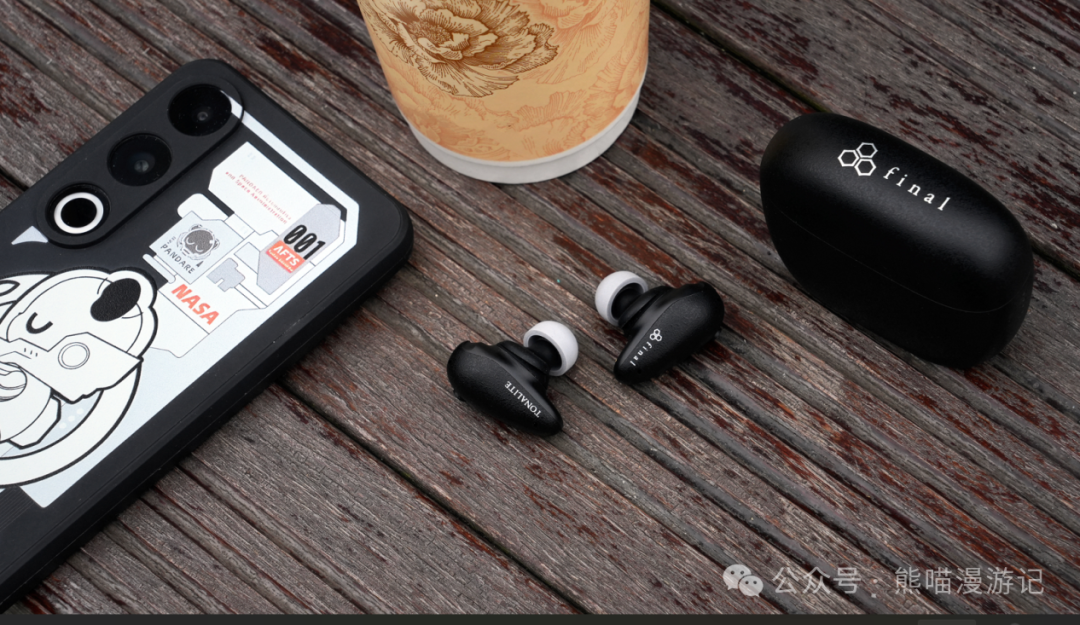
Revolutionary Sound Quality Bluetooth Headphones Debut
Final recently launched the revolutionary wireless Bluetooth noise-canceling headphonesTONALITE. Why do we call it a revolutionary Bluetooth headset? Because it breaks through the almost zero distortion high-definition sound quality experience in the Bluetooth headphone field, with distortion parameters comparable to the A10000 wired headphones priced at ten thousand yuan, allowing Bluetooth headphones to achieve high-definition natural sound without relying on wired HiFi hardware systems. Even with Bluetooth headphones, one can enjoy “true HiFi sound quality.”
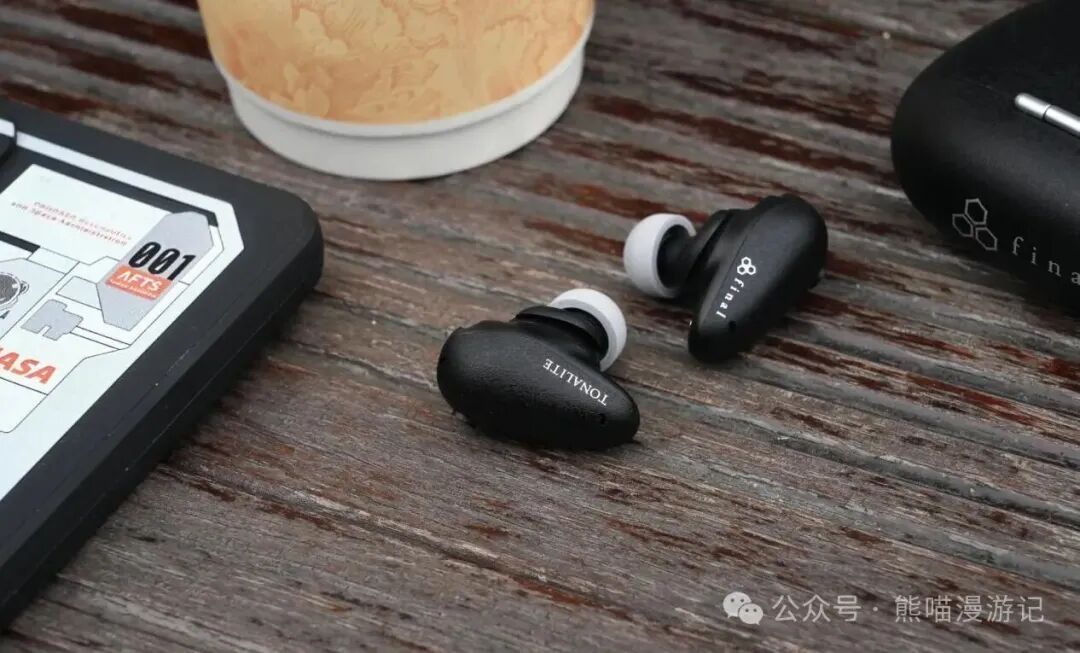
Enhancing Sound Quality with More Scientific Technology
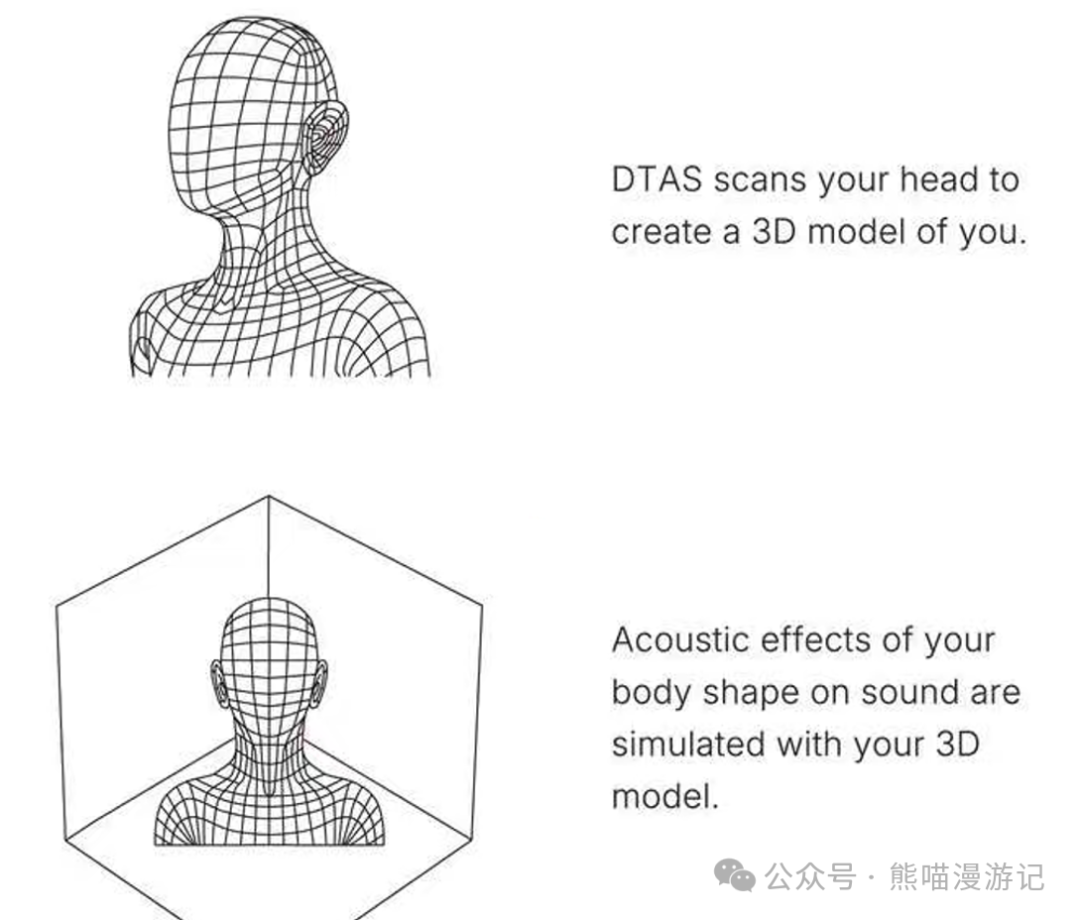
TONALITE also supports Final’s newly developed D.T.A.S. digital mapping audio simulation technology, rather than EQ tuning and spatial sound effects. This is a revolutionary technology that scans the user’s head/ear to create a 3D head model via an app, and then generates a corresponding target curve based on the scan data, making the listening experience more realistic and natural. Since everyone’s head and ear structure is completely different, this technology can effectively eliminate reflection errors, occlusion deviations, and other inaccuracies through scan data, significantly improving the sound experience and making it more immersive. Later, we will discuss how this technology differs from the factory default sound style, and the difference in listening experience is quite significant.
Additionally, TONALITE is equipped with Final’s latest f-CORE for DTAS dynamic driver system, which consists of both active and passive components, derived from the technology of Final’s flagship HiFi wired headphones, enhancing its sound quality performance. From the technical development to the hardware configuration, it is evident that TONALITE has a significant gap compared to traditional Bluetooth headphones, making it very friendly for audiophiles who desire TWS headphones that can rival wired HiFi sound quality. This is also the core reason why I decided to review this headset. I have been using the TONALITE demo unit for some time now, and it’s time to discuss its specific performance in depth, including the sound quality that everyone is very concerned about, and what differences the D.T.A.S. digital mapping audio simulation technology brings to the listening experience. This article will provide detailed explanations.
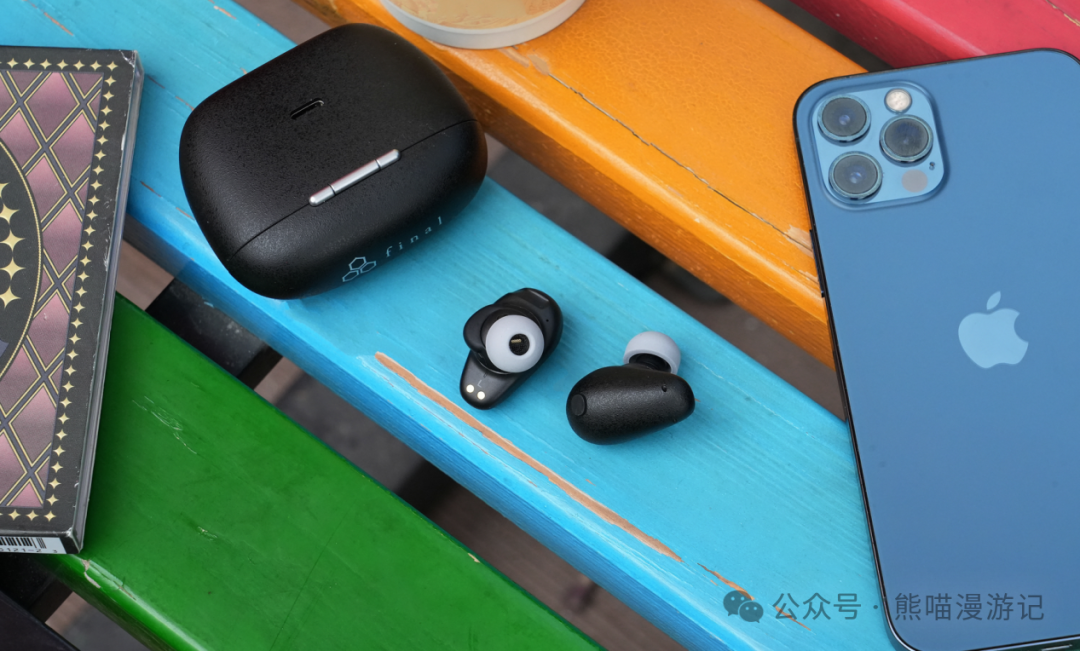
As a flagship TWS product, Final has equipped TONALITE with the flagship AB1585 Bluetooth chip, which enhances computing power threefold compared to the previous Bluetooth chip and supports the latest Bluetooth 6.0 protocol. In my daily use of TONALITE, I have never experienced a complete Bluetooth signal disconnection, even in areas with strong signal interference, any momentary disconnection is quickly restored, and the Bluetooth signal does not completely drop. In areas without strong signal interference, the Bluetooth connection of TONALITE is very stable and does not disconnect.
TONALITE supports SBC, AAC, and LDAC audio codecs, and I highly recommend using the LDAC audio codec, which supports 24bit/96kHz lossless transmission for superior sound quality performance.
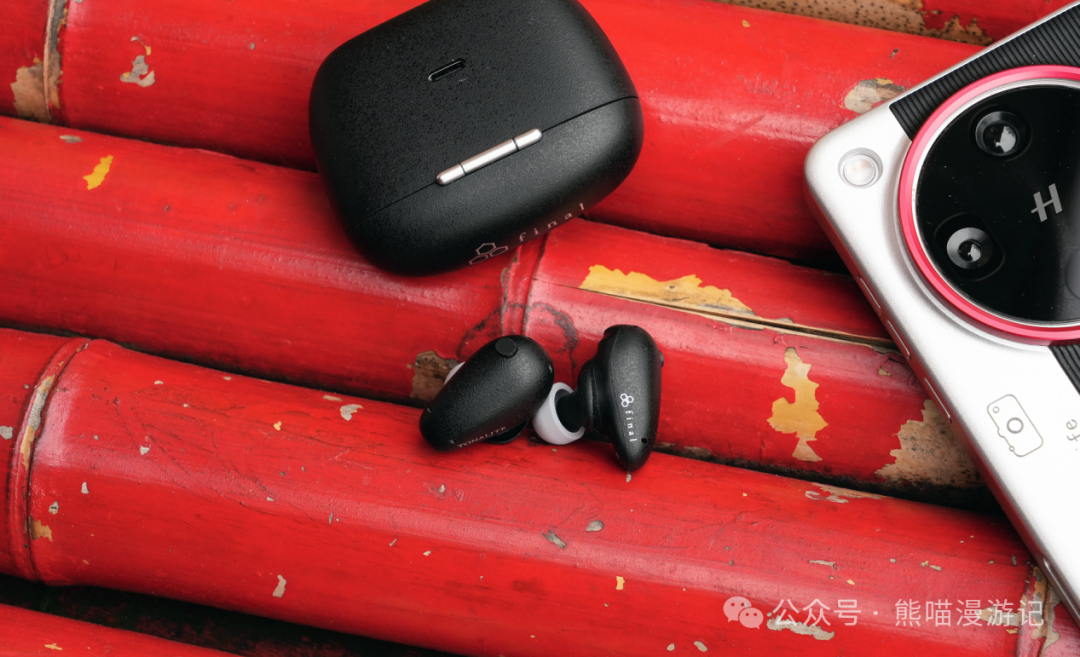
Final has also invested a lot of effort into the noise-canceling performance of TONALITE, equipping the headphones with a flagship noise-canceling chip developed in deep collaboration with Sony. Each earphone is equipped with a four-microphone collection/communication system, including three Infineon IM73A135 MEMS microphones and one microphone for calls, achieving a flagship-level noise-canceling hardware system.
Final has also provided TONALITE with a newly developed Final Fusion-G passive noise-canceling ear tips, which further enhance the isolation of external noise on a physical level. This new type of ear tip has also been tested to enhance the stability of the fit, making it less likely to fall out even during vigorous head movements, and the lightweight design makes it stable and comfortable to wear.
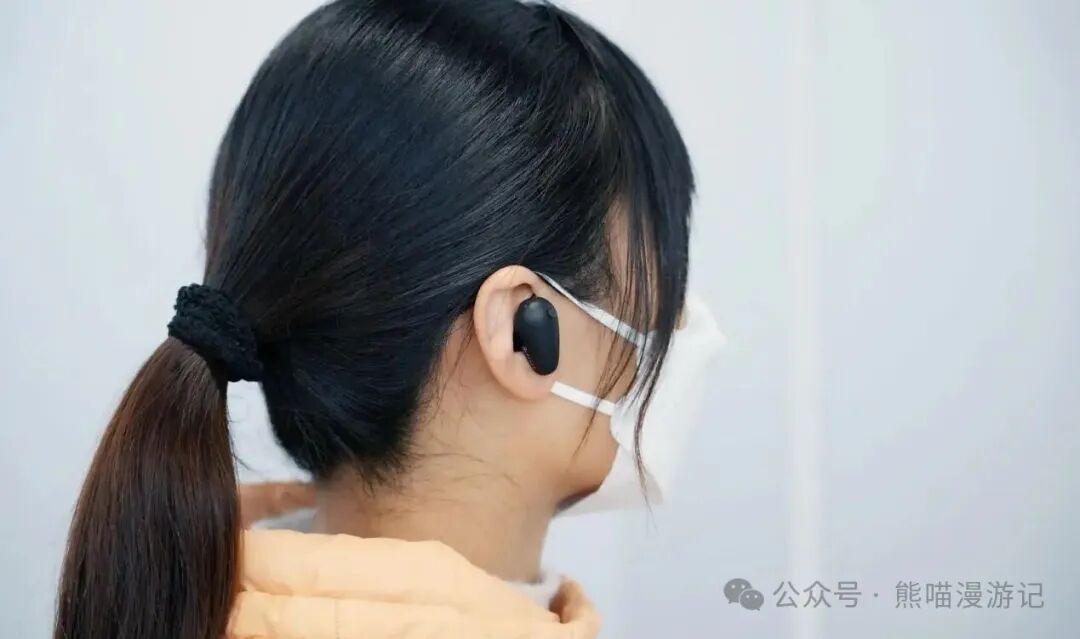
When I activated deep noise cancellation on the TONALITE through the app, its ability to block external noise surpassed any previous in-ear Bluetooth noise-canceling headphones from Final. Even when compared to some Bluetooth headphones on the market that emphasize noise-canceling performance, it does not fall short.
I tested that after activating deep noise cancellation on the TONALITE, it can block out most of the noise, and I no longer have to worry about Bluetooth headphones not being able to achieve good sound quality while also having strong noise-canceling performance. By the way, the transparency mode of TONALITE has also improved significantly compared to previous models; when activated, the surrounding sounds are much clearer.
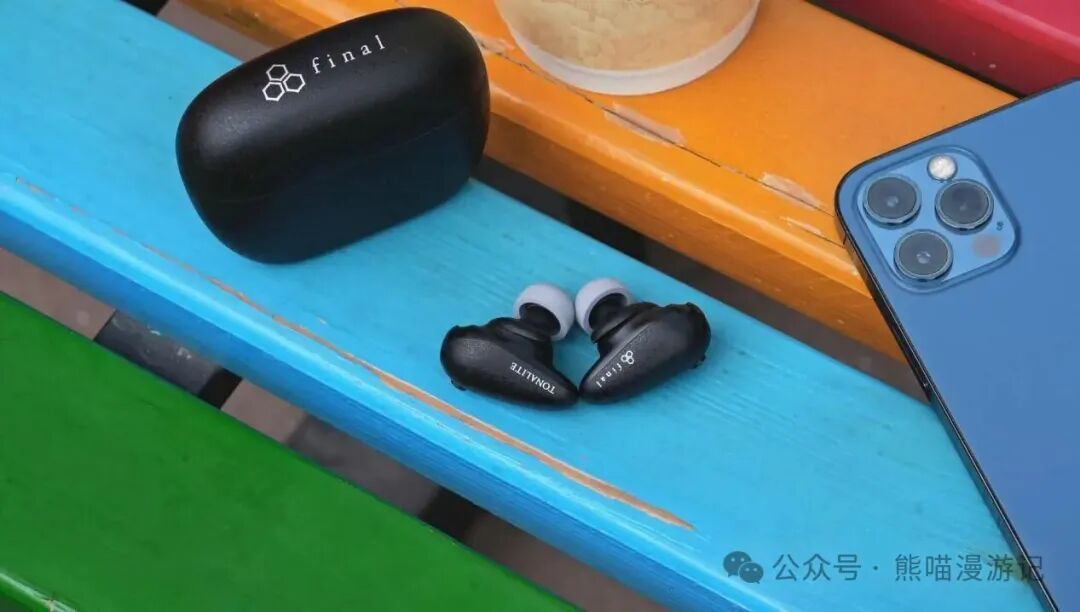
TONALITE offers about 9 hours of battery life per earphone, and approximately 27 hours with the charging case. In my daily use, I did not feel that the TONALITE had a rapid battery drain issue, even when the noise cancellation function was continuously activated.
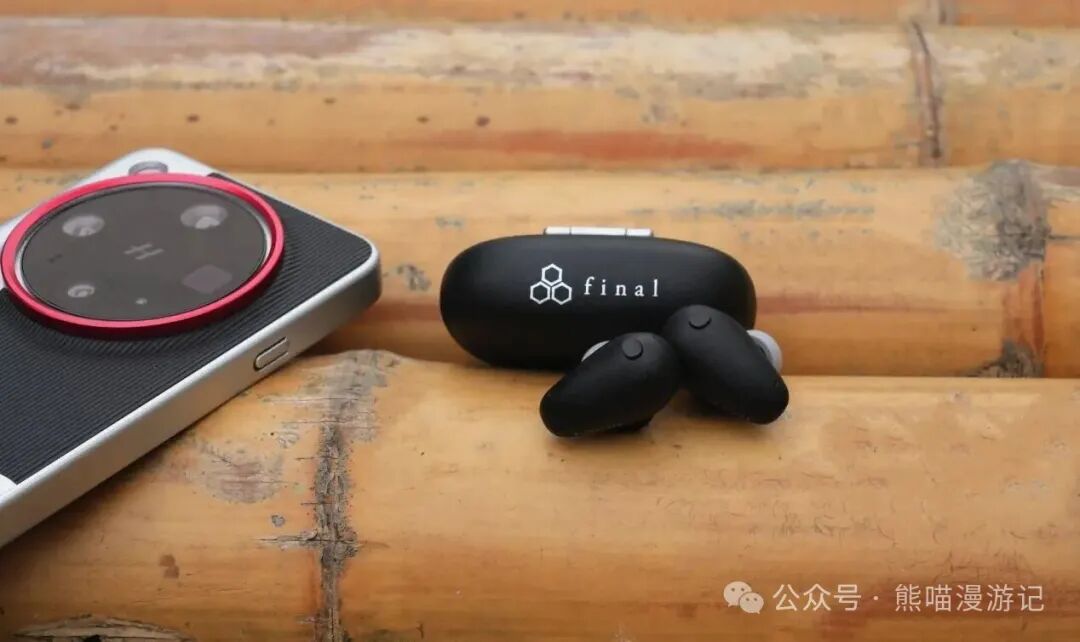
Final has created a brand new app for TONALITE, supporting firmware upgrades, button function settings, EQ customization, noise cancellation depth settings, ambient sound activation, and D.T.A.S. digital mapping audio simulation technology scanning and matching functions. The app has been tested to be stable and user-friendly without lag.
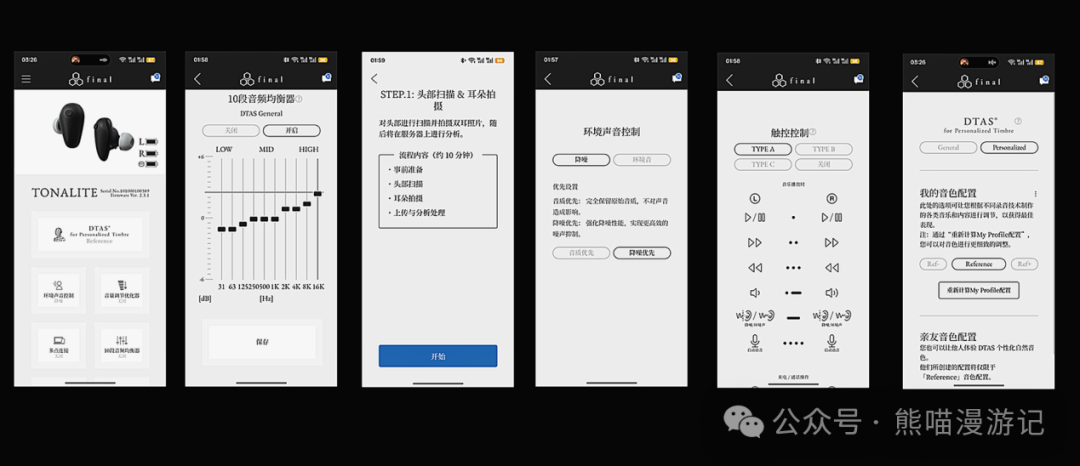
Since TONALITE supports D.T.A.S. digital mapping audio simulation technology, the listening experience varies for each user. Therefore, I will discuss the sound experience of TONALITE in its factory default state, under the premise of enabling LDAC audio codec. Later, I will separately discuss the differences in sound experience after setting up the D.T.A.S. digital mapping audio simulation technology compared to the default state of TONALITE.
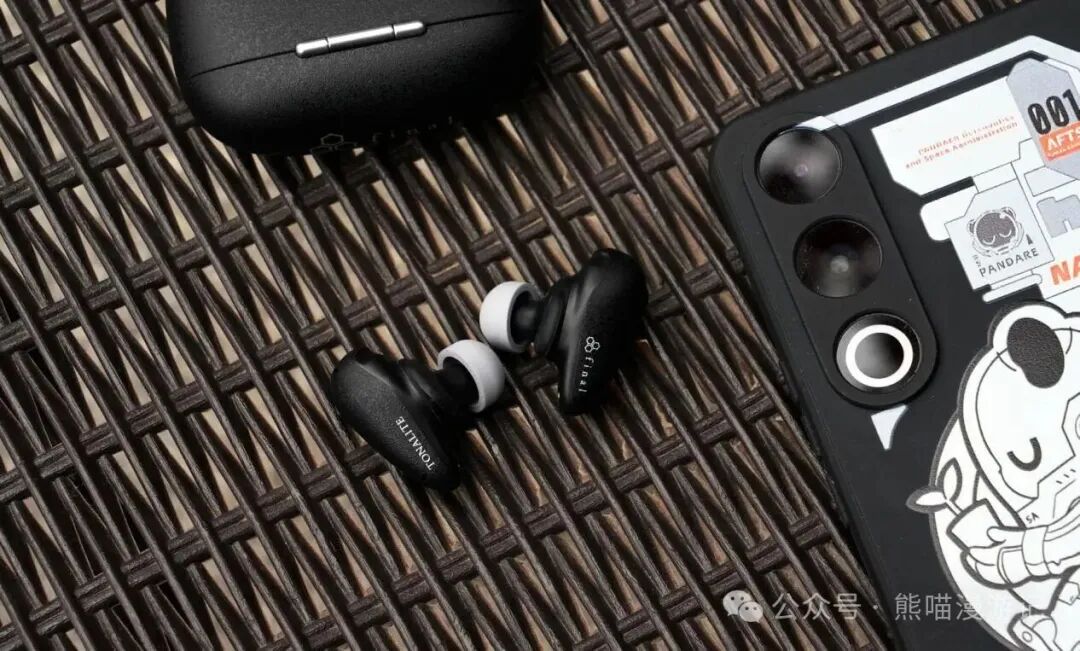
In the factory default state, with LDAC audio codec selected, the soundstage of TONALITE sounds balanced in both horizontal and vertical dimensions, with a very open sound, free from any sense of congestion or pressure, far exceeding the soundstage scale of most Bluetooth headphones.
Unlike many Bluetooth headphones that concentrate various sound parts on a single plane, TONALITE allows listeners to hear sound images appearing in the front, back, left, right, and high-low areas of the soundstage, presenting a 360° surround sound experience. The positioning of sound images can rival the actual direction of instruments played in a band, which is why Final emphasizes that the sound of TONALITE is a realistic and natural listening experience. Just the soundstage alone demonstrates a remarkable reproduction of sound, far surpassing many Bluetooth headphones on the market.
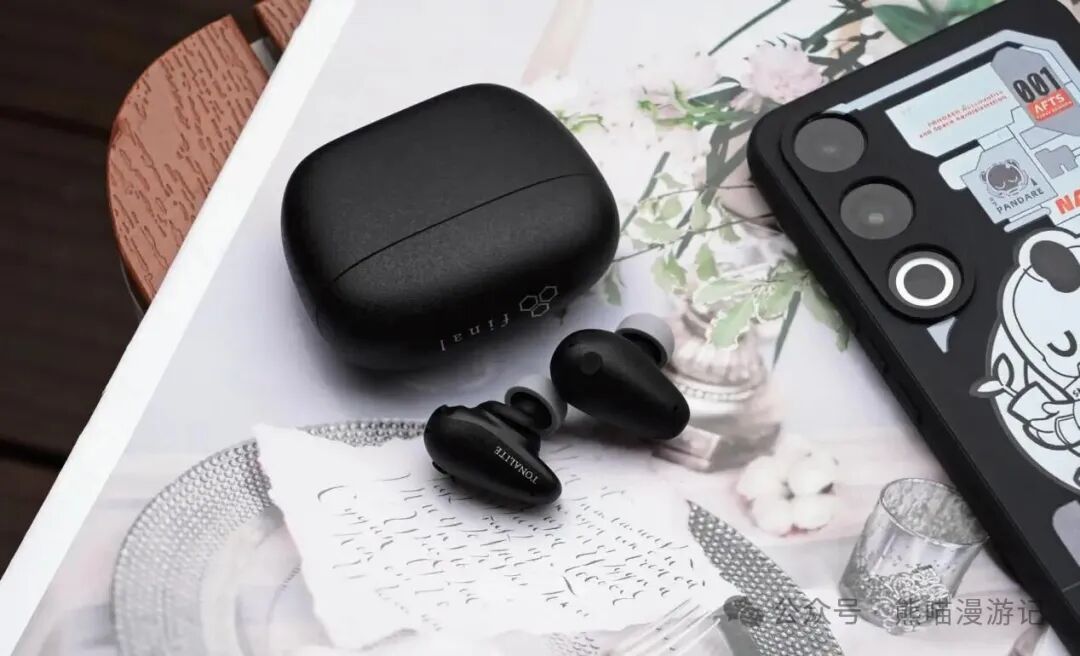
One aspect of the sound experience that I particularly like about TONALITE is that while maintaining a high sound density, the positioning of sound images remains separated and orderly. It allows listeners to enjoy the satisfaction brought by high-density sound without causing the sound images to be compressed together. The spacing between sounds is well-controlled, similar to the experience of most bookshelf speakers, achieving a large soundstage, high sound density, and a high degree of separation.
The tonal quality of instruments is rendered by TONALITE with a realistic and natural sound, accurately reproducing the essence of the piano’s tone with minimal difference from what I hear in reality. It can also express the slightly warm tone of woodwind instruments, ensuring that no matter what instrument is played, the sound does not feel odd, showcasing the inherent beauty of the instrument’s sound.
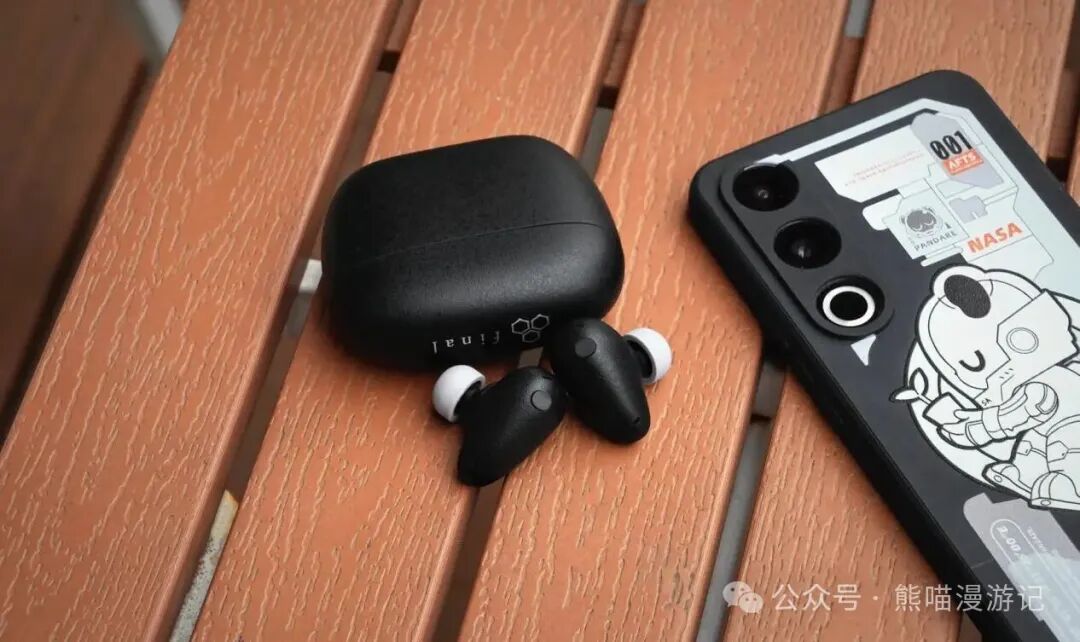
The density of sound images for instruments is also quite accurate with TONALITE, with the sound image of the guqin being solid and clear, completely free from blurriness. The cello presents a slightly thick sound, rich in elasticity, with a full resonance that restores the original tonal charm of the cello.
The extension of high frequencies with TONALITE is smooth and flowing. Although it is not a very extravagant style, it sounds natural and pleasant to listen to. After all, the sound style of this headset aims for natural reproduction and does not deliberately emphasize overly colorful sound. Excessively extravagant highs can lead to a stimulating and less enjoyable listening experience, which is not what TONALITE aims for.
The transient response of instruments with TONALITE is neither soft nor dragging, providing a crisp response to fast-paced songs. The detail resolution of instruments is rich without being harsh, allowing listeners to hear the fullness of the instrument’s reverberation and the resonance of sound particles without becoming muddled or irritating. The resolution of sound information is delicately and naturally controlled by TONALITE.
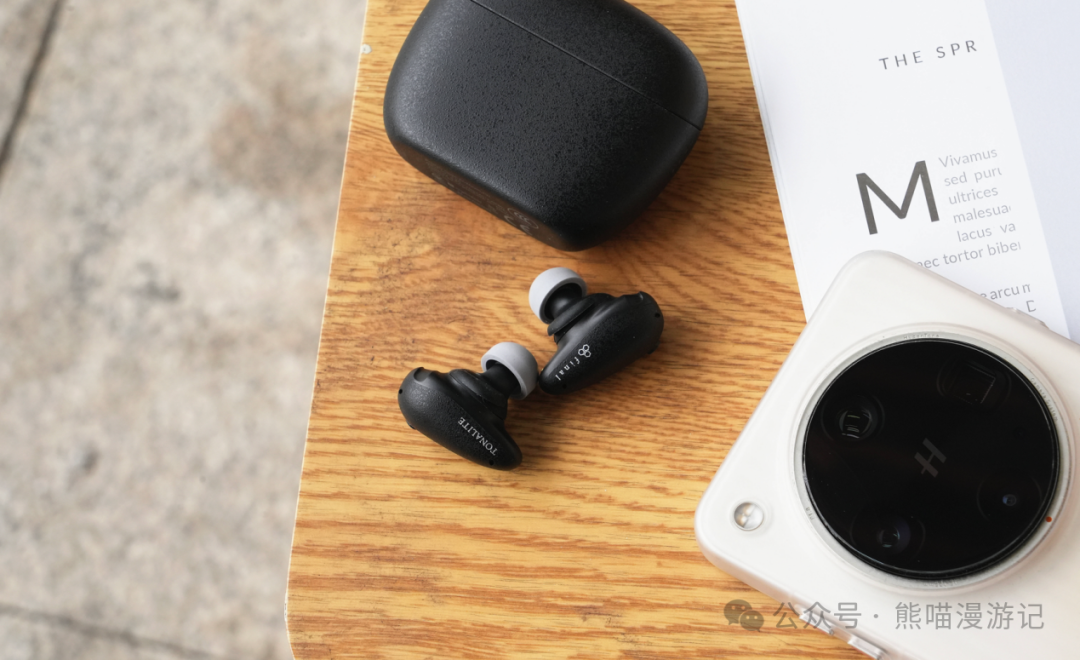
The vocal experience with TONALITE is bright and clear, with a full sound density and well-defined contours, maintaining much of the unique charm of vocal sound in Japanese headphones. It is emotional, slightly warm, and carries a hint of resonance, without overly emphasizing breath details or a thin vocal experience.
The vibrato of the singer’s throat can be clearly perceived with TONALITE, providing a resonant quality that makes listening to singers with a magnetic voice very enjoyable. The presence of sibilance is very slight, in a realistic and natural state, with the volume of sibilance not excessive, making the vocal experience more authentic and natural. After all, it is impossible for a person to sing without any sibilance; some songs or headphone tuning may weaken sibilance information through sound coloring, leading to a less natural vocal sound.
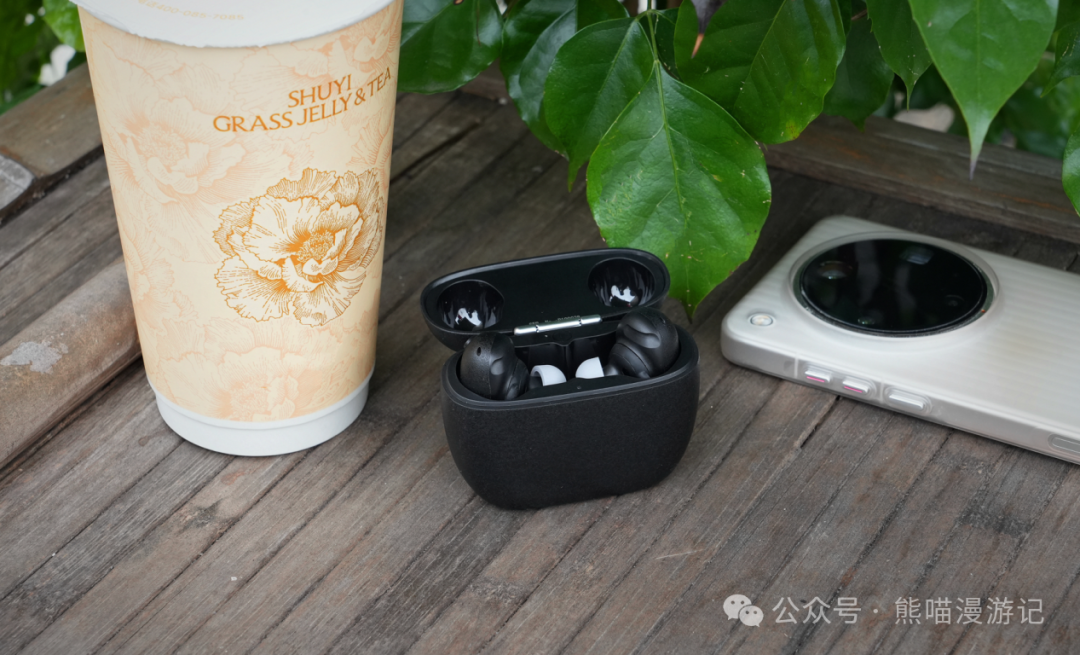
The positioning of vocals with TONALITE is not pushed back; the positioning of vocal images relates to the distance of the singer from the microphone and the actual situation of post-production in the recording studio. Some songs sound like the vocals are close to the ear, while others sound more centered, proving that TONALITE reliably reproduces the authenticity of the sound source, which I find quite good.
The balance between male and female vocals with TONALITE is quite good. Some female singers may sound slightly thin, with sweet tails, while the voice of Tsai Chin becomes a full and delicate experience. Most male singers have rich and delicate voices, and the fact that some female singers sound slightly thin does not cause male voices to also sound thin, proving that TONALITE’s sound reproduction and resolution are indeed impressive. Regardless of which singer is performing, one can appreciate the charm of that singer’s voice.
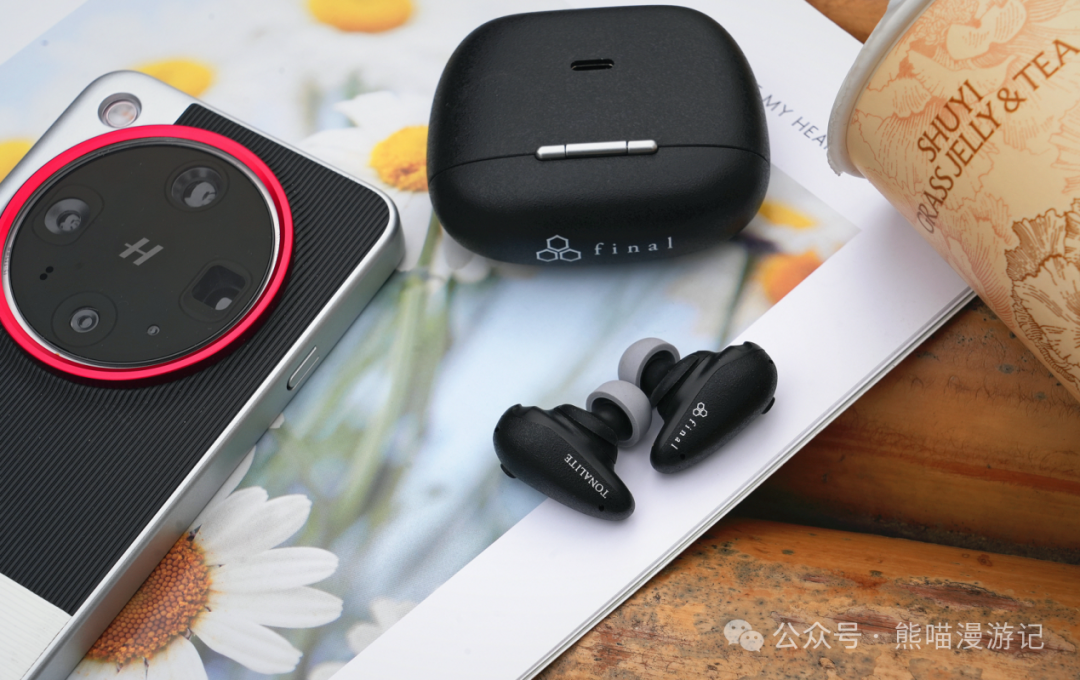
When listening to Hans Zimmer’s composition “F1”, the drum sound experience with TONALITE is passionate and powerful, with a high density of sound images and clear positioning. The bass experience is not muddy. The low frequency does not bleed into the mid-high frequencies, and the separation between the three frequency ranges maintains a good sense of layering, allowing for clear sound image positioning.
This piece sounds like the eardrum is bouncing rapidly, with a crisp rhythmic response, providing both the speed of the bass and the energy explosion when the bass transitions from weak to strong. After listening to this piece, one completely forgets that this is a TWS headset, as it feels like listening to a wired HiFi system. Final has indeed achieved top-notch performance in sound quality for wireless Bluetooth headphones, and I must admit it.
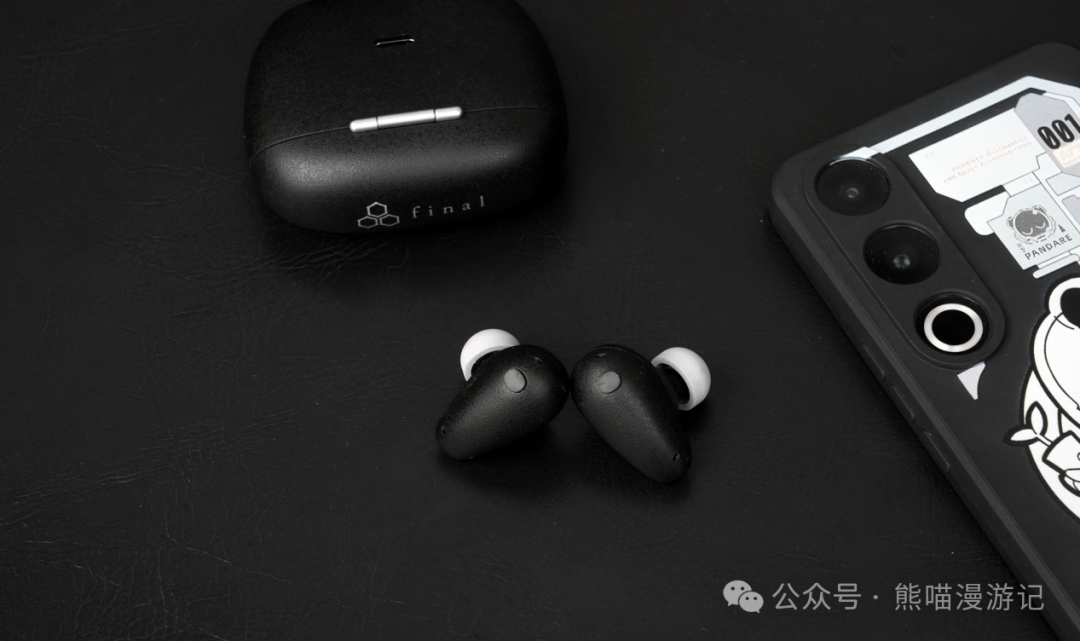
My personal experience with the changes in sound after matching the D.T.A.S. digital mapping audio technology
When I spent nearly 30 minutes using the app to match the D.T.A.S. digital mapping audio technology, something magical happened. The sound experience of TONALITE became completely different from the factory default sound; it became more open, three-dimensional, and relaxed. The music played indoors sounded more immersive, and the positioning of sound images became more organized.
While listening to Paris Match’s “Arthur’s Theme (Best That You Can Do)”, the clarity of the vocal and instrument positioning improved, with more precise and relaxed directionality of the instruments. The positioning of each part within the soundstage became more realistic, natural, and precise, and the quality of the bass was also enhanced. The D.T.A.S. digital mapping audio technology is truly amazing. I highly recommend that you match the D.T.A.S. digital mapping audio technology with your TONALITE. Although it takes nearly 30 minutes, the wait is definitely worth it.
A Transformer of Bluetooth Headphone Sound Quality
TONALITE aims for sound quality enhancement at both hardware and software levels, combined with the revolutionaryD.T.A.S. digital mapping audio technology, making the sound quality performance of TONALITE reach a new height in the Bluetooth headphone field, achieving true HiFi-level high-quality sound experience and high resolution.
Perhaps many audiophiles still hold certain prejudices against Bluetooth headphones, believing that the sound quality performance of Bluetooth headphones cannot be very good. Am I exaggerating? I won’t elaborate too much on this; I just suggest you find a dealer for TONALITE and actually listen to the sound after matching the D.T.A.S. digital mapping audio technology. I believe its excellent sound quality will open the door to a new world for you, and you will be amazed that I was not exaggerating.