Click to follow and unlock more PLC technical knowledge!
Introduction
If we compare an automation system to the human nervous system, then PLC communication is undoubtedly the most complex neural network within it. Every engineer who has dealt with PLCs has pondered late at night, staring at the blinking fault indicator: why is communication always the hardest nut to crack?
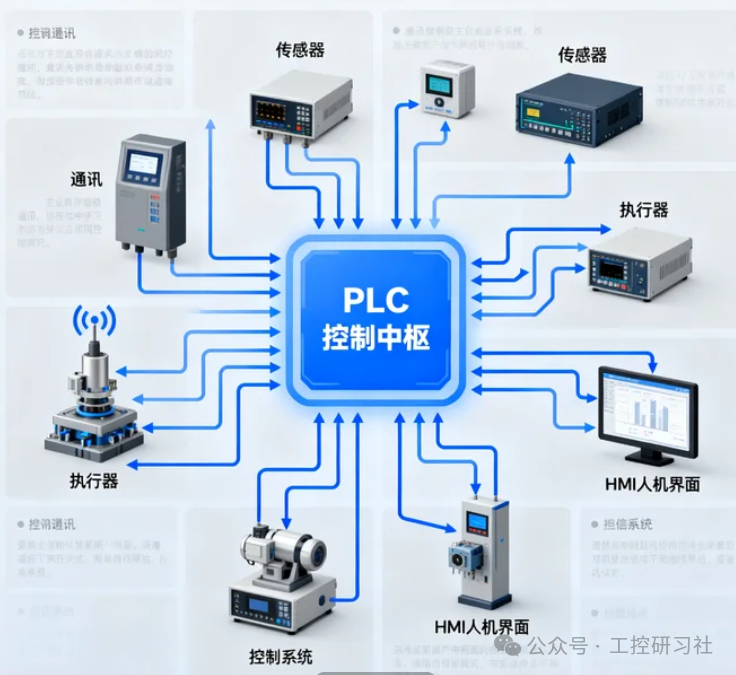 01Hardware Layer: The Invisible Killers
The communication lines are the “highways” of industrial data, but this road is riddled with invisible traps.
Common hazards include:
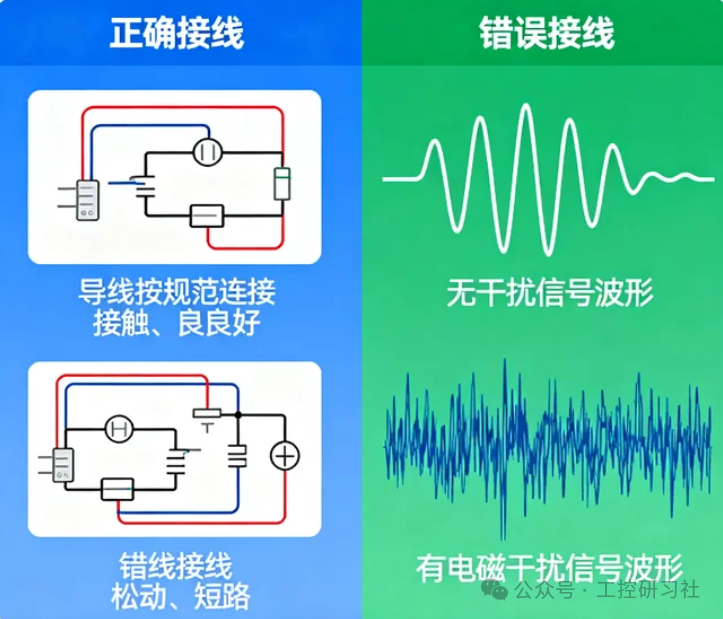
The Art of Wiring: What seems like a simple wiring operation is actually a hiding place for the most faults. Reversed AB phases, floating shielding layers, poor grounding… each mistake is enough to paralyze the entire system.
The Myth of Cables: Ordinary network cables or industrial-grade shielded cables? Improperly selected signal lines are vulnerable to electromagnetic interference.
The Invisible Hand of Interference: Frequency converters, high-power motors, welding machines… these “power consumers” in the industrial field are constantly emitting electromagnetic interference, distorting your data signals.
The most frustrating part is that these issues can be intermittent; they may run normally during the day but suddenly fail at night, making them hard to guard against.
Brain Burn Index: ★★★★★
Solution: Standardized wiring, use of high-quality cables, and a complete grounding system
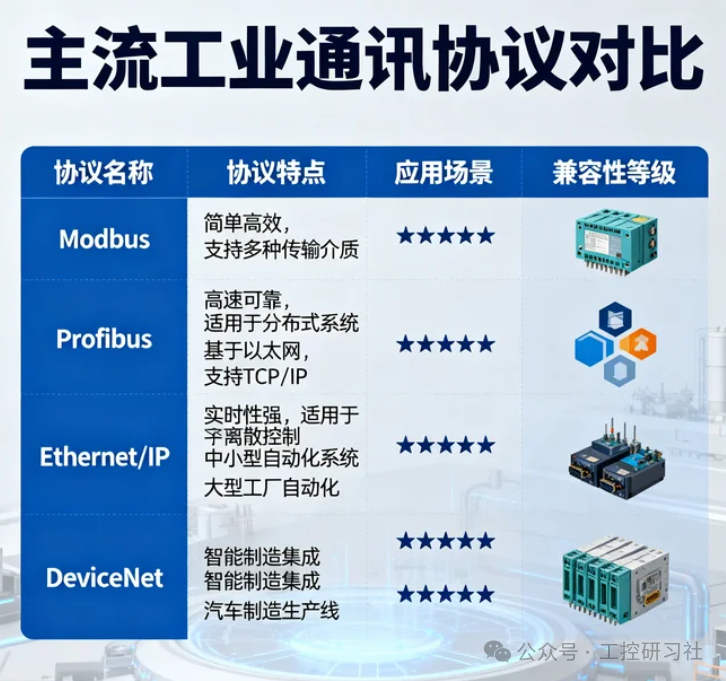
02Protocol Stack: Crossing the Babel Tower of Languages
The industrial sector has never needed “translators” as much as today—because every vendor speaks their own “dialect”.
The protocol dilemma mainly manifests in:
The Walled Garden of Proprietary Protocols: Siemens, Rockwell, Mitsubishi… major manufacturers all have their own protocol standards, creating technical barriers.
Dialect Differences in Standard Protocols: Even universal protocols like Modbus have vastly different implementations across devices.
The Maze of Parameters: IP addresses, station numbers, baud rates, parity bits… dozens of parameters need to match precisely; any error can lead to communication failure.
The debugging process is like solving a puzzle, requiring constant attempts at various parameter combinations until the unique key is found.
Brain Burn Index: ★★★★☆Solution: Thoroughly review technical documentation and use protocol analysis tools
03Data Interaction: When Numbers Start to “Lie”
The most frustrating issue is not communication interruption, but rather when communication is normal but the data “lies”.
Typical data-level issues include:
Misunderstanding Data Types: The PLC sends integers, but the upper computer expects floating-point numbers
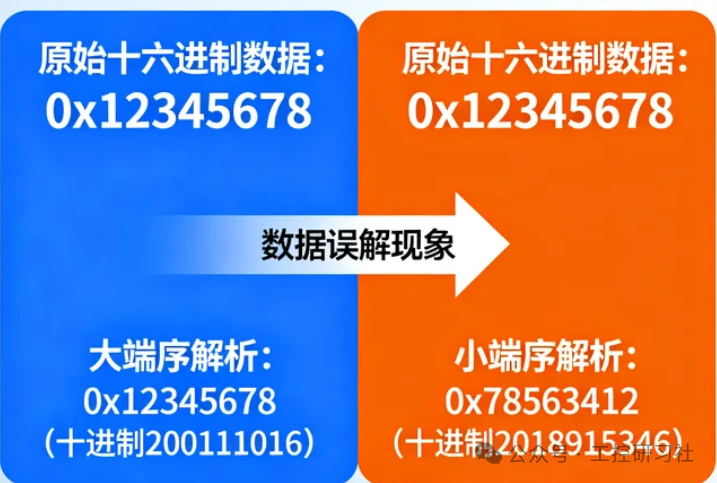
The Puzzle of Byte Order: Differences in big-endian and little-endian storage methods can completely reverse the data
The Trap of Range Conversion: The conversion relationship between raw data and engineering values is overlooked
The Chaos of Address Mapping: Hundreds of variable addresses need to be accurately mapped, which is a huge workload and prone to errors
These issues are extremely subtle because the communication status appears normal, but only the data values are abnormal, requiring engineers to possess Sherlock Holmes-like insight.
Brain Burn Index: ★★★★☆Solution: Data monitoring and comparative analysis, writing test scripts for validation
04Fault Diagnosis: Finding the Truth in the Fog
Diagnosing communication faults is not as intuitive as repairing equipment; it is more like finding a way out in the fog.
Diagnosis challenges include:
Limitations of Tools: The built-in diagnostic functions of PLCs are limited, and professional tools are expensive and complex to operate
Intermittent Faults: The most frustrating type of problem, where faults occur sporadically and are hard to capture
The Challenge of Multi-party Collaboration: PLC engineers, network engineers, and equipment suppliers all have differing opinions, making it hard to define responsibility
The diagnosis process often requires engineers to possess electrical knowledge, network skills, and programming abilities, which is a significant test of comprehensive capability.
Brain Burn Index: ★★★★★Solution: Systematic troubleshooting approach, use of professional diagnostic tools, and establishment of comprehensive documentation
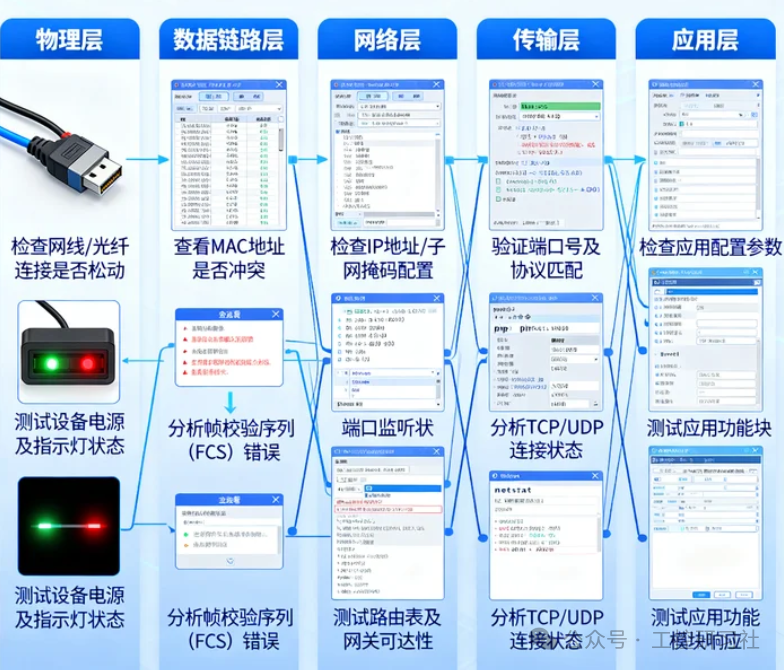
Conclusion: Challenges and Opportunities Coexist
PLC communication debugging is indeed “brain-burning”, but every successful debugging session brings immense satisfaction. With the popularization of next-generation standards like OPC UA, future industrial communication will become more open and standardized.
In this process, engineers need to continuously learn new knowledge and master new tools to remain competitive in this rapidly evolving technological era.
Feel free to share your successful experiences and lessons learned in PLC communication debugging in the comments!

Scan to receive classic PLC cases and source programs for free

 Scan to receiveElectrical/PLC/Frequency Converter Learning Materials
Previous Recommendations
[8-Week Transformation to High Salary] Become a PLC Expert from Scratch! The “Golden Bowl” of Manufacturing Awaits You!
The Journey of Becoming a PLC Engineer with a Monthly Salary of 30K+! A Must-Read for Industrial Control Professionals
400 Pages of Electrical Control PPT + 900+ Practical Circuit Cases, Essential Resource Package for Engineers!
[Animated Learning] 18 PLC Dynamic Demonstrations, Understand Industrial Automation Control from Scratch
37 Animated Diagrams Explaining Sensor Working Principles, Finally Understood!
Come and Challenge! Hundreds of Mechanical Animated Diagrams! Only Experts Can Understand!
S7-200SMART PLC Advanced Applications: Implementing Multiple Calls for Single Button Start/Stop Function
How to Write a Good PLC Alarm Program? A Practical Guide from Beginner to Expert
Siemens PLC Programming Software Selection Guide: A Comprehensive Strategy from 200SMART to 1500
 Share
Share Collect
 View
View Like
Like