Health Score: 100
In today’s digital age, the rapid development of the Internet of Things (IoT) has brought numerous conveniences to our lives. Wireless communication technology plays a crucial role in achieving interconnectivity among various smart devices. Zigbee technology, as a low-power, low-data-rate wireless communication technology, has become the preferred choice for many IoT applications. So, what exactly is Zigbee? This article will provide a detailed introduction to the principles, characteristics, and applications of Zigbee technology, helping everyone better understand the value and potential of this technology.
1. Principles of Zigbee Technology
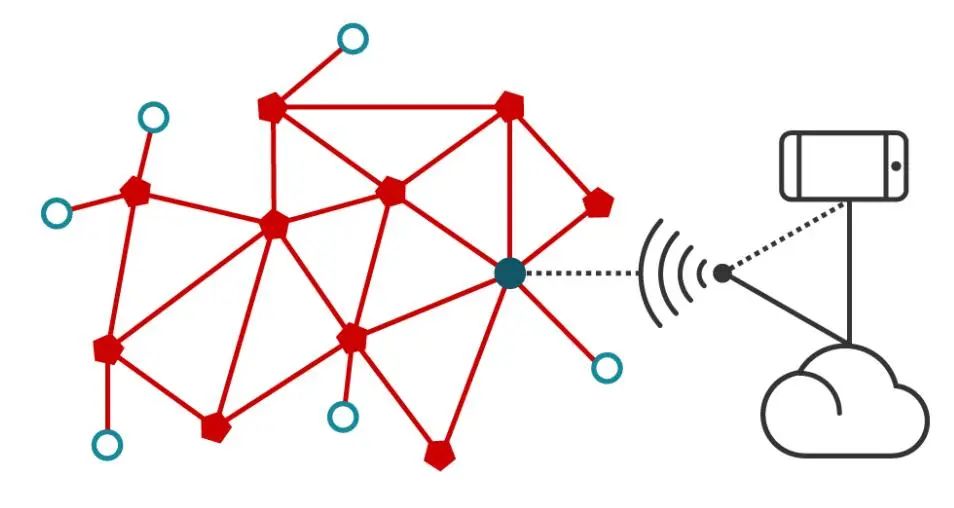
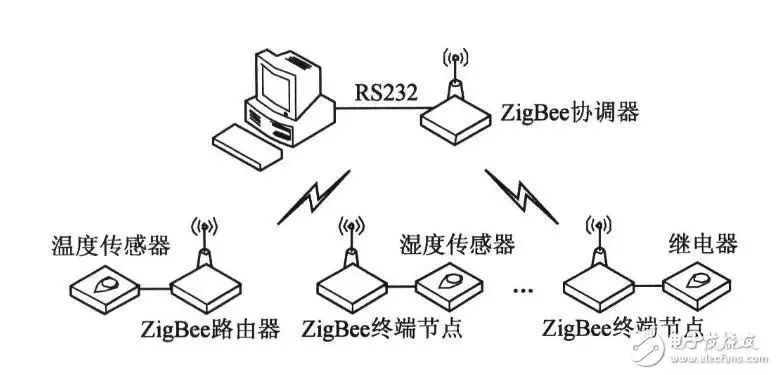
Zigbee technology is a wireless communication protocol based on the IEEE 802.15.4 standard. It employs a low-power, low-data-rate design concept, focusing on short-range, low-complexity wireless communication. A Zigbee network consists of a coordinator (Coordinator) and multiple end devices (End Device), communicating through wireless channels. Zigbee uses a low-power sleep mode, allowing devices to enter a sleep state when not in communication, effectively extending the battery life of end devices.
2. Characteristics of Zigbee Technology
Low Power: Zigbee technology utilizes a low-power design, enabling devices to operate for extended periods, thus prolonging battery life.
Low Data Transmission Rate: Zigbee communication speed is relatively low, making it suitable for applications with low data transmission speed requirements, such as smart homes and industrial automation.
Self-Organizing Network Capability: Zigbee networks can automatically establish and maintain themselves, allowing devices to autonomously coordinate and select routes, resulting in high reliability and flexibility.
Multiple Device Connections: Zigbee networks support multiple devices connecting simultaneously, enabling large-scale device interconnectivity.
Security: Zigbee technology provides various security mechanisms, such as data encryption and authentication, to protect data security during communication.
3. Applications of Zigbee Technology
1. Smart Homes
Smart homes are one of the primary application areas for Zigbee technology. By using Zigbee technology, various smart devices (such as smart lighting, smart sockets, smart locks, etc.) can connect wirelessly and communicate with each other. The low power consumption and self-organizing capability of Zigbee enable smart home devices to operate for long periods and automatically establish stable networks, providing convenient smart control and management functions. Users can remotely control Zigbee devices through smartphones or smart voice assistants, achieving functions like light adjustment, appliance switching, and security monitoring, bringing more convenience to users’ lives.
2. Industrial Automation
Zigbee technology is also widely used in the field of industrial automation. Through Zigbee wireless sensor networks, industrial devices and systems can achieve wireless connections and data transmission for real-time monitoring and control. The low power and low data transmission rate characteristics of Zigbee make it very suitable for transmitting low-frequency data such as environmental parameters and equipment status. In industrial automation, Zigbee technology can be used in energy management, equipment monitoring, and warehouse management, among other areas, improving production efficiency and resource utilization.
3. Smart Healthcare
Zigbee technology is also receiving increasing attention in the field of smart healthcare. By using Zigbee wireless sensor networks, real-time monitoring and data collection of patients can be achieved. For example, Zigbee sensors can be used to monitor physiological parameters such as heart rate, blood pressure, and blood oxygen, and transmit the data to medical institutions’ monitoring systems for analysis and diagnosis. In addition, Zigbee technology can also be applied to remote control and management of medical devices, enhancing the convenience and efficiency of medical services.
4. Logistics and Supply Chain Management
In the field of logistics and supply chain management, Zigbee technology can be used for real-time tracking and monitoring of the location and status of goods. By integrating Zigbee sensors into packaging, monitoring parameters such as temperature, humidity, and vibration of goods can be achieved. This data can be transmitted through Zigbee networks to backend systems for real-time monitoring and management of the logistics process, improving logistics efficiency and the safety of goods.
With the continuous development of the Internet of Things and the increasing demand for intelligence, Zigbee technology has a broad application prospect. Its low power consumption, low data transmission rate, and self-organizing capability make it widely applied, but it also faces more challenges and development opportunities.
 END
END

 Scan to Follow Us
Previous Recommendations
PDF – Basic Skills of Electrical and Electronic Components
Introduction to Basic Principles of PWM Control
What Is HMI? Introduction to HMI Basics
What Role Do Electronic Components Play in Big Data Technology?
Gannan Navel Oranges from Grandma’s House (Free Shipping to Nine Provinces)
What Are the Three Defenses of PCB Boards?
What Kind of Technology Is Big Data?
|
Resource List |
||
|
Serial Number |
Resource Name |
Reply Keywords |
|
1 |
Self-Learning Manual for Motors and Control Circuits |
Motor Self-Learning Manual |
|
2 |
PDF – Learn Mitsubishi FX Series PLC from Scratch |
Mitsubishi PLC |
|
3 |
Siemens Industrial Automation Series TIA Portal – STEP7V11 Programming Guide |
Industrial Automation |
|
4 |
Industrial Robot Technology and Applications |
Industrial Robots |
|
5 |
Illustrated Application of Siemens S7-200 Series PLC in 88 Examples |
2027 |
|
6 |
PDF – Practical Training for Maintenance Electricians |
Advanced Maintenance Electrician |
|
7 |
Electrical Equipment Safety Standards Manual |
1023 |
|
8 |
PCB Design Technology and Practice |
PCB Design Technology and Practice |
Click “View Original” for More