In the vast world of materials science, temperature acts as a silent witness, recording every subtle change in the state of matter. The Differential Scanning Calorimeter (DSC) is a precise detective capable of “reading” the temperature secrets. With its high sensitivity detection and intelligent operation, it has become an indispensable analytical tool in both research and industrial fields. Today, let us delve into the magical world of this instrument and explore the scientific charm behind it.
What is a Differential Scanning Calorimeter?
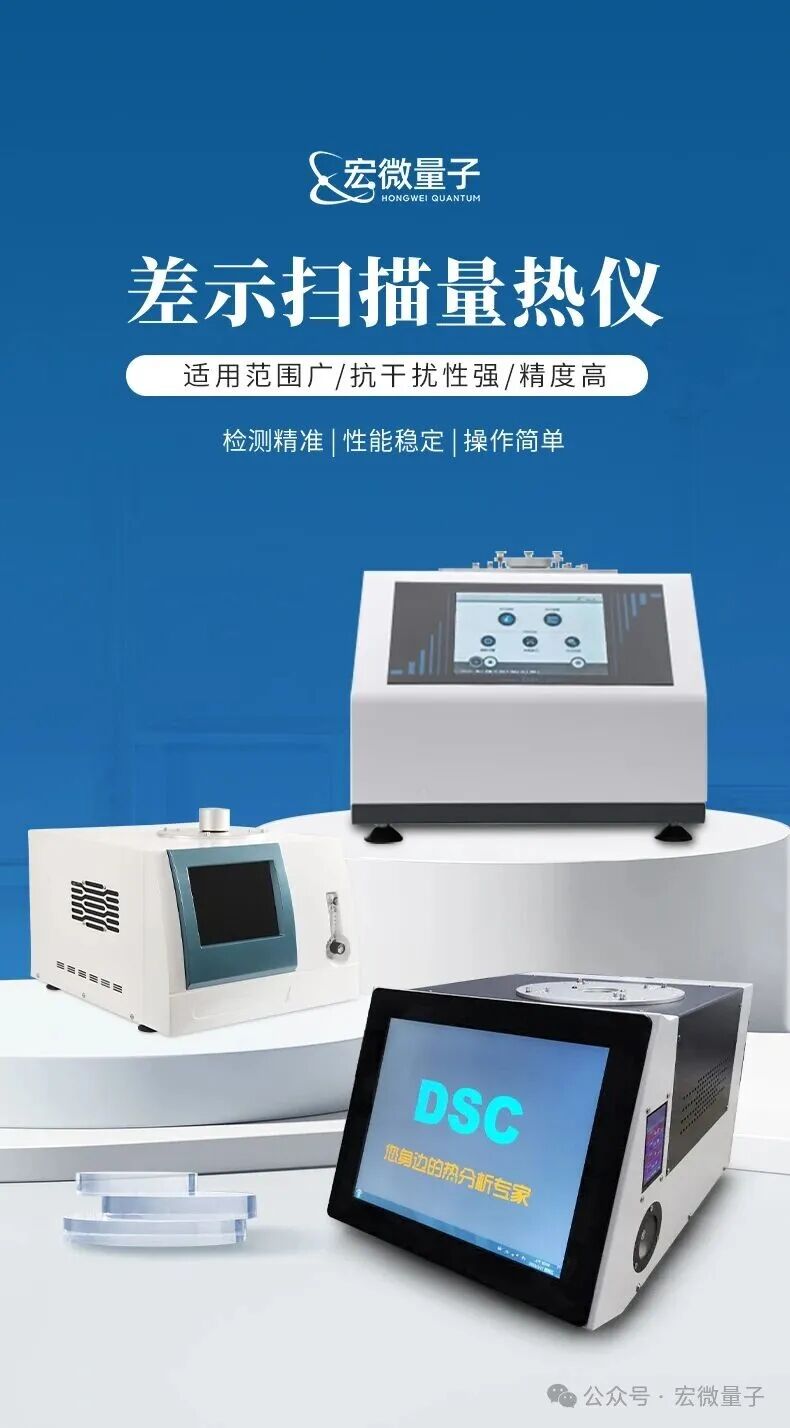
The Differential Scanning Calorimeter is a technical device used to measure the heat flow changes of materials under programmed temperature conditions. It accurately captures the thermal effects of substances during heating, cooling, or isothermal processes by comparing the heat differences between the sample and the reference material. Behind these thermal effects often lie key characteristics of materials such as glass transition, melting, crystallization, and oxidative stability.
In simple terms, DSC can “see” the “reactions” of materials as temperature changes, such as when polymers soften, when drugs decompose, and how metals undergo phase changes. It is not just an instrument; it is the “eye” of scientists for understanding material behavior and optimizing product performance.
Technical Features: The Perfect Fusion of Intelligence and Precision
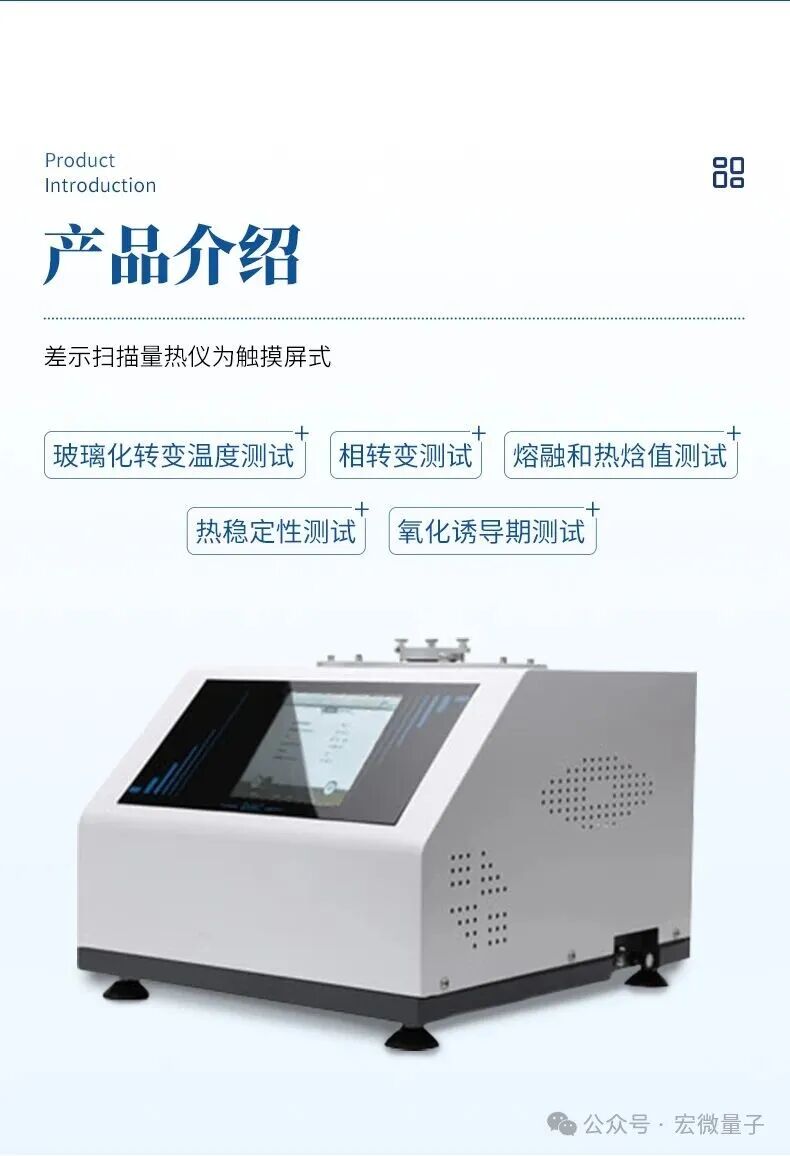
Modern Differential Scanning Calorimeters have moved away from traditional computer dependency and entered the era of highly integrated touch screens. Taking the device introduced in this article as an example, its outstanding features include:
-
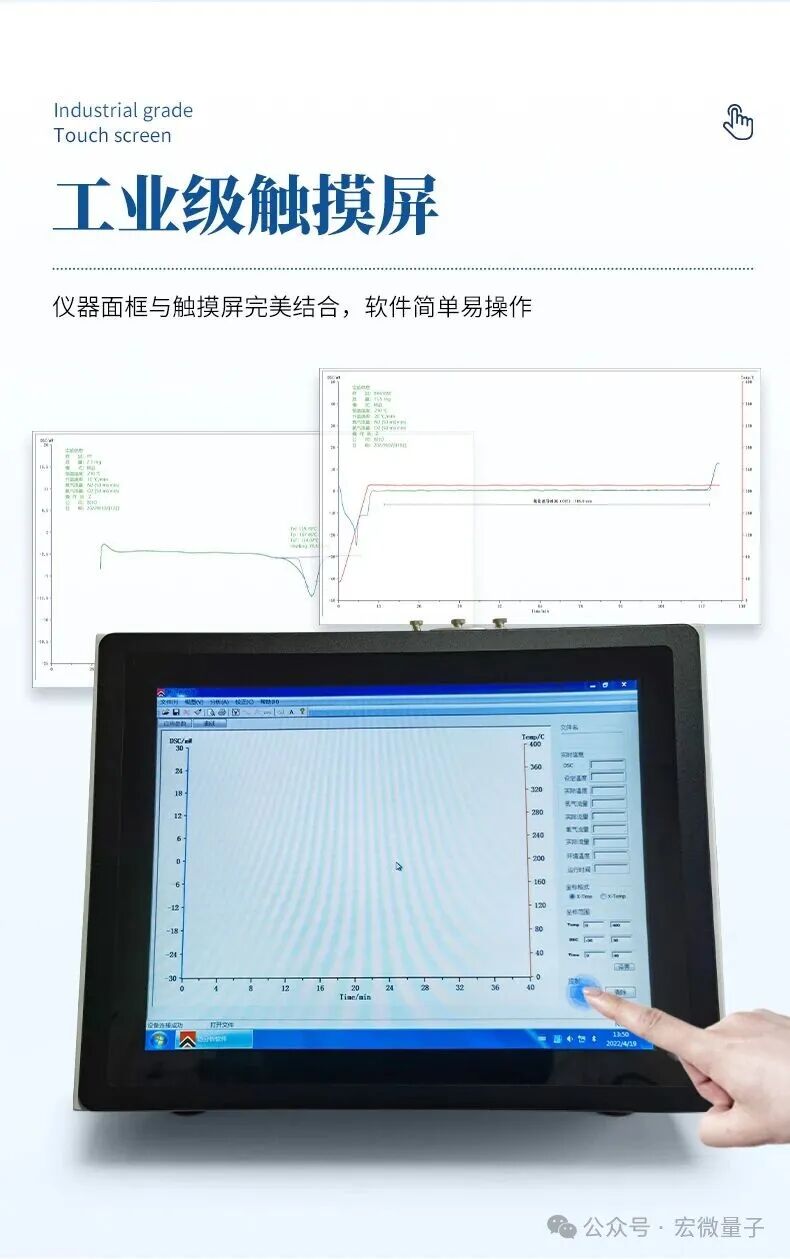
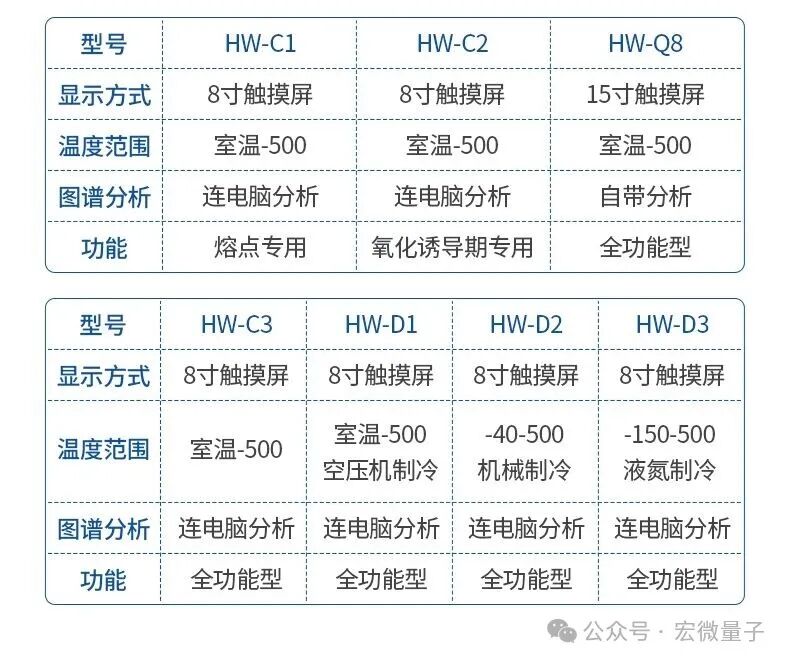
Industrial-grade Touch Screen Operation: Equipped with a fifteen-inch LCD touch screen, the instrument integrates control and data display, freeing itself from external computer constraints, greatly enhancing operational convenience and spatial adaptability.
-
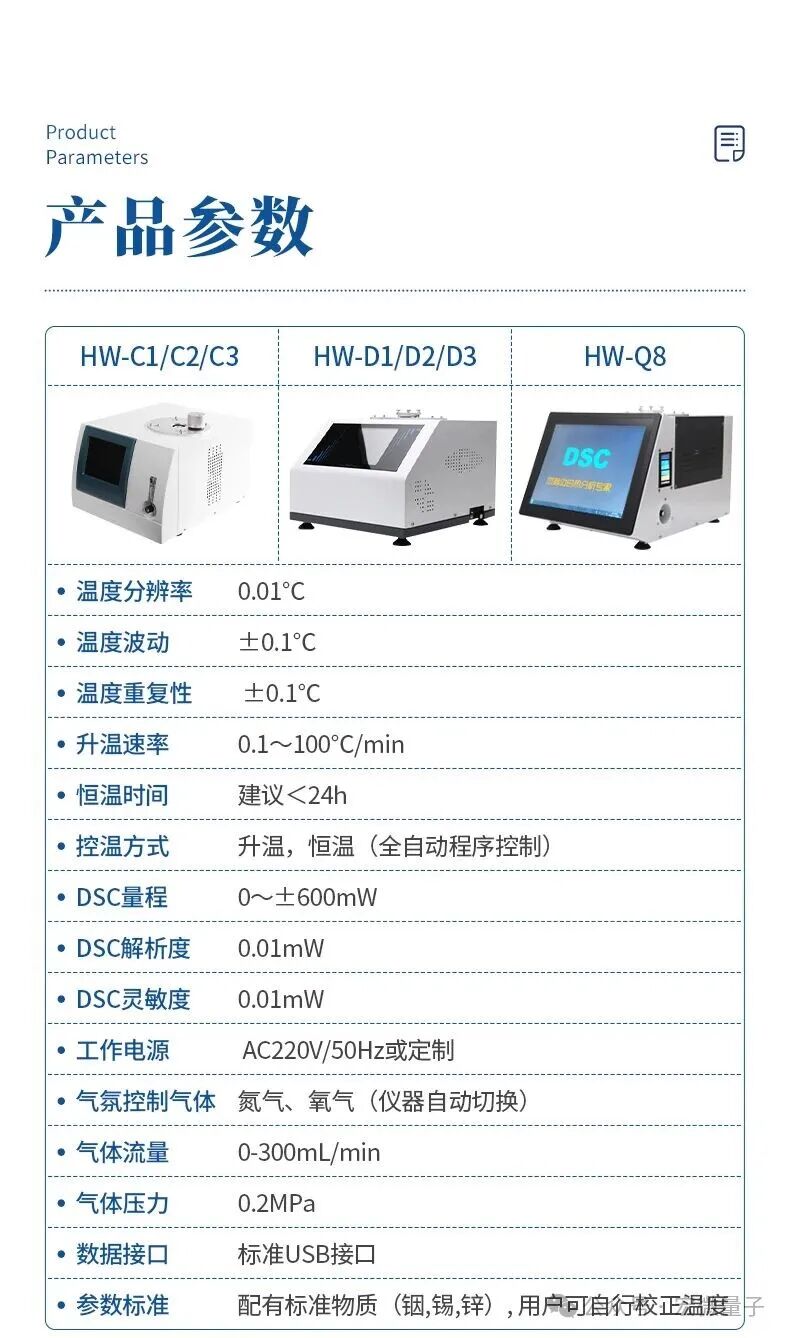
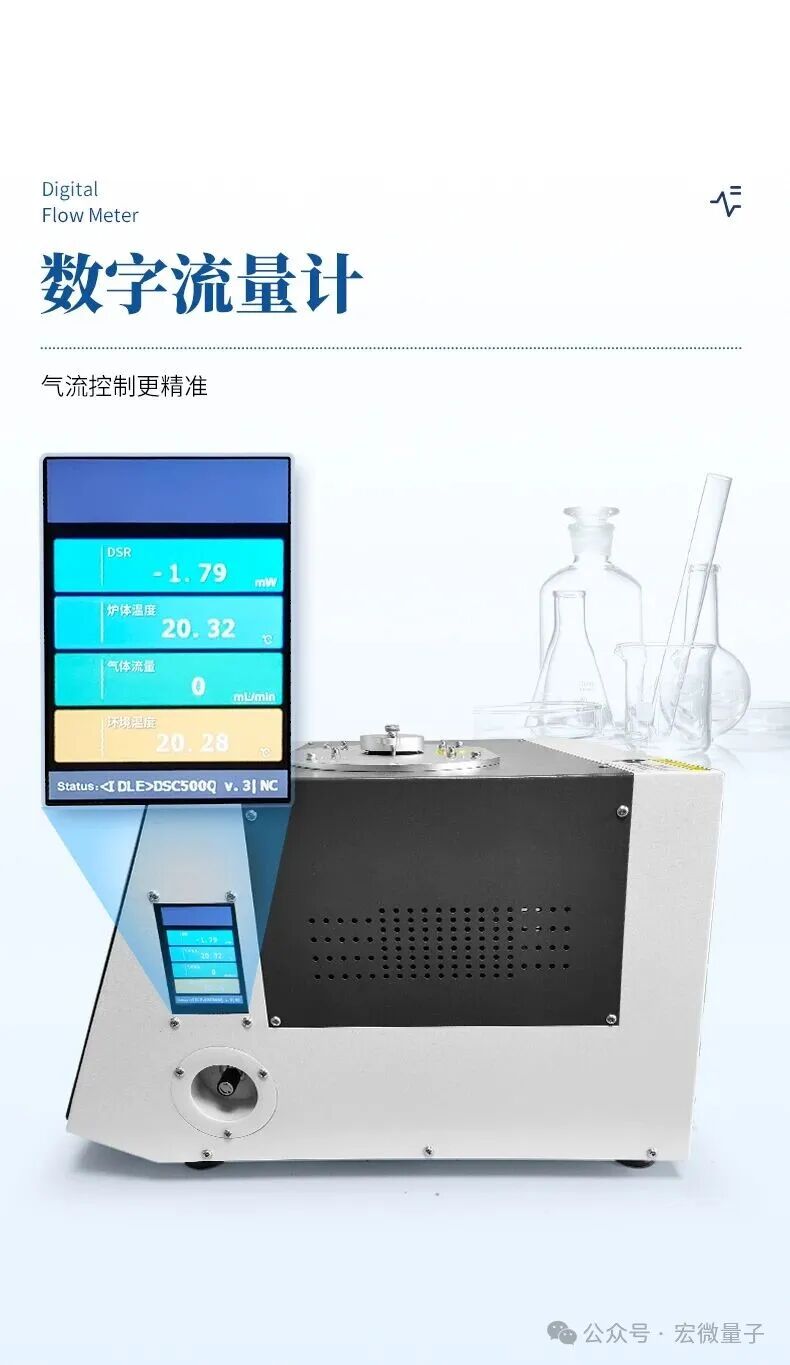
Precise Gas Control System: Utilizing electronic flow meters, it precisely controls gas flow, supports automatic switching between nitrogen and oxygen, and provides a protective gas input to ensure a highly stable experimental environment.
-
Excellent Sealing Design and Temperature Control Performance: The furnace body has excellent sealing properties, combined with rapid atmosphere switching capabilities, providing reliable conditions for experiments. Temperature control ranges from room temperature to five hundred degrees Celsius, with a resolution of two decimal places, and fluctuations and repeatability are controlled at very low levels.
-
User Self-Calibration Function: The instrument comes standard with materials such as indium, tin, and zinc, allowing users to perform temperature calibration independently, ensuring long-term reliability of data.
These features not only reflect the technological advancement of the instrument but also showcase its “human-centered” design philosophy—making complex scientific analysis simple and intuitive.
Application Fields: From Research Innovation to Industrial Quality Control
The application range of the Differential Scanning Calorimeter is extremely broad, covering almost all material-related fields:
1. Polymer Materials
In the study of plastics, rubber, fibers, and other polymers, DSC can be used to determine glass transition temperature (Tg), melting temperature (Tm), crystallization behavior, and thermal stability. These parameters directly affect the processing performance and usage conditions of materials.
2. Pharmaceutical Industry
The study of drug polymorphism, purity, compatibility, and decomposition behavior relies on DSC. It helps pharmaceutical scientists screen crystal forms and determine storage conditions, ensuring the safety and efficacy of drugs.
3. Food Science
Processes such as fat crystallization, protein denaturation, and starch gelatinization are accompanied by thermal changes. DSC provides key data for food development and shelf-life studies, helping to improve product quality.
4. Metals and Alloys
The determination of phase transition temperatures, solid solution decomposition, and oxidation induction periods is of great significance for alloy design and heat treatment process optimization.
5. New Energy Materials
The thermal stability of battery electrolytes and the phase behavior of electrode materials can be characterized by DSC, supporting the development of new energy technologies.
Compliance Standards: A Guarantee of Quality
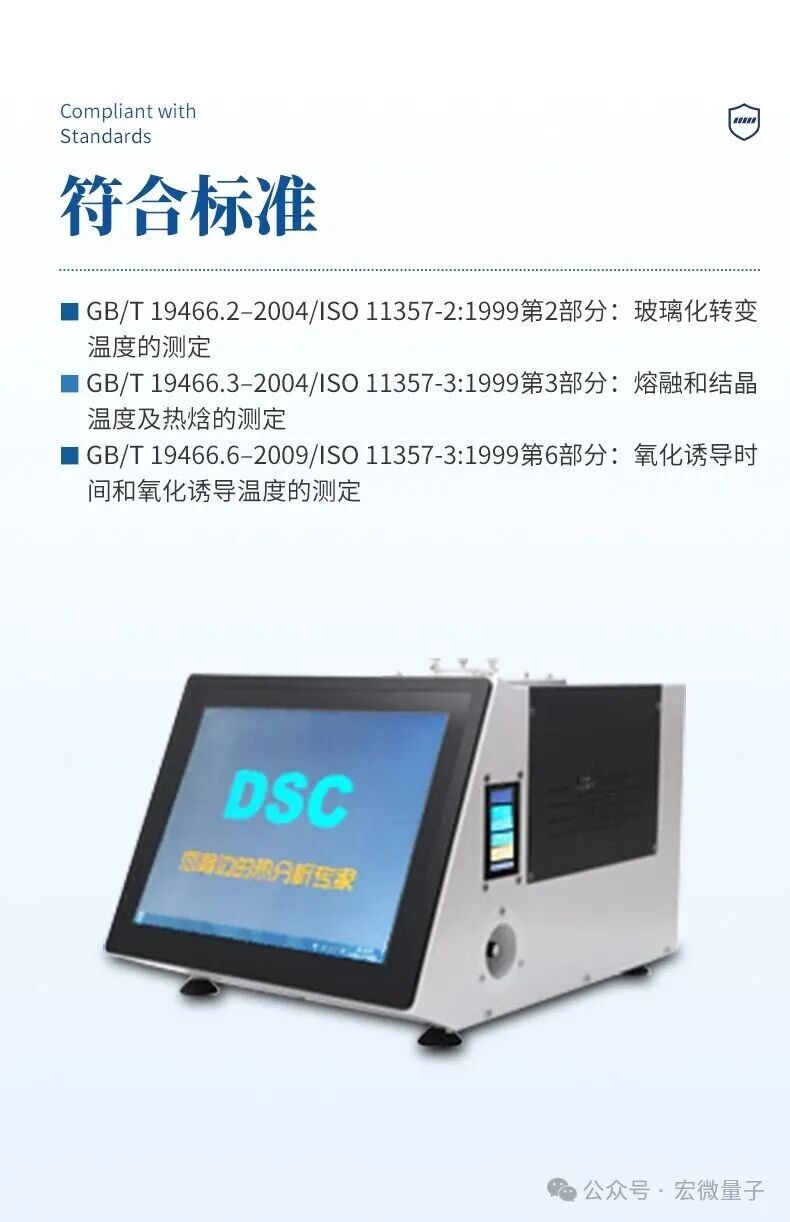
This instrument strictly adheres to multiple international and national standards, including:
-
GB/T 19466.2–2004 / ISO 11357-2:1999 Determination of Glass Transition Temperature
-
GB/T 19466.3–2004 / ISO 11357-3:1999 Determination of Melting and Crystallization Temperatures and Enthalpy
-
GB/T 19466.6-2009 / ISO 11357-6:2009 Determination of Oxidation Induction Time
These standards not only ensure the reliability and comparability of experimental data but also reflect the instrument’s applicability in a global context.
User Experience: Simplicity Backed by Technological Power
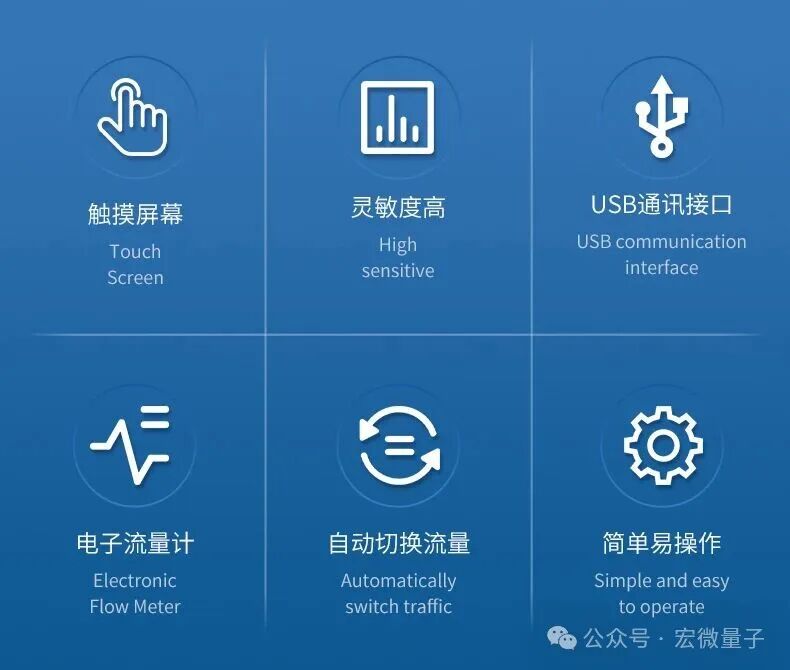
“The software is simple and easy to operate” is a common feedback from many users regarding modern DSCs. However, this simplicity is the result of optimized algorithms, integrated hardware, and user-friendly design. From program settings to data analysis, the touch screen interface guides users step by step through the experiment, significantly lowering the usage threshold. Meanwhile, the USB interface facilitates data export, further expanding the flexibility of post-processing.
From Principles to Practice: How Does DSC Work?
The core principles of DSC are divided into two types: heat flow and power compensation. Although the technical paths differ, the goal is the same—accurately measuring the heat flow difference between the sample and the reference material. When the sample undergoes endothermic or exothermic behavior, the instrument compensates for energy to maintain the temperature consistency between the two, recording the required energy as the heat flow change.
Key steps in practice include:
-
Sample Preparation: A uniform and adequate sample is the foundation of a successful experiment.
-
Atmosphere Control: Choose inert or oxidative atmospheres based on the testing purpose, such as switching to oxygen for oxidation induction period testing.
-
Rate Selection: The heating rate affects the determination of transition temperatures and should be set reasonably according to standards or research purposes.
Future Outlook: Development Trends of DSC Technology
With the continuous advancement of materials science, differential scanning calorimetry technology is also evolving. In the future, we may see:
-
Expansion to higher and lower temperatures
-
Widespread use of combined technologies (e.g., DSC-FTIR, DSC-MS)
-
AI-assisted data analysis
-
Miniaturization and portable design
These developments will further expand the application boundaries of DSC, making the secrets of temperature impossible to hide.
The Differential Scanning Calorimeter, though seemingly just an instrument in the laboratory, carries humanity’s deep exploration of the material world. From touch screen operations to precise temperature control, from compliance with international standards to a wide range of applications, it perfectly illustrates how technology empowers science and serves society.
Whether researchers or industrial developers, understanding and effectively utilizing DSC means having an additional key to unlock material performance. In this world where temperature determines properties, the Differential Scanning Calorimeter stands quietly, awaiting the next thermal change and the arrival of the next explorer.