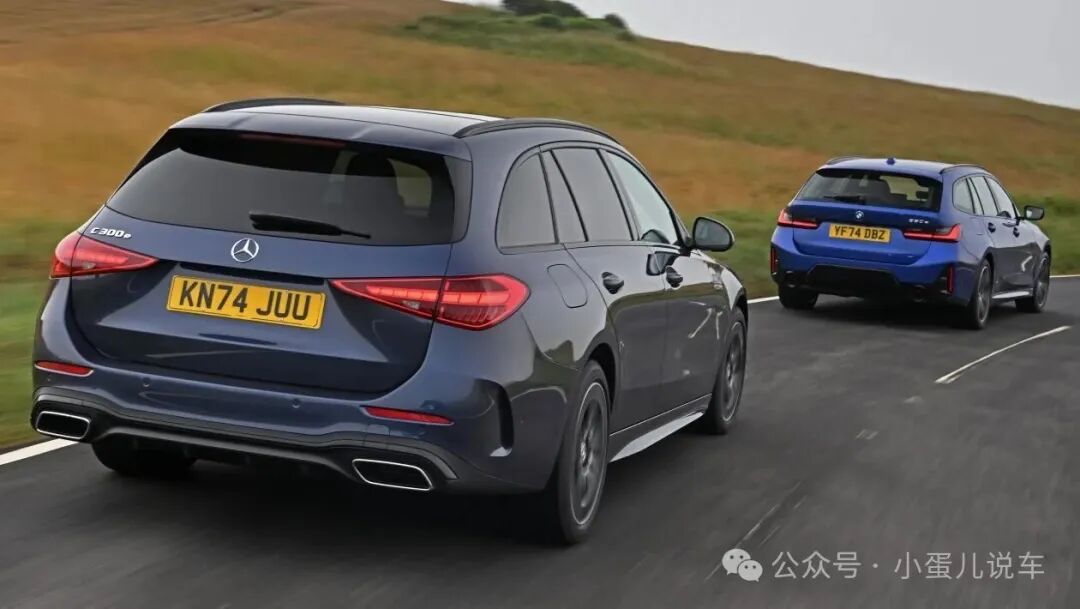
BMW 330e vs Mercedes C 300 e: The Ultimate Luxury Plug-in Hybrid Station Wagon Showdown
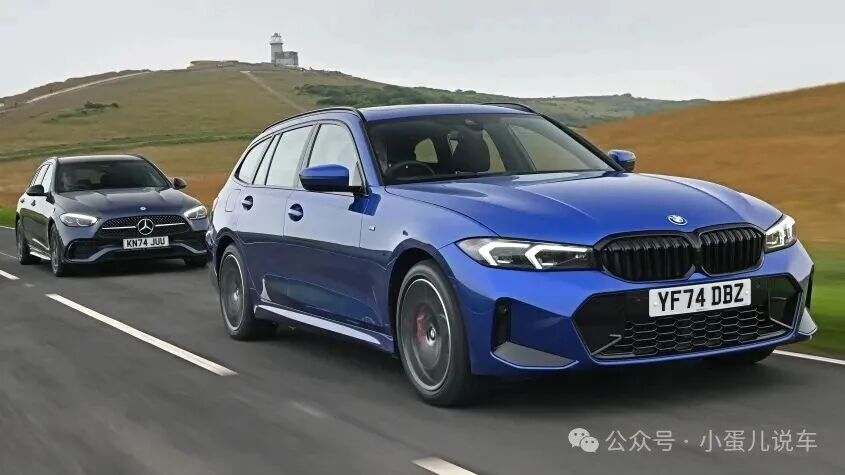
In the high-end car market, the BMW 3 Series Touring and the Mercedes-Benz C-Class Touring have always held significant positions. In recent years, they have become popular choices beyond SUVs, offering not only more spacious and practical space but also a more refined and sporty driving experience.
As a pioneer in this segment, the BMW 3 Series Touring has been favored by users since the E30 generation. With the launch of the seventh-generation G20 model, the plug-in hybrid version 330e further enriches the product lineup, attracting a large number of corporate users with low emissions and high practicality, without the range anxiety associated with pure electric vehicles.
Meanwhile, the strong competitor of the 3 Series Touring, the Mercedes-Benz C-Class Touring, has also launched the plug-in hybrid model C 300 e. Its hybrid system has evolved, offering higher efficiency and longer pure electric range. Although corporate vehicle tax policies have gradually brought these PHEV models closer to electric vehicles in terms of indirect costs, how practical are they as family cars? We seek answers through direct comparison.
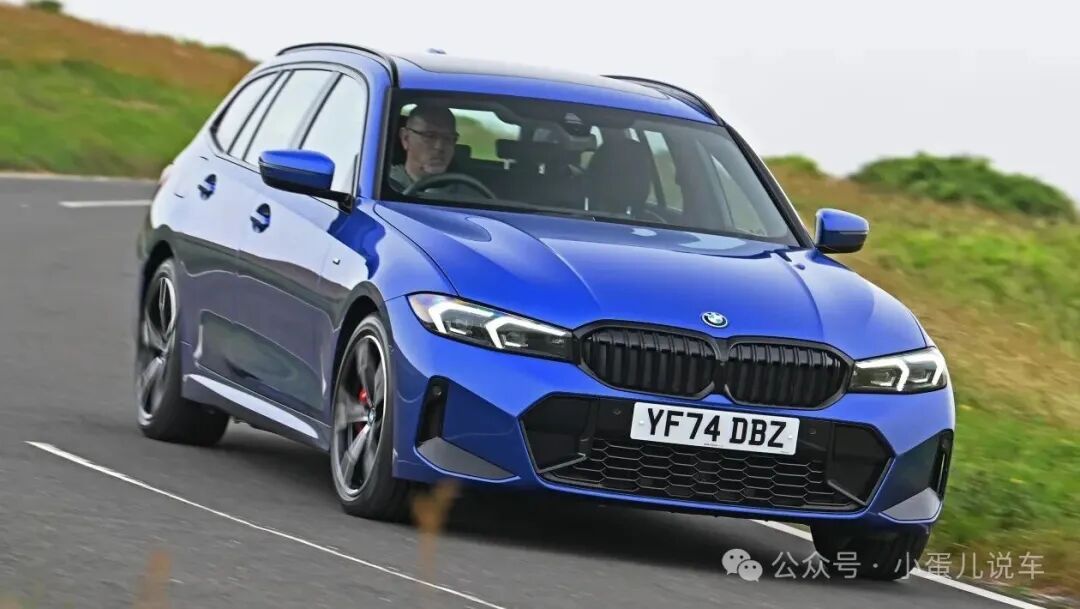
BMW 330e Touring
-
Model: BMW 330e Touring M Sport
-
Price: £48,985
-
Powertrain: 2.0T four-cylinder PHEV, combined output of 288 horsepower
-
0-62 mph: 6.0 seconds
-
WLTP combined fuel consumption (depleted state): 43.2 mpg
-
Annual VED: £620
The 2024 model 330e Touring features the same hybrid system as the sedan, enhancing energy efficiency. Its 2.0T engine is paired with an electric motor and a 22.3 kWh battery pack (initially 12 kWh), significantly increasing the pure electric range, with CO2 emissions as low as 20 grams/km. The M Sport test vehicle is priced at £50,235, which is reasonable compared to the four-door version, with acceleration performance almost unaffected, and fuel consumption not significantly increased, while providing more practical trunk space. The independently opening tailgate glass window makes it easier to access items in tight spaces.
The 3 Series Touring offers multiple driving experience modes (Personal, Express, Sport, Efficient), which not only adjust power response but also synchronize changes in screen graphics, instrument layout, audio, and interior ambiance, creating a highly personalized driving environment.
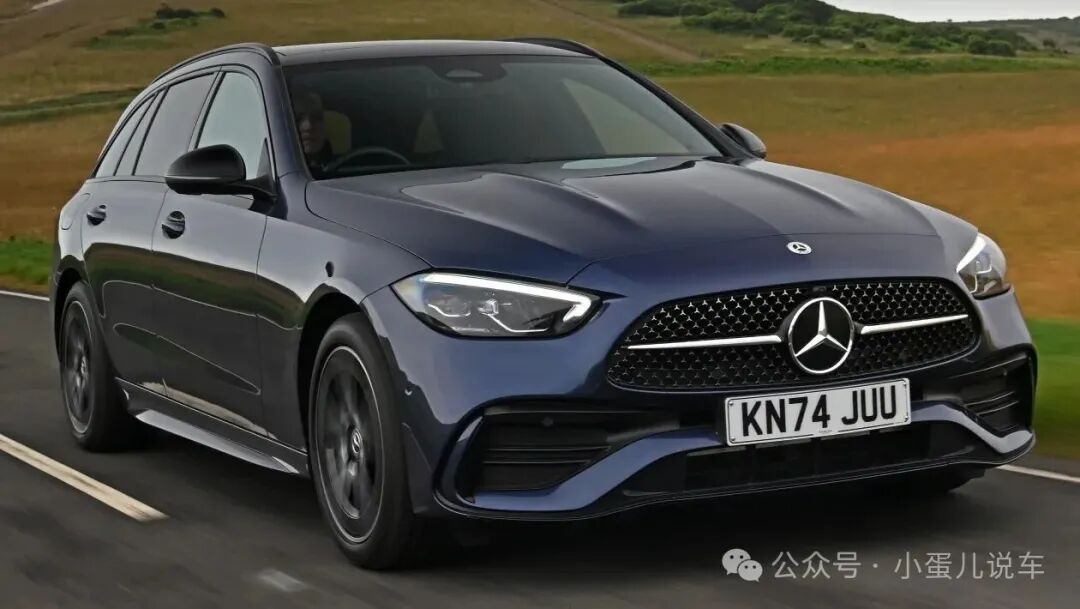
Mercedes-Benz C 300 e Touring
-
Model: Mercedes-Benz C 300 e Touring Urban Edition
-
Price: £52,220
-
Powertrain: 2.0T four-cylinder PHEV, combined output of 309 horsepower
-
0-62 mph: 6.2 seconds
-
WLTP combined fuel consumption (depleted state): 46.2 mpg
-
Annual VED: £620
Before BMW upgraded the battery, the C 300 e had always led in pure electric range. It features a 2.0T engine paired with a 19.5 kWh battery, achieving a pure electric range of 67 miles, which is 8 miles more than the 330e. The test model is the entry-level Urban Edition, priced at £52,220.
A somewhat awkward design feature of the C-Class is that the brake pedal automatically retracts when adaptive cruise control is activated. While the braking effect is reliable, more traditional pedal feedback is easier to control. The voice control system supports “Hey Mercedes” wake-up, allowing for multiple vehicle settings, reducing the need to operate the touchscreen while driving, and providing personalized greetings and other smart features.
Dynamic Performance
BMW has always been known for its sportiness, while Mercedes focuses more on comfort, but the 330e strikes a better balance between driving fun and cruising comfort. Both vehicles benefit from electric motor assistance, providing quick response at startup, but the weight of the battery slightly reduces their agility compared to pure gasoline versions.
Technology Comparison
Both vehicles are equipped with large screens, with BMW featuring a 14.9-inch widescreen and Mercedes an 11.9-inch screen, displaying rich content. The BMW iDrive controller is easier to operate in real driving conditions compared to the Mercedes MBUX touchscreen. The 12.3-inch fully digital instrument panel is clear and readable in both vehicles and supports high customization.
Economy and Practicality
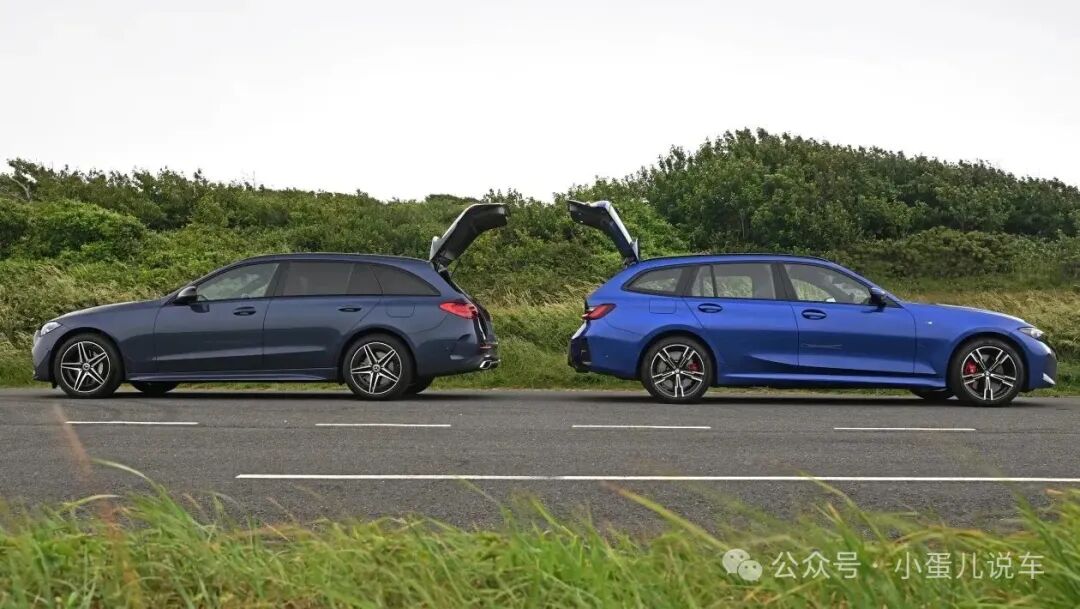
While Mercedes claims a longer pure electric range, both vehicles reserve some battery power to maintain system efficiency. In a depleted state, the C-Class consumes 46.2 mpg, better than BMW’s 43.2 mpg, and has a larger fuel tank. The 330e’s trunk volume is 410 liters, which is 50 liters more than the C 300 e, but 90 liters less than the gasoline version of the 3 Series Touring, and it features a unique independently opening rear window. The Mercedes trunk is 360 liters, which is 130 liters less than the gasoline version of the C-Class Touring, and the floor is also higher. Neither vehicle has dedicated storage space for charging cables.
Safety and After-sales
Both vehicles are equipped with rich safety features, but Mercedes requires an additional £1,695 for the Driving Assistance Package to include features like blind spot assistance and active braking, while BMW includes blind spot monitoring in its £1,250 Assistance Professional Package. If the battery is kept charged, the daily costs are low, with only Mercedes supporting high-voltage DC fast charging, which can fully charge the battery in 20 minutes at 55 kW power. BMW offers a five-year service package at an annual fee of £209, while Mercedes’ three-year package costs £504 annually.
Final Winner: BMW 330e Touring M Sport
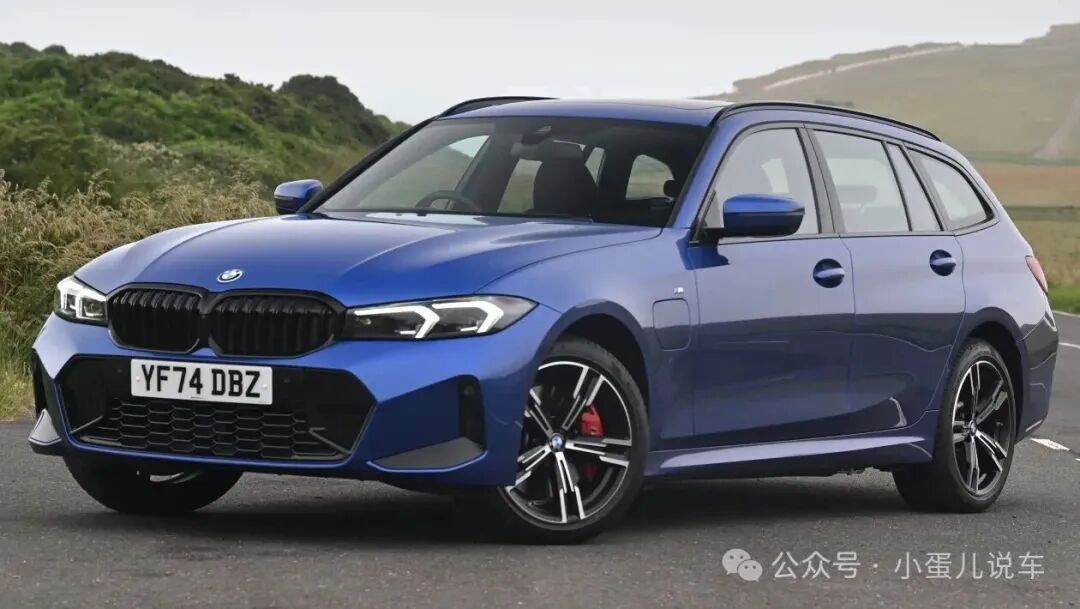
The upgraded battery in the 330e plug-in hybrid system greatly enhances its appeal. Although the driving experience is slightly affected by the vehicle’s weight, the benefits of low emissions are more pronounced for corporate users. The practicality of the Touring version remains largely unaffected, with ample passenger space and user-friendly technology configurations, making it one of the best plug-in hybrid models on the market.
Highly Recommended: Mercedes-Benz C 300 e Touring Urban Edition
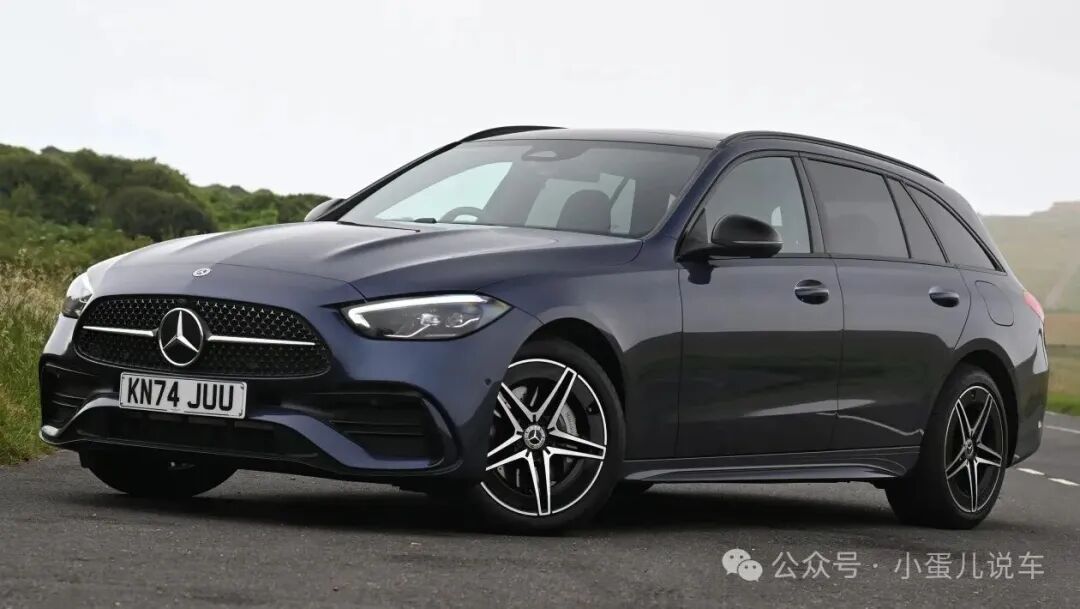
The C-Class Touring features a luxurious interior, with a clear and high-end touchscreen and instrument display. Its low emissions and long pure electric range remain attractive to corporate users. However, as a daily cargo tool, the hybrid version compromises significantly on space practicality due to battery layout. In contrast, its sedan version or diesel Touring version may be a more versatile choice.
Specifications and Price Comparison (slightly, retain original table data)
Note: BMW offers expensive special paint options, including the unique “Frozen” matte finish. The optional price for active cruise control is £600, and the electric tow bar is £1,000. The Mercedes Urban Edition has a more basic configuration, with more advanced features requiring optional upgrades or higher configurations.