
Click the blue text to follow us
In modern electronic manufacturing, PCBA processing is a complex and meticulous task. As the functions of electronic products become increasingly sophisticated, the types and quantities of components also rise, making it a significant challenge to ensure that each component is correctly and reliably installed onto the PCB. The post-soldering process, as an important part of PCBA processing, is particularly necessary due to its critical role in ensuring soldering quality and enhancing product reliability.
Definition and Role of Post-Soldering Process
The post-soldering process refers to manual or automated soldering operations performed on specific components of the PCB after completing Surface Mount Technology (SMT) and reflow soldering. Typically, these components include those that cannot withstand high temperatures during the reflow soldering process or those that are too large to go through reflow soldering, such as connectors, inductors, transformers, pins, or certain specially packaged electronic components.
The main roles of the post-soldering process are reflected in the following aspects:
- Soldering Special Components: Certain components, due to their design or material specifics, cannot be automatically soldered through SMT and require the post-soldering process to complete. For example, large inductors or connectors may be damaged by high temperatures during the SMT reflow soldering process and must be operated under low-temperature manual soldering conditions.
- Ensuring Soldering Quality: The post-soldering process provides the opportunity for re-soldering or repairing components that were not completely soldered during the SMT process, thus improving overall soldering quality. For products with extremely high quality requirements, the manual intervention in the post-soldering process can further ensure the reliability of each solder joint.
- Enhancing Electrical Performance: The post-soldering process can ensure better electrical contact performance of solder joints for certain key components, such as connectors in high current or high-frequency applications, through manual soldering, thereby reducing contact resistance and enhancing signal transmission stability.
Necessity of Post-Soldering Process in PCBA Processing
- Addressing Component Diversity: With the miniaturization and multifunctionality of electronic devices, the variety of components on PCBA is increasing, leading to more complex soldering processes. The post-soldering process provides a reliable installation method for components that cannot be soldered through standard SMT processes, ensuring that all components are firmly soldered in place.
- Compensating for Automation Limitations: Although automated soldering technology has matured, certain components in complex products still require manual intervention to achieve the desired soldering results. The post-soldering process can compensate for the shortcomings of automated processes, ensuring soldering integrity and consistency.
- Meeting Special Application Requirements: For special applications, such as military products, medical devices, or aerospace electronics with high reliability demands, the post-soldering process can provide higher soldering standards and quality assurance, meeting the strict requirements for soldering reliability in these fields.
- Flexibility in Repair and Rework: The post-soldering process also offers flexibility for soldering repairs and rework. During PCBA production, if soldering defects are found or certain components need to be replaced, the post-soldering process can quickly and effectively conduct repair operations, reducing rework costs and time due to soldering issues.
The post-soldering process plays an indispensable role in PCBA processing. It not only provides effective solutions for soldering special components but also significantly improves soldering quality and meets the demands of high-reliability applications. As electronic products continue to evolve, the importance of the post-soldering process will become increasingly prominent, making it a key link in ensuring product quality and reliability in PCBA processing.



Jiangxi Intelli Electronic Technology Co., Ltd.
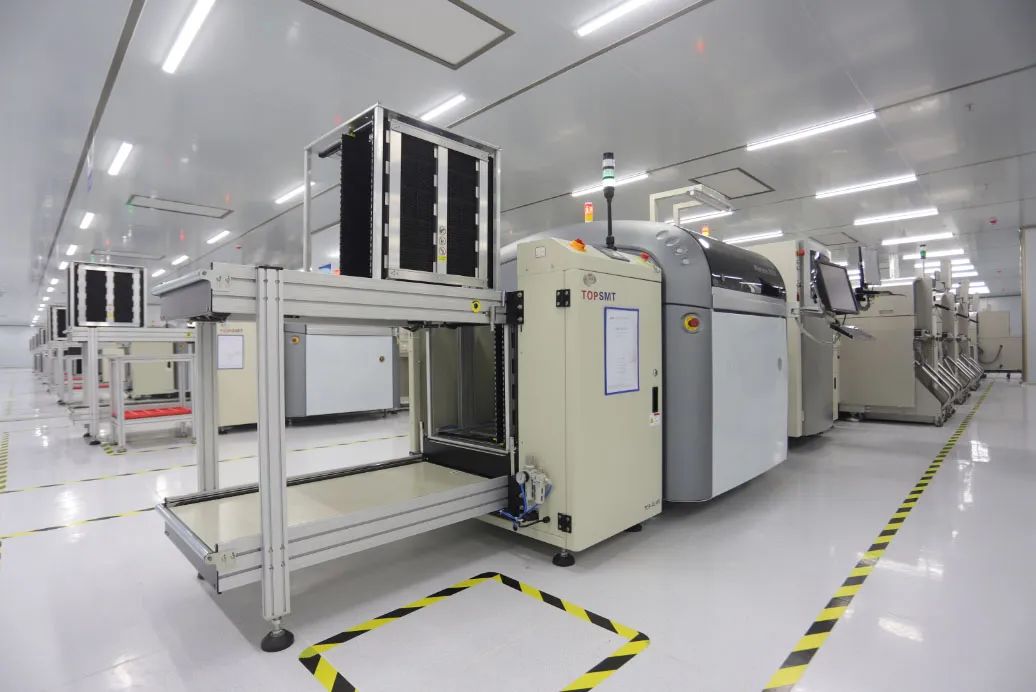
Jiangxi Intelli Electronic Technology Co., Ltd. was established in May 2016, located in the talented and beautiful Jiangxi Province, Fuzhou City, Linchuan District. Jiangxi Intelli Electronic Technology Co., Ltd. currently has a factory area of 30,000 square meters, 24 SMT production lines, 8 plug-in lines, 4 wave soldering lines, 8 assembly lines, 4 packaging lines, with a total investment of 1 billion yuan, equipped with an advanced and complete digital management system, committed to building an Industry 4.0 smart factory.
Business Inquiry: Mr. Li 17870016160
Company Phone: 0794-7878288 Company Fax: 0794-7878288 Email: [email protected]
Company Website: www.intelli40.com Address: Building 8-9, Jiangxi Province Fuzhou High-tech Industrial Park, Linchuan District


Scan the QR code
Follow us
WeChat ID: intelli40